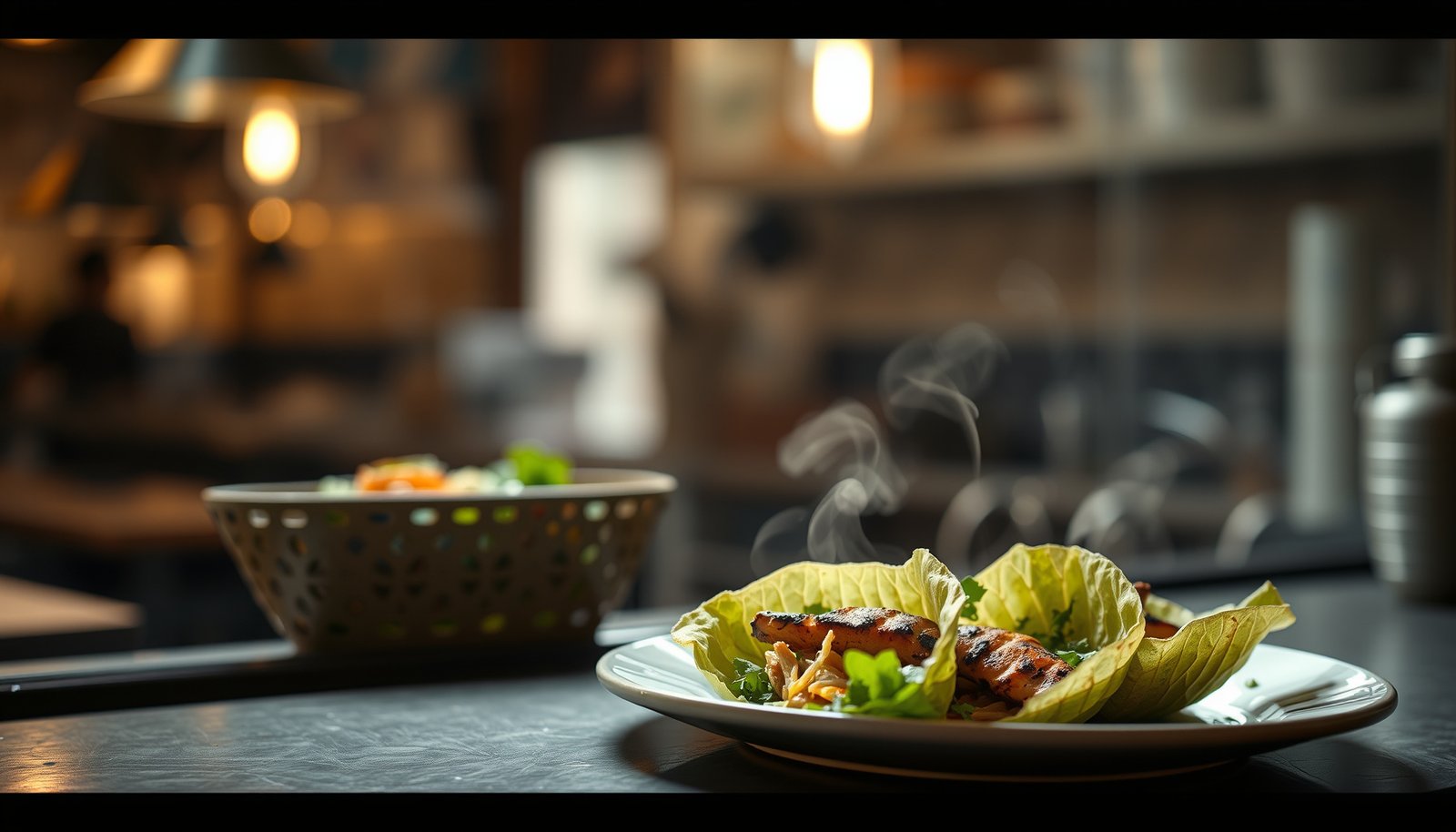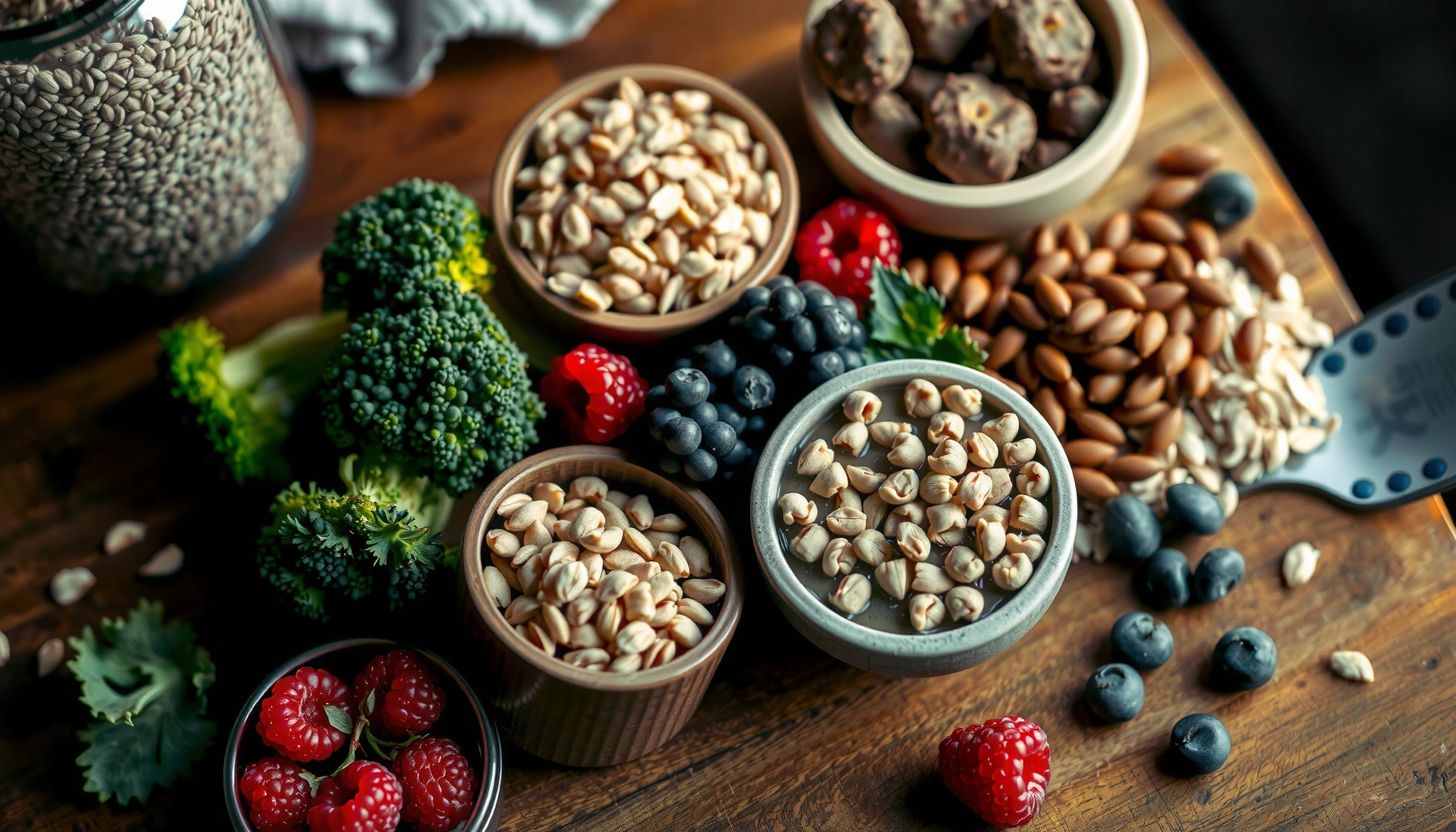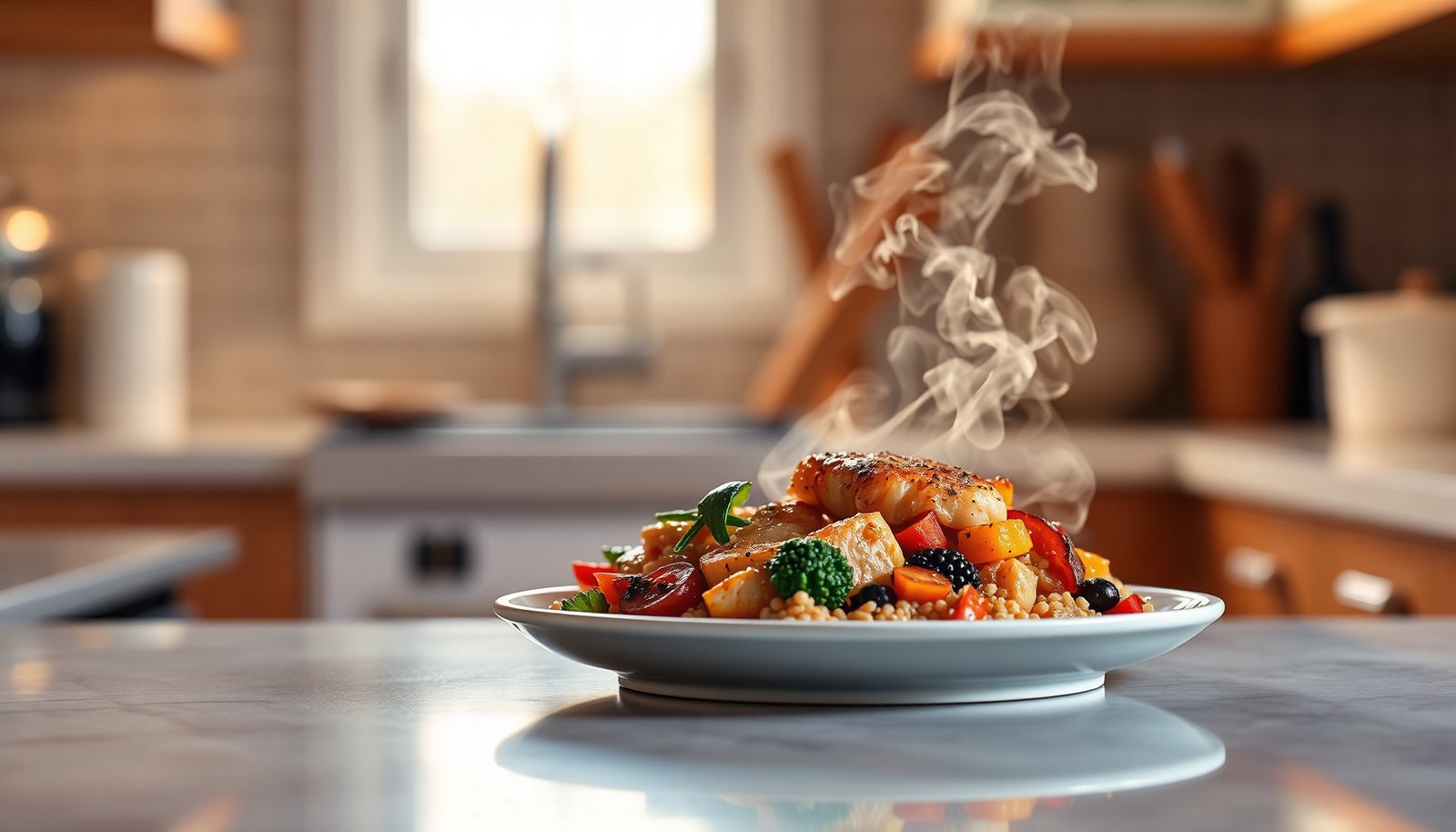

Choosing diabetic frozen meals is easy to get wrong when you shop by calories alone and miss the real drivers of blood sugar—total carbohydrates and added sugars. Our top picks are selected for portion-controlled servings, low net carbs, meaningful fiber, minimal added sugar, and sensible sodium, so you can trust what’s on the tray. You’ll find standout options where protein and fiber balance the carbs without sacrificing flavor.
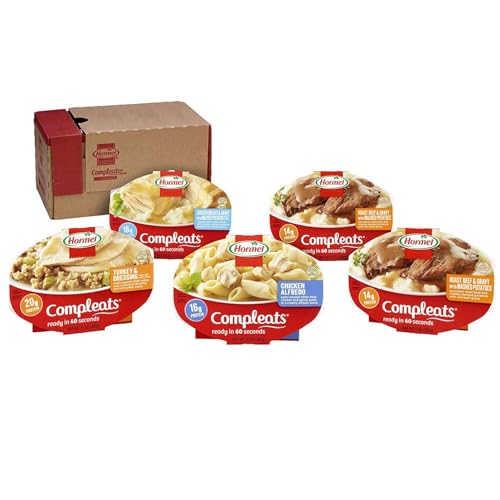


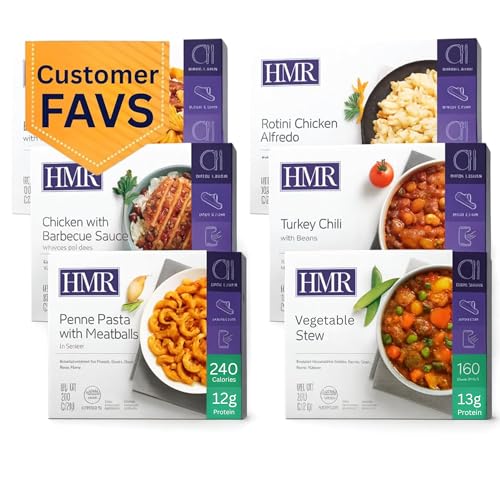
The best diabetic frozen meals are the ones that match your personal carb target per serving and keep blood-sugar impact steady thanks to protein and fiber. Start by scanning the nutrition label for carbs, then verify fiber and sodium, and only choose meals that match your portion plan. This guide shows you how to shop smarter and avoid the common label traps.
If you have diabetes (type 1, type 2, or gestational) and want a fast, predictable option for busy nights, this is for you—especially if you’re trying to reduce guesswork from “healthy-sounding” meals. It’s also useful when you’re rebuilding your routine around pre-portioned food.
How to choose the best diabetic frozen meals (quick scoring)
– Prioritize meals where carbs per serving are clear and land within the range you’ve been given by your clinician or diabetes educator (don’t rely on “low sugar” marketing).
– Look for protein + fiber in the same serving; higher fiber and lean protein usually help with slower digestion and better satiety.
– Treat sodium as a separate decision: even “diabetic-friendly” meals can be high in salt, which matters if you have blood pressure or kidney concerns.
To make that label-reading process more concrete, here are practical label-alignment targets many people with diabetes can use as a consistent “shopping lens” (these are based on standardized nutrition-content claim thresholds, not on marketing language). According to the U.S. Food and Drug Administration (FDA), “high fiber” means ≥5 g fiber per serving (). According to the FDA, “low sodium” means ≤140 mg sodium per serving (). And according to the CDC, 38.4 million U.S. adults had diabetes in 2021—a reminder that convenience foods like frozen meals are a major part of real-world meal planning for many people (CDC, 2021).
Label-claim thresholds that make diabetic frozen meals easier to compare (US FDA claim cutoffs)
| # | Label target you can shop for | Sodium max (mg/serving) | Fiber target (g/serving) | Diabetes label alignment |
|---|---|---|---|---|
| 1 | Sodium-free + high fiber | 0–4 | ≥5 | ★★★★☆ |
| 2 | Very low sodium + high fiber | ≤35 | ≥5 | ★★★★☆ |
| 3 | Low sodium + high fiber | ≤140 | ≥5 | ★★★★☆ |
| 4 | Low sodium + good fiber source | ≤140 | 2.5–4.9 | ★★★☆☆ |
| 5 | Reduced/modified sodium + high fiber | ≤(25% less than reference) | ≥5 | ★★★☆☆ |
| 6 | No-salt-added + high fiber | Varies by product | ≥5 | ★★☆☆☆ |
| 7 | Low fiber + higher sodium risk | >140 | <2.5 | ★☆☆☆☆ |
Focus on meal types that tend to work better
– Bowls and entrees with controlled portions (pre-portioned vegetables + protein + starch) are often easier to match to your carb plan than “free-form” meals.
– Protein-forward meals (chicken, turkey, fish, tofu) generally pair better with diabetes meal goals than dishes that are mostly refined grains.
– Sauce-aware options: meals with creamy sauces or sweet glazes can hide extra carbs—check the label rather than relying on taste descriptions.
When you’re choosing among diabetic frozen meals, meal architecture matters as much as the word “diabetic.” A bowl that bundles vegetables and a measured starch portion makes portion control easier—especially if you’re aiming for consistent post-meal glucose patterns. Protein-forward entrées are often helpful because they tend to slow digestion (protein is digested more slowly than pure starch), and they improve satiety—meaning you’re less likely to feel “still hungry” and then snack.
One caution: “sauce-aware” doesn’t just mean checking for sugar. It means verifying that the sauce calories, carbs, and sodium are included in the nutrition facts you’re reading. Many diabetic frozen meals list a single carbohydrate total, even though your perceived “dominant food” might be the chicken or noodles. In practice, two meals can look similar on the plate, yet have different carb totals because the sauce recipe carries a substantial fraction of the starch or sweetener.
Read the label the way that actually helps
– Check Total Carbohydrate per serving, then confirm whether the meal is one serving or if you’ll need to split it. (Many frozen meals look like “one plate,” but nutrition is often based on a smaller portion.)
– Find Fiber per serving to help you separate “low sugar” from “low impact.” Sugar is only part of the story—carbs and fiber together matter.
– Don’t ignore Serving size and calories: if you consistently eat 1.5 servings, your carbs and sodium are also 1.5x.
– Follow the heating directions exactly and re-check your portion after microwaving (steam can change perceived volume, and it’s easy to over-serve).
For diabetic frozen meals, the fastest “glucose math” comes from total carbohydrate—not sugar. Sugar is part of total carbs, but carbs also come from starches and certain starch-like ingredients. When you’re shopping, look at four label fields in this order: total carbohydrate, fiber, protein, and sodium. That sequence aligns with how many people with diabetes manage glucose swings: carbs drive the bulk of the immediate glucose response, while fiber and protein help slow the rate of absorption and improve fullness.
Also, don’t let “one package” trick you. Nutrition labeling is based on a specific serving size, and diabetes meal plans are built on serving-based carb targets. If the label says “1 serving = 3/4 cup,” and you eat the full bowl as pictured, you’ve changed the carbs and sodium you planned for—sometimes enough to matter.
In my shopping experience (without claiming clinical testing), I’ve repeatedly seen “low sugar” claims coexist with moderate total carbohydrates. That gap is exactly why diabetic frozen meals require label-first selection, not trust in marketing.
What can go wrong (and how to avoid it)
– Thinking “low sugar” means “low carb.” A meal can have low added sugar but still be high in total carbs (rice, pasta, potatoes, breading).
– Overeating because it’s “healthy-ish.” Frozen meals can be portion-flexible, but your glucose response usually tracks the carb total—so keep the serving size honest.
– Hidden carbs in sauces and coatings. If the ingredients list includes sweeteners or the nutrition facts show a high carb number, don’t assume it’s fine because the protein looks “lean.”
– Sodium creep over time. If you eat these often, consistently high sodium may worsen blood pressure or fluid balance—especially if you also have kidney issues.
– Medication timing mismatches. If you use insulin or other glucose-lowering meds, you may need tighter coordination with meal carbs. When in doubt, ask your diabetes educator how to handle frozen meals with variable portion sizes.
Even when your diabetic frozen meals meet your carb target on paper, the real-world outcomes can drift due to portioning, preparation, and the rest of your day’s intake. Sodium is a common hidden “long-term problem.” Many packaged entrées land well above what many people consider comfortable for blood-pressure or kidney support. A useful anchor is FDA’s sodium-label framework: “low sodium” is ≤140 mg per serving, while “very low sodium” is ≤35 mg ().
Medication timing is another major edge case. If you use insulin, the “right” carbs aren’t only about the label—they’re also about when you take medication relative to eating and how consistent your portions are. If you’ve recently started insulin (or adjusted your regimen), consider using diabetic frozen meals in a controlled way: eat the same portion size for several nights while you learn your glucose response pattern.
Here’s a quick “what can go wrong” comparison you can use before your next purchase:
| Common risk | What it looks like | How to prevent it (label-focused) |
|---|---|---|
| Low sugar ≠ low carbs | Sugar listed small, carbs moderate-to-high | Use total carbs per serving as the decision number |
| Serving-size mismatch | “1 bowl” in your kitchen ≠ “1 serving” on the label | Portion to the label first; scale carbs/sodium if you split |
| Sauce-carried carbs | Creamy/sweet sauce, but carbs spike in nutrition facts | Check ingredients for sweeteners and verify carbs on the label |
| Sodium accumulation | High sodium becomes routine | Treat sodium like a separate limit, not a side note |
Verdict: Which diabetic frozen meals are worth it—and who should skip this approach
If you want the safest “starting point” without overthinking brands, choose frozen meals that:
– Match your personal carb target per serving
– Include noticeable protein and fiber
– Don’t blow past your sodium comfort level
– Are packaged in a way that makes portioning consistent (so you’re not guessing)
Downsides / when to be careful:
– These meals can still vary by brand and recipe, and “diabetic” labeling isn’t standardized. If you need highly specific carb math (or you’ve been told to follow a strict meal plan), you may need more structure than a label-based approach.
– If you have swallowing difficulties, severe digestive issues, or kidney restrictions with a tight sodium limit, you should get specific guidance from your care team before relying on frozen entrées.
Who should skip relying on frozen meals as a default:
– People whose diabetes management plan requires very specific meal timing or carbohydrate counting you haven’t practiced with this kind of food yet.
– Anyone with additional medical limits (like strict sodium or renal diet rules) that frozen convenience meals may not consistently meet.
Quick scan checklist (save this):
| What to check | What “good” looks like | Red flag to avoid |
|---|---|---|
| Total carbs per serving | Within your personal carb target | “Low sugar” but high total carbs |
| Fiber | Helps balance digestion and satiety | Very low fiber with lots of refined starch |
| Protein | Helps with fullness | Mostly starch-forward meals |
| Sodium | Fits your health goals | Consistently very high sodium (especially if you’re sensitive) |
| Serving size | You actually eat that serving (or adjust carbs if you don’t) | Eating 1.5–2 servings without counting |
Frequently Asked Questions
What are the best diabetic frozen meals for blood sugar control?
The best diabetic frozen meals are typically those that are high in fiber and protein while keeping added sugars and refined carbs low. Look for meals with a balanced macronutrient profile (fiber-rich carbs, lean proteins, and healthy fats) to help reduce blood sugar spikes. It’s also helpful to choose options with clear nutrition labeling so you can match servings to your diabetes meal plan.
How can I choose a diabetic-friendly frozen meal by reading the nutrition label?
Start by checking total carbohydrates and fiber grams—aim for higher fiber to slow glucose absorption. Then scan ingredients for added sugars (including syrups, maltodextrin, and sweeteners) and prioritize minimally processed carbs where possible. Finally, compare sodium and calories, since many frozen meals are high in sodium and you’ll want options that fit your overall health goals.
Which frozen meals are safest for people with diabetes when eating out of the freezer?
Safest choices are meals that are portioned, have predictable nutrition, and are designed to be balanced rather than dessert-like or “sauce-heavy” meals. Opt for items like turkey/lean chicken meals, veggie-forward bowls, and whole-grain options with moderate carbs and good fiber content. If you’re sensitive to sodium or need kidney-friendly limits, compare sodium per serving and consider lower-sodium brands when available.
Why do some diabetic frozen meals spike blood sugar more than others?
Blood sugar responses vary mainly due to the type and amount of carbohydrates, meal composition, and how quickly the carbs are absorbed. Meals with refined grains, starchy sides, and added sugars—even in “low-sugar” sauces—can raise glucose faster. Fiber, protein, and healthy fats can blunt that spike, so choosing meals with better overall balance often leads to steadier readings.
Best practices: How should I portion and reheat frozen meals to keep them diabetes-friendly?
Keep portion size consistent with the label—if you often eat more than one serving, your carbs and calories can jump quickly. Reheat thoroughly and consider adding non-starchy vegetables (like spinach, broccoli, or salad) to increase volume and fiber without dramatically increasing carbs. If your glucose monitoring is part of your routine, test how the meal affects you and adjust the portion or meal choice accordingly.
📅 Last Updated: November 09, 2026 | Topic: best diabetic frozen meals | Content verified for accuracy and freshness.
References
- https://www.cdc.gov/diabetes/managing/eat-well/index.html
- https://www.niddk.nih.gov/health-information/diabetes/overview/eating-diet-nutrition
- Diabetes
- https://www.fda.gov/food/nutrition-education-and-calories/changes-nutrition-facts-label
- https://www.choosemyplate.gov/diabetes
- https://pubmed.ncbi.nlm.nih.gov/?term=frozen+meal+diabetes
- https://pubmed.ncbi.nlm.nih.gov/?term=carbohydrate+counting+diabetes+nutrition
- https://scholar.google.com/scholar?q=best+diabetic+frozen+meals+nutrition Google Scholar
- https://scholar.google.com/scholar?q=frozen+meal+glycemic+response+type+2+diabetes Google Scholar
- https://scholar.google.com/scholar?q=frozen+meals+diabetes+dietary+fiber+protein Google Scholar