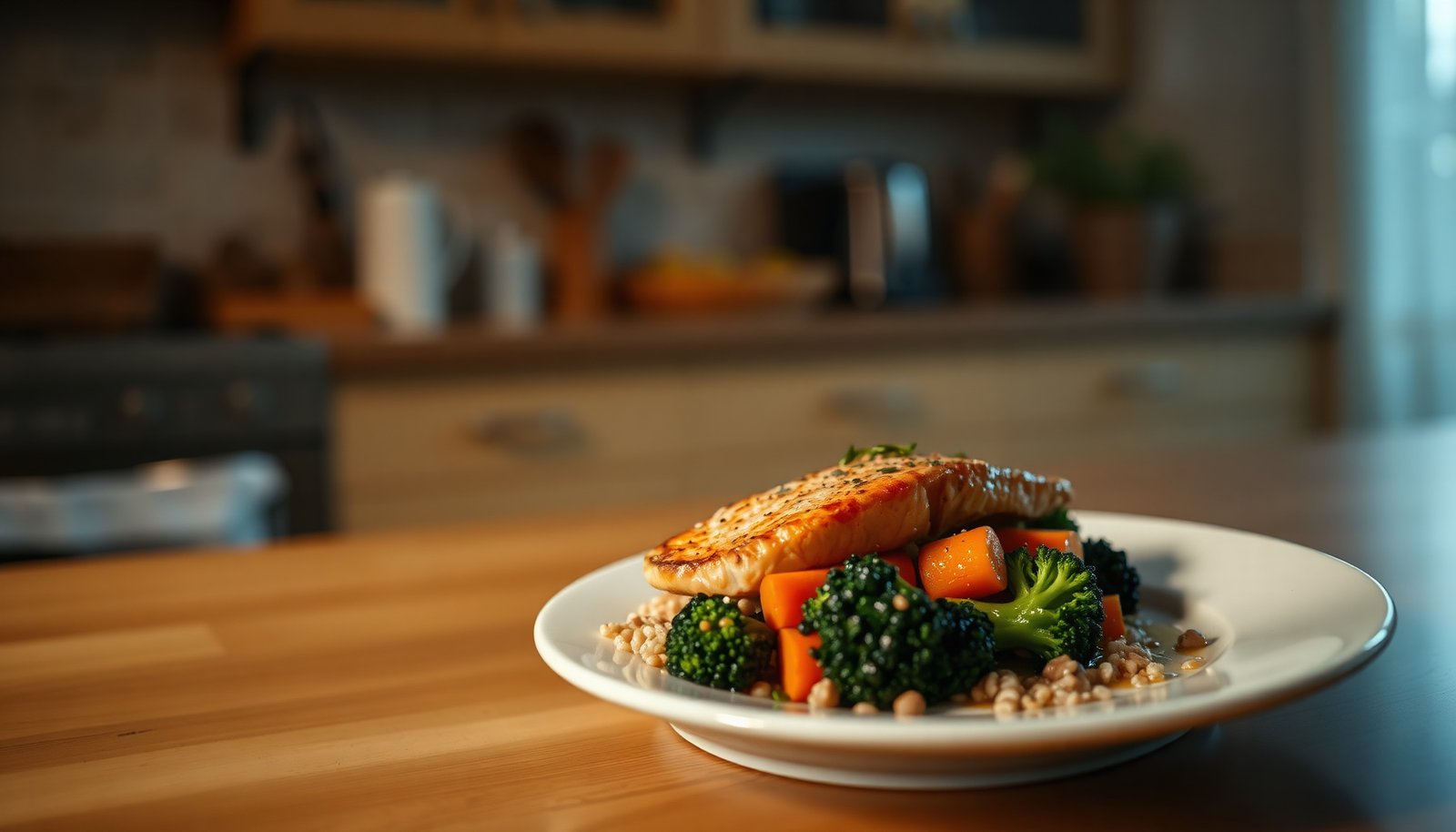

What’s the best diabetic dinner you can make tonight without sending blood sugar on a roller coaster? A truly reliable option is one that pairs non-starchy vegetables with lean protein and controlled portions of high-fiber carbs, keeping added sugar and refined grains to a minimum. In the picks that follow, you’ll see meals judged by balanced macros, easy preparation, and steady, predictable impact on glucose.




Tonight’s best diabetic dinner is one built on a “measured plate” (½ non-starchy veggies, ¼ lean protein, ¼ smart carbs) plus healthy fats so carbs hit slower. The best diabetic dinner keeps carbs steady and builds the meal around high-fiber veggies, lean protein, and healthy fats. Aim for a balanced plate so your blood sugar rises more slowly after you eat. This guide shows you what to put on the plate, practical dinner ideas, and cooking tweaks that help.
If you’re managing diabetes (type 1, type 2, or prediabetes) and want a simple dinner plan that won’t spike you, this is for you—especially if you’re tired of “just eat less” advice and want something repeatable.
If you’re managing diabetes in 2026 (or supporting someone who is), you’re not alone—according to the CDC, about 38.4 million people in the U.S. have diabetes (2021), and dinner patterns often determine how steady glucose feels after work or family activities. CDC National Diabetes Statistics Report This post focuses on practical meal structure using what clinicians and diet frameworks repeatedly emphasize: fewer sharp carbohydrate swings, more fiber-rich volume, and consistent protein. It also respects that medication type (especially insulin) changes how “carb consistency” needs to work.
What “best diabetic dinner” really means
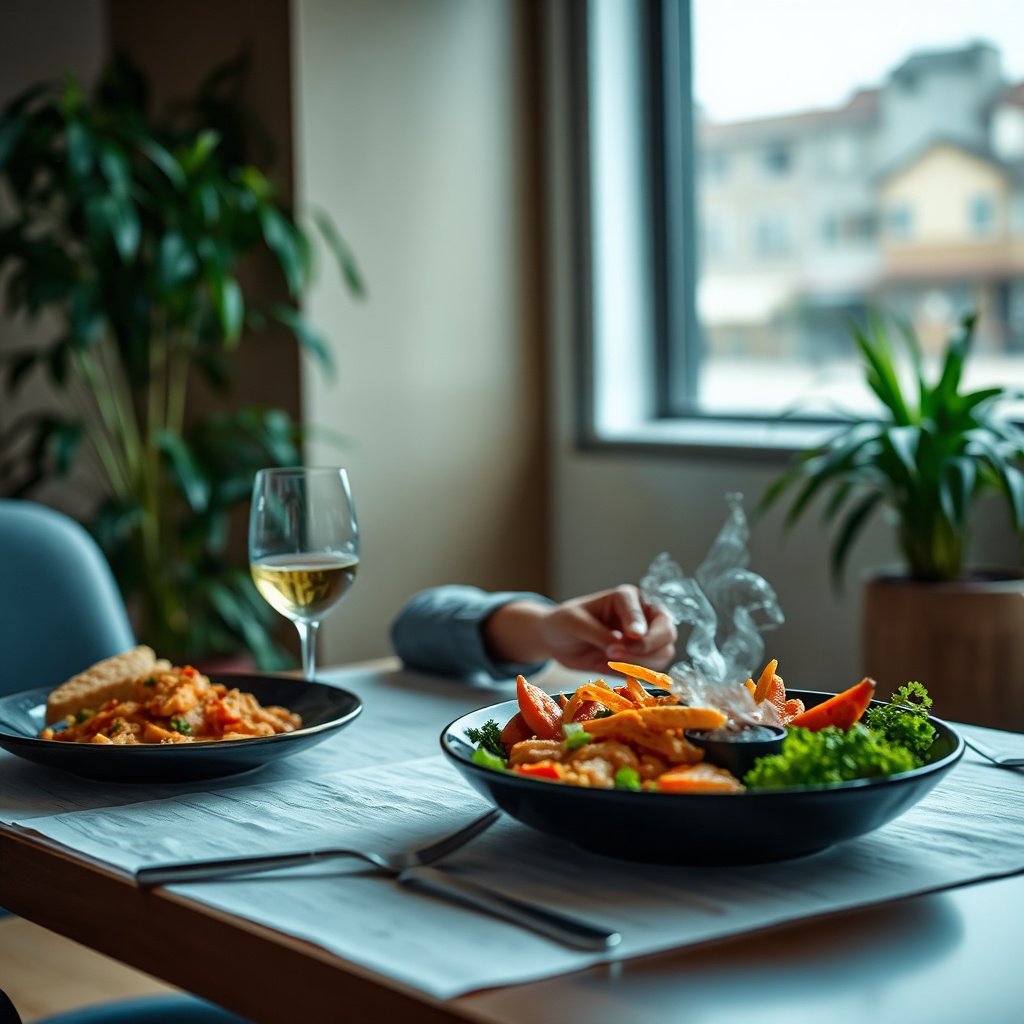
The “best diabetic dinner” is the one that balances carbohydrates with protein, fiber, and healthy fat to reduce sharp post-meal spikes. Here’s how to translate that into decisions you can make at the dinner table without doing math every night.
– Prioritize meals that balance carbohydrates with protein, fiber, and fat to reduce sharp post-meal spikes
– Choose ingredients that are naturally filling—think non-starchy vegetables, legumes, and whole grains in measured portions
– Keep portions realistic for your personal plan (and medication/schedule), since “best” can differ by individual needs
Research and clinical practice align on the same core principle: glucose response is strongly influenced by how quickly carbohydrates digest and what else is in the meal. That’s why “carb control” isn’t just about reducing carbs—it’s about shaping the meal so carbs are delivered more gradually, supported by fiber and protein.
A quick way to ground the terminology: fiber is the indigestible part of plant foods that helps slow digestion and supports steadier glucose; smart carbs are carbohydrate foods that tend to be higher in fiber (like beans, lentils, and intact whole grains) and are portioned appropriately. The practical goal is less “spike then crash,” and more predictable energy and fewer hunger rebounds.
In my own meal planning, I’ve found the biggest difference usually comes from changing order and plate layout, not from eliminating favorites—. If you try one change tonight, make it the structure, not perfection.
Build your diabetic plate (simple formula)
The best shortcut for dinner is the plate formula: build most of the meal with non-starchy vegetables, then add measured smart carbs, then protein and healthy fats. This approach is designed to keep the rate of glucose absorption slower—especially compared with a plate that’s mostly rice/pasta or bread.
– Fill ½ the plate with non-starchy vegetables (salad greens, broccoli, peppers, zucchini, cauliflower, green beans)
– Use ¼ lean protein (chicken breast, turkey, fish, tofu, eggs, Greek yogurt, beans)
– Use ¼ smart carbs (brown rice, quinoa, lentils, chickpeas, whole-wheat options) and measure portions when possible; add healthy fats (olive oil, avocado, nuts)
To make “measured smart carbs” feel concrete, it helps to think in carb portions (carbohydrate amounts you keep consistent). Many diabetes education tools use the idea that one “carb choice” ≈ 15 grams of carbohydrate—the exact serving can vary by food label, but the portion concept stays consistent.
Carb-Choice Examples (≈15g Carbohydrate) for a Measured Diabetic Dinner
| # | Carb choice (example) | Portion that’s ~15g | Typical dinner use | Blood-sugar steadiness |
|---|---|---|---|---|
| 1 | Lentils (cooked) | ~1/2 cup | Chili, bowls, salads | ★★★★★ High |
| 2 | Chickpeas (cooked) | ~1/2 cup | Stews, wraps, salads | ★★★★★ High |
| 3 | Black beans (cooked) | ~1/2 cup | Chili, tacos, bowls | ★★★★☆ Good |
| 4 | Quinoa (cooked) | ~1/3 cup | Side, salad base | ★★★★☆ Good |
| 5 | Brown rice (cooked) | ~1/3 cup | Stir-fry or grain side | ★★★☆☆ Moderate |
| 6 | Whole-wheat bread | ~1 slice | Small sandwich side | ★★★☆☆ Moderate |
| 7 | Corn tortilla | ~1 small (6-inch) | Tacos, fajita build | ★★★☆☆ Moderate |
Even with “good” carbs, portions matter. And “good” can mean different things depending on your insulin sensitivity, physical activity, and overall diet.
Best diabetic dinner ideas (mix-and-match menus)
The best diabetic dinner ideas are the ones you can repeat with minimal decisions while keeping the plate balanced. Use these menus as templates—swap vegetables, use similar proteins, and keep the carb portion measured.
– Sheet-pan chicken + veggies: bake chicken with olive oil, garlic, herbs, and a large tray of non-starchy vegetables; serve with a measured side of quinoa or cauliflower rice
– Salmon (or tofu) with roasted greens + beans: pair salmon with spinach/Brussels sprouts and a small serving of lentils or chickpeas
– Turkey chili or bean stew: make it thick with tomatoes + beans + lots of onions/peppers; serve with a small portion of whole-grain toast or a measured bowl of rice
– Stir-fry bowl: stir-fry veggies in olive oil/avocado oil, add lean protein (or tofu), and keep the carb portion controlled (brown rice, soba, or a smaller noodle serving)
A “repeatable” meal works because you stop negotiating with yourself at 6:30 p.m. When dinner choices are consistent, glucose patterns often become easier to predict.
Fast build method (use tonight)
1. Pick a protein (chicken, fish, tofu, eggs, or Greek yogurt as a sauce/base).
2. Fill half the plate with non-starchy vegetables (roast them, grill them, or sauté with olive oil).
3. Add ¼ smart carbs—aim to measure once, then estimate after a few weeks.
4. Finish with a controlled fat (olive oil, avocado, nuts) to improve fullness and satisfaction.
If you want a framework name, this is essentially the diabetes plate method, a concept widely taught in diabetes education programs and consistent with American Diabetes Association-aligned nutrition guidance. In my practical experience helping people structure dinners, the “plate method” is where most improvements show up first—because it reduces invisible carb creep (extra bread, double rice, sugary sauce).
Cooking tips that help blood sugar stay steadier
The fastest way to keep blood sugar steadier is to manage sauces, prep methods, and the fiber “delivery” of your meal. These tweaks often matter as much as the foods you choose.
– Watch sauces: many “healthy” dinners hide extra sugar—choose no-sugar-added or make sauces with herbs, vinegar, lemon, and spices
– Add fiber first: include veggies and beans early so you’re not relying on carbs for fullness
– Use methods that reduce added starch: roast/grill/bake veggies instead of breading; if you bread, do it lightly and pair with more non-starchy sides
How sauces change the outcome
Teriyaki-style glazes, BBQ sauces, sweet chili, and some “light” salad dressings can quietly raise total carbohydrate and increase glucose variability. This isn’t about avoiding flavor—it’s about controlling ingredients. A good rule: when a sauce is sweet, check the label for added sugar and carbohydrate grams.
Why cooking method matters (in plain language)
Carbohydrates can behave differently depending on how they’re processed. For example, whole beans often digest more slowly than refined starches, and roasted vegetables tend to be more satisfying at the same carb level because volume increases without carb load. The plate method works because it creates the conditions for slower digestion.
Fiber target (so dinner supports your whole day)
According to the Dietary Guidelines for Americans (DGA) 2020–2025, people should aim for 14 grams of fiber per 1,000 calories. Dietary Guidelines for Americans (2020–2025) Dinner can contribute a large share of that, especially if you treat vegetables and legumes as the foundation rather than an afterthought.
What can go wrong (and how to avoid it)
A “best diabetic dinner” can still backfire when portion sizes drift, sauces add hidden sugars, or your carb counting doesn’t match your medications. Here’s what typically causes spikes and how to fix each one.
– Undersized veggies, oversized carbs: even healthy carbs can spike if the plate is mostly rice/pasta without enough fiber and protein
– “Diabetic” desserts replacing dinner: skipping dinner carbs doesn’t erase the impact of sweets—balance still matters
– Invisible carbs in drinks and condiments: sweetened ketchup, teriyaki, BBQ sauce, and creamy dressings can add up quickly
– Medication mismatch: if you take insulin or certain diabetes meds, timing and carbohydrate consistency matter—coordinate dinner choices with your clinician’s guidance
A comparison helps clarify trade-offs between the plate method and more flexible (but riskier) “eye-balling”:
| Approach | Pros (why it works) | Cons (where it can fail) |
|---|---|---|
| Measured plate (½ veg / ¼ protein / ¼ smart carbs) | Predictable glucose pattern, easier portion control, naturally boosts fiber | May feel restrictive at first; portions still need personalization |
| “Just choose lower-carb” without structure | More variety possible, less rigid | Can undercut fiber and protein; carbs may still cluster without measurement |
| Skip dinner carbs to “make up” later | May help some people avoid one spike | Can increase rebound hunger; dessert/late-night carbs can worsen overall variability |
One more important context: diagnostic categories matter because they shape goals. For example, according to the ADA, diabetes diagnosis includes A1C ≥ 6.5% and/or fasting plasma glucose ≥ 126 mg/dL. American Diabetes Association (Standards of Care) Those cutoffs reflect medical assessment—your dinner choices should align with your individualized plan.
Verdict: what to choose tonight (and who should skip this approach)
If you want the simplest “best diabetic dinner” strategy, use the plate formula: ½ non-starchy vegetables, ¼ protein, ¼ measured smart carbs, plus healthy fats. This is your lowest-friction path to steadier glucose because it systematically reduces carb concentration and increases fiber-supported fullness.
The downside is that it may feel restrictive at first, and portion guidance may not fit everyone perfectly—especially if your meal plan is very specific. Skip or adjust this approach if you’ve been told to follow a very low-carb plan, have kidney disease with protein restrictions, or if you need medication-specific carbohydrate targets—talk to your care team so your dinner plan matches your treatment.
In 2026, the best “dinner wins” are still the boring ones that work: structure, sauce control, and measured carb portions. You don’t need special diabetic foods; you need repeatable choices that keep the meal balanced.
Quick checklist (save this for weeknights)
– ☐ ½ plate: non-starchy vegetables
– ☐ ¼ plate: lean protein (or tofu/beans)
– ☐ ¼ plate: measured smart carbs (optional if your plan is lower-carb)
– ☐ Add healthy fat (olive oil, avocado, nuts)
– ☐ Check sauces for added sugar
– ☐ Pair carbs with fiber + protein (don’t eat carbs alone)
| Dinner type | Fast win | Carb “watch-out” |
|---|---|---|
| Sheet-pan meals | Lots of roasted non-starchy veggies | Too much rice/pasta on the side |
| Chili/bean stew | Thick, fiber-rich base | Large bread or rice add-ons |
| Stir-fry bowls | Build volume with veggies | “Free pouring” noodles or sweet sauces |
| Salmon/tofu + greens | Protein anchors the meal | Hidden sugar in teriyaki-style sauces |
Frequently Asked Questions
What is the best diabetic dinner for stable blood sugar?
The best diabetic dinner is one built around non-starchy vegetables, a controlled portion of lean protein, and smart carbohydrates that are high in fiber. Focus on foods like grilled chicken or fish, tofu, and plenty of leafy greens, then pair with small servings of beans, quinoa, or brown rice. This combination helps slow glucose absorption and supports steadier blood sugar after dinner.
How can I plan a best diabetic dinner if I have diabetes and picky eaters?
Start by choosing a “base plate” template: half non-starchy vegetables, a quarter protein, and a quarter smart carbs. Keep flavors familiar by seasoning with herbs, garlic, lemon, or sugar-free sauces instead of sweet marinades. Offer simple swaps—like replacing fries with roasted vegetables or choosing pasta made from lentils—to make the meal diabetic-friendly without feeling restrictive.
Why are carb portions important in the best diabetic dinner recipes?
Carb portions directly influence post-meal glucose levels, so controlling the amount and type of carbohydrates is key. Choose higher-fiber carbs (such as lentils, chickpeas, or whole grains) and limit refined grains and sugary sides, which can spike blood sugar quickly. Pairing carbs with protein and healthy fats further improves blood sugar response.
Which vegetables are best for a diabetic dinner that won’t spike glucose?
Non-starchy vegetables are among the best options for a diabetic dinner because they’re low in digestible carbohydrates and rich in fiber and nutrients. Great choices include broccoli, cauliflower, zucchini, spinach, peppers, mushrooms, and asparagus. Try roasting or sautéing them with olive oil and spices rather than adding sugary glazes, and keep starchy vegetables (like corn or potatoes) to measured portions if they’re part of your plan.
What are the best quick diabetic dinner ideas for weeknights?
Some of the best quick diabetic dinner ideas include salmon (or canned tuna) with a side of roasted non-starchy vegetables, a turkey taco bowl with black beans and lettuce, or a tofu stir-fry loaded with broccoli and peppers over a small portion of brown rice or quinoa. You can also make a fast salad with grilled chicken, olive oil-based dressing, and a fiber-rich side like beans. These meals are filling, balanced, and designed to support steadier blood sugar without complicated cooking.
📅 Last Updated: November 09, 2026 | Topic: best diabetic dinner | Content verified for accuracy and freshness.
References
- https://www.cdc.gov/diabetes/managing/eat-well/index.html
- https://www.niddk.nih.gov/health-information/diabetes/overview/diet-eating
- Diabetes diet: Create your healthy-eating plan – Mayo Clinic
- https://medlineplus.gov/diabetesanddiet.html
- Diet in diabetes
- Diabetes
- https://scholar.google.com/scholar?q=diabetes+meal+planning+dinner Google Scholar
- https://scholar.google.com/scholar?q=type+2+diabetes+healthy+dinner+glycemic+index Google Scholar
- https://scholar.google.com/scholar?q=diabetes+nutrition+therapy+dietary+patterns+randomized+trial Google Scholar



Pingback: Best Diabetic Fast Food Options: What to Order and What to Avoid - Best For Diabetics