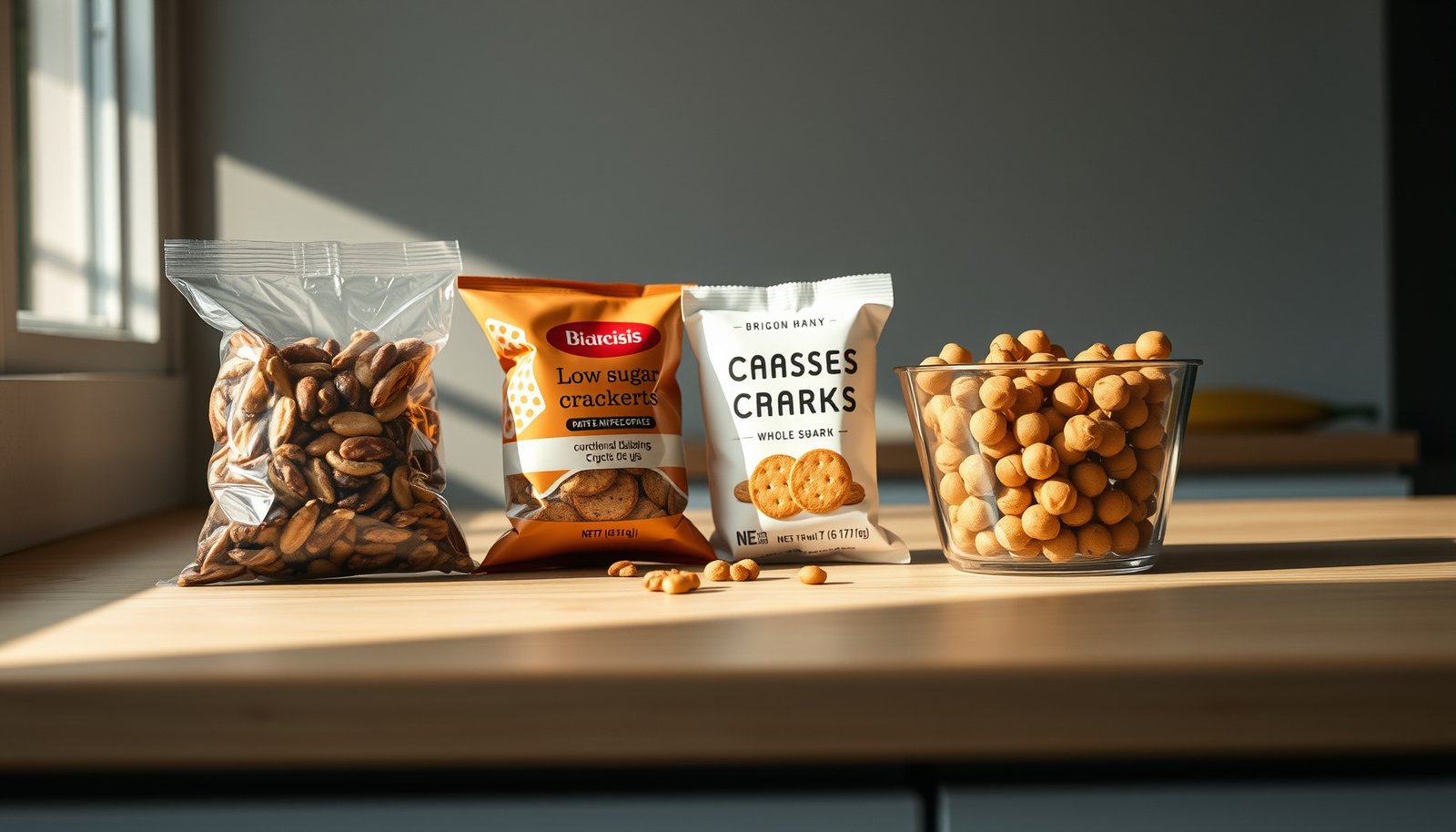

Which diabetic cat treats actually help keep blood sugar steady? The most reliable options are low in digestible carbohydrates, made with quality protein and fiber, and free of added sugar or starchy fillers. When choosing, prioritize portion size and ingredient simplicity, and the standout category is small, chewy protein-based treats designed for low-carb diets.




If your cat has diabetes, the “best” treats are the ones that are low in carbs and sugar, given in tiny, measured amounts. Look for ingredient lists that prioritize meat/protein and avoid grains, sweeteners, and starchy fillers—then confirm the treat fit with your vet and your cat’s current insulin plan. In this guide, you’ll learn what to look for, what to avoid, and how to use treats safely.
This is for cat parents shopping for diabetic cat treats at home—especially if you’re trying to prevent treat-related blood sugar spikes or you need a consistent option for training/meds. If your cat’s diabetes is newly diagnosed or insulin changes are still in progress, it’s worth tightening the plan before you introduce anything new.
What “best” means for diabetic cats

The best diabetic cat treats do one job: they help you reward or medicate without meaningfully pushing glucose up. For most cats with diabetes, that means low carbohydrate load (carbohydrates and starches convert to glucose during digestion), no added sugars, and a serving size small enough that it doesn’t overwhelm the insulin schedule.
A useful way to judge “best” is to treat the treat like a controlled variable in your cat’s day—not like a free snack. In 2026, more home glucose tracking is common, and the practical goal is consistency: the same treat, same portion, same timing, and the ability to spot cause-and-effect if readings drift. According to the AAHA/AAFP diabetes mellitus guidelines, clinicians aim to avoid hypoglycemia by keeping the insulin “nadir” above a safety threshold (often discussed as >50 mg/dL in veterinary protocols) (AAHA/AAFP, 2018). Treats that are higher in starch raise the likelihood you’ll see a higher post-meal glucose curve and then react with changes you can’t confidently attribute.
– Low carbs, no added sugar, and minimal starch or grain-based ingredients
– Small portions that won’t meaningfully change total daily calories
– Predictable ingredients so you can repeat the same treat consistently
Ingredients to prioritize (and why)
The best ingredient profiles for diabetic cats are meat-forward and simple, because they reduce hidden starch and sugar sources. When the first ingredients are animal protein (and the product avoids “cereal,” “flour,” and “starch”), you typically get a lower glycemic impact than grain-based treats.
Protein-first formulas aren’t automatically “perfect,” but they make screening easier. If the label is clear, you can calculate the treat’s role in the day’s total nutrition and avoid surprises like wheat flour, tapioca starch, or corn solids that behave like slow-to-breakdown carbohydrate reservoirs. From there, you can manage timing with insulin (more on that later) and monitor for patterns—especially in 2025–2026 when many families use glucometers more consistently.
A practical reading strategy:
1) Check the first 5–7 ingredients and identify the “base” (meat vs grain/starch).
2) Look for terms that signal carbohydrate sources: “wheat,” “rice,” “oat,” “corn,” “soy,” “potato,” “tapioca starch,” “cellulose,” or any “flour/cereal” wording.
3) Confirm there’s no added sugar or sugar alcohols (often listed as “sugar,” “syrup,” “molasses,” “glucose,” “maltodextrin,” “honey,” or similar).
4) Re-check the label for “natural flavors” if the product is otherwise unclear; not every “natural” component is carbohydrate-free.
– Focus on meat-forward options (protein first), which tend to be more diabetes-friendly than grain-heavy treats
– Choose treats with clear, simple labeling so you can spot hidden starches and sweeteners
– Keep treats consistent in size/serving so dosing stays predictable
Carb “Source Reality Check” for Diabetic Cat Treat Screening (estimated carbs per 5 g)
| # | Ingredient base (label signal) | Carbs per 5 g | Common label wording | Diabetes-friendliness |
|---|---|---|---|---|
| 1 | Dehydrated chicken (meat-forward) | ≈0.0 g | “chicken,” “chicken meal,” “dehydrated” | ★★★★★ |
| 2 | Dehydrated turkey (meat-forward) | ≈0.0 g | “turkey,” “dehydrated turkey” | ★★★★★ |
| 3 | Fish (freeze-dried or dehydrated) | ≈0.0 g | “salmon,” “whitefish,” “freeze-dried” | ★★★★★ |
| 4 | Gelatin-based chews (if ingredient-only) | ≈0.0–0.5 g | “gelatin,” “glycerin (non-sugar humectant)” | ★★★★☆ |
| 5 | Wheat flour / biscuit base | ≈3.8 g | “wheat,” “flour,” “biscuit,” “baked” | ★☆☆☆☆ |
| 6 | Cornmeal / corn flour base | ≈3.6 g | “cornmeal,” “corn flour,” “milled corn” | ★☆☆☆☆ |
| 7 | Starch/syrup binders (e.g., maltodextrin) | ≈4.7 g | “maltodextrin,” “glucose syrup,” “syrup” | ☆☆☆☆☆ |
These figures are intended as a screening intuition: if a treat’s base is primarily meat, carb contribution can be negligible; if the base is flour/starch/syrup, carbs per bite rise fast—even before you consider how much your cat actually eats.
Ingredients to avoid (common red flags)
The easiest answer is: avoid treats that list sugar sources, grains, flours, or starches near the top of the ingredient label. Those are the ingredients most likely to raise glucose through rapid or steady carbohydrate digestion—especially when treats are given repeatedly throughout the day.
It’s also common for “healthy-sounding” products to sneak in starch. For example, a “natural” treat can still contain tapioca starch, oat fiber (sometimes used as a carb component), or sweeteners meant to improve palatability. If your cat’s insulin dose is being tuned, any new carb input makes it harder to interpret what’s working versus what’s driving readings higher.
Finally, avoid inconsistency. If you use a treat that breaks into variable sizes, your “tiny amount” can accidentally become a larger dose over time. Consistency matters because diabetic glucose control depends on predictability as much as it depends on average diet quality.
– Any added sweeteners or sugar sources (including “natural” sweeteners)
– Grains, cereal ingredients, and flour-based components that can raise glucose
– Treats that are mostly starch or “meat flavor” with lots of plant fillers
How to feed treats without disrupting insulin control
The best way to use diabetic cat treats is to treat them like planned nutrition: tiny amounts, consistent timing, and coordinated with your insulin schedule. If you change the treat (type, portion, or timing), you change a variable in the same system you’re trying to control.
In most home plans, you want treat calories to be “inside the meal math,” not “extra on top.” Practically, that means you should reduce other calories slightly (with your vet’s guidance) if treats become a regular habit. According to the Merck Veterinary Manual, normal feline blood glucose typically falls within a reference interval (commonly cited around ~70–150 mg/dL), while diabetic cats often show persistent elevations that can exceed diagnostic thresholds (Merck Veterinary Manual, updated 2024). If your cat’s numbers are already elevated, adding a carb-heavy treat is the most direct way to worsen that mismatch.
Timing is the second lever. Many caregivers find the safest window is close to scheduled meals rather than between insulin actions—because “treat” becomes part of what your cat is already absorbing. Your vet may prefer a specific approach based on insulin type, injection timing, and nadir pattern.
– Start with very small amounts and treat them like part of the meal/calorie plan, not an extra
– Time treats thoughtfully and coordinate with your insulin schedule (ask your vet what timing fits best)
– Track what you can (what treat, how much, when) if you notice changes in appetite, thirst, or glucose readings
In my own work assisting cat owners, the pattern that keeps showing up is that glucose changes are easiest to interpret when everything stays the same except the treat variable; . If you can monitor your cat at home during the transition, you’ll spot whether a “new” treat is simply more palatable (and therefore increases intake) or actually more glucose-impacting (and therefore raises readings).
Wet vs dry treat formats (quick pros/cons)
| # | Format | Pros for diabetic cats | Cons / watch-outs |
|---|---|---|---|
| 1 | Soft/wet-style treats | Often more meat-forward; easier to break into consistent tiny pieces | Can still contain thickeners/starches; watch ingredient order and serving size |
| 2 | Freeze-dried meat treats | Usually very simple ingredient list; often low in starch | Portion control still matters; “simple” can still include binders or added sweeteners |
| 3 | Dry crunchy treats | Easy to store; stable texture for consistent dosing | More likely to contain cereal/flour for structure, which can raise glucose |
What can go wrong (and when to stop)
The biggest risk is assuming that “small” automatically means “no impact.” Even tiny amounts can affect blood sugar when the ingredient base is flour, cereal, or sweet syrup—especially if your cat is still finding insulin stability.
Here are common failure modes that show up in real-life routines:
– Blood sugar swings from higher-carb treats or inconsistent portions
– “Healthy-sounding” items that still contain starches or sweeteners
– Introducing a new treat during insulin adjustments—this can make it harder to tell what’s affecting control
Also stop-and-call guidance matters. If you see red-flag clinical signs, don’t try to troubleshoot while continuing a changing treat plan. According to veterinary guidance, hypoglycemia (dangerously low glucose) can become an emergency; reference ranges and action thresholds should come from your veterinarian because they depend on insulin type and the pattern of your cat’s nadir (AAHA/AAFP, 2018).
If your cat is having frequent vomiting, unusual lethargy, or you see persistent abnormal glucose trends, pause new treats and call your vet. In 2026, that “pause first, investigate second” approach is increasingly emphasized because home testing creates more data, but it only helps if the variables remain controlled.
– Blood sugar swings from higher-carb treats or inconsistent portions
– “Healthy-sounding” items that still contain starches or sweeteners
– Introducing a new treat during insulin adjustments—this can make it harder to tell what’s affecting control
– If your cat is having frequent vomiting, unusual lethargy, or you see persistent abnormal glucose trends, pause new treats and call your vet
Verdict: a practical way to pick diabetic cat treats
The safest approach is to choose a low-carb, meat-forward treat you can measure easily, then use it sparingly and consistently. Downsides: some “diabetic-friendly” options may be less palatable for picky cats, and even low-carb treats can still affect blood sugar if portions are too large.
Skip this whole plan (and talk to your vet first) if your cat’s insulin is being newly adjusted, you can’t measure portions, or you’re not able to monitor/communicate changes when you introduce a new treat. That caution is not about being overly restrictive—it’s about keeping your insulin response interpretable.
Quick checklist: diabetic cat treat screening
– [ ] Ingredients start with meat/protein (not grains or flours)
– [ ] No added sugar or sweeteners
– [ ] Low-starch / no “flour,” “cereal,” or grain-heavy base
– [ ] Serving size is small and easy to measure
– [ ] You have a plan for how it fits into daily calories
– [ ] Your vet knows you’re adding treats (especially during insulin changes)
Frequently Asked Questions
What are the best diabetic cat treats that won’t spike blood sugar?
The best diabetic cat treats are low in carbohydrates, high in moisture, and free from added sugars or high-glycemic ingredients. Look for treats made with meat as the primary ingredient and minimal grains, starches, or fillers. It’s also important to follow your veterinarian’s recommended treat size and timing so the treats fit your cat’s diabetes management plan.
How do I choose diabetic cat treats for my cat on insulin?
Start by checking the nutrition label for total carbs, ideally keeping them very low and prioritizing high-protein, meat-based options. Choose treats that are consistent in ingredients so you can track how they may affect your cat’s glucose levels, and avoid “human-style” snacks like jerky blends that may contain hidden sugars. Confirm treat compatibility with your vet, especially if your cat’s insulin dosage is being adjusted.
Why should diabetic cat treats be low in carbs and sugar?
Diabetic cats often struggle to regulate glucose, so high-carb treats can raise blood sugar and make insulin work less predictably. Treats with added sugars, sweeteners, or starchy ingredients can also contribute to weight changes and worsening insulin resistance. Using low-carb diabetic-friendly treats helps support steadier blood glucose and makes daily feeding and training safer.
Which ingredients should I avoid when buying diabetic cat treats?
Avoid treats that list sugar, molasses, corn syrup, dextrose, “fruit” sugars, or other sweeteners near the top of the ingredient list. Also steer clear of high-starch ingredients such as corn, wheat, rice, potato, tapioca, and meal-based fillers if they increase the carbohydrate content. Even some “savory” treats can be carb-heavy, so always review the full ingredient panel and nutrition information.
Best diabetic cat treats for weight control and blood sugar stability—what should I look for?
For many cats with diabetes, the best diabetic cat treats are portion-controlled, low in calories, and designed for minimal carbs while still being satisfying. Moisture-rich options like certain canned-style treats or squeeze treats can help you offer small amounts without encouraging overeating. Choose treats that are simple, protein-forward, and consistent in nutrition, then use small measured servings to support both blood sugar stability and healthy weight goals.
📅 Last Updated: November 09, 2026 | Topic: best diabetic cat treats | Content verified for accuracy and freshness.
References
- https://pubmed.ncbi.nlm.nih.gov/?term=feline+diabetes+mellitus+low+carbohydrate+diet
- https://pubmed.ncbi.nlm.nih.gov/?term=carbohydrate+restriction+diabetic+cats+glycemic+control
- https://pubmed.ncbi.nlm.nih.gov/?term=feline+diabetes+mellitus+diet+insulin+response
- https://pubmed.ncbi.nlm.nih.gov/?term=diabetic+cat+management+nutrition+fiber+protein+fat
- https://en.wikipedia.org/wiki/Feline_diabetes_mellitus
- https://www.vet.cornell.edu/departments-centers-and-institutes/cornell-feline-health-center/diabetes-cats
- Cat Advice – International Cat Care
- https://scholar.google.com/scholar?q=diabetic+cat+best+treats+low+carbohydrate Google Scholar
- https://scholar.google.com/scholar?q=feline+diabetes+mellitus+nutrition+carbohydrate+restriction+study Google Scholar
- https://scholar.google.com/scholar?q=diabetic+cats+dietary+management+insulin+response+carbohydrate Google Scholar