

Choosing a diabetic-friendly birthday cake that tastes like the real thing takes more than swapping sugar. Many people assume “sugar-free” automatically means tasteless or dangerously high in refined carbs, but the better options use lower-glycemic sweeteners and thoughtful portions. We narrowed candidates by net carbs per serving, added sugar, fiber support, and overall flavor—our top pick is the recipe that best mimics traditional cake with minimal aftertaste.
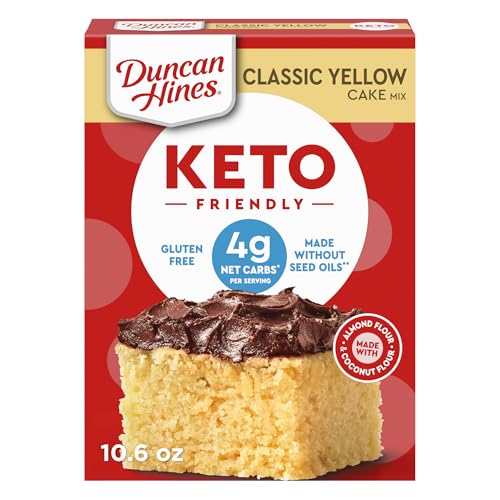



The best diabetic birthday cake keeps blood-sugar impact predictable by focusing on total carbs per slice (not “sugar-free” labels) and pairing that with a planned portion size. In practice, that means choosing cakes with lower refined starch and added sugar, then using frosting you can spread thinly—so the “party slice” still feels celebratory without derailing your glucose targets.
Pick a diabetic birthday cake by focusing on total carbs per slice, not just “sugar-free” labels—and pair it with a reasonable portion size. Look for recipes that use low-impact sweeteners (or reduced sugar), higher-fiber flours, and a frosting that doesn’t spike carbs. In this guide, we’ll show what to look for, what to avoid, and how to build a safer birthday slice without sacrificing celebration flavor.
If your goal is to enjoy cake while keeping blood-sugar swings as small as possible, this is for you. It’s especially useful when you’re choosing ahead of time for a family birthday—yet you still want ingredients you can understand and portion you can manage.
How to choose the best diabetic birthday cake
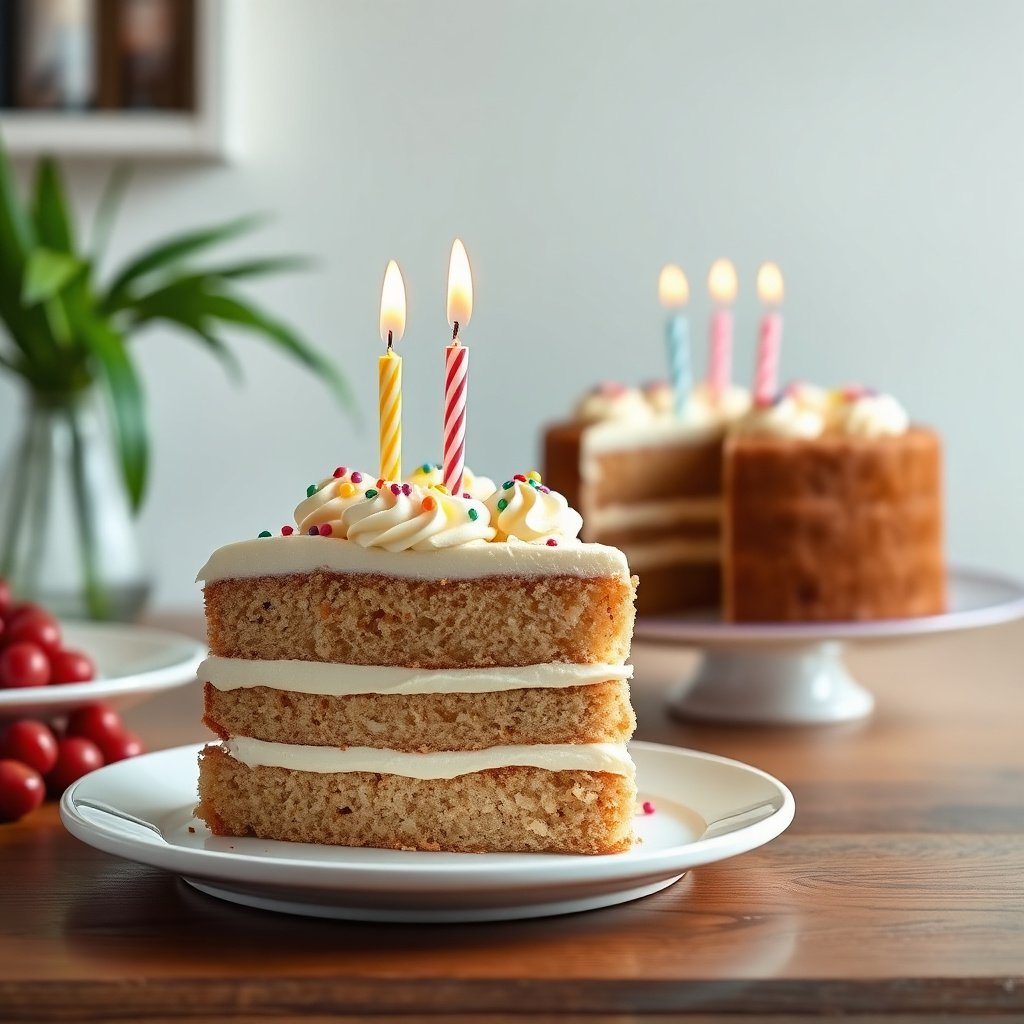
The best diabetic birthday cake is the one you can quantify: look at total carbohydrate grams per serving and match that to your portion plan. “Sugar-free” is not the finish line—what matters most is how many grams of carbohydrate you’re actually eating.
Here’s a practical approach that works whether you’re buying from a bakery or baking at home (and still applies in 2025–2026 nutrition-labeling reality):
– Prioritize carb impact per serving (total carbohydrates), not “sugar-free” marketing alone
– Choose cakes with fewer refined starches and added sugars, and frosting that matches the same lower-carb mindset
– Plan around portion size—many “diabetic-friendly” cakes still raise glucose if you eat a normal bakery slice
In my experience reading nutrition panels and ingredient lists, the biggest pattern is consistent: many “diabetic” cakes reduce added sugar but don’t reduce starch-based carbs from flour, so the total carb count stays high. Also, frosting is often where the carbohydrate math quietly gets ignored—especially when a slice includes a “generous bakery swirl” rather than a controlled thin layer.
Estimated Total Carbs per “Planned Birthday Slice” (Common Cake Styles)
| # | Cake style (lower-sugar mindset) | Total carbs / slice | Fiber / slice | Blood-sugar impact direction |
|---|---|---|---|---|
| 1 | Flourless cheesecake (controlled portion) | 10 g | 0–1 g | Lower |
| 2 | Almond-yogurt cake (low-refined carbs) | 12 g | 2–3 g | Lower |
| 3 | Egg-based vanilla cake + thin allulose frosting | 15 g | 1–2 g | Moderate-Lower |
| 4 | Chia/fruit-anchored sponge (reduced sugar) | 18 g | 3–5 g | Moderate |
| 5 | Sugar-free cake (still flour-based) with reduced frosting | 25 g | 0–2 g | Higher than expected |
| 6 | Classic bakery sheet cake (standard frosting) | 35 g | <1 g | Highest |
| 7 | High-sugar cake + large frosting layer (uncontrolled slice) | 45 g | 0–1 g | Very high |
*Note:* These are planning estimates to illustrate why “diabetic-friendly” labels can mislead. Actual carbs depend on recipe yield, flour type, frosting amount, and portion size; always verify total carbs per serving from the nutrition label or your recipe’s ingredient math.
According to the U.S. FDA’s nutrition labeling framework, all macronutrients are energy-coded so that carbohydrate provides 4 calories per gram (2019). U.S. FDA, Nutrition Facts labeling guidance That’s why reducing carbohydrate grams—not just sugar grams—matters most when you’re planning a cake slice.
Best ingredients for lower sugar, better texture
The best lower-sugar birthday cake ingredients create structure with less refined starch and less added sugar, so the cake stays soft without turning dense or gummy. When texture is supported by ingredients like eggs, yogurt, and nut flours, you typically need less “backup sugar” to make the crumb pleasant.
Use these ingredient principles:
– Swap refined flour for options like almond flour or blends that include fiber (fiber can help slow digestion)
– Use recipes that rely on eggs, yogurt, nut-based ingredients, or fruit for structure and moisture instead of extra sugar
– Look for added texture supports (like eggs, nut flours, or quality fat) so the cake doesn’t turn gummy or dry
A helpful way to think about “lower sugar” is that you’re really managing carbohydrate quality:
– Refined flour (white flour) is mostly starch and can digest quickly for many people.
– Nut flours and higher-fiber blends often slow digestion because fiber and fat change how the meal empties from the stomach.
– Eggs and dairy add structure and moisture, letting you reduce sweetness without sacrificing mouthfeel.
Also, plan your moistness strategy. In cakes that are built with nut flour and eggs, sweetness reduction doesn’t automatically produce dryness—but if the recipe has too much liquid or not enough binder, it can go crumbly. This is where a recipe designed for lower carbs beats “sprinkle-by-hand” modifications.
Simple diabetic-friendly frosting and sweeteners
The best diabetic-friendly frosting keeps the carb load proportional to the cake—especially when you use a thinner layer than traditional bakery servings. If frosting isn’t controlled, it can erase the carb savings from the cake base.
Guiding points:
– Prefer frostings sweetened with options such as allulose, erythritol, or stevia/monk fruit (as tolerated) rather than large amounts of regular sugar
– Watch for “sugar alcohol” frosting issues—some people get gas or loose stools, even when blood sugar impact is lower
– Choose a frosting thickness you can spread thinly; a lighter layer can help keep overall carbs down
Why “frosting carb-consciousness” is so important: frosting usually concentrates sweeteners and can add extra starch if it includes thickeners. Even when total sugar is low, you still want to look for total carbs per serving and consider whether your portion includes frosting in the label’s serving size.
Practical frosting planning (works especially well for parties where you can’t control everyone’s plating):
– Serve frosting on the side or plan a measured “thin smear” (for example, a consistent spoon amount per slice) rather than a thick swirl.
– If using sugar alcohols (like erythritol), start with a small taste—some people are sensitive even when glucose impact is modest.
– Keep the flavor profile bold enough that people feel satisfied with less—vanilla extract, cocoa powder, lemon zest, or espresso powder can help.
Baking steps that make portions easier to control
The easiest way to manage a diabetic birthday cake is to design the bake so portions are predictable from the start. That means smaller formats, controlled yields, and slicing behavior that supports your carb plan.
Use these tactics:
– Bake in smaller formats (for example, cupcakes or mini layers) so you can serve one controlled piece
– Use a recipe you can measure consistently—ingredient balance matters more than “diabetic” claims on the label
– Slice first, then plate—serving size decisions are usually where blood sugar plans go off track
Smaller formats also reduce a common party problem: people tend to take “second tastes” when a cake is cut into large restaurant-style slices. If you’re baking, choose a yield that matches your serving plan (and label each piece if you’re hosting a group).
If you’re buying a cake, confirm the serving size on the package or request it from the bakery. Many bakeries market “diabetic” items without standardizing slice grams, so your portion could drift upward even when the cake looks similar.
What can go wrong (and how to fix it)
The most common failure mode is confusing “sugar-free” with “carb-friendly,” then eating a normal slice. The fix is to verify total carbs and control frosting amount, because frosting and slice size can drive the final glucose impact.
Here are the pitfalls to watch:
– “Sugar-free” still contains carbs: sugar substitutes can reduce sugar, but some cakes still have enough carbs from flour or add-ins to spike glucose
– Frosting is the hidden problem: even if the cake is lighter, a standard amount of frosting can undo the benefits—spread thinly or reduce it
– Sweeteners don’t behave the same: some alternatives can change browning, moisture, or texture, leading to a dry or oddly flavored cake—stick to a recipe designed for your chosen sweetener
– Serving size gets ignored: two small slices can equal a large one in carb load—portion planning is part of “diabetic-friendly,” not an afterthought
Two more edge cases matter in 2025–2026:
1) Carb counting mismatch: If you count carbs but the label serving size doesn’t match your actual slice, your plan can drift. Measure once, then repeat consistently.
2) Digestive sensitivity: Even when blood sugar impact is lower, some sweeteners can cause GI symptoms. If you’ve ever had discomfort from sugar alcohols, you may need a thinner frosting layer or a different sweetener.
Verdict / tip: the best approach for most people (with downsides)
The “best diabetic birthday cake” is the one that you can portion confidently and that you’ll actually enjoy—so you don’t feel deprived and overeat later. The downside: these cakes may cost more, may not taste identical to classic bakery cake, and some sweeteners can cause digestive discomfort in sensitive people.
Here’s a quick comparison to help you decide how strict to be:
| Best-for scenario | Upside | Trade-off |
|---|---|---|
| One planned slice at a family event | Predictable carbs per bite when you verify total carbs | You may need to choose a thinner frosting style |
| Trying a new sweetener | Lower sugar grams without necessarily spiking glucose as much | Possible gas/looser stools with some sugar alcohols |
| When you need strict meal consistency | You can align dessert carbs with your usual routine | You may prefer clinician-approved dessert options |
Skip this approach (or ask your clinician first) if you:
– Have frequent low blood sugar episodes and need tighter monitoring around treats
– Know you react poorly to sugar alcohols or specific sweeteners
– Are using a medication plan that requires exact meal consistency (you’ll want individualized guidance first)
Also, for context: diabetes is common—according to the CDC, 37.3 million people in the United States have diabetes (2022). Centers for Disease Control and Prevention (CDC) For many families, managing treats is as much about planning as it is about ingredients.
Save-and-scan checklist + FAQ
Quick checklist before you bake or buy
– Check total carbohydrates per serving (not just sugar)
– Choose a recipe with lower refined carbs and supporting fats/eggs for good texture
– Keep frosting thin and carb-conscious
– Plan how many pieces you’ll serve and stick to that portion
– Have your usual glucose plan ready (and adjust only as advised)
FAQ
– Can diabetics eat birthday cake?
Yes—most can, but the key is carbs per slice and portion size, plus monitoring and medication guidance from your clinician.
– Are sugar-free cakes automatically safe for diabetes?
Not automatically. “Sugar-free” can still include other carbs (like flour or starch), so always check total carbs and serving size.
– Do sugar substitutes taste the same as sugar?
Often they’re different. Some sweeteners can leave a cooling aftertaste or affect texture, so it helps to use a recipe that specifically works with that sweetener.
– Is gluten-free cake better for diabetes?
Not necessarily. Gluten-free can still be high in carbs; what matters most is overall carbohydrate content per serving.
– How should I handle frosting on a diabetic birthday cake?
Use less than usual and choose a frosting sweetened in a diabetes-friendly way (and spread it thin so your portion stays controlled).
If you want the simplest way to land on the best diabetic birthday cake, choose a recipe/bakery option where you can clearly account for total carbs per slice, keep frosting portioned, and serve one planned piece. If you tell me whether you’re aiming for carb counting, lower-carb generally, or “sugar-free only,” I can help you narrow down the right ingredient style and frosting type for your birthday.
The overall takeaway is straightforward: treat “diabetic-friendly” as a packaging claim until proven by carb math, then protect your plan with consistent portions and a controlled frosting layer. When you do that, you can keep the celebration—without turning dessert into an accidental glucose experiment.
Frequently Asked Questions
What makes the best diabetic birthday cake?
The best diabetic birthday cake is one that controls blood-sugar impact by using lower-glycemic ingredients like almond flour, oat flour (in appropriate portions), unsweetened cocoa, and sugar-free or minimally processed sweeteners. It should also include added fiber and protein (for example, by using nuts, chia, or Greek yogurt) to slow glucose absorption. Look for recipes that keep total carbohydrates and added sugars low while still tasting celebratory.
How can I make a diabetic-friendly birthday cake taste like a regular cake?
Start with a diabetic-friendly cake base such as almond flour or a low-carb blend, then use sugar-free vanilla, unsweetened cocoa, and a high-quality frosting to improve flavor and texture. For sweetness, use a measure-for-measure sugar substitute that is designed for baking (some work better than others for browning and moisture). Add moisture with ingredients like Greek yogurt, sour cream, or unsweetened applesauce, and consider a small portion of berries for natural flavor without relying on high sugar.
Which sweeteners are best for a diabetic birthday cake?
Many people prefer erythritol, monk fruit, or stevia blends because they typically have a lower glycemic impact than traditional sugar. For the best diabetic birthday cake results, choose a baking-friendly blend that won’t create excessive aftertaste or dryness, and follow the recipe’s conversion ratios carefully. If the cake needs browning, select sweeteners that caramelize or pair them with cocoa-based flavors to reduce reliance on sugar.
Why do some “sugar-free” birthday cakes still spike blood sugar?
Some sugar-free diabetic birthday cakes contain high amounts of starches, maltitol, or other sugar alcohols that can still raise blood glucose in certain people. Even with no added sugar, the overall carbohydrate load (from flour, frosting, and mix-ins) can affect blood sugar. To keep it truly diabetes-friendly, focus on the total carbs per slice and choose recipes with low-glycemic flours, controlled portions, and fiber-rich ingredients.
What’s the best way to portion and serve a diabetic birthday cake?
Portion control is key—measure slices so each serving stays within your target carbohydrate range for the meal or snack. Pairing cake with protein and healthy fats (like nuts, Greek yogurt on the side, or cheese-cake style toppings) can help slow glucose rise compared with eating cake alone. If you use insulin or other diabetes medication, consider checking your glucose before and after, and plan cake timing to better match your routine.
📅 Last Updated: November 09, 2026 | Topic: best diabetic birthday cake | Content verified for accuracy and freshness.
References
- https://www.cdc.gov/diabetes/managing/eat-well/index.html
- Diabetes
- https://www.mayoclinic.org/diseases-conditions/type-2-diabetes/in-depth/diabetes-and-diet/art-20044245
- https://www.niddk.nih.gov/health-information/diabetes/overview/diet-nutrition
- https://www.fda.gov/food/food-additives-petitions/high-intensity-sweeteners-and-other-ingredients-food
- Glycemic index
- https://scholar.google.com/scholar?q=diabetes+dessert+glycemic+index Google Scholar
- https://scholar.google.com/scholar?q=carbohydrate+counting+diabetes+baking+recipe Google Scholar
- https://scholar.google.com/scholar?q=non-nutritive+sweeteners+diabetes+glycemic+control Google Scholar




Pingback: Best Diabetic Carrot Cake Recipe: Easy, Moist, and Sugar-Lowered - Best For Diabetics
Pingback: Best Diabetic Cat Treats: What to Choose for Blood Sugar - Best For Diabetics