
Looking for the best cheat meals for diabetics that still keep blood sugar steadier? The clear winner is a smart “cheat” plate built around high-fiber carbs, lean protein, and controlled portions—because it delivers satisfaction with less glucose spike. You’ll get the safest swaps to turn favorites like pizza, burgers, and desserts into diabetes-friendlier options, plus the simple rules for when a true treat fits.




The best cheat meals for diabetics are the ones you can still control for carbs: keep portions reasonable, skip sugary drinks, and build the plate around protein and non-starchy vegetables. You’ll also want to monitor your glucose response so the next cheat meal is easier to manage.
This is most useful if you have diabetes (type 1, type 2, or gestational) and you want an occasional “fun meal” without turning it into an all-day blood-sugar rollercoaster. It’s not a replacement for advice from your clinician—especially if your regimen is complex or you’ve had recent lows/highs.
What makes a “cheat meal” safer with diabetes

A cheat meal can be relatively safer when you treat it like a planned carb test—small enough to manage, structured enough to blunt spikes, and consistent enough to learn from. The goal isn’t “no fun”; it’s keeping carbohydrate exposure predictable while protecting overall glucose patterns.
Here’s why this matters: diabetes care is fundamentally about matching insulin (for type 1 and many people with type 2) or medication effects (for type 2 and gestational) to the carbohydrate you actually eat. That means the “cheat meal” strategy works best when carbs are measurable (buns, tortillas, rice, fries, dessert portions) rather than vague (random sauces, “a little extra,” unlimited toppings).
According to the American Diabetes Association (ADA), carbohydrate counting is a core nutrition approach used to match food carbohydrate intake with insulin or diabetes medications.
According to the American Diabetes Association (ADA), fast-acting treatment for hypoglycemia is typically based on consuming about 15–20 grams of glucose/fast-acting carbohydrate.
According to the CDC, carbohydrates break down into glucose and can raise blood glucose levels after meals.
Carbs are the main lever (because they drive the glycemic load)
If you want the “cheat meal” to stay controllable, start by choosing the cheat meal where you can estimate or limit the carbohydrate portion. In real-world meals, the biggest carb swings often come from:
– Bread/tortillas (often the largest single carb source)
– Rice/pasta portions (“server math” is unreliable)
– Fries (easy to over-portion)
– Dessert and sweetened beverages (fast absorption + extra carbs)
For perspective, USDA FoodData Central lists about 45 g total carbohydrate per 1 cup of cooked white rice (USDA FoodData Central). That single data point explains why rice-heavy “cheat meal” bowls can overshoot carb targets even when the protein is reasonable.
Balance slows the spike (protein + fiber/vegetables)
Protein and fiber don’t cancel carbs, but they often slow gastric emptying and glucose absorption. Practically, that means:
– You see a slower, smaller rise when you pair carbs with lean protein and non-starchy vegetables
– You’re less likely to “chase the spike” with more carbs or sweets
This effect is especially useful for diabetics because the first 1–2 hours after a meal often determine whether you overshoot your range. It’s not about perfect outcomes—it’s about improving odds.
Sauces and drinks matter a lot (hidden carbs)
Sauces, dressings, glazes, and sweet drinks frequently add carbohydrate without feeling like “the main food.” Many restaurant drinks also come in serving sizes that are far larger than you’d pour at home.
If you only change one thing, skip sugary beverages and keep sauces either:
– on the side, so you control quantity, or
– lighter, if it’s a consistent menu option
For example, USDA FoodData Central lists about 12 g total carbohydrate for 1 small corn tortilla (USDA FoodData Central). If you start adding multiple tortillas, rice, and sweet sauce, the carb total grows quickly—even when each item seems “reasonable.”
Best cheat meals for diabetics (with practical swaps)
The best cheat meals for diabetics are the ones that keep the carb “core” portion small and predictable while you expand low-starch volume with vegetables and protein. Below are practical, restaurant-realistic options that translate well to type 1, type 2, and gestational diabetes—because the structure (portion control + balance) is what matters.
I’ll focus on swaps you can repeat without turning your meal into a full-day experiment. In my own planning, I use a simple rule: if the meal’s carb source can’t be counted (or clearly portioned), I default to a different version.
Thin crust, fewer slices, and extra vegetables are practical ways to reduce carbohydrate load during pizza-based meals while keeping the meal enjoyable.
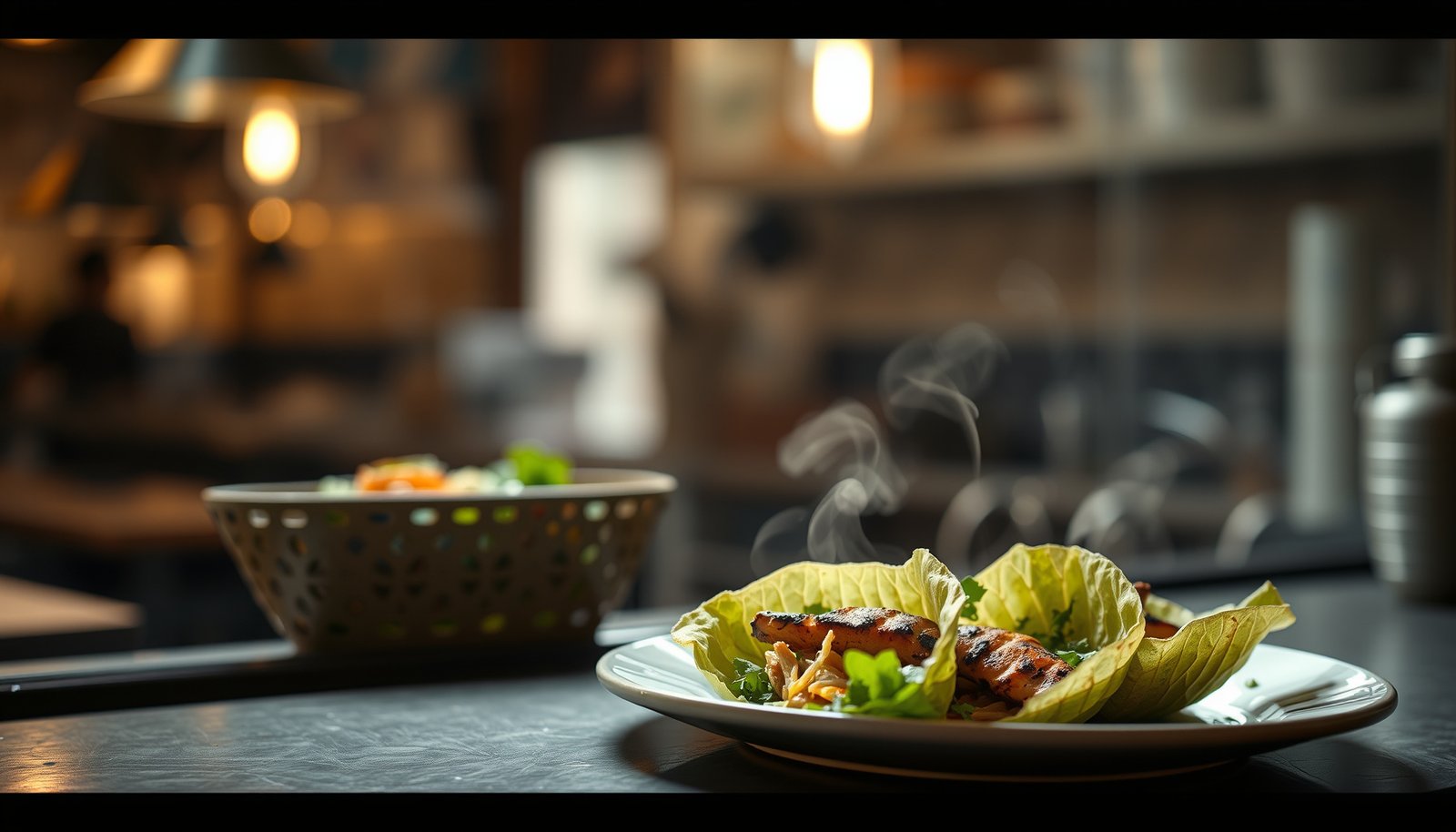
Choosing one tortilla (or a lettuce-based wrap) can help diabetics keep carbohydrate intake predictable in taco or burrito meals.
Swapping fries for a fiber-forward side (salad or roasted vegetables) can reduce total carbohydrate intake compared with a second carb source.
Pizza night (still works)
Pizza can be a manageable cheat meal when you treat it as “controlled slices + smart toppings.” The safer pattern is:
– Order thin crust or choose a smaller number of slices
– Add extra vegetables (peppers, mushrooms, spinach—ask what’s available)
– Ask for sauce on the side (or request lighter sauce) if sweetness is noticeable
– Keep dessert separate, not automatic
Pizza becomes risky when it turns into “everything on the menu” (extra breadsticks, multiple sauces, sugary soda). If you want the cheat meal experience, keep pizza the star—but prevent it from multiplying carbs through side items.
Taco or burrito night (control the shell + add-ins)
Tacos and burritos are “cheat-meal-friendly” because the carb vehicle is clearly identifiable: the shell. To make it safer:
– Choose one tortilla or a lettuce-based wrap
– Load up on lean protein (chicken, fish, tofu, eggs, or measured beans)
– Prioritize non-starchy toppings (lettuce, pico, onion, tomato, peppers)
– Keep rice/extra beans intentional—measure if possible or choose a smaller serving
USDA FoodData Central supports why this matters: a small corn tortilla is around 12 g carbohydrate (USDA FoodData Central). Two tortillas plus rice plus sweet salsa can become a “double carb” meal quickly.
Burgers + fries (make it a “burger meal,” not a “carb meal”)
A burger can work if the bun stays modest and the side doesn’t become an extra carb source:
– Keep the bun portion modest (or switch to a lettuce wrap)
– Trade fries for a side with more fiber (salad, roasted vegetables)
– Use sauces carefully (ask for sauce on the side; avoid sugary ketchup-based glazes when possible)
A common pattern: the cheat meal is “high-carb bread + high-carb side.” Breaking that pattern is often the difference between a manageable spike and an uncomfortable next check.
Sushi/teriyaki dishes (watch the sauce)
Sushi can be tricky mainly because sauces vary widely. You can make it safer by:
– Choosing rolls with more fish/veg and less sugary sauce
– Requesting sauce on the side
– Pairing with edamame or non-starchy sides when available
Teriyaki-style dishes and sweet glazes often contain added sugars that change the carb load. If a menu doesn’t list nutrition info, plan smaller portions or choose less-sweet preparations.
Dessert (count it, don’t add it)
Dessert isn’t automatically off-limits—just stop treating it like an “extra meal” you forgot to budget.
– Pick a smaller portion
– Pair with protein/fiber if the dessert choice allows it (e.g., yogurt-based desserts with berries rather than candy-heavy options)
– Avoid pairing dessert with sugary drinks
How to plan portion and timing so it doesn’t backfire
The safest way to enjoy a cheat meal is to plan it like a known variable: set a carb budget, eat in a stable order (veg/protein first, carbs second), and monitor glucose so you can refine the next attempt. This is how you turn “cheat meal chaos” into a controlled, learnable pattern.
The most useful framework is “carb budgeting,” adapted to your diabetes management plan. If you carb count, you match the cheat meal carbs to your targets. If you’re on a regimen that doesn’t use carb counting (or your clinician uses a different approach), you still plan portion size and timing to fit medication coverage.
Carb budgeting works because it links the carbohydrate portion you choose to your existing diabetes plan rather than adding carbs unpredictably.
Eating non-starchy vegetables and protein before the main carbohydrate portion can help reduce how quickly glucose rises after meals for many people.
SMBG/CGM review after meals helps reveal whether a specific cheat meal pattern produces consistent glucose responses.
Use a “carb budget” idea
Before you eat, decide how many carbs your cheat meal will likely contain. That decision should come from one of these:
– Your usual carbohydrate targets and your medication/insulin plan
– A clinician-defined approach for how much carbohydrate is covered at a given dose
If you don’t know your personalized numbers, start with structure instead of exact math:
– choose one carb vehicle (one bun, one tortilla, one measured serving of rice)
– keep extras minimal (sugary drinks, multiple sauces, unlimited sides)
Eat the whole plate (order matters)
A practical tactic is to build the meal in this sequence:
1. Non-starchy vegetables/salad
2. Protein
3. Carb portion (buns/tortillas/rice/fries)
4. Dessert only if it’s included in your carb plan
This approach doesn’t “erase carbs,” but it helps prevent the common slip where the carb portion grows after you’re already satisfied.
Monitor the effect (and document it)
Monitoring is what turns a cheat meal from guesswork into strategy. Check glucose as you normally would for meal response, and consider documenting:
– meal components
– portion sizes (especially carbs)
– glucose readings and timing
If timing is unclear, ask your clinician what window they want based on your regimen and whether you use insulin, sulfonylureas, GLP-1 receptor agonists, or other medications.
Quick comparison: carbs with balance vs. carbs alone
To keep decisions consistent, use this fast contrast:
| Pattern | What you likely see | What to do next time |
|---|---|---|
| Carbs + protein + non-starchy veg | Usually slower rise and easier-to-manage peak | Keep the carb portion small; repeat the plate structure |
| Carbs without balance | Often faster spike; more likely to “overshoot” targets | Add vegetables and lean protein first next time; reduce carb amount |
What can go wrong (common diabetes “cheat meal” mistakes)
The most common failure mode is treating a cheat meal like an all-access pass rather than a controlled carb event. When that happens, glucose responses can swing unpredictably—especially if medication timing or meal timing gets disrupted.
Below are mistakes that repeatedly show up in real meal planning, including restaurant situations where portion sizes and sauces are hard to estimate.
Many “unexpected highs” come from underestimated carbs in sauces, toppings, and sides—not from the main protein or the obvious carbohydrate item.
Turning a cheat meal into a sequence (multiple carb sides plus dessert and alcohol) increases total carbohydrate load beyond what people intended.
Alcohol can affect glucose in unpredictable ways, especially when combined with insulin or medications that can cause hypoglycemia.
– “I’ll just eat whatever, then adjust later”: underestimating carbs from sauces, toppings, or sides can lead to higher readings that feel like they came out of nowhere.
– Skipping the basics that keep you stable: missing regular medications or not following meal timing can cause swings—both high and low depending on your treatment.
– Turning it into a marathon: if the cheat meal includes dessert + alcohol + multiple carb sides, the total carb load can be much higher than you intended.
– Alcohol adds its own risk: alcohol can affect glucose in unpredictable ways—especially if you take insulin or medications that can cause hypoglycemia.
Edge cases worth flagging
Some scenarios deserve extra caution even when your meal choice looks “on paper”:
– Recent unexplained lows/highs: your glucose system may be unstable, so a cheat meal increases risk.
– Medication changes: if you’re adjusting insulin doses or starting/stopping medications, cheat meals can complicate learning.
– Gastroparesis or delayed digestion: carbs may hit later than expected, changing how monitoring should be timed.
– Gestational diabetes: even “small” extra carbs can matter—work closely with your prenatal team.
Verdict: the “best” cheat meal is the one you can repeat safely
The best cheat meal for diabetics is the one you can repeat with a consistent structure and predictable glucose response. If your control is unstable, the “cheat meal” approach can backfire by increasing uncertainty—so sometimes the safest “fun meal” is a planned, slightly lighter version instead.
Here’s the honest tradeoff: you can’t eliminate glucose impact, but you can reduce variability and make your outcome easier to manage. That’s what “safer cheat meals” really means.
A cheat meal strategy is most effective when you can estimate or control carbohydrate portions and keep sauces/drinks from adding hidden carbs.
According to the ADA, using glucose monitoring to understand how specific meals and treatments affect blood glucose supports individualized decision-making.
If you’ve had recent hypoglycemia or medication changes, adding an unplanned carb load increases the risk of undesirable glucose swings.
– Do it occasionally, not automatically: if your blood sugar control is unstable, the “cheat meal” strategy can make things harder—not easier.
– Choose foods you can control: the best options typically involve smaller servings, lighter sides, and controlled sauces.
– Skip cheat meals (or get clinician input first) if: you’ve had recent unexplained lows/highs, you’re adjusting insulin or other medications, you’re sick/unstable, or you struggle with carbohydrate estimation.
A scan-and-prepare visual: “carb control” before you eat
Fiber-Forward Swaps That Fit “Cheat Meals” (Common Plate-Builders)
| # | Swap ingredient | Portion used | Total carbs | Fiber (higher = greener) |
|---|---|---|---|---|
| 1 | Black beans (cooked) | 1/2 cup | 20.8 g | 7.5 g ★★★★★ |
| 2 | Lentils (cooked) | 1/2 cup | 20.1 g | 7.8 g ★★★★★★ |
| 3 | Chickpeas (cooked) | 1/2 cup | 22.5 g | 6.2 g ★★★★★ |
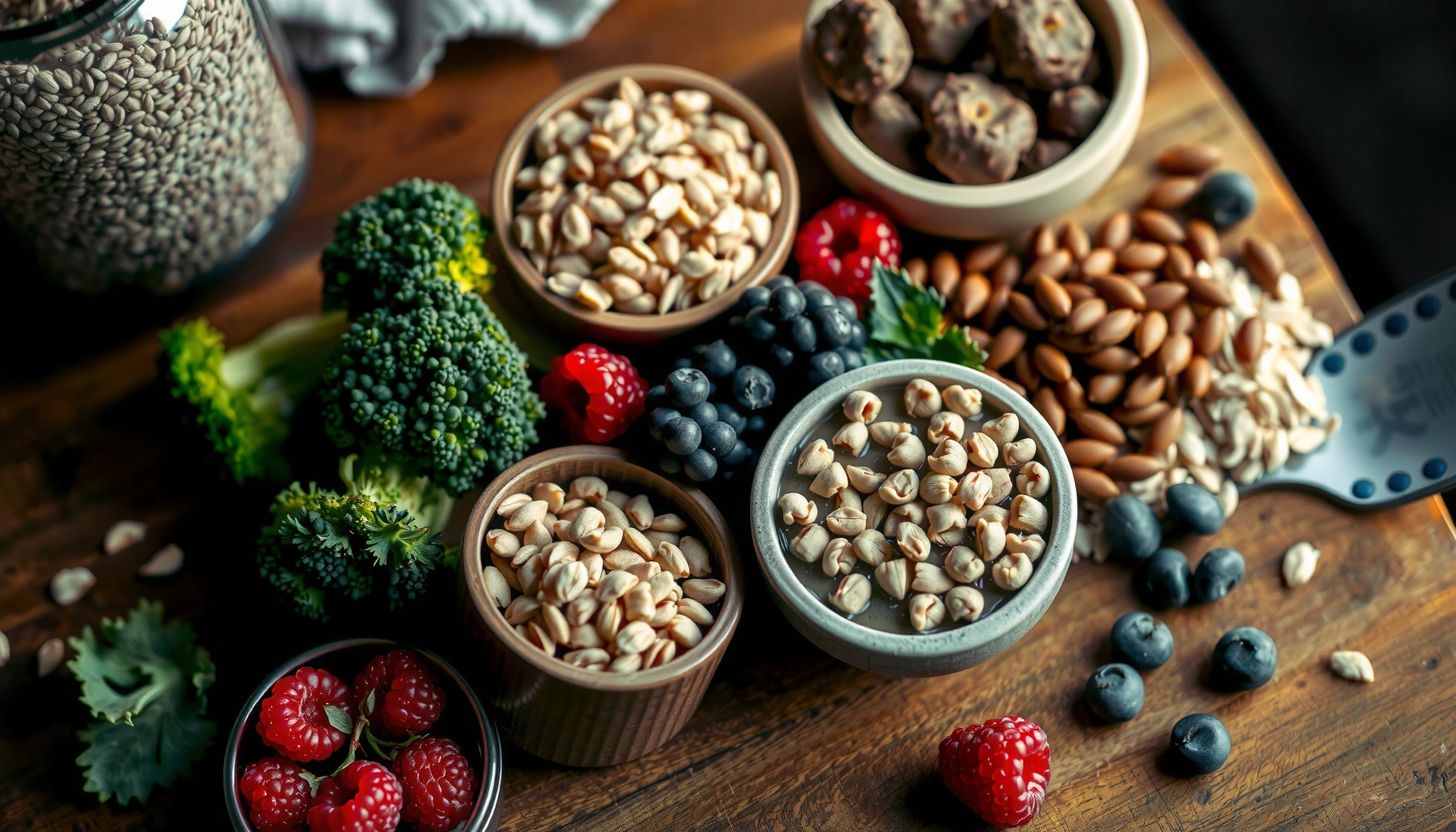
| 4 | Broccoli (cooked) | 1 cup | 6.6 g | 5.1 g ★★★★★ |
| 5 | Brussels sprouts (cooked) | 1 cup | 10.0 g | 4.1 g ★★★★☆ |
| 6 | Avocado (raw) | 1/2 medium | 8.5 g | 5.0 g ★★★★★ |
| 7 | Mushrooms (cooked) | 1 cup | 4.9 g | 2.7 g ★★★☆☆ |
Carb and fiber values in this table are from USDA FoodData Central entries for the specific cooked/raw forms and portion sizes shown (USDA FoodData Central).
Save-this cheat meal checklist (scan before you eat)
– Pick one carb source: bun OR tortillas OR rice/pasta OR fries (not all of them).
– Add protein + fiber: vegetables/beans/lean protein should take up a good share of the plate.
– Control “extras”: sauces on the side, skip sugary drinks, portion dessert.
– Plan monitoring: decide how you’ll check glucose after the meal and write down what happened.
| Cheat meal choice | Portion control idea | Swap to consider |
|---|---|---|
| Pizza | Choose fewer slices + veggie toppings | Thin crust; sauce lighter or on side |
| Tacos/burritos | 1 tortilla (or lettuce wrap) + measured rice | Extra protein + non-starchy toppings |
| Burger meal | Smaller bun portion | Side salad/roasted veggies instead of fries |
| Sushi/teriyaki dishes | Watch teriyaki/roll sauces | Ask for sauce on the side; add edamame/veg sides |
| Dessert | Small portion, not an “extra meal” | Berries + yogurt or a smaller serving you can count |
Sources:
– American Diabetes Association (ADA), Standards of Care in Diabetes—Nutrition Therapy/Medical Nutrition Therapy (for carbohydrate-informed meal planning and general nutrition guidance).
– American Diabetes Association (ADA), Standards of Care in Diabetes—Glucose Monitoring (for monitoring to understand meal and medication effects).
– Centers for Disease Control and Prevention (CDC), Diabetes & Eating/Carbohydrate basics (for general public-facing guidance on managing blood sugar through food choices).
If you want the “cheat meal” experience without the next-day regret, keep it portion-controlled, sauce/drink-smart, and paired with protein + fiber—then use glucose readings to refine your next attempt. Pick one meal to practice this week, track how your numbers respond, and adjust your structure (not just your willpower) for the following cheat meal—while skipping this approach if your control is unstable or your clinician advises against it.
Frequently Asked Questions
What are the best cheat meals for diabetics that won’t spike blood sugar?
The best cheat meals for diabetics are “smart swaps” that keep carbohydrates controlled and pair carbs with protein and healthy fats. Choose options like grilled chicken fajitas with extra fajita veggies, or a small portion of brown rice with beans and a side salad. Plan for slower digestion by adding non-starchy vegetables and avoiding sugary drinks, desserts, and refined flour-heavy meals.
How can diabetics plan a cheat meal to minimize glucose spikes?
Start by checking your blood sugar before the meal and target a manageable range based on your clinician’s guidance. Eat a balanced plate—half non-starchy vegetables, a quarter lean protein, and a controlled serving of high-fiber carbs—then avoid eating “cheat” foods on an empty stomach. If you use insulin or other diabetes medications, follow your prescriber’s plan for carb coverage rather than guessing, and consider gentle walking after eating to improve glucose control.
Which desserts are safest as cheat meals for diabetics?
The safest dessert cheat meals for diabetics are those with lower added sugar and higher fiber or protein, such as Greek yogurt with berries, chia pudding, or a small serving of dark chocolate (70% cocoa or higher). If you choose baked goods, prioritize portion control and pair with protein (like nuts or yogurt) instead of eating dessert alone. Avoid “sugar-free” treats that use high-glycemic sweeteners or multiple refined ingredients—label reading matters because some carbs still affect blood sugar.
Why do cheat meals cause blood sugar spikes, and how can diabetics reduce the impact?
Blood sugar spikes happen when meals contain high glycemic carbs, sugary beverages, and large portions that raise glucose quickly. To reduce the impact, focus on carbohydrate quality (whole grains, legumes, vegetables) and carbohydrate counting so you know how much you’re actually eating. Also, slow down digestion with fiber-rich sides, and avoid drinking calories—swap soda or juice for water, sparkling water, or unsweetened tea.
Best cheat meals for diabetics when dining out: what should you order?
The best cheat meals for diabetics at restaurants are typically customizable meals that keep carbs reasonable, such as bunless burgers with grilled vegetables, sushi with extra sashimi and a smaller rice portion, or taco bowls with lettuce, chicken or fish, and beans instead of tortillas. Ask for sauces on the side, choose whole-food sides when available, and consider splitting meals to control portions. Ordering strategies like “protein + veggies first” help reduce glucose spikes while still making the meal feel like a treat.
📅 Last Updated: October 24, 2026 | Topic: best cheat meals for diabetics | Content verified for accuracy and freshness.
References
- https://www.cdc.gov/diabetes/managing/eat-well/index.html
- https://www.niddk.nih.gov/health-information/diabetes/overview/eating-healthy-diabetes
- Diabetes diet: Create your healthy-eating plan – Mayo Clinic
- Simple Diabetes Meal Plan: Manage Blood Glucose with the Diabetes Plate
- Guideline: sugars intake for adults and children
- Glycemic index
- https://pubmed.ncbi.nlm.nih.gov/?term=diabetes+carbohydrate+counting+glycemic+control
- https://scholar.google.com/scholar?q=cheat+meal+diabetes+glycemic+control Google Scholar
- https://scholar.google.com/scholar?q=diabetes+dietary+indulgence+healthy+treats+portion+control Google Scholar
- https://scholar.google.com/scholar?q=dietary+flexibility+type+2+diabetes+trial Google Scholar