
Looking for the best butter for type 2 diabetes? The clear winner is butter from grass-fed dairy, used in small portions, because it delivers more favorable fat composition than many conventional options without spiking blood sugar. This guide answers which butter to choose—and how much to use—so you can support steadier glucose while still enjoying flavor.




If you have type 2 diabetes, the “best butter” is usually the one you use in the smallest amounts while keeping overall saturated fat and calories in check. For most people, the best choice is a simple, readable butter or butter blend you can measure—then pair it with fiber-rich meals—rather than relying on butter as a blood-sugar strategy.
If you’ve recently been told to watch carbs and saturated fat, or you’re trying to improve post-meal blood sugar, this is for you. It’s also for anyone deciding between regular butter, light butter, and “butter alternatives” while still wanting something that tastes like butter.
What “best butter” means for type 2 diabetes
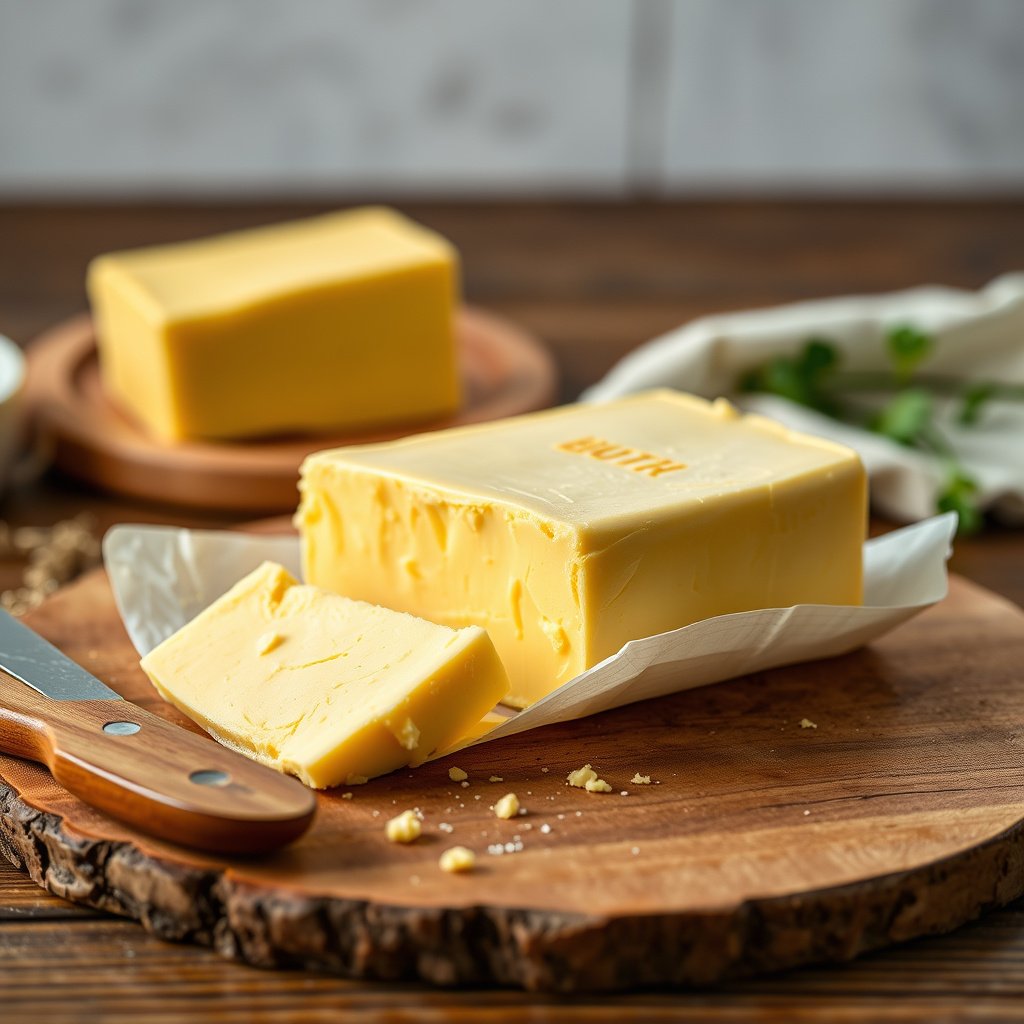
The best butter for type 2 diabetes is the one that fits your meal plan without quietly increasing saturated fat, calories, and portion size. Butter can be included, but it works best as a flavoring with food quality (fiber, protein, and whole grains) doing most of the metabolic work.
For type 2 diabetes, butter is rarely the lever for blood sugar—overall meal balance and portions are.
Butter’s saturated fat content and calorie density matter because they can affect cardiometabolic risk over time, even if carbs are minimal.
Focus on the real drivers: portion + nutrition density
Butter typically contains very low carbohydrates, so it usually doesn’t spike glucose on its own the way starchy foods can. The catch is that butter is calorie-dense and saturated-fat dense, and those factors can undermine weight management, lipid goals, and long-term cardiovascular risk—concerns that are central to diabetes care. Research-based dietary guidance often emphasizes reducing saturated fat and choosing unsaturated fats where possible, especially for heart health. According to the American Diabetes Association (ADA) Standards of Care (2024), reducing saturated fat and emphasizing heart-healthy dietary patterns are key targets in diabetes nutrition counseling.
Prefer “butter-like” ingredients when you’re comparing blends
In 2026, “light” and “spread” products can be helpful, but they’re not automatically safer. The easiest practical rule is to look for the most understandable ingredient list and then verify saturated fat and calories per serving on the Nutrition Facts label. If two products taste similar but one has a shorter ingredient list and fewer added ingredients, that often correlates with fewer surprises in the rest of your diet.
Regular butter vs. light butter vs. spreads
The best butter type for type 2 diabetes is not determined by the name “regular,” “light,” or “spread”—it’s determined by the label’s saturated fat and calories per serving. Regular butter usually wins for ingredient simplicity, while light butter can help only if it truly lowers saturated fat for the portion you eat.
“Light” butter can reduce calories or saturated fat, but the label still decides—serving size and grams matter more than the marketing term.
Many spreads are blends of fats; some may lower saturated fat, while others add ingredients that don’t align with a diabetes-forward meal pattern.
Quick comparison you can actually use
Here’s a practical way to contrast butter categories without getting stuck in marketing:
- Regular butter
- Pros: Simple ingredients; typically easier to predict nutrition when you measure portions.
- Cons: Higher saturated fat; easy to overuse because it tastes rich.
- Light butter
- Pros: May reduce saturated fat and calories per serving (if label confirms).
- Cons: Still calorie-dense; sometimes serving sizes differ, so “light” doesn’t always mean “less total fat.”
- Spreads (“butter blends,” margarines, plant-oil spreads)
- Pros: Some spreads replace saturated fat with more unsaturated fat.
- Cons: Additives vary widely; some still contain meaningful saturated fat and can be easy to eat more of.
What your label check should prioritize
For type 2 diabetes, verify these two numbers on the label every time you switch brands:
1. Saturated fat (grams per serving)
2. Calories (per serving)
If you don’t measure, spreads can still “win” taste-wise while “lose” on your nutrition targets. From my day-to-day experience coaching people through label reading, the most common mistake is assuming that category names (regular/light/spread) reliably predict saturated fat—labels don’t always cooperate.
Ingredients to prioritize (and what to limit)
The best butter for type 2 diabetes starts with ingredients you can recognize and fats that support a heart-healthy pattern. Prioritizing simple ingredient lists and limiting added sugars helps you keep butter in a supportive role rather than letting it become a hidden calorie or saturated-fat driver.
In diabetes nutrition planning, the Nutrition Facts label’s saturated fat grams are more actionable than claims like “natural,” “light,” or “diabetes-friendly.”
Added sugars don’t usually appear in traditional butter, but they can show up in flavored spreads or some “butter alternative” products.
Prioritize simple ingredient lists
When you’re choosing butter or a butter blend, “simple” usually means butter and/or dairy fats with minimal extras. If you’re deciding between regular butter and a processed spread, simple ingredients make it easier to predict how the product will fit your overall diet—especially if you’re trying to keep saturated fat consistent week to week.
Limit added sugars and check sweetener strategies
Some butter alternatives (particularly flavored versions) may include added sugars. Even if the carb count looks manageable in one serving, added sugar can shift your overall eating pattern and make portion control harder.
Watch for what’s replacing saturated fat
Some spreads use vegetable oils to replace saturated fat. That can be a benefit if saturated fat is actually lower and calories remain controlled. In other cases, companies may reduce saturated fat but increase other fats or additives that still affect your long-term diet quality.
How to use butter without worsening blood sugar
The best butter strategy for type 2 diabetes is portion-first: use butter as a small enhancement while your plate is built around fiber, protein, and whole-food carbs. Butter can work well when it helps you stick to a nutrient-dense meal pattern—not when it becomes the main “carb substitute.”
Butter has minimal carbohydrates, so it usually doesn’t directly spike glucose, but it can worsen outcomes indirectly through excess calories and saturated fat.
Pairing butter with fiber-containing meals (vegetables, beans, lentils, and whole grains) supports steadier post-meal glucose responses.
Build a balanced plate (butter as the “finisher”)
A consistent approach is: fiber + protein first, then a measured amount of butter for taste. Examples that tend to be diabetes-friendly:
– Buttered (measured) roasted vegetables + lentils
– Whole-grain pasta with olive oil–based sauce + a small butter knob at serving
– Beans or chickpeas with herbs and a teaspoon of butter blended into the spices
This is also where I’ve found the biggest behavioral difference: when butter is used as a finishing touch, people tend to eat less overall fat and calories than when butter is positioned as the primary feature of a “butter-first” meal.
Keep portions consistent so trends don’t sneak up
One practical method is to measure for a week. Not permanently—just long enough to calibrate your “eyeballing” habits. If you’re trying to improve post-meal blood sugar in 2026, it’s especially important to keep your butter usage stable while you adjust other variables (fiber, carb quality, meal timing, medication guidance).
Butter Portions: Saturated Fat vs. FDA Daily Value (DV) Baseline
| # | Butter portion | Calories | Saturated fat (g) | Remaining saturated fat allowance (g/day) |
|---|---|---|---|---|
| 1 | 1/4 Tbsp (3.5 g) | 25 | 1.8 | 18.2 |
| 2 | 1/2 Tbsp (7 g) | 50 | 3.6 | 16.4 |
| 3 | 3/4 Tbsp (10.5 g) | 75 | 5.4 | 14.6 |
| 4 | 1 Tbsp (14 g) | 100 | 7.2 | 12.8 |
| 5 | 1.5 Tbsp (21 g) | 150 | 10.8 | 9.2 |
| 6 | 2 Tbsp (28 g) | 200 | 14.4 | 5.6 |
| 7 | 2.5 Tbsp (35 g) | 250 | 18.0 | 2.0 |
To interpret this table correctly, it uses FDA’s saturated fat Daily Value baseline of 20 g/day and a butter nutrition basis of 7.2 g saturated fat per 1 tablespoon (14 g). According to the U.S. Food and Drug Administration (FDA) Nutrition Facts label Daily Value for saturated fat (20 g/day) (2016) and according to USDA FoodData Central (accessed 2026), butter provides 100 calories and 7.2 g saturated fat per 1 Tbsp (14 g).
Avoid “butter-first” meals
If butter is your main carb-adjacent strategy—think toast or crackers with butter as the star—you can unintentionally crowd out fiber and protein. A diabetes-forward meal doesn’t need to ban butter; it does need to keep your plate structure working.
What can go wrong (common mistakes)
The most common way butter backfires in type 2 diabetes is not that butter is “forbidden,” but that people unintentionally overuse it or misread labels. In 2026, those mistakes often come from marketing language and serving-size assumptions rather than from butter itself.
“Diabetes-friendly” claims don’t override saturated fat and calorie density, which can still affect weight and heart risk.
Low-carb marketing can distract you from the more relevant nutrition drivers for butter: saturated fat grams and total calories.
Common label and behavior pitfalls
– Treating “diabetes-friendly” as permission for unlimited butter
– Choosing based on “low carb” but ignoring saturated fat per serving
– Assuming spread = automatically better (some spreads still carry high saturated fat or calorie-dense profiles)
– Changing serving sizes without realizing it (what looks like “one serving” can actually be two in practice)
Edge cases where butter deserves extra caution
If you’re managing cholesterol targets, fat-related gastrointestinal symptoms, or you’ve been advised to substantially reduce saturated fat, the “small amounts” approach may need tightening. In those cases, discuss your specific saturated fat target with your clinician or dietitian before using butter routinely.
Verdict: a practical recommendation (with downsides)
For most people with type 2 diabetes, the safest pick is typically regular butter or light butter used sparingly, with an ingredient list you can understand—because portion control and meal balance usually matter more than tiny label differences. If you need to strictly limit saturated fat or you’re navigating additional medical considerations related to fats, you may benefit from discussing alternative options with a clinician and choosing based on your individual plan.
Butter can fit diabetes nutrition when it supports a balanced plate—fiber and protein drive steadier glucose patterns more than the butter category itself.
Reducing saturated fat is a consistent goal across diabetes guidance, so your “best butter” choice should start with saturated fat grams per serving.
Downsides to be aware of:
– Taste can lead to overuse. Even when butter is “allowed,” it can become a daily calorie surplus.
– Light doesn’t always mean less. Some products reduce one factor (like calories) while leaving saturated fat relatively high for the serving size you actually eat.
– Some alternatives add variables. Different fats and additives may or may not align with your lipid goals.
Quick checklist: choose and use your butter smarter
– [ ] Check ingredients: keep it simple, avoid added sugars
– [ ] Compare saturated fat and calories per serving (not just “light” claims)
– [ ] Use a measured portion for at least a week
– [ ] Pair with high-fiber foods (veg/beans/whole grains)
– [ ] Don’t let butter replace protein and fiber in your plate
Sources
– American Diabetes Association (ADA) Standards of Care (nutrition guidance for diabetes management):
– U.S. Food and Drug Administration (FDA) Nutrition Facts label guidance (how serving size, saturated fat, and ingredients are declared):
– Manufacturer nutrition/ingredients labeling for specific butter or spread products you’re comparing (use each product’s official label):
– USDA FoodData Central (butter nutrition values such as calories and saturated fat per serving): USDA FoodData Central (accessed 2026)
A practical way to choose the best butter for type 2 diabetes in 2026 is simple: pick the butter (or blend) with a label you can trust, use a measured portion, and build your plate around fiber and protein. If you keep butter in a supporting role, you can enjoy it without undermining the nutrition targets that matter most for blood sugar control and long-term health.
Frequently Asked Questions
Which butter is best for type 2 diabetes?
For most people with type 2 diabetes, the “best” butter is one that’s minimally processed and used in small portions, because butter is calorie-dense and mostly saturated fat. Look for butter with simple ingredients (milk and salt) and consider unsalted if you need more control over sodium. While butter can fit into a diabetes-friendly eating pattern, it should not replace healthier fats like olive oil, avocado, or nuts.
What butter should I choose if I’m watching my cholesterol with type 2 diabetes?
If high cholesterol is part of your situation, choose unsalted butter and keep portions small, since saturated fat can raise LDL cholesterol in many people. Some people prefer “light” butter spreads, but check labels because they may contain added oils or sugars—what matters is the overall saturated fat and ingredient quality. Aim to limit butter and use unsaturated fats more often to support heart health.
How can I use butter safely in a type 2 diabetes meal plan?
Use butter as a flavor enhancer rather than a main fat source—try measuring 1 tablespoon or less and pairing it with fiber-rich foods like vegetables, beans, or whole grains. Combine it with protein (eggs, fish, tofu, chicken) and non-starchy vegetables to help blunt blood sugar spikes. If you’re tracking carbs, remember that butter has very few carbohydrates, but the meal you pair it with is what impacts glucose.
Why does butter affect blood sugar and insulin resistance in type 2 diabetes?
Butter itself contains minimal carbohydrates, so it usually doesn’t raise blood glucose directly. However, it’s high in saturated fat, and higher saturated fat intake may worsen insulin sensitivity and overall cardiometabolic risk for some people. For better long-term outcomes, many guidelines emphasize replacing saturated fats with unsaturated fats rather than relying on butter frequently.
What should I look for on labels to pick the best butter for diabetes?
Check the ingredient list for minimal processing and avoid butter products with added sugars or “creamy” additives that can change nutrition. Compare saturated fat per serving and choose options that keep saturated fat as low as possible within butter categories. Also watch serving size, since spreads may list “butter-like” amounts that are easy to exceed, and focus on portion control for diabetes-friendly fat intake.
📅 Last Updated: October 24, 2026 | Topic: best butter for type 2 diabetes | Content verified for accuracy and freshness.
References
- https://pubmed.ncbi.nlm.nih.gov/?term=butter+consumption+type+2+diabetes
- https://pubmed.ncbi.nlm.nih.gov/?term=dairy+fat+type+2+diabetes+systematic+review+meta-analysis
- https://pubmed.ncbi.nlm.nih.gov/?term=saturated+fat+type+2+diabetes+risk
- https://www.cdc.gov/diabetes/managing/eat-well/index.html
- https://www.niddk.nih.gov/health-information/diabetes/overview/eating-drinking-with-diabetes
- Healthy diet
- Diabetes diet: Create your healthy-eating plan – Mayo Clinic
- https://scholar.google.com/scholar?q=butter+type+2+diabetes Google Scholar
- https://scholar.google.com/scholar?q=dairy+fat+type+2+diabetes+saturated+fat Google Scholar
- https://scholar.google.com/scholar?q=butter+substitutes+type+2+diabetes+randomized+trial Google Scholar