
Best breakfast items for diabetics are the ones that keep blood sugar stable, and this guide names the clear morning winners based on their carb quality and fiber content. You’ll get a practical, daily-choice shortlist of blood-sugar-friendly foods you can rely on—no guesswork, no trend-chasing. If your goal is safer glucose control at breakfast, this is the starting lineup to follow.



If you have diabetes, the best breakfast items are the ones that combine protein and healthy fat with high-fiber carbs (or smaller carb portions), while avoiding added sugar and refined grains. The goal is steadier glucose after you eat—so think eggs with veggies, plain Greek yogurt with berries and nuts, or a measured serving of oatmeal plus chia.
This guide is for adults with diabetes who want practical breakfast ideas and simple rules to keep glucose steadier after the first meal of the day. If you use insulin or diabetes meds, also read the “What can go wrong” section so you don’t accidentally over- or under-eat carbs.
Start with the right diabetic breakfast plate
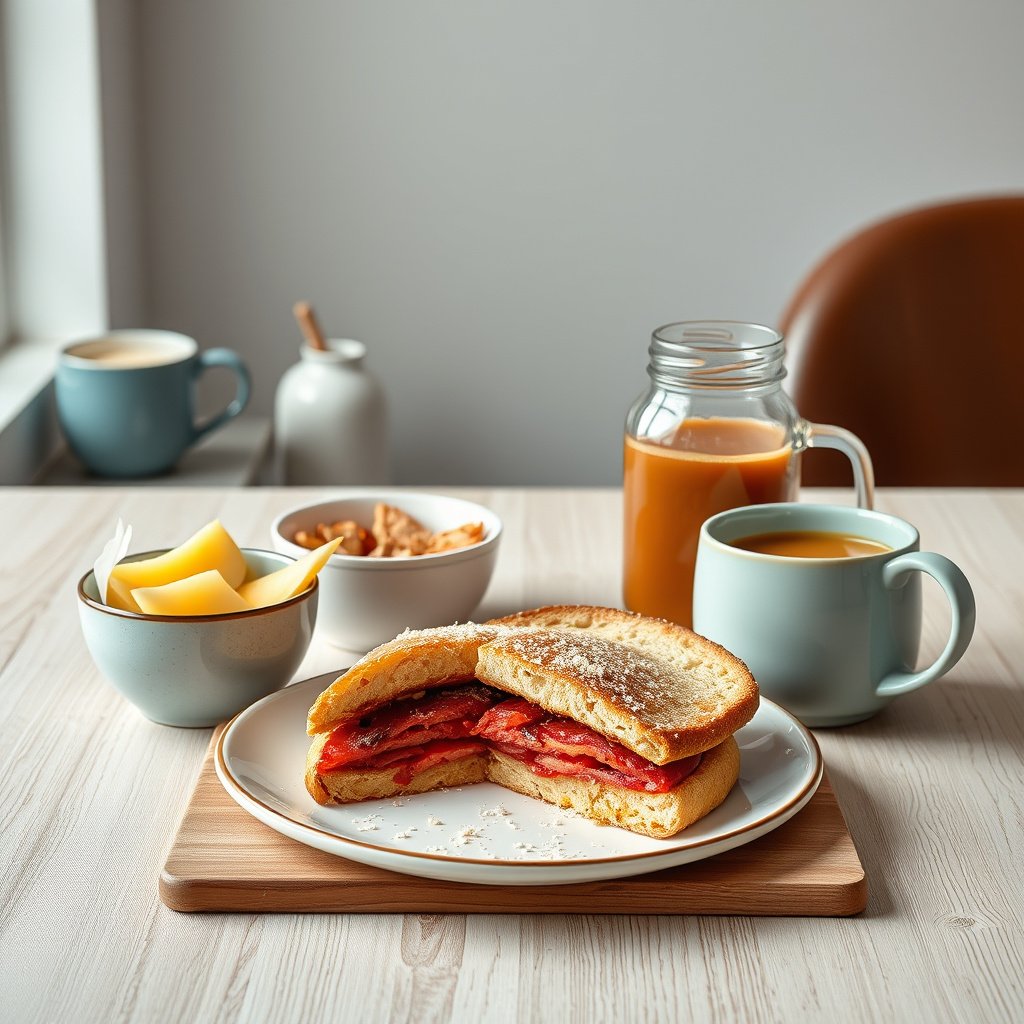
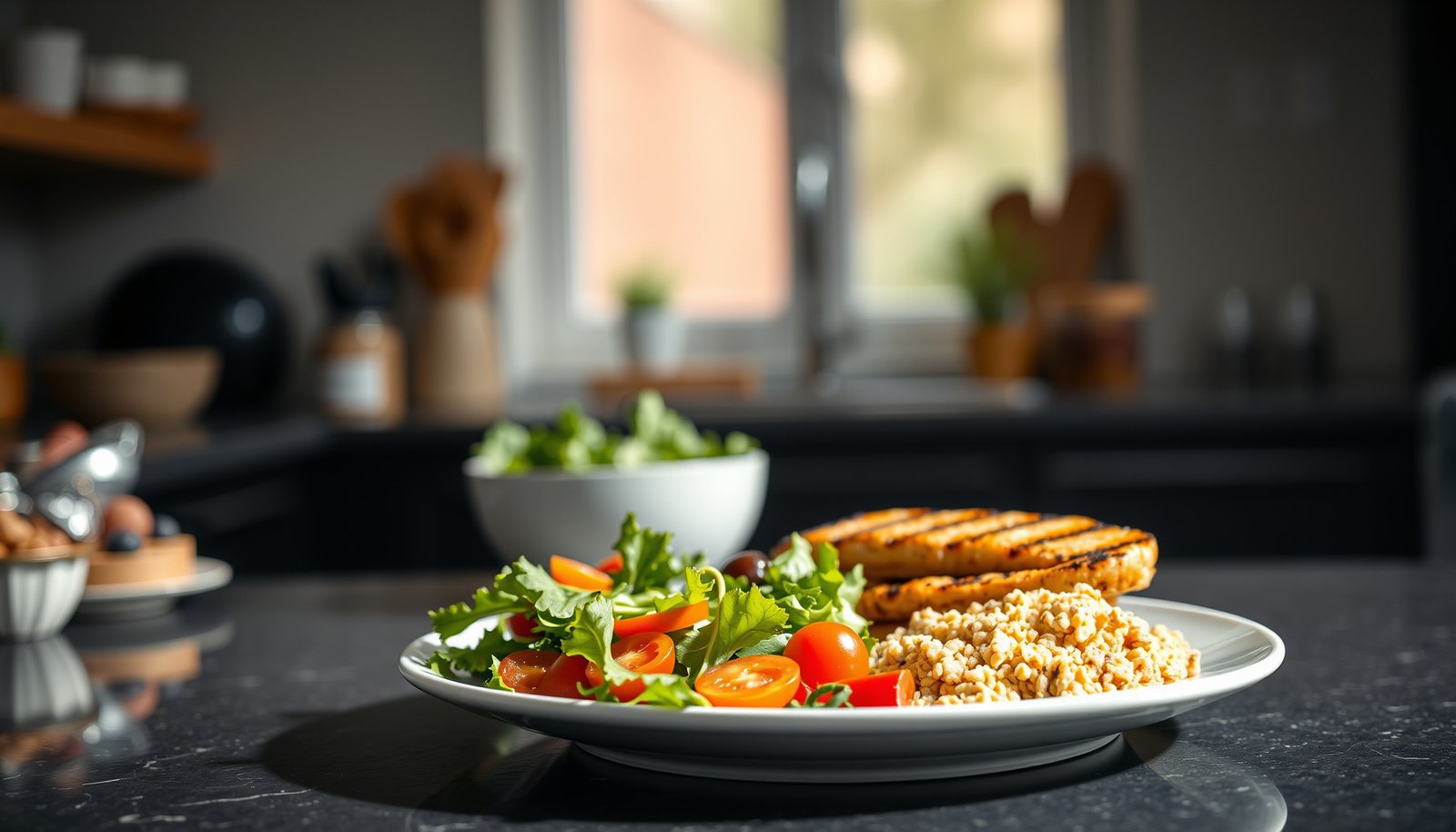
The best diabetic breakfast plate is built around protein plus fiber, then adds only a controlled amount of digestible carbohydrates. When breakfast is balanced like this, blood sugar usually rises more gradually rather than spiking soon after the first meal of the day.
The American Diabetes Association emphasizes individualized nutrition therapy that focuses on carbohydrate quality and amount—not “diabetic” labels alone.
NIDDK explains that blood glucose management depends on timing and matching food intake to diabetes medications.
Fiber slows digestion, which can reduce the speed of glucose absorption after eating.
– Choose a base of protein (eggs, Greek yogurt, tofu) and add fiber-rich foods (berries, chia, beans, non-starchy veggies).
– Keep carb portions realistic—use your clinician’s target for carbs per meal, or start with .
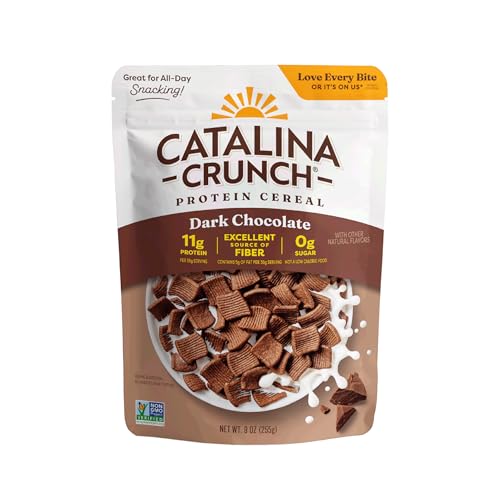
– Prefer whole/minimally processed foods over “diabetic” packaged bars and sweetened cereals.
One reason this plate approach works is that protein and fat can blunt how quickly carbs reach the bloodstream, while fiber adds friction to digestion. In practical terms, you’re aiming for a breakfast where carbs are “distributed” across the meal—rather than concentrated in the form of juice, pastries, or refined grains. As of 2026, this still aligns with the core nutrition guidance in major diabetes standards: quality carbs + portion control + meal composition.
Also, if you track glucose, watch the “first meal effect.” Many people notice their morning response differs from later in the day due to normal hormone shifts (like cortisol awakening). That’s why the same breakfast can behave differently from one person to another—portion and timing adjustments matter.
Best fiber-forward breakfast items
The best fiber-forward breakfast items are those that slow digestion without loading your plate with rapidly absorbed carbs. If you want a simple strategy for diabetics in 2026: prioritize berries, chia/flax, legumes, and controlled oats.
According to the Institute of Medicine (2005), adequate fiber intake is 38 g/day for men and 25 g/day for women.
Fiber intake can help moderate post-meal glucose by slowing gastric emptying and carbohydrate absorption.
NIDDK notes that meal planning for diabetes centers on consistent, balanced meals rather than occasional “carb spikes.”
– Berries (fresh or frozen) + chia or ground flax: fiber helps slow digestion and can blunt glucose spikes.
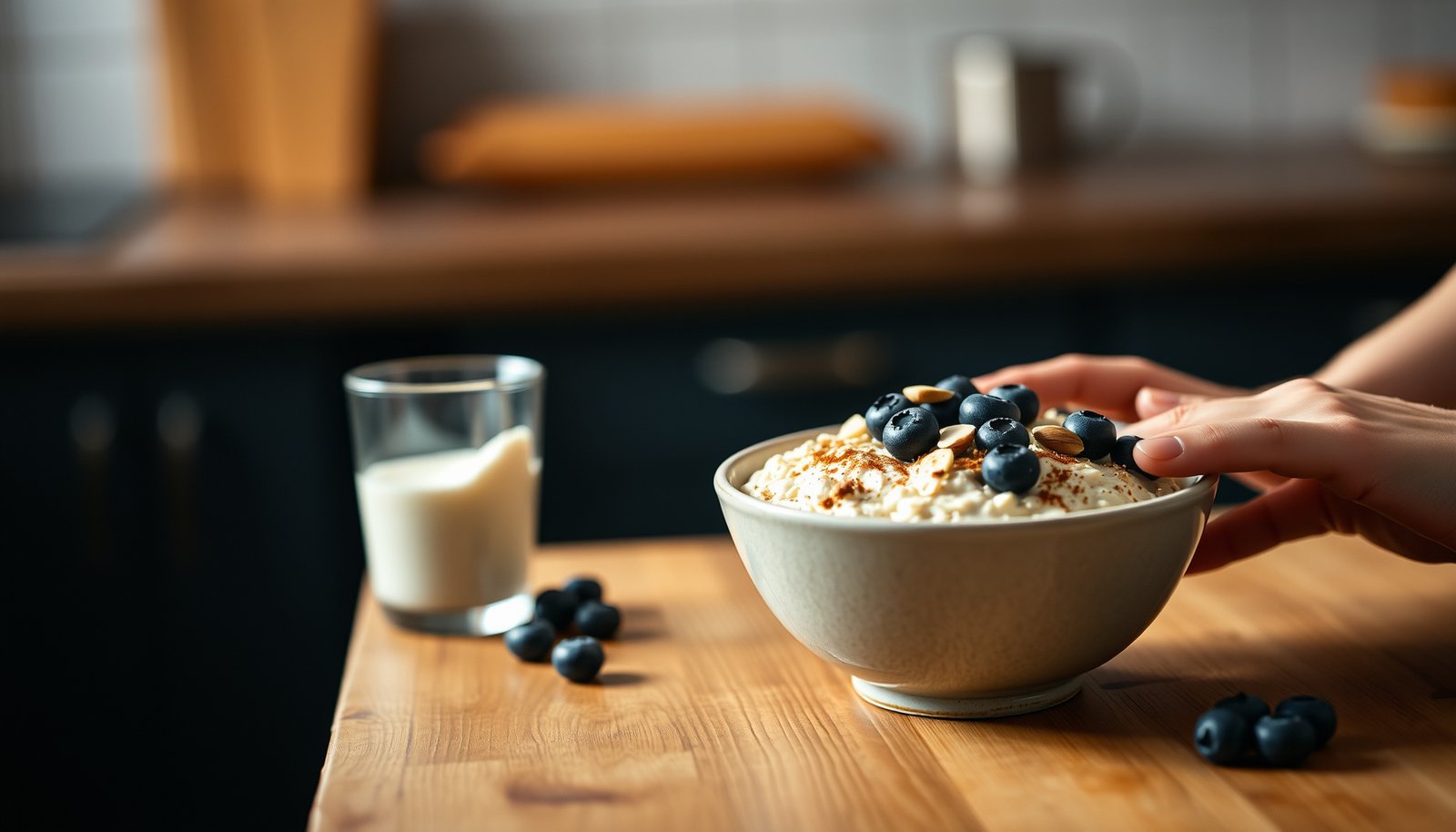
– Oat options: steel-cut or rolled oats in a controlled portion, ideally paired with nuts/seed and protein.
– Beans or lentils (yes, at breakfast): try a small serving in a savory bowl with eggs or tofu—more fiber, fewer rapid carbs.
Quick nutrition reality check (with typical serving sizes)
Instead of guessing, it helps to see common breakfast foods side-by-side. The table below uses typical nutrition values for common servings (from USDA FoodData Central), which can vary by brand and preparation.
Diabetes-Friendly Breakfast Foods: Typical Fiber, Carbs, and Protein (USDA FoodData Central)
| # | Breakfast item (serving) | Carbs (g) | Fiber (g) | Protein (g) | Steadier-glucose potential |
|---|---|---|---|---|---|
| 1 | Eggs, whole (2 large) | 1.1 | 0 | 12.6 | ★★★★☆ |
| 2 | Plain Greek yogurt, nonfat (3/4 cup) | 6.0 | 0 | 17.3 | ★★★★★ |
| 3 | Steel-cut oats, cooked (1/2 cup) | 26.0 | 4.0 | 5.1 | ★★★☆☆ |
| 4 | Chia seeds (1 tbsp) | 4.0 | 4.1 | 1.6 | ★★★★☆ |
| 5 | Blueberries (1 cup) | 21.4 | 3.6 | 1.1 | ★★★★☆ |
| 6 | Lentils, cooked (1/2 cup) | 20.1 | 7.8 | 9.0 | ★★★★★ |
| 7 | Black beans, cooked (1/2 cup) | 20.6 | 7.5 | 8.9 | ★★★★★ |
How to use this data in real life
If your breakfast includes oats, beans, or fruit, the “steadiest” move is pairing them immediately with protein (eggs, tofu, yogurt) and/or healthy fats (nuts, seeds, olive oil). From my own meal-prep habits, the biggest win is portion discipline: measuring oats or beans before cooking makes it far less likely you’ll accidentally double the carbs.
Protein breakfasts that help steady blood sugar
The best protein breakfasts for diabetes are those that deliver satiety with minimal sugar and minimal refined carbs. When protein anchors the meal, many people find it easier to keep the rest of their breakfast (especially carbs) within a predictable range.
According to the ADA Standards of Care, diabetes nutrition therapy focuses on modifying carbohydrate intake in a way that fits the person’s needs and medications.
NIDDK notes that blood glucose patterns depend on meal size, content, and medication timing.
Protein-rich breakfasts can improve fullness, which may reduce the temptation to snack on carb-heavy foods soon after eating.
– Eggs (scrambled, boiled, omelet with veggies): protein with virtually no sugar and good satiety.
– Plain Greek yogurt (unsweetened) or skyr: pair with berries and a small handful of walnuts/almonds.
– Tofu or tempeh: quick savory meals that add protein and keep carbs from dominating the plate.
Eggs are the classic “low-carb anchor,” but don’t ignore how you cook them. A veggie-loaded omelet made with olive oil or avocado tends to support steadier digestion than an omelet paired with white toast and jam. Greek yogurt and skyr can also be strong options—just confirm the label is unsweetened. Even “low sugar” varieties may contain enough carbs to change your post-meal curve depending on portion.
Tofu and tempeh work particularly well for busy mornings because you can plan ahead. If you’re building a breakfast bowl, use vegetables (peppers, spinach, mushrooms) plus tofu/tempeh and add only one carb source (for example: a small serving of beans or a measured portion of oats). This keeps the meal from turning into a “carb stack.”
Carb choices and swaps (what to limit)
The best carb choices for diabetics are whole-food, high-fiber carbs in controlled portions—paired with protein and fat. The worst options are often refined carbs (like sugary cereal, pastries, and juice) that push glucose up quickly.
The CDC highlights that healthy eating patterns for diabetes prioritize nutrient-dense foods and limiting added sugars.
Refined grains and added sugars tend to digest faster than whole-food carbohydrates, which can worsen post-meal glucose spikes.
ADA guidance centers on carbohydrate counting and individualized nutrition therapy rather than relying on front-of-package claims.
– Limit refined carbs like sugary cereal, pastries, and juice—these often raise glucose faster than whole-food carbs.
– If you use bread, choose whole-grain (and watch portion size); add protein/healthy fat so glucose rises more gradually.
– Consider “less-carb” swaps: cauliflower hash, lettuce wraps, or extra veggies instead of a second starch.
A practical swap comparison (what changes—and what doesn’t)
If you’re deciding between “classic” breakfast carbs and steadier alternatives, use a simple comparison:
| Feature | Whole-grain toast + eggs | Pastry or juice + coffee |
|---|---|---|
| Carb quality | Higher fiber, more intact grain structure | More refined starch and/or concentrated sugar |
| Added sugar risk | Lower (depends on portion and toppings) | Often higher |
| How fast it digests | Generally slower | Generally faster |
| Pairing with protein | Built-in (eggs) | Often minimal |
| Meal satiety | Higher | Lower (may lead to quicker re-hunger) |
| Portion control ease | More manageable when bread is measured | Easy to overeat without realizing carb load |
| Fiber impact | Supports steadier digestion | Often low |
| Typical glucose response | Often smoother | Often spikier |
| Flexibility | Easy to add veggies and healthy fat | Harder to “fix” once carbs are concentrated |
| Bottom-line tradeoff | More predictable glucose curve | More likely to cause rapid rises |
| Best For | People aiming for steady morning glucose | Occasional treats (not routine) |
If you want a simple mental rule: keep carbs, but make them “work” for you—choose fiber-rich sources, and don’t let them be the only macro on the plate.
Timing and portioning: how to build your morning
The best morning timing for diabetes is consistent breakfast timing plus matched portions to your medications and your personal glucose response. If you eat at the same time and keep the carb load measured, you usually gain more predictability.
NIDDK explains that matching food intake with diabetes medication timing helps reduce both high and low blood glucose events.
Hemoglobin A1c reflects average blood glucose over about 2–3 months, which underscores the importance of consistent habits.
Diabetes care standards emphasize individualized targets for nutrition and glycemic control—not one-size-fits-all breakfasts.
– Eat a consistent breakfast time when possible—big swings in meal timing can make glucose harder to predict.
– Pair carbs with protein/fat every time (especially if you’re sensitive to spikes).
– If you monitor glucose, use your readings to learn your personal pattern; what works for one person may need portion tweaks for another.
From a practical planning standpoint, portioning is where most people either win or lose—especially with oats, fruit, and bread. In 2026, many packaged “better for you” options still surprise people because their serving size is smaller than they expect. That’s why measuring carbs initially (with your clinician’s target as guidance) can be more effective than relying on labels.
A helpful method is to pick one carb anchor per breakfast: oatmeal or toast or fruit-heavy yogurt or beans. Then build the rest of the plate around protein and fiber. This prevents “carb stacking,” where two or three carb sources quietly add up to more than you intended.
Also, remember that glucose response isn’t only about food. Sleep, stress, and activity influence insulin sensitivity. That means if you try a new breakfast, change one variable at a time so you can tell what actually helped.
Fiber per Typical Serving (Higher = Often Steadier)
| Food (typical serving) | Fiber (g) | Visual bar |
|---|---|---|
| Chia seeds (1 tbsp) | 4.1 | |
| Blueberries (1 cup) | 3.6 | |
| Steel-cut oats (1/2 cup) | 4.0 | |
| Lentils, cooked (1/2 cup) | 7.8 | |
| Black beans, cooked (1/2 cup) | 7.5 | |
| Eggs, whole (2 large) | 0 |
What can go wrong (common mistakes)
The most common breakfast mistakes in diabetes are not understanding how “carb-heavy” a breakfast really is and not matching food intake to medication timing. If you correct those two areas, many people see fewer morning surprises.
NIDDK warns that taking diabetes medications without matching carbohydrate intake can increase hypoglycemia risk.
ADA notes that glycemic targets and nutrition goals should be individualized, especially for people using insulin or insulin secretagogues.
Skipping meals can change glucose patterns; the body’s response to a larger later meal can be less predictable.
– Relying on “diabetic” labels: many products still contain significant carbohydrates or sweeteners that can affect glucose depending on ingredients and portion.
– Skipping breakfast then overeating later: longer gaps can lead to stronger post-meal spikes once you do eat.
– Taking insulin/some meds without matching carbs: this can increase hypoglycemia risk if your breakfast is smaller than planned—check your medication plan with your clinician.
Comparison: steadier mornings vs spike-prone mornings
Below is a quick “VS” view to help you spot what’s likely driving your after-breakfast glucose changes.
| Criteria | Protein + fiber breakfast | Refined-carb breakfast |
|---|---|---|
| Carb form | Whole/less processed | Refined |
| Added sugar | Lower | Higher |
| Fiber | Meaningful | Often low |
| Protein/fat anchor | Present | Missing or small |
| Meal predictability | Higher | Lower |
| Post-meal glucose speed | Usually slower rise | Often faster rise |
| Satiety | Typically stronger | Often weaker |
| Risk of second-snack carbs | Lower | Higher |
| Medication matching | Easier to keep consistent | Harder if portions drift |
| “Label trust” dependency | Lower | Higher |
| Overall post-breakfast curve | More stable | More variable |
| Verdict | Preferred daily approach | Better as an occasional choice |
Where advice needs individualization
If you use insulin or medications that can cause hypoglycemia, the “best breakfast” is the one that fits your dosing plan. The safest way to adjust carbs is through your clinician’s guidance, especially if you notice lows. This is also why “more fiber” doesn’t automatically mean “more carbs”—for some people, fiber-rich foods still contain substantial carbs, just with better digestion.
Verdict / tip: best picks for diabetics (with downsides)
For most people with diabetes, the most reliable breakfast approach is: protein + fiber-rich foods + controlled carbs. If you want simple “go-to” combinations, start here—but be mindful that carb amounts and medication needs vary.
Downsides / who should skip certain options
– If you struggle with kidney disease or have been told to limit potassium/phosphorus, be cautious with certain high-fiber foods and yogurt—ask your clinician first.
– If you’re prone to hypoglycemia, don’t “wing it” with carb-heavy breakfasts or omit meals without confirming your medication timing.
– If you’re monitoring and still seeing spikes, reduce portion size first (especially oats, fruit servings, and bread) before trying new superfoods.
Quick scan checklist (save this)
| Breakfast goal | Look for | Limit/avoid |
|---|---|---|
| Steadier glucose | Protein at the start (eggs/yogurt/tofu) + fiber (berries/chia/flax/veg) | Sugary cereals, pastries, juice |
| Better carb control | Measured oats/bread/fruit portions | “All-you-can-eat” carbs, second servings |
| More fullness | Nuts, seeds, healthy fats | Low-protein “snack breakfasts” |
Sources:
– American Diabetes Association (ADA), Standards of Care in Diabetes (official clinical practice guideline; see sections on nutrition therapy, weight management, and glycemic targets).
– U.S. Centers for Disease Control and Prevention (CDC), diabetes nutrition and healthy eating resources (official public health guidance).
– U.S. National Institute of Diabetes and Digestive and Kidney Diseases (NIDDK), diabetes and diet/meal planning information (official patient guidance).
– USDA FoodData Central (for typical nutrition values used in the tables; nutrition information depends on the exact product and serving size).
– Institute of Medicine (Dietary Reference Intakes: fiber adequacy recommendations, 2005).
A strong diabetes-friendly breakfast doesn’t require special “diabetic” products—it requires a structure: protein first, fiber-forward foods, and carbs in a measured portion that matches your meds and your body’s morning pattern. If you keep that plate consistent and adjust portions based on your glucose readings, you’ll usually get the most stable mornings with the least complexity.
Frequently Asked Questions
What are the best breakfast items for diabetics that help control blood sugar?
Some of the best breakfast items for diabetics include high-fiber options like oatmeal (steel-cut or old-fashioned), chia seed pudding, Greek yogurt with berries, and whole-grain toast with nut butter. These choices slow digestion, helping prevent blood sugar spikes. Pairing carbs with protein and healthy fats—like eggs, Greek yogurt, nuts, or avocado—can further improve glucose response.
Which breakfast foods should diabetics avoid to prevent blood sugar spikes?
Diabetics should limit sugary cereals, pastries, doughnuts, sweetened yogurt, and fruit juices, as these often raise blood sugar quickly due to high added sugars and refined carbs. White bread, bagels, and many breakfast bars can also be problematic because they may be low in fiber. If you enjoy fruit, choose whole pieces (not juice) and watch portion sizes for carbohydrates.
How can diabetics build a balanced breakfast meal that won’t spike glucose?
A practical approach is to use the “plate method” for best breakfast results: include a protein (eggs, tofu, Greek yogurt), a high-fiber carbohydrate (oats, quinoa, whole grains, beans), and healthy fats (nuts, seeds, avocado). Start with a fiber-rich base like oats or chia, then add protein and fat to slow absorption. Monitoring your portion sizes and total carbohydrates—rather than cutting carbs completely—often leads to more consistent blood sugar control.
Why are high-fiber breakfast options important for people with diabetes?
High-fiber breakfast items for diabetics improve blood sugar control by slowing gastric emptying and reducing how rapidly glucose enters the bloodstream. Foods like oats, chia seeds, berries, flax, and legumes can also support gut health and help with satiety, making it easier to manage cravings. When you choose fiber-rich carbs, you typically get better post-meal glucose results than with refined or sugary breakfast choices.
Best breakfast ideas for diabetics when eating on a busy morning?
For busy mornings, consider quick, diabetic-friendly breakfasts like overnight oats with chia and berries, Greek yogurt with nuts and cinnamon, or a breakfast smoothie made with unsweetened milk, protein (Greek yogurt or protein powder), and whole fruit. Hard-boiled eggs with whole-grain crackers or avocado toast can be prepared ahead of time. If you eat out, look for omelets, eggs with vegetables, and oatmeal or whole-grain options, and request sauces or sweeteners on the side.
📅 Last Updated: October 24, 2026 | Topic: best breakfast items for diabetics | Content verified for accuracy and freshness.
References
- Diet in diabetes
- https://www.cdc.gov/diabetes/managing/eat-well/index.html
- https://www.niddk.nih.gov/health-information/diabetes/overview/eating-nutrition/eating-right-diabetes
- https://www.niddk.nih.gov/health-information/diabetes/overview/eating-nutrition/plan-meals
- Water: How much should you drink every day? – Mayo Clinic
- Simple Diabetes Meal Plan: Manage Blood Glucose with the Diabetes Plate
- Diabetes
- https://pubmed.ncbi.nlm.nih.gov/?term=breakfast+diabetes+diet
- https://scholar.google.com/scholar?q=best+breakfast+choices+for+type+2+diabetes Google Scholar
- https://scholar.google.com/scholar?q=whole+grains+breakfast+glycemic+control+type+2+diabetes Google Scholar