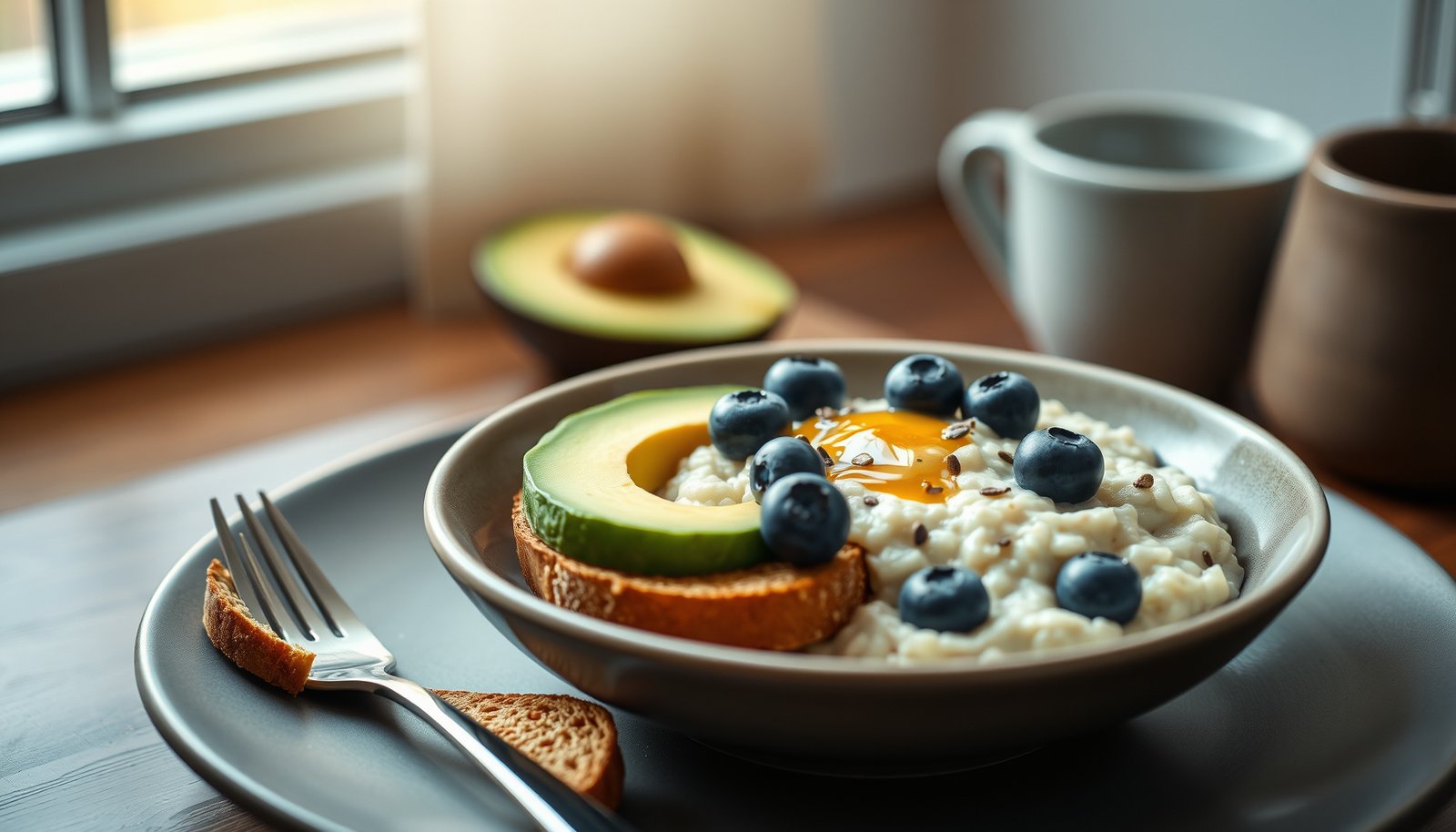

The best breakfast for a diabetic diet is the one that keeps blood sugar steady for hours, not one that spikes it first. If your goal is a blood sugar-friendly morning plate, our picks prioritize high-fiber carbs, lean protein, and healthy fats to blunt post-meal glucose rises. We’ll show the single best default breakfast style—and exactly how to tailor it to your needs—so you can eat well without guessing.




The best breakfast for a diabetic diet is a protein-forward, high-fiber meal with minimal added sugar, because it helps blunt blood-sugar spikes. Aim to pair any carbohydrates with protein and healthy fats, then build the rest of the plate around non-starchy vegetables, eggs, Greek yogurt, nuts, and other whole-food options.
If you have type 1, type 2, or gestational diabetes—or you’re supporting someone who does—this article is for you when morning blood sugar (or cravings) is a recurring challenge. It’s also helpful if you want ideas that fit typical diabetic meal planning without turning breakfast into a guess-and-check routine.
Build a diabetes-friendly breakfast plate

A diabetes-friendly breakfast plate should consistently deliver protein, fiber, and healthy fats together. This combination improves fullness and slows carbohydrate absorption, which is the practical “why” behind better morning glucose control.
Here is why this plate works: protein and fiber reduce the speed of digestion, and healthy fats add satiety and help steady energy after you eat. If you’re tracking glucose (or noticing patterns), this structure also makes it easier to adjust portions rather than changing everything at once—an approach that remains relevant as diabetes nutrition guidance evolves in 2025–2026.
According to the U.S. Department of Agriculture’s Dietary Guidelines, added sugars should be less than 10% of daily calories (2020–2025).
According to the U.S. Department of Agriculture, a fiber target of about 14 grams per 1,000 calories is recommended for adults (2020–2025).
– Prioritize protein (eggs, Greek yogurt, tofu, cottage cheese, lean meats) to keep you full longer.
– Add fiber-rich carbs (berries, whole grains in controlled portions, legumes, or non-starchy vegetables) instead of refined bread or cereal.
– Include healthy fats (olive oil, avocado, nuts, seeds) to slow carbohydrate absorption and improve satiety.
Practical plate formula (fast to execute)
A simple “plate math” many people find workable is:
– Protein: 1 palm (or 2–3 eggs, or ~3/4–1 cup Greek yogurt, or 4–6 oz tofu/cottage cheese)
– Non-starchy vegetables: at least 1–2 cups (think spinach, peppers, mushrooms, broccoli, zucchini)
– Carb portion (if included): ~1/2 cup cooked whole grain or 1 small fruit serving; pair it with protein/fat
– Fat: 1–2 thumbs of nuts, olive oil drizzle, or avocado
From my experience building meal templates for clients and family routines, the biggest win usually isn’t a “perfect recipe”—it’s repeating a plate pattern long enough to learn your personal glucose response. If you want to personalize further, use your clinician’s guidance and your glucose monitoring data to fine-tune.
The American Diabetes Association emphasizes that meal planning for diabetes should focus on carbohydrate consistency and nutrient-dense foods rather than relying on added sugars (nutrition/meal planning guidance).
Protein + fiber pairing targets (what to look for)
When you scan your breakfast plan, prioritize:
– At least one protein anchor (eggs, Greek yogurt, cottage cheese, tofu, lean meat)
– At least one fiber source (berries, chia/flax, legumes, non-starchy vegetables, oats in controlled portions)
– A “carb limiter”: avoid letting juice, pastry, or flavored oats become the main carbohydrate.
This is especially important for morning patterns like the dawn phenomenon (when hormones raise glucose early in the morning) or for people whose morning insulin or medication timing is still catching up.
Best breakfast options for diabetic diet (mix-and-match)
The best breakfast options are the ones you can repeat comfortably while still hitting protein + fiber + healthy fats. Instead of searching for a single “miracle breakfast,” use mix-and-match building blocks and keep your carb portion controlled.
As of 2026, most practical diabetic meal planning still centers on the same fundamentals: choose whole foods, reduce added sugar, and pair carbs with protein and/or fat. That consistency makes glucose response more predictable—particularly for people using insulin or diabetes medications that influence morning glucose trends.
The American Diabetes Association’s meal-planning guidance highlights balancing carbohydrates with protein, fiber, and healthy fats to support glycemic control (ADA nutrition/meal planning guidance).
Diabetes affects tens of millions of adults; the CDC reports that 37.3 million Americans had diabetes in 2022.
– Egg-based breakfasts: veggie omelet or scrambled eggs with spinach, peppers, and a side of berries.
– High-protein dairy alternatives: plain Greek yogurt or cottage cheese topped with nuts/chia and a small serving of fruit.
– Whole-grain + protein combos: oatmeal (not instant sugary varieties) with nuts and cinnamon, or whole-grain toast with nut butter and eggs.
– Tofu or bean breakfasts: tofu scramble or a small serving of beans with salsa over sautéed vegetables.
Mix-and-match templates (copy/paste ideas)
Template A: Omelet + controlled fruit
– 2–3 eggs (or egg whites + whole egg)
– sautéed spinach/peppers/mushrooms
– 1 small serving of berries
Why it works: protein anchors + fiber-containing produce supports slower glucose rise.
Template B: Greek yogurt bowl (no “dessert” yogurt)
– plain Greek yogurt
– chia or ground flax
– walnuts/almonds
– berries (small portion)
Why it works: yogurt provides protein; chia/flax adds fiber; berries add controlled carbs.
Template C: Oats with a real protein add-on
– unsweetened or “plain” oats
– cinnamon (for flavor without sugar)
– add nuts and/or stir in Greek yogurt (or serve alongside)
Why it works: you avoid sugary instant oatmeal profiles, and you keep carbs paired.
Template D: Tofu scramble + vegetables
– tofu scramble with olive oil
– non-starchy veg (tomatoes, spinach, onions, peppers)
– salsa
Why it works: high volume, low starch, and protein-forward digestion support steadier glucose.
A common dietary strategy for diabetes is to choose minimally processed carbohydrate sources and pair them with protein to reduce post-meal glucose spikes (ADA nutrition guidance).
Quick comparison: “balanced breakfast” vs “carb-only breakfast”
| Breakfast pattern | Most likely effect on glucose | Easy swap |
|---|---|---|
| Carb-heavy, protein-light (pastry + juice) | Faster glucose rise and earlier hunger | Add eggs, Greek yogurt, tofu, or nuts |
| Balanced plate (eggs + vegetables + berries) | Slower absorption and better satiety | Keep fruit portion consistent |
> If you’re using glucose-lowering medication or insulin, these swaps can change your glucose timing. Monitor according to your care plan and adjust with your clinician—not by guesswork.
Fiber & Protein Benchmarks for Blood Sugar-Friendly Breakfasts (per typical serving)
| # | Food (breakfast-friendly) | Typical serving | Carbs (g) | Fiber (g) | Protein (g) |
|---|---|---|---|---|---|
| 1 | Large egg (whole) | 1 large (50g) | 0.4 | 0.0 | 6.3 |
| 2 | Plain nonfat Greek yogurt | 170g (6 oz) | 6.0 | 0.0 | 17.0 |
| 3 | Cottage cheese (1% milkfat) | ½ cup (113g) | 3.4 | 0.0 | 13.0 |
| 4 | Rolled oats (dry) | ½ cup dry (40g) | 27.0 | 4.0 | 5.0 |
| 5 | Cooked lentils | ½ cup (100g) | 20.0 | 8.0 | 9.0 |
| 6 | Blueberries | 1 cup (148g) | 21.0 | 3.6 | 1.1 |
| 7 | Chia seeds | 1 oz (28g) | 12.0 | 10.0 | 4.7 |
Nutrient values reflect typical USDA FoodData Central profiles for common portion sizes (carbs, fiber, protein). Individual brands and preparation methods can vary.
Important: the point of the table isn’t to eliminate carbs—it’s to help you “see” why oats, lentils, chia, berries, and non-starchy vegetables often work well: they contribute fiber that supports steadier glucose response when paired with protein.
Portion and carb control tips that actually help
The simplest carb control strategy is to keep carbohydrate portions consistent and pair them with protein and/or healthy fats. That combination is often more effective than simply “cutting carbs,” especially when morning glucose patterns are unpredictable.
In practice (and based on standard diabetes nutrition principles), portion control works because it reduces variability: your glucose response is more stable when your breakfast carbs and calorie load are similar day to day. This matters even more in 2025–2026 if you’ve changed timing of medication, have variable sleep, or are dealing with stress-related morning cravings.
The American Diabetes Association advises focusing on individualized nutrition plans and consistent carbohydrate intake patterns when planning meals for diabetes.
The USDA Dietary Guidelines recommend limiting added sugars to less than 10% of total daily calories (2020–2025).
– Use the “carb pairing” rule: if you eat carbs at breakfast, pair them with protein and/or fat every time.
– Watch serving size rather than eliminating carbs entirely—many people do better with steady, controlled intake than with skipping.
– Balance timing: try to eat breakfast consistently, especially if you take glucose-lowering medication or insulin (ask your clinician for individualized guidance).
Use the “carb pairing” rule in real life
Carb pairing is straightforward:
– If you choose oats, add nuts or Greek yogurt.
– If you choose toast, add eggs or nut butter.
– If you choose fruit, add chia (in yogurt) or a protein side (eggs/tofu).
This also makes labels easier to interpret: you’re not only asking “How many carbs?” You’re also asking “What else is on the plate?” Protein and fat change the effect of carbs.
A note on timing and medication
Breakfast timing can strongly affect glucose—particularly with insulin or diabetes medications. If you’re adjusting doses or have had recent lows/highs, don’t use breakfast experiments as your only “control lever.” Work with your diabetes educator or clinician and adjust based on monitored outcomes.
Because diabetes treatments (including insulin and sulfonylureas) can cause hypoglycemia, medication changes and meal pattern changes should be coordinated with a clinician.
A simple portion approach (no weighing forever)
If you’re new to portion control:
– Measure for 1–2 weeks (or whatever your clinician recommends), then switch to consistent visual portions.
– Keep breakfast carbs within a narrow range so you can detect meaningful glucose changes.
What can go wrong (and how to fix it)
The most common breakfast failures for diabetes are hidden added sugars, oversized “healthy” portions, and carb-only breakfasts that lack protein/fiber. Fixing them is usually simpler than people expect: read labels, control portions, and rebalance the plate.
As of 2026, many “diabetes-friendly” products still contain enough sugar or refined starch to spike glucose—especially flavored yogurts and some ready-to-eat cereals. Also, smoothies can be deceptively high in carbs because liquid calories don’t always create the same fullness as whole foods.
The USDA Dietary Guidelines advise keeping added sugars low, because added sugars increase total calorie intake without providing fiber or key micronutrients (2020–2025).
The American Diabetes Association recommends monitoring carbohydrate intake and choosing foods with fiber to help reduce glycemic variability.
– “Healthy-sounding” breakfasts with hidden sugar (sweetened yogurt, flavored oatmeal, fruit-only smoothies): check labels for added sugars.
– Overdoing portion sizes of even “good carbs” (big bowls of oatmeal or large servings of whole-grain cereal): control the portion, then add protein/fat.
– Relying on breakfast smoothies alone: they can be easy to overshoot on carbs—consider adding protein (Greek yogurt, tofu, or protein powder) and fiber (chia/flax) and keep portions reasonable.
– Not accounting for medication effects: if you’re on insulin or diabetes meds, breakfast changes can affect lows/highs—work with your care team.
Pros/cons quick check for popular breakfast formats
- Egg + vegetable plates
-
Pros: high protein; minimal added sugar; easy to scale portions.
Cons: can get repetitive; calorie intake can rise with added cheese/oil unless portioned. - Oatmeal bowls
-
Pros: reliable fiber source when made from plain oats; easy to customize with nuts/chia.
Cons: “instant” or pre-sweetened packets can add sugar; large servings can raise carb load quickly. - Smoothies
-
Pros: convenient; can include fiber (chia/flax) and protein (Greek yogurt/tofu).
Cons: liquid carbs can still spike glucose; it’s easy to overshoot fruit and portion sizes.
How to troubleshoot after a “didn’t work” morning
If your glucose rises more than you expect:
1. Check hidden carbs (sweetened dairy, flavored oatmeal, syrup, juice).
2. Reduce portion size of the carb component by a consistent amount next time (not everything at once).
3. Increase pairing: add a protein side or fat (nuts, olive oil, avocado).
4. Align timing: eat breakfast at a consistent time unless your clinician instructs otherwise.
Also remember: sleep duration, stress, and activity can affect morning glucose independently of breakfast. That’s why repeatable breakfasts are useful—they help you separate “food effect” from “life effect.”
Verdict: the best approach (and who should skip experimenting)
The best breakfast for a diabetic diet is the one that reliably combines protein + fiber + healthy fats while keeping added sugar low and portion sizes consistent. The downside is that you may need some label-reading and measuring at first—and individual response varies with medication, activity, and glucose pattern.
As of 2026, the safest strategy is to start with a proven breakfast plate template, monitor what happens, and adjust in small steps. If you’re frequentizing new foods every morning, your results become harder to interpret.
Because type 1, type 2, and gestational diabetes differ in treatment and glucose patterns, meal strategies should be individualized with diabetes clinicians.
The CDC reports that 37.3 million people in the U.S. had diabetes in 2022, highlighting why scalable, evidence-based meal planning matters.
The best approach in practice:
– Pick one protein anchor you enjoy (eggs, Greek yogurt, cottage cheese, tofu).
– Pick one fiber source (berries, chia/flax, oats in measured portions, legumes, non-starchy vegetables).
– Add one healthy fat (nuts, seeds, olive oil, avocado).
– Keep added sugar near zero and keep carb portions consistent.
Who should skip broad experimenting (and tighten collaboration instead)
If you’ve had frequent hypoglycemia, are adjusting insulin/doses, or recently changed diabetes medications, skip broad breakfast experimentation. In that situation, use a consistent breakfast routine and coordinate changes with your clinician or diabetes educator.
Quick scan checklist (save this)
Use this list to sanity-check any diabetic breakfast idea in under 30 seconds.
– Protein included: eggs / Greek yogurt / tofu / cottage cheese / lean meat
– Fiber included: berries / non-starchy vegetables / chia/flax / legumes
– Added sugar kept low: avoid sweetened yogurt, sugary cereals, sweetened drinks
– Carbs paired: if you eat carbs, pair with protein and/or healthy fats
– Portions are controlled: measure initially, then adjust based on your response
– Glucose monitoring plan (if relevant): track how your breakfast impacts you
The USDA emphasizes reducing added sugars to support healthier dietary patterns (2020–2025).
Sources
– American Diabetes Association (ADA), “Nutrition” and “Meal Planning” guidance:
– U.S. Department of Agriculture (USDA) Dietary Guidelines for Americans (fiber and added sugars guidance):
– Mayo Clinic / National Institutes of Health (general diabetes nutrition concepts like carbohydrate control and meal balance):
A diabetes-friendly breakfast is less about finding a “special food” and more about repeating a smart plate: protein first, fiber built in, healthy fats included, and added sugar kept low. Use consistent portions, pair carbs with protein/fat, and adjust based on your glucose response—especially if you use insulin or glucose-lowering medication.
Frequently Asked Questions
What is the best breakfast for a diabetic diet to keep blood sugar stable?
The best breakfast for a diabetic diet is one that pairs high-fiber carbs with lean protein and healthy fats to slow glucose absorption. Consider options like Greek yogurt with berries and chia seeds, or oatmeal topped with nuts and cinnamon plus a side of eggs. These diabetic-friendly breakfasts help reduce blood sugar spikes and improve satiety, making it easier to manage cravings later in the day.
How can I build a diabetes-friendly breakfast if I’m craving something sweet?
Start with a high-fiber base (like plain oats, whole-grain toast, or chia pudding) and add protein (Greek yogurt, eggs, or cottage cheese) to blunt the rise in blood sugar. For sweetness, use fruit in measured portions (such as berries or a small apple) or cinnamon instead of sugary syrups, which can spike glucose quickly. This approach helps you enjoy sweet flavors while still staying aligned with a diabetic diet.
Which breakfast foods should I avoid to prevent glucose spikes?
Try to avoid sugary cereals, pastries, white bread, sweetened oatmeal packets, and juice—these often contain refined carbs that elevate blood sugar rapidly. Also limit breakfast items made with added sugar like flavored yogurts, breakfast bars, and sweet smoothies unless they’re specifically designed for diabetes. Choosing whole, minimally processed foods supports better blood sugar control in diabetic meal planning.
Why do protein and healthy fats matter in a diabetic breakfast?
Protein and healthy fats slow digestion and help reduce post-meal blood glucose spikes by minimizing rapid carbohydrate absorption. Adding eggs, nuts, seeds, avocado, or nut butter to your breakfast can improve satiety and reduce the likelihood of overeating later. This is why many diabetes-friendly breakfast ideas focus on balanced macros rather than just counting carbs.
What are some of the best diabetic-friendly breakfast ideas for busy mornings?
Great grab-and-go options include a hard-boiled egg plus whole-grain toast, Greek yogurt with chia and berries, or overnight oats made with unsweetened milk and added nuts. You can also prep chia pudding or egg muffins ahead of time to reduce decision fatigue and keep meals consistent with a diabetic diet. These options are practical, portion-friendly, and typically lower the risk of blood sugar spikes compared with typical fast breakfast foods.
📅 Last Updated: October 24, 2026 | Topic: best breakfast for diabetic diet | Content verified for accuracy and freshness.
References
- Diet in diabetes
- Simple Diabetes Meal Plan: Manage Blood Glucose with the Diabetes Plate
- Healthy Eating | Diabetes | CDC
- https://www.mayoclinic.org/diseases-conditions/diabetes/in-depth/diabetes-nutrition/art-20048368
- https://medlineplus.gov/diabetesandnutrition.html
- Healthy diet
- https://scholar.google.com/scholar?q=diabetes+breakfast+best+foods Google Scholar
- https://scholar.google.com/scholar?q=whole+grain+breakfast+glycemic+control+type+2+diabetes Google Scholar
- https://scholar.google.com/scholar?q=breakfast+carbohydrate+quality+diabetes+randomized+trial Google Scholar