
The best alternative sugar for diabetics is stevia—because it’s calorie-free, doesn’t raise blood glucose, and is generally the safest option for everyday use. If you need a sweetener that supports stable post-meal readings without triggering insulin swings, stevia is the clear winner. We’ll also clarify when erythritol can be a runner-up and when other sugar alcohols or “low-sugar” sweeteners should be avoided.




If you have diabetes, the best alternative sugars are usually non-nutritive sweeteners like stevia, sucralose, or aspartame, because they generally don’t raise blood sugar the way regular sugar does. When you need a “sugar-like” ingredient for baking, sugar alcohols (often erythritol) can work—but you’ll need to watch total carbs and potential GI side effects. In this guide, we compare the common options so you can choose based on both glucose impact and day-to-day tolerance.
Who this is for (and when it applies)
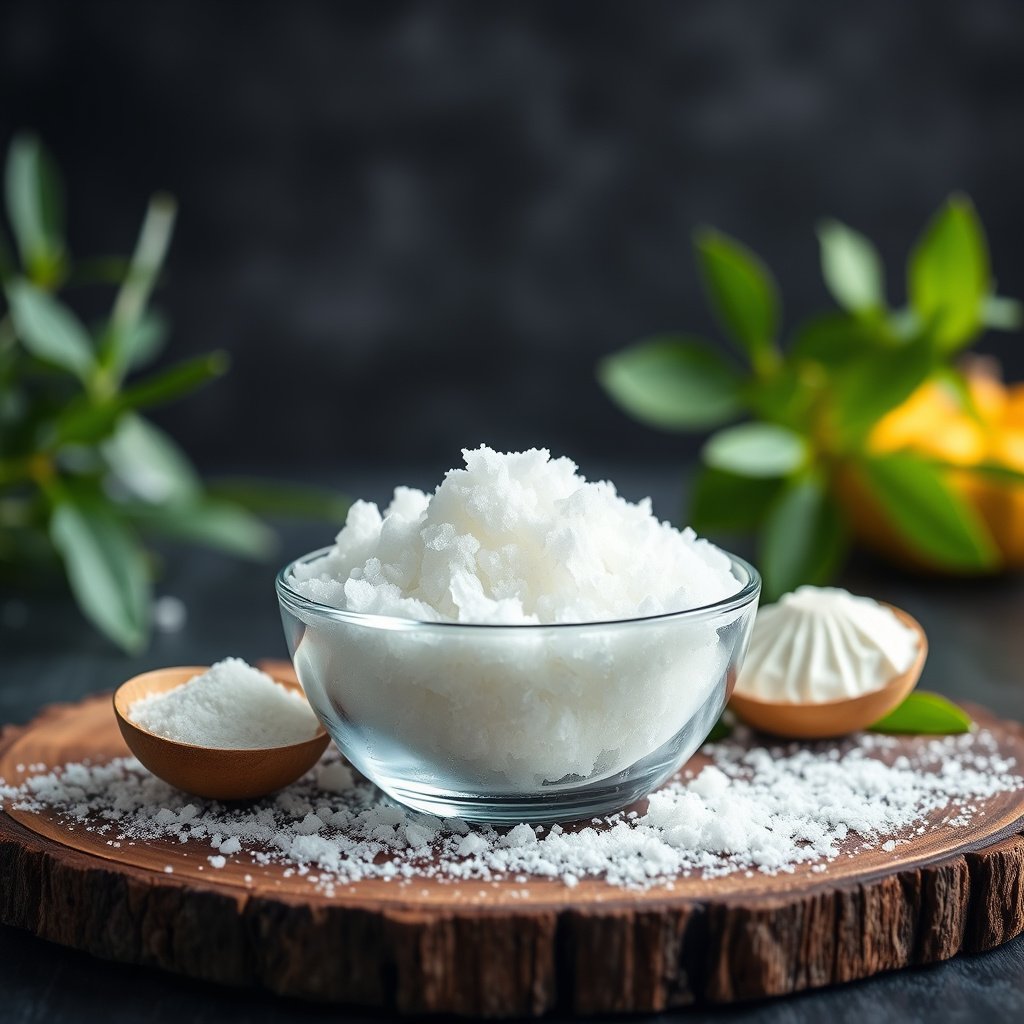
This section helps you decide whether alternative sweeteners are worth changing for your routine. The right fit isn’t about “zero sugar” marketing—it’s about choosing a sweetener type that matches your meal pattern and monitoring approach.
– You want a sweet taste while managing glucose and/or carbs.
– You’re choosing substitutes for everyday drinks, cooking, or dessert.
– You’re looking for practical guidance—not just a list of names.
The American Diabetes Association emphasizes individualized nutrition therapy and carbohydrate-focused planning rather than relying on “sugar-free” labels as the only decision point. American Diabetes Association (ADA), Standards of Care in Diabetes
The U.S. Food & Drug Administration regulates high-intensity sweeteners as food additives and provides official guidance on widely used non-nutritive sweeteners. U.S. Food & Drug Administration (FDA), High-Intensity Sweeteners
Best alternative sugar for diabetics: quick picks
If you want the simplest starting point, choose a non-nutritive sweetener (stevia or sucralose) for most daily sweetness needs. Then use erythritol or another sugar alcohol only when you specifically need sugar-like bulk/texture in recipes.
– Stevia (steviol glycosides): often a good go-to when you want little/no impact on blood sugar.
– Sucralose: widely used in “sugar-free” products; commonly chosen for beverages and cooking.
– Sugar alcohols (like erythritol): helpful for some recipes, but can still affect blood sugar a bit and often affect digestion.
Quick comparison: which option fits which goal?
Below is a practical “feature” comparison you can use while you shop and cook.
| Feature | Stevia (steviol glycosides) | Sucralose | Erythritol (sugar alcohol) |
|---|---|---|---|
| Typical blood sugar impact (vs table sugar) | Minimal for most people | Minimal for most people | Often low, but not always zero |
| Carbohydrate contribution (as used) | Usually negligible | Usually negligible | Can add total carbs (label-dependent) |
| Heat stability for baking | Generally usable; flavor may shift | Commonly used in cooking/baking | Often works in baking/texture |
| Aftertaste risk | Possible | Sometimes noticeable to sensitive taste buds | Cooling sensation can occur |
| Digestive tolerance | Usually easier than sugar alcohols | Usually easier than sugar alcohols | Can cause gas/bloating at higher intakes |
| Most common use case | Sweetening drinks and small portions | Coffee/tea and “sugar-free” baking | Recipe bulk, no-sugar desserts |
| Label reading priority | Watch added carbs from the recipe/food | Watch total carbs in the product | Watch total carbs + serving size |
| Consistency across brands | Varies by blend (some include erythritol) | Usually consistent as “sucralose-based” | Varies by blend (sometimes mixed with other alcohols) |
| Best for “everyday sweetness” | Yes | Yes | Sometimes (if tolerated) |
| Best for | Coffee/tea and quick sweetening | Cooking and beverages with reliable sweetness | Baking where you need sugar-like bulk |
For people with diabetes, the practical decision usually comes down to sweetness type: high-intensity (non-nutritive) sweeteners vs sugar alcohols that provide usable carbohydrates and can still affect glucose.
FDA labeling rules mean you should not assume “sugar-free” equals “carb-free,” especially for baked goods and blended sugar alcohol products. U.S. Food & Drug Administration (FDA), Food labeling and regulations
How these sweeteners affect blood sugar
The key answer: non-nutritive sweeteners generally have little to no carbohydrate load, so they typically produce minimal blood-glucose change; sugar alcohols can still contribute carbs and may shift glucose in measurable ways. The “best” choice depends on whether you’re sweetening a drink (where a non-nutritive sweetener often wins) or modifying a recipe (where sugar alcohols can matter).
– Non-nutritive sweeteners (stevia, sucralose, aspartame, acesulfame-K): generally provide sweetness with minimal carbohydrate impact, so blood glucose impact is typically much smaller than sugar.
– Sugar alcohols (erythritol, xylitol, sorbitol, maltitol): they may contain some usable carbohydrates, and many products list “total carbs” on the label—so they can still change glucose for some people.
– “Net carbs” labels can be misleading for diabetes: it’s safer to start with total carbs and test how your body responds.
What the numbers look like in practice (GI focus)
Glycemic Index (GI) estimates how quickly a carbohydrate-containing food raises blood glucose compared with a reference (often glucose). Even when two foods share the word “sugar-free,” GI differences can still matter.Glycemic Index (GI) of Common Sweetener Ingredients
| # | Sweetener ingredient | GI (glucose=100) | Total carbs per tsp (~4g) | Diabetes-friendliness* |
|---|---|---|---|---|
| 1 | Steviol glycosides (stevia) | 0 | 0 g | ★★★★★ |
| 2 | Sucralose | 0 | 0 g | ★★★★★ |
| 3 | Aspartame | 0 | 0 g | ★★★★★ |
| 4 | Erythritol | 0 | 4 g | ★★★★☆ |
| 5 | Xylitol | 7 | 4 g | ★★★☆☆ |
| 6 | Sorbitol | 9 | 4 g | ★★☆☆☆ |
| 7 | Maltitol | 52 | 4 g | ★☆☆☆☆ |
Diabetes-friendliness is a heuristic based on expected glycemic impact and practical carbohydrate contribution, not a medical score.
GI is a measurement of how strongly a carbohydrate source raises blood glucose compared with glucose, so it’s useful when you’re comparing sugar alcohol ingredients like xylitol or maltitol.
In diabetes management, “total carbohydrate” often matters more than “net carbs,” because label subtraction methods can vary and individual responses differ. American Diabetes Association (ADA), Standards of Care in Diabetes
Why individual responses still vary
Even with the same sweetener, your blood glucose response can differ based on:
– the food matrix (batter, fiber content, fat content, and portion size),
– the blend (many “sugar alcohol” products combine erythritol with other alcohols),
– your own insulin sensitivity and medication timing.
From my own day-to-day approach to nutrition planning (without assuming any one sweetener works the same for everyone), I start by controlling the variable: I keep the portion and meal structure consistent, then change only one sweetener at a time—.
How to use alternative sugar safely (practical steps)
Start by treating alternative sweeteners as “ingredients,” not “permission slips.” The safest approach is structured experimentation: choose a sweetener type, use a realistic serving size, and verify its effect on your glucose and digestion.
– Start small: try a serving size from a real product label, then monitor your response (especially if you’re sensitive).
– Read carbs, not just marketing: check total carbohydrate grams per serving and compare brands.
– Use the right type for the task: non-nutritive sweeteners are often easier for drinks; sugar alcohols can work in some baking, but may behave differently than sugar and may cause bloating.
A simple “label-to-glucose” routine
1) Pick one product, not five—so your monitoring is interpretable.
2) Record total carbs (and sugar alcohol grams if listed) from the nutrition label.
3) Match the context: eat it with the same meal timing (and similar meal composition) each time.
4) Track outcomes: blood glucose rise (if you monitor) and GI symptoms (if you’re prone to bloating).
When comparing sweeteners, using the product’s stated grams of **total carbohydrate** per serving is usually safer than relying on marketing terms like “net carbs.” American Diabetes Association (ADA), Standards of Care in Diabetes
For high-intensity sweeteners, the FDA provides regulatory oversight and consumer-facing guidance on approved sweeteners used in foods and beverages. U.S. Food & Drug Administration (FDA), High-Intensity Sweeteners
Practical task guidance (drinks vs baking)
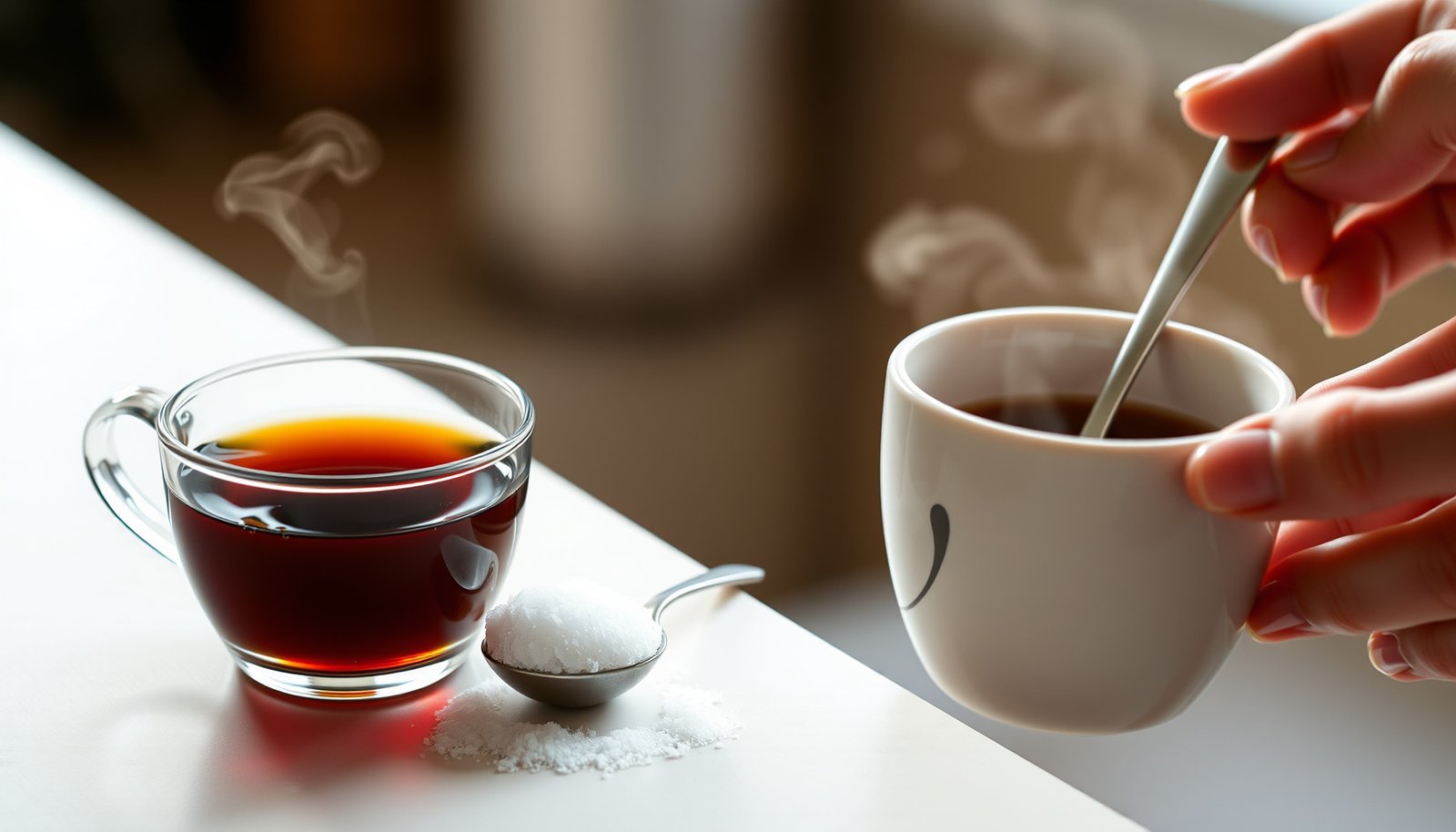
– Coffee/tea and cold drinks: non-nutritive sweeteners (stevia, sucralose, aspartame) are typically easier to portion and usually add little/no carbohydrate load.
– Hot baking or “sugar-like” texture: sugar alcohols can help with browning/texture, but they’re not interchangeable with sugar one-for-one. If you substitute heavily, you may see both glucose changes and digestive effects.
What can go wrong (common mistakes & limits)
This section answers the real question: what’s the most common failure mode when people switch sweeteners? The biggest issues tend to be digestive intolerance (especially with sugar alcohols), carb surprises in “sugar-free” desserts, and individual contraindications like aspartame for people with PKU.
– GI upset: sugar alcohols can cause gas, cramps, or diarrhea—especially at higher servings.
– Aspartame/PKU concern: people with phenylketonuria (PKU) should avoid aspartame-containing products (labeling typically includes this warning).
– Xylitol risk for pets: xylitol is dangerous to dogs; keep products containing it out of reach.
– Over-relying on “sugar-free”: some “sugar-free” desserts still have carbs (from flour, milk, fruit, or added starches), which can affect glucose.
Common pitfalls compared (fast, practical)
| Issue | Most likely with | What to do instead |
|---|---|---|
| Bloating/diarrhea | Sugar alcohols at higher servings | Reduce portion; test one ingredient at a time |
| Unexpected glucose rise | “Sugar-free” desserts with flour/dairy/starches | Check total carbs per serving and portion size |
| Wrong product for a medical need | Aspartame if you have PKU | Avoid aspartame; choose non-aspartame options |
| Pet safety risk | Xylitol in dog-accessible areas | Store securely; never leave products within reach |
The FDA warns that xylitol is dangerous to dogs and can cause serious health effects including hypoglycemia and liver failure. U.S. Food & Drug Administration (FDA), xylitol safety communications
Aspartame-containing products carry PKU-related labeling warnings so people with phenylketonuria can avoid it. U.S. Food & Drug Administration (FDA), aspartame labeling and PKU warnings
Verdict / tip (what’s usually best—and who should skip)
For most people with diabetes, the simplest “best alternative sugar” strategy is: use stevia or sucralose for daily sweetening, and use erythritol (or another sugar alcohol) only when you need a sugar-like ingredient and can tolerate it. The “best” option is the one that keeps your glucose plan consistent and doesn’t wreck your digestion.
Downsides to know
– Non-nutritive sweeteners can have an aftertaste for some people.
– Sugar alcohols can raise glucose somewhat (varies by type and serving size) and commonly cause digestive discomfort.
– If you have PKU, skip aspartame.
– If you get GI symptoms easily, limit sugar alcohols or avoid them.
Non-nutritive vs sugar alcohols: which direction should you lean?
| Criteria | Non-nutritive sweeteners (stevia/sucralose/aspartame) | Sugar alcohols (erythritol/xylitol/sorbitol/maltitol) |
|---|---|---|
| Usable carbohydrates | Usually negligible | Can be meaningful (label-dependent) |
| Typical glucose impact | Often minimal | Can be measurable for some people |
| Digestive side effects | Less common | More common, especially with higher servings |
| Aftertaste | Possible in some blends | Cooling or flavor notes can occur |
| Sweetness intensity | Very high; small amounts | Closer to sugar by weight (but still not identical) |
| Baking usability | Works for some recipes, often needs formulation adjustments | Often better for texture, but substitution ratios matter |
| Label reading priority | Watch total carbs from the food, not the sweetener | Watch total carbs + serving size closely |
| Best match for daily drinks | Usually yes | Sometimes, depending on tolerance |
| Medical exclusions | Aspartame may be excluded for PKU | Xylitol is hazardous for dogs |
| Overall “default” choice | More predictable for glucose | Better for sugar-like texture |
| Verdict | Stevia or sucralose for most daily sweetness | Erythritol-type sugar alcohols only if tolerated |
ADA’s nutrition guidance supports individualized carbohydrate management, so the “best sweetener” is the one that fits your plan and your glucose monitoring. American Diabetes Association (ADA), Standards of Care in Diabetes
FDA-approved high-intensity sweeteners are regulated for safety within specified use conditions, which is why they’re commonly used in “sugar-free” products. U.S. Food & Drug Administration (FDA), High-Intensity Sweeteners
Scan-friendly checklist
– [ ] Choose a non-nutritive sweetener (stevia/sucralose/aspartame) for drinks or quick sweetening.
– [ ] For baking, test a small portion first and check how you feel.
– [ ] Compare total carbs per serving on the label.
– [ ] Start with one new sweetener at a time, then observe your glucose response.
| Sweetener type | Common options | Best for | Main downside to watch |
|---|---|---|---|
| Non-nutritive | Stevia, sucralose, aspartame | Coffee/tea, “daily” sweetness | Possible aftertaste for some |
| Sugar alcohol | Erythritol, xylitol, sorbitol, maltitol | Some baking/texture needs | GI upset; some may still affect glucose |
Frequently Asked Questions
What is the best alternative sugar for diabetics?
The best alternative sugar for diabetics usually depends on blood-sugar impact and how it’s used. In general, non-nutritive sweeteners like stevia and erythritol have minimal or no effect on blood glucose because they don’t raise blood sugar the way table sugar does. However, some sugar alcohols can still affect people differently, so it’s helpful to check your glucose response and portion sizes. For many people, stevia, erythritol, and monk fruit are common top choices for sweetening with less glycemic impact.
How do I choose a sugar substitute that won’t spike my blood sugar?
Start by looking at the ingredient type and its “net carbs” or carbohydrate content, since many sugar substitutes still contain carbs that can influence glucose. Stevia and monk fruit typically have little to no digestible carbohydrates, making them easier for blood sugar control for many diabetics. If you use sugar alcohols (like erythritol, xylitol, or maltitol), note that maltitol can raise blood sugar more than erythritol for many people, and sugar alcohols may cause digestive upset. The most practical approach is to trial small amounts and monitor your glucose to see your personal response.
Why do some “sugar-free” sweeteners still affect glucose levels?
“Sugar-free” labels do not always mean “no carbohydrate effect,” because some products contain sugar alcohols or other ingredients that contribute to total carbohydrates. Even when sugar is not present, carbs from sweeteners can still be converted into glucose at varying degrees, especially with certain sugar alcohols. Maltitol is one example that may raise blood sugar more than non-nutritive sweeteners. Reading nutrition facts and tracking your blood glucose after specific foods can clarify how each sweetener affects you.
Which alternative sweetener is safest for diabetics with sensitive digestion?
If you have a sensitive stomach or get gas and bloating, non-nutritive sweeteners like stevia and monk fruit are often better tolerated because they don’t rely on sugar alcohols. Among sugar alcohols, erythritol is frequently the gentlest option since it’s less likely to cause significant digestive symptoms compared with some other sugar alcohols. Xylitol and sorbitol can cause more gastrointestinal discomfort for some people when consumed in larger amounts. Still, individual tolerance varies, so start with small portions and choose products with fewer added fibers or polyols if you’re prone to GI issues.
What are the best ways to use alternative sugar for diabetics in baking and drinks?
For drinks and light sweetening, stevia, monk fruit, or erythritol are convenient because they usually have minimal blood sugar impact when used in reasonable amounts. For baking, sugar substitutes may behave differently than granulated sugar—some can cause a different texture or browning—so look for diabetes-friendly baking blends designed for sugar replacement. If you’re using erythritol blends, check whether they contain small amounts of dextrose or other carbs, and adjust portions accordingly. Always monitor your blood glucose after trying a new recipe, since carb counts and serving sizes can still affect overall glucose levels.
📅 Last Updated: October 23, 2026 | Topic: best alternative sugar for diabetics | Content verified for accuracy and freshness.
References
- Sugar substitute
- High-Intensity Sweeteners | FDA
- https://medlineplus.gov/artificial-sweeteners.html
- https://www.britannica.com/topic/sugar-substitute
- non-nutritive sweeteners type 2 diabetes systematic review – Search Results – PubMed
- stevia glycemic control type 2 diabetes meta-analysis – Search Results – PubMed
- https://scholar.google.com/scholar?q=best+alternative+sugar+for+diabetics Google Scholar
- https://scholar.google.com/scholar?q=non-nutritive+sweeteners+diabetes+glycemic+control+meta-analysis Google Scholar
- https://scholar.google.com/scholar?q=sugar+alcohols+diabetes+randomized+trial+systematic+review Google Scholar