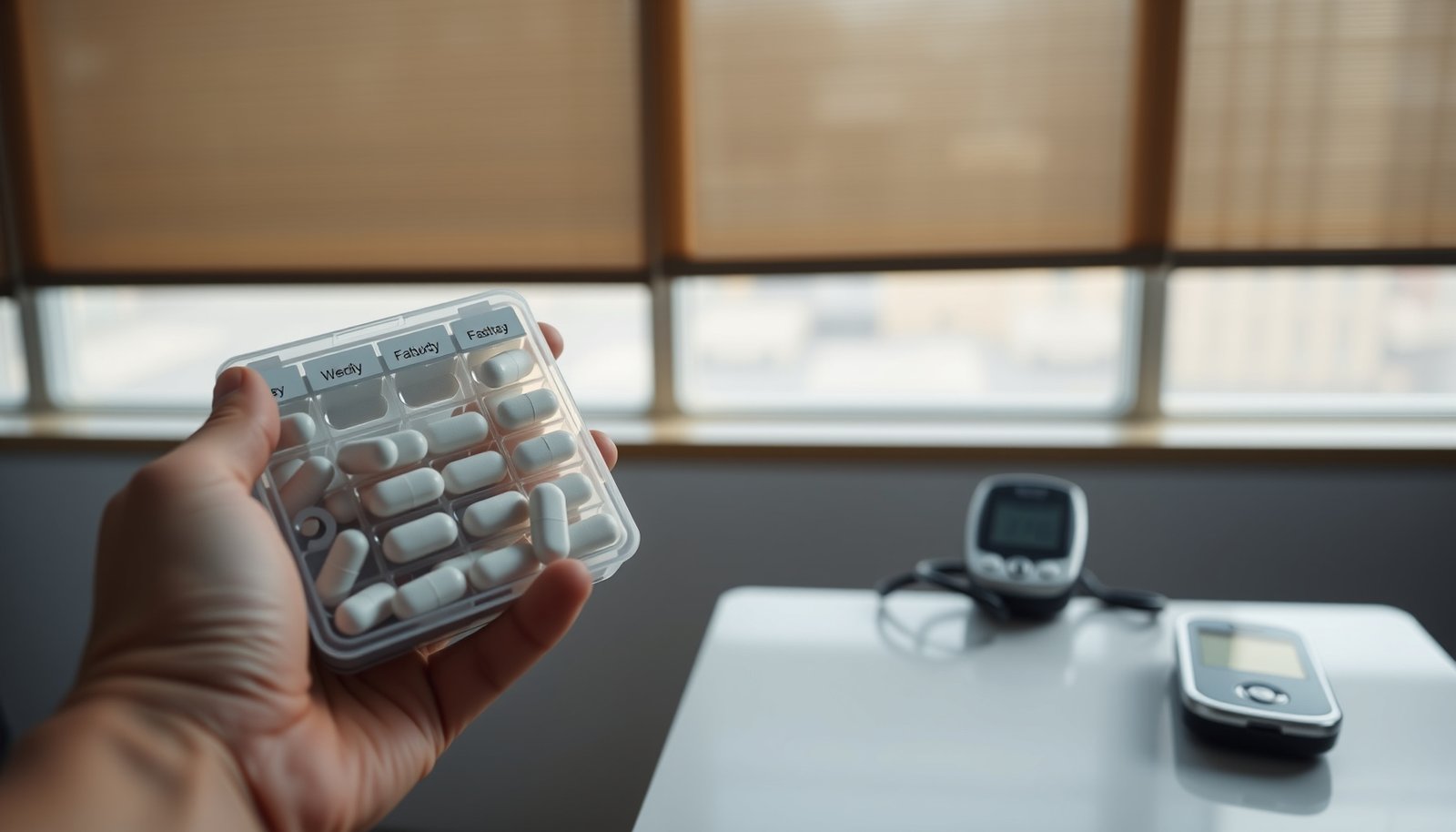

If you have Type 1 diabetes and ADHD, the “best ADHD medication” choice usually comes down to one clear winner: stimulant therapy with careful glucose monitoring and dose timing. This guide answers exactly what to ask your clinician—how to balance symptom control against hypoglycemia or hyperglycemia risk, which formulations to prefer, and what safety checks to schedule. You’ll leave with a short checklist of questions to determine whether your best option is methylphenidate or an alternative when stimulants aren’t the right fit.



Finding the best ADHD medication for someone with type 1 diabetes usually means choosing a stimulant vs. non-stimulant option based on glucose patterns, sleep/appetite effects, and cardiovascular risk—then monitoring closely as doses change. Clinicians often start with stimulant-class meds (methylphenidate or amphetamine-based), but switch to non-stimulants (atomoxetine, guanfacine, clonidine) when glucose stability, routine, or side effects don’t cooperate. This guide breaks down how to compare options and what to ask so you can make the safest, most practical plan in 2026.
If you (or your child) has type 1 diabetes and ADHD, you’re probably looking for a practical way to talk to your prescriber without guessing. You’ll get a decision framework for stimulants vs non-stimulants, plus common “gotchas” that matter specifically when you’re managing insulin, meals, and glucose trends.
The short answer: what’s usually considered first

For many people with ADHD and type 1 diabetes, the “best” medication is individualized—but stimulant-class treatment is commonly tried first if it’s medically appropriate. The key is aligning ADHD symptom control with glucose safety, including hypoglycemia history, sleep quality, appetite/routine, and heart/blood pressure monitoring.
– Stimulants are often first-line for ADHD, but “best” depends on your diabetes pattern (hypo/hyper history), sleep, appetite, and cardiovascular status.
– Non-stimulants can be a better fit for some people, especially if stimulants cause troublesome side effects or make diabetes self-management harder.
– Your prescriber’s goal is usually control ADHD symptoms without destabilizing glucose or causing unsafe BP/heart rate changes.
According to U.S. FDA prescribing information for stimulant ADHD medications (methylphenidate and amphetamine-based products), these drugs can increase heart rate and blood pressure, so cardiovascular assessment and monitoring are part of safe use.
According to American Diabetes Association (ADA) Standards of Care, hypoglycemia is often categorized by glucose level (e.g., levels below established thresholds) to guide safety planning during periods when routines may change.
Stimulants vs non-stimulants for ADHD with type 1 diabetes
If your priority is rapid symptom improvement, stimulant-class medications often provide the fastest trial signal—while non-stimulants may be favored when side effects or diabetes routines become the limiting factor. For type 1 diabetes care, the “best” option is the one that keeps meals, insulin timing, and CGM trends predictable while still addressing ADHD symptoms.
Stimulants (methylphenidate or amphetamine classes)
Stimulants are often the default starting point because many people notice benefit relatively quickly after dose adjustments. With type 1 diabetes, your clinician should explicitly discuss how appetite, meal timing, and sleep might shift—and what that means for insulin dosing and glucose monitoring.
– Pros: Often effective for attention/impulsivity; many people see benefits quickly after dose adjustments.
– Common cautions: Appetite suppression, sleep disruption, and potential increases in heart rate/blood pressure (check your specific risk factors and medication labeling).
– Diabetes angle: Because stimulants can affect appetite and routine, they may indirectly change insulin needs or meal timing—so your glucose monitoring plan matters as much as the prescription.
According to U.S. FDA prescribing information for stimulant ADHD medications, appetite suppression and insomnia/sleep disturbance are among the commonly described adverse reactions, which can indirectly affect glucose management by changing when and how much you eat.
In 2026 practice, clinicians often pair stimulant titration with a diabetes safety plan (CGM alerts, extra checks during dose changes) because meal-pattern shifts can occur even when the medication isn’t directly lowering blood glucose.
Non-stimulants (atomoxetine; guanfacine or clonidine)
Non-stimulants may be the better fit when stimulants worsen sleep, appetite, anxiety, or overall diabetes self-care. They also can be useful when the goal is calmer behavior and reduced impulsivity without the same appetite/sleep pressure that sometimes follows stimulant use.
– Pros: No stimulant-type “rush,” and they may be helpful when anxiety, tics, or stimulant side effects are issues.
– Common cautions: Atomoxetine can affect heart rate; alpha-2 agonists (guanfacine/clonidine) can cause sedation and blood pressure changes—again, dosing and monitoring are key.
– Diabetes angle: These may be easier to tolerate around appetite, but you still need to watch overall glucose trends as schedules shift.
According to U.S. FDA prescribing information for atomoxetine, increases in heart rate and blood pressure can occur, so cardiovascular monitoring is part of safe prescribing.
According to U.S. FDA prescribing information for guanfacine and clonidine, sedation and blood pressure changes are potential adverse effects, which can affect daily schedules that influence diabetes routines.
CGM/SMBG thresholds clinicians use when monitoring medication impact in type 1 diabetes
| # | Glucose safety reference | Threshold / range | Why it matters during ADHD med changes | Urgency rating |
|---|---|---|---|---|
| 1 | Time in Range (TIR) target band | 70–180 mg/dL | Shows whether routines plus insulin timing stay stable as ADHD symptoms change eating/scheduling | ★★★★★ |
| 2 | Level 1 hypoglycemia | <70 mg/dL | Helps detect early downward drift if appetite/meal timing changes after starting ADHD medication | ★★★★☆ |
| 3 | Level 2 hypoglycemia | <54 mg/dL | A safety threshold that often triggers urgent review of insulin/meal timing during ADHD titration | ★★★★★ |
| 4 | Severe hypoglycemia (clinical definition) | Requires assistance | Indicates a red-line safety failure—ADHD medication timing and diabetes plan need immediate reassessment | ★★★★★ |
| 5 | Hyperglycemia (above target) | >180 mg/dL | Helps flag if appetite loss leads to rebound overeating later or if routine becomes inconsistent | ★★☆☆☆ |
| 6 | Marked hyperglycemia | >250 mg/dL | A safety marker where clinicians look for missed boluses, delayed meals, or under-dosing when schedules change | ★★★☆☆ |
| 7 | General A1C goal for many nonpregnant adults | <7.0% | Frames whether a longer-term pattern worsens after medication changes (weeks to months) | ★☆☆☆☆ |
How to choose safely: questions that lead to the “best” medication
The safest way to pick ADHD medication in type 1 diabetes is to treat the decision as a structured risk/benefit discussion, not a one-off prescription. In 2026, many clinicians use a shared decision-making approach (what matters most to you, what can be monitored, and what the backup plan is) to keep diabetes stability from becoming collateral damage.
– “Given my glucose patterns, which starting option is safest?” Ask whether your history of frequent lows, nocturnal hypoglycemia, or glucose volatility changes the starting choice.
– “How should we adjust timing with meals/insulin?” Discuss whether you’ll need to coordinate dosing with eating patterns, CGM alerts, or insulin dosing times.
– “What monitoring schedule should we follow during dose changes?” Request a clear plan for when to check glucose more often (especially during the first couple of weeks or after each change).
According to ADA Standards of Care, targets and safety thresholds for CGM/SMBG are used to categorize hypoglycemia severity (including thresholds around 70 mg/dL and 54 mg/dL), supporting consistent decision-making during routine changes.
According to U.S. FDA prescribing information for atomoxetine and alpha-2 agonists (guanfacine/clonidine), blood pressure/heart rate monitoring and attention to sedation or sleep effects are relevant because these can indirectly disrupt diabetes routines.
From a practical standpoint, prepare your prescriber with a tight “SBAR” summary—Situation (ADHD symptoms + T1D current regimen), Background (recent hypo/hyper patterns), Assessment (what you’ve tried and what failed), Recommendation (the starting medication class you want to discuss and your monitoring plan). If you can, bring a 2–4 week snapshot from your CGM showing:
– Lowest glucose times (daytime vs nighttime)
– Typical post-meal spikes and how often you miss/lag boluses
– Overnight trends (where sleep disruption from ADHD meds would matter most)
What can go wrong (and how to prevent it)
The most common failure mode with ADHD medication for type 1 diabetes is not “the drug directly breaks glucose,” but that appetite, sleep, and schedules shift in ways that make insulin timing mismatched. The second failure mode is under-monitoring during titration—when changes are most likely to create short-term safety problems.
– Appetite changes → unexpected insulin mismatch: If you eat less (or delay meals), you may be at higher risk for hypoglycemia unless your insulin and meal plan are adjusted.
– Sleep disruption → worse glucose management: Poor sleep can worsen insulin sensitivity and make diabetes self-care harder (more missed snacks, later meals, less predictable routines).
– Cardiovascular side effects: Stimulants and some non-stimulants can affect heart rate and blood pressure—people with underlying heart issues need extra caution and often more careful follow-up.
– “It’s fine for ADHD, but diabetes gets worse”: Sometimes the ADHD symptom improves, but glucose stability worsens—treat this as a legitimate treatment failure, not “push through.”
– Edge case: comorbid anxiety/tics or school-day schedule: The best medication may depend on what you need most—morning focus vs afternoon calm, or balancing attention with anxiety/tics.
According to U.S. FDA prescribing information for stimulant medications, insomnia/sleep disturbance and appetite suppression can occur; both are relevant for type 1 diabetes because they can alter meal timing and routine.
According to ADA Standards of Care, clinicians use glucose thresholds (including targets around 70–180 mg/dL) to evaluate whether a treatment plan is maintaining safety during periods of change.
A quick “pros/cons” reality check
Below is how many prescribers think about tradeoffs when choosing ADHD medication for type 1 diabetes. It’s not a substitute for medical judgment, but it can help you structure the conversation.
| Option type | Likely pros in T1D context | Common “watch closely” downsides |
|---|---|---|
| **Stimulants (methylphenidate/amphetamine)** | Faster symptom signal; often strong focus/impulsivity control | Appetite suppression, sleep disruption, possible HR/BP increases; may require insulin/meal-timing coordination |
| **Atomoxetine** | Non-stimulant approach when stimulant side effects are problematic | Slower onset; possible HR/BP effects; routine changes still affect insulin needs |
| **Guanfacine / clonidine** | May reduce impulsivity and support calmer behavior; sometimes easier on appetite than stimulants | Sedation and blood pressure effects; dosing time can affect daytime alertness and diabetes self-care |
Stimulant vs non-stimulant: decision criteria “VS” table
Use this table as a checklist during your visit, because it mirrors how many clinicians compare ADHD medication classes for people with type 1 diabetes.
| Criterion | Stimulant class (methylphenidate / amphetamine) | Non-stimulant class (atomoxetine / guanfacine / clonidine) |
|---|---|---|
| 1) Speed of symptom signal | Often apparent after dose changes (days) | Atomoxetine may take weeks; alpha-2 agonists may take weeks |
| 2) Appetite impact | More likely appetite suppression → hypoglycemia risk if insulin/meals aren’t adjusted | Often less stimulant-like appetite suppression, but routine still matters |
| 3) Sleep quality | Can worsen insomnia; dosing time becomes critical | Alpha-2 agonists may cause sedation (sometimes helpful for sleep; daytime fatigue possible) |
| 4) Heart rate & blood pressure | Can increase HR/BP; assess cardiovascular risk | Atomoxetine can affect HR/BP; guanfacine/clonidine can lower BP and cause sedation |
| 5) CGM trend sensitivity to routine | Often high—meal timing shifts can quickly change lows/spikes | Still high—changes in daily structure affect bolus timing and snacks |
| 6) Meal coordination needs | Often requires explicit meal/snack planning; consider whether dose is taken with/without food | May feel easier for appetite, but timing alignment with diabetes routine is still necessary |
| 7) Afternoon coverage / “rebound” | Formulation timing can help; mis-timed dosing can cause late-day symptom gaps | Smoother behavioral effect for some, but planning depends on specific agent |
| 8) Anxiety/tics comorbidity | May be less ideal if stimulant increases anxiety/tension | Often chosen when anxiety/tics or stimulant intolerance is a main issue |
| 9) Titration/monitoring workload | Can be frequent early on due to side effects/appetite/sleep response | May be less “day-1” intensity but requires adherence through slower onset |
| 10) Backup plan clarity | Need a glucose-safety rule for lows/highs during titration (CGM alarms + insulin/meal plan) | Need a symptom and safety timeline (when to reassess, what changes if sedation/BP issues occur) |
| 11) Best “fit” when… | You need quick ADHD symptom control and can protect meal/sleep structure | You need a steadier approach or stimulants undermine sleep/appetite/routine |
Verdict / tip: a realistic recommendation (with downsides)
A reasonable first discussion—when medically cleared—is often a stimulant trial paired with a structured diabetes monitoring plan, because it can show benefit quickly and can be adjusted before patterns become entrenched. The downside is that stimulants can worsen appetite, sleep, or HR/BP parameters, which can indirectly destabilize glucose; if that happens, you should treat it as a legitimate adjustment reason, not something to “push through.”
– Reasonable starting point to discuss: If you’re medically cleared and your clinician agrees, a stimulant trial (with a structured glucose/side-effect monitoring plan) is often a practical first move for ADHD in people with type 1 diabetes.
– When to consider non-stimulants instead: If stimulants reliably worsen sleep, appetite, or glucose stability—or if cardiovascular risks make stimulants less appropriate—atomoxetine or guanfacine/clonidine are commonly considered alternatives.
– Skip the “try anything” approach: Don’t self-adjust insulin blindly or “ride out” severe hypoglycemia, chest symptoms, fainting, or dangerously high/low glucose trends. If either happens, contact your prescriber promptly.
According to U.S. FDA prescribing information, stimulant and non-stimulant ADHD medications include warnings related to cardiovascular effects and other adverse reactions; safe use depends on monitoring and dose adjustment.
According to ADA Standards of Care, glucose targets and hypoglycemia thresholds (including 70 mg/dL and 54 mg/dL categories) are used to guide safety planning when diabetes routines change.
Quick scan: medication decision checklist
| Option type | Why people choose it | Biggest downside to watch |
|---|---|---|
| Stimulants (methylphenidate/amphetamine) | Often strong ADHD symptom control | Appetite/sleep changes; BP/HR increases |
| Atomoxetine | Non-stimulant alternative | Possible heart rate/BP effects; may take time to work |
| Guanfacine / clonidine | Can help with impulsivity/behavior; may be calmer | Sedation; blood pressure changes |
Checklist for your appointment
– [ ] What’s the safest starting class for my diabetes history (especially hypoglycemia patterns)?
– [ ] How will we coordinate dosing with meals and insulin/CGM timing?
– [ ] What side effects should trigger an immediate call?
– [ ] What’s our monitoring plan during dose changes?
– [ ] What’s the backup option if ADHD improves but glucose stability worsens?
Sources
– U.S. FDA Prescribing Information (official drug labels) for:
– methylphenidate products (stimulant class)
– amphetamine/dextroamphetamine products (stimulant class)
– atomoxetine (Strattera) prescribing information
– guanfacine (Intuniv) and clonidine (Kapvay) prescribing information
(Use these labels for official warnings about heart rate/BP, appetite/sleep effects, and diabetes-related monitoring guidance where applicable.)
– American Academy of Pediatrics (AAP) / clinical practice guideline for ADHD management (official guideline document).
– American Diabetes Association (ADA) Standards of Care for diabetes self-management and hypoglycemia safety considerations.
The most practical takeaway is simple: when you’re choosing ADHD medication with type 1 diabetes, pick the class that best matches your current glucose risks and lifestyle needs, then follow a clear monitoring and backup plan during titration. If you prepare your prescriber with CGM-based hypo/hyper patterns and ask about meal timing plus cardiovascular monitoring, you’ll usually get to a safer “best fit” faster—even in 2026.
Frequently Asked Questions
What is the best ADHD medication for someone with type 1 diabetes?
There isn’t a single “best” ADHD medication for all people with type 1 diabetes, because individual responses and blood-sugar patterns vary. Many clinicians consider stimulant medications (like methylphenidate or amphetamines) when glucose monitoring is reliable, but they require close attention to appetite changes and potential shifts in hypoglycemia risk. Atomoxetine (Strattera) is another option often considered when stimulants worsen sleep, appetite, or anxiety, though it may still affect glucose indirectly. The best choice is the one that balances ADHD symptom control with safe, consistent diabetes management.
How do stimulants (methylphenidate or amphetamines) affect blood sugar in type 1 diabetes?
Stimulants can reduce appetite and change meal timing, which may increase the risk of hypoglycemia if insulin doses aren’t adjusted. They may also increase alertness and activity, which can affect glucose trends differently from person to person. Because effects can vary, people with type 1 diabetes typically need more frequent glucose checks—especially during dose changes—along with careful planning of snacks and meals. Working with the prescriber and diabetes care team to review CGM or meter data is key to preventing low or high blood sugar.
Which ADHD medication is least likely to worsen appetite or cause hypoglycemia for type 1 diabetes?
Non-stimulants like atomoxetine may be preferred for some people because they tend to have different effects on appetite compared with many stimulants. However, atomoxetine can still influence weight, sleep, and overall metabolism, so it’s not “zero risk” for glucose instability. If appetite suppression is a major concern, your clinician may also consider lower starting doses, slower titration, or different dosing schedules to protect meal timing. Regardless of medication type, consistent carbohydrate intake and proactive monitoring help reduce hypoglycemia risk.
Why is careful glucose monitoring important when starting ADHD medication in type 1 diabetes?
Starting ADHD medication can change hunger, energy levels, and daily routines, all of which can affect insulin needs and glucose control. Stimulants in particular can alter when and how much you eat, and that timing mismatch is a common reason for unexpected lows. Close monitoring—such as checking glucose more often and using CGM alerts during the first weeks—helps you spot patterns early and adjust insulin safely. Your diabetes clinician may recommend temporary insulin changes based on observed trends rather than making changes blindly.
What should I discuss with my doctor to choose the best ADHD medication for type 1 diabetes?
Ask about your current A1C, history of hypoglycemia or hypoglycemia unawareness, typical glucose variability, and whether you use CGM or have reliable meal timing. Discuss side effects that matter for diabetes management—especially appetite suppression, sleep changes, heart rate, and anxiety—because these can indirectly affect glucose. It’s also important to review insulin-to-carb ratios and correction factors during medication titration, so adjustments can be planned rather than reactive. Finally, ask how often you should monitor glucose after dose changes and what targets or red flags (for lows or highs) should trigger a call.
📅 Last Updated: October 23, 2026 | Topic: best adhd medication for type 1 diabetes | Content verified for accuracy and freshness.
References
- Overview | Attention deficit hyperactivity disorder: diagnosis and management | Guidance | NICE
- Attention-Deficit/Hyperactivity Disorder (ADHD) – National Institute of Mental Health (NIMH)
- https://pubmed.ncbi.nlm.nih.gov/?term=type+1+diabetes+ADHD+stimulant+glycemic+control
- methylphenidate type 1 diabetes ADHD – Search Results – PubMed
- amphetamine type 1 diabetes ADHD – Search Results – PubMed
- atomoxetine type 1 diabetes hypoglycemia – Search Results – PubMed
- https://scholar.google.com/scholar?q=best+ADHD+medication+type+1+diabetes Google Scholar
- https://scholar.google.com/scholar?q=stimulant+methylphenidate+type+1+diabetes+glycemic+control Google Scholar
- https://scholar.google.com/scholar?q=atomoxetine+type+1+diabetes+hypoglycemia Google Scholar