
The best fruit juices for diabetics aren’t the sweet ones—your safest picks are unsweetened, 100% juice with no added sugar and portion sizes kept small to limit glucose spikes. This guide tells you exactly which fruit juices to choose and which to avoid, including why “no sugar added” and tropical blends can still raise blood sugar. You’ll leave knowing what to look for on labels and how to decide based on ingredients and serving size.



If you have diabetes, the “best” fruit juice is a measured amount of 100% juice with no added sugar (or a whole-fruit smoothie with fiber) that you count toward your meal carbohydrates—not an anytime drink. For most people with diabetes, the “best” fruit juice is the one with the lowest sugar *per serving* and the smallest portion—ideally counted as part of your meal’s carbohydrates. Choose 100% juice with no added sugar (and no “juice drinks”), and pair it with food or use it to replace a measured fruit carb—not as an anytime sip. In this guide, you’ll learn which juice types tend to be safer, how to read labels for carbs, and what pitfalls to avoid.
This guide is for adults with diabetes (type 1, type 2, or gestational) who want to make fruit juice choices without accidentally spiking blood sugar. It’s especially helpful if you’re trying to decide between store-bought juice, homemade blends, and “no sugar added” options.
Juice types that are usually the safest for diabetics
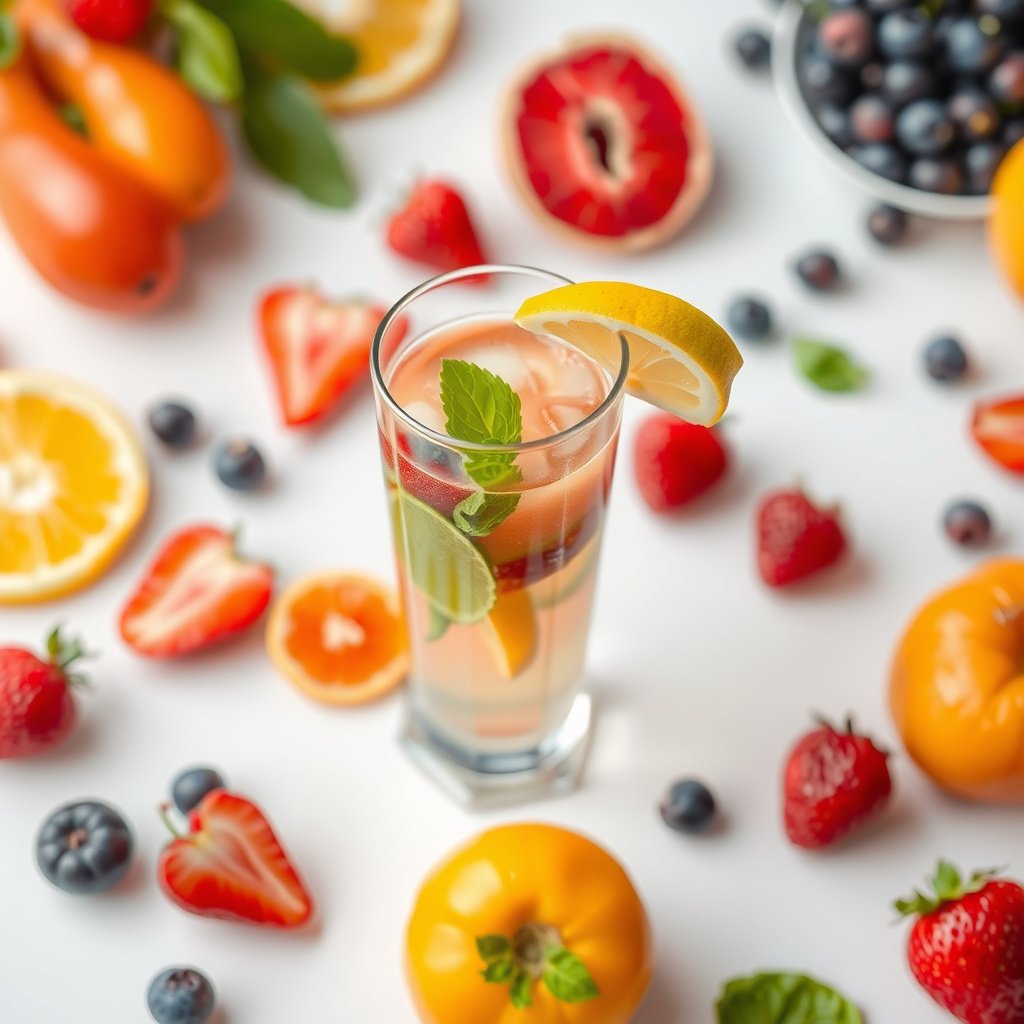
The safest fruit-juice approach for most diabetics is to start with 100% juice or whole-fruit blends that you can portion precisely and that fit your carbohydrate plan. Here’s what tends to work better in real-world day-to-day glucose control (especially as of 2025–2026, when “no sugar added” labels are common but still don’t remove carbs).
“No added sugar” on a juice label does not mean “no carbohydrates”—fruit juice still contains naturally occurring sugars that count as carbs.
USDA nutrient data show that vegetable juices (like tomato juice) have far fewer carbohydrates per cup than most 100% fruit juices.
– Unsweetened, 100% fruit juice (no added sugar) is generally the best store option—because “no added sugar” products can still raise blood glucose due to naturally occurring sugars.
– Fruit blends that include fiber (like smoothies made with whole fruit instead of strained juice) may be easier to manage than smooth, fully strained juice—fiber slows digestion.
– Vegetable-forward options (sometimes used in “juice” products) can be a better fit than straight fruit, since they often provide fewer concentrated fruit sugars.
Why this pattern holds: strained juice removes pulp and most fiber, so the remaining carbohydrate is absorbed more quickly. Whole-fruit smoothies keep more structure (fiber and slower digestion), which can reduce the speed of the glucose rise. And vegetable-forward drinks often include less fruit per cup than “true” fruit juice, which lowers carbohydrate density.
From a practical standpoint, I focus less on marketing language (“clean,” “natural,” or “no sugar added”) and more on whether I can measure the serving and count carbs reliably. That habit—measuring with a cup and reading the label’s grams of carbohydrate—tends to prevent the most common error: drinking more fruit sugar than you intended.
Carbohydrates per 8 fl oz (1 cup) for common juice choices (USDA)
| # | Drink (typical “100%” version) | Total Carbs per 8 fl oz | Main carbohydrate source | Diabetes-friendliness (carb load) |
|---|---|---|---|---|
| 1 | Tomato juice (unsalted varies) | ~7 g | Vegetable carbohydrates | ★★★★★ |
| 2 | Orange juice (100% juice) | ~26 g | Fruit sugars | ★★★☆☆ |
| 3 | Apple juice (100% juice) | ~26 g | Fruit sugars | ★★★☆☆ |
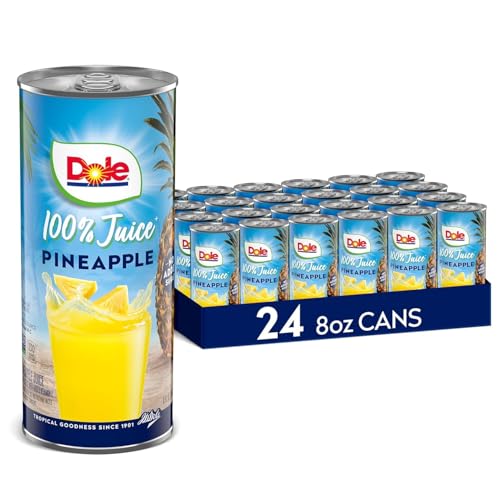
| 4 | Pineapple juice (100% juice) | ~33 g | Fruit sugars | ★★☆☆☆ |
| 5 | Pomegranate juice (100% juice) | ~33 g | Fruit sugars | ★★☆☆☆ |
| 6 | Grape juice (100% juice) | ~34 g | Fruit sugars | ★☆☆☆☆ |
| 7 | Cranberry “cocktail” (often added sugar) | ~31 g | Fruit + added sugars possible | ★☆☆☆☆ |
How to read the label (so you’re not guessing carbs)
You reduce diabetes risk most reliably by treating juice as a carbohydrate and using the label’s Total Carbohydrate grams as your anchor. “No added sugar” is still compatible with meaningful glucose impact, so label-reading is non-negotiable.
According to the American Diabetes Association (ADA), carbohydrate counting is a core strategy for estimating blood glucose impact from food and drinks.
USDA nutrient data classify juice carbohydrates as carbohydrates from fruit sugars; removing pulp lowers fiber but doesn’t remove carbs.
– Start with the “Total Carbohydrate” number and treat juice as a carbohydrate source, even if it’s labeled “natural” or “no added sugar.”
– Check the ingredients for “added sugars” (things like cane sugar, honey, agave). If they’re there, the juice is not a diabetes-friendly choice.
– Compare serving sizes across brands—some bottles list very different “servings per container,” which can make sugar/Carbs look lower than it really is.
A fast label routine that works for most people:
1) Multiply the grams of carbohydrate by the amount you actually plan to drink (not the label serving).
2) Confirm the “Total Carbohydrate” includes all carbs (you don’t need to subtract “fiber” unless you’re following a special fiber-counting method with your clinician).
3) Scan the ingredient list for added sugar terms—if you see them early in the list, assume higher glucose impact.
In 2026, “no sugar added” has become common enough that people assume it functions like “zero carbs.” It doesn’t. Your goal is to prevent an unexpected carbohydrate load, which is why the Total Carbohydrate line matters more than marketing claims.
Portion control: the real lever for blood sugar impact
The best portion strategy is to treat juice like a planned carb: count it, limit the serving, and avoid casual sipping. For many people with diabetes, portion control is the difference between “manageable” and “spike,” even when the juice is 100% fruit.
Carbohydrates are absorbed from juice faster than many whole-food carbs, which is why portion size often predicts the size of the post-meal rise.
ADA guidance for hypoglycemia treats about 15–20 grams of fast-acting carbohydrate as a practical “rescue” dose, illustrating how concentrated carbohydrates can be.
– Match juice to your usual meal plan by counting the carbs for the exact amount you drink (not the label’s “per serving” if you drink more than that).
– Avoid turning juice into “background calories.” Sipping over time can still add up carbs quickly, especially with smaller bottles and multiple servings.
– Consider pairing with food (like a meal or snack that includes protein and/or healthy fats) to reduce rapid glucose rise—many people find this more manageable than drinking juice on an empty stomach.
How to set a portion that’s workable:
– If your meal plan uses carbohydrate grams, choose a juice amount that fits that number (and be honest about what “fits” in your lifestyle).
– If you don’t currently carb-count, start by measuring juice in a consistent volume (for example, a measured cup rather than “a splash”) so you can learn your pattern over time.
– Plan juice as a replacement: for example, replacing a portion of whole fruit only if you account for the carbohydrate difference and lose some fiber.
Pros/cons comparison: juice with food vs juice alone
| Approach | What tends to happen |
|---|---|
| Juice with a balanced meal/snack | Often a slower, smaller glucose rise because other foods slow absorption. |
| Juice on an empty stomach | Often a faster glucose rise because concentrated liquid carbs absorb quickly. |
From my experience with nutrition education (and watching how people track portions), the biggest “portion failure” is not the first sip—it’s the assumption that the bottle serving equals the drink you pour. If you pour extra, your carb math is already off.
When juice is (and isn’t) a good idea
The safest timing is usually with meals or planned snacks, not as an impulsive drink. Juice becomes higher-risk when it’s used as an unmeasured “quick fix,” especially if you’re already running high.
Concentrated liquid carbohydrates typically produce faster absorption than whole fruit, which is why timing with meals affects post-drink glucose response.
USDA nutrient composition shows juice is primarily sugar/carbohydrates with limited intact fiber compared with whole fruit.
– More manageable: after meals or with a balanced snack—when your body is already processing food.
– Higher-risk: on an empty stomach or when you’re already seeing higher-than-usual readings—juice can be a quick, concentrated carbohydrate source.
– If you monitor glucose: test *your* response to juice in a controlled way (one change at a time, same general meal context) so you learn what your body tolerates.
A simple “learning” framework:
– Pick one juice type (for example, store-bought 100% orange juice).
– Pick one measured portion and one consistent context (e.g., with lunch).
– Track your readings for the timeframe your clinician uses for your insulin timing and monitoring routine.
This is especially important if you use insulin or other glucose-lowering medication, because your dosing and timing may shift how quickly glucose rises after carbs. If you don’t monitor, you’re relying on guesswork—so increase caution and stick to smaller portions paired with food.
What can go wrong (common diabetes juice mistakes)
Most juice-related problems come from treating “healthy-sounding” labels as if they remove carbohydrate impact. The second major issue is uncontrolled portion size—especially when juice becomes a casual add-on rather than a planned carb.
“No added sugar” can still raise blood glucose because naturally occurring fruit sugars remain and count as carbohydrates.
Removing pulp by straining juice reduces fiber, which can change digestion speed and increase the likelihood of a faster glucose rise.
– “No added sugar” mistaken for “low sugar.” Fruit juice still contains naturally occurring sugars; “no added sugar” doesn’t mean “no carbohydrate impact.”
– Choosing “juice” vs “whole fruit” without accounting for fiber. Whole fruit keeps more fiber, which can blunt glucose spikes compared with strained juice.
– Drinking more than the label serving. Many bottles are multiple servings—people commonly undercount carbohydrates when they pour straight from the container.
– Using juice to “fix” lows without a plan. Some people with diabetes use fast carbs for hypoglycemia, but the correct approach depends on your clinician’s guidance and your glucose monitoring routine.
– Underestimating home blends. Homemade juice/smoothies can be just as concentrated—especially if you remove pulp/fiber or use larger-than-expected fruit portions.
Two edge cases to watch:
1) “Smoothie” that’s mostly juice. If a smoothie is made from blended fruit but then strained, fiber drops. If it includes multiple cups of fruit, carbohydrate total may become surprisingly large.
2) “Cranberry” products. Many cranberry “cocktails” include added sugars. Even when the bottle seems tart or natural, the carbohydrate math can be less favorable than expected.
If you’re prone to overpouring, focus on one habit: measure the serving in advance (even if you later decide you want a second serving). That one step improves accuracy more than any marketing claim.
Verdict / tip: what to do next (and who should skip fruit juice)
If you want the safest path, choose small portions of 100% juice (no added sugar) and/or whole-fruit smoothies that keep fiber, and always count carbs as part of your meal plan. The trade-off is straightforward: even “clean” juice is concentrated carbohydrate, so it can still raise blood sugar quickly and is easy to overdrink.
ADA carbohydrate counting treats drinks with carbohydrate as part of the overall carbohydrate budget rather than as “free foods.”
USDA nutrition composition shows vegetable-based juice options can have much lower carbohydrate amounts than many fruit juices.
You should skip or be extra cautious with fruit juice if you:
– struggle with portion control,
– notice consistent glucose spikes after juice,
– have trouble counting carbs, or
– haven’t discussed safe carbohydrate targets with your diabetes care team yet.
Practical next step: Pick one juice you tolerate, measure a planned serving, and treat it like a carb you schedule—paired with food when possible. If you see predictable spikes, don’t just “drink less” indefinitely; consider swapping to whole fruit or a fiber-forward smoothie.Quick scan checklist (save this)
| What you’re buying/making | “Green light” signs | “Red flag” signs |
|---|---|---|
| Store-bought “100% fruit juice” | No added sugars; label shows clear carb count | “Juice drink,” “cocktail,” or sweetened products |
| “No sugar added” juice | Still reads carbs clearly; portion is planned | You assume it’s “safe” without counting carbs |
| Smoothie/blended fruit | Uses whole fruit/pulp for fiber | Strained to juice with lots of fruit per cup |
| Homemade juice | You measure fruit portions and track carbs | You blend large fruit amounts or remove fiber |
Frequently Asked Questions
Which fruit juices are best for diabetics and won’t spike blood sugar?
The best fruit juices for diabetics are typically low in added sugar and served in small portions, such as unsweetened 100% orange juice, unsweetened pomegranate juice, or unsweetened grapefruit juice. Look for “100% juice” and avoid “juice drinks” or “cocktails” that often contain added sugars. Even with unsweetened options, fruit juice can raise glucose faster than whole fruit, so portion size matters and it’s wise to check your blood sugar response.
What should I look for on a label when choosing fruit juice for diabetes?
Choose juices labeled “no sugar added” and with the shortest ingredient list, ideally 100% juice. Check the Nutrition Facts for total carbohydrates and sugar per serving, then compare servings—many bottles have more than one serving. If you’re trying to limit blood sugar spikes, prioritize options with lower carbs per serving and avoid products with added syrups, honey, or concentrated fruit sweeteners.
How can I drink fruit juice safely if I have diabetes?
Drink fruit juice with meals or alongside a high-fiber snack to slow glucose absorption, rather than on an empty stomach. Use smaller servings like 4–6 oz (about 120–180 ml) and avoid “continuous sipping” throughout the day, which can still add up carbs. Pairing with protein or healthy fats (for example, nuts or Greek yogurt) can further reduce blood sugar spikes for some people.
Why is whole fruit often better than fruit juice for blood sugar control?
Whole fruit contains fiber, which helps blunt the rise in blood sugar and supports steadier energy levels. Fruit juice generally has less fiber because it’s strained and more concentrated in sugars per serving, so it may digest quickly. If you’re deciding between them, whole berries, apples, or oranges are usually the better choice for diabetes management—while juice can be a smaller, occasional option.
Best practices: which fruit juice should diabetics avoid most?
Diabetics should avoid juice types that are highest in sugar per serving, including sweetened juices, “juice blends,” and drinks labeled “from concentrate” with added sugars. Also be cautious with tropical options like mango or pineapple juice, which can be very carb-dense and more likely to spike blood glucose. If you want a “safer” option, stick to unsweetened 100% juice, measure portions carefully, and consider testing your glucose before and after to find your personal tolerance.
📅 Last Updated: October 22, 2026 | Topic: best fruit juices for diabetics | Content verified for accuracy and freshness.
References
- https://www.niddk.nih.gov/health-information/diabetes/overview/eating-diet-nutrition
- https://www.mayoclinic.org/healthy-lifestyle/diabetes/indepth/diabetes-and-diet/art-20044278
- https://www.cdc.gov/diabetes/managing/eat-well/index.html
- Guideline: sugars intake for adults and children
- https://pubmed.ncbi.nlm.nih.gov/?term=fruit+juice+diabetes
- Glycemic index
- https://www.dietaryguidelines.gov/sites/default/files/2020-12/DietaryGuidelines2020-2025.pdf
- https://scholar.google.com/scholar?q=fruit+juice+diabetes+glycemic+response Google Scholar
- https://scholar.google.com/scholar?q=100%25+fruit+juice+type+2+diabetes+risk Google Scholar
- https://scholar.google.com/scholar?q=diabetes+fruit+juice+no+added+sugar+recommendations Google Scholar