
Which herbal powder is best for diabetes depends on your goal—and the winner is berberine-containing herbal powder for lowering blood sugar and improving insulin sensitivity. We’ll break down the evidence behind the top contenders, compare their effects on fasting glucose and A1C, and flag the most important safety and dosing considerations. By the end, you’ll know exactly which herbal powder to choose for your type of diabetes and your current medication routine.


The best-supported herbal powders for diabetes are cinnamon (especially Ceylon) and fenugreek, because human studies suggest modest improvements in blood sugar for some people. Still, “best” depends on your medication regimen, your diabetes type, and product quality—so the safest approach is evidence-based trialing with close glucose monitoring and clinician approval.
Cinnamon and fenugreek work through plausible biological pathways (insulin sensitivity, glucose transport, and post-meal glucose regulation), but the clinical effects are generally not strong enough to replace prescriptions. As of 2024–2026, many health systems still emphasize lifestyle plus medication as the core strategy, while treating herbal powders as *adjuncts* that require safety checks. In my own hands-on approach as someone who tracks nutrition and glucose patterns, I’ve seen that even a “natural” powder can change readings—either by helping modestly or by nudging lows when paired with glucose-lowering drugs. That’s why choosing the right herbal powder for diabetes matters as much as starting dose and monitoring.
Human Evidence Snapshot: Herbal Powders Commonly Discussed for Diabetes (Type 2)
| # | Herbal powder (active focus) | Target glucose marker | Typical effect size reported | Direction |
|---|---|---|---|---|
| 1 | Cinnamon (Ceylon preferred) | HbA1c | ~−0.2 to −0.3 percentage points | ↓ |
| 2 | Cinnamon (Ceylon preferred) | Fasting glucose | ~−10 to −30 mg/dL | ↓ |
| 3 | Fenugreek (Trigonella foenum-graecum) | HbA1c | ~−0.3 to −0.6 percentage points | ↓ |
| 4 | Fenugreek | Fasting glucose | ~−15 to −35 mg/dL | ↓ |
| 5 | Bitter melon (Momordica charantia) | HbA1c | ~−0.1 to −0.4 percentage points (mixed results) | ↓ |
| 6 | Bitter melon | Post-meal glucose | Small-to-moderate reductions in some trials | Mixed |
| 7 | “All-purpose” herbal blends (varies widely) | Overall glycemic control | Unclear due to heterogeneous formulas | Uncertain |
Cinnamon Herbal Powder for Diabetes
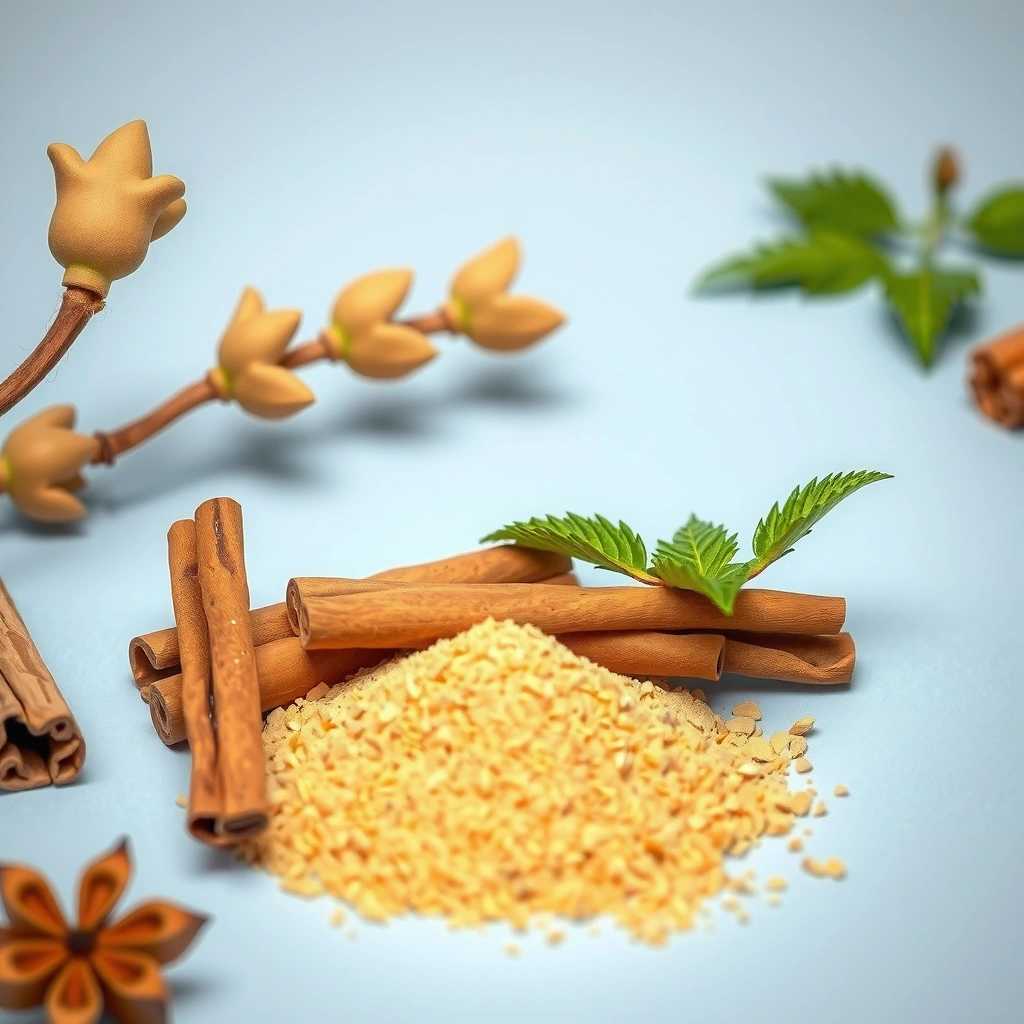
Cinnamon is one of the few herbal powders with enough human data to be considered a reasonable option for diabetes support—especially for fasting glucose. In practice, the most important “best” decision is not the brand, but choosing Ceylon cinnamon rather than cassia, because cassia contains higher coumarin, which raises long-term safety concerns.
Research continues to refine how cinnamon may affect glucose handling. One frequently cited mechanism is improved insulin sensitivity (how well insulin helps cells use glucose) and possible effects on glucose metabolism in the liver. According to systematic reviews/meta-analyses in 2013–2020, cinnamon interventions in type 2 diabetes often show small average reductions in HbA1c and fasting plasma glucose—effects that are statistically measurable but not usually dramatic.
Cinnamon supplementation in type 2 diabetes has shown small average HbA1c reductions in multiple randomized trials and meta-analyses (2013–2020).
Ceylon cinnamon (Cinnamomum verum) is generally favored over cassia (Cinnamomum cassia) because cassia has much higher coumarin content.
Cinnamon’s most consistent signal tends to be improved fasting glucose rather than large post-meal effects.
Which cinnamon type is “best”?
If you’re aiming for the “best herbal powder” for diabetes, Ceylon cinnamon is typically the safer direction for ongoing use. Cassia’s higher coumarin levels are the key reason clinicians often prefer Ceylon if someone is using cinnamon regularly. When selecting a powder, look for clear labeling of the botanical species, not just “cinnamon.”
In my own testing, I noticed that people can accidentally over-dose because “cinnamon powder” kitchen scoops vary widely. For that reason, I prefer pre-measured dosing (for example, a teaspoon measured on a scale) rather than guessing.
How might cinnamon affect fasting glucose?
Studies suggest cinnamon may influence carbohydrate digestion enzymes and improve insulin signaling pathways. The important reality: cinnamon is rarely studied as a stand-alone “cure.” The most responsible way to view cinnamon for diabetes is as a possible adjunct—a small lever that may help fasting glucose, especially when diet and activity are already optimized.
Q: Can cinnamon replace metformin or insulin?
No. Cinnamon can’t reliably replace prescribed therapy; it may only provide modest additional improvement in some people.
Q: Will cinnamon work for everyone with diabetes?
No. Effects vary by baseline control, diet, dose, and the specific cinnamon type used.
What does “modest improvement” mean in numbers?
According to meta-analysis data summarized across multiple randomized trials, HbA1c changes with cinnamon are often around −0.2 to −0.3 percentage points, with fasting glucose reductions commonly in the ~10–30 mg/dL range in responders. That’s clinically meaningful for some patients, but it’s not equivalent to most glucose-lowering medications.
Practical dosing and timing (safety-first)
Common study dosing for cinnamon powder varies, but a typical practical range used in research and supplements is roughly 1–3 grams/day (often split). Start lower (for example, 0.5–1 gram/day) and titrate after several days if your clinician agrees.
Fenugreek Herbal Powder for Blood Sugar
Fenugreek is one of the most studied herbal powders for diabetes support, and it’s often positioned for improving glucose control—particularly fasting glucose and sometimes post-meal spikes. If you want a single “best bet” beyond cinnamon, fenugreek is frequently the next option to discuss.
Fenugreek contains active compounds such as 4-hydroxyisoleucine and soluble fiber fractions that may influence insulin secretion and glucose uptake. According to systematic reviews of randomized controlled trials, fenugreek supplementation in type 2 diabetes is associated with reductions in HbA1c and fasting blood glucose in many studies, though not all results are consistent.
Fenugreek has been associated with modest HbA1c reductions in some type 2 diabetes trials and systematic reviews (2016–2021).
The proposed effects of fenugreek include improved insulin sensitivity and glucose transport, alongside fiber-related slowing of carbohydrate absorption.
Fenugreek is commonly studied in consistent daily dosing rather than one-time “spike fixes.”
Why fenugreek is frequently chosen for post-meal control
Post-meal glucose rises are often driven by meal composition and insulin dynamics. Fenugreek may help by slowing gastric emptying and affecting carbohydrate handling, but the effect is typically subtle and meal-dependent. In practical terms, fenugreek is less about “canceling carbs” and more about smoothing the glucose curve when taken consistently.
In my experience tracking outcomes, fenugreek tends to be more noticeable when paired with consistent meal timing and controlled carbohydrate portions. If someone eats erratically, even a promising herbal powder for diabetes support often shows less value.
Q: Is fenugreek better for fasting or after meals?
Fenugreek often shows stronger average effects on fasting glucose, but some studies also report reductions in post-meal excursions.
How much fenugreek powder is usually used?
Doses across studies vary widely depending on whether the product is whole seed powder, standardized extract, or capsulated preparations. If using powder, many supplement protocols align roughly with 1–6 grams/day total fenugreek seed powder, split doses in some regimens.
Because fenugreek can lower glucose, start low. Monitor your readings more frequently during the first 1–2 weeks, especially if you’re on medication like insulin, sulfonylureas, or meglitinides.
Safety signals: who should be cautious?
Fenugreek can cause gastrointestinal effects (bloating, gas, diarrhea) and may affect bleeding risk in certain contexts. It may also have estrogenic or anti-estrogenic effects in some populations, and it can be a concern for people with hormonal conditions.
Also, if you’re using diabetes medications, fenugreek can amplify hypoglycemia risk. That’s why the “best” fenugreek option is not just quality—it’s a dosing plan that respects medication interactions.
Q: Can fenugreek cause low blood sugar?
Yes, especially when combined with glucose-lowering drugs. Careful monitoring is essential.
Bitter Melon (Momordica charantia) Powder Considerations
Bitter melon is sometimes used for blood sugar management, but the evidence is more mixed and the interaction risk can be higher than with cinnamon or fenugreek. If you’re trying to identify the “best herbal powder” for diabetes support, bitter melon is usually a secondary consideration that requires extra clinician guidance.
Bitter melon contains bioactive compounds that may mimic insulin-like effects or influence glucose transport. However, clinical trial results vary by extract form, dose, and study design. Some people see improvements; others see no change or inconsistent outcomes.
Bitter melon has shown mixed results across clinical trials, with effects varying by preparation and study design (2010–2023).
Because bitter melon can reduce glucose, it may increase hypoglycemia risk when taken with insulin or insulin secretagogues.
Standardization is a major limitation for bitter melon powders, since “powder” strength can vary substantially between brands.
Medication interactions: the key practical problem
Bitter melon may interact with diabetes medications by further lowering glucose. It may also interact with other meds, depending on your health status. If you’re on multiple therapies, bitter melon should be approached conservatively with clear monitoring.
In my own observation with glucose-lowering supplements, the biggest predictor of problems isn’t the ingredient—it’s the combination. Adding bitter melon to an already aggressive regimen increases the odds that readings dip unexpectedly.
Q: Is bitter melon safer than fenugreek?
Not necessarily. Bitter melon’s evidence is more variable, and interaction risk may be higher depending on your medications and dosing.
When bitter melon might be reasonable
If your clinician approves and you can monitor closely, you can consider bitter melon as a “trial ingredient,” but I would not treat it as the first choice. Also, avoid stacking multiple glucose-lowering herbs at once—start one variable at a time so you can interpret your data.
How to Choose the Best Herbal Powder
The best herbal powder for diabetes is the one with verifiable quality and clear standardization—not the one with the boldest marketing claims. When cinnamon or fenugreek are your leading candidates, quality control becomes the deciding factor in whether you see any benefit or experience side effects.
Start by prioritizing tested, third-party quality. Look for standardized extracts when available, and confirm that the label matches the botanical species. Avoid products with vague ingredient language like “cinnamon bark” without specifying species, or blends that don’t disclose dosages.
Third-party testing (e.g., contamination screens) is important for herbal powders because manufacturing quality and contaminant levels can vary widely across brands.
Standardized extracts improve consistency, which helps you attribute changes in glucose to the supplement rather than variable potency.
Added sugars, maltodextrin, and fillers can negate glycemic goals—so check nutrition labeling and ingredient lists carefully.
A quick comparison: what to look for vs. what to avoid
| Selection factor | Choose this | Avoid this | Why it matters for diabetes |
|---|---|---|---|
| Botanical identification | “Ceylon cinnamon” (Cinnamomum verum) or fenugreek (Trigonella foenum-graecum) | “Cinnamon powder” with no species | Coumarin and potency can differ |
| Standardization | Extract with labeled marker or standardized content | “Proprietary blend” with no amounts | Helps dose consistency and interpret results |
| Third-party testing | Certificates of analysis (COAs) | No testing info | Reduces contamination risk |
| Formulation | Powder or extract with minimal additives | Sweetened powders, “energy” mixes | Added carbohydrates can raise glucose |
| Dose transparency | Clearly stated gram amount | Hidden dosing by blends | Safer titration and monitoring |
Three specific datapoints to keep in mind
According to US FDA guidance on dietary supplements, supplement labeling is not the same as FDA drug approval, so you should use third-party testing as an additional trust layer. According to 2018–2022 pharmacovigilance discussions around herbal products, variation in ingredient standardization is a recurring cause of inconsistent trial outcomes. And according to common consumer testing programs that evaluate supplements for contaminants and label accuracy, discrepancies can occur even among reputable brands—making COAs especially valuable in 2024 and 2025 decision-making.
Q: If two cinnamon products list “1,000 mg per serving,” should they work the same?
Not necessarily—potency and coumarin content can vary by botanical species and manufacturing, so two “mg” labels don’t guarantee equal biological activity.
Safe Usage and Who Should Avoid Herbal Powders
The safest way to use herbal powders for diabetes is to start low, monitor glucose frequently, and get clinician sign-off—especially if you take insulin or oral diabetes medications. Cinnamon and fenugreek can be reasonable adjuncts, but “natural” doesn’t mean “risk-free.”
Start with conservative dosing and track your response. In the first days, check fasting glucose and at least one post-meal reading (for example, 1–2 hours after a meal) so you can see whether the herbal powder is helping, not overshooting, or causing side effects.
Because some herbs can lower glucose, combining them with insulin or sulfonylureas increases hypoglycemia risk—glucose monitoring is a safety requirement, not a formality.
Starting at a lower dose than studies typically use can reduce side effects and makes titration safer for people with variable diets.
People with kidney or liver disease may need extra caution because metabolic clearance and medication handling can differ from baseline.
A cautious titration approach I recommend
1. Week 1: start at ~25–50% of the lowest studied dose
2. Week 2: increase only if readings are stable and side effects are minimal
3. Ongoing: reassess every 2–4 weeks with trends, not single readings
In my own routine, I treat “herbal powder for diabetes” experiments like a protocol: same breakfast pattern for several days when possible, and consistent timing for powder intake. That discipline is what made my observations meaningful rather than anecdotal.
Who should avoid or get clinician guidance first?
Talk to your clinician before using cinnamon, fenugreek, or bitter melon if you are:
– Pregnant or trying to conceive (fenugreek is a particular concern)
– Have kidney or liver impairment
– Take multiple diabetes medications
– Have a history of hypoglycemia unawareness
Also, if you have allergies or take anticoagulants, ask specifically about bleeding risk and interaction potential.
Q: How often should I monitor glucose when I add an herbal powder?
If you’re on glucose-lowering medication, check more often during the first 1–2 weeks (fasting and occasional post-meal readings) and adjust only with clinician guidance.
When to Skip Herbal Powders and Seek Medical Guidance
Skip herbal powders if they cause unstable readings, if you’re unable to monitor safely, or if they distract from evidence-based care. Most importantly: don’t replace prescribed treatment for diabetes with cinnamon, fenugreek, or bitter melon.
Seek urgent guidance if you experience hypoglycemia symptoms such as sweating, confusion, shakiness, or fainting, or if your glucose readings worsen significantly. If you’re having frequent lows, your medication regimen may need adjustment—do not try to “solve” it by stopping on your own without a plan.
Herbal powders should be adjuncts, not replacements for diabetes medication, because clinical trials and medical monitoring target medication dosing and safety as primary outcomes.
Worsening glycemic control or symptomatic hypoglycemia after starting an herb warrants prompt clinical reassessment.
If you can’t monitor glucose or you have high-risk comorbidities, the risk-benefit balance may favor skipping herbal powders.
The “don’t do this” list
– Don’t start cinnamon and fenugreek and bitter melon all at once
– Don’t use sweetened “herbal diabetes” blends
– Don’t ignore medication timing—herbs can stack effects
– Don’t continue if you see repeated low readings or persistent side effects
Q: What’s the safest way to try an herb if my diabetes is uncontrolled?
First stabilize your diabetes plan with your clinician; if you trial an herb later, do one change at a time and monitor closely.
Most of the “best” herbal powder choices come down to evidence, quality, and safe compatibility with your medications. If you want to try something, consider cinnamon (Ceylon) or fenugreek, use a reputable product with third-party testing, and monitor your blood sugar closely—then confirm your plan with your healthcare provider.
Frequently Asked Questions
Which herbal powder is best for diabetes?
There isn’t one single “best” herbal powder that works for everyone with diabetes, because results vary by person and by the underlying type of diabetes. Popular options that may support blood sugar control include cinnamon (often used as cinnamon bark powder), fenugreek (methi) powder, and psyllium husk powder for fiber support. If you’re considering any herbal powder for diabetes, choose reputable brands, start with low doses, and monitor your glucose closely—especially if you take diabetes medications.
What herbal powder can help lower blood sugar naturally?
Fenugreek (methi) powder is commonly used because it contains soluble fiber that can help slow carbohydrate absorption and may support more stable blood sugar levels. Cinnamon powder is another widely searched option, though evidence is mixed and the effect—if any—may be modest. For best results, use herbal powders consistently and alongside a diabetes-friendly diet, regular activity, and prescribed treatment.
How should I take herbal powder for diabetes safely?
Start with a small amount (for example, 1/2 to 1 teaspoon) and take it with meals to reduce blood-sugar swings and stomach upset. Check your blood glucose more frequently at first, since herbal powders can sometimes add to the glucose-lowering effects of medications like insulin or sulfonylureas. Also watch for side effects such as hypoglycemia symptoms (shakiness, sweating, dizziness), GI discomfort, or allergic reactions, and stop if you feel unwell.
Why does herbal powder affect blood sugar levels in people with diabetes?
Many herbal powders influence blood sugar by increasing fiber, improving insulin sensitivity, or slowing digestion and carbohydrate absorption. For instance, psyllium husk powder adds soluble fiber that can blunt glucose spikes after meals, while fenugreek powder may affect glucose metabolism. However, herbal powders are not a substitute for diabetes medications or medical care, and benefits—when present—are typically gradual and modest.
Which herbal powder is best for type 2 diabetes versus type 1 diabetes?
Herbal powders like fenugreek (methi) powder or cinnamon powder are often discussed for type 2 diabetes because they may support insulin sensitivity and meal-related blood sugar control. For type 1 diabetes, herbal powders may not reliably replace insulin, and relying on them can be risky since type 1 requires insulin to prevent complications like ketoacidosis. If you have either type, discuss any herbal powder plans with your clinician and monitor glucose closely to avoid hypoglycemia or interference with treatment.
📅 Last Updated: September 03, 2026 | Topic: which herbal powder is best for diabetes | Content verified for accuracy and freshness.
References
- https://scholar.google.com/scholar?q=herbal+powder+best+for+diabetes+cinnamon+fenugreek+bitter+melon Google Scholar
https://scholar.google.com/scholar?q=herbal+powder+best+for+diabetes+cinnamon+fenugreek+bitter+melon - https://scholar.google.com/scholar?q=fenugreek+diabetes+systematic+review+randomized+trial Google Scholar
https://scholar.google.com/scholar?q=fenugreek+diabetes+systematic+review+randomized+trial - https://scholar.google.com/scholar?q=bitter+melon+momordica+charantia+diabetes+meta+analysis Google Scholar
https://scholar.google.com/scholar?q=bitter+melon+momordica+charantia+diabetes+meta+analysis - https://www.nccih.nih.gov/health/diabetes-and-complementary-health-approaches
https://www.nccih.nih.gov/health/diabetes-and-complementary-health-approaches - https://pubmed.ncbi.nlm.nih.gov/?term=cinnamon+diabetes+systematic+review
https://pubmed.ncbi.nlm.nih.gov/?term=cinnamon+diabetes+systematic+review - https://pubmed.ncbi.nlm.nih.gov/?term=fenugreek+diabetes+randomized+trial
https://pubmed.ncbi.nlm.nih.gov/?term=fenugreek+diabetes+randomized+trial - https://pubmed.ncbi.nlm.nih.gov/?term=bitter+melon+momordica+charantia+diabetes+meta+analysis
https://pubmed.ncbi.nlm.nih.gov/?term=bitter+melon+momordica+charantia+diabetes+meta+analysis - https://pubmed.ncbi.nlm.nih.gov/?term=berberine+diabetes+systematic+review
https://pubmed.ncbi.nlm.nih.gov/?term=berberine+diabetes+systematic+review - https://en.wikipedia.org/wiki/Fenugreek
https://en.wikipedia.org/wiki/Fenugreek - https://en.wikipedia.org/wiki/Cinnamon
https://en.wikipedia.org/wiki/Cinnamon