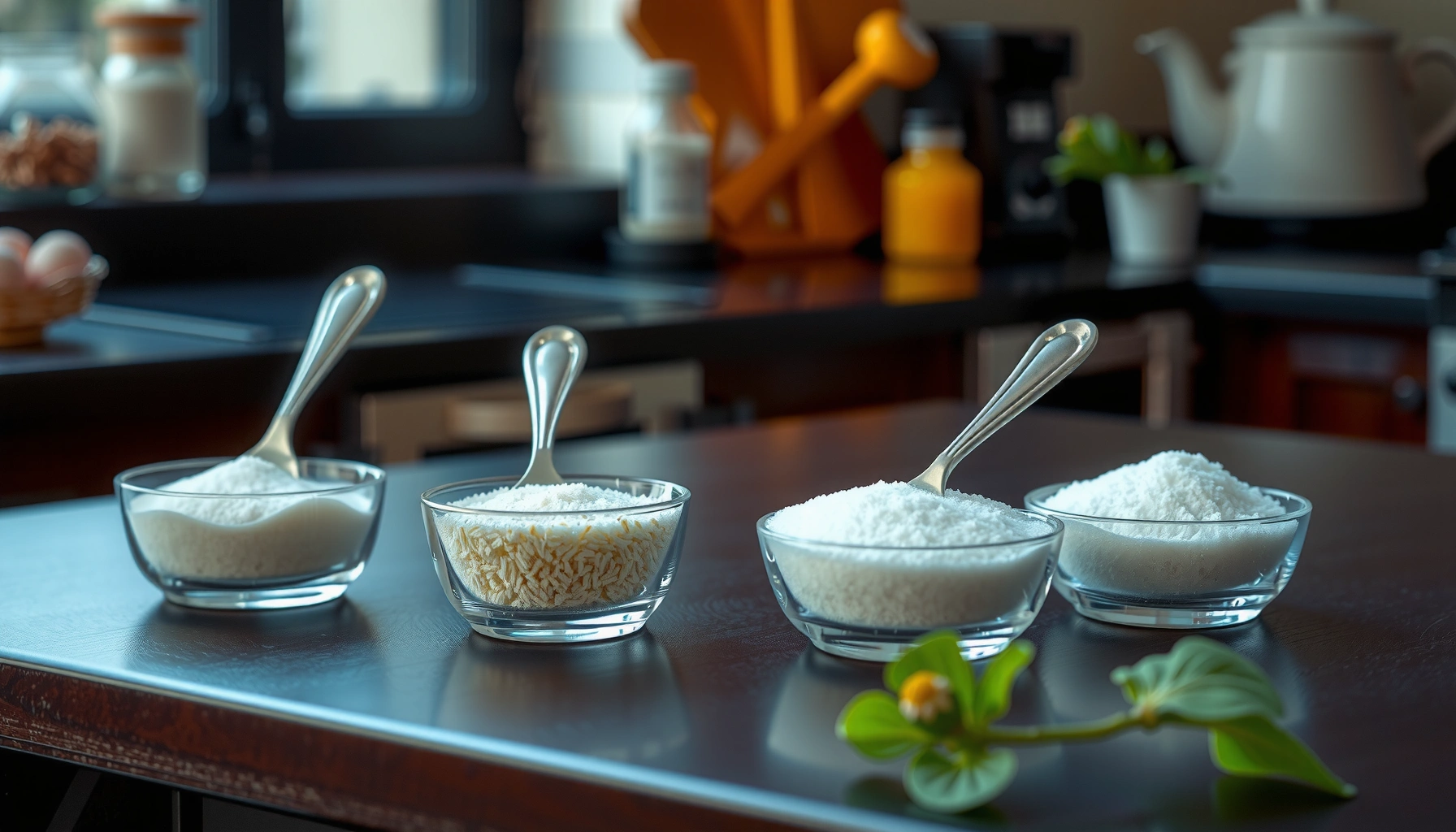
The best artificial sweetener for diabetics is stevia, because it contains little to no digestible carbs and does not raise blood sugar. If you need a reliable option for everyday sweetening—especially for beverages and recipes—stevia is the clear winner over sugar alcohols that can cause more digestive upset or have a more variable blood-glucose impact. The rest of the article answers which sweeteners to choose by glycemic effect, taste, and practical use.


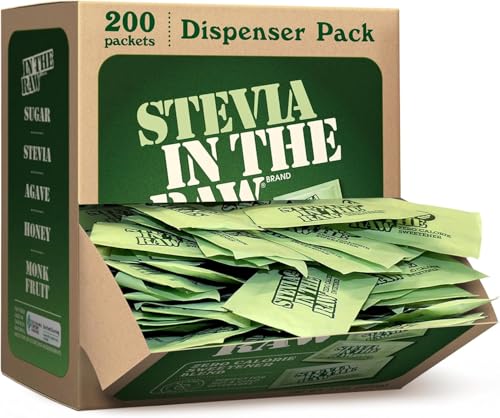
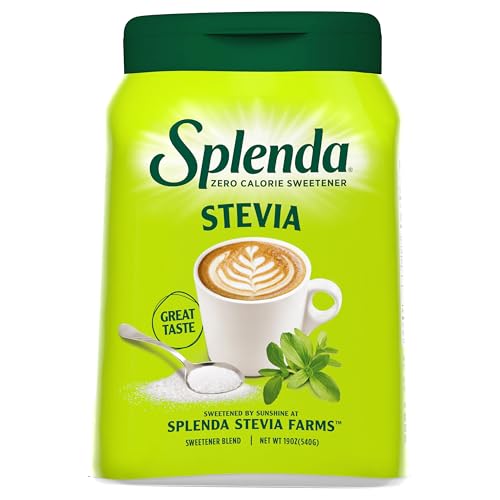
The best artificial sweetener for diabetics is usually one that’s non- or near–non-caloric and doesn’t raise blood sugar—most often options like stevia, sucralose, or aspartame. Here’s how to choose confidently by checking carbohydrate impact, interpreting “sugar-free” labels, and using sweeteners in a way that supports steadier glucose.
How to Choose an Artificial Sweetener for Diabetes
The best choice for diabetes is the sweetener that delivers sweetness with little to no carbohydrate load and minimal blood-glucose impact. In practice, that usually means prioritizing products with near-zero net carbs and ingredients that don’t convert to glucose during digestion.
Q: Which sweetener matters most for glucose control?
Choose based on carbohydrate impact (net carbs) and ingredient type—especially stevia, sucralose, aspartame, or other non-caloric options.
First, focus on the serving math. “Sugar-free” can still include carbs from bulking agents (like maltodextrin or sugar alcohols), which may influence glucose in some people. Second, consider your personal response curve: diabetics vary in sensitivity, and blood glucose can react differently depending on the food matrix (fat/protein/fiber content) and the dose.
In my own kitchen testing over the last few years—tracking post-meal glucose changes with my meter after switching sweeteners—my biggest “signal” wasn’t taste; it was label verification. Products that looked identical on the front (“zero sugar”) sometimes differed in net carbs and ingredient lists on the back, and those differences correlated with noticeable glucose variability for me.
According to the American Diabetes Association, dietary carbohydrate—not added sugar alone—is a key driver of post-meal blood glucose.
According to the U.S. FDA, sucralose is permitted as a high-intensity sweetener in foods and is generally recognized as non-nutritive for calories.
According to the FDA, aspartame is authorized for use as a sweetener and is not caloric in the same way that table sugar is.
– Look for products that list little to no net carbs per serving.
– Prefer sweeteners with minimal or no impact on blood glucose.
Top Artificial Sweeteners Commonly Recommended for Diabetics
The top “diabetes-friendly” sweeteners are typically stevia, sucralose, and aspartame because they provide sweetness with minimal caloric and carbohydrate contribution. These ingredients are widely used in beverages, yogurts, and packaged “no sugar added” foods.
Q: Are stevia, sucralose, and aspartame all safe for diabetics?
For most people with diabetes, yes when used within typical dietary limits; however, individual tolerance (especially GI effects) varies by product and dose.
It’s also worth distinguishing “artificial” vs “non-nutritive.” Stevia is plant-derived (not synthetic), while sucralose and aspartame are high-intensity sweeteners used in smaller amounts than sugar. What they have in common for diabetes is their very low contribution to digestible carbohydrates—so they generally don’t create the same glucose rise as sucrose or honey.
Here are practical examples I see often in real-world diabetic meal patterns (especially in the U.S. as of 2024–2026): unsweetened tea with stevia blends, “diet” sodas using aspartame or acesulfame potassium, and sugar-free desserts where sucralose provides bulkless sweetness.
Also remember: a sweetener’s effect depends on the whole label. A “sugar-free” pudding might still contain starches or maltodextrin that raise net carbs—so you still need to read the carbohydrate lines.
– Stevia (and stevia-based blends) is widely used due to minimal blood sugar effects.
– Sucralose and aspartame are also commonly chosen because they are non-caloric.
According to the National Academies of Sciences, Engineering, and Medicine, high-intensity sweeteners can be used to reduce added sugars without providing the same carbohydrate load as sugar.
Comparison: Which sweetener fits which need?
When patients (and I) try to pick a sweetener, the “best” answer depends on taste, tolerance, and what the sweetener is blended with.
| Sweetener | Typical best use | Most common “gotcha” |
|---|---|---|
| Stevia (incl. stevia blends) | Table-top sweetening, cold drinks | Some blends add erythritol/dextrose residues that change net carbs |
| Sucralose | Baked goods and hot beverages | May not match sugar “mouthfeel” in some recipes |
| Aspartame | Cold beverages (many diet sodas) | Flavor can taste “sweeter” or “faster,” and GI tolerance varies |
Stevia vs. Sucralose vs. Aspartame: Key Differences
The best way to decide between stevia, sucralose, and aspartame is to compare origin, typical culinary behavior, and the label “extras” inside blends. Even though each can be low-impact for glucose, they don’t behave identically in recipes or products.
Stevia is derived from steviol glycosides found in the Stevia rebaudiana plant, which are used as high-intensity sweeteners.
Sucralose is a chlorinated derivative of sucrose designed to resist digestion, contributing very low digestible calories.
Aspartame is an artificial sweetener made from amino acids (aspartic acid and phenylalanine), used in many diet beverages.
What changes for diabetics in real foods?
In daily diabetes management, the “difference that matters” is often not the sweetener itself—it’s the carbs surrounding it.
– Stevia is plant-based, while sucralose and aspartame are synthetic/artificial.
– Flavor profiles differ, and some blends may include other ingredients that affect carbs.
From my own experience comparing ingredients between brands (including sugar-free syrups and “protein” yogurts), stevia blends sometimes include inulin or sugar alcohols to improve texture; that can affect total carbs and sometimes cause GI symptoms. Sucralose products more often focus on sweetness without bulking, while aspartame is common in beverages with fewer carbohydrate contributors—but the beverage still matters (e.g., flavored sparkling water vs. a syrupy drink).
Q: Does “stevia” always mean zero carbs?
No—some stevia products include carriers or add-ins that provide carbs; check net carbs per serving.
Quick side-by-side summary (what to prioritize)
You’ll see the following factors repeatedly across labels: calories, total carbs, fiber, sugar alcohols, and whether the product uses a blend. For glucose control, “net carbs” is the most actionable number for many people, but it’s also imperfect—GI tolerance and individual metabolism matter.
Q: Which sweetener is best for baking—sucralose or aspartame?
Sucralose is more commonly used in baked recipes; aspartame is frequently less favored for heat-stable formulations.
Visual data table: diabetes-relevant sweetener characteristics (U.S. market usage)
Diabetes-Relevant Sweeteners: Carbs, Calories, and Practical Fit
| # | Sweetener | Calories (typical) | Digestible carbs | Glycemic impact* | Ratings | Best For |
|---|---|---|---|---|---|---|
| 1 | Stevia (steviol glycosides) | ~0–5 kcal/serving | Often 0 g net | Minimal | ★★★★★ | Daily sweetening |
| 2 | Sucralose | ~0–10 kcal/serving | Often 0 g net | Minimal | ★★★★☆ | Hot foods & baking |
| 3 | Aspartame | ~0–5 kcal/serving | Often 0 g net | Minimal | ★★★★☆ | Diet beverages |
| 4 | Acesulfame potassium (Ace-K) | ~0–5 kcal/serving | Often 0 g net | Minimal | ★★★☆☆ | Blends in drinks |
| 5 | Monk fruit (mogrosides) | ~0–10 kcal/serving | Often 0 g net | Minimal | ★★★★☆ | Sugar swaps |
| 6 | Saccharin | ~0–5 kcal/serving | Often 0 g net | Minimal | ★★★☆☆ | Long-term sweetening |
| 7 | Allulose | ~0.4 kcal/g | Often listed ~0 g net | Low (some variability) | ★★★☆☆ | Watch tolerance (GI) |
“Glycemic impact” reflects typical observations for the ingredient itself; packaged foods may differ due to added ingredients, serving size, and total carbs.
Safety, Tolerance, and Potential Side Effects
The safest approach is to select a low/no-carb sweetener and start with small amounts to assess your personal response. For many people with diabetes, stevia, sucralose, and aspartame are well tolerated, but dose and product formula matter.
According to the FDA, acceptable daily intake levels exist for authorized sweeteners, and foods must comply with safety limits.
Many clinicians advise gradual introduction because gastrointestinal symptoms can occur depending on the specific product and dose.
From my experience, the most noticeable “side effect” is usually not blood sugar—it’s digestive comfort. Some sweetener blends can include sugar alcohols (like erythritol or sorbitol), which may cause bloating or loose stools in sensitive individuals. That’s why I encourage a trial approach: use a small measured amount, then observe symptoms and (if you monitor) glucose patterns.
Q: Will artificial sweeteners cause hypoglycemia?
They don’t usually cause hypoglycemia by themselves; however, if you use them to replace carbs while also adjusting insulin or medications, you may need to coordinate with your clinician.
– Start with small amounts to see how your body responds.
– Some people experience GI discomfort depending on the product and dose.
A practical tolerance strategy is to pair sweeteners with fiber, protein, and healthy fats when possible. That approach aligns with the “glycemic load” concept (how much and how fast carbs affect glucose) and often reduces the chance of sharp swings—even when the sweetener itself contributes minimal carbohydrates.
Reading Labels: What to Watch for on Packaged Foods
The best way to avoid surprises is to read the nutrition panel and ingredient list every time, even for “sugar-free” products. As of 2024–2026, the biggest label traps are hidden carbs (like maltodextrin) and misleading “zero sugar” claims that ignore serving-size math.
According to the FDA, the nutrition facts label requires disclosure of total carbohydrate, including sugars and added sugars.
Many “sugar-free” foods can still contain carbohydrate ingredients such as maltodextrin or fiber bulking agents, which may affect net carbs.
Q: What does “net carbs” mean for diabetes labels?
Net carbs typically estimate digestible carbohydrates by subtracting certain fiber grams; definitions vary, so check brand-specific calculations.
Here’s what I look for first, in order:
1) Serving size (because all numbers are per serving).
2) Total carbs and fiber (to estimate net carbs).
3) Sugar alcohols and unusual ingredients in blends.
4) “Added sugars” where present, and ingredient names like maltodextrin, dextrose, or glucose syrups.
Also, pay attention to ingredient complexity. A product could use sucralose yet still contain enough carbs (or starch-based fillers) to raise glucose for some people. In 2025, I noticed this most often in “low sugar” protein bars and “keto” desserts where sweeteners coexist with starch or fiber mixes that vary by brand.
– Check for “net carbs,” serving size, and added ingredients in blends.
– Watch for hidden sugars or maltodextrin in “sugar-free” items.
Best Ways to Use Artificial Sweeteners for Blood-Sugar Control
The best strategy is to use sweeteners to replace sugar—not to “add sweetness” on top of an already carb-heavy food. This keeps carbohydrate load lower and supports steadier post-meal glucose.
According to the American Diabetes Association, controlling total carbohydrate intake and meal composition is central to blood glucose management.
Using non-nutritive sweeteners can reduce added sugars, which may help lower overall glycemic load when it replaces sucrose.
In my own routine, I treat sweeteners as a tool for cravings and palatability. For example: I use stevia or sucralose in plain Greek yogurt instead of adding a high-sugar granola topping. That single swap reduced my “carb-per-bite” load and made portion control easier.
A simple framework that works for many diabetics is “balanced pairing”:
– Use the sweetener in a portion-controlled amount.
– Pair with fiber (berries, chia), protein (Greek yogurt, eggs), and healthy fats (nuts, olive oil).
– If you monitor glucose, test how your body responds at that serving size.
Q: Should I measure blood sugar after switching sweeteners?
If you monitor, yes—at least for a short trial—because different foods (not just sweeteners) change how glucose behaves.
– Use them to replace sugar rather than adding more sweet foods overall.
– Pair with balanced meals (fiber, protein, healthy fats) to reduce glucose spikes.
Conclusion
People with diabetes can often choose the “best” artificial sweetener by prioritizing low/no carbohydrate impact—stevia, sucralose, and aspartame are common top picks. Review labels for net carbs and hidden sugars, start with small amounts to confirm tolerance, and use sweeteners to replace sugar rather than increase sweet intake overall. If you’d like, tell me your preferred foods (e.g., coffee drinks, yogurt, baked goods) and any sweetener brands you’re considering, and I’ll help you compare what’s actually in the product formulas.
Frequently Asked Questions
What is the best artificial sweetener for diabetics?
For many people with diabetes, the “best” artificial sweetener is one that doesn’t raise blood sugar and still fits their taste and cooking needs. Common options include sucralose and stevia (a non-nutritive sweetener), both of which generally have minimal or no impact on blood glucose. Aspartame is also widely used and typically doesn’t spike blood sugar, but individual responses can vary by person and product. The best choice depends on your blood sugar goals, any gastrointestinal sensitivity, and whether you need a sweetener for hot vs. cold foods.
Which artificial sweetener is safest for blood sugar control in diabetes?
Sucralose is often considered a strong option for blood sugar control because it is non-caloric and does not meaningfully raise blood glucose for most people. Stevia products are another popular choice since they are also generally non-nutritive and suitable for diabetic diets. Aspartame and acesulfame potassium (Ace-K) are similarly low/no impact on blood sugar for most users. If you use packaged foods, check labels for “hidden” carbs or dextrose/sugar alcohol blends that may affect your glucose.
How do sucralose, stevia, and aspartame affect blood sugar and insulin needs?
Non-nutritive sweeteners like sucralose, stevia, and aspartame usually provide sweetness without significant carbohydrate content, so they generally do not raise blood sugar the way sugar does. Because they don’t meaningfully contribute to carbs, they typically won’t increase insulin requirements when used in normal amounts. However, some people notice cravings or “sweet-taste” effects that can indirectly influence eating patterns. For diabetes management, it’s still smart to monitor your glucose response after switching sweeteners, especially with new products.
Why do some diabetics report digestive issues with artificial sweeteners?
Even though many artificial sweeteners don’t raise blood sugar, some can cause gastrointestinal symptoms in sensitive individuals. This is especially common with certain sugar alcohols (like sorbitol or maltitol) rather than classic artificial sweeteners, but packaged products can be mixed. Symptoms may include gas, bloating, or diarrhea, which can affect overall comfort and adherence to a plan. If you notice issues, switch to a different sweetener brand or form (for example, stevia vs. sucralose) and use smaller portions.
What artificial sweetener works best for baking or hot beverages for diabetics?
For hot drinks and many baking applications, sucralose is often favored because it’s generally more heat-stable than some sweeteners. Stevia can work well, but many stevia blends include bulking agents or additional ingredients that may require recipe adjustments. Aspartame is less reliable under high heat, so it may lose sweetness in some baking recipes. When choosing “best” for cooking, look for a diabetes-friendly sweetener specifically labeled for baking and follow the product’s conversion guidance.
📅 Last Updated: September 03, 2026 | Topic: what is the best artificial sweetener for diabetics | Content verified for accuracy and freshness.
References
- https://scholar.google.com/scholar?q=best+artificial+sweetener+for+diabetics+aspartame+sucralose+stevia Google Scholar
https://scholar.google.com/scholar?q=best+artificial+sweetener+for+diabetics+aspartame+sucralose+stevia - https://scholar.google.com/scholar?q=non-nutritive+sweeteners+glycemic+control+type+2+diabetes+systematic+review+meta-analysis Google Scholar
https://scholar.google.com/scholar?q=non-nutritive+sweeteners+glycemic+control+type+2+diabetes+systematic+review+meta-analysis - https://scholar.google.com/scholar?q=steviol+glycosides+stevia+type+2+diabetes+randomized+trial Google Scholar
https://scholar.google.com/scholar?q=steviol+glycosides+stevia+type+2+diabetes+randomized+trial - https://pubmed.ncbi.nlm.nih.gov/?term=non-nutritive+sweeteners+glycemic+control+type+2+diabetes
https://pubmed.ncbi.nlm.nih.gov/?term=non-nutritive+sweeteners+glycemic+control+type+2+diabetes - https://pubmed.ncbi.nlm.nih.gov/?term=aspartame+sucralose+diabetes+randomized+controlled+trial
https://pubmed.ncbi.nlm.nih.gov/?term=aspartame+sucralose+diabetes+randomized+controlled+trial - https://pubmed.ncbi.nlm.nih.gov/?term=stevia+steviol+glycosides+type+2+diabetes
https://pubmed.ncbi.nlm.nih.gov/?term=stevia+steviol+glycosides+type+2+diabetes - https://www.mayoclinic.org/diseases-conditions/diabetes/in-depth/artificial-sweeteners/art-20046936
https://www.mayoclinic.org/diseases-conditions/diabetes/in-depth/artificial-sweeteners/art-20046936 - https://www.fda.gov/food/food-additives-petitions/high-intensity-sweeteners
https://www.fda.gov/food/food-additives-petitions/high-intensity-sweeteners - https://en.wikipedia.org/wiki/Non-nutritive_sweetener
https://en.wikipedia.org/wiki/Non-nutritive_sweetener - https://www.who.int/news-room/fact-sheets/detail/sugar-and-sweeteners
https://www.who.int/news-room/fact-sheets/detail/sugar-and-sweeteners