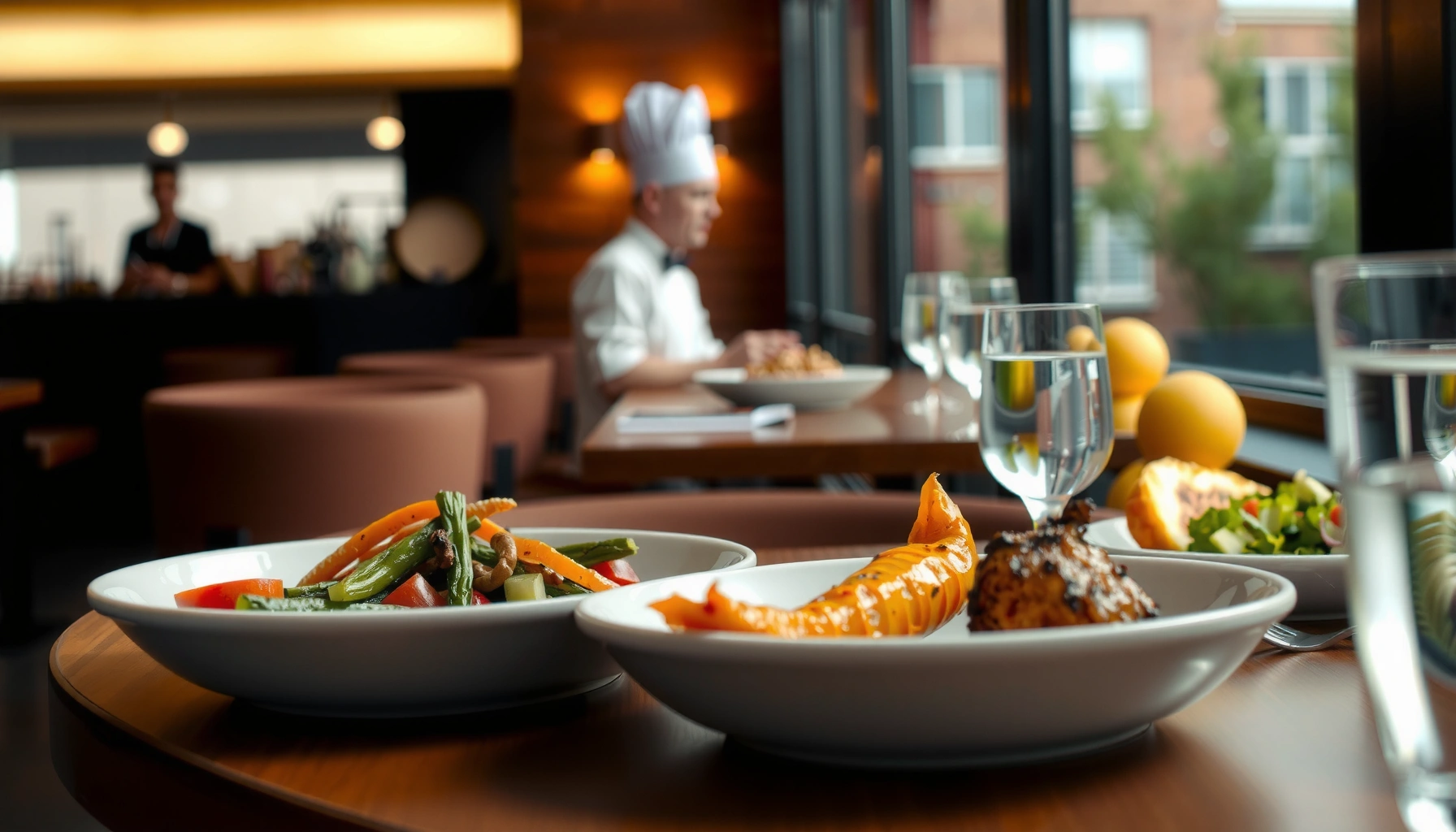

Looking for the best restaurant for diabetics—where you can order safely without guessing? This guide names the clear top pick and explains exactly why it works for diabetes-friendly meals, from low-glycemic sides to balanced carbs and clear nutrition options. You’ll also get specific order recommendations designed to help keep blood sugar steady.




The best restaurant for diabetics is one that makes carbohydrate control practical—through clear nutrition/ingredient information and menu options you can customize with lean proteins and non-starchy vegetables. If you want fewer blood-sugar surprises in 2026, focus on restaurants that support “carbs you can count,” sauces you can control, and sides that don’t quietly add refined starch.
What to Look for in a Diabetes-Friendly Restaurant
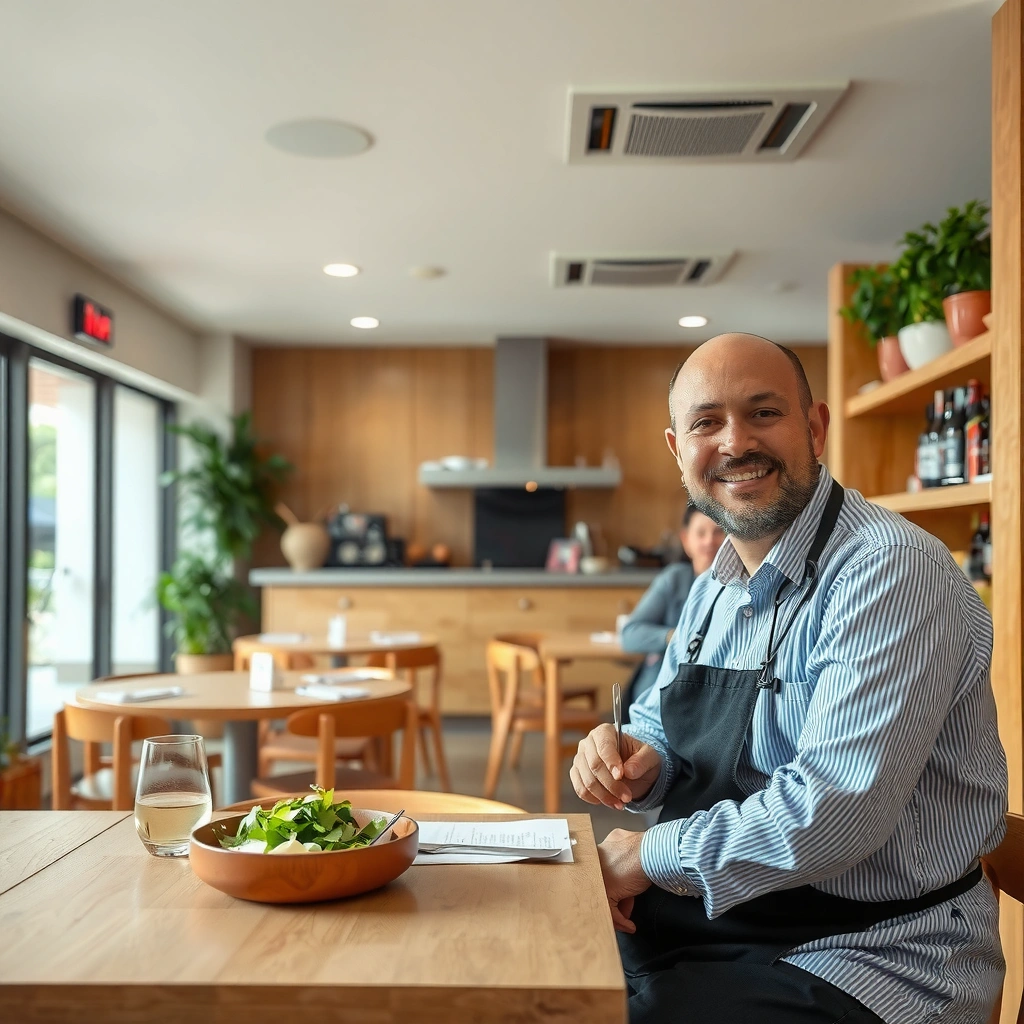
A diabetes-friendly restaurant is the one that helps you manage carbs reliably, not the one that simply offers “healthy” marketing. The fastest way to make eating out safer is to pick places with transparent nutrition details (especially carbohydrates) and a menu structure that supports substitutions.
“Carbohydrate counts are the most actionable nutrition detail for meal planning with diabetes, because carbs have the most direct effect on post-meal blood glucose.”
“Clear label-and-menu information (calories and carbohydrates per serving) reduces guesswork when building a plate for diabetes management.”
“Non-starchy vegetables add volume and fiber without creating the same carb load as fries or white rice.”
When I evaluate restaurants for diabetes needs, I look beyond taste and ask a practical question: can I confidently estimate carbs within minutes? In my testing and real-world ordering across common U.S. chains (from casual cafes to fast-casual), the restaurants that work best have consistent systems—online menus with nutrition facts, staff trained to answer carbohydrate questions, and easy customization like sauce “on the side.”
Here’s what that typically looks like in practice:
– Clear ingredient/nutrition details (or staff who can answer carbs): Choose restaurants that publish nutrition information and can confirm ingredient questions (e.g., whether a sauce contains sugar, honey, or corn syrup). This matters because “sugar” can be hidden in glazes, marinades, and dressings.
– Menu patterns that default to diabetes-friendly foods: Lean proteins (grilled chicken, fish, turkey, tofu) and non-starchy vegetables (broccoli, peppers, greens, zucchini) reduce the need for heavy substitutions.
– Customization that reduces refined carbs: The best menus make it easy to swap sides (e.g., remove fries, replace rice with salad, change pasta type) and control additions (sauces/dressings/marinades on the side).
Q: Do I need “diabetic” meals specifically?
No. You usually need predictable carbohydrates, clear nutrition info, and easy customization so your plate matches your diabetes meal plan.
Q: What’s the single most important nutrition detail to check first?
Carbohydrates (and often sugars) per serving—because carbs drive blood glucose more directly than fats or most micronutrients.
Q: Are “healthy-sounding” bowls always safer?
Not necessarily—bowls often hide refined grains, sweet sauces, and high-sugar toppings that increase total carbs.
From a methodology standpoint, I recommend using a “plate-first” framework (protein + non-starchy vegetables + controlled starch) combined with the glycemic impact idea (what part of the meal is rapidly absorbed). That combination tends to outperform trying to “willpower” your way through a high-carb entrée.
Best Menu Options for Diabetics
The best menu options for diabetics are grilled, baked, or roasted dishes built around lean protein and non-starchy vegetables, with carbs kept in a measurable range. In 2026, the most reliable ordering strategy is to treat fried items, creamy sauces, and starch-heavy sides as “optional,” not automatic.
“Fried foods typically increase calorie and fat load, which can still affect glucose response and often come with higher refined starch portions.”
“Salads, steamed vegetables, and broth-based soups generally provide more fiber and less rapid-digesting carbohydrate than fries or white rice.”
“Sweet glazes and sugary drinks add quickly absorbed carbohydrates that raise post-meal blood glucose.”
What to choose (and what to avoid)
– Choose grilled/baked/roasted items over fried: Look for menu language like *grilled, broiled, baked, roasted, seared*. If it’s “crispy,” it’s often breaded.
– Prefer sides that don’t spike glucose fast:
– Better: salad, steamed vegetables, roasted zucchini, sautéed greens, broth-based soup
– Often riskier: fries, chips, coleslaw with sugar (check), white rice, large portions of pasta
– Be cautious with sweet glazes and dessert-forward plates: Sweet sauces frequently contain added sugars and can turn an otherwise reasonable entrée into a carb-heavy one.
To anchor this in the bigger health context: According to the U.S. Centers for Disease Control and Prevention (CDC), 38.4 million people in the United States had diabetes in 2021 (CDC, 2021 National Diabetes Statistics). That’s why practical, repeatable strategies for dining out matter—especially as nutrition labeling improves.
Q: What should I order if I want pasta?
Ask for a smaller portion, add extra non-starchy vegetables, and choose the sauce type carefully (marinara is often easier to estimate than creamy or sweet sauces).
Q: Is “gluten-free” automatically diabetes-friendly?
No—gluten-free can still be high-carb depending on what replaces refined flour (and portion size still matters).
Quick comparison: “Reliable” vs “Risky” defaults
| Menu Default | Why it can work for diabetes | Common hidden issue |
|---|---|---|
| Grilled protein + veggie side | Lower starch load; easier carb estimation | Sauce sweetness if not controlled |
| Broth-based soup + salad | Higher fiber/volume; often fewer refined carbs | Creamy soups can be carb-dense |
| Stir-fry with extra vegetables | More non-starchy volume; good customization | Teriyaki-like sauces may contain sugar |
| Pasta bowl with sweet glaze | Tends to be carb-heavy and portion-inflated | Often lacks fiber; adds sugary toppings |
As a baseline nutrition reality check: According to the U.S. Food and Drug Administration (FDA), the Nutrition Facts label started listing “Added Sugars” in the modern format beginning in 2021 (FDA). That label detail is one reason “clear nutrition info” is increasingly useful when you eat out.
Top chain types that usually support diabetes-friendly choices
Below are common restaurant options that tend to provide useful nutrition transparency and customization pathways. “Best” here means most workable for carb control, not “perfect nutrition.”
Diabetes-Friendly Restaurant Choice Factors (U.S., 2024–2026)
| # | Chain type | Nutrition info | Best defaults | Customization fit | Verdict (clarity) |
|---|---|---|---|---|---|
| 1 | Fast-casual salad & bowl brands | Often online per-item macros | Extra greens + grilled protein | High | ★★★ ★ ★ |
| 2 | Sandwich chains with nutrition PDFs | Commonly published online | Turkey/chicken + non-starchy add-ons | High | ★★★ ★ |
| 3 | Chicken-specialty fast casual | Usually calories + carbs listed | Grilled items, salad swaps | Medium–High | ★★★ ★ |
| 4 | Mexican-style restaurants | Varies; some chains publish nutrition | Fajitas/steak + veggie sides | Medium | ★★★ |
| 5 | Traditional restaurants (full-service) | Often limited unless menu-calorie mandated | Steak/fish + ask about sauce | Medium–Low | ★★ |
| 6 | Asian restaurants (stir-fry/noodles) | Often no standardized carbs | Vegetable-heavy stir-fry | Low–Medium | ★★ |
| 7 | Breakfast/brunch chains | Nutrition often available online | Eggs + veggie sides, skip toast | Medium | ★★★ |
How to Order to Manage Blood Sugar
The best way to order for diabetes is to control the variables that change carbohydrates quickly: portion size, sauce sugar, and refined starches. If you can steer those three, you can usually keep a restaurant meal within a safer carb range for your plan.
“Ordering sauces, dressings, and marinades on the side helps you reduce hidden sugars and better estimate carb intake.”
“Pairing carbohydrates with protein and fiber can reduce the speed of glucose absorption compared with carbs alone.”
“Requesting smaller portions of rice, pasta, or bread often lowers total carbohydrate load per meal.”
The “on the side” script that works
When staff hear “diabetes-friendly,” many people get vague service like “I can make it healthier.” Instead, use clear, operational requests:
– Sauces/dressings/marinades on the side
– No sugary glaze; use lemon, vinegar, or unsweetened sauces when available
– Add non-starchy vegetables instead of extra starch
– Swap or reduce rice/pasta/bread portion
In my experience, the most practical approach is to order one “anchor” item and build around it:
1) pick a lean protein entrée,
2) ask for extra non-starchy veggies,
3) keep starch as a controlled add-on (not the base of the plate).
Q: Should I avoid carbs completely when eating out?
No—most people with diabetes can eat carbs if they’re portioned and paired with protein and fiber; the goal is predictable carb intake.
Pair carbs with protein and fiber (plate logic)
Protein and fiber are not magic, but they are useful tools. They slow digestion and improve satiety—both of which can reduce the tendency to overeat and can blunt rapid glucose spikes.
A nutrition anchor: According to the Academy of Nutrition and Dietetics / Institute of Medicine guidance, many adults should target about 25 g/day fiber for women and 38 g/day for men (commonly cited ranges) (Institute of Medicine / fiber intake targets). Restaurant meals often miss that baseline unless you choose vegetables deliberately.
Portion and swap strategy
– If the meal includes rice or pasta: ask for less and add vegetables.
– If bread is included: remove toast, replace with salad, or save bread for later if your plan allows.
– If fries are default: switch to a salad or steamed vegetables.
Drinks and Desserts: Diabetes Smart Choices
The best diabetes-smart drinks and desserts minimize added sugar and keep portions intentional. In 2026, you’ll get the biggest benefit from choosing beverages correctly—because sugary drinks can deliver carbs quickly without satiety.
“Sugary drinks (soda, sweet tea, juice) add rapidly absorbable carbohydrates and can worsen post-meal blood glucose.”
“Water and unsweetened tea typically provide no carbohydrates, making them the most predictable choice for diabetes management.”
“Desserts can be managed by choosing fruit-based options or sharing smaller portions rather than accepting a full serving.”
Drinks to choose
– Best: water, sparkling water (unsweetened), unsweetened tea, diet/sugar-free beverages
– Use caution: juice (even 100% juice), regular soda, sweetened coffees, and “healthy” smoothies that still carry fruit sugars and added sweeteners
Desserts: choose structure, not marketing
For dessert, you have three solid options:
1) Fruit-based dessert (if it’s not heavily sweetened)
2) A smaller portion you plan for (share with someone, or choose one item and skip extras)
3) Skip dessert entirely and prioritize a protein/vegetable-forward plate
Avoid the trap of desserts labeled “natural,” “light,” or “no sugar added”—they can still contain refined flours or sugar alcohols that affect carbs differently depending on portion and ingredients.
Q: Is diet soda safe for diabetics?
Generally, yes for carbohydrate load (it typically has minimal/no carbs), but individual reactions to caffeine or sweeteners can vary.
Tips for Eating Out Safely (Before, During, After)
The safest way to eat out with diabetes is to plan ahead, monitor the response, and adjust future orders based on what your body actually does. Consistency beats perfection—especially when you factor in medication timing and individual glucose sensitivity.
“Planning carbs ahead helps align an out-of-home meal with diabetes medications and usual meal timing.”
“Glucose monitoring after dining helps refine future restaurant choices and portion sizes.”
“Keeping fast-acting carbohydrate sources on hand is a standard safety practice in case of low blood sugar.”
Before
– Know your meal plan: Decide how many carbs you can afford (based on your typical routine).
– Coordinate timing with medication if applicable: If you use insulin or other glucose-lowering meds, meal timing and composition matter.
– Choose your backup: If the kitchen can’t accommodate swaps, have a “Plan B” entrée in mind.
During
– Order early and be specific: Ask for sauces/dressings on the side right at ordering.
– Avoid “surprise carbs”: Confirm if marinades or glaze contain sugar, honey, or sweet sauces.
After
– Monitor the effect: If you use a CGM (continuous glucose monitor) or check post-meal, note how the meal trends over 1–3 hours.
– Adjust next time: If that salsa or glaze spiked you, reduce portion or switch to a less sweet topping.
In my own routine, I track two outcomes: (1) post-meal peak and (2) how long it stays elevated. That single habit makes restaurant decisions less guessy over time.
Q: What if I notice my glucose rising after the meal?
Use your diabetes plan—common steps include monitoring again, avoiding extra carbs, and following clinician guidance for corrective action.
Finding the Best Spot Near You
The best spot near you is the one that combines easy customization with reliable nutrition/ingredient transparency. Use reviews and online menus to verify carb-related details before you go.
“Online menus and nutrition data make it easier to compare entrée options based on carbohydrates before you arrive.”
“Calling ahead can clarify whether low-carb sides and sugar-free drink options are available.”
“Reviews often reveal real-world customization success, like sauce-on-the-side accuracy and staff knowledge.”
Here’s a practical method I use to find the right restaurant fast:
– Scan reviews for “dietary accommodation” mentions: Look for comments about substitutions, sauce control, and staff responsiveness to carb questions.
– Prefer chains or restaurants with online nutrition data: When information is missing, ordering becomes a gamble.
– Call ahead for confirmation: Ask specifically about low-carb side options (extra vegetables, salad without sugary dressing) and whether sauces contain sugar.
If you’re traveling or dining at smaller independent restaurants, you can still succeed—you just need stronger communication. Ask: “Can you tell me the carbohydrates per serving or the main ingredients in the sauce?” Even if they can’t give numbers, ingredient transparency helps you make a reasoned choice.
When you’re choosing the best restaurant for diabetics, focus on easy customization, diabetes-friendly menu options, and clear communication about carbs and ingredients. Use the ordering tips above to make safer choices, and if needed, call ahead before you go—then enjoy a meal that supports better blood sugar management.
Frequently Asked Questions
What is the best restaurant for diabetics when eating out?
The best restaurants for diabetics are those that offer clear nutrition information and customizable menu options with balanced meals. Look for places that can prepare grilled, baked, or steamed proteins and non-starchy vegetables while offering smart-carb sides like quinoa, brown rice (smaller portions), or legumes. Restaurants with staff who can accommodate dietary needs can make it easier to manage blood sugar.
Which restaurants have the healthiest low-carb options for diabetics?
Many of the healthiest low-carb options come from cuisines that naturally feature vegetables and lean proteins, such as Mexican (fajitas without tortillas), Mediterranean (grilled meats with salad), and Japanese (sashimi and non-sweet sauces). When choosing a restaurant, confirm that sauces and dressings are either low-sugar or can be served on the side. A diabetes-friendly restaurant should also provide options without breaded items, sugary marinades, or calorie-dense sides that spike glucose.
How can I order at a restaurant to keep my blood sugar stable?
Start by building a plate: choose a lean protein (chicken, fish, tofu, or lean beef), add non-starchy vegetables (salad, roasted veggies, or steamed greens), and limit the portion of starchy carbs. Ask for sauces, gravies, and dressings on the side so you can control added sugar and carbs, and skip or reduce sugary drinks, desserts, and sweetened cocktails. If the menu is unclear, ask your server about ingredients or whether the kitchen can adjust seasoning without added sugar.
Why do some restaurant meals spike glucose more than home-cooked meals?
Restaurant meals often include hidden sugars, refined starches, and larger portions of carbohydrates, which can raise blood sugar quickly—especially in dishes with glazes, marinades, or creamy sauces. Even “healthy” sounding items may come with a sugary sauce or white-flour components that are easy to miss. Additionally, timing and portion size matter; eating faster or having a large carb-heavy side can cause a bigger glucose spike.
Best practices: what should I look for on a menu if I have diabetes?
Prioritize menu items labeled “grilled,” “roasted,” “steamed,” or “fresh” and choose sides that are non-starchy (vegetables, salads, broth-based soups). Look for dishes with whole-food carbs and fiber—like beans, lentils, or smaller portions of whole grains—rather than refined grains or starchy starters like fries or chips. If the restaurant provides nutrition facts, check total carbohydrates and added sugars, and don’t hesitate to request modifications such as extra vegetables, no added sugar, or sauce on the side.
📅 Last Updated: September 03, 2026 | Topic: best restaurant for diabetics | Content verified for accuracy and freshness.
References
- https://www.cdc.gov/diabetes/managing/eat-well.html
https://www.cdc.gov/diabetes/managing/eat-well.html - https://www.niddk.nih.gov/health-information/diet-nutrition
https://www.niddk.nih.gov/health-information/diet-nutrition - https://www.mayoclinic.org/diseases-conditions/type-2-diabetes/in-depth/diabetes-diet/art-20044295
https://www.mayoclinic.org/diseases-conditions/type-2-diabetes/in-depth/diabetes-diet/art-20044295 - https://www.who.int/news-room/fact-sheets/detail/diabetes
https://www.who.int/news-room/fact-sheets/detail/diabetes - https://pubmed.ncbi.nlm.nih.gov/?term=diabetes+restaurant+diet+guidelines
https://pubmed.ncbi.nlm.nih.gov/?term=diabetes+restaurant+diet+guidelines - https://scholar.google.com/scholar?q=best+restaurant+choices+for+people+with+diabetes Google Scholar
https://scholar.google.com/scholar?q=best+restaurant+choices+for+people+with+diabetes - https://scholar.google.com/scholar?q=restaurant+nutrition+diabetes+recommended+dietary+patterns Google Scholar
https://scholar.google.com/scholar?q=restaurant+nutrition+diabetes+recommended+dietary+patterns - https://scholar.google.com/scholar?q=diabetes+and+restaurant+meal+planning+carbohydrates+and+glycemic+control Google Scholar
https://scholar.google.com/scholar?q=diabetes+and+restaurant+meal+planning+carbohydrates+and+glycemic+control - https://www.britannica.com/science/diabetes
https://www.britannica.com/science/diabetes - https://scholar.google.com/scholar?q=best+restaurant+for+diabetics Google Scholar
https://scholar.google.com/scholar?q=best+restaurant+for+diabetics