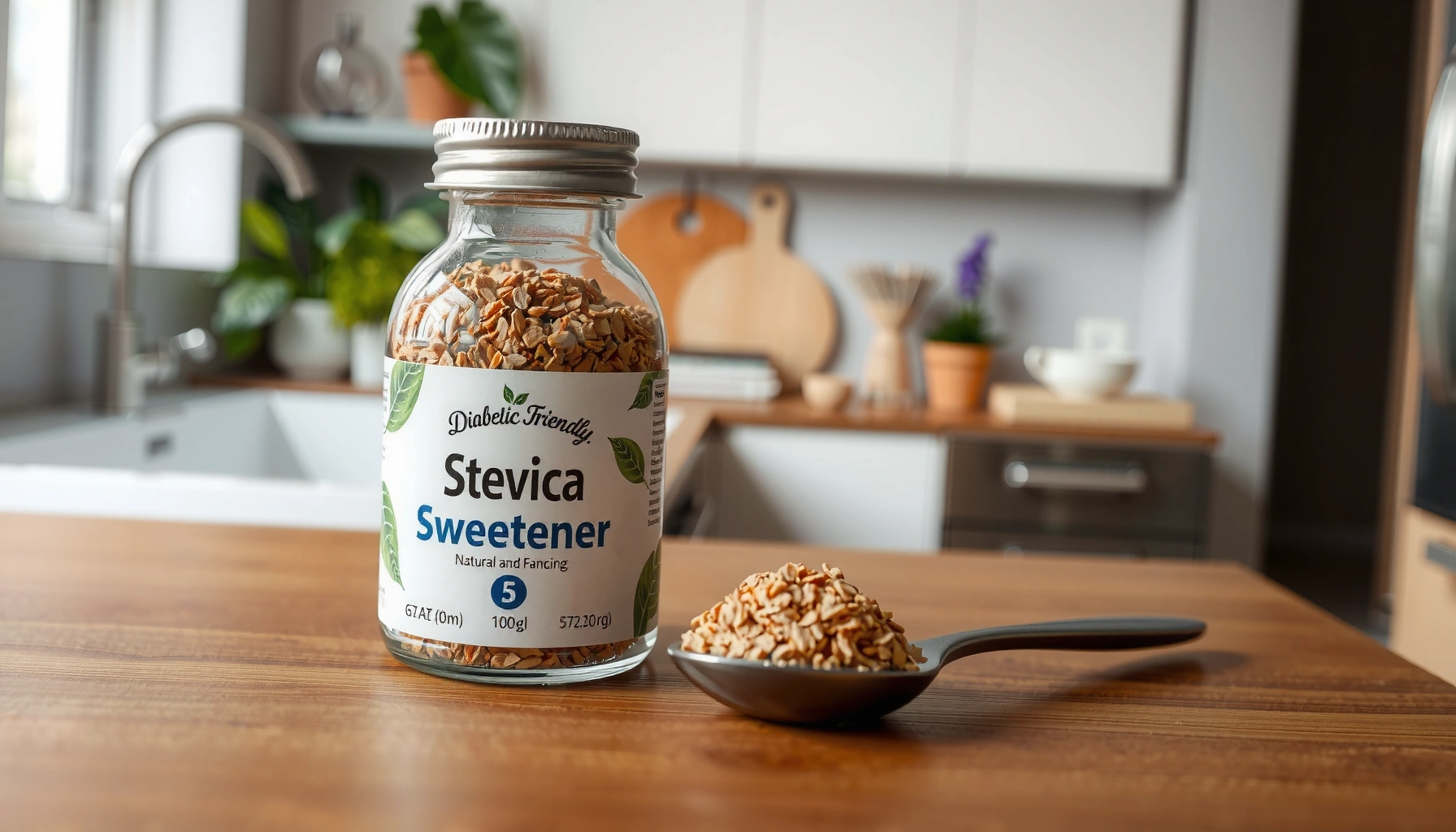

For diabetics seeking delicious frozen treats, the “best” sugar-free ice cream often means selecting options specifically sweetened with alternatives like erythritol or stevia, with popular choices including brands like Halo Top, Enlightened, and Nick’s due to their lower net carbs and sugar content. Finding the right balance of flavor and nutritional profile is key to enjoying ice cream safely within your dietary needs, allowing for indulgence without compromising blood glucose management.




What to Look for in Diabetic-Friendly Ice Cream
Navigating the frozen dessert aisle as a diabetic requires a keen eye and a solid understanding of nutritional labels. The goal is to identify products that satisfy a sweet craving without causing problematic spikes in blood sugar levels.
* Low or No Added Sugars: This is paramount for diabetic-friendly ice cream. Products that explicitly state “no sugar added” or utilize non-nutritive sweeteners are the primary candidates. Traditional ice creams are laden with sucrose, high-fructose corn syrup, and other forms of added sugars that directly impact blood glucose and insulin response. By choosing options free from these conventional sugars, individuals with diabetes can significantly reduce their glycemic load from a treat. Always scrutinize the ingredient list, as “low sugar” does not always mean “no added sugar,” and some manufacturers might use naturally occurring sugar sources in high concentrations.
* Appropriate Sugar Substitutes: The type of sweetener used is critical. Opt for ice creams sweetened with erythritol, stevia, monk fruit, or xylitol, which have minimal impact on blood sugar. These sweeteners are either not metabolized by the body in a way that affects glucose (stevia, monk fruit, erythritol) or are absorbed much more slowly and partially (xylitol), leading to a significantly lower glycemic response compared to regular sugar. Aspartame and sucralose are also calorie-free and do not raise blood sugar, though some individuals prefer to avoid artificial sweeteners based on personal preference. Understanding the specific sugar substitutes helps in making informed choices that align with individual metabolic responses and dietary philosophies.
* Consider Net Carbs: Net carbs refer to the carbohydrates that are effectively digested and absorbed by the body, thus impacting blood glucose. This is calculated by taking the total carbohydrates and subtracting dietary fiber and a portion of sugar alcohols (typically half, as not all sugar alcohols are fully absorbed). Fiber passes through the digestive system largely undigested, and many sugar alcohols are not fully metabolized, meaning they have a reduced impact on blood sugar compared to digestible carbohydrates. Therefore, factoring in dietary fiber and sugar alcohols to calculate the effective carbohydrate count is crucial for accurate blood glucose management, allowing individuals to enjoy more generous portions or incorporate these treats more easily into their daily carb allowance. Brands that openly display net carb counts can simplify this process for consumers.
Top Store-Bought Sugar-Free Ice Cream Brands
The market for diabetic-friendly ice cream has expanded significantly, offering a range of brands that prioritize taste alongside responsible nutritional profiles.
* Halo Top & Enlightened: Both brands are pioneers in the “healthy” ice cream category, offering a wide array of flavors with significantly reduced calories, sugars, and net carbs. They typically achieve this by incorporating a blend of dairy (or dairy alternatives), fiber, protein, and non-nutritive sweeteners like erythritol and stevia. Halo Top, for instance, often highlights its high protein content, which can contribute to satiety. Enlightened similarly focuses on balanced nutrition, often featuring similar sweetener profiles and emphasizing texture and flavor. Their products are designed to be enjoyed in larger portions than traditional ice cream without derailing blood sugar goals, making them popular choices for those managing diabetes or simply seeking lighter options.
* Nick’s Swedish Style Light Ice Cream: Nick’s has gained popularity for its remarkably creamy texture, which often surprises consumers given its low-calorie and sugar-free claims. This brand uses a unique blend of sweeteners, including erythritol, steviol glycosides (derived from stevia), and birch sugar (xylitol), along with milk protein and a special fiber blend to mimic the mouthfeel of full-fat ice cream. Nick’s commitment to flavor and texture, combined with its favorable nutritional profile, makes it an excellent option for diabetics who miss the richness of traditional ice cream but need to avoid the sugar and high calorie count. Its Swedish heritage is often reflected in its commitment to quality ingredients and innovative formulations.
* Breyers CarbSmart & Russell Stover Sugar Free: These represent established, traditional brands that have successfully developed lines specifically catering to lower sugar and carb preferences. Breyers CarbSmart offers a variety of classic flavors, often utilizing sugar alcohols like maltitol and sorbitol, alongside sucralose, to achieve its sweetness. Russell Stover, primarily known for its sugar-free chocolates, also extends its sugar-free expertise to ice cream. While these options are indeed sugar-free or low-carb, it’s particularly important for diabetics to be mindful of the specific sugar alcohols used. Maltitol, in particular, can have a more significant impact on blood sugar and cause digestive discomfort in larger quantities for some individuals compared to erythritol or xylitol. Always check the ingredient list and consider individual tolerance when choosing these more traditional brand offerings.
Understanding Sugar Substitutes
The world of sugar substitutes is vast and varied, with each type possessing distinct characteristics regarding sweetness, metabolic impact, and potential side effects. A comprehensive understanding empowers diabetics to make the most informed choices.
* Sugar Alcohols (Erythritol, Xylitol, Maltitol): These are carbohydrate compounds with a chemical structure similar to both sugars and alcohols, though they do not contain ethanol like alcoholic beverages. They provide sweetness with fewer calories than sugar and generally have a lower glycemic impact because they are not fully absorbed or metabolized by the body.
* Erythritol: Often considered the “gold standard” among sugar alcohols for diabetics, erythritol is almost entirely absorbed in the small intestine but largely excreted unchanged in the urine, meaning it provides virtually no calories and has a near-zero glycemic index. It is well-tolerated digestively in most people.
* Xylitol: Found naturally in many fruits and vegetables, xylitol has a similar sweetness to sugar but with fewer calories and a low glycemic index. It’s known for its dental benefits but can cause digestive upset if consumed in large quantities. It is also highly toxic to dogs.
* Maltitol, Sorbitol, Isomalt: These sugar alcohols are more commonly found in “sugar-free” candies and some ice creams. They have a greater caloric value and a higher glycemic index compared to erythritol and xylitol. Importantly, they are also more likely to cause significant digestive issues like bloating, gas, and diarrhea, especially when consumed in larger amounts, due to their fermentation in the colon. Diabetics should approach products containing these with caution, monitoring their blood sugar response and digestive comfort.
* Natural Sweeteners (Stevia, Monk Fruit): These plant-derived sweeteners are calorie-free and do not raise blood sugar levels, making them excellent choices for diabetics.
* Stevia: Extracted from the leaves of the *Stevia rebaudiana* plant, stevia is hundreds of times sweeter than sugar. Its active compounds, steviol glycosides (like Reb A and Reb M), are not metabolized by the body, offering zero calories and no glycemic impact. Some individuals detect a slight licorice-like aftertaste, though newer formulations have minimized this.
* Monk Fruit: Derived from the Siraitia grosvenorii fruit, monk fruit extract is also incredibly sweet due to compounds called mogrosides. Like stevia, it provides zero calories and has no impact on blood sugar. It’s generally well-tolerated and free of aftertastes for most people. Both stevia and monk fruit are often blended with erythritol to provide bulk and improve texture in recipes and products.
* Artificial Sweeteners (Sucralose, Aspartame): These synthetic compounds offer intense sweetness with no calories and no impact on blood sugar.
* Sucralose (Splenda): A chlorinated derivative of sugar, sucralose is about 600 times sweeter than sugar. It passes through the body largely unabsorbed.
* Aspartame (NutraSweet, Equal): Composed of two amino acids, aspartic acid and phenylalanine, aspartame is about 200 times sweeter than sugar. It is metabolized into its constituent amino acids and a small amount of methanol, but the quantities are too small to affect blood sugar. Both sucralose and aspartame are approved by regulatory bodies worldwide, including the FDA. While considered safe for consumption, some individuals choose to limit or avoid them due to personal preferences or ongoing (though largely unsupported by robust scientific consensus) concerns about long-term health effects. For diabetics, they offer a reliable way to enjoy sweetness without glycemic impact.
Making Smart Choices: Beyond the Brand
Choosing the right brand is only one part of the equation; integrating sugar-free ice cream into a diabetic diet responsibly requires attention to broader dietary principles and careful label scrutiny.
* Portion Control is Key: Even sugar-free options, while beneficial for blood sugar management, are not calorie-free and still contain carbohydrates (from dairy or other ingredients) and fats. Overconsumption can still lead to excess calorie intake, potentially hindering weight management goals, which are often crucial for diabetes control. Moreover, the fats and proteins in dairy can still indirectly influence blood sugar levels by slowing digestion, and in very large quantities, the overall caloric load can still challenge metabolic balance. Mindful portioning, adhering to the serving size indicated on the nutrition label, is essential for truly benefiting from these treats without overindulging. Consider using smaller bowls or pre-portioning servings to avoid eating directly from the container.
* Watch Out for Hidden Sugars: The term “sugar-free” primarily refers to the absence of sucrose or other primary added sugars. However, manufacturers can sometimes include ingredients that, while not explicitly “sugar,” still impact blood glucose. Always read the *full* ingredient list. Look for aliases of sugar such as dextrose, maltose, corn syrup solids, fruit juice concentrate, molasses, honey, or agave nectar, which can still elevate blood sugar. Pay attention to ingredients like maltodextrin, a fast-digesting carbohydrate that can have a high glycemic index, even if present in small amounts. A thorough review of the entire ingredient panel provides a clearer picture of the product’s true carbohydrate and sugar profile.
* Factor in Other Ingredients: The benefits of choosing a sugar-free ice cream can quickly be negated by adding inappropriate toppings or mix-ins. Common additions like chocolate syrup (unless sugar-free), candy pieces, cookies, brownies, or sweetened whipped cream can dramatically increase the sugar and carbohydrate content of your treat. Instead, opt for diabetic-friendly enhancements such as fresh berries (in moderation, considering their natural sugars), chopped nuts or seeds for healthy fats and fiber, a sprinkle of unsweetened cocoa powder, or a drizzle of a sugar-free chocolate or caramel syrup. These alternatives can enhance flavor and texture without compromising your blood sugar management goals.
Crafting Your Own: Homemade Sugar-Free Ice Cream
Making your own sugar-free ice cream at home offers unparalleled control over ingredients, nutritional content, and flavor, ensuring it perfectly aligns with your dietary needs and preferences.
* Customizable Sweetness: One of the most significant advantages of homemade ice cream is the ability to choose your preferred sugar substitute and adjust its quantity. You can experiment with erythritol, stevia, monk fruit, or xylitol, alone or in combination, to achieve your desired level of sweetness without any aftertaste. This level of customization allows you to create a treat that is not only diabetic-friendly but also perfectly tailored to your palate, avoiding the sometimes overly sweet or off-note flavors found in commercial products.
* Fresh, Wholesome Ingredients: When you make ice cream at home, you have complete control over the base ingredients. You can opt for full-fat dairy cream and milk for a rich, traditional texture, or choose lower-carb alternatives like unsweetened almond milk, coconut milk, or even avocado for a creamier, dairy-free option. Incorporate natural flavorings such as pure vanilla bean extract, unsweetened cocoa powder, lemon zest, or fresh fruit purees (in moderation). This approach allows you to avoid artificial flavors, colors, preservatives, and questionable thickeners often found in store-bought varieties, ensuring a truly wholesome dessert.
* Simple Blended Options: You don’t always need a specialized ice cream maker to create a delicious, sugar-free frozen treat. A simple “nice cream” can be whipped up in a blender or food processor in minutes. Combine frozen berries (such as raspberries or blueberries, which are lower in sugar), a scoop of sugar-free sweetener, and a splash of unsweetened milk (dairy or non-dairy) or plain Greek yogurt. For extra creaminess, a frozen banana (in moderation for carb content) or a portion of frozen avocado can be added. These quick, blended options provide a refreshing, nutrient-dense dessert that’s low in sugar and customizable, perfect for a spontaneous craving.
Reading Nutrition Labels Like a Pro
Mastering the art of reading nutrition labels is arguably the most crucial skill for any diabetic, especially when indulging in treats like ice cream. It allows for precise management of carbohydrate intake and avoidance of hidden pitfalls.
* Total Carbohydrates vs. Net Carbs: The “Total Carbohydrates” line is your starting point, indicating all forms of carbohydrates present. To estimate the net carbs, which are the ones that significantly impact blood sugar, you need to subtract dietary fiber and half of the sugar alcohol grams from the total carbohydrates. For example, if a serving has 20g Total Carbs, 5g Fiber, and 10g Sugar Alcohols, the net carb calculation would be 20 – 5 – (10/2) = 10g Net Carbs. It’s important to remember that “net carbs” is not an FDA-regulated term, and calculations can vary between brands. Therefore, understanding how to perform this calculation yourself provides a more accurate and reliable estimate, allowing you to confidently account for the product’s true glycemic impact.
* Added Sugars Section: With updated nutrition labels, the “Added Sugars” line is a distinct and invaluable feature for diabetics. This line specifically indicates how many grams of sugar have been added during the processing of the food, separate from any naturally occurring sugars (like lactose in milk or fructose in fruit). For instance, milk naturally contains lactose, which is a sugar, but it’s not “added sugar.” A high “added sugars” count is a clear red flag for diabetics, as these are the sugars most likely to cause rapid and significant blood glucose spikes. Prioritizing products with 0g or very low “added sugars” is a fundamental strategy for managing diabetes through diet.
* Serving Size Awareness: All nutritional information listed on a label – calories, fats, proteins, and carbohydrates – is based on a specific serving size. This is perhaps the most overlooked aspect of label reading. It’s incredibly easy to consume multiple servings of ice cream without realizing it, especially from a larger container. If a container holds four servings but you eat half of it, you’ve consumed double the calories, carbs, and sugars (even “added sugars”) listed for a single serving. Always be aware of how much you are truly consuming relative to the stated serving size. Pre-portioning your ice cream into a smaller bowl before eating can be an effective strategy to ensure accurate tracking and adherence to your dietary goals, preventing unintended overconsumption.
Enjoying sugar-free ice cream can absolutely be part of a diabetic-friendly diet when chosen wisely. By focusing on products with appropriate sugar substitutes, mindful portion sizes, and careful label reading, you can indulge in a satisfying sweet treat without compromising your health goals. Remember that even with sugar-free options, a balanced diet and overall carbohydrate management remain crucial. Always consult with your healthcare provider or a registered dietitian for personalized dietary advice to ensure these options fit your specific needs and medical condition, helping you enjoy life’s sweet moments responsibly.
Frequently Asked Questions
What are the best sugar-free ice cream brands suitable for diabetics?
Many brands offer delicious sugar-free ice cream options for diabetics, focusing on low net carbs and alternative sweeteners. Look for brands like Halo Top, Enlightened, and Rebel Creamery, which are popular for their taste and mindful ingredient lists. Always check the nutritional label, especially for net carbohydrates and serving size, as “sugar-free” doesn’t always mean carb-free.
What specific ingredients should diabetics look for when choosing sugar-free ice cream to ensure it’s truly blood sugar-friendly?
Diabetics should prioritize sugar-free ice cream that uses non-nutritive sweeteners like stevia, monk fruit, or erythritol, which have minimal impact on blood sugar. Additionally, check the “Total Carbohydrate” and “Fiber” content to calculate net carbs, aiming for products with higher fiber and protein. Avoid options high in maltitol or other sugar alcohols known to cause digestive upset or raise blood sugar more significantly for some individuals.
How does consuming sugar-free ice cream impact blood sugar levels for individuals with diabetes, and what should they be aware of?
While sugar-free ice cream typically contains less sugar, it’s crucial to understand that it still contains carbohydrates from dairy and other ingredients, which can impact blood sugar. Sugar alcohols, often used as sweeteners, can also contribute to carbohydrate count and, in larger quantities, potentially raise blood glucose. Diabetics should always monitor their blood sugar after consumption and practice strict portion control, even with sugar-free varieties.
Which artificial sweeteners or sugar alcohols in sugar-free ice cream are generally considered safe and effective for diabetics?
For diabetics, sweeteners like erythritol, stevia, and monk fruit are generally preferred in sugar-free ice cream due to their minimal impact on blood glucose. Sucralose is another common option that typically doesn’t raise blood sugar. While sugar alcohols like xylitol and sorbitol are acceptable in moderation, some like maltitol can have a greater glycemic effect and may cause digestive discomfort in sensitive individuals.
Why might sugar-free ice cream sometimes taste different, and how can diabetics find genuinely delicious options?
Sugar-free ice cream can sometimes taste different due to the distinct flavor profiles of alternative sweeteners or variations in fat and texture caused by sugar removal. To find genuinely delicious sugar-free ice cream, experiment with different brands and sweetener combinations, as taste preferences vary widely. Many brands now focus heavily on flavor and texture, so reading reviews from other diabetics or trying smaller portions of various options can help you discover your favorites.
References
- Glycemic Index – Glycemic Index Research and GI News
- https://www.diabetes.org/healthy-living/recipes-nutrition/eating-well-diabetes/sweet-substitutes
- Artificial sweeteners and other sugar substitutes – Mayo Clinic
- https://www.health.harvard.edu/blog/artificial-sweeteners-sugar-substitutes-and-your-health-202307132924
- https://my.clevelandclinic.org/health/articles/17366-sugar-substitutes
- https://www.diabetes.org/food-nutrition/dessert-recipes
- Healthy Living with Diabetes – NIDDK