For non-diabetics interested in optimizing their health, understanding metabolic responses, or enhancing athletic performance, Continuous Glucose Monitors (CGMs) offer invaluable insights. While there isn’t a single “best” CGM for everyone, the Abbott FreeStyle Libre series (especially Libre 2 and Libre 3) and the Dexcom G7 are consistently top contenders due to their accuracy, user-friendly designs, and comprehensive data presentation, allowing individuals to make informed lifestyle choices based on their unique glucose trends. These devices empower individuals to move beyond reactive health management to proactive, data-driven wellness.



Why Non-Diabetics Are Turning to CGMs
The adoption of Continuous Glucose Monitors by individuals without diabetes has surged as people seek a deeper, more granular understanding of their internal physiology. This trend is driven by a desire for proactive health management and optimized well-being, rather than simply disease management.
* Enhanced Metabolic Awareness: CGMs provide an unprecedented, real-time window into how an individual’s body processes glucose throughout the day and night. For non-diabetics, this means gaining immediate understanding of how various factors—from food choices and portion sizes to stress levels, sleep quality, and exercise intensity—impact blood sugar levels, even within what is considered a healthy or non-diabetic range. This heightened awareness helps individuals identify subtle fluctuations that, while not immediately pathological, might indicate suboptimal metabolic patterns over time. Understanding these responses allows for early intervention and personalized adjustments to maintain metabolic health, potentially preventing the progression towards prediabetes or type 2 diabetes.
* Personalized Nutrition Insights: Generic dietary advice often fails to account for individual biochemical variability. A CGM eliminates much of this guesswork by revealing how specific foods or meal combinations trigger unique glucose responses in a given person. For instance, what might be a healthy carbohydrate for one individual could lead to an undesirable glucose spike in another. By logging meals and observing corresponding glucose curves, users can pinpoint problematic ingredients, optimize macronutrient ratios, and discover their personal “carb threshold.” This personalized approach to nutrition fosters stable energy levels, reduces post-meal fatigue, improves mental clarity, and supports more effective weight management strategies by minimizing insulin spikes and subsequent blood sugar crashes. Case studies often show individuals discovering unexpected culprits (e.g., certain “healthy” grains or fruits) or ideal combinations that keep their glucose stable.
* Optimizing Performance and Recovery: Athletes and fitness enthusiasts are increasingly leveraging CGMs as a sophisticated training tool. Glucose is the primary fuel source for muscles, and understanding its availability in real-time is critical for sustained performance and efficient recovery. By monitoring glucose before, during, and after workouts, athletes can fine-tune their fuel timing and types, preventing “bonking” or energy crashes during endurance events. They can also identify ideal glucose patterns for pre-competition loading, optimal intra-workout fueling strategies, and post-exercise recovery to replenish glycogen stores effectively. For example, a runner might learn that a specific type of complex carbohydrate consumed 90 minutes before a run provides sustained energy without a pre-exercise spike and crash, while a strength athlete might discover optimal post-workout carbohydrate timing to accelerate recovery and muscle repair. This data-driven approach allows for precise physiological management, leading to improved endurance, power, and faster recuperation.
Key Features to Prioritize in a Non-Diabetic CGM
When selecting a CGM for non-diabetic use, several critical features should be meticulously evaluated to ensure the device aligns with individual goals and provides the most valuable insights.
* Accuracy and Real-Time Data: The cornerstone of any effective CGM is its accuracy. For non-diabetics, who are often looking for subtle trends within tighter glucose ranges, precision is paramount. Look for devices with a low Mean Absolute Relative Difference (MARD) percentage, typically indicating how closely CGM readings align with laboratory blood glucose measurements. A MARD of 10% or less is generally considered good, with lower percentages (e.g., 7-9%) indicating higher accuracy. Beyond raw accuracy, consider how data is delivered. True “real-time” CGMs, like the Dexcom G7 or FreeStyle Libre 3, transmit glucose readings continuously (e.g., every minute) directly to a smartphone or dedicated receiver. This allows for immediate insight into glucose fluctuations. In contrast, “scan-based” CGMs, such as the FreeStyle Libre 2, require the user to manually scan the sensor with their phone to retrieve current and historical data. While more affordable, the scan-based nature can lead to less continuous data capture unless frequently scanned, potentially missing transient spikes or dips.
* Ease of Use and Wearability: A CGM’s effectiveness is heavily influenced by how easily and comfortably it integrates into daily life. Evaluate the sensor application process: is it simple, minimally invasive, and relatively painless? Consider the sensor’s size and profile – smaller, flatter sensors are often more discreet and less prone to getting caught on clothing or objects. Comfort during wear is also crucial, especially for sensors worn for extended periods (typically 10-14 days). Assess the sensor’s adhesion and waterproof capabilities, ensuring it can withstand showering, swimming, and daily activities without compromise. The duration of wear before needing replacement is also a factor, as longer wear times (e.g., 14 days) reduce the frequency of application.
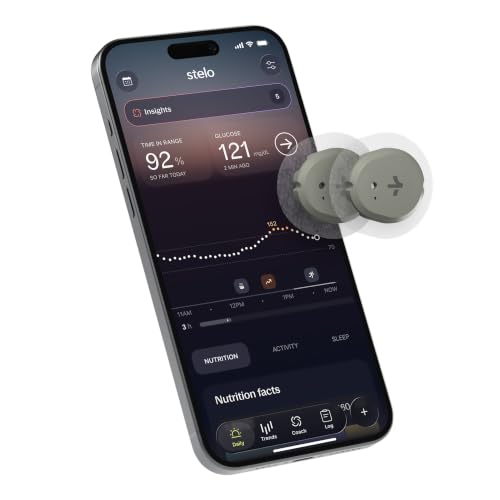
* App Functionality and Data Insights: The companion app is where the raw glucose data transforms into actionable insights. A well-designed app should have an intuitive user interface that clearly displays current glucose levels, historical trends, and time in range (TIR) metrics. Look for features such as customizable alerts for high or low glucose (even within non-diabetic ranges), the ability to log meals, exercise, and medication directly within the app, and clear, exportable reports. Integration with other health apps (e.g., Apple Health, Google Fit) or wearables can provide a more holistic view of health data. Advanced apps might offer AI-driven insights, pattern recognition, or educational content to help users interpret their data and make informed lifestyle adjustments. The clarity of graphs, the ability to zoom in on specific periods, and the ease of sharing data with health professionals are also important considerations.
Top CGM Choices for Non-Diabetics
For non-diabetics, the primary contenders in the CGM market offer distinct advantages, each catering to slightly different preferences regarding cost, convenience, and depth of data.
* Abbott FreeStyle Libre (2 & 3): The FreeStyle Libre series has become a popular entry point for non-diabetics due to its compelling combination of affordability and user-friendliness.
* FreeStyle Libre 2: This model requires a manual scan with a smartphone or reader to obtain current glucose readings and an 8-hour history. It offers optional alarms for high or low glucose, though these are based on estimated interstitial fluid glucose and require scanning for confirmation. Its 14-day wear time and relatively straightforward application make it appealing.
* FreeStyle Libre 3: Representing a significant leap forward, the Libre 3 is Abbott’s smallest and thinnest sensor to date, making it incredibly discreet. Crucially, it offers true real-time glucose readings, sending data directly to a smartphone every minute without the need for manual scanning. This feature aligns it closely with the continuous monitoring capabilities of Dexcom, but often at a more accessible price point. The Libre 3 boasts high accuracy (MARD ~9.2%) and maintains the convenient 14-day wear time. Its continuous data flow, combined with a user-friendly app that provides clear glucose trends and optional alerts, makes it a very strong contender for non-diabetics seeking continuous, hands-off monitoring without breaking the bank.
* Dexcom G7 (and G6): Dexcom is renowned for its high accuracy, robust alerting system, and comprehensive data sharing capabilities, often considered the gold standard in CGM technology.
* Dexcom G6: While being phased out by the G7, the G6 remains highly accurate (MARD ~9.0%) and offers real-time glucose data directly to a smartphone or receiver every five minutes. It features highly customizable predictive alerts that can warn users of impending highs or lows, allowing for proactive intervention. The sensor lasts for 10 days, and its separate transmitter is reusable for three sessions.
* Dexcom G7: The latest iteration from Dexcom, the G7, is a fully integrated, all-in-one sensor and transmitter that is 60% smaller than the G6. It boasts an improved warm-up time (30 minutes vs. 2 hours for G6) and maintains Dexcom’s reputation for superior accuracy (MARD ~8.2% in adults). The G7 also delivers real-time glucose data every minute to a smartphone or receiver and features enhanced predictive alerts for glucose trends. Its smaller size, faster warm-up, and streamlined application process make it even more user-friendly. For non-diabetics prioritizing maximum accuracy, swift alerts, and seamless data flow, the G7 is an exceptional choice.
* Comparative Advantages:
* Price: FreeStyle Libre devices, particularly the Libre 2 and 3, generally have a more accessible price point per sensor, making them more attractive for out-of-pocket non-diabetic users. Dexcom, while offering superior technology, typically comes at a higher cost.
* Ease of Application: Both systems offer relatively straightforward sensor application. The Libre 3’s fully integrated, small sensor is particularly easy to apply and discreet. The Dexcom G7 also features an all-in-one applicator that simplifies the process considerably compared to its predecessor.
* Accuracy & Alerts: Dexcom G7 often holds a slight edge in terms of overall accuracy (lower MARD) and its highly customizable, predictive alert system, which can be invaluable for trend identification and proactive management. The Libre 3 provides excellent accuracy and real-time alerts, closing the gap significantly.
* Data Sharing: Both platforms offer robust data sharing capabilities, allowing users to share their glucose data with healthcare professionals or family members, a feature particularly beneficial for remote monitoring or collaborative health management.
Interpreting Your Glucose Data for Optimal Health
Simply wearing a CGM is only the first step; unlocking its full potential lies in understanding and acting upon the data it provides. For non-diabetics, this means focusing on trends, patterns, and subtle shifts within healthy ranges.
* Understanding Time in Range (TIR): For individuals without diabetes, the optimal “Time in Range” (TIR) generally refers to the percentage of time glucose levels remain between 70 and 120 mg/dL (or sometimes 70-140 mg/dL depending on the specific health goal or professional guidance). While diabetics aim for TIR >70%, non-diabetics should strive for a significantly higher percentage, ideally above 90% or even 95%, within an even tighter window, such as 70-120 mg/dL. Prolonged excursions outside this optimal range, even if not reaching diabetic thresholds, can still contribute to metabolic stress, inflammation, and energy dips. By monitoring TIR, individuals can assess the overall stability of their glucose metabolism and identify lifestyle factors that consistently keep them within this healthy zone. Tools within CGM apps or third-party platforms often provide this metric, making it easy to track progress over time.
* Identifying Glucose Spikes and Dips: The real power of CGM for non-diabetics comes from identifying specific patterns in response to various inputs.
* Spikes: A glucose spike is a rapid and significant rise in blood sugar, typically occurring after meals. For non-diabetics, a post-meal glucose peak above 140 mg/dL is generally considered an exaggerated response, while optimal peaks should remain below 120 mg/dL and return to baseline within 2-3 hours. CGM data allows users to pinpoint specific foods (e.g., refined carbohydrates, sugary beverages), meal compositions (e.g., carb-heavy meals without sufficient fiber or protein), or even stress events that cause these spikes. Strategies to mitigate spikes include pairing carbohydrates with protein, fat, and fiber; consuming vegetables first in a meal; going for a short walk after eating; or adjusting portion sizes.
* Dips: Conversely, “glucose dips” or reactive hypoglycemia can occur if an exaggerated spike is followed by an overproduction of insulin, leading to a rapid drop in blood sugar, sometimes below optimal levels (e.g., <70 mg/dL). These dips can manifest as fatigue, irritability, brain fog, or intense cravings. Identifying the meals or situations that trigger these "rollercoaster" patterns allows for proactive adjustments to stabilize glucose, such as choosing lower glycemic index foods or balancing macronutrients more effectively.
* Leveraging Trends for Lifestyle Adjustments: Moving beyond isolated readings, the true value lies in discerning long-term trends and correlations. Instead of reacting to a single high reading, observe if certain types of meals consistently lead to a particular glucose response across several days. Note how different exercise types (e.g., strength training vs. endurance cardio) impact glucose stability. Track the influence of sleep quality: poor sleep often leads to higher morning glucose levels or increased insulin resistance. By integrating CGM data with manual logs of food intake, exercise, stress levels, and sleep patterns, individuals can identify actionable insights. For example, consistently elevated morning glucose might prompt a review of evening meal composition or sleep hygiene. Persistent post-lunch dips might suggest a need for more balanced mid-day nutrition. This iterative process of observation, hypothesis, adjustment, and re-observation is key to making sustainable, evidence-based changes to diet, exercise routines, and stress management techniques for enduring health benefits.
Cost, Accessibility, and How to Get a CGM
While CGMs are highly beneficial for non-diabetics, navigating their cost and accessibility requires careful consideration, as insurance coverage is generally not available for non-medical use.
* Prescription vs. Direct-to-Consumer: Traditionally, CGMs have required a prescription from a licensed healthcare provider, as they are classified as medical devices by regulatory bodies like the FDA. For individuals with diagnosed diabetes, this prescription is often covered by insurance. However, for non-diabetics, obtaining a prescription solely for “wellness” or “performance optimization” can be challenging through conventional medical channels, as many doctors may not see it as medically necessary.
In recent years, an increasing number of wellness programs and direct-to-consumer platforms have emerged that facilitate CGM access for non-medical use. These platforms typically work with affiliated physicians who can provide the necessary prescription after a brief consultation, allowing individuals to legally obtain CGMs without a pre-existing medical diagnosis. This “prescription-as-a-service” model has opened up access significantly for the non-diabetic market.
* Evaluating Device and Sensor Costs: For non-diabetics, CGM use is almost always an out-of-pocket expense. This makes comparing costs a critical factor:
* Sensors: The primary ongoing cost will be the sensors, which need to be replaced every 10 or 14 days, depending on the brand. FreeStyle Libre sensors tend to be more affordable per unit (e.g., $70-$90 USD per sensor) compared to Dexcom sensors (e.g., $100-$150+ USD per sensor). Over a month, this can amount to $140-$180 for Libre and $200-$300+ for Dexcom for continuous use.
* Transmitters/Readers: While the FreeStyle Libre series often integrates the sensor and transmitter, older Dexcom models (G6) required a separate reusable transmitter (lasting about 3 months, costing around $200-$300). The Dexcom G7 features an integrated sensor/transmitter, simplifying the cost structure to just the sensor price. Dedicated readers are usually optional if using a smartphone app, but can add an initial expense.
* Overall: When budgeting, calculate the annual cost of continuous monitoring to understand the true financial commitment. Consider if occasional monitoring (e.g., a sensor for 14 days every few months) might be a more cost-effective approach for specific health objectives.
* Exploring Wellness Programs: A burgeoning ecosystem of health and wellness coaching platforms has integrated CGM access into their service offerings. Companies like Levels Health, NutriSense, Signos, and others provide not only the CGM devices but also comprehensive support packages. These packages typically include:
* Prescription Facilitation: Streamlined process to obtain a valid prescription.
* Educational Resources: In-app insights, articles, and guides to help interpret data.
* Health Coaching: Access to registered dietitians, nutritionists, or health coaches who are experts in CGM data interpretation. These professionals can provide personalized guidance, help identify patterns, and recommend actionable lifestyle changes tailored to individual goals.
* Community Support: Some platforms offer access to private communities where users can share experiences and learn from peers.
While these programs represent a higher upfront investment (often subscription-based, ranging from $200-$400+ per month, which typically includes the sensors), they offer invaluable expertise and a structured approach to leveraging CGM data effectively, often providing a better return on investment for those serious about metabolic optimization.
Maximizing Your CGM Experience: Beyond the Readings
To truly harness the power of a CGM, it’s essential to integrate its data into a holistic wellness strategy, moving beyond mere numbers to actionable, sustainable health improvements.
* Pairing CGM with Lifestyle Tracking: The glucose readings from your CGM are most insightful when contextualized within your broader lifestyle. Make it a practice to meticulously log other relevant health parameters.
* Food Logs: Record everything you eat, including meal timing, ingredients, portion sizes, and preparation methods. Many CGM apps or integrated wellness platforms allow direct meal logging. This correlation between food intake and subsequent glucose response is perhaps the most powerful insight a CGM offers.
* Exercise Routines: Document the type, intensity, and duration of your physical activity. Observe how different forms of exercise (e.g., a brisk walk after a meal, intense strength training, long-duration cardio) affect your glucose levels in the short term and over hours following.
* Sleep Tracking: Integrate data from a sleep tracker (if available) or manually log your sleep duration and quality. Poor or insufficient sleep is a well-documented factor that can elevate morning glucose levels and impair insulin sensitivity.
* Stress Levels: Note periods of high stress or significant emotional events. Stress hormones like cortisol can directly influence glucose production and sensitivity, leading to unexpected spikes.
By overlaying these diverse data points, you create a comprehensive health diary that reveals precise correlations, allowing you to pinpoint specific triggers and effective strategies for glucose management.
* Consulting with Health Professionals: While CGMs empower self-monitoring, interpreting the nuanced data and translating it into optimal lifestyle choices can be complex. Working with a qualified health professional can significantly enhance your CGM experience.
* Nutritionists or Dietitians: Seek out registered dietitians or nutritionists who specialize in metabolic health and have experience with CGM data. They can help you interpret your unique glucose responses to different foods, guide you in personalizing your meal plans, and recommend dietary adjustments for stable blood sugar.
* Health Coaches: A certified health coach, especially one knowledgeable in CGM applications, can provide accountability, help you set realistic goals, and assist in implementing sustainable behavioral changes. They can act as a bridge between data and daily habits.
* Functional Medicine Practitioners: These practitioners often take a holistic approach, using CGM data as one piece of a larger puzzle to understand and optimize your overall metabolic function. They can integrate glucose insights with other lab work and health markers.
These professionals can help you avoid common pitfalls, such as misinterpreting data, becoming overly restrictive, or fixating on isolated numbers, ensuring your efforts are productive and sustainable.
* Focusing on Long-Term Trends: It’s natural to observe daily fluctuations in glucose, but it’s crucial to avoid obsessing over every single reading. Glucose levels are dynamic and can be influenced by myriad factors throughout the day. Instead, shift your focus to identifying broader patterns and long-term trends.
* Weekly/Monthly Averages: Look at your average glucose levels over weeks and months, your consistent time in range, and the frequency and magnitude of your spikes and dips. Are your post-meal spikes generally decreasing? Is your time in range consistently improving?
* Iterative Adjustments: Think of your CGM as a feedback loop for continuous improvement. Make small, gradual changes to your diet, exercise, or sleep based on consistent trends, then observe the impact over several days or weeks. For example, if you notice consistent morning glucose elevations, try shifting your dinner earlier or reducing evening carb intake for a week and see how the trend changes.
* Sustainable Habits: The goal is to build sustainable habits that support metabolic health, not to achieve perfect glucose numbers every single moment. The insights gained from your CGM should empower you to make informed choices that contribute to enduring health benefits and a deeper understanding of your body’s unique physiology.
Choosing the right CGM as a non-diabetic involves weighing personal health goals, budget, and desired features, with both FreeStyle Libre and Dexcom G7 standing out as excellent options. By diligently tracking and interpreting your glucose data, you gain a powerful tool for optimizing your metabolic health, personalizing your nutrition, and unlocking a deeper understanding of your body. Ready to take control of your health journey? Explore these top CGM choices and consider consulting a healthcare professional or a wellness program to find the best fit for you, transforming data into actionable steps toward a healthier, more energized life.
Frequently Asked Questions
Why would a non-diabetic want to use a continuous glucose monitor (CGM)?
Non-diabetics are increasingly using CGMs to gain personalized insights into how their body responds to food, exercise, and stress, even if their blood sugar levels are generally healthy. This technology allows them to proactively optimize their metabolic health, understand energy fluctuations, and make informed lifestyle choices to prevent potential health issues down the line. It’s about personalizing nutrition and fitness strategies beyond general recommendations.
Which CGM brands are most suitable or recommended for non-diabetics focused on wellness and performance?
For non-diabetics focused on wellness, popular CGM options like the Dexcom G7 and FreeStyle Libre 2 or 3 are widely used due to their accuracy and user-friendly apps. While these devices are primarily FDA-approved for diabetics, many health tech companies and wellness programs offer them off-label with a prescription, often bundled with coaching and detailed analytics dashboards specifically designed for non-diabetic health optimization. Consider options that integrate well with third-party health apps for a comprehensive view of your data.
How can a non-diabetic interpret CGM data to improve their diet and exercise routines?
Non-diabetics can interpret CGM data to identify specific foods or meals that cause unexpected blood sugar spikes or dips, enabling them to make healthier dietary swaps. By observing glucose responses to different types and timings of exercise, individuals can optimize workout efficacy and recovery. The continuous feedback from a CGM empowers users to tailor their nutrition, activity, and even sleep patterns for more stable energy, better focus, and improved overall well-being.
Do non-diabetics need a prescription to get a CGM, and what’s the typical cost without insurance?
Yes, in most regions, non-diabetics still need a prescription to obtain a continuous glucose monitor, as these devices are medical products. However, several wellness companies facilitate this process by partnering with doctors who provide prescriptions for health optimization purposes. Without insurance coverage (which is common for non-diabetic use), the typical cost can range from $70-$150 per sensor (lasting 10-14 days), plus potential costs for initial consultations or accompanying app subscriptions from wellness platforms.
What are the key benefits of continuous glucose monitoring for optimizing non-diabetic metabolic health?
For non-diabetics, the key benefits of continuous glucose monitoring include enhanced awareness of individual metabolic responses, which leads to more stable energy levels throughout the day and improved sleep quality. It helps in identifying dietary triggers for inflammation, supporting healthy weight management, and reducing the risk factors associated with prediabetes and Type 2 diabetes. Ultimately, a CGM empowers individuals to proactively manage their blood sugar, promoting long-term metabolic health and overall vitality.
References
- Continuous glucose monitor
- https://www.mayoclinic.org/diseases-conditions/diabetes/expert-answers/continuous-glucose-monitoring/faq-20058102
- https://health.clevelandclinic.org/should-you-wear-a-cgm-even-if-you-dont-have-diabetes/
- https://www.nytimes.com/2023/12/05/well/eat/sugar-blood-glucose.html
- https://www.bbc.com/news/health-67129759
- https://www.health.harvard.edu/blog/should-you-wear-a-continuous-glucose-monitor-if-you-dont-have-diabetes-202302142878
- https://www.ncbi.nlm.nih.gov/pmc/articles/PMC8950462/
- https://med.stanford.edu/news/all-news/2023/11/blood-glucose.html