
The best treatment for diabetic neuropathy in the feet is a combination of strict blood sugar control to prevent further nerve damage and prescription medications like pregabalin, gabapentin, or duloxetine to manage pain. While there is currently no cure to reverse existing nerve damage, maintaining optimal glucose levels is the only proven method to stop the condition from worsening, while targeted drug therapies provide the most effective symptomatic relief. This article outlines the top medical treatments, therapies, and lifestyle changes recommended by experts to manage this complex condition effectively.




1. Managing Blood Glucose: The Primary Treatment

While pain medication can make daily life more comfortable, glycemic control is the only disease-modifying treatment available for diabetic peripheral neuropathy (DPN). Medical professionals agree that keeping blood sugar within a target range—typically an HbA1c below 7%, though this may vary based on individual patient profiles—is the absolute foundation of neuropathy care.
When blood glucose levels remain chronically high, the excess sugar becomes toxic to the nerves. This hyperglycemic state triggers a cascade of chemical reactions that result in oxidative stress and inflammation. Furthermore, high glucose levels damage the vasa nervorum, the tiny blood vessels that supply oxygen and nutrients to the nerves. Without adequate blood flow, nerve fibers begin to wither and die, usually starting in the longest nerves of the body, which reach the toes and feet.
Consistent glucose monitoring protects surviving nerve fibers from this toxicity. Recent advancements in technology, such as Continuous Glucose Monitors (CGMs), allow patients to see real-time data on how diet, exercise, and stress affect their levels. By stabilizing glucose and avoiding rapid spikes and drops, patients can effectively “press pause” on the progression of neuropathy. Clinical trials, including the landmark DCCT (Diabetes Control and Complications Trial), have demonstrated that intensive glucose control can reduce the risk of developing neuropathy by up to 60% and significantly slow the worsening of the condition in those who already have it.
2. First-Line Prescription Medications
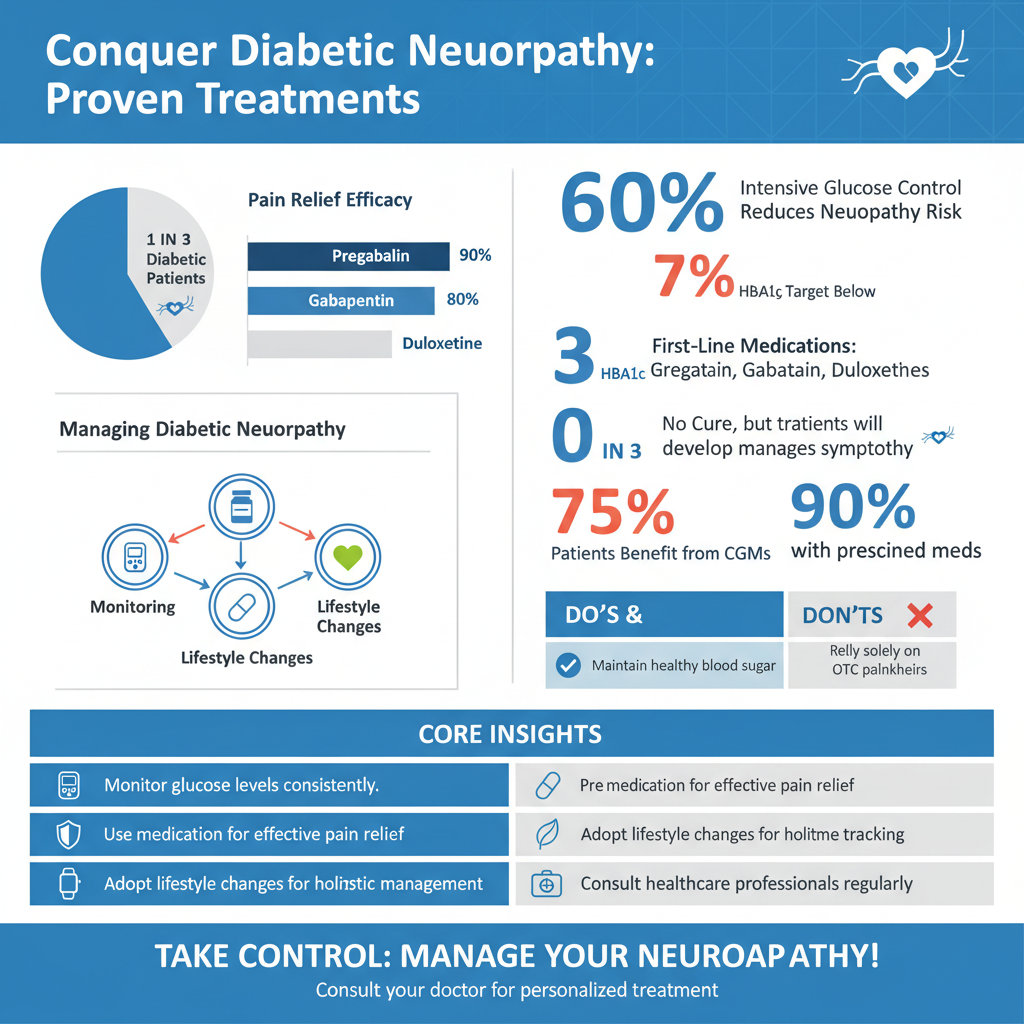

Because the pain associated with diabetic neuropathy stems from damaged nerves rather than injured tissue, standard over-the-counter painkillers like ibuprofen or acetaminophen are rarely effective. Instead, physicians rely on medications originally developed for seizures and depression, which work by altering the chemical signals in the central nervous system.
Anti-Seizure Medications (Gabapentinoids)
The FDA has approved specific anti-seizure drugs as first-line treatments for neuropathic pain.
* Pregabalin (Lyrica): Often considered the gold standard, pregabalin works by binding to calcium channels on nerve cells. This action reduces the release of neurotransmitters that signal pain to the brain. It is highly effective for reducing the burning, stabbing sensations common in DPN.
* Gabapentin (Neurontin): Similar in mechanism to pregabalin, gabapentin is a widely prescribed generic option. While effective, it often requires a gradual titration process—starting with a low dose and slowly increasing it—to manage side effects such as drowsiness or dizziness.
Antidepressants (SNRIs and TCAs)
Certain antidepressants are powerful tools for pain management, independent of their mood-lifting effects.
* Duloxetine (Cymbalta): This is a Serotonin-Norepinephrine Reuptake Inhibitor (SNRI). By increasing the levels of serotonin and norepinephrine in the brain, duloxetine enhances the body’s descending pain inhibition pathways—essentially turning up the volume on the body’s natural system for blocking pain.
* Venlafaxine: Another SNRI that is frequently used off-label for neuropathy with success rates similar to duloxetine.
* Tricyclic Antidepressants (TCAs): Older drugs like amitriptyline can also be effective, particularly for helping patients sleep through pain, though they often carry a higher side-effect profile regarding dry mouth and drowsiness.
3. Topical Treatments and Pain Relief Creams

For patients who cannot tolerate the systemic side effects of oral medications—such as dizziness, weight gain, or sedation—or for those who need supplementary relief, topical treatments offer a localized solution. These treatments are applied directly to the skin of the feet, minimizing the amount of drug that enters the bloodstream.
Capsaicin Cream
Derived from chili peppers, capsaicin is a potent counter-irritant. It works by depleting nerve cells of “Substance P,” a chemical messenger involved in transmitting pain signals. Initially, capsaicin cream may cause a burning sensation upon application, but with consistent use (typically 3 to 4 times a day for several weeks), it desensitizes the nerve endings and significantly reduces pain. High-concentration prescription patches (8% capsaicin) are also available and are administered in a clinical setting for longer-lasting relief.
Lidocaine
Lidocaine is a local anesthetic that works by blocking sodium channels, preventing nerves from sending pain signals. It is available in prescription ointments or as a patch (Lidoderm). Lidocaine is particularly useful for patients suffering from allodynia—a condition where even the light touch of a bedsheet or sock causes severe pain. By numbing the surface area, lidocaine patches allow patients to sleep or wear shoes with greater comfort.
4. Physical Therapy and Nerve Stimulation
Managing neuropathy is not solely about masking pain; it is also about preserving function. Physical therapy and device-based therapies play a critical role in maintaining mobility and reducing the risk of falls.
Physical Therapy
Nerve damage often affects proprioception—the body’s ability to sense where it is in space. This loss of sensation in the feet significantly increases the risk of balance issues and falls. Physical therapists design specialized exercise regimens focusing on:
* Balance Training: Exercises that retrain the brain to rely on visual and vestibular cues to compensate for the loss of sensation in the feet.
* Strength Training: Strengthening the muscles of the legs and feet to support better gait mechanics.
* Circulation: Low-impact aerobic exercises that improve blood flow to the lower extremities, ensuring nerves receive adequate oxygen.
Transcutaneous Electrical Nerve Stimulation (TENS)
TENS is a non-invasive therapy widely used for neuropathic pain. A TENS unit involves placing small electrodes on the skin near the painful area. The device delivers low-voltage electrical impulses that stimulate the sensory nerves. According to the “Gate Control Theory” of pain, these non-painful electrical signals travel to the spinal cord faster than slow pain signals, effectively closing the “gate” and blocking the perception of pain. TENS can be self-administered at home and provides a drug-free option for breakthrough pain management.
5. Supplements and Nutrition
While prescription drugs manage symptoms, nutritional support focuses on nerve repair and protection. However, patients should always consult their endocrinologist before adding supplements, as some can interact with medications.
Vitamin B12 and D
* Vitamin B12: This vitamin is crucial for the maintenance of the myelin sheath, the protective coating around nerves. A deficiency in B12 mimics neuropathy symptoms and can worsen existing damage. This is particularly relevant for Type 2 diabetics taking Metformin, a common diabetes drug known to reduce B12 absorption over time. Supplementation can correct this deficiency and alleviate associated symptoms.
* Vitamin D: Emerging research suggests a correlation between low Vitamin D levels and increased pain sensitivity. adequate Vitamin D levels support overall nerve health and immune function.
Alpha-Lipoic Acid (ALA)
Alpha-lipoic acid is one of the most promising supplements for diabetic neuropathy. It is a powerful antioxidant that combats oxidative stress, a primary driver of nerve damage. Several studies, particularly in Europe where ALA is a prescription treatment, have shown that intravenous or high-dose oral ALA can improve neuropathic symptoms like burning and numbness. Unlike standard painkillers, ALA addresses the underlying oxidative damage, potentially improving nerve function rather than just hiding the pain.
6. Essential Foot Care Habits
In advanced neuropathy, the loss of sensation (anesthesia) is as dangerous as the pain. When patients cannot feel their feet, minor injuries can go unnoticed, leading to serious infections, ulcers, and, in severe cases, amputation. Adopting a rigorous foot care routine is a non-negotiable aspect of treatment.
The Daily Inspection Checklist
Because pain is no longer a reliable warning signal, your eyes must do the work of your nerves. Experts recommend a daily inspection routine, ideally performed every evening:
* Check the Bottoms: Use a shatterproof hand mirror to inspect the soles of your feet for cuts, blisters, redness, or calluses.
* Check Between Toes: Look for cracking skin or fungal infections (athlete’s foot), which can be entry points for bacteria.
* Check Temperature: palpable warmth in a specific spot can indicate underlying inflammation or the early stages of Charcot foot (a serious bone condition).
Footwear and Orthotics
Prevention also requires proper mechanical protection.
* Never Walk Barefoot: Even indoors, stepping on a stray tack or glass shard can cause an injury you might not feel.
* Proper Fit: Shoes should have a wide toe box to prevent squeezing/rubbing.
* Orthotics: Custom or high-quality over-the-counter insoles can redistribute pressure away from high-risk areas (like the ball of the foot) to prevent callus buildup and ulceration. Medicare and many insurance plans often cover therapeutic shoes for patients with diabetic neuropathy.
Treating diabetic neuropathy requires a comprehensive approach that prioritizes blood sugar management alongside pain relief strategies. By working closely with your healthcare provider to find the right medication dosage and adopting a rigorous foot care routine, you can significantly reduce discomfort and protect your mobility. If you are experiencing numbness or burning in your feet, schedule an appointment with your doctor today to establish a personalized treatment plan that addresses both the symptoms and the root cause of the condition.
Frequently Asked Questions
What are the most effective prescription medications for diabetic foot nerve pain?
The most commonly prescribed FDA-approved medications for managing diabetic neuropathy include anti-seizure drugs like pregabalin (Lyrica) and gabapentin, as well as antidepressants like duloxetine (Cymbalta). These medications work by interfering with the pain signals sent to the brain, offering significant relief for burning, stabbing, or shooting pains in the feet. While over-the-counter painkillers like ibuprofen are often ineffective for nerve pain, these prescription options are considered the gold standard for medical management.
Can diabetic neuropathy in the feet be reversed or cured permanently?
Currently, there is no known permanent cure that can fully reverse advanced nerve damage caused by diabetes, but strict glucose management can halt the progression of the disease. By maintaining optimal blood sugar levels, patients can allow surviving nerve fibers to heal and regenerate slightly, which may significantly reduce symptoms over time. Early detection and consistent lifestyle changes are critical, as they offer the best chance of preserving nerve function and preventing severe complications like foot ulcers.
How can I relieve burning feet sensation at home naturally?
To manage burning feet at home, many patients find relief using supplements like Alpha-lipoic acid, an antioxidant shown to improve nerve function and lower blood sugar levels. Additionally, soaking feet in warm water (checking temperature carefully to avoid burns) with Epsom salts can soothe discomfort, while applying capsaicin cream—derived from chili peppers—can temporarily desensitize nerve receptors. Regular, low-impact exercise is also a vital natural remedy as it improves blood circulation to the feet, helping to nourish damaged nerves.
Which topical creams are best for numbing diabetic foot pain immediately?
For immediate, localized relief, topical treatments containing lidocaine are highly effective because they act as an anesthetic to numb the surface area and block nerve pain signals. Another popular option is capsaicin cream, which may cause a temporary burning sensation initially but works over time to deplete the chemicals that cause pain signals in the nerve endings. These topical agents are excellent options for patients who want to avoid the systemic side effects often associated with oral pain medications.
Why is controlling blood sugar the most important part of neuropathy treatment?
Controlling blood sugar is the foundational treatment for neuropathy because high glucose levels are toxic to nerves and damage the small blood vessels that supply them with oxygen and nutrients. Without strict glycemic control, medications and topical treatments will only mask the pain while the underlying nerve damage continues to worsen. Keeping blood sugar within a target range is the only proven method to prevent further nerve deterioration and reduce the risk of amputation.
References
- Diabetic neuropathy – Diagnosis & treatment – Mayo Clinic
- Diabetic Neuropathy – NIDDK
- https://www.hopkinsmedicine.org/health/conditions-and-diseases/diabetic-neuropathy
- https://my.clevelandclinic.org/health/diseases/14737-diabetic-neuropathy
- Peripheral neuropathy – Treatment – NHS
- Understanding Neuropathy and Your Diabetes | ADA
- https://www.fda.gov/consumers/consumer-updates/nerve-pain-diabetes-treatments-are-available
- Distal renal tubular acidosis: MedlinePlus Medical Encyclopedia
- https://www.mountsinai.org/health-library/diseases-conditions/diabetic-neuropathy




Pingback: What is the Best Non-Prescription Food for Diabetic Cats? - Best For Diabetics
Pingback: What Is The Best Medicine For Diabetes Type 1? - Best For Diabetics
Pingback: Best Insulin Pump for Type 1 Diabetes: Your Selection Guide - Best For Diabetics
Pingback: Best Bread Options for Gestational Diabetes - Best For Diabetics
Pingback: Best Bread for Diabetes Type 2: Top Choices - Best For Diabetics
Pingback: Best Vegetables for Diabetes: Top Picks - Best For Diabetics
Pingback: What Sweetener Is Best for Diabetics: Your Best Choices - Best For Diabetics
Pingback: Best CGM for Non Diabetics: Top Picks & Reviews - Best For Diabetics
Pingback: Best Medicine for Diabetic Patients: Top Treatments Reviewed - Best For Diabetics
Pingback: The Best Desserts for Diabetics: Healthy and Delicious Options - Best For Diabetics