
For diabetics, the best breakfast isn’t a single magical meal, but rather a balanced combination of complex carbohydrates, lean protein, healthy fats, and plenty of fiber. This approach helps stabilize blood sugar levels, provides sustained energy, and keeps you feeling full until lunch. By focusing on nutrient-dense foods and mindful portion control, you can create delicious and diabetes-friendly breakfast options that support your overall health and prevent the common energy crashes and hunger pangs that often follow less optimal choices.
Understanding Diabetic Breakfast Principles

Crafting a truly beneficial breakfast for someone managing diabetes goes beyond simply avoiding sugar; it’s about strategic choices that support long-term health. The core principles revolve around achieving stable blood sugar levels throughout the morning, providing sustained energy, and promoting satiety.
First and foremost, the goal is to focus on maintaining stable blood sugar levels throughout the morning to avoid spikes and crashes. A breakfast that causes a rapid rise in blood glucose can lead to an equally rapid fall, leaving you feeling tired, irritable, and hungry much sooner than you’d like. Consistent blood sugar management is crucial not only for feeling good day-to-day but also for preventing long-term complications associated with diabetes. This means carefully considering the types and quantities of carbohydrates you consume and pairing them with other macronutrients that help slow absorption.
Secondly, you should prioritize meals rich in fiber, lean protein, and healthy fats to promote satiety and slow glucose absorption. These three components are your power trio for a diabetes-friendly breakfast. Fiber, particularly soluble fiber, forms a gel in the digestive tract, which slows down the absorption of sugar into the bloodstream. Protein is renowned for its ability to make you feel full and satisfied, curbing cravings and preventing overeating later. Healthy fats also contribute significantly to satiety and can slow gastric emptying, further stabilizing blood sugar. Together, they create a sustained release of energy, keeping you full and focused without the blood sugar rollercoaster.
Lastly, it’s vital to pay attention to carbohydrate quality and quantity, opting for complex carbs with a low glycemic index. Not all carbohydrates are created equal. Simple carbohydrates, found in sugary drinks and refined grains, are quickly broken down into glucose, causing rapid blood sugar spikes. Complex carbohydrates, found in whole grains, legumes, and certain vegetables, are digested more slowly due to their higher fiber content, leading to a more gradual and controlled rise in blood sugar. The glycemic index (GI) is a helpful tool that ranks foods based on how quickly they raise blood sugar. Choosing low-GI options is a smart move for managing diabetes effectively.
Smart Carbohydrate Choices
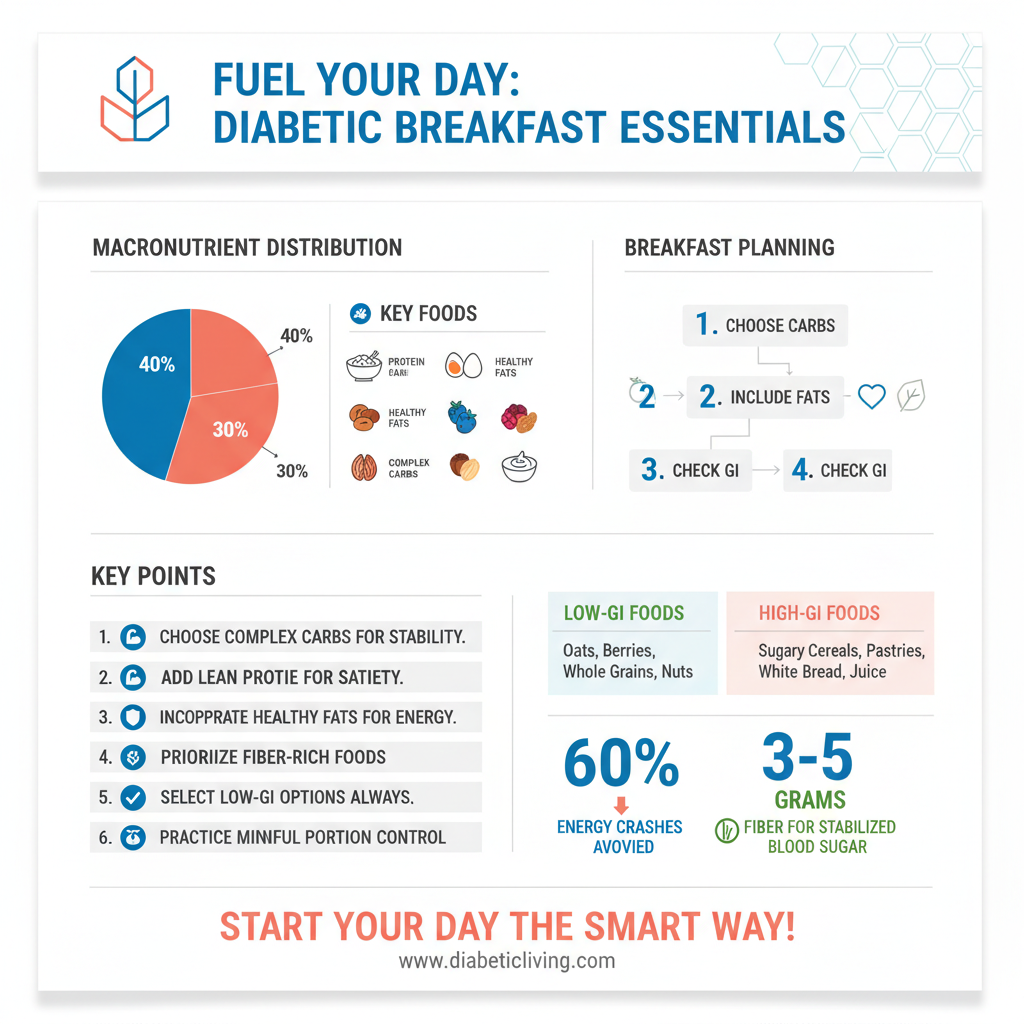

When it comes to carbohydrates for a diabetic breakfast, the emphasis is firmly on “smart” choices. This means moving away from refined, processed options and embracing nutrient-dense, fiber-rich alternatives that support stable blood sugar.
One of the best strategies is to include whole grains like oatmeal (unsweetened), whole-wheat bread, or quinoa to provide sustained energy. Unlike their refined counterparts, whole grains retain all parts of the grain kernel – the bran, germ, and endosperm – which are packed with fiber, vitamins, and minerals. Steel-cut oats, for instance, are a fantastic choice as they have a lower glycemic index than instant oats, leading to a slower, more gradual rise in blood sugar. Similarly, opting for 100% whole-wheat bread over white bread provides more fiber and nutrients. Quinoa, while perhaps less common for breakfast, is a complete protein and a wonderful complex carbohydrate that can be incorporated into savory breakfast bowls. These complex carbohydrates take longer for your body to break down, offering a steady supply of glucose rather than a sudden rush, which helps keep your energy levels stable and your mind sharp.
It’s crucial to emphasize complex carbohydrates that are high in fiber, which helps slow down sugar absorption. Fiber is a true superstar in a diabetic diet. Beyond whole grains, think about other fiber-rich foods like fruits (paired with protein/fat), non-starchy vegetables, and even some legumes (though less common for breakfast, they are an option for savory meals). This fiber acts like a buffer, creating a slower digestive process that prevents a sudden influx of glucose into your bloodstream. It also supports digestive health, contributes to a feeling of fullness, and can even help lower cholesterol. Always check food labels for fiber content and aim for foods with at least 3-5 grams of fiber per serving.
Finally, always practice portion control for all carbohydrate sources to manage their impact on blood glucose. Even healthy complex carbohydrates can raise blood sugar if consumed in large quantities. Understanding appropriate serving sizes is key. For example, a slice of whole-wheat bread might be one serving, but two slices could double the carbohydrate impact. Use measuring cups and spoons, especially when you’re starting out, to get a clear idea of what a standard portion looks like. Learning to eyeball portions correctly over time will become second nature, allowing you to enjoy your meals without excessive worry about blood sugar spikes. Remember, the goal isn’t to eliminate carbs, but to choose them wisely and consume them mindfully.
Protein Power for Stability

Protein is an absolute must-have in a diabetic breakfast. It’s a powerful ally in managing blood sugar and keeping you feeling satisfied throughout the morning. By strategically incorporating protein, you can transform a good breakfast into a great one.
A fantastic way to boost your morning meal is to incorporate lean protein sources such as eggs, Greek yogurt, cottage cheese, or lean turkey sausage. Eggs are incredibly versatile and nutrient-dense, offering high-quality protein without significantly impacting blood sugar. You can enjoy them scrambled, boiled, poached, or as part of an omelet. Plain Greek yogurt is another excellent option, boasting nearly double the protein of regular yogurt, making it incredibly filling. Cottage cheese is similar, providing a good protein punch. If you enjoy breakfast meats, opt for lean turkey or chicken sausage over high-fat pork varieties, and always check labels for sodium and added sugar. Plant-based protein powders (like pea or whey protein) can also be blended into smoothies for a quick, convenient protein boost.
The magic of protein lies in its ability to help increase satiety, keeping you feeling fuller for longer and reducing the urge to snack. When you eat protein, your body releases hormones that signal fullness, which helps to curb your appetite. This sustained feeling of satisfaction is invaluable for anyone managing diabetes, as it can prevent mid-morning hunger pangs that might lead to unhealthy snacking choices. By feeling full and content, you’re less likely to reach for sugary treats or processed foods that can derail your blood sugar management goals. This also contributes to overall weight management, which is a key component of diabetes care.
Beyond satiety, protein also plays a crucial role in minimizing post-meal blood sugar spikes by slowing digestion. Unlike carbohydrates, protein has a minimal direct impact on blood glucose levels. When consumed alongside carbohydrates, protein slows down the rate at which food leaves your stomach. This means that the carbohydrates you eat are digested and absorbed more slowly, leading to a more gradual and controlled rise in blood sugar. This “buffering” effect is incredibly beneficial for preventing those sharp spikes and subsequent crashes, providing a smoother, more stable energy curve throughout your morning. Aim for at least 15-20 grams of protein at breakfast to reap these benefits fully.
Healthy Fats for Satiety and Nutrients
Healthy fats often get a bad rap, but they are an essential component of a balanced, diabetes-friendly breakfast. Far from being something to avoid, the right kinds of fats play a crucial role in satiety, nutrient absorption, and overall health.
To truly enhance your morning meal, add sources of healthy fats like avocado, nuts, seeds (chia, flax), or a small amount of olive oil. Avocado is a superstar, packed with monounsaturated fats, fiber, and various vitamins and minerals. A quarter to a half of an avocado can add incredible creaminess and nutritional value to your toast or savory egg dishes. Nuts like almonds, walnuts, and pecans offer healthy fats along with protein and fiber; a small handful (about a quarter cup) makes for a perfect topping for yogurt or oatmeal. Seeds such as chia, flax, and hemp are rich in omega-3 fatty acids and fiber, easily sprinkled into smoothies, yogurt, or oats. If cooking, a touch of extra virgin olive oil is far superior to butter or other less healthy cooking oils.
The beauty of incorporating these healthy fats is that they contribute to fullness and can help improve the flavor and satisfaction of your meal. Fats are digested more slowly than carbohydrates and protein, meaning they stay in your stomach longer and contribute significantly to that feeling of lasting satiety. This can be incredibly helpful in preventing those tempting mid-morning snack attacks. Beyond just fullness, fats add a rich, satisfying mouthfeel and enhance the flavors of your food. Think about the creamy texture avocado brings to eggs or the nutty crunch of almonds on your Greek yogurt – these elements make your breakfast more enjoyable and prevent you from feeling deprived.
Furthermore, healthy fats also provide essential nutrients and support overall cardiovascular health. Many healthy fats, particularly omega-3 fatty acids found in flax seeds and walnuts, are known for their anti-inflammatory properties and their role in heart health. They help to lower bad cholesterol (LDL) and raise good cholesterol (HDL), which is particularly important for individuals with diabetes, who often have a higher risk of cardiovascular disease. Healthy fats also help your body absorb fat-soluble vitamins (A, D, E, K) from other foods you eat. By including these beneficial fats, you’re not just managing your blood sugar; you’re nourishing your entire body and protecting your long-term health.
Fruits and Vegetables: Essential Micronutrients
Fruits and vegetables are powerhouse foods, delivering a wealth of vitamins, minerals, antioxidants, and fiber. Including them in your diabetic breakfast is a fantastic way to boost nutrition without significantly impacting blood sugar, provided you make smart choices.
When it comes to fruits, it’s wise to choose low-glycemic fruits like berries (strawberries, blueberries), apples, or pears in moderation. While all fruits contain natural sugars, those with a lower glycemic index and higher fiber content will have a gentler impact on your blood sugar. Berries are particularly excellent choices – a handful of strawberries, blueberries, raspberries, or blackberries offers a potent dose of antioxidants and fiber for relatively few carbohydrates. Apples and pears, with their skin on, provide a good amount of fiber, making them a better choice than fruit juices. The key here is moderation; a small serving (e.g., ½ cup of berries or half an apple) is usually sufficient to add flavor and nutrients without overdoing the sugar content. Pair fruits with protein or fat to further slow sugar absorption.
Don’t overlook the power of vegetables at breakfast! It’s a great habit to integrate non-starchy vegetables such as spinach, kale, bell peppers, or mushrooms into your breakfast (e.g., in an omelet). Non-starchy vegetables are incredibly low in calories and carbohydrates but packed with nutrients and fiber. Sautéing a handful of spinach or kale into your scrambled eggs, dicing bell peppers and onions for an omelet, or adding sliced mushrooms to a breakfast burrito can significantly boost your vitamin intake and add volume to your meal without affecting blood sugar. These vegetables also contribute to satiety due to their high fiber and water content. Thinking beyond traditional breakfast foods to include more savory, veggie-packed options can dramatically improve the nutritional profile of your morning.
By including both fruits and vegetables, you are ensuring that your breakfast provides vital vitamins, minerals, and fiber without significantly impacting blood sugar levels. These micronutrients are essential for countless bodily functions, from immune health and energy production to bone density and cognitive function. The fiber content found in both fruits and non-starchy vegetables also contributes to a healthy digestive system and helps maintain stable blood glucose by slowing down nutrient absorption. They are a simple, delicious, and effective way to make your breakfast more nutrient-dense and diabetes-friendly, proving that healthy eating can be both flavorful and satisfying.
Sample Diabetic-Friendly Breakfast Ideas
Building a diabetes-friendly breakfast doesn’t have to be complicated or boring. Here are a few delicious and easy ideas that incorporate all the principles we’ve discussed:
* Greek Yogurt Bowl: This is a quick and versatile option. Start with a base of plain, unsweetened Greek yogurt, which is packed with protein. Then, swirl in a handful of mixed berries (like blueberries, strawberries, or raspberries) for antioxidants and fiber. Sprinkle a tablespoon of chia seeds for omega-3s and added fiber, and finish with a few chopped almonds or walnuts for healthy fats and a satisfying crunch. You can even add a dash of cinnamon for flavor and blood sugar benefits.
* Savory Scramble: Who says breakfast has to be sweet? A savory scramble is incredibly satisfying and easy to customize. Whisk 2-3 eggs with a splash of unsweetened almond milk and pour into a heated pan. As they cook, fold in a generous amount of fresh spinach, diced bell peppers, and sliced mushrooms. You can add a sprinkle of your favorite herbs like chives or parsley. Serve this vibrant scramble alongside a single slice of 100% whole-wheat toast, lightly spread with a quarter of a mashed avocado for healthy fats and extra creaminess. For an extra protein kick, you could crumble in a small amount of lean turkey sausage.
* Overnight Oats: Prepare this the night before for a grab-and-go breakfast. In a jar or container, combine ½ cup of unsweetened rolled oats with 1 cup of unsweetened almond milk (or your preferred milk alternative). Stir in a tablespoon of flax seeds or chia seeds for fiber and healthy fats, and a small serving of your favorite berries. For extra flavor, add a pinch of cinnamon or a tiny splash of vanilla extract. Refrigerate overnight. In the morning, you’ll have a creamy, ready-to-eat breakfast that provides sustained energy and helps keep blood sugar levels steady. You can warm it slightly or enjoy it cold.
* Cottage Cheese with Sliced Tomatoes and Everything Bagel Seasoning: For a truly simple and refreshing savory option, take ½ to 1 cup of low-fat cottage cheese (a great source of protein). Top it with a few slices of fresh tomatoes and a generous sprinkle of everything bagel seasoning (watch sodium content). This combination is light, protein-packed, and full of flavor without any significant carb load.
Foods to Limit or Avoid
Just as important as knowing what to eat is understanding which foods can hinder your blood sugar management and overall health. Making conscious choices to limit or avoid certain items can make a huge difference in your diabetes journey.
First and foremost, steer clear of highly processed sugary cereals, pastries, donuts, and muffins, which can cause rapid blood sugar spikes. These items are typically loaded with refined carbohydrates and added sugars, offering very little nutritional value and often causing your blood glucose levels to skyrocket shortly after consumption. The lack of fiber, protein, and healthy fats means they digest incredibly quickly, leading to an energy crash and increased hunger shortly after. This cycle can make it harder to manage cravings and maintain stable energy throughout the morning. Even “healthy-sounding” cereals can be sugar traps, so always check the nutrition label carefully for added sugars.
Secondly, avoid sweetened beverages like fruit juice, sugary coffee drinks, and sodas that contribute empty calories and sugar. Liquid sugars are particularly problematic for blood sugar management because they are absorbed extremely rapidly by the body, leading to immediate and significant spikes without any fiber to slow them down. Even 100% fruit juice, despite being natural, removes most of the fiber from the fruit, making it essentially a sugar delivery system. Opt for water, unsweetened tea, or black coffee instead. If you enjoy a morning coffee, choose unsweetened varieties and be mindful of syrups and whipped creams, which are often sugar bombs.
Lastly, it’s advisable to limit processed breakfast meats high in sodium and unhealthy fats, opting for leaner alternatives when possible. Items like conventional bacon, sausage links, and some deli meats can be high in saturated fats, which are detrimental to heart health, and excessive sodium, which can contribute to high blood pressure. Many also contain nitrates and other additives. While enjoying them occasionally might be fine, making them a daily staple isn’t ideal for diabetes management. When you crave a breakfast meat, choose leaner options like turkey bacon, chicken sausage, or plant-based alternatives, and always read labels to find products with lower sodium and fat content.
Crafting the best breakfast for diabetes involves mindful choices that prioritize stable blood sugar and long-lasting energy. By building your morning meal around a balance of fiber-rich complex carbohydrates, lean proteins, and healthy fats, you can support your health goals and enjoy delicious food that truly nourishes your body. Remember to consult with your doctor or a registered dietitian to tailor these recommendations to your individual needs, medication regimen, and dietary plan, ensuring your breakfast choices are perfectly aligned with your unique health journey.
Frequently Asked Questions
What is the best type of breakfast for a diabetic to manage blood sugar?
The best breakfast for a diabetic focuses on a balanced plate rich in protein, fiber, and healthy fats, alongside complex carbohydrates. This combination helps stabilize blood sugar levels, promotes satiety, and provides sustained energy throughout the morning. Prioritizing foods with a low glycemic index can significantly aid in blood sugar management for diabetics.
How can I build a balanced, diabetic-friendly breakfast?
To build a balanced, diabetic-friendly breakfast, start with a lean protein source like eggs, Greek yogurt, or cottage cheese to support muscle and fullness. Pair this with high-fiber carbohydrates such as whole-grain bread, steel-cut oats, or non-starchy vegetables, which slow down glucose absorption. Incorporating healthy fats from avocado or nuts can further enhance satiety and provide essential nutrients for a diabetic diet.
Why is a consistent, healthy breakfast crucial for diabetics?
A consistent, healthy breakfast is crucial for diabetics because it helps regulate morning blood sugar levels, preventing the “dawn phenomenon” where blood sugar naturally rises. Skipping breakfast or choosing unhealthy options can lead to larger blood sugar spikes later in the day and impact overall glucose control. Starting the day with a nutritious, balanced meal sets a positive tone for managing your diabetes effectively.
Which breakfast foods should diabetics limit or avoid to prevent blood sugar spikes?
Diabetics should limit or avoid breakfast foods high in refined carbohydrates, added sugars, and unhealthy fats to prevent rapid blood sugar spikes. This includes sugary cereals, pastries, donuts, sweetened fruit juices, and white bread. Opting for whole, unprocessed foods over these quick-digesting options is key for stable blood sugar management and preventing insulin resistance.
What are some quick and easy diabetic breakfast ideas for busy mornings?
For busy mornings, quick and easy diabetic breakfast ideas include Greek yogurt with a handful of berries and chia seeds for fiber and protein. Another great option is scrambled eggs with spinach and a slice of whole-wheat toast, or even a pre-made batch of egg muffins. Overnight oats made with unsweetened almond milk, nuts, and a touch of cinnamon offer a convenient, blood-sugar-friendly start to the day.
References
- https://www.diabetes.org/healthy-living/recipes-nutrition/eating-well/breakfast-ideas
- https://www.cdc.gov/diabetes/managing/eat-well/meal-planning.html
- Healthy Living with Diabetes – NIDDK
- Diabetes diet: Create your healthy-eating plan – Mayo Clinic
- https://www.health.harvard.edu/blog/ask-the-doctor-what-are-the-best-breakfasts-for-people-with-diabetes-202302062885
- https://health.clevelandclinic.org/what-should-i-eat-for-breakfast-if-i-have-diabetes/
- https://www.hopkinsmedicine.org/health/conditions-and-diseases/diabetes/best-foods-to-eat-when-you-have-diabetes
