
There isn’t one “best” artificial sweetener for everyone with diabetes; the ideal choice depends on individual taste and needs. However, several FDA-approved non-nutritive sweeteners are excellent options for managing blood sugar levels, including sucralose, aspartame, saccharin, stevia, and monk fruit extract. This guide will help you understand the most popular choices and factors to consider to make an informed decision that works best for you and your health goals.
Understanding Artificial Sweeteners and Diabetes

Navigating the world of sweeteners when you have diabetes can feel a bit overwhelming, but artificial sweeteners offer a fantastic solution for enjoying sweet tastes without the unwanted blood sugar spikes. Let’s break down what they are and why they’re such a valuable tool.
* What They Are: Artificial sweeteners, often called high-intensity sweeteners or non-nutritive sweeteners (NNS), are truly marvels of modern food science. Essentially, they are substances that provide a sweet taste, often hundreds or even thousands of times sweeter than sugar, but with virtually no calories or carbohydrates. This means you can get all the sweetness you desire without significantly impacting your energy intake or your blood glucose levels. Think of them as a guilt-free way to satisfy your sweet tooth! They don’t provide nutrients, hence the “non-nutritive” label, focusing purely on flavor.
* Why Diabetics Use Them: For individuals managing diabetes, controlling blood sugar is paramount. Traditional sugar (sucrose) is a carbohydrate that rapidly raises blood glucose, making it a challenge to incorporate into a diabetes-friendly diet. This is where NNS shine! By substituting sugar with artificial sweeteners, diabetics can enjoy sweet foods and beverages—from a morning coffee to a diet soda or a baked treat—without worrying about immediate blood sugar spikes. This not only aids in direct blood sugar control but can also be incredibly helpful for weight management, as reducing calorie intake from sugar can contribute to achieving and maintaining a healthy weight, which is beneficial for diabetes management. It’s about empowering you to enjoy food while staying on track with your health.
* Distinguishing from Sugar Alcohols: It’s super important to understand that non-nutritive sweeteners (NNS) are distinct from sugar alcohols, like xylitol, erythritol, sorbitol, and maltitol. While sugar alcohols also offer reduced calories compared to sugar and a lower glycemic impact, they *do* contain some carbohydrates and can, to varying degrees, affect blood sugar levels, especially when consumed in larger quantities. Plus, many sugar alcohols are known for causing digestive discomfort (like bloating or a laxative effect) if eaten in excess. NNS, on the other hand, are generally not metabolized by the body in the same way, providing a truly negligible impact on blood sugar and typically causing fewer digestive woes for most people. Always check labels carefully to see which type of sweetener a product contains!
Common FDA-Approved Artificial Sweeteners
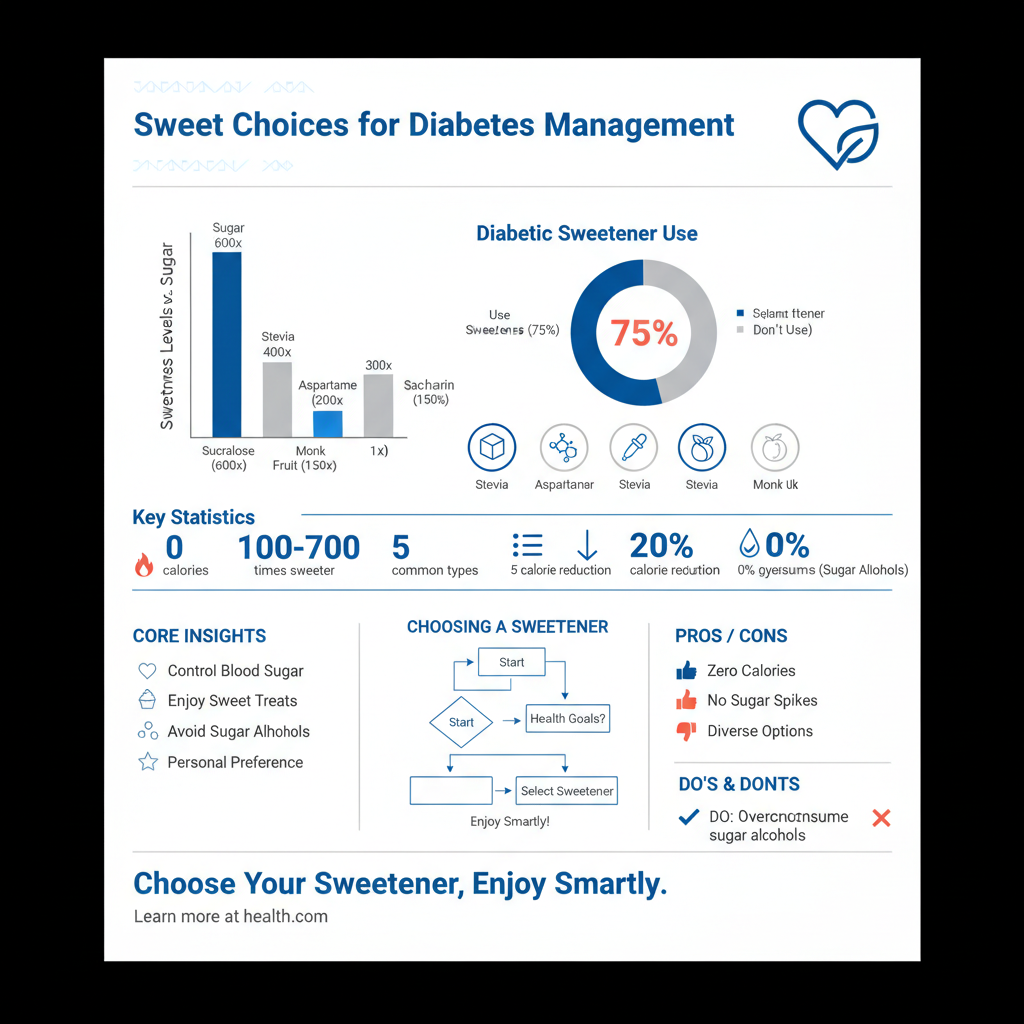

The U.S. Food and Drug Administration (FDA) rigorously evaluates artificial sweeteners for safety before they can be used in food products. Here are some of the most common and well-studied options you’ll find on the market today.
* Aspartame (e.g., Equal, NutraSweet): Aspartame is one of the grandfathers of artificial sweeteners, having been approved by the FDA in 1981. It’s composed of two amino acids (phenylalanine and aspartic acid) and is about 200 times sweeter than sugar. You’ve likely encountered it in countless “diet” products, from diet sodas and sugar-free chewing gum to yogurts and breakfast cereals. It’s widely regarded as safe for the general population, although individuals with a rare genetic disorder called phenylketonuria (PKU) must avoid it due to its phenylalanine content. Aspartame provides a clean, sugar-like taste without a noticeable aftertaste for most, making it incredibly popular. However, it’s not the best choice for cooking and baking at high temperatures, as its sweetness can degrade when heated.
* Saccharin (e.g., Sweet’N Low): Saccharin is an even older sweetener, first discovered in 1879! It’s famous for its intense sweetness, being 200 to 700 times sweeter than sugar. You’ll often spot it in the iconic pink packets of Sweet’N Low on restaurant tables, but it’s also used in some diet beverages, baked goods, and processed foods. Saccharin has had a long and occasionally controversial history, but extensive research has consistently affirmed its safety for human consumption. Some people report a slight metallic or bitter aftertaste with saccharin, particularly when used in higher concentrations, which is something to consider if you’re sensitive to different flavor nuances.
* Sucralose (e.g., Splenda): Sucralose has become one of the most popular artificial sweeteners, and for good reason! It’s derived from sugar through a multi-step process that chemically modifies the sugar molecule, making it non-caloric and indigestible by the body. This clever modification means your body doesn’t recognize it as a carbohydrate, so it passes through without affecting your blood sugar or adding calories. Sucralose is about 600 times sweeter than sugar and is highly praised for its very sugar-like taste without the aftertaste that some other sweeteners can have. What makes it particularly versatile is its excellent stability at high temperatures, making it a fantastic choice for cooking and baking where you want sweetness without compromising your blood sugar goals. You’ll find it in a vast array of products, from beverages and desserts to sauces and condiments.
Natural-Derived Zero-Calorie Sweeteners
Beyond the traditional artificial sweeteners, a newer generation of sweeteners derived from natural sources has gained immense popularity, offering appealing alternatives for those seeking “natural” labels.
* Stevia Leaf Extract (e.g., Truvia, Pure Via): Stevia is a game-changer for many, sourced directly from the leaves of the *Stevia rebaudiana* plant, native to South America. The sweet compounds in stevia are called steviol glycosides, with Rebaudioside A (Reb A) and the more recently introduced Rebaudioside M (Reb M) being the most common. These compounds are incredibly sweet – 200 to 400 times sweeter than sugar – and provide a clean sweetness without calories. While some earlier stevia products (often rich in Reb A) were noted for a slight licorice-like or bitter aftertaste by some sensitive palates, newer formulations, especially those with higher concentrations of Reb M, aim to minimize this, offering a taste profile much closer to sugar. Stevia is widely used in beverages, dairy products, and as a tabletop sweetener, and it’s generally heat-stable, making it suitable for many cooking applications.
* Monk Fruit Extract: Monk fruit, also known as *luo han guo*, is a small round fruit native to Southeast Asia, and its extract is rapidly gaining traction as a premium zero-calorie sweetener. The sweetness comes from compounds called mogrosides, which can be 150 to 250 times sweeter than sugar. Monk fruit extract is celebrated for its clean, sugar-like taste with virtually no aftertaste, making it a favorite for many who are looking for a natural-derived option. It’s a great choice for various foods and drinks, from yogurts and protein shakes to cereals and coffee. Like stevia, monk fruit is generally stable under heat, offering flexibility for cooking and baking without compromising sweetness or flavor. It’s considered a rising star in the sweetener world!
* Erythritol: While technically a sugar alcohol, erythritol deserves a special mention here because it’s often found as a bulking agent alongside stevia and monk fruit in many “natural” zero-calorie sweetener blends (think of the granulated blends in bags or packets). Unlike other sugar alcohols, erythritol is unique because it’s nearly calorie-free (about 0.2 calories per gram, compared to sugar’s 4 calories per gram) and is largely absorbed into the bloodstream before being excreted unchanged in the urine. This means it has a negligible impact on blood sugar and, crucially, is much less likely to cause the digestive upset often associated with other sugar alcohols. It’s about 70% as sweet as sugar and provides bulk to mimic sugar’s texture in recipes, making it a useful component in many diabetes-friendly products.
Comparing Key Options for Diabetics
Choosing among these excellent options often comes down to personal preference and practical considerations. Let’s delve into how they stack up.
* Taste Profile: This is perhaps the most subjective yet critical factor. Each sweetener offers a unique taste experience.
* Sucralose and Monk Fruit Extract are often praised for having a very clean, sugar-like taste with minimal to no aftertaste, making them highly palatable for most.
* Aspartame also offers a clean taste, though some might detect a subtle difference from sugar.
* Saccharin is known for its intense sweetness, but a metallic or slightly bitter aftertaste can be an issue for some individuals, especially in higher concentrations.
* Stevia can sometimes present a slight licorice-like or herbal note, or even a subtle bitterness, particularly in older formulations or for those sensitive to Reb A. Newer Reb M-rich stevia extracts aim to reduce this and offer a smoother profile. The best way to find your favorite is to try a few!
* Cooking and Baking Stability: If you love to cook or bake, the heat stability of your chosen sweetener is super important.
* Sucralose (like Splenda) is generally very stable at high temperatures, making it an excellent choice for baking, cooking, and canning where consistent sweetness is desired.
* Stevia and Monk Fruit Extract also tend to hold up well to heat, providing flexibility in most recipes. However, if using blends, check the specific product’s recommendations, as other ingredients might affect stability.
* Aspartame, on the other hand, can lose some of its sweetness when exposed to high temperatures for prolonged periods, making it less ideal for baked goods that require a long cooking time. It’s better suited for cold or room-temperature applications.
* Saccharin is quite heat-stable, but its distinct taste profile might not be universally appealing in all baked goods.
* Individual Sensitivities: While all FDA-approved sweeteners are considered safe for the general population, individual reactions can vary. Some people might experience mild digestive issues (like bloating or gas) with certain sugar alcohols (though erythritol is generally well-tolerated). Very rarely, individuals might report headaches or other subtle symptoms with specific sweeteners. It’s essential to listen to your body. If you notice any discomfort or unusual symptoms after consuming a particular sweetener, it’s wise to switch to a different one and discuss it with your healthcare provider. Monitoring your personal reactions is key to finding what truly works best for *you*.
Factors to Consider When Choosing
With so many excellent options, how do you narrow it down? Here are some key factors to keep in mind when making your personal selection.
* Glycemic Impact: This is a crucial factor for diabetics, and thankfully, all the FDA-approved non-nutritive sweeteners we’ve discussed – aspartame, saccharin, sucralose, stevia, and monk fruit extract – have a negligible impact on blood sugar levels. This is their primary advantage for diabetes management. When used correctly, they won’t cause the spikes that traditional sugar does, helping you maintain better glycemic control. This negligible impact makes them suitable replacements for sugar in your diet.
* Personal Preference: Seriously, taste is king! What one person finds perfectly pleasant, another might find off-putting. The “best” sweetener for you will ultimately be the one you enjoy most consistently. Don’t be afraid to experiment. Buy small packets of different brands and types, try them in your coffee, tea, or a simple recipe, and see which one truly satisfies your sweet cravings without any unpleasant aftertastes. Your personal palate is your best guide here!
* Ingredients in Blends: This is a super important point that often gets overlooked. Many commercially available “zero-calorie” sweetener products, especially granulated packets or baking blends, are not *just* the pure non-nutritive sweetener. They often contain bulking agents like dextrose (a simple sugar) or maltodextrin (a carbohydrate) to provide volume and mimic the texture of sugar, which is significantly less sweet by weight. While the amounts might seem small, these bulking agents *do* contribute small amounts of carbohydrates and calories. For example, a single packet might contain less than 1 gram of carbs, but if you’re using several packets or a large quantity for baking, those carbs can add up. Always be a detective and read the ingredient list and nutrition label carefully, especially for the “Total Carbohydrates” line. If managing even tiny amounts of carbohydrates is important to your blood sugar control, opting for purer liquid extracts of stevia or monk fruit, or blends primarily with erythritol, might be a better choice.
Smart Usage and Consulting Your Healthcare Team
While artificial sweeteners offer fantastic benefits for diabetes management, it’s important to use them wisely and always keep your healthcare team in the loop.
* Moderation is Key: Even though artificial sweeteners are calorie-free and don’t raise blood sugar, they aren’t a “free pass” to consume unlimited sweet foods. The goal should still be a balanced, nutrient-rich diet that focuses on whole foods, lean proteins, healthy fats, and complex carbohydrates. Using sweeteners in moderation helps satisfy cravings without encouraging an over-reliance on overly sweet flavors. It’s about integrating them as a tool to enhance your healthy eating habits, not as a replacement for them. A balanced diet remains the cornerstone of effective diabetes management and overall well-being.
* Read Food Labels: Become a master label-reader! This is one of the most powerful habits you can develop. Always scrutinize the ingredient list to identify exactly which type of sweetener is being used. As we discussed, look out for added bulking agents like dextrose or maltodextrin, which can sneak in extra carbohydrates and calories. Also, pay attention to serving sizes. A product might claim to be “sugar-free,” but if it contains other sources of carbohydrates, those still count towards your daily intake. Understanding food labels empowers you to make informed decisions that align with your dietary goals.
* Professional Advice: Your diabetes management plan is unique to you, and that’s why discussing your choices with your doctor or a registered dietitian is incredibly important. They can offer personalized guidance based on your specific health profile, any other medical conditions you might have, and your individual dietary needs and goals. They can help you understand how different sweeteners might interact with your medications, advise on appropriate intake levels, and help integrate them into a comprehensive and healthy eating plan. Think of them as your personal health coaches, ready to support you in making the best choices for your well-being.
Choosing the best artificial sweetener for diabetes is a personal journey, with excellent options like sucralose, stevia, and monk fruit leading the pack due to their favorable taste profiles and versatility. Remember, there’s no single “best” choice for everyone; what matters most is finding an FDA-approved sweetener that you enjoy, that helps you manage your blood sugar, and that fits comfortably into your lifestyle. Focus on incorporating them as part of a balanced, diabetes-friendly diet rather than viewing them as a license for excessive consumption of sweet foods. Experiment with different types to find your preference, always mindful of ingredients in blends and portion sizes. For personalized dietary advice and to ensure your choices align with your specific health management plan, always consult with your healthcare provider or a registered dietitian.
Frequently Asked Questions
Which artificial sweeteners are generally considered safest and most recommended for diabetics?
For diabetics, several artificial sweeteners are widely considered safe and recommended because they do not raise blood sugar levels. These often include sucralose (Splenda), aspartame (Equal, NutraSweet), saccharin (Sweet’N Low), and newer options like stevia and erythritol. It’s important to choose products without added sugars or fillers that could impact glucose. Always consume in moderation and monitor individual blood sugar responses.
How do artificial sweeteners benefit diabetics by not raising blood sugar levels?
Artificial sweeteners offer significant benefits to diabetics because they provide sweetness without contributing carbohydrates or calories that would impact blood glucose. Unlike sugar, these sweeteners are either not metabolized by the body or are only partially metabolized, meaning they don’t trigger an insulin response. This allows diabetics to enjoy sweet foods and drinks while effectively managing their carbohydrate intake and preventing blood sugar spikes.
Are there any specific artificial sweeteners diabetics should limit or avoid, and why?
While most FDA-approved artificial sweeteners are safe for diabetics in moderation, some individuals might experience gastrointestinal discomfort from excessive intake of certain sugar alcohols like xylitol or sorbitol, which are often found in “sugar-free” products. Additionally, some research is ongoing regarding the long-term impact of artificial sweeteners on gut microbiome, so it’s wise for diabetics to choose a variety and observe their own body’s response. Always check labels to avoid products with added sugars or fillers.
What factors should a diabetic consider when choosing an artificial sweetener for daily use or cooking?
When selecting an artificial sweetener, diabetics should consider factors such as taste profile, cooking stability, and individual digestive tolerance. Some sweeteners, like sucralose and erythritol, maintain sweetness well under heat, making them suitable for baking, while others might lose potency. It’s also crucial to check product labels for any added dextrose, maltodextrin, or other fillers that can impact blood sugar. Personal preference and potential for digestive upset are also important considerations for daily use.
How do natural sweeteners like Stevia and Monk Fruit compare to synthetic artificial sweeteners for diabetics?
Both natural-derived sweeteners like Stevia and Monk Fruit, and synthetic artificial sweeteners such as sucralose or aspartame, are generally suitable for diabetics as they typically do not raise blood sugar levels. Stevia and Monk Fruit extracts are popular because they originate from plants, appealing to those seeking “natural” options. However, regardless of origin, diabetics should ensure the product chosen is pure and free from added sugars or carbohydrate-containing bulking agents that could impact glucose control.
References
- https://www.diabetes.org/healthy-living/foods-nutrition/sugar-substitutes
- https://www.mayoclinic.org/diseases-conditions/diabetes/expert-answers/artificial-sweeteners/faq-20058028
- High-Intensity Sweeteners | FDA
- Low-Calorie Sweeteners • The Nutrition Source
- https://www.ucsfhealth.org/education/sugar-substitutes
- Diabetes type 2 – meal planning: MedlinePlus Medical Encyclopedia
- Sugar substitute
