
There isn’t a single “best” medication for diabetic neuropathy; instead, effective treatment often combines specific oral medications like certain antidepressants (e.g., duloxetine) and anticonvulsants (e.g., pregabalin or gabapentin), alongside topical treatments, all tailored to an individual’s symptoms. This personalized approach aims to alleviate nerve pain and discomfort, significantly improving quality of life, and is complemented by diligent blood sugar management and other supportive therapies. This article will dive deep into these primary pharmaceutical options and essential strategies for comprehensive management.
Understanding Diabetic Neuropathy and Treatment Goals

Diabetic neuropathy is a common and often debilitating complication of diabetes, stemming from nerve damage caused by persistently high blood sugar levels over time. These elevated glucose levels can harm the small blood vessels that supply nerves with oxygen and nutrients, leading to nerve dysfunction and eventual damage. While it can affect various nerves throughout the body, it most commonly impacts the peripheral nerves, particularly those in the feet and hands, a condition known as peripheral neuropathy. This nerve damage can compromise sensation, motor function, and even the autonomic nervous system, which controls involuntary bodily functions.
The symptoms of diabetic neuropathy can vary widely in type and intensity, making it a challenging condition to live with. You might experience a range of sensations from annoying numbness, tingling, and a “pins and needles” feeling, to burning, throbbing, or even sharp, shooting pain that can be quite severe. Some individuals may also notice increased sensitivity to touch, while others suffer from a loss of sensation, making them vulnerable to unnoticed injuries. Muscle weakness, cramps, and problems with coordination or balance can also emerge as the condition progresses. These symptoms, especially pain and loss of protective sensation, can significantly impact your daily life, making simple tasks difficult and increasing the risk of serious complications like foot ulcers and infections.
Given the diverse nature of symptoms and potential complications, the primary goals of treating diabetic neuropathy are multi-faceted. First and foremost, treatment aims to relieve the uncomfortable and often debilitating symptoms, particularly nerve pain and discomfort, to improve your overall quality of life. Beyond symptom management, a crucial goal is to prevent further nerve damage and halt the progression of the condition by addressing its root cause. By achieving these goals, healthcare providers strive to help patients maintain function, reduce the risk of complications such such as amputations, and enable them to live more comfortably and actively.
First-Line Oral Medications for Pain Management
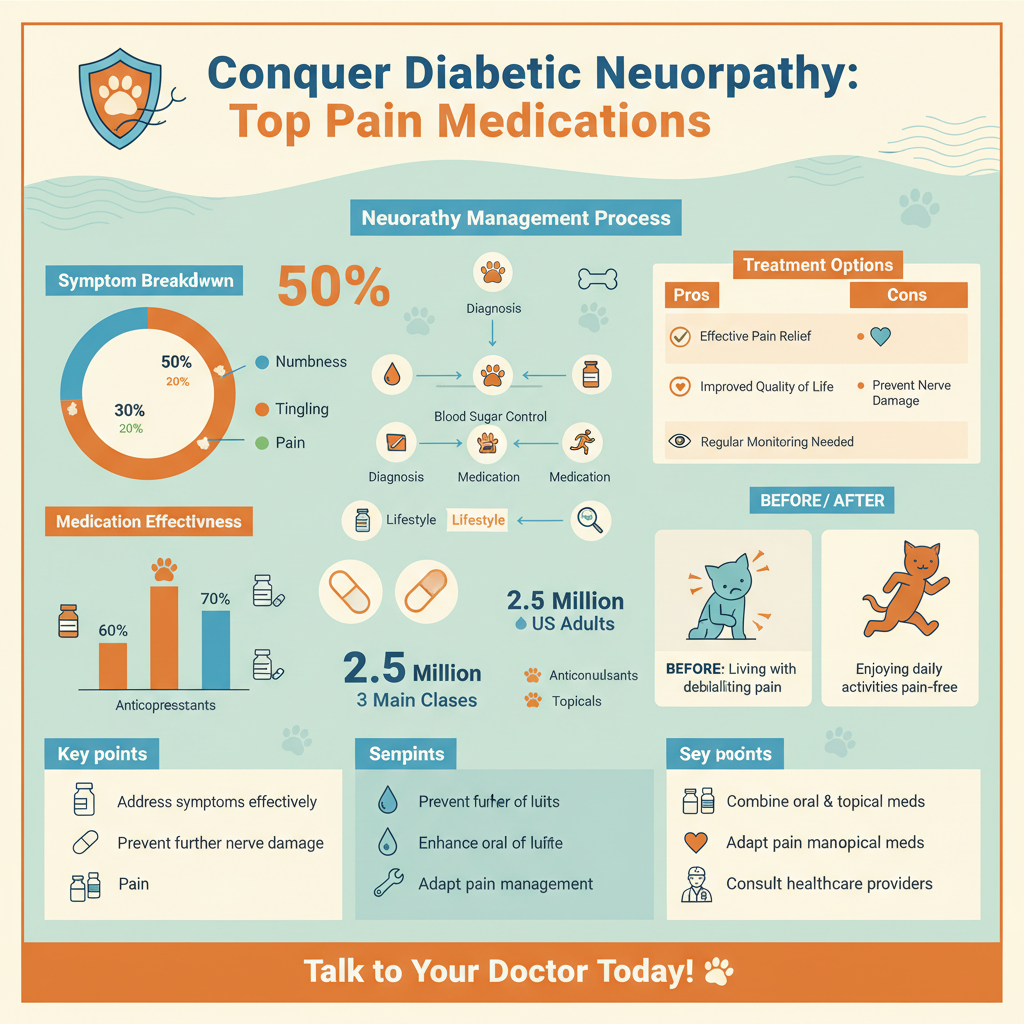

When it comes to managing the pain associated with diabetic neuropathy, several classes of oral medications are considered first-line treatments due to their proven effectiveness. It’s important to understand that these medications don’t “cure” the nerve damage itself, but rather work to alleviate the painful symptoms by modulating nerve signals.
Antidepressants (SNRIs and TCAs)
It might seem surprising that antidepressants are used for nerve pain, but certain types are incredibly effective at managing neuropathic pain, even in individuals who aren’t experiencing depression. They work by affecting specific neurotransmitters in the brain and spinal cord that are involved in pain processing pathways, essentially dampening the pain signals.
* SNRIs (Serotonin-Norepinephrine Reuptake Inhibitors):
* Duloxetine (Cymbalta): This is one of the most commonly prescribed and FDA-approved SNRIs specifically for diabetic neuropathic pain. Duloxetine works by increasing the levels of both serotonin and norepinephrine in the brain, which are neurotransmitters that play a crucial role in regulating mood and pain perception. For many, it significantly reduces the burning, tingling, and shooting pains associated with neuropathy. It’s often favored because it can also address co-existing mood disorders like depression or anxiety, which are common in individuals with chronic pain.
* Venlafaxine (Effexor XR): Another SNRI, venlafaxine is also used off-label for diabetic neuropathy. Like duloxetine, it works by increasing serotonin and norepinephrine levels, helping to calm overactive pain signals. It typically starts at a low dose and is gradually increased to find the most effective dose with the fewest side effects.
These medications are generally taken once or twice daily and can take a few weeks to reach their full pain-relieving effect, so patience is key.
* TCAs (Tricyclic Antidepressants):
* Amitriptyline (Elavil), Nortriptyline (Pamelor), and Desipramine (Norpramin): These older classes of antidepressants have long been a cornerstone in treating various types of neuropathic pain, including that from diabetes. They primarily work by blocking the reuptake of norepinephrine and serotonin, but also have other actions that contribute to pain relief. While highly effective, TCAs can have more side effects than newer medications, such as dry mouth, drowsiness, constipation, and dizziness. They are typically prescribed at much lower doses for pain management than for depression, which often helps minimize side effects. Your doctor will carefully consider your medical history, especially any heart conditions, before prescribing a TCA.
Anticonvulsants (Gabapentinoids)
Another highly effective class of medications for nerve pain originally developed to treat seizures are anticonvulsants, specifically those known as gabapentinoids. These drugs work by calming overactive nerve signals that contribute to neuropathic pain.
* Pregabalin (Lyrica): This medication is FDA-approved specifically for diabetic neuropathic pain. Pregabalin works by binding to a specific subunit of voltage-gated calcium channels in nerve cells, which reduces the release of several neurotransmitters that promote pain. This helps to quiet the hypersensitive nerves that cause neuropathic symptoms. It’s often praised for its relatively quick onset of action compared to some other options, with pain relief sometimes noticed within days or a week.
* Gabapentin (Neurontin): While not FDA-approved specifically for diabetic neuropathy, gabapentin is widely prescribed off-label and is highly effective for many individuals. It shares a similar mechanism of action to pregabalin, modulating nerve activity to reduce pain signals. Both gabapentin and pregabalin typically require a gradual increase in dosage over several weeks to find the optimal therapeutic dose, minimizing potential side effects.
Common side effects for both pregabalin and gabapentin can include drowsiness, dizziness, fatigue, and swelling in the hands and feet. Your doctor will start you on a low dose and slowly increase it, a process called titration, to ensure your body adjusts and to find the most effective dose with the least discomfort.
Topical and Other Adjunct Therapies

Beyond oral medications, several topical treatments and non-pharmacological therapies can play a significant role in managing diabetic neuropathy, especially for localized pain or as complementary approaches to enhance overall relief.
Topical Treatments
Topical applications can be particularly appealing because they deliver medication directly to the affected area, often with fewer systemic side effects compared to oral drugs.
* Capsaicin Cream: Derived from chili peppers, capsaicin cream is a fascinating topical option. It works by depleting Substance P, a neurotransmitter found in nerve cells that is responsible for transmitting pain signals to the brain. When applied consistently over time, typically several times a day, capsaicin can reduce the ability of nerve endings to send pain messages. It’s important to know that you might experience a temporary burning or stinging sensation when you first apply it, especially in the early stages of treatment. This usually subsides with continued use. It’s crucial to wash your hands thoroughly after application and avoid contact with eyes or mucous membranes. Capsaicin is best suited for localized areas of pain rather than widespread neuropathy.
* Lidocaine Patches: These adhesive patches deliver a local anesthetic directly through the skin. Lidocaine works by blocking sodium channels in the nerve endings, which prevents nerves from sending pain signals. These patches are a convenient option for localized, persistent neuropathic pain, providing targeted relief without many of the systemic side effects associated with oral pain medications. They can be worn for several hours, typically up to 12 hours within a 24-hour period, and are non-addictive. They are especially useful for areas where the pain is constant and clearly defined.
Non-Pharmacological Options
Complementing medication, several non-pharmacological strategies can help manage symptoms and improve your overall well-being. These can be integrated into your treatment plan to offer holistic support.
* Physical Therapy: A physical therapist can be an invaluable resource. They can help you improve strength, flexibility, balance, and coordination, which can be affected by nerve damage. Exercises might include gentle stretching, strengthening routines, and gait training to prevent falls. They can also provide education on proper footwear and body mechanics.
* Acupuncture: Originating from traditional Chinese medicine, acupuncture involves inserting thin needles into specific points on the body. Some studies suggest it can help alleviate chronic pain, including neuropathic pain, by stimulating natural pain-relieving chemicals in the body and modulating nerve signals. While more research is needed, many individuals report significant relief from acupuncture when performed by a qualified practitioner.
* Transcutaneous Electrical Nerve Stimulation (TENS): TENS therapy involves applying low-voltage electrical current through electrodes placed on the skin near the painful area. The electrical impulses can help block pain signals from reaching the brain and may also stimulate the release of endorphins, the body’s natural painkillers. TENS units are small, portable devices and can be used at home under medical guidance. While results vary, many find it a helpful adjunct for temporary pain relief.
* Other Supportive Therapies: Simple measures like warm baths or soaks can improve circulation and temporarily soothe painful feet. Massage therapy can help improve blood flow and reduce muscle tension. Mindful practices like meditation and deep breathing exercises can also help you manage your perception of pain and reduce stress, which can exacerbate chronic pain conditions.
Managing Underlying Diabetes for Neuropathy Control
While medications help manage the symptoms of diabetic neuropathy, it’s absolutely crucial to remember that the most fundamental and impactful strategy for controlling and preventing the progression of this condition lies in diligently managing your underlying diabetes. Addressing the root cause—high blood sugar—is paramount.
Strict Blood Sugar Control
Maintaining target blood sugar (glucose) levels is the cornerstone of preventing further nerve damage and can even lead to some improvement in existing neuropathy symptoms. High blood glucose wreaks havoc on nerves through several mechanisms: it directly damages the small blood vessels that supply nerves with oxygen and nutrients, leading to a deprivation of essential resources. It also promotes inflammation, oxidative stress, and the formation of advanced glycation end products (AGEs), all of which contribute to nerve dysfunction and eventual damage.
Regular monitoring of your blood glucose levels, adhering to your prescribed medication regimen (insulin or oral antidiabetic drugs), and striving to keep your HbA1c (a measure of your average blood sugar over two to three months) within your target range are non-negotiable. While existing nerve damage may not fully reverse, consistent and strict blood sugar control is the best defense against progression and can significantly reduce the severity of symptoms over time, often making pain medications more effective or even reducing their need. This proactive management empowers your body to minimize ongoing harm to delicate nerve fibers.
Lifestyle Changes
Beyond medication, adopting a healthy lifestyle plays an integral role in both blood sugar management and overall nerve health. These changes are powerful tools in your diabetic neuropathy management arsenal.
* Balanced Diet: Focus on a diet rich in whole, unprocessed foods. Prioritize plenty of vegetables, fruits, lean proteins, and healthy fats. High-fiber foods can help stabilize blood sugar levels. It’s essential to limit refined carbohydrates, sugary drinks, and processed foods, which can cause rapid spikes in blood glucose. Working with a registered dietitian can provide personalized guidance to create a meal plan that supports your blood sugar goals and overall health.
* Regular Exercise: Physical activity is a potent medicine. Regular exercise, such as walking, swimming, cycling, or light resistance training, improves insulin sensitivity, helps lower blood sugar levels, and promotes healthy circulation. Improved blood flow is vital for nerve health. Additionally, exercise can help you maintain a healthy weight, reduce stress, and improve mood, all of which indirectly benefit neuropathy management. Aim for at least 150 minutes of moderate-intensity aerobic activity per week, along with strength training twice a week, as recommended by your doctor.
* Maintaining a Healthy Weight: Losing even a modest amount of weight if you are overweight or obese can significantly improve blood sugar control and reduce insulin resistance. This, in turn, lessens the metabolic stress on your nerves and contributes to better overall health outcomes for diabetes and its complications.
* Avoid Smoking and Limit Alcohol: Smoking further damages blood vessels, exacerbating nerve damage. Quitting smoking is one of the most impactful steps you can take for your overall health, including nerve health. Excessive alcohol consumption can also worsen nerve damage and interfere with blood sugar control.
Regular Foot Care
Neuropathy often diminishes sensation in the feet, making you less aware of injuries, pressure points, or infections. This lack of protective sensation is a major risk factor for developing foot ulcers, which can lead to severe infections and, in worst-case scenarios, amputation. Therefore, meticulous daily foot care is not just important; it’s absolutely essential.
* Daily Inspection: Make it a habit to inspect your feet every single day for cuts, blisters, redness, swelling, bruises, or any changes in the skin or nails. If you have trouble seeing your feet, use a mirror or ask a family member for help.
* Proper Footwear: Always wear comfortable, well-fitting shoes that protect your feet. Avoid going barefoot, even indoors. Choose shoes with good support, soft materials, and plenty of room for your toes. Custom orthotics or diabetic shoes may be recommended by your podiatrist to prevent pressure sores.
* Moisturize: Keep the skin on your feet soft and supple by applying lotion daily, but avoid putting lotion between your toes, as this can encourage fungal infections.
* Professional Care: Schedule regular visits with a podiatrist (foot doctor) who can trim your toenails safely, remove calluses, and address any potential problems early. They are an integral part of your neuropathy care team.
Potential Side Effects and Considerations
While medications for diabetic neuropathy can offer significant relief, it’s important to be aware that, like all drugs, they come with potential side effects. Understanding these and discussing them openly with your doctor is crucial for safe and effective treatment.
Common Side Effects Vary by Medication
The specific side effects you might experience will depend on the medication class and individual drug. However, some general side effects are common across different types of neuropathy medications:
* Antidepressants (SNRIs and TCAs): Common side effects can include drowsiness, dizziness, dry mouth, constipation, nausea, and sometimes blurred vision or urinary retention. TCAs, in particular, can have more pronounced side effects and may interact with heart conditions, requiring careful monitoring. Duloxetine can sometimes cause mild nausea or fatigue, especially when starting treatment.
* Anticonvulsants (Gabapentinoids): Pregabalin and gabapentin frequently cause drowsiness, dizziness, and mild to moderate swelling in the hands, feet, or ankles. Some people might experience blurred vision, weight gain, or difficulty concentrating. These side effects are often most noticeable when you first start the medication or when the dose is increased, and they may lessen over time as your body adjusts.
It’s vital to communicate any new or worsening side effects to your healthcare provider. Sometimes, a simple dosage adjustment or switching to a different medication can alleviate these issues. Never stop taking a prescribed medication abruptly without consulting your doctor, as some drugs can cause withdrawal symptoms.
Drug Interactions and Medical History
Before starting any new medication for diabetic neuropathy, it is absolutely crucial to provide your doctor with a complete and accurate list of all medications you are currently taking. This includes prescription drugs, over-the-counter medicines, herbal supplements, and vitamins. Certain combinations of drugs can lead to adverse interactions, either by increasing side effects or by reducing the effectiveness of one or both medications. For instance, taking anticonvulsants or certain antidepressants with other sedating medications (like antihistamines, muscle relaxants, or opioids) can significantly increase drowsiness and dizziness. Your medical history is equally important. Conditions like kidney or liver disease, heart problems, glaucoma, or a history of seizures can influence which medications are safe and appropriate for you. Your doctor will carefully review your history to minimize risks and ensure the chosen treatment plan is the safest option.
Dosage Adjustments and Monitoring
Finding the “right” medication and the optimal dose for diabetic neuropathy is often a process of trial and error and requires patience. Healthcare providers typically follow a “start low, go slow” approach, beginning with a low dose and gradually increasing it over several weeks or even months. This allows your body to adjust to the medication and helps to identify the lowest effective dose with the fewest side effects. It’s important not to get discouraged if the first medication or dose doesn’t provide immediate relief.
Regular follow-up appointments with your doctor are essential during this period. These visits allow your healthcare team to:
* Monitor effectiveness: Assess how well the medication is controlling your pain and other symptoms.
* Manage side effects: Discuss any side effects you’re experiencing and make adjustments to mitigate them.
* Adjust dosage: Increase, decrease, or maintain the dose as needed based on your response.
* Consider alternatives: If a medication isn’t effective or causes intolerable side effects, your doctor might suggest switching to a different drug or adding another therapy to your regimen.
This close monitoring ensures that your treatment plan remains optimized for your specific needs, maximizing benefits while minimizing risks.
Personalized Treatment Plans and Doctor Consultation
The journey to effectively manage diabetic neuropathy is highly personal. As we’ve explored, there’s no single “best” medication that works for everyone. Instead, successful treatment hinges on a carefully tailored approach, developed in close consultation with your healthcare provider.
Individualized Approach
Your specific treatment plan will be as unique as you are, taking into account a multitude of factors that influence how your body responds to different therapies. This individualized strategy considers:
* Type and Severity of Symptoms: Are you experiencing burning, shooting, numbness, or a combination? Is the pain constant or intermittent, mild or severe? This will guide the choice of medication.
* Co-existing Medical Conditions: Do you have kidney disease, heart problems, liver issues, or other chronic conditions? These can affect how certain medications are metabolized or tolerated. For example, if you also suffer from anxiety or depression, an SNRI like duloxetine might offer a dual benefit.
* Other Medications: As discussed, preventing drug interactions is critical, so your current medication list plays a major role in selecting safe options.
* Patient Response and Preferences: How you’ve responded to previous treatments, your tolerance for potential side effects, and your personal preferences regarding medication types or administration methods are all important considerations. Some people prefer oral pills, while others find topical options more appealing for localized pain.
The process of finding the optimal treatment often involves a period of trial and error, requiring patience and open communication with your medical team.
The Role of Your Healthcare Provider
Your healthcare provider is your most important ally in navigating diabetic neuropathy. They will conduct a comprehensive assessment of your situation, including a detailed medical history, physical examination, and potentially nerve conduction studies or other diagnostic tests to confirm the diagnosis and assess the extent of nerve damage. Based on this thorough evaluation, they will:
* Recommend Appropriate Medications: Guiding you through the various options, explaining the potential benefits and risks of each.
* Develop a Holistic Strategy: Beyond medication, your doctor will help you integrate lifestyle changes, underlying diabetes management, and adjunctive therapies into a cohesive plan.
* Educate and Empower You: Providing you with the knowledge and tools to actively participate in your own care.
Don’t hesitate to ask questions, voice your concerns, and share your experiences honestly with your doctor. This collaborative approach is key to finding effective solutions.
Regular Follow-ups Are Essential
Managing a chronic condition like diabetic neuropathy is an ongoing process, not a one-time fix. Regular follow-up appointments with your healthcare provider are critical to:
* Monitor Effectiveness: Your doctor will assess whether the current treatment plan is adequately controlling your symptoms and improving your quality of life.
* Manage Side Effects: Any new or persistent side effects need to be evaluated, and adjustments made to minimize discomfort.
* Make Necessary Adjustments: Over time, your body’s response to medication can change, or your symptoms might evolve. Your doctor may need to adjust dosages, switch to a different medication, or incorporate new therapies to maintain optimal symptom control.
* Prevent Complications: These visits are also an opportunity to reinforce crucial aspects like foot care and blood sugar management, helping to prevent serious complications.
Building a strong, long-term partnership with your healthcare team ensures that your treatment plan remains dynamic and responsive to your evolving needs, offering the best possible outcomes for managing your diabetic neuropathy.
Effectively managing diabetic neuropathy is a multi-faceted process that requires a personalized approach, combining specific medications with diligent blood sugar control and supportive therapies. While several highly effective pharmaceutical options exist to alleviate pain and discomfort, including certain antidepressants like duloxetine and anticonvulsants such as pregabalin or gabapentin, along with topical treatments, the ultimate “best” treatment plan will be unique to you. It’s a journey that prioritizes symptom relief, prevents further nerve damage, and significantly improves your quality of life. If you are experiencing symptoms of diabetic neuropathy, consult with your healthcare provider to discuss your options and develop a comprehensive strategy tailored to your needs. Your active participation in your care, coupled with expert medical guidance, is the most powerful tool in your management plan.
Frequently Asked Questions
What is the best medication for diabetic neuropathy?
There isn’t a single “best” medication for diabetic neuropathy, as effectiveness varies greatly from person to person. The most commonly recommended first-line treatments for neuropathic pain include certain antidepressants like duloxetine (Cymbalta) and tricyclic antidepressants, as well as anticonvulsants such as pregabalin (Lyrica) and gabapentin (Neurontin). The ideal medication regimen is typically tailored by a healthcare provider based on the specific type of pain, individual response, and potential side effects, with the goal of effective pain management and improved quality of life.
What are the most commonly prescribed medications for diabetic nerve pain relief?
The most commonly prescribed medications for diabetic nerve pain relief fall into two main categories: specific antidepressants and anticonvulsants. Serotonin-norepinephrine reuptake inhibitors (SNRIs) like duloxetine (Cymbalta) and venlafaxine are often used to help alter pain signals in the brain. Anticonvulsants such as pregabalin (Lyrica) and gabapentin (Neurontin) are also widely prescribed, as they work by calming overactive nerve signals that contribute to the pain. Your doctor will determine the most appropriate choice based on your symptoms and overall health.
Are there any non-prescription or over-the-counter options for managing diabetic neuropathy symptoms?
While prescription medications are generally more effective for significant diabetic neuropathy, some non-prescription options can offer mild, temporary relief for certain symptoms. Topical creams containing capsaicin can help reduce pain by temporarily depleting nerve endings of a pain-transmitting chemical. Additionally, alpha-lipoic acid supplements are sometimes used, though their efficacy in treating severe neuropathy is still being researched and should always be discussed with your doctor before starting.
How long does it take for diabetic neuropathy medication to start working and show improvements?
The time it takes for diabetic neuropathy medication to show improvements can vary considerably, but patients typically might start noticing some relief within a few weeks of consistent use. However, full therapeutic effects often require several weeks to months to become apparent as the body adjusts to the medication and the optimal dosage is reached. It’s crucial to continue taking your prescribed medication as directed and communicate regularly with your healthcare provider about your progress and any side effects.
What are the potential side effects of common medications used for diabetic neuropathy?
Common medications for diabetic neuropathy, such as pregabalin, gabapentin, and duloxetine, can have various potential side effects. Gabapentin and pregabalin may cause drowsiness, dizziness, fatigue, and swelling in the hands or feet. Duloxetine, on the other hand, can lead to side effects like nausea, dry mouth, constipation, insomnia, or dizziness. It is important to discuss all potential side effects with your doctor, who can help manage them or adjust your medication regimen to ensure safe and effective treatment for your neuropathic pain.
References
- Understanding Neuropathy and Your Diabetes | ADA
- https://www.niddk.nih.gov/health-information/diabetes/overview/preventing-problems/nerve-damage-diabetic-neuropathies/treatment
- Diabetic neuropathy – Diagnosis & treatment – Mayo Clinic
- https://my.clevelandclinic.org/health/diseases/17929-diabetic-neuropathy
- Diabetic neuropathy
- https://medlineplus.gov/diabeticneuropathy.html
- https://www.health.harvard.edu/diseases-and-conditions/diabetic-neuropathy-treatment-what-works-and-what-doesnt
- https://www.ncbi.nlm.nih.gov/pmc/articles/PMC8945625/
