
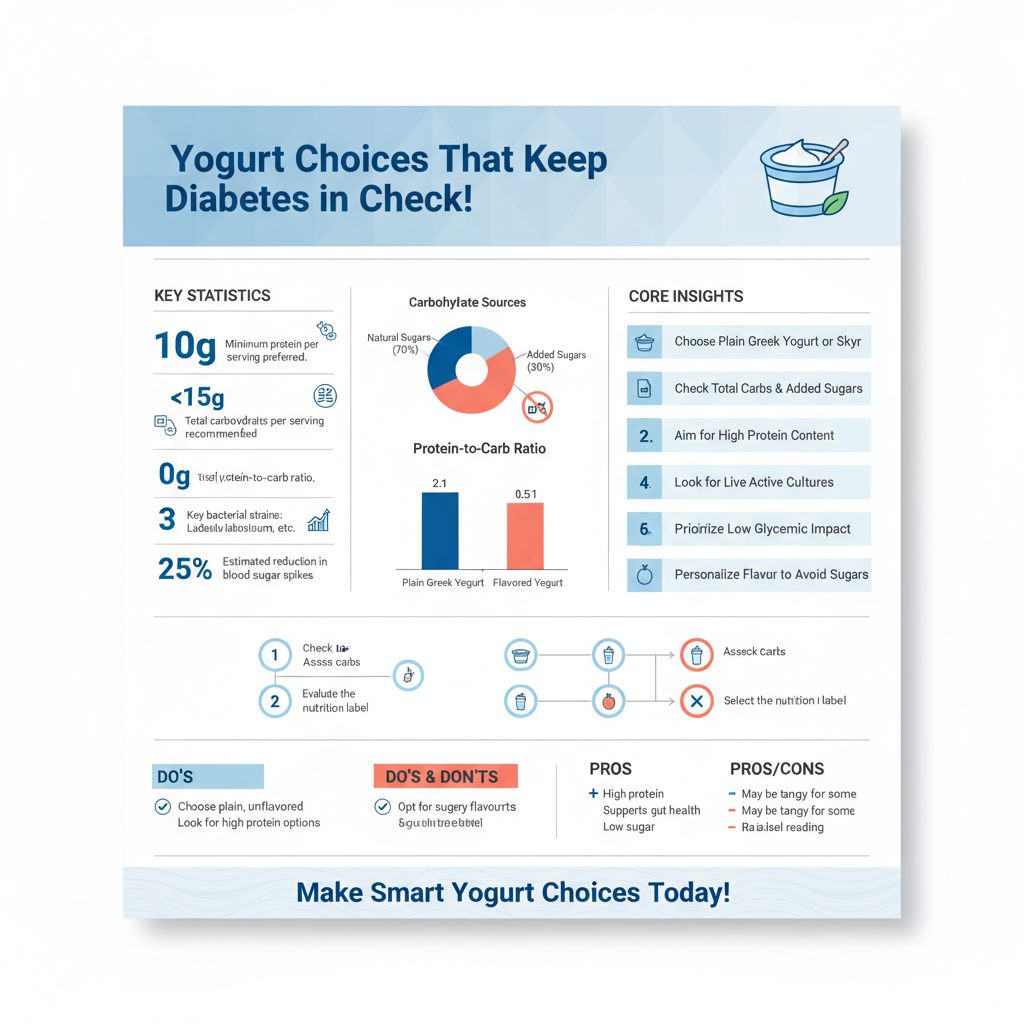
The best yogurt for diabetics is typically plain, unflavored Greek yogurt or Icelandic Skyr, as these varieties offer high protein content with minimal carbohydrates and no added sugars. When selecting a yogurt, aim for options with fewer than 15 grams of total carbohydrates and at least 10 grams of protein per serving to help stabilize blood glucose levels. Dairy products can be a double-edged sword for those managing diabetes; while they provide essential calcium and Vitamin D, the natural lactose sugar found in milk can cause glycemic variances if not balanced correctly. Therefore, the goal is to choose high-density nutrition sources that offer satiety without the glucose spike associated with traditional sugary snacks. By focusing on strained varieties and controlling the flavor profile yourself, yogurt becomes an invaluable tool in a diabetic-friendly diet.
Understanding the Nutrition Label

Navigating the dairy aisle requires a discerning eye, as marketing claims often obscure the nutritional reality of the product. For individuals managing diabetes, the nutrition label is the primary tool for determining safety and efficacy.
Prioritize Total Carbohydrates and Added Sugars
The most critical line item on a yogurt label is “Total Carbohydrates,” followed closely by “Added Sugars.” Milk contains naturally occurring sugar called lactose, which will register as carbohydrates. However, it is the added sugars—cane sugar, high fructose corn syrup, or fruit concentrates—that present the greatest risk for blood sugar spikes. A diabetic-friendly yogurt should ideally have zero added sugars. If the label indicates a significant gap between total carbohydrates and dietary fiber without a corresponding protein count, the product is likely to raise blood glucose rapidly.
Look for a High Protein-to-Carbohydrate Ratio
Protein is essential for slowing the digestion of carbohydrates, which results in a more gradual release of glucose into the bloodstream. A superior yogurt choice will have a protein-to-carbohydrate ratio of at least 1:1, though 2:1 (twice as much protein as carbs) is optimal. This macronutrient balance ensures that the snack promotes satiety, keeping hunger at bay longer and preventing the “crash” that often follows high-carb snacks.
Check for Live and Active Cultures
Beyond macronutrients, the bacterial composition of yogurt offers significant health benefits. Look for labels that explicitly state the product contains “live and active cultures.” Strains such as Lactobacillus and Bifidobacterium support a healthy gut microbiome. Emerging research suggests a strong link between gut health and metabolic function, indicating that a healthy microbiome may help improve insulin sensitivity and reduce systemic inflammation, both of which are vital for diabetes management.
Why Greek Yogurt and Skyr Are Superior

While traditional yogurt has been a dietary staple for decades, Greek yogurt and Icelandic Skyr have emerged as the gold standards for blood sugar management. Their superiority lies not just in marketing, but in the manufacturing process itself.
The Straining Process and Lower Lactose
Both Greek yogurt and Skyr undergo an extensive straining process that differentiates them from regular yogurt. During production, the liquid whey—which contains a significant portion of the lactose (milk sugar)—is strained off. By removing this liquid, the remaining product is lower in carbohydrates and sugar than its unstrained counterparts. For a diabetic, this means you can consume a standard serving size with a significantly lower impact on your glycemic index.
Texture, Satiety, and Weight Management
Because the whey is removed, the resulting product is much thicker and creamier. This concentration process also doubles the protein density compared to regular yogurt. High-protein foods are known to increase satiety hormones, making you feel fuller for longer periods. For individuals with Type 2 diabetes, where weight management often plays a central role in controlling the condition, adding high-satiety foods to the diet can prevent overeating and snacking on less healthy options later in the day.
Unflavored vs. Pre-Mixed Options
The distinction between plain and flavored varieties cannot be overstated. Pre-mixed fruit yogurts often utilize fruit preserves that are indistinguishable from jam, nutritionally speaking. By choosing unflavored Greek yogurt or Skyr, you start with a neutral, low-carb base. This allows you to control exactly what goes into your bowl, rather than relying on a manufacturer who may prioritize taste over glycemic control.
Top Dairy-Based Brands to Try

The market is saturated with options, but a few brands stand out for their commitment to low-sugar, high-protein formulations that align with diabetic nutritional needs.
Two Good and Oikos Triple Zero
For those who struggle with the tartness of plain yogurt, specific formulations like Two Good and Oikos Triple Zero are excellent entry points. Two Good utilizes an ultra-filtration process that removes the vast majority of sugar, resulting in a cup with only 2 grams of total sugar and significant protein. Oikos Triple Zero (Zero Added Sugar, Zero Artificial Sweeteners, Zero Fat) relies on non-nutritive sweeteners and chicory root fiber to provide sweetness and bulk without the glycemic load. These are engineered specifically for the health-conscious consumer who wants convenience without the carbs.
Fage Total 0% and Chobani Plain Non-Fat
For purists, Fage Total 0% and Chobani Plain Non-Fat represent the benchmark for Greek yogurt. Fage is renowned for its exceptionally thick, rich texture even in its non-fat varieties, making it an excellent substitute for sour cream in savory dishes as well. Chobani offers a smooth, mild taste that blends well with toppings. Both brands provide roughly 15 to 18 grams of protein per serving with roughly 5 to 7 grams of carbohydrates—an ideal ratio for blood sugar stabilization.
Siggi’s Simple Ingredient Skyr
Siggi’s is an Icelandic-style skyr that prides itself on minimalism. Their “Simple Ingredient” tagline is accurate; the plain variety contains only pasteurized skim milk and live active cultures. Skyr is technically a soft cheese, giving it a slightly different, more complex tartness than Greek yogurt. It is exceptionally high in protein and usually lower in sugar than even some Greek varieties, making it a top-tier choice for strict carb counting.
Best Plant-Based Yogurt Alternatives
For diabetics who are also lactose intolerant or vegan, the dairy aisle offers plant-based alternatives. However, not all non-dairy yogurts are created equal regarding glycemic impact.
Almond, Soy, and Coconut Options
Soy yogurt is often the nutritionally closest alternative to dairy, offering a comparable amount of protein naturally. Almond milk yogurt is typically low in carbohydrates, provided it is unsweetened, but it is naturally low in protein, so users may need to add nuts or seeds to boost the nutritional profile. Coconut milk yogurt is high in healthy fats, which can blunt blood sugar spikes, but it is often devoid of protein. When choosing these, it is imperative to select “Unsweetened Plain” varieties, as flavored plant yogurts can contain massive amounts of cane sugar to mask the plant base.
The Risk of Rice and Oat Yogurts
Diabetics should approach rice and oat-based yogurts with extreme caution. Oats and rice are grains that naturally possess a higher glycemic index. When processed into “milk” and then fermented into yogurt, the starches are broken down in a way that can lead to rapid glucose absorption. These options often have higher carbohydrate counts and lower protein compared to soy or almond alternatives, making them less ideal for strict blood sugar management.
Fortification is Key
Unlike dairy, plant bases do not naturally contain high levels of calcium or Vitamin D. These micronutrients are vital for bone health and overall metabolic function. Always check the label to ensure the product has been fortified with Calcium and Vitamin D to mimic the nutritional profile of cow’s milk yogurt.
Ingredients to Avoid in the Yogurt Aisle
Marketing in the yogurt aisle can be deceptive. To protect your blood sugar, there are specific red flags to watch for on packaging.
“Fruit on the Bottom” and Fruit Flavoring
The term “fruit on the bottom” sounds natural, but in a manufacturing context, this fruit is essentially a sugary syrup. To preserve the texture and color of the fruit during shelf life, manufacturers cook it down with high fructose corn syrup or cane sugar. A single serving can contain as much sugar as a candy bar. Always assume that “fruit flavored” means “sugar added” unless the package explicitly states otherwise.
The “Low-Fat” Trap
In the 1990s, “low-fat” was synonymous with healthy, but nutrition science has evolved. When fat is removed from yogurt, the texture becomes runny and the flavor becomes acidic. To correct this, manufacturers often add thickeners (starches) and significant amounts of sugar to make the product palatable. Consequently, a “low-fat” yogurt often spikes blood sugar faster than a full-fat version would, as fat helps slow digestion.
Dangerous Mix-Ins
Many modern yogurts come with a separate compartment of toppings to “flip” into the yogurt. These mix-ins—cookie crumbles, milk chocolate chips, pretzels, or sugar-coated granola—turn a healthy snack into a dessert. These refined carbohydrates create an immediate glucose spike and offer little nutritional value. Avoid these pre-packaged combinations entirely.
Healthy Ways to Flavor Plain Yogurt
The key to enjoying yogurt as a diabetic is to buy it plain and treat it as a blank canvas. By adding your own flavorings, you maintain complete control over the carbohydrate count.
Low-Glycemic Fruits
Berries are the premier fruit choice for diabetics. Blueberries, strawberries, raspberries, and blackberries are high in fiber and antioxidants while ranking low on the glycemic index. A half-cup of fresh raspberries provides immense flavor and sweetness with a negligible impact on blood sugar compared to bananas or mangoes.
Healthy Fats and Fiber
To further stabilize blood sugar and add a satisfying crunch, incorporate healthy fats. Chia seeds and flaxseeds are excellent additions; they are rich in fiber and Omega-3 fatty acids, which help slow the absorption of sugar into the bloodstream. Chopped walnuts, almonds, or pecans also add texture and protein. This combination of fiber, fat, and protein creates a “nutritional matrix” that ensures a steady release of energy.
Spices and Safe Sweeteners
You do not need sugar to make yogurt delicious. Cinnamon is a powerhouse spice that not only adds warmth and perceived sweetness but has also been shown in some studies to improve insulin sensitivity. A drop of high-quality vanilla extract can transform the flavor profile without adding carbs. If you need true sweetness, use non-nutritive sweeteners like Stevia, Monk Fruit, or Erythritol. These provide the sugary taste without the glucose response, allowing you to enjoy a sweet treat safely.
Choosing the right yogurt involves reading labels carefully to find high-protein, low-sugar options that fit your specific dietary needs. By sticking to plain Greek yogurt or Skyr and adding your own low-glycemic toppings, you can enjoy a delicious, calcium-rich snack that supports your blood sugar goals. While the convenience of pre-flavored options is tempting, the control offered by plain varieties is unmatched for long-term health management. Always verify new food choices with your dietitian or healthcare provider to ensure they align with your overall management plan.
Frequently Asked Questions
What is the best type of yogurt for someone with diabetes to eat?
The best yogurt for diabetics is typically plain, unsweetened Greek yogurt or Icelandic Skyr, as these varieties undergo a straining process that removes much of the liquid whey and lactose. This results in a product with significantly lower carbohydrates and nearly double the protein of regular yogurt, which helps stabilize blood sugar levels. Always opt for plain versions over pre-flavored ones to avoid hidden added sugars that can cause glucose spikes.
How many grams of sugar and carbohydrates should a diabetic look for in yogurt?
When selecting a diabetes-friendly yogurt, nutritionists generally recommend aiming for a total carbohydrate count of 15 grams or less and a sugar content under 10 grams per serving. It is vital to check the nutrition label for “Added Sugars,” aiming for zero or as close to zero as possible, since the naturally occurring sugar (lactose) found in milk is metabolized differently than processed sugars.
Why is Greek yogurt often recommended over regular yogurt for blood sugar control?
Greek yogurt is superior for blood sugar control because it contains a much higher protein-to-carbohydrate ratio than standard yogurt, often providing 15 to 20 grams of protein per cup. This high protein content slows down the digestion of carbohydrates and increases satiety, preventing the rapid insulin response often associated with high-carb foods. Additionally, the probiotics found in Greek yogurt may help reduce inflammation and improve insulin sensitivity over time.
Can diabetics eat flavored yogurt, or should they strictly stick to plain?
While diabetics can technically eat flavored yogurt, it is generally advised to avoid pre-packaged fruit or vanilla flavors because they are often loaded with high-fructose corn syrup or cane sugar. A much healthier alternative is to buy plain yogurt and flavor it yourself using safe ingredients like cinnamon, vanilla extract, or non-nutritive sweeteners like Stevia or Monk Fruit. This allows you to enjoy a sweet taste without the glycemic impact of commercial sugary yogurts.
What are the best healthy toppings to add to yogurt for diabetes management?
To enhance your yogurt without spiking blood sugar, focus on low-glycemic toppings rich in fiber and healthy fats, such as chia seeds, flaxseeds, walnuts, or almonds. Fresh berries—like blueberries, raspberries, and strawberries—are also excellent choices because they add natural sweetness and antioxidants while maintaining a low carbohydrate load. Avoid dried fruits and traditional granola, as these are calorie-dense and typically contain concentrated sugars.
References
- https://health.clevelandclinic.org/is-yogurt-good-for-diabetics
- Dairy and diabetes | Eating with diabetes | Diabetes UK
- Yogurt • The Nutrition Source
- https://www.ncbi.nlm.nih.gov/pmc/articles/PMC5124211/
- https://www.medicalnewstoday.com/articles/317548
- https://www.eatright.org/health/health-conditions/diabetes/eating-right-with-diabetes
- Dairy Benefits – BDA
