
Stevia, monk fruit, and erythritol are widely considered the best sugar substitutes for diabetics because they have a zero glycemic index and do not spike blood sugar or insulin levels. These natural sweeteners allow you to enjoy sweet flavors without the metabolic impact of table sugar or the potential health concerns associated with some artificial options. While the “best” choice often comes down to personal taste preference and cooking needs, these three remain the safest and most popular recommendations from health experts. Navigating the aisle of sweeteners can be daunting for those managing diabetes, as marketing claims often obscure the nutritional reality of various products. Understanding the distinct properties of these sweeteners helps in selecting the right option for your morning coffee, your baking projects, or your general dietary management.
Stevia: The Most Popular Natural Choice
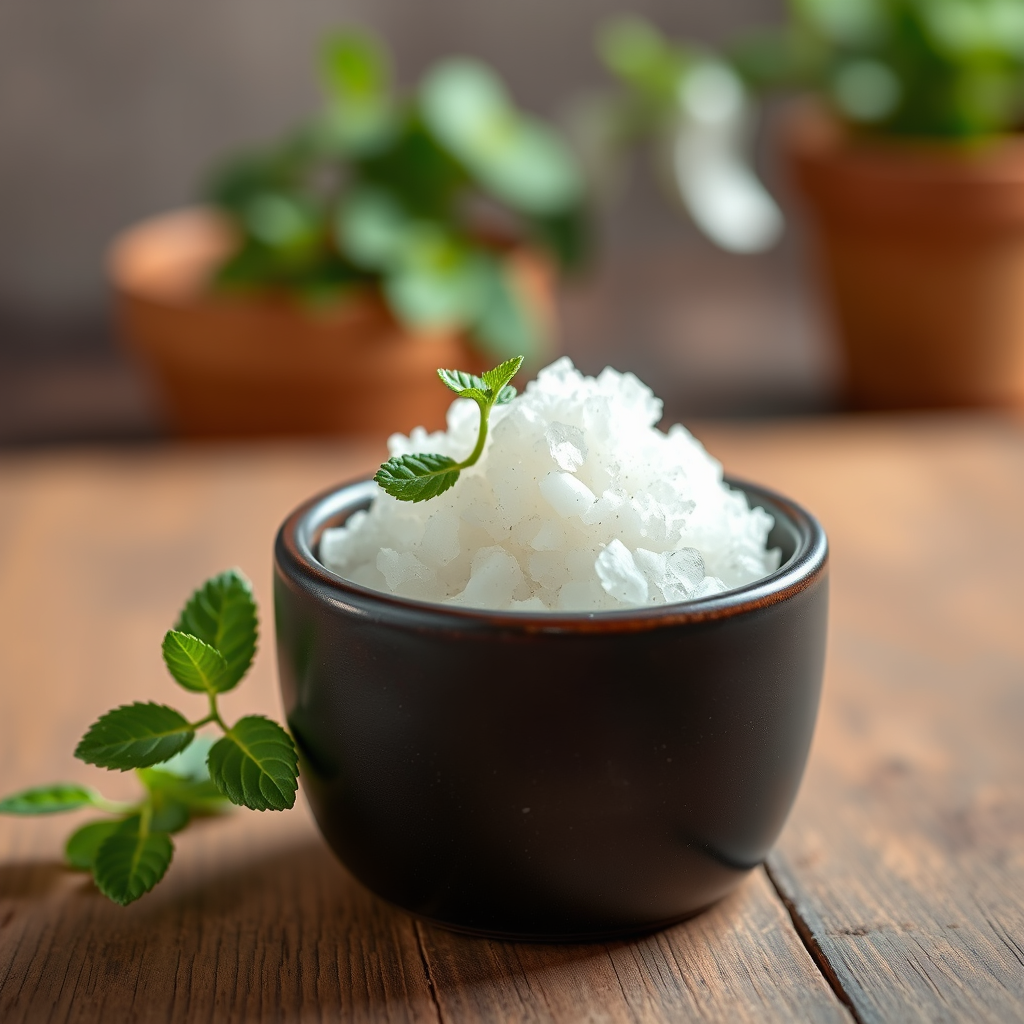
Stevia has firmly established itself as the market leader in natural, zero-calorie sweeteners. It is derived from the leaves of Stevia rebaudiana, a plant native to South America that has been used for centuries to sweeten beverages and make medicine. The primary appeal of stevia lies in its potency; the extract contains steviol glycosides, which can be 200 to 300 times sweeter than standard table sugar. Because it is so concentrated, only a tiny amount is required to achieve the desired level of sweetness, making it an incredibly efficient option for consumers.
For individuals with diabetes, stevia is often the first line of defense against sugar cravings. It is a non-nutritive sweetener, meaning it provides sweetness without contributing calories or carbohydrates to the diet. Clinical studies have consistently shown that pure stevia does not raise blood glucose levels or stimulate an insulin response, making it a safe tool for glycemic control. It is widely available in supermarkets and health food stores in various forms, including liquid drops, concentrated powders, and granulated blends designed to measure cup-for-cup like sugar.
However, stevia is not without its culinary challenges. Depending on the brand and the specific glycosides extracted (such as Rebaudioside A), stevia can exhibit a distinct, slightly bitter aftertaste often described as resembling licorice or metallic notes. This flavor profile can be polarizing for some users. To mitigate this, many manufacturers now offer highly refined versions that isolate the sweetest parts of the leaf. Additionally, using stevia in conjunction with strong flavors—such as citrus, dark chocolate, or coffee—can effectively mask any lingering aftertaste, allowing the sweetness to shine through without the bitterness.
Erythritol: The Best Option for Baking
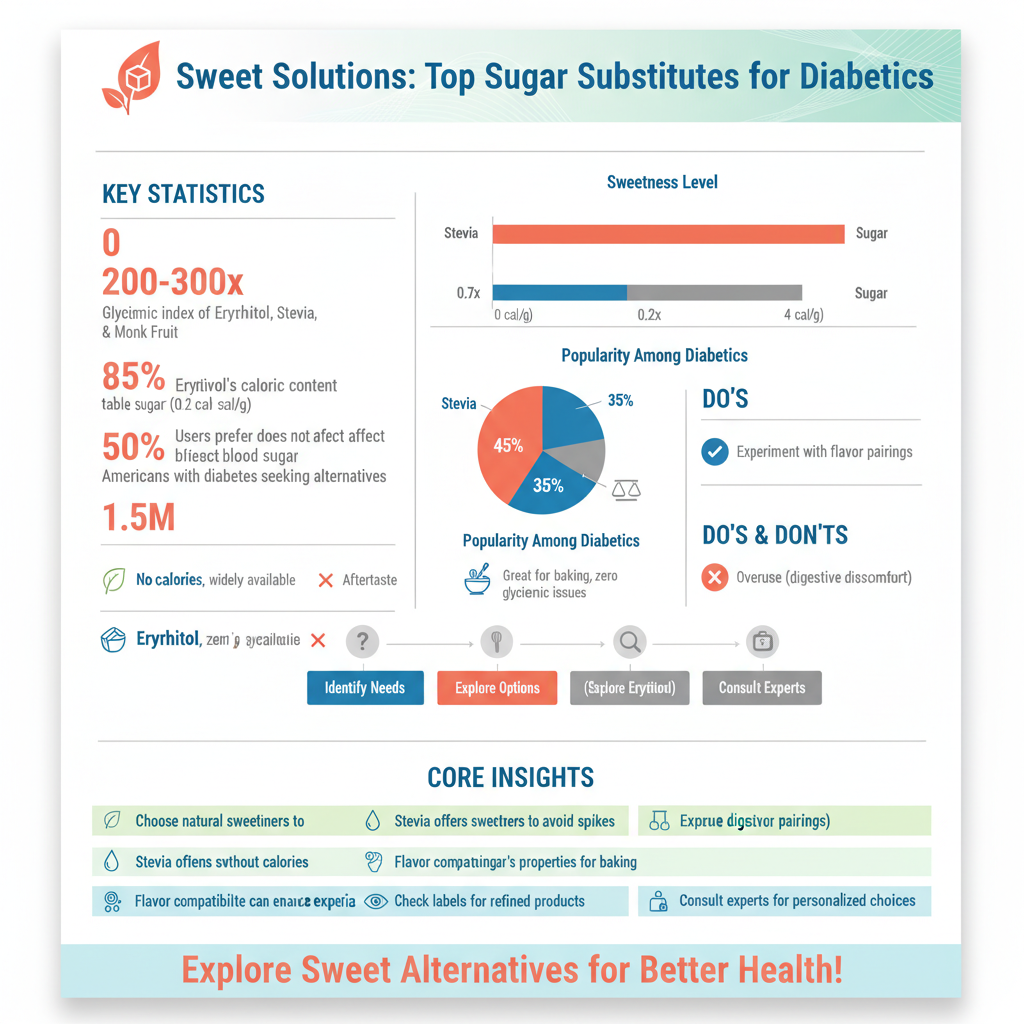
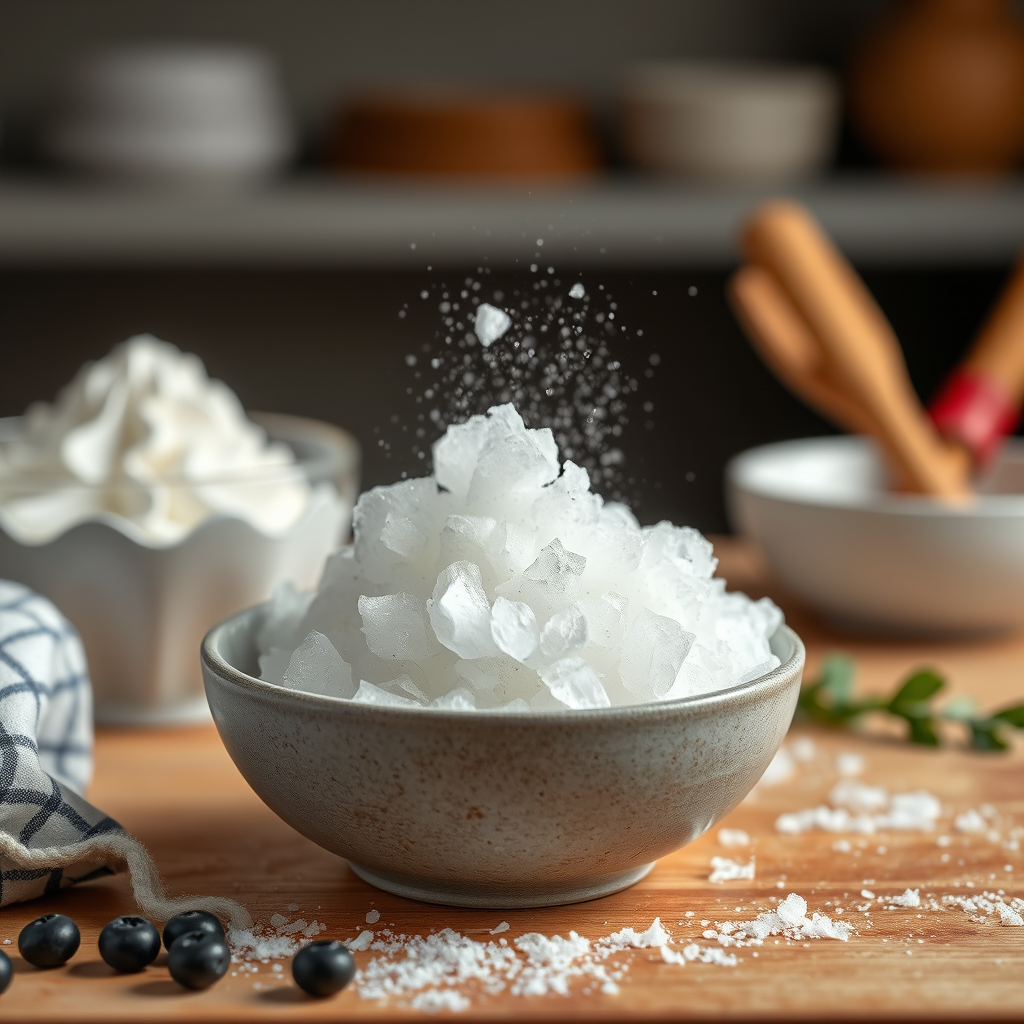
When it comes to replicating the physical properties of sugar in the kitchen, erythritol is frequently cited as the superior choice. Erythritol is a sugar alcohol (polyol) that occurs naturally in certain fruits and fermented foods, though the commercial variety is typically produced via the fermentation of corn starch. Unlike other sugar alcohols, erythritol contains very few calories (approximately 0.24 calories per gram) and has a negligible impact on blood glucose and insulin levels, making it highly suitable for diabetic diets.
Erythritol shines specifically in baking applications. While high-intensity sweeteners like stevia provide sweetness, they lack the bulk and volume that sugar adds to a recipe. Sugar contributes to the structure, texture, and moisture retention of baked goods; removing it entirely often results in flat, dry cakes or cookies. Erythritol is about 70% as sweet as sugar and provides the necessary bulk, allowing diabetics to bake treats that closely resemble their traditional counterparts in texture. Furthermore, erythritol has a unique digestive advantage over other sugar alcohols like xylitol or maltitol. Because the majority of erythritol is absorbed into the bloodstream before reaching the colon, it is far less likely to cause the gas, bloating, and digestive distress often associated with high polyol consumption.
One characteristic unique to erythritol is a sensation known as the “cooling effect.” When dissolved in the mouth, it creates a mild cooling sensation similar to mint, which results from an endothermic reaction. While this can be pleasant in frostings or mint-flavored desserts, it may be undesirable in warm cookies or cakes. To counteract this, experienced low-carb bakers often mix erythritol with other sweeteners. A blend of erythritol and monk fruit or stevia not only balances the sweetness level—bringing it closer to a 1:1 match with sugar—but also helps neutralize the cooling sensation.
Monk Fruit Sweetener: Great Taste Without Calories
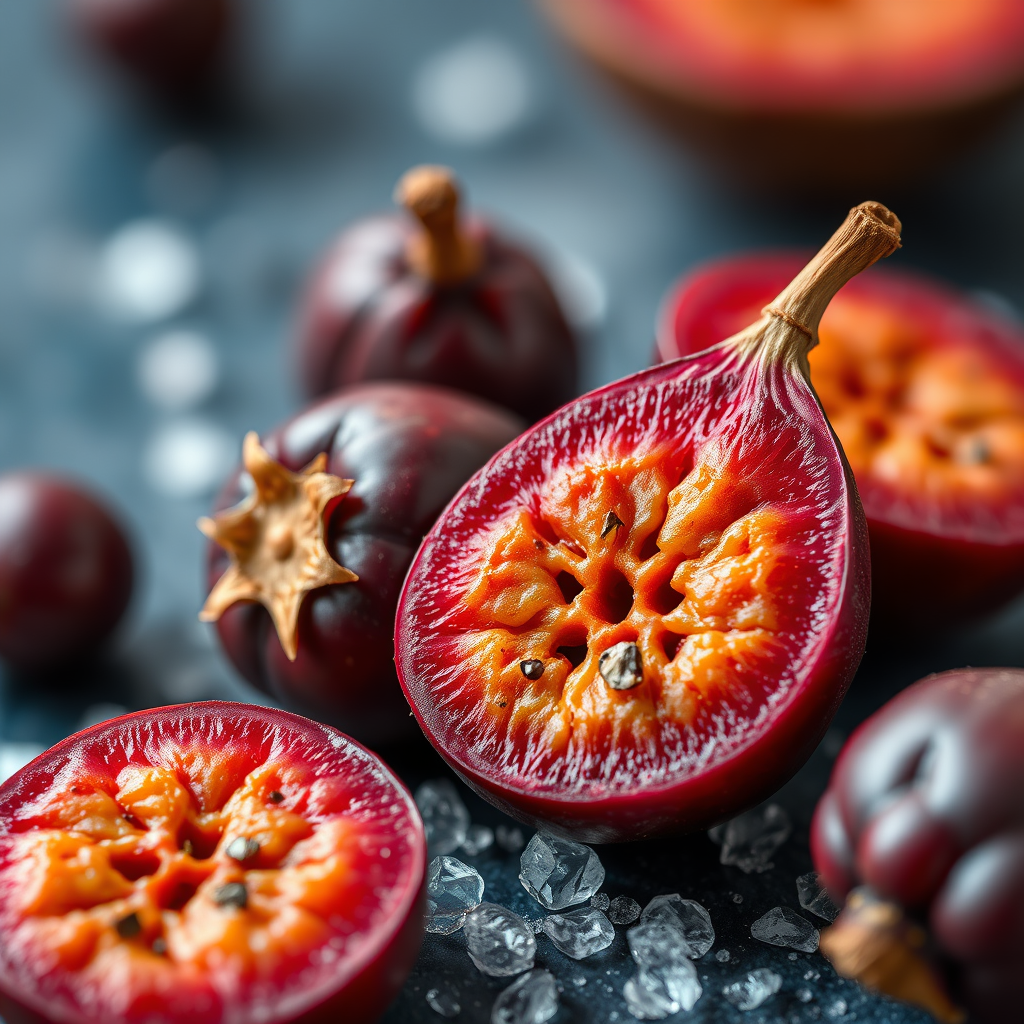
Monk fruit, also known as lo han guo, is gaining rapid popularity as a premium sweetener for those managing blood sugar. Extracts from this small, round melon native to Southeast Asia are approximately 150 to 200 times sweeter than sugar. The sweetness comes not from fructose or glucose, but from antioxidants called mogrosides. Because the body does not metabolize these mogrosides as energy, monk fruit extract is a zero-calorie, zero-carbohydrate sweetener that creates no glycemic response.
The primary advantage of monk fruit over stevia is its flavor profile. Most users find that monk fruit offers a cleaner, more neutral sweetness that lacks the bitter or metallic aftertaste associated with stevia. This makes it an exceptional choice for sweetening tea, coffee, and smoothies, where the integrity of the beverage’s flavor is paramount. It allows diabetics to enjoy sweetened drinks without the “chemical” taste that can accompany some artificial or lower-quality natural sweeteners.
However, consumers should approach monk fruit with a discerning eye regarding cost and labeling. Pure monk fruit extract is expensive to produce and difficult to grow, which is reflected in its high market price. To make products more affordable and easier to measure, many manufacturers blend a small amount of monk fruit extract with a larger amount of erythritol. While this blend is still perfectly safe and healthy for diabetics, it is essential to check the ingredient label to ensure you are not buying a product bulked up with dextrose or maltodextrin, which can spike blood sugar.
Allulose: The Rising Star in Sweeteners
Allulose is a relatively new entrant to the commercial sweetener market, often referred to as a “rare sugar” because it is found naturally in small quantities in foods like figs, raisins, and maple syrup. Chemically, it is a monosaccharide similar to fructose, but its molecular structure prevents the body from metabolizing it in the same way. As a result, allulose tastes and behaves exactly like table sugar but passes through the body mostly unabsorbed, excreted primarily via urine.
For culinary enthusiasts and bakers with diabetes, allulose is a game-changer. Unlike erythritol or stevia, allulose undergoes the Maillard reaction, meaning it browns and caramelizes under heat just like real sugar does. This property makes it superior for specific culinary applications where texture and color matter, such as making caramel sauces, ice cream (where it prevents crystallization), or soft-baked cookies. It creates a soft, moist texture that is difficult to achieve with erythritol alone.
Despite its culinary superiority, allulose does have drawbacks. It is generally more expensive than erythritol and stevia and can be harder to find in standard grocery stores. Additionally, while it has a negligible impact on blood sugar, consuming large quantities can cause mild digestive discomfort in some individuals, similar to sugar alcohols. However, for special occasion baking where the texture is critical, allulose is increasingly becoming the preferred recommendation among keto and diabetic chefs.
“Natural” Sweeteners You Should Actually Avoid
In the quest for healthier eating, many people fall into the trap of the “naturalistic fallacy”—the belief that if a sweetener is natural, it must be healthy for diabetics. This section serves as a critical warning against options like agave nectar, honey, coconut sugar, and maple syrup. Marketing campaigns often highlight these products as “unrefined” or “mineral-rich” alternatives to white sugar, which can be dangerously misleading for someone managing insulin resistance.
Despite their natural origins, these sweeteners are composed primarily of glucose, fructose, and sucrose. For example, honey and agave nectar are calorically dense and very high in carbohydrates. Coconut sugar, often touted for having a slightly lower glycemic index than white sugar, still triggers a significant insulin response. For a diabetic, the metabolic impact of these sweeteners is nearly identical to regular white sugar. They will cause rapid spikes in blood glucose, leading to the same long-term complications associated with high sugar intake. When managing diabetes, the source of the sugar is less important than the carbohydrate load; therefore, these “healthy” sugars should generally be avoided or treated with the same strict limitations as table sugar.
Artificial Sweeteners: Use with Caution
Synthetic sweeteners such as sucralose (Splenda), aspartame (Equal), and saccharin (Sweet’N Low) have been used for decades to manage caloric intake and blood sugar. These high-intensity sweeteners are effectively zero-calorie and do not raise blood sugar levels in the short term, making them a functional tool for weight management and glycemic control. They are widely available, inexpensive, and shelf-stable, which explains their ubiquity in diet sodas and sugar-free processed foods.
However, the medical community’s stance on artificial sweeteners has become more nuanced in recent years. While they are deemed safe for consumption by regulatory bodies, emerging research suggests potential concerns regarding gut health and metabolic regulation. Some studies indicate that heavy consumption of artificial sweeteners may alter the gut microbiome, potentially affecting insulin sensitivity over time. Furthermore, there is debate regarding whether the intense sweetness of these synthetic chemicals may sustain sugar cravings rather than curb them.
Consequently, the professional recommendation is usually one of moderation. While a diet soda or a packet of sucralose is certainly preferable to a sugary soda for a diabetic, prioritizing natural non-nutritive sweeteners like stevia or monk fruit is generally considered a better approach for long-term holistic health.
Finding the right sugar substitute is a key step in managing diabetes without giving up the foods you love. For most people, a blend of stevia and erythritol or pure monk fruit offers the best balance of taste, safety, and blood sugar control. Start by testing small amounts to see which flavor profile you prefer, and remember that everyone’s palate and digestive tolerance is different. Always consult your doctor or dietitian if you plan to make significant changes to your diet to ensure your choices align with your specific medical needs and medication regimen.
Frequently Asked Questions
Which natural sugar substitute is best for diabetics who want to avoid blood sugar spikes?
Monk Fruit and Stevia are widely considered the best natural sugar substitutes for diabetics because they have a zero glycemic index, meaning they do not raise blood glucose or insulin levels. These plant-based sweeteners are significantly sweeter than table sugar, so only a small amount is needed, and they are often blended with Erythritol to mimic the texture of sugar without the calories.
How do I choose the best sweetener for baking diabetic-friendly desserts?
For baking, granulated Erythritol or an Erythritol-Monk Fruit blend is usually the best choice because it provides the necessary bulk and volume that pure liquid sweeteners lack. Unlike pure Stevia, which can leave a bitter aftertaste when heated, these granular blends are heat-stable and measure 1:1 with sugar, making it easier to adapt recipes while keeping carb counts low.
Do artificial sweeteners like Aspartame or Sucralose trigger an insulin response?
Generally, non-nutritive artificial sweeteners like Sucralose (Splenda) and Aspartame pass through the body undigested and do not trigger a significant insulin response in most people. However, diabetics should always check the nutrition label on powdered sweetener packets, as manufacturers often add bulking agents like dextrose or maltodextrin, which are simple carbs that can slightly impact blood sugar levels.
What is the difference between sugar alcohols like Xylitol and Erythritol?
While both are popular sugar alcohols, Erythritol is generally preferred for diabetics because it contains fewer calories per gram and has a negligible effect on blood sugar compared to Xylitol, which has a low but non-zero glycemic index. Additionally, Erythritol is absorbed into the bloodstream and excreted unchanged, causing far less digestive distress or bloating than Xylitol, which ferments in the gut.
Why is agave nectar often not recommended as a sugar substitute for diabetics?
Despite being marketed as “natural,” agave nectar is very high in fructose (up to 90%), which can increase insulin resistance and raise triglyceride levels when consumed in excess. Although it has a lower glycemic index than white sugar, the high fructose content puts stress on the liver, making zero-calorie options like Allulose or Stevia much safer alternatives for metabolic health.
References
- Artificial sweeteners: Any effect on blood sugar? – Mayo Clinic
- https://health.clevelandclinic.org/what-are-the-best-sugar-substitutes/
- Low-Calorie Sweeteners • The Nutrition Source
- https://www.hopkinsmedicine.org/health/wellness-and-prevention/facts-about-sugar-and-sugar-substitutes
- Sugar, sweeteners and diabetes | Diabetes UK
- Aspartame and Other Sweeteners in Food | FDA
- Sugar substitute
- The truth about sweeteners – NHS
- https://u.osu.edu/diabetes/2016/09/06/know-your-sugar-substitutes/
