
The best oatmeal for diabetics is minimally processed steel-cut oats or old-fashioned rolled oats, as they contain high fiber and have a lower glycemic index to help keep blood sugar stable. While oatmeal is generally healthy, people with diabetes should avoid pre-sweetened instant oatmeal packets, which often contain added sugars and refined carbohydrates that cause rapid glucose spikes. If you are living with diabetes, navigating the breakfast aisle can feel like walking through a minefield, but it doesn’t have to be that way. Oatmeal has long been hailed as a heart-healthy superfood, yet there is often confusion about whether it fits into a low-carb or blood-sugar-conscious diet. The good news is that not only can you eat it, but when prepared correctly, it can actually be a powerful ally in your health journey.
Why Oatmeal is Beneficial for Diabetes
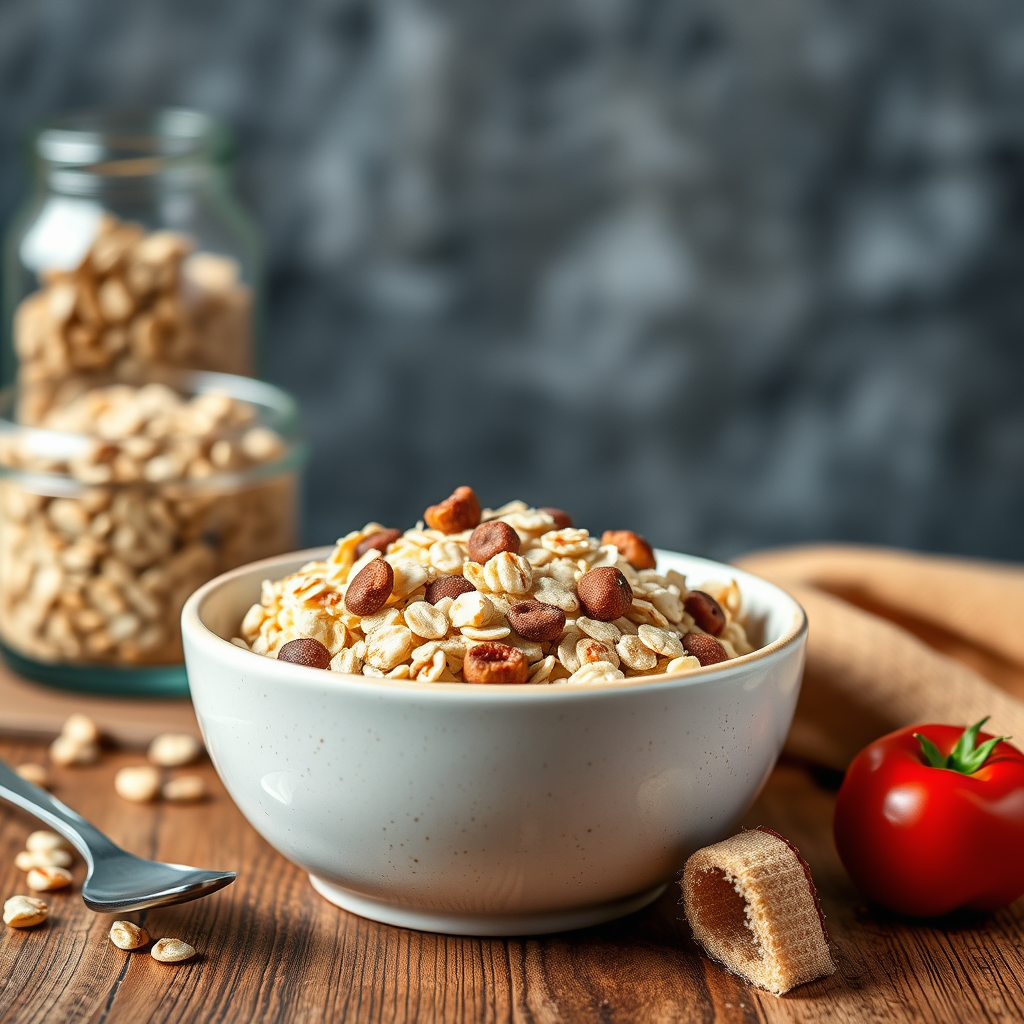
When we talk about diabetes management, we often focus on what we can’t eat. However, oats are a prime example of a carbohydrate that brings massive benefits to the table, specifically due to their unique nutritional profile.
Oatmeal is rich in beta-glucan, a soluble fiber that slows down digestion and glucose absorption.
Beta-glucan is the superstar compound found in oats. Unlike insoluble fiber, which passes through the digestive tract largely intact, soluble fiber dissolves in water to form a thick, gel-like substance in the gut. This “gel” physically slows down the rate at which food moves through your stomach and small intestine. Because digestion is slowed, the carbohydrates in the oats are broken down into glucose at a much more gradual pace. This prevents the rapid sugar rush that you might experience after eating toast or sugary cereals. Instead of a spike, you get a gentle curve, making it much easier to stay within your target range.
Eating oats regularly can help improve insulin sensitivity and lower cholesterol levels.
Diabetes and heart health unfortunately tend to go hand-in-hand, making cholesterol management vital. The same beta-glucan that helps with blood sugar also binds to cholesterol-rich bile acids in the digestive tract, carrying them out of the body rather than letting them be reabsorbed into the bloodstream. Furthermore, research suggests that the magnesium found in oats acts as a co-factor for enzymes that help regulate insulin secretion. Over time, consistent consumption of whole oats can improve how your body responds to insulin, making your management efforts more effective.
The high fiber content promotes satiety, which helps with weight management—a crucial factor in diabetes care.
One of the hardest parts of dietary management is dealing with hunger pangs and cravings. Because high-fiber foods take longer to digest, they send satiety signals to your brain for a longer period after you finish eating. A bowl of steel-cut oats can keep you feeling full for hours, reducing the temptation to snack on high-carb treats mid-morning. maintaining a healthy weight is one of the most effective ways to lower insulin resistance, making the “fullness factor” of oats a strategic advantage.
Ranking the Types of Oats
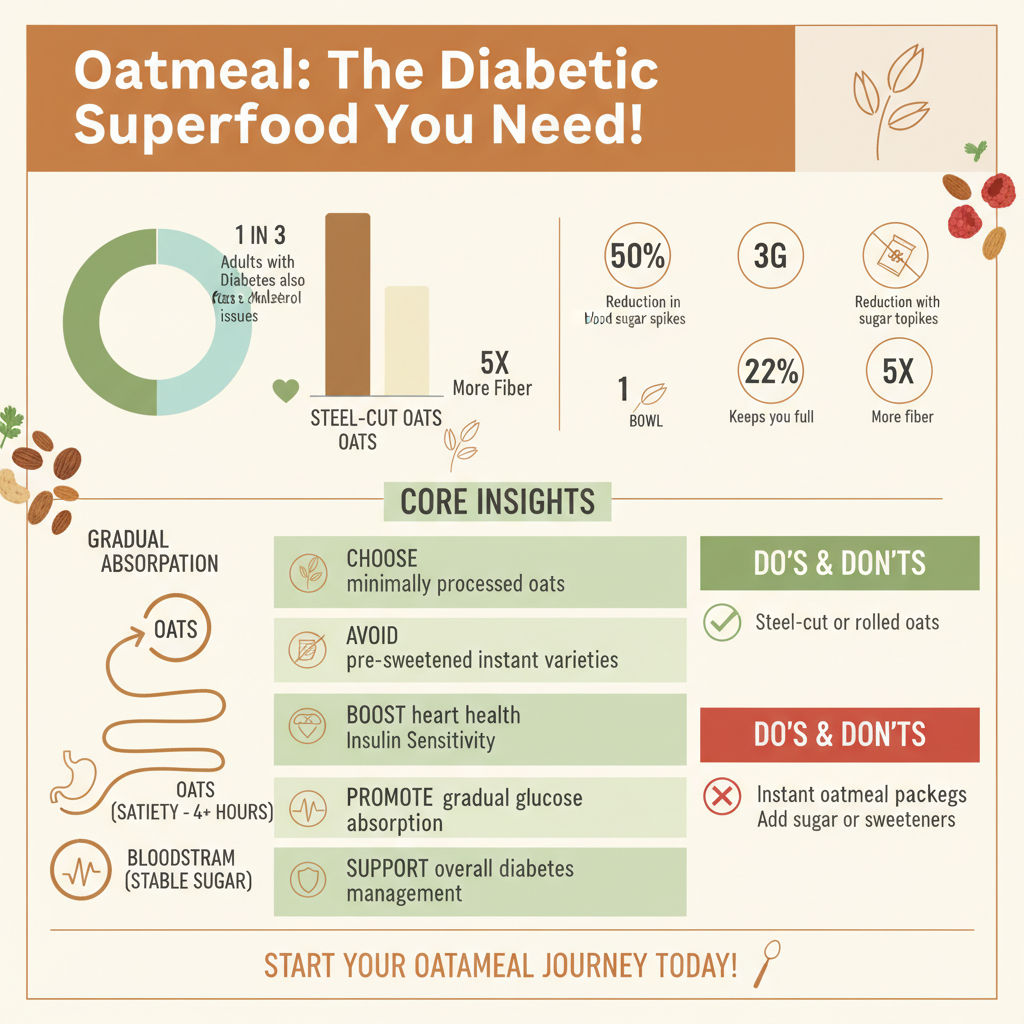
Not all oats are created equal. The difference between a blood sugar spike and a stable morning usually comes down to how the oat kernel (the groat) was processed before it hit the package. Here is how they rank:
* Steel-Cut Oats: These are the gold standard for anyone watching their blood glucose. Also known as Irish or Scotch oats, these are simply whole oat groats that have been chopped into two or three pieces by steel blades. Because they are the least processed, the body has to work harder to break them down. This results in the lowest glycemic index (GI) of all oat varieties. They have a chewy texture and a nutty flavor that many people find more satisfying than softer oats.
* Old-Fashioned (Rolled) Oats: A great alternative that cooks faster than steel-cut but still maintains a moderate GI. These are oat groats that have been steamed and then rolled flat. The steaming process partially cooks the oat, and the rolling increases the surface area, meaning they digest slightly faster than steel-cut oats. However, they still retain their fiber and nutrients. They are incredibly versatile and are the best choice for “overnight oats” or baking.
* Instant Oats: Generally recommended to avoid or limit, as they are highly processed and often digest too quickly. These oats are pre-cooked, dried, and rolled very thin. Often, they are pulverized into smaller pieces. Because the structural integrity of the oat is broken down during manufacturing, your body converts them to sugar very rapidly. Furthermore, instant oats are usually sold in packets loaded with hidden salts, thickeners, and significant amounts of added sugar.
Understanding Glycemic Index and Processing
To master your meal plan, it helps to understand the science of the Glycemic Index (GI), which measures how quickly a food raises blood sugar levels compared to pure glucose.
The more processed the oat, the faster your body breaks it down into sugar.
Think of your digestive system as a fire. Highly processed foods are like dry kindling or paper—they ignite immediately and burn out fast (a sugar spike and crash). Minimally processed foods, like steel-cut oats, are like a dense log—they catch fire slowly and burn consistently for a long time. The physical structure of the oat acts as a barrier to digestion enzymes; the more intact that structure is, the better it is for your blood sugar.
Steel-cut oats have a GI score of around 53, while instant oats can score upwards of 83.
On the GI scale, foods are ranked low (55 or less), medium (56-69), or high (70 and above). Steel-cut oats sit comfortably in the low category, making them a safe carbohydrate choice. In contrast, instant oats often land in the high category, putting them on par with some sugary cereals or white bread. This drastic difference highlights why the type of oat matters just as much as the portion size.
Cooking time affects GI; al dente oats digest slower than mushy, overcooked oats.
This is a pro-tip that many people miss: you can alter the GI of your oatmeal in your own kitchen. The longer you boil oats, the more the starch granules swell and gelatinize, making them easier to digest. To keep the GI lower, aim for a chewy, “al dente” texture rather than cooking them into a completely smooth porridge. If you are using rolled oats, try simply pouring boiling water over them and letting them sit for a few minutes rather than boiling them on the stove; this preserves more of the structure.
Best Toppings to Stabilize Blood Sugar
Eating carbohydrates alone—even “good” ones—can sometimes cause a rise in glucose. The secret to a perfect diabetic-friendly breakfast is “clothing your carbs” with fats and proteins.
Add healthy fats like walnuts, almonds, or chia seeds to further slow down sugar absorption.
Fat takes a long time to digest. When you mix fat with carbohydrates, it acts as a buffer. Walnuts are particularly excellent as they provide Omega-3 fatty acids, which support heart health. Chia seeds and flaxseeds are also fantastic additions; they not only add crunch but swell up in the stomach to increase volume and fullness without adding net carbs. Just a tablespoon of peanut butter or almond butter can transform the glycemic profile of your bowl.
Use protein sources like Greek yogurt or a scoop of protein powder to balance the meal.
Protein is essential for stabilizing blood sugar. Stirring in a dollop of plain, non-fat Greek yogurt adds a creamy texture and a significant protein boost without the added sugars found in flavored yogurts. Alternatively, you can mix a half-scoop of vanilla or unflavored protein powder into your oats (add it after cooking so it doesn’t clump). This combination ensures you aren’t just running on carbs for energy.
Sweeten naturally with fresh berries, which add fiber and antioxidants without spiking glucose.
You don’t have to sacrifice sweetness to stay healthy. Berries—such as blueberries, raspberries, strawberries, and blackberries—are among the lowest-sugar fruits available. They are packed with antioxidants and fiber. Unlike high-sugar fruits like bananas, pineapple, or mango, a handful of berries provides a burst of flavor with a minimal impact on your blood sugar readings. Cinnamon is another “free” flavor booster; some studies even suggest cinnamon may help lower blood sugar levels, making it a perfect partner for oats.
Ingredients to Avoid in Your Bowl
Even the best bowl of steel-cut oats can become a sugar bomb if you aren’t careful with what you mix in. It is easy to turn a healthy breakfast into a dessert if you rely on traditional oatmeal toppings.
Skip brown sugar, maple syrup, honey, and agave nectar, as these are simple sugars.
There is a common misconception that “natural” sweeteners like honey or maple syrup are safer for diabetics than white sugar. Unfortunately, to your body, sugar is sugar. These sweeteners are dense concentrated carbohydrates that will spike your glucose just as fast as table sugar. If you need more sweetness than berries can provide, consider using a non-nutritive sweetener like Stevia, Monk Fruit, or Erythritol, which generally do not affect blood sugar.
Avoid dried fruits like raisins or cranberries, which have a much higher sugar concentration than fresh fruit.
When fruit is dried, the water is removed, concentrating the sugar into a much smaller, stickier package. A small handful of raisins contains significantly more carbohydrates than a bowl of fresh grapes. Furthermore, many dried cranberries and cherries have added sugar coated on them during processing to combat tartness. Stick to fresh or frozen fruit to get the volume and hydration without the concentrated sugar load.
Be wary of flavored plant milks that may contain hidden added sugars.
If you make your oatmeal with almond, soy, or oat milk, flip the carton over and check the nutrition label. Many “Original” or “Vanilla” versions of plant milks contain cane sugar to enhance the taste. Always opt for the varieties explicitly labeled “Unsweetened.” Surprisingly, even oat milk can be tricky; since it is made from grains, it is higher in carbs than almond milk, so factor that into your total carb count for the meal.
Tips for Preparation and Portion Control
Finally, execution is key. Even healthy foods need to be portioned correctly to fit into a diabetes management plan.
Stick to a serving size of roughly ½ cup of dry oats (approx. 1 cup cooked) to manage carbohydrate intake.
Portion distortion is real. A standard serving of oats is usually ½ cup dry, which contains about 27 grams of carbohydrates before fiber is subtracted. If you fill a large soup bowl to the brim, you could easily consume three servings in one sitting, resulting in a heavy carbohydrate load. Measure your dry oats with a scoop until you can eyeball the correct amount accurately.
Cook oats in water or unsweetened almond milk instead of whole milk to reduce calories and carbs.
Cow’s milk contains lactose, a natural milk sugar. One cup of milk adds about 12 grams of carbohydrates to your meal. By cooking your oats in water, you keep the carb count strictly to the oats themselves. If you miss the creaminess of milk, try using a 50/50 split of water and unsweetened almond milk, or add a splash of heavy cream or milk at the very end rather than boiling the oats in it.
Consider “overnight oats” recipes using rolled oats, which can increase the resistant starch content beneficial for gut health.
Overnight oats aren’t just a trendy convenience; they have a scientific benefit. When starchy foods are cooked and then cooled (or soaked raw in liquid), they develop “resistant starch.” This type of starch resists digestion in the small intestine and ferments in the large intestine, feeding good gut bacteria. Because it isn’t fully digested, resistant starch does not spike blood sugar as much as hot, freshly cooked starch. Preparing your rolled oats the night before with chia seeds and almond milk is a fantastic grab-and-go option that is gentle on your glucose levels.
Choosing the right oatmeal can turn a simple breakfast into a powerful tool for managing diabetes. By selecting steel-cut or rolled oats and pairing them with proteins and healthy fats, you can enjoy a comforting meal without compromising your blood sugar goals. Experiment with different low-carb toppings this week to find a combination that keeps you feeling full and energized.
Frequently Asked Questions
Which type of oatmeal is best for managing blood sugar levels?
Steel-cut oats are widely considered the best option for diabetics because they are the least processed form of oat groats. They have a lower glycemic index (GI) compared to rolled or instant oats, which means the body digests them more slowly, preventing rapid spikes in blood glucose. Irish oats or Scotch oats are other common names for this beneficial, high-fiber variety.
Why should diabetics be cautious when eating instant oatmeal packets?
Instant oatmeal is highly processed and pre-cooked, which breaks down the oat structure and allows the body to convert the carbohydrates into sugar very quickly. Additionally, many pre-packaged instant varieties contain significant amounts of added sugar and sodium, which can negatively impact diabetes management. If you need convenience, choose plain instant oats and add your own toppings to control the sugar content.
What are the best low-glycemic toppings to add to oatmeal?
To keep your meal diabetes-friendly, add protein and healthy fats like walnuts, almonds, chia seeds, or a scoop of unsweetened Greek yogurt to help slow down digestion. For natural sweetness without a major insulin spike, use low-sugar fruits like blueberries or strawberries, and season generously with cinnamon, which may help improve insulin sensitivity.
How does the soluble fiber in oatmeal help with diabetes control?
Oats are rich in a specific type of soluble fiber called beta-glucan, which forms a gel-like substance in the gut that slows down the absorption of glucose into the bloodstream. This process helps regulate blood sugar levels after meals and improves overall long-term glycemic control. Regular consumption of this fiber can also aid in lowering cholesterol, offering dual heart-health benefits for those with diabetes.
Can I eat overnight oats if I have Type 2 diabetes?
Yes, overnight oats are an excellent choice for diabetics, especially when made with rolled or steel-cut oats rather than quick oats. The soaking process breaks down starches differently than cooking, which can potentially lead to a lower glycemic impact due to the formation of resistant starch. Just ensure you use a low-carb liquid base like unsweetened almond milk and avoid adding sugary sweeteners like maple syrup or honey.
References
- Oats • The Nutrition Source
- https://www.ncbi.nlm.nih.gov/pmc/articles/PMC4690088/
- https://health.clevelandclinic.org/is-oatmeal-good-for-you
- https://www.diabetes.org.uk/guide-to-diabetes/enjoy-food/carbohydrates-and-diabetes/wholegrains
- Diabetes diet: Create your healthy-eating plan – Mayo Clinic
- Not Found | American Heart Association | American Heart Association
- https://www.umassmed.edu/nutrition/blog/blog-posts/2020/1/oatmeal-for-diabetes/
- https://www.health.harvard.edu/nutrition/why-oatmeal-is-a-good-breakfast-choice
