
While there is no single “best” medication for everyone, Metformin is widely considered the first-line treatment for most people with type 2 diabetes due to its proven effectiveness, safety, and affordability. However, for patients who need additional support with weight loss or have cardiovascular concerns, newer classes of drugs like GLP-1 receptor agonists and SGLT2 inhibitors are increasingly prescribed as top-tier alternatives or add-ons. The right choice ultimately depends on your specific health profile, budget, and treatment goals. Understanding the pharmacological landscape is essential for patients and caregivers alike to make informed decisions in collaboration with healthcare providers.
Metformin: The Gold Standard

For decades, Metformin has maintained its position as the foundational therapy for type 2 diabetes management in clinical guidelines worldwide, including those from the American Diabetes Association (ADA) and the European Association for the Study of Diabetes (EASD). Its primary mechanism of action involves lowering glucose production in the liver (gluconeogenesis) and improving the body’s sensitivity to insulin so that muscle tissue can use glucose more effectively. Unlike many other diabetes medications that stimulate insulin secretion, Metformin works by optimizing the body’s natural response to insulin.
The clinical benefits of Metformin extend beyond simple blood sugar control. It is renowned for its high efficacy in lowering A1C levels—typically by 1.0% to 1.5%—without the associated risk of hypoglycemia (dangerously low blood sugar) that is common with older medications. Furthermore, Metformin is weight-neutral, meaning it does not cause weight gain, and in some studies, it has been associated with modest weight loss. Economically, it is one of the most cost-effective treatments available, making it accessible to a vast demographic of patients regardless of insurance status.
Despite its gold-standard status, Metformin is not without side effects. The most frequently reported adverse events are gastrointestinal, including nausea, bloating, diarrhea, and abdominal discomfort. These issues are often dose-dependent and tend to subside over time. To manage these side effects, clinicians typically recommend starting with a low dose and gradually titrating up. Additionally, taking the medication with meals or switching to an extended-release (ER) formulation can significantly mitigate gastrointestinal distress, allowing patients to maintain long-term adherence to the therapy.
GLP-1 Receptor Agonists (Injectables and Oral)
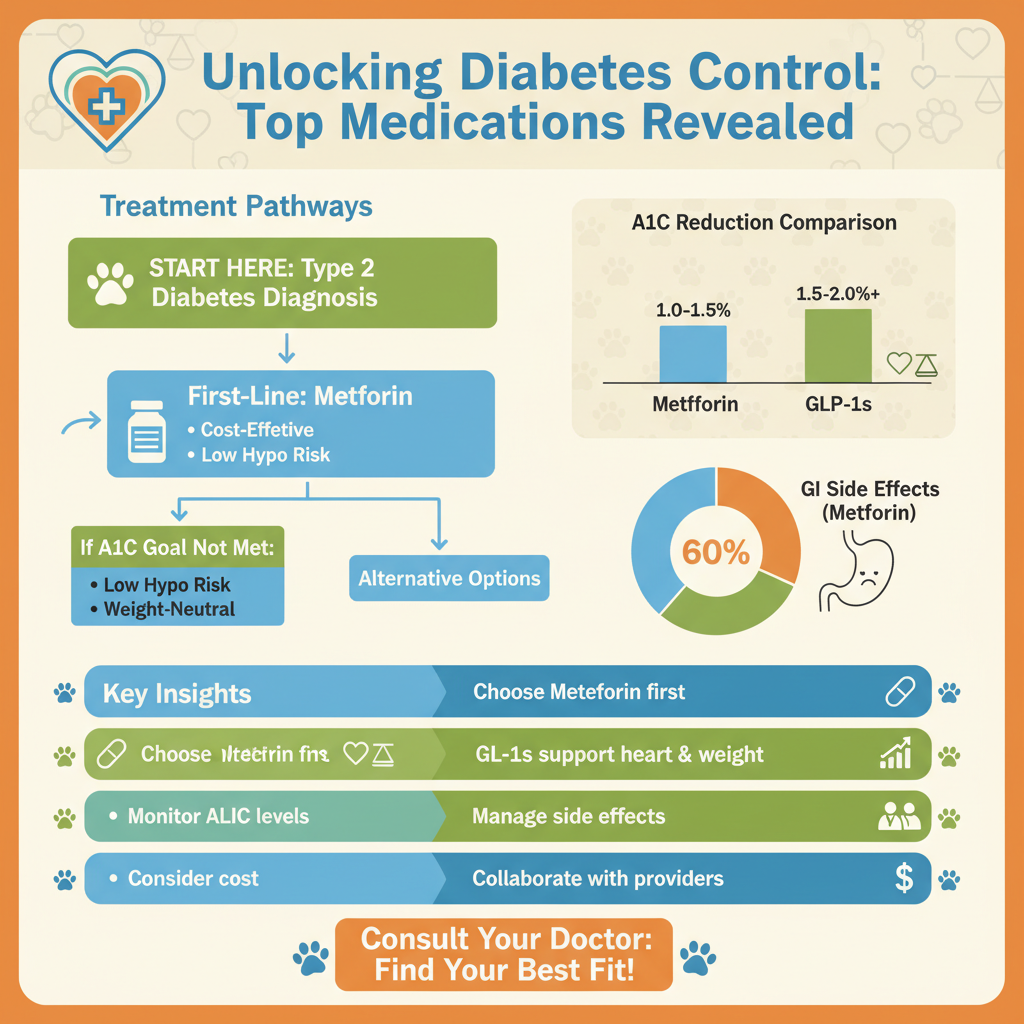

In recent years, Glucagon-Like Peptide-1 (GLP-1) receptor agonists have revolutionized diabetes care, emerging as a powerful option for patients who require more than just glycemic control. Prominent brand names in this class include Ozempic (semaglutide), Trulicity (dulaglutide), and Rybelsus (oral semaglutide). These medications are designed to mimic the action of the endogenous GLP-1 hormone, which is naturally released in the gut in response to food intake.
The mechanism of action for GLP-1 receptor agonists is multi-faceted. They stimulate the pancreas to release insulin only when blood sugar levels are high, significantly reducing the risk of hypoglycemia. Simultaneously, they suppress the release of glucagon (a hormone that raises blood sugar) and slow down gastric emptying. This slowing of digestion keeps patients feeling fuller for longer periods, which leads to the most distinct secondary benefit of this class: substantial weight loss. For many patients with type 2 diabetes, treating obesity is as critical as managing blood sugar, and GLP-1s address both comorbidities simultaneously.
Beyond weight management, this class of drugs offers profound cardiovascular protection. Clinical trials have demonstrated that specific GLP-1 receptor agonists can significantly reduce the risk of major adverse cardiovascular events (MACE), including heart attack and stroke, in individuals with established heart disease. Consequently, for patients with type 2 diabetes who also have atherosclerotic cardiovascular disease, these medications are often recommended regardless of baseline A1C levels.
SGLT2 Inhibitors: Protecting the Kidneys and Heart

Sodium-Glucose Cotransporter-2 (SGLT2) inhibitors represent a paradigm shift in diabetes management by targeting the kidneys rather than the pancreas or liver. Leading medications in this class include Jardiance (empagliflozin) and Farxiga (dapagliflozin). Under normal circumstances, the kidneys filter glucose from the blood and reabsorb it back into circulation. SGLT2 inhibitors block this reabsorption process, prompting the kidneys to expel excess glucose through urine.
This mechanism of “glucuresis” provides unique advantages that extend well beyond glycemic control. SGLT2 inhibitors have been proven to reduce the risk of hospitalization for heart failure and slow the progression of chronic kidney disease (CKD). As a result, current guidelines prioritize these agents for patients with heart failure (specifically those with reduced ejection fraction) or diabetic kidney disease. The ability to lower blood pressure and induce mild weight loss (via calorie loss in urine) further contributes to their cardioprotective profile.
However, because these drugs increase the glucose content in the urinary tract, they do create a specific side effect profile that patients must monitor. The most common issues are genital yeast infections and urinary tract infections (UTIs). There is also a diuretic effect, which can lead to dehydration and hypotension (low blood pressure) if not managed with adequate fluid intake. While rare, a serious condition called euglycemic diabetic ketoacidosis (DKA) can occur, so patients are advised to seek medical attention if they experience symptoms like nausea, vomiting, or difficulty breathing.
DPP-4 Inhibitors
Dipeptidyl Peptidase-4 (DPP-4) inhibitors, such as Januvia (sitagliptin) and Tradjenta (linagliptin), offer a reliable, well-tolerated oral option for glucose management. These drugs work by blocking the enzyme DPP-4, which normally breaks down incretin hormones like GLP-1. By inhibiting this enzyme, the medication prolongs the activity of the body’s natural incretins, helping to regulate insulin levels specifically after meals.
The primary market position for DPP-4 inhibitors is defined by their safety profile and tolerability. Unlike sulfonylureas, they do not cause hypoglycemia, and unlike some other oral agents, they are weight-neutral. They rarely cause gastrointestinal distress, making them an excellent choice for older adults, patients with frail health, or those who cannot tolerate the side effects of Metformin or GLP-1 agonists.
While they are effective at lowering A1C, they are generally considered less potent than GLP-1 agonists or SGLT2 inhibitors. Furthermore, they do not confer the same magnitude of cardiovascular or weight-loss benefits as the newer classes. Therefore, they are often utilized as add-on therapies or for patients where safety and ease of use are the priority over aggressive weight management or cardiovascular risk reduction.
Sulfonylureas and Meglitinides
Before the advent of newer drug classes, Sulfonylureas (such as glipizide, glimepiride, and glyburide) and Meglitinides (such as repaglinide) were the mainstays of oral diabetes treatment. These medications function as “secretagogues,” meaning they directly stimulate the beta cells in the pancreas to release more insulin, regardless of the current blood sugar level.
The primary advantages of sulfonylureas are their high efficacy in rapidly lowering blood sugar and their extremely low cost. For patients without insurance coverage or those in resource-limited settings, these medications remain a vital tool for preventing hyperglycemia. Meglitinides work similarly but have a faster onset and shorter duration of action, making them useful for targeting post-meal blood sugar spikes.
However, the mechanism of squeezing the pancreas to release insulin comes with notable downsides. The most significant risk is hypoglycemia; because these drugs boost insulin production even when blood sugar is normal, skipping a meal or exercising heavily can lead to dangerous drops in glucose. Additionally, these medications typically cause weight gain, which can be counterproductive for type 2 diabetes management. Clinicians generally prescribe these agents when cost is a major factor or when other medications are contraindicated, but they are slowly being phased out of “first-line” recommendations in favor of safer alternatives.
Insulin Therapy
Insulin therapy is often viewed with trepidation by patients, who may interpret it as a sign of “failure” to manage their condition. In reality, type 2 diabetes is a progressive disease, and over time, the pancreas may naturally produce less insulin. For many, insulin is simply the most effective tool to achieve immediate and robust blood sugar control, particularly when A1C levels are very high (above 10%) or when symptoms of hyperglycemia are severe.
Modern insulin therapy is categorized mainly by how quickly and how long it works. Basal insulin (long-acting), such as Lantus or Tresiba, provides a steady stream of insulin to control blood sugar levels between meals and overnight. Prandial insulin (rapid-acting), such as Humalog or Novolog, is taken before meals to handle the spike in glucose from food. Many patients start with just basal insulin combined with oral medications before progressing to mealtime injections if necessary.
Technological advancements have also dispelled many myths regarding the difficulty of insulin use. The days of vials and large syringes are largely gone; most patients now use discreet, pre-filled insulin pens with ultra-fine needles that cause minimal discomfort. Furthermore, the integration of Continuous Glucose Monitors (CGMs) and insulin pumps has made dosing more precise and less intrusive, allowing patients to maintain tight control over their levels with greater flexibility in their daily lives.
Managing type 2 diabetes is a highly personalized journey, and while Metformin remains the standard starting point, the “best” medication is the one that fits your unique medical history and lifestyle. Newer medications offer exciting benefits beyond just blood sugar control, particularly for weight management and heart health, shifting the focus from simple glucose lowering to comprehensive metabolic protection. Always consult your healthcare provider to review your A1C levels, discuss comorbidities, and determine which medication combination will help you live the healthiest life possible.
Frequently Asked Questions
What is the number one recommended medication for type 2 diabetes?
Metformin is widely considered the first-line therapy and “gold standard” for most newly diagnosed patients because it is highly effective, affordable, and has a strong safety profile. It works by reducing the amount of sugar your liver releases and improving your body’s sensitivity to insulin without causing weight gain. However, if a patient has specific heart or kidney conditions, a doctor may prioritize newer drug classes like SGLT2 inhibitors or GLP-1 agonists.
Which type 2 diabetes medications are best for weight loss?
GLP-1 receptor agonists, such as semaglutide (Ozempic) and tirzepatide (Mounjaro), are currently regarded as the most effective medications for lowering blood sugar while simultaneously promoting significant weight loss. These injectable drugs mimic natural hormones to slow digestion and curb appetite, making them a dual-purpose solution for patients struggling with obesity. While highly effective, these medications are prescription-only and require consultation with a healthcare provider regarding potential gastrointestinal side effects.
What is the safest diabetes medication with the fewest side effects?
Metformin and SGLT2 inhibitors (like Jardiance or Farxiga) are generally considered among the safest options because they carry a very low risk of causing hypoglycemia (dangerously low blood sugar). Unlike older medications such as sulfonylureas, these modern treatments regulate glucose levels without overstimulating insulin production. Additionally, SGLT2 inhibitors offer protective benefits for the heart and kidneys, making them a safe choice for patients with cardiovascular concerns.
Are there effective oral medications for type 2 diabetes other than Metformin?
Yes, there are several powerful oral alternatives for patients who cannot tolerate Metformin or prefer to avoid injections, including SGLT2 inhibitors and DPP-4 inhibitors (like Januvia). Furthermore, Rybelsus is a newer option that provides the benefits of a GLP-1 agonist in a daily pill form rather than a weekly shot. These oral options allow patients to manage their A1C levels effectively without the stress of needles.
How do doctors determine the best medication combination for type 2 diabetes?
Physicians select the best medication regimen by evaluating a patient’s A1C goals, current weight, and the presence of comorbidities like heart failure or kidney disease. For example, the American Diabetes Association recommends adding an SGLT2 inhibitor or GLP-1 agonist to Metformin if the patient has a high risk of cardiovascular events. This personalized approach ensures the treatment not only lowers blood sugar but also addresses the patient’s broader long-term health needs.
References
- Type 2 diabetes – Diagnosis and treatment – Mayo Clinic
- Insulin, Medicines, & Other Diabetes Treatments – NIDDK
- https://www.nhs.uk/conditions/type-2-diabetes/medicines/
- What Are My Options for Type 2 Diabetes Medications? | ADA
- https://my.clevelandclinic.org/health/treatments/13901-diabetes-medicines
- https://www.hopkinsmedicine.org/health/conditions-and-diseases/diabetes/medicines-for-diabetes
- https://www.fda.gov/consumers/consumer-updates/diabetes-medicines
- Type 2 diabetes – self-care: MedlinePlus Medical Encyclopedia
