
The best foods for diabetics are whole, unprocessed options that have a low glycemic index, specifically leafy green vegetables, fatty fish, fiber-rich beans, nuts, and whole grains. Prioritizing these nutrient-dense foods helps stabilize blood glucose levels, reduces inflammation, and lowers the risk of heart disease, which is a common complication of diabetes. By filling your plate with complex carbohydrates and lean proteins rather than refined sugars, you can effectively manage your condition. For individuals navigating life with type 1 or type 2 diabetes, the correlation between dietary intake and glycemic control is immediate and profound. Unlike standard dietary advice that focuses broadly on calorie reduction, a diabetic-friendly diet requires a strategic approach to carbohydrate metabolism and insulin sensitivity. The goal is not merely to eliminate sugar but to construct a nutritional framework that supports consistent energy levels, minimizes oxidative stress, and preserves long-term cardiovascular health.
Leafy Green Vegetables

Leafy green vegetables represent the cornerstone of a diabetic-friendly diet due to their exceptional nutrient density and minimal impact on blood glucose. Varieties such as spinach, kale, Swiss chard, and collard greens are classified as non-starchy vegetables. They are extremely low in calories and digestible carbohydrates, meaning they can be consumed in generous portions without causing significant fluctuations in blood sugar levels. For a patient monitoring their glucose intake, these vegetables provide bulk and satiety, effectively curbing hunger without the glycemic load associated with starchy sides like potatoes or corn.
Beyond their low carbohydrate profile, leafy greens are micronutrient powerhouses. They are rich in Vitamin C, magnesium, and Vitamin K, alongside adequate amounts of potassium. Vitamin C, in particular, acts as a potent antioxidant. Chronic high blood sugar can lead to an increase in free radicals, causing oxidative stress and inflammation throughout the body. The high concentration of antioxidants found in dark leafy greens helps neutralize these free radicals, thereby reducing inflammatory markers and potentially lowering fasting blood sugar levels over time. Furthermore, leafy greens contain lutein and zeaxanthin, antioxidants that are vital for preserving eye health—a critical consideration given that diabetes is a leading cause of vision complications such as macular degeneration and cataracts.
Fatty Fish Rich in Omega-3s
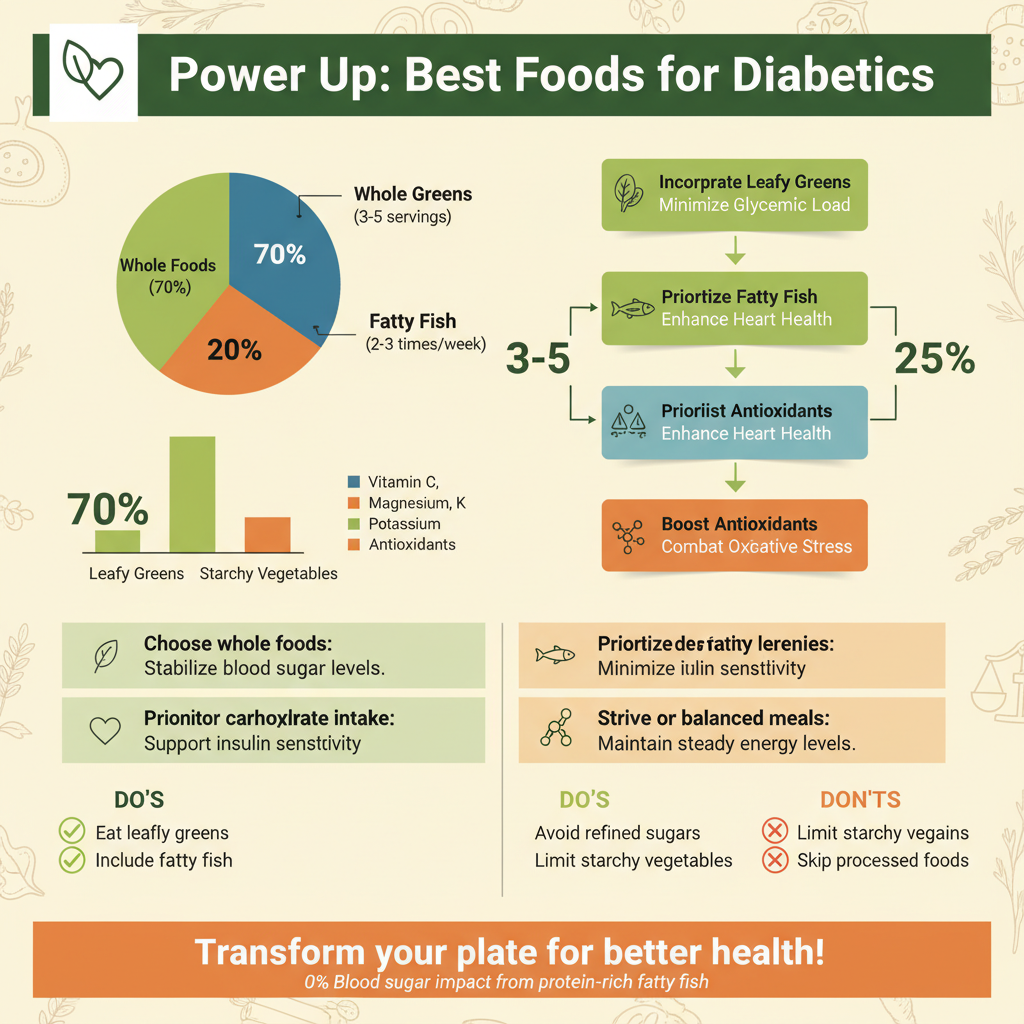

Protein is a vital macronutrient for blood sugar management because it does not impact blood glucose levels and helps induce satiety. However, not all protein sources offer equal benefits. Fatty fish—including salmon, sardines, herring, anchovies, and mackerel—are widely regarded as some of the healthiest foods on the planet for diabetics. It is highly recommended to incorporate these fish into your diet at least twice a week to benefit from essential omega-3 fatty acids, specifically DHA (docosahexaenoic acid) and EPA (eicosapentaenoic acid). Unlike saturated fats found in red meats, which can exacerbate inflammation and insulin resistance, the polyunsaturated fats in fish improve cellular health.
The significance of omega-3s extends beyond blood sugar control to cardiovascular protection. People with diabetes have a statistically higher risk of developing heart disease and experiencing strokes compared to the general population. The fatty acids found in these fish help reduce triglycerides, lower blood pressure, and improve the elasticity of arteries. By protecting blood vessels and reducing arterial inflammation, fatty fish directly combat the vascular complications often associated with prolonged diabetes. For those preparing these foods, opting for broiled, baked, or poached methods is preferable to deep-frying, which adds unnecessary calories and unhealthy fats that could negate the cardiovascular benefits.
Beans and Legumes
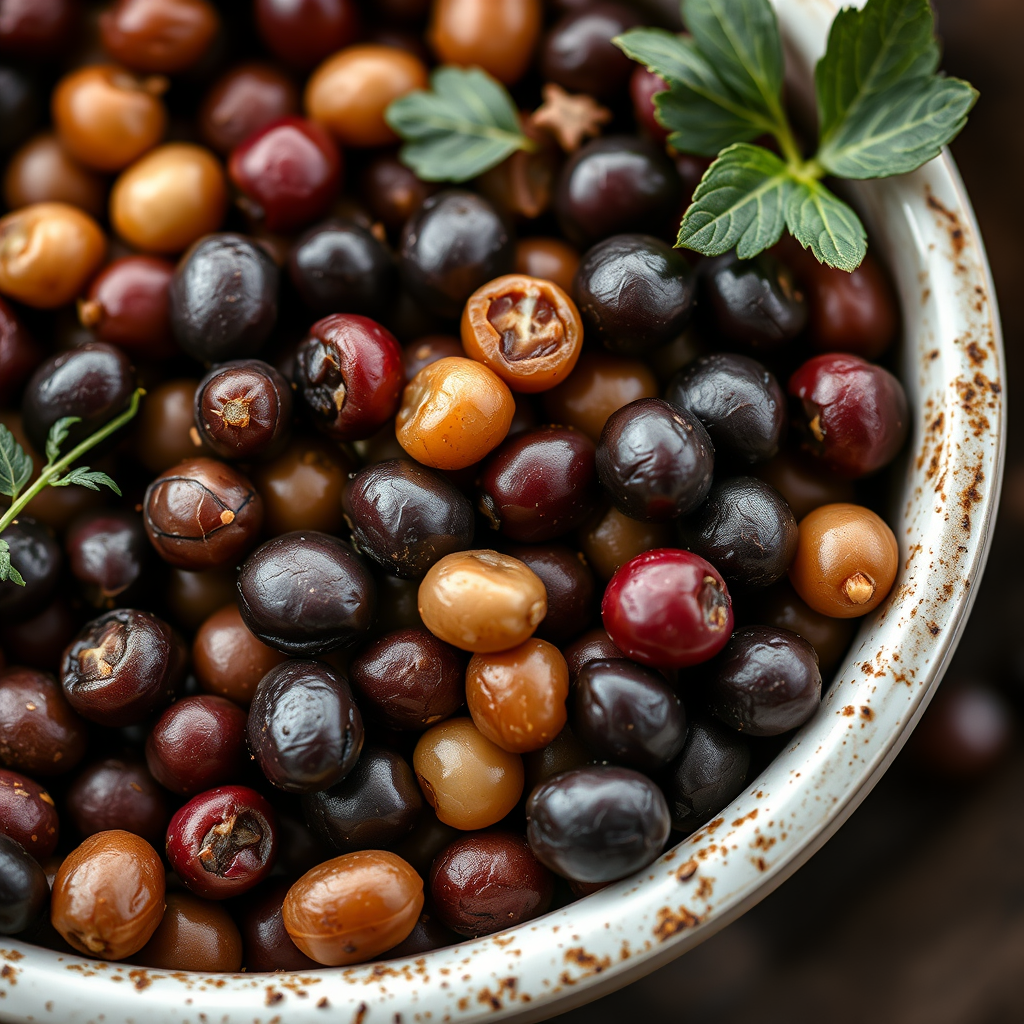
Beans and legumes are often misunderstood in diabetic diets due to their carbohydrate content; however, they are among the most beneficial foods for long-term glucose management. Beans, lentils, chickpeas, and kidney beans serve as excellent sources of plant-based protein and are exceptionally high in soluble fiber. This high fiber content significantly lowers the glycemic index (GI) of these foods. Unlike processed starches that are rapidly converted into glucose, legumes require substantial digestive effort. This results in a slow, sustained release of energy rather than a sharp spike in blood sugar.
The complex carbohydrates in legumes are digested slowly, preventing rapid blood sugar spikes after meals—a phenomenon known as blunting the glycemic response. Furthermore, regular consumption of beans has been linked to the “second meal effect,” where eating legumes at one meal can actually improve blood sugar tolerance at the subsequent meal. This makes them a strategic dietary tool for maintaining euglycemia (normal blood sugar concentrations) throughout the day. Additionally, beans are rich in B vitamins, beneficial minerals like magnesium and potassium, and contain no saturated fat, making them a heart-healthy alternative to fatty meats.
Nuts and Healthy Fats
Snacking can be a perilous territory for diabetics, as many convenient snack foods are laden with refined carbs and preservatives. Replacing pretzels or crackers with nuts and seeds is a powerful dietary modification. Snacking on walnuts, almonds, flaxseeds, chia seeds, or consuming avocados adds essential fiber and healthy monounsaturated fats to your diet. These fats are distinct from carbohydrates in that they require little to no insulin to be metabolized. Consequently, they provide a steady source of fuel without disrupting glucose stability.
Research indicates that consuming healthy fats can help lower insulin levels and improve blood sugar management compared to high-carbohydrate snacks. For instance, almonds have been shown to limit the glycemic impact of the meal they are consumed with, while walnuts contain Alpha-lipoic acid (ALA), a type of omega-3 that aids in reducing inflammation. Avocados are unique among fruits as they have less than one gram of sugar and are rich in fats that improve insulin sensitivity. However, it is important to approach nuts with a mindset of moderation; while they are metabolically healthy, they are calorie-dense. A small handful is usually sufficient to gain the benefits without introducing an excess caloric surplus that could lead to weight gain.
Berries and Low-Glycemic Fruits
Many individuals newly diagnosed with diabetes fear they must eliminate fruit entirely due to its natural sugar content (fructose). However, complete elimination is rarely necessary; the key lies in selection. Berries—such as blueberries, strawberries, raspberries, and blackberries—are the superior choice. You should choose these to satisfy sweet cravings without the massive sugar load found in high-glycemic fruits like melons, pineapples, or overripe bananas. Berries have a low glycemic load, meaning the typical serving size contains a relatively low amount of carbohydrates that are absorbed slowly.
The secret to berries’ efficacy lies in their composition. They are loaded with antioxidants—specifically anthocyanins, which give them their red and blue hues—and high levels of fiber. This fiber acts as a physical barrier in the digestive system, slowing down the absorption of glucose into the bloodstream and preventing insulin spikes. Anthocyanins have also been shown to inhibit certain digestive enzymes, further tempering the rise in blood sugar after eating. Whether fresh or frozen, berries offer a way to enjoy sweetness and texture in a diet that can sometimes feel restrictive, providing a psychological boost alongside physiological benefits.
Whole Grains in Moderation
Carbohydrates are the macronutrient with the greatest impact on blood sugar, but the quality of the carbohydrate is paramount. The recommendation for diabetics is to swap refined white bread, pasta, and white rice for whole grains like quinoa, brown rice, barley, and oats. Refined grains have been stripped of their nutritional value during processing, leaving only the starchy endosperm which converts rapidly to glucose. In contrast, whole grains retain the entire grain kernel—the bran, germ, and endosperm.
These whole grains contain the bran and germ, providing essential fiber that helps regulate blood sugar response better than processed grains. For example, oats contain beta-glucan, a soluble fiber that forms a thick gel in the gut, delaying stomach emptying and glucose absorption. However, “moderation” is the operative word in this section. Even whole grains can raise blood sugar if consumed in large quantities. The objective is to use whole grains as a minor component of the meal—perhaps one-quarter of the plate—rather than the main event. By combining a modest portion of whole grains with lean proteins and healthy fats, the overall glycemic impact of the meal is significantly reduced.
Managing diabetes successfully relies heavily on choosing foods that keep blood sugar levels stable while providing essential nutrition. It is not about adhering to a temporary diet, but rather adopting a permanent lifestyle change that prioritizes metabolic health. By incorporating more leafy greens, fatty fish, fiber-rich legumes, and healthy fats into your daily routine, you can take control of your health and reduce the risk of complications such as neuropathy, retinopathy, and cardiovascular disease. Start by making one simple swap today, such as replacing a processed side dish with a green salad, and consult with a dietitian to tailor these choices to your specific needs. Small, consistent dietary improvements can lead to profound long-term results in your A1C levels and overall vitality.
Frequently Asked Questions
Which fruits are safe for diabetics to eat to avoid blood sugar spikes?
The best fruits for diabetics are those with a low glycemic index (GI), such as berries, cherries, plums, and apples with the skin on. These options are rich in fiber and antioxidants, which help slow down the absorption of sugar into the bloodstream. It is generally recommended to avoid fruit juices and dried fruits, as these contain concentrated sugars that can cause rapid glucose spikes.
What are the best superfoods to help control Type 2 diabetes?
Nutrient-dense superfoods for diabetes management include fatty fish like salmon (rich in omega-3s), leafy green vegetables like spinach and kale, and nuts such as walnuts. These foods reduce inflammation and improve heart health, which is crucial since diabetics are at higher risk for cardiovascular issues. Additionally, incorporating beans and legumes provides high-quality plant protein and fiber to keep blood sugar levels stable.
How do complex carbohydrates differ from simple carbs in a diabetic diet?
Complex carbohydrates, found in whole grains like quinoa, brown rice, and oats, take longer for the body to digest, resulting in a gradual release of energy rather than a sudden sugar crash. In contrast, simple carbs found in white bread and sugary snacks digest quickly, causing immediate blood glucose spikes. Focusing on complex carbs allows for better long-term glycemic control and sustained energy throughout the day.
What are some healthy, low-carb breakfast ideas for diabetics?
An optimal diabetic breakfast should focus on high protein and healthy fats rather than sugary cereals or pastries. Excellent options include scrambled eggs with vegetables, Greek yogurt with a handful of berries, or chia seed pudding. Starting the day with a balanced, low-carb meal helps prevent the “dawn phenomenon” and keeps blood sugar stable until lunch.
Why is fiber so important when choosing the best foods for diabetes?
Fiber is essential for diabetics because the body cannot digest it, meaning it does not raise blood sugar levels like other carbohydrates do. High-fiber foods, such as lentils, broccoli, and whole grains, actually slow down digestion and sugar absorption, helping to manage glucose levels effectively. A diet high in soluble fiber also aids in lowering cholesterol and managing weight, addressing two common comorbidities of diabetes.
References
- Healthy Living with Diabetes – NIDDK
- Diabetes diet: Create your healthy-eating plan – Mayo Clinic
- https://www.cdc.gov/diabetes/managing/eat-well.html
- Nutrition and Diabetes | ADA
- https://health.clevelandclinic.org/what-to-eat-when-you-have-diabetes
- Simple Steps to Preventing Diabetes • The Nutrition Source
- https://www.hopkinsmedicine.org/health/conditions-and-diseases/diabetes/diabetes-diet
- Eating with diabetes | Guide to diabetes | Diabetes UK
