
There is no single “magic” diet for type 2 diabetes, but the most effective nutritional approach focuses on eating whole, unprocessed foods that are rich in fiber, lean proteins, and healthy fats while minimizing refined sugars and simple carbohydrates. Prioritizing low-glycemic foods such as non-starchy vegetables, whole grains, and legumes helps stabilize blood glucose levels and maintain a healthy weight. This guide breaks down exactly which foods to prioritize and how to structure your meals for optimal blood sugar control. If you’ve been feeling overwhelmed by conflicting nutrition advice, take a deep breath; managing your health is less about perfection and more about making consistent, informed choices that fuel your body correctly.
Understanding Carbohydrates and Blood Sugar
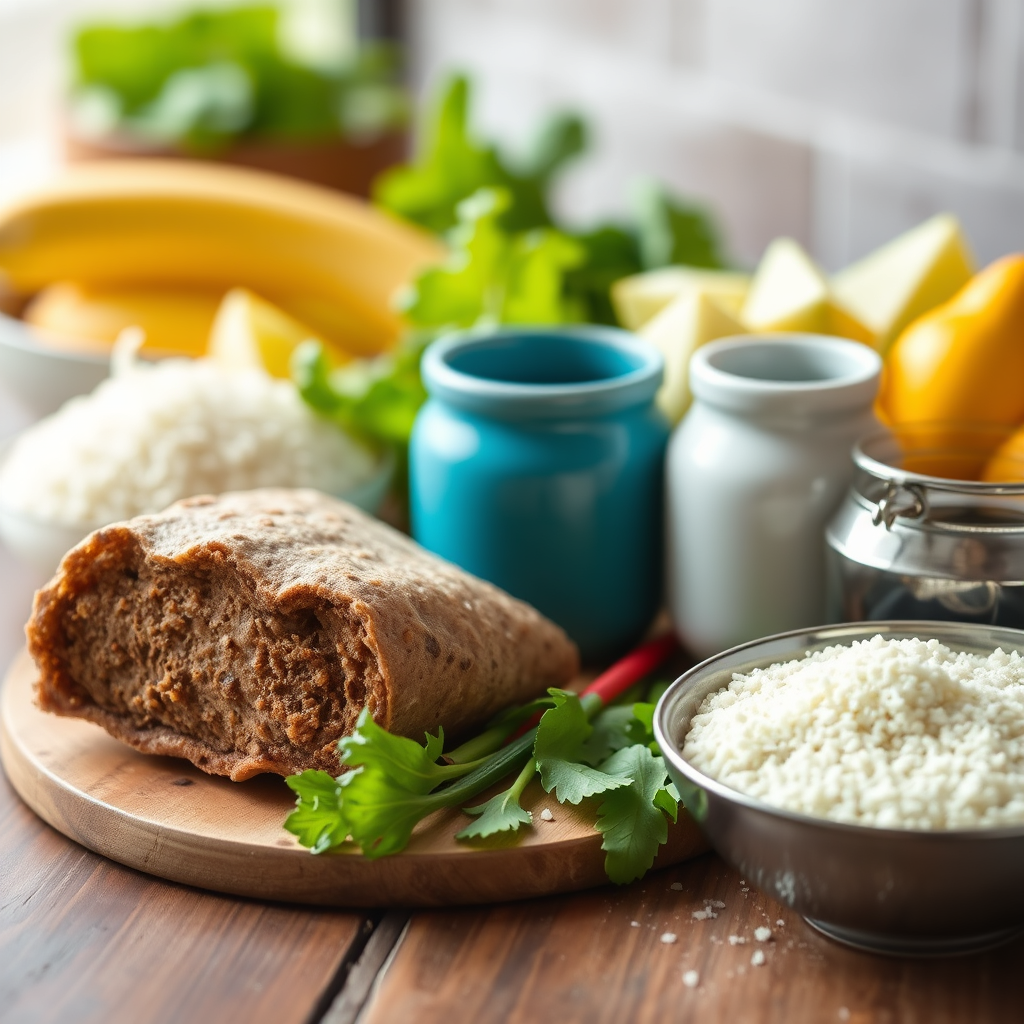
To navigate your diet effectively, it helps to understand the relationship between the carbohydrates you eat and how your body processes them. Not all carbs are created equal, and knowing the difference can change the game for your blood sugar readings.
Simple vs. Complex Carbohydrates
Think of simple carbohydrates as a flash fire. Foods like table sugar, honey, syrup, and products made with white flour are digested rapidly. Because they break down so quickly, they dump glucose into your bloodstream all at once, leading to those dreaded spikes. On the other hand, complex carbohydrates—found in whole grains, beans, and vegetables—are more like a slow-burning log. They come packaged with fiber and starch, which takes the body much longer to break down. This slow digestion results in a steady, manageable release of energy rather than a sharp spike.
The Glycemic Index (GI)
One of the best tools for your nutritional toolkit is the Glycemic Index (GI). This scale ranks foods from 0 to 100 based on how much they raise blood sugar levels compared to pure glucose. High-GI foods (like white bread or cornflakes) cause rapid spikes, while low-GI foods (like steel-cut oats or lentils) have a milder effect. By actively choosing foods with a lower GI score, you can help smooth out your post-meal glucose curves. However, remember that portion size matters just as much as the GI score; eating a massive amount of a low-GI food can still raise your blood sugar.
Carbohydrate Counting
Carb counting is a classic strategy, but it doesn’t mean you have to be a mathematician at every meal. The goal is to match your intake to your body’s needs. If you take insulin, this is critical for dosing, but even if you don’t, keeping your carb intake consistent from meal to meal prevents your pancreas from having to work overtime. It involves tracking the grams of carbohydrates in your meals and snacks to stay within a target range set by your healthcare team, adjusted for your activity level.
Top Foods to Include in Your Diet
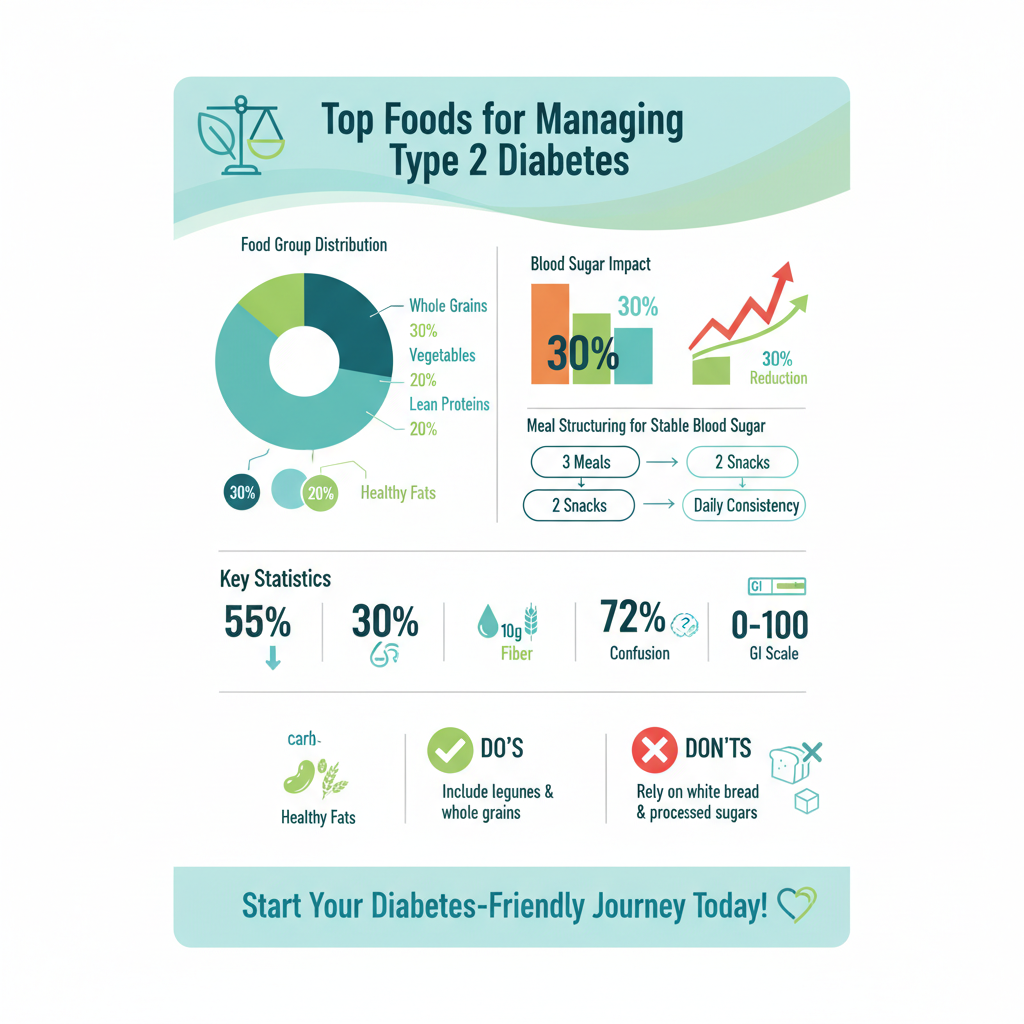
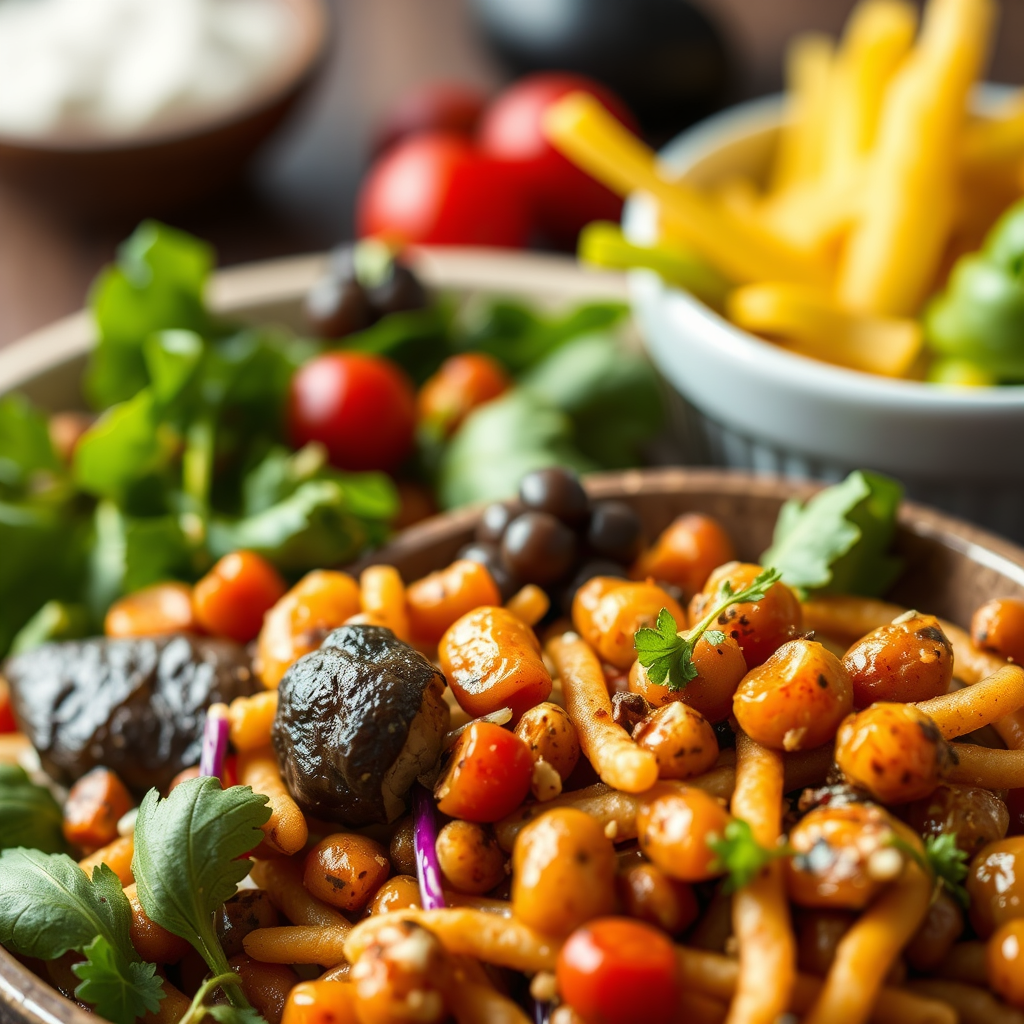
When you focus on adding the right foods to your plate, you naturally crowd out the less healthy options. Here are the pillars of a diabetes-friendly diet that you should aim to buy on your next grocery run.
Non-Starchy Vegetables
These are the superstars of diabetes management. Vegetables like spinach, kale, broccoli, cauliflower, peppers, and zucchini are incredibly low in calories and carbohydrates, meaning you can eat a large volume of them without spiking your sugar. They are packed with vitamins, minerals, and fiber, which helps slow down the absorption of any carbs eaten in the same meal. Aim to make these the most colorful and largest part of your meal.
Healthy Fats
For years, fat was demonized, but we now know that healthy fats are essential, especially for people with diabetes who have a higher risk of heart disease. Fats do not raise blood sugar; in fact, adding fat to a carbohydrate-rich meal can actually lower the glycemic response. Focus on monounsaturated and polyunsaturated fats found in avocados, olive oil, nuts (like walnuts and almonds), and seeds (like chia and flax). These foods also boost satiety, keeping you full longer so you aren’t tempted to snack on sugary treats.
Lean Proteins
Protein is vital for maintaining muscle mass and repairing tissues, and like fat, it has a minimal impact on blood sugar. However, the source matters. Fatty fish—such as salmon, mackerel, and sardines—are excellent choices because they provide omega-3 fatty acids, which fight inflammation and protect the heart. Poultry like chicken and turkey (skinless is best) are great staples. Don’t forget plant-based proteins; tofu, tempeh, and edamame are wonderful options that provide protein without the saturated fat found in some red meats.
Foods to Limit or Avoid
While we want to focus on the positive, there are certain foods that make managing type 2 diabetes significantly harder. Thinking of these as “sometimes foods” rather than “never foods” can help, but for best results, limiting them is key.
Sugar-Sweetened Beverages
If you make only one change today, let it be this: eliminate liquid sugar. Sodas, sweet teas, fruit juices, and flavored coffee drinks are arguably the biggest culprits for blood sugar spikes. Because liquids don’t require digestion in the same way solids do, the sugar hits your bloodstream almost instantly. Switching to water, unsweetened tea, or sparkling water with a splash of lemon can dramatically improve your glucose control and help with weight loss.
Processed Grains
Refined carbohydrates like white bread, white pasta, white rice, and crackers have had their bran and germ removed—stripping away the fiber and nutrients. Without fiber, your body processes these foods almost exactly like sugar. Swap white rice for brown rice, quinoa, or cauliflower rice. Choose whole-wheat or bean-based pasta instead of traditional varieties. These swaps keep the texture you love but add the nutritional profile your body needs.
The “Fat-Free” Trap
Be very skeptical of packaged foods labeled “fat-free” or “low-fat,” particularly with snacks, salad dressings, and yogurts. When manufacturers remove fat, the food often tastes like cardboard, so they add significant amounts of sugar and thickeners to make it palatable. A “fat-free” cookie might actually raise your blood sugar faster than a regular one. Always flip the package over and check the nutrition label for added sugars.
The Diabetes Plate Method
If counting grams of carbohydrates or calories feels too tedious or stressful, the Diabetes Plate Method is a fantastic alternative. It’s a visual way to ensure you are getting a balanced meal without doing math at the dinner table.
Half the Plate: Non-Starchy Vegetables
Start by filling 50% of your plate with those leafy greens, broccoli, green beans, or salad. This ensures high nutrient intake and fills your stomach with low-calorie volume. Because these foods have very little impact on blood sugar, you can eat them generously.
One Quarter: Lean Protein
Dedicate 25% of the plate to your protein source. This is roughly the size of a deck of cards or the palm of your hand. Whether it’s grilled chicken, a piece of salmon, or a serving of lentils, this section provides the building blocks your body needs.
One Quarter: Complex Carbohydrates
The final 25% is for your starch. This is where you place your brown rice, sweet potato, whole-grain pasta, or fruit. By physically limiting the space these foods take up on your plate, you naturally control your portion sizes of the foods that have the biggest impact on your blood sugar.
The Result
Using this visual tool promotes portion control without the need for strict calorie counting or weighing food. It automatically balances your macronutrients and ensures you’re prioritizing vegetables. Add a glass of water or unsweetened beverage, and you have a perfectly balanced meal.
Popular Dietary Patterns for Diabetes
While the principles above apply to everyone, some specific dietary patterns have been researched extensively and show great promise for diabetes management. You might find that adopting a specific “style” of eating helps you stay consistent.
This is widely considered one of the healthiest diets in the world. It isn’t a strict set of rules but rather a lifestyle that emphasizes plant-based foods, healthy fats (specifically olive oil), lean proteins, and moderate wine consumption. It is rich in vegetables, fruits, whole grains, beans, nuts, and seeds. Research consistently shows that the Mediterranean diet improves blood sugar control and significantly lowers the risk of cardiovascular events, which is a major concern for those with type 2 diabetes.
The DASH Diet
DASH stands for Dietary Approaches to Stop Hypertension. Since many people with type 2 diabetes also struggle with high blood pressure, this is a dual-purpose approach. It shares many similarities with the Mediterranean diet but places a specific emphasis on lowering sodium intake and increasing foods rich in potassium, magnesium, and calcium. It’s a heart-healthy powerhouse that supports overall vascular health.
Low-Carbohydrate and Ketogenic Diets
Low-carb and Keto diets have gained massive popularity for diabetes reversal and weight loss. These diets involve drastically reducing carbohydrate intake (often below 50g or even 20g per day) and replacing those calories with fat and protein. This can lead to rapid reductions in blood sugar and weight. However, because these diets can lower blood sugar so effectively, there is a risk of hypoglycemia (low blood sugar) if you are on medication. These diets should always be reviewed under medical supervision to adjust medication dosages safely.
Tips for Consistent Meal Planning
Knowing what to eat is half the battle; knowing how to make it happen in a busy life is the other half. Consistency is your best friend when managing diabetes.
Eat at Regular Intervals
Skipping meals might seem like a good way to cut calories, but it often backfires. Going too long without eating can cause your blood sugar to drop (hypoglycemia), which often leads to overeating later in the day to compensate. Try to eat roughly every 4 to 5 hours. This keeps your energy stable and prevents those extreme highs and lows that leave you feeling exhausted.
Pre-Plan Your Snacks
Hunger is a natural biological signal, but when it strikes and you’re unprepared, you’re more likely to grab a bag of chips or a candy bar from the vending machine. Keep diabetes-friendly snacks on hand. A small handful of almonds, a hard-boiled egg, a cheese stick, or an apple with peanut butter are excellent options. Having these ready prevents “panic eating.”
Read Nutrition Labels Like a Pro
Don’t be fooled by the front of the package. Turn it over. Look at the “Total Carbohydrates” line, not just the “Sugar” line. Total carbs include sugar, fiber, and starch. Check the serving size—sometimes a small bottle of juice contains 2.5 servings, meaning you have to multiply the carbs by 2.5 if you drink the whole thing. Also, look for the “Added Sugars” line to see how much sweetness the manufacturer added versus what occurs naturally in the ingredients.
Managing type 2 diabetes through diet is about consistency and balance rather than strict deprivation. By focusing on nutrient-dense whole foods and utilizing strategies like the Plate Method, you can gain better control over your blood sugar and overall health. It is a journey of learning what works for your unique body, and small changes often compound into massive health victories over time. As always, consult with your healthcare provider or a registered dietitian to tailor these general recommendations to your specific medical needs before making significant dietary changes.
Frequently Asked Questions
Which diet plan is most scientifically proven to manage type 2 diabetes?
While individual needs vary, the Mediterranean diet and the DASH diet are consistently ranked as the best eating plans for type 2 diabetes by health organizations. These diets prioritize plant-based foods, healthy fats like olive oil, lean proteins, and fiber-rich whole grains, which collectively improve insulin sensitivity and reduce cardiovascular risks. Adopting these whole-food approaches helps stabilize blood sugar levels more effectively than highly restrictive fad diets.
What foods should I strictly avoid to keep my blood sugar low?
To prevent dangerous glucose spikes, you should avoid refined carbohydrates such as white bread, pasta, and pastries, as well as sweetened beverages like soda and fruit juice. Highly processed foods containing trans fats and high amounts of added sugar significantly impair insulin function and contribute to weight gain. Instead, swap these items for complex carbohydrates and whole foods that digest slowly and provide sustained energy.
Is a low-carb or ketogenic (Keto) diet safe for someone with type 2 diabetes?
Many patients find great success with low-carb and ketogenic diets because drastically reducing carbohydrate intake directly lowers blood glucose and insulin requirements. However, if you are on medication (especially insulin), you must consult your doctor before starting Keto to avoid hypoglycemia (dangerously low blood sugar). For many, a moderate low-carb approach focusing on non-starchy vegetables and protein is a safer, more sustainable long-term strategy.
Can I still eat fruit if I have type 2 diabetes, and if so, which ones?
Yes, you can eat fruit, but you should focus on low-glycemic index (GI) options that do not cause rapid blood sugar spikes, such as berries, cherries, apples, and pears. The key is to consume the whole fruit with its skin to maximize fiber intake, which slows down sugar absorption in the bloodstream. It is also best to pair fruit with a protein or healthy fat source, like nuts or yogurt, to further blunt the glucose response.
Can diet and weight loss actually reverse type 2 diabetes?
While “cure” is a strong word, significant weight loss achieved through a consistent, healthy diet can put type 2 diabetes into remission, meaning your blood sugar levels return to a healthy range without medication. Losing visceral fat helps the pancreas and liver function properly again, restoring the body’s natural insulin response. However, maintaining this remission requires a permanent commitment to healthy eating habits and weight management.
References
- Healthy Living with Diabetes – NIDDK
- Diabetes diet: Create your healthy-eating plan – Mayo Clinic
- Healthy Eating | Diabetes | CDC
- Treatment for type 2 diabetes – NHS
- Nutrition and Diabetes | ADA
- Diabetes diet: a healthy, balanced diet for diabetes | Diabetes UK
- https://www.health.harvard.edu/blog/type-2-diabetes-which-diet-is-best-2020111621342
- https://my.clevelandclinic.org/health/articles/12070-diabetes-diet-and-food-tips
- https://www.betterhealth.vic.gov.au/health/conditionsandtreatments/diabetes-type-2-and-diet
