
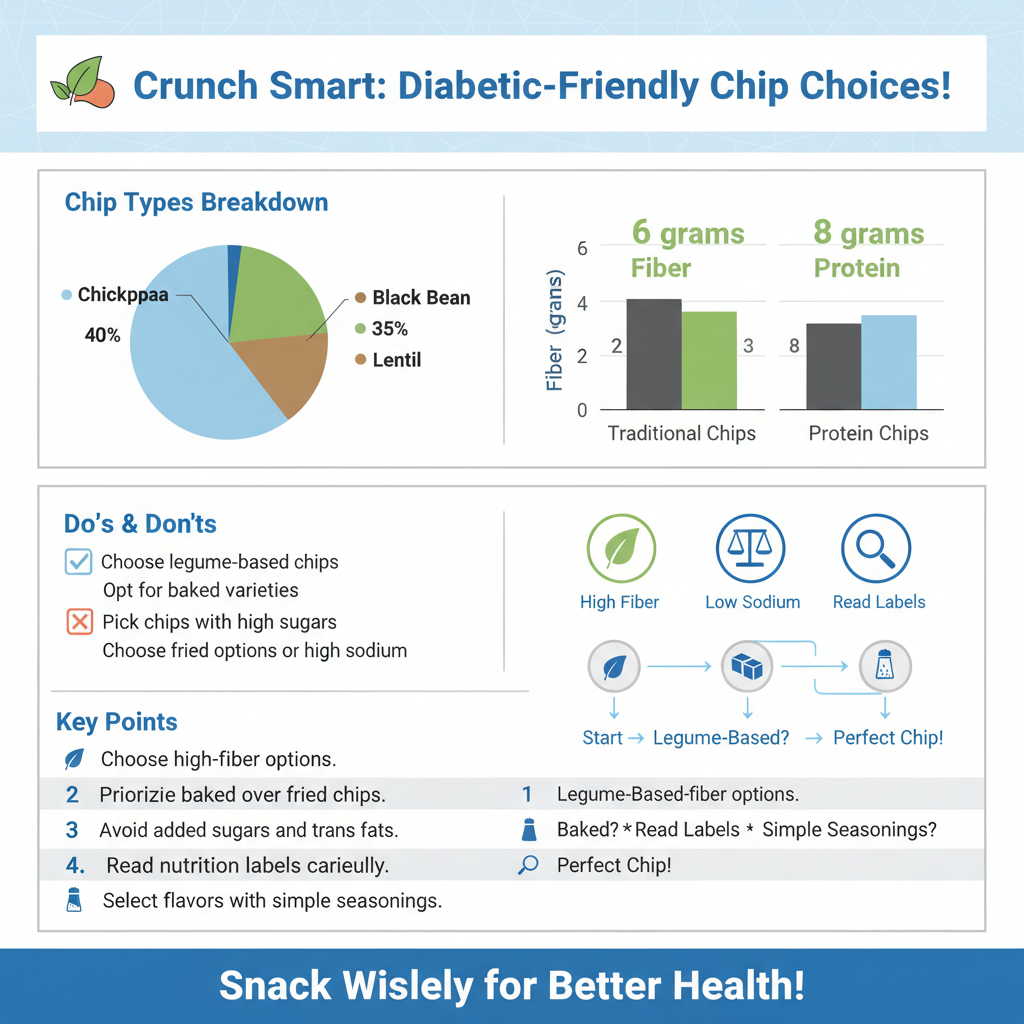
The best chips for diabetics are low-carb, high-fiber options made from chickpeas, black beans, lentils, or leafy greens like kale, rather than starchy white potatoes. These alternatives often have a lower glycemic index, which helps prevent rapid blood sugar spikes. When selecting chips, prioritize baked varieties over fried ones and always check the nutrition label to ensure the serving size fits within your carbohydrate allowance. Navigating the snack aisle when you are managing diabetes can feel like walking through a minefield, but having a diagnosis doesn’t mean the end of enjoying a savory crunch. It simply means shifting your focus from empty calories to nutrient-dense ingredients that work with your body rather than against it.
Understanding What Makes a Chip Diabetic-Friendly

Before we dive into specific brands or types of chips, it is crucial to understand the anatomy of a blood-sugar-friendly snack. Not all chips are created equal, and marketing buzzwords like “natural” or “gluten-free” do not necessarily equate to “low-carb” or “diabetic-friendly.” The primary goal is to find a vehicle for crunch that won’t send your glucose levels on a rollercoaster ride.
Look for chips with high fiber and protein content, as these nutrients slow down the digestion of carbohydrates.
Fiber is your best friend when managing diabetes. Think of fiber as a speed bump in your digestive tract; it physically slows down the rate at which sugar enters your bloodstream. When you look at a nutrition label, don’t just look at “Total Carbohydrates.” Look for the fiber count. A chip with 20 grams of carbs and 0 grams of fiber will spike your sugar much faster than a chip with 20 grams of carbs and 6 grams of fiber. Similarly, protein requires more energy to digest and promotes satiety, meaning you are less likely to eat the whole bag in one sitting.
Avoid products with high amounts of added sodium, unhealthy trans fats, or hidden sugars often found in barbecue or sweet chili flavors.
Flavor dust is often where the trouble hides. Many popular chip flavors, especially barbecue, honey mustard, or sweet chili, are laden with dextrose, maltodextrin, or cane sugar. Additionally, heart health is closely tied to diabetes management. Excessive sodium can increase blood pressure, which puts extra strain on your cardiovascular system. Always scan the ingredients list for partially hydrogenated oils (trans fats) and try to stick to varieties seasoned with simple sea salt, black pepper, or lime.
Bean and Chickpea Chips
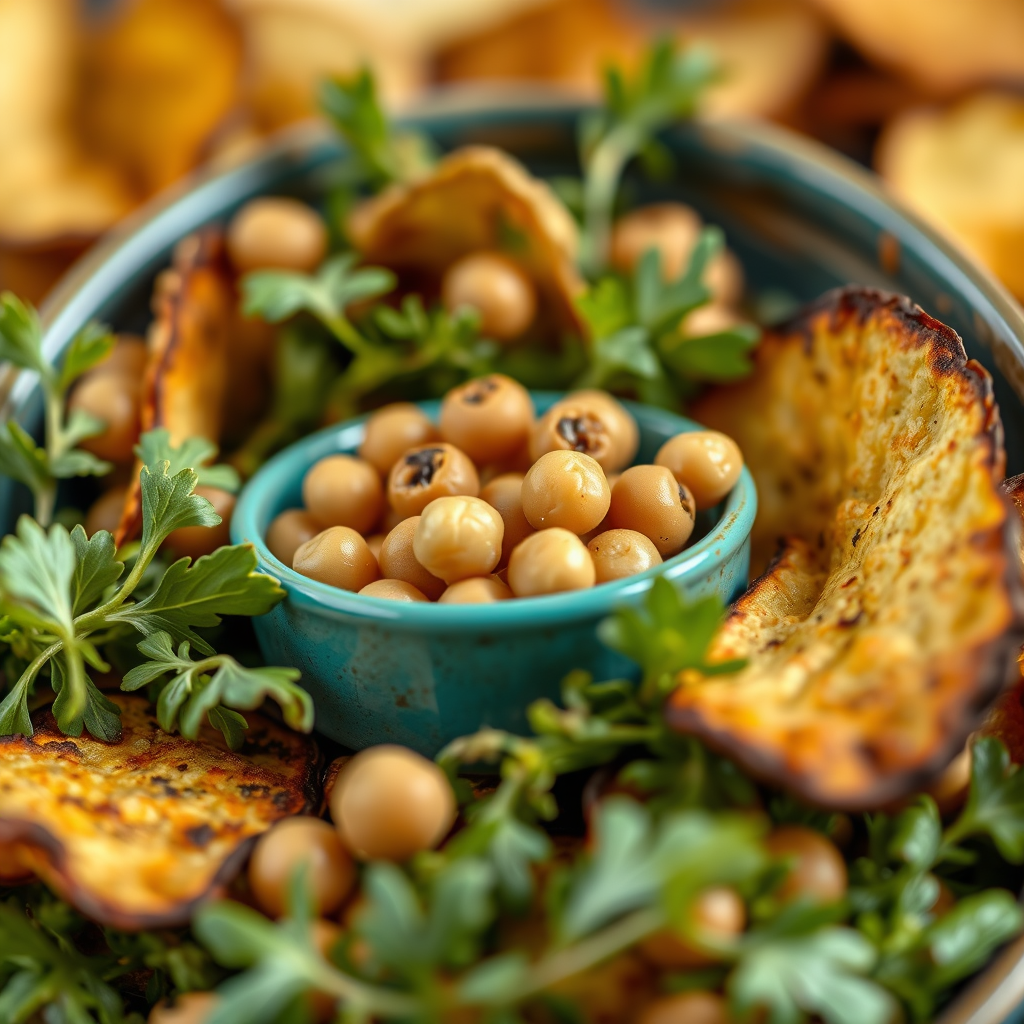
If you are missing the substantial “mouthfeel” of a traditional tortilla chip, legume-based snacks are an incredible alternative. The market for bean-based snacks has exploded in recent years, moving far beyond niche health food stores and into mainstream supermarkets.
Chips made from black beans, lentils, or chickpeas offer a satisfying crunch with significantly more fiber than potato chips.
Unlike potatoes, which are primarily starch, legumes are complex carbohydrates. A serving of black bean chips, for example, often contains double or triple the fiber of a standard corn chip. Chickpea puffs or crisps are another fantastic option. They offer a texture that is somewhere between a cheese puff and a cracker, satisfying that urge for something savory and airy. Because they are denser in nutrients, they tend to be more filling, which naturally helps with portion control.
These legume-based snacks provide a good source of plant-based protein, which helps keep blood glucose levels stable.
Protein is the anchor that holds your blood sugar steady. When you eat carbohydrates alone, your body turns them into glucose rapidly. When those carbohydrates are wrapped in protein—as they naturally are in beans and lentils—the conversion process is moderated. Many lentil or hummus chips offer 4 to 6 grams of protein per serving. While this isn’t a replacement for a meal, it is a significant improvement over standard potato chips, which typically offer little to no protein.
Kale and Leafy Green Chips
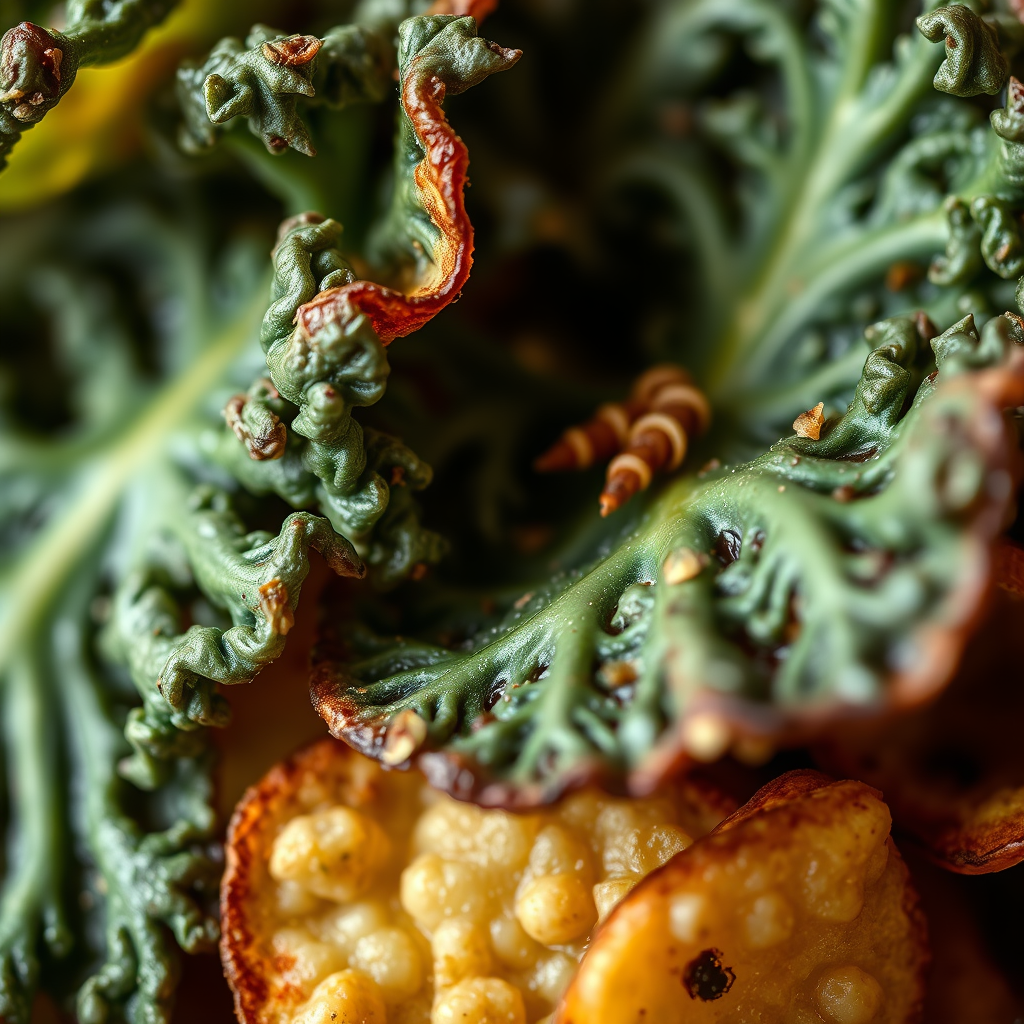
For those who want to virtually eliminate the carbohydrate worry while snacking, leafy green chips are the gold standard. While they might not mimic the heavy texture of a potato chip, they offer a shattering crispness that is uniquely satisfying.
Kale chips are among the lowest-carb options available and are packed with vitamins A, K, and C.
Kale is a nutritional powerhouse. When dehydrated or baked, it retains most of its micronutrients. For a diabetic, the primary appeal is the extremely low carbohydrate count. You can often consume a much larger volume of kale chips for a fraction of the carbs found in grain-based snacks. This is great for “volume eaters”—people who feel more satisfied when they can physically eat more pieces of food.
You can easily make these at home by baking kale leaves with a small amount of olive oil and sea salt for a guilt-free crunch.
Store-bought kale chips can be expensive and sometimes contain preservatives or hidden sweeteners in the seasoning. Making them at home allows you complete control. Simply tear kale leaves from the tough stems, wash and thoroughly dry them (this is key for crispiness), massage them with a teaspoon of olive oil, sprinkle with salt, and bake at a low temperature (around 275°F or 300°F) until crisp. You can experiment with diabetic-friendly seasonings like garlic powder, smoked paprika, or nutritional yeast for a cheesy flavor without the dairy.
Baked Fruit and Vegetable Crisps
The “veggie chip” aisle can be one of the most confusing sections of the grocery store. It is vital to distinguish between processed veggie straws and actual slices of baked vegetables.
Look for baked crisps made from beets, carrots, or apples, but be mindful of the natural sugar content in fruit chips.
Real vegetable crisps are made by slicing the actual vegetable thin and baking or dehydrating it. Beet chips are earthy and sweet, while carrot chips offer a nice snap. However, remember that root vegetables and fruits do contain natural sugars. While these are better than refined sugars, they still count toward your total carb intake. If choosing apple chips, look for varieties that keep the skin on, as the skin contains the majority of the fiber which helps mitigate the sugar spike.
Ensure the product is actually a slice of the vegetable and not just potato starch colored with vegetable powder.
This is a common marketing trap. Many popular “veggie straws” or “veggie chips” list potato flour or corn meal as the first ingredient, with spinach powder or tomato paste added merely for color. These products have a glycemic impact almost identical to regular potato chips. Always flip the bag over; the first ingredient should be the vegetable itself (e.g., “Beets,” “Carrots,” or “Sweet Potato”).
Whole Grain and Blue Corn Tortilla Chips
Sometimes, you just need a tortilla chip to go with your salsa. In these moments, the type of corn used matters significantly.
Blue corn chips typically have a lower glycemic index and more antioxidants than white corn tortilla chips.
The blue color in these chips comes from anthocyanins, powerful antioxidants that are also found in blueberries and blackberries. Research suggests that blue corn has a lower starch content and a lower glycemic index (GI) compared to its white or yellow counterparts. A lower GI means the glucose is released into the bloodstream more slowly. Plus, blue corn often has a heartier, nuttier flavor that feels more gourmet.
Opt for “multigrain” or “whole grain” varieties to maximize fiber intake, but strictly adhere to the suggested serving size.
“Whole grain” means the entire kernel—bran, germ, and endosperm—is used. This ensures you aren’t missing out on the fiber found in the outer shell of the grain. Some multigrain chips also incorporate flax seeds, sesame seeds, or chia seeds directly into the chip, which adds healthy fats and fiber. However, be cautious: even whole grain chips are carbohydrate-dense. If the serving size is 10 chips, count them out. It is very easy to consume three servings of tortilla chips while chatting at a party.
Popcorn as a Chip Alternative
Popcorn is often overlooked in the “chip” conversation, but it is technically a whole grain and one of the best snack options for people with diabetes when prepared correctly.
Air-popped popcorn is a whole grain that offers high volume for fewer carbohydrates compared to dense potato chips.
The “air factor” is the secret weapon here. Because popcorn is puffed up, a serving size is usually around 3 cups, compared to just 10 to 15 regular chips. Visually, 3 cups of food looks like a lot, which tricks your brain into feeling more satisfied. This high volume for relatively low carbohydrates (roughly 15g of carbs for 3 cups of plain popcorn) makes it a top-tier snack choice.
Avoid movie theater butter varieties; instead, season with herbs, nutritional yeast, or a light dusting of parmesan cheese.
The health benefits of popcorn are instantly negated if it is drowning in artificial butter flavoring and excessive salt. Pre-packaged microwave popcorn can also be lined with unhealthy chemicals. The best approach is to air-pop your kernels or make them on the stove with a small amount of coconut or avocado oil. For flavor, try nutritional yeast (which tastes nutty and cheesy), chili powder and lime zest, or a mix of cinnamon and a stevia-based sweetener for a sweet-and-salty treat.
Smart Snacking Strategies: Pairing and Portions
Even the healthiest chip can cause blood sugar issues if eaten in isolation or in massive quantities. How you eat is just as important as what you eat.
Always measure your portion into a bowl rather than eating directly from the bag to prevent mindless overeating.
“Hand-to-mouth” syndrome is dangerous when eating from a family-sized bag. It is impossible to track how many carbs you have consumed when the bottom of the bag is the limit. Make it a habit to look at the serving size, measure that amount into a small bowl, and put the big bag away in the pantry before you take your first bite. This creates a physical stop point for your snacking session.
Pair your chips with a healthy fat or protein, such as guacamole, salsa mixed with Greek yogurt, or hummus, to further blunt the blood sugar response.
Never let your carbs “go naked.” Carbohydrates are digested fastest when eaten alone. By “dressing” your chips with healthy fats or proteins, you slow down gastric emptying.
* Guacamole: The healthy fats in avocado are excellent for heart health and satiety.
* Greek Yogurt Dips: Instead of sour cream, use plain Greek yogurt as a base for onion or ranch dips. It tastes almost identical but packs a protein punch.
* Hummus: Great for dipping bean chips or veggie crisps for a double-dose of fiber.
* Nuts or Cheese: If you aren’t dipping, eat a string cheese or a handful of almonds alongside your chips.
Living with diabetes doesn’t mean you have to give up crunchy snacks entirely; it just requires making smarter, more informed choices at the grocery store. By switching to bean-based, whole-grain, or vegetable chips and pairing them with protein, you can satisfy your cravings without compromising your blood sugar goals. Next time you shop, flip the bag over, check the total carbohydrates and fiber, and choose a snack that supports your health.
Frequently Asked Questions
Can people with diabetes eat potato chips safely?
Yes, diabetics can eat potato chips, but portion control and type selection are critical for managing blood sugar levels. It is best to avoid traditional fried potato chips due to their high saturated fat and simple carbohydrate content, opting instead for baked varieties or single-serving bags to prevent overeating. Always pair chips with a source of protein or healthy fat, such as a handful of nuts or cheese, to help slow down digestion and minimize glucose spikes.
What are the best low-carb chip brands for diabetics?
The best chip brands for diabetics are typically those made from protein or alternative flours rather than white potatoes. Top-rated options often include Quest Protein Chips, Hilo Life Almond Flour Tortilla Style Chips, and Wilde Protein Chips (made from chicken breast), as these provide a crunchy texture with significantly fewer carbohydrates and higher protein. These keto-friendly and low-glycemic options satisfy salty cravings without causing dangerous surges in blood sugar.
Are blue corn tortilla chips better than regular potato chips for diabetes?
Generally, blue corn tortilla chips are a better choice than regular potato chips because blue corn contains anthocyanins, antioxidants that result in a slightly lower glycemic index compared to white corn or white potatoes. Additionally, authentic corn chips are a whole grain food providing more fiber, which aids in slowing carbohydrate absorption. However, portion size remains essential, and users should look for brands with minimal added salt and oil.
What should I look for on the nutrition label when choosing chips for a diabetic diet?
When reading nutrition labels, prioritize chips that offer high fiber (at least 2-3 grams per serving) and protein, as these nutrients help lower the net carb impact on your body. specificially look for a carbohydrate count of 15 grams or less per serving and check the ingredient list to ensure the primary ingredients are whole foods like whole corn, beans, or vegetables rather than potato starch or enriched flour. Also, monitor sodium levels to protect heart health, which is a common concern for those managing diabetes.
What are healthy vegetable chip alternatives to potato chips?
Healthy alternatives include chips made from non-starchy vegetables such as kale chips, roasted seaweed snacks, or baked zucchini chips, which are naturally low in carbohydrates and calories. Roasted chickpea snacks or lentil chips are also excellent choices because they are rich in fiber and plant-based protein, offering a satisfying crunch with a much more stable glucose response. Be cautious of store-bought “veggie straws,” which are often just colored potato flour; always verify that the actual vegetable is the first ingredient.
References
- https://health.clevelandclinic.org/snacking-with-diabetes-what-to-eat-what-to-skip
- Snacking when you have diabetes: MedlinePlus Medical Encyclopedia
- Healthy food swaps: snacks | Diabetes UK
- Diabetes Teaching Center
- The Science of Snacking • The Nutrition Source
- https://www.cdc.gov/diabetes/healthy-eating/food-labels.html
- Diabetes diet: Create your healthy-eating plan – Mayo Clinic
