
For individuals managing diabetes, enjoying a glass of wine is often possible, and the best choices are typically dry red and dry white wines due to their significantly lower sugar content compared to sweeter varieties. Opting for wines like Pinot Noir, Merlot, Cabernet Sauvignon, Sauvignon Blanc, Pinot Grigio, or Chardonnay (unoaked) can allow you to partake responsibly while minimizing impact on blood sugar levels. This guide will help you understand what to look for, how to interpret labels, and how to enjoy wine safely while keeping your health goals front and center.
Understanding Wine and Blood Sugar Management

Navigating the world of wine when you’re managing diabetes can feel a bit complex, but with the right information, it’s definitely manageable! The key is to understand how wine interacts with your blood sugar. Essentially, wine contains two main components that can affect your glucose levels: carbohydrates (mainly from residual sugar) and alcohol. Each of these plays a unique role in your body.
Dry wines are your best friends in this scenario because they have very little residual sugar. This means that after the fermentation process, most of the natural sugars from the grapes have been converted into alcohol, leaving behind only a trace amount. In contrast, sweeter varieties can pack a significant sugar punch, leading to rapid spikes in blood sugar that can be challenging for anyone managing diabetes.
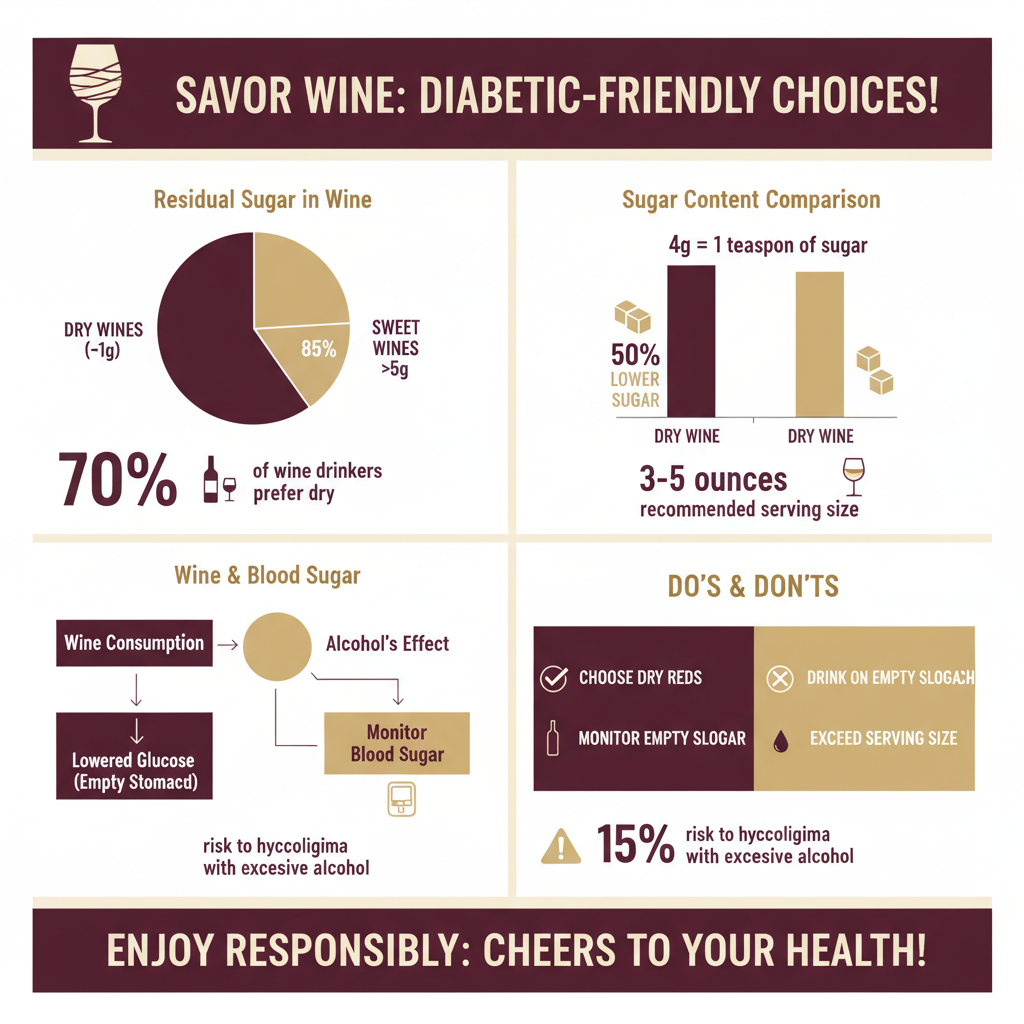
Beyond sugar, alcohol itself carries its own set of considerations. When you consume alcohol, your liver prioritizes metabolizing it over other functions, including releasing stored glucose (glycogenolysis). This means that alcohol can initially lower blood sugar, posing a real risk of hypoglycemia – especially if you consume it on an empty stomach or in larger quantities. It’s a tricky balance because while high sugar wines can cause a spike, alcohol itself can cause a drop. This makes careful timing, food intake, and monitoring absolutely crucial for safe enjoyment. Understanding these dynamics is the first step toward making smart choices.
The Safest Bets: Dry Red Wines

When it comes to diabetic-friendly wine choices, dry red wines often top the list for several excellent reasons. Not only are they delicious, but their chemical composition generally aligns well with blood sugar management.
Examples: Pinot Noir, Cabernet Sauvignon, Merlot, Syrah/Shiraz, and Sangiovese are fantastic options to consider. These popular varietals are widely available and known for their distinct profiles.
What makes these wines particularly suitable? The primary factor is their typically very low residual sugar content. Most dry red wines boast less than 1 gram of residual sugar per 5-ounce serving, which is incredibly low and has a negligible impact on blood sugar levels. To put this in perspective, a single teaspoon of sugar is about 4 grams, so you’re really looking at a fraction of that in a glass of dry red.
Beyond the low sugar, many dry reds also offer a moderate alcohol content (usually in the 12-14% ABV range), which is preferable to higher-alcohol options. Their often higher tannin levels contribute to their structure and can even offer some potential antioxidant benefits in moderation, though this shouldn’t be the primary reason for consumption. The robust flavors of dry red wines also make them a natural choice for pairing with meals, which is a critical strategy for mitigating alcohol’s effects on blood sugar. Enjoying a glass with a balanced dinner helps slow alcohol absorption and provides a buffer against potential drops in glucose. So, go ahead and explore these rich, flavorful options – they’re a great starting point for your diabetic-friendly wine journey!
Light & Refreshing: Dry White Wines

If your palate leans towards crisp and refreshing, you’ll be delighted to know that there are plenty of excellent dry white wine options that are also very suitable for individuals managing diabetes. Like their red counterparts, the key here is their minimal residual sugar.
Examples: Sauvignon Blanc, Pinot Grigio/Gris, Unoaked Chardonnay, Albariño, and Grüner Veltliner are wonderful choices that offer vibrant flavors without the added sweetness. These wines are known for their bright acidity and often feature notes of citrus, green apple, or stone fruit, making them incredibly versatile and enjoyable.
The primary benefit of these dry white wines is their consistently low residual sugar. You can expect them to have less than 1 gram of sugar per 5-ounce serving, just like the dry reds. This characteristic is what makes them safe bets for keeping blood sugar levels stable.
When you’re browsing the wine aisle, you might not always see a sugar content listed explicitly on every bottle. This is where a little label literacy comes in handy! Look for terms like “dry” or “sec” (the French term for dry) on the label, which are strong indicators of a low-sugar wine. For Chardonnay, specifically, opt for “unoaked” versions, as oak aging can sometimes introduce sweeter, buttery notes and higher alcohol levels, though unoaked versions remain consistently low in sugar. If you can find wines that specify “brut nature” or “zero dosage” for sparkling wines, those are also excellent dry options (though generally sparkling wines need more scrutiny). While not always perfectly transparent, choosing varietals known for their dryness and looking for those key terms will guide you to excellent, refreshing, and diabetes-friendly white wines.
What to Look for on the Label
Becoming a savvy label reader is one of the most powerful tools you have when choosing wine for diabetes management. The information on a bottle can tell you a lot about its potential impact on your blood sugar.
Residual Sugar (RS): This is, without a doubt, the most critical factor to scrutinize. Residual sugar refers to the natural grape sugars that are left in the wine after fermentation. The less RS, the drier and generally more diabetic-friendly the wine. You want to aim for wines labeled “dry” or, even better, those that explicitly state they have less than 1-2 grams of sugar per liter. To put this into perspective, a 5-ounce (approximately 150ml) serving of a wine with 1 gram of sugar per liter means you’re consuming a minuscule 0.15 grams of sugar – that’s practically nothing! Unfortunately, not all labels will list the precise RS content, so understanding which varietals are inherently dry (as discussed above) is incredibly helpful. If you see terms like “off-dry,” “semi-sweet,” “late harvest,” “demi-sec,” or “doux,” those are red flags indicating higher sugar levels.
Alcohol by Volume (ABV): While sugar gets a lot of attention, the alcohol content also plays a significant role. Higher alcohol content can increase the risk of hypoglycemia (low blood sugar), as your liver will prioritize metabolizing the alcohol, potentially delaying the release of glucose into your bloodstream. It’s a delicate balance. Wines with an ABV between 12-13.5% are generally a safer bet. Try to avoid high-alcohol options (e.g., above 14% or “hot” wines) as they can have a more pronounced and prolonged effect on blood sugar regulation. Always check this percentage, usually found prominently on the label, and factor it into your decision-making.
Serving Size: This might seem obvious, but it’s astonishingly easy to underestimate. A standard serving size for wine is typically 5 ounces (about 150ml). However, many wine glasses are designed to hold much more, and a generous pour, especially in restaurants or at home, can easily exceed this. Consuming more than the standard serving size means you’re getting more alcohol and potentially more sugar, even from a “dry” wine, which can throw off your blood sugar calculations. Investing in a measuring pourer or simply being mindful of how much you’re truly pouring can make a significant difference in accurately tracking your intake and managing your blood sugar effectively. Being precise here helps ensure you’re sticking to your dietary plan.
Wines to Approach with Caution (or Avoid)
Just as there are wines that are generally safer for diabetics, there are also categories that should be approached with extreme caution or, ideally, avoided altogether due to their high sugar content and potential for blood sugar disruption.
Sweet & Dessert Wines: This category is a definite no-go for individuals managing diabetes. Varieties like Port, Sherry (sweet versions), Moscato, Riesling (especially sweet styles like Spätlese, Auslese, Beerenauslese, Trockenbeerenauslese), Sauternes, Ice Wine, and most sparkling wines labeled “Demi-Sec,” “Doux,” or “Dolce” are packed with sugar. These wines are specifically crafted to retain high levels of residual sugar, sometimes containing upwards of 100-200 grams per liter, which translates to a massive sugar load per serving. A small glass of dessert wine could easily contain as much sugar as a sugary soda, leading to rapid and dangerous blood sugar spikes.
Fortified Wines: While some fortified wines like certain dry Sherries (e.g., Fino, Manzanilla) can be low in sugar, many popular fortified wines are incredibly sweet and also carry a high alcohol content. Think about popular Ports, sweet Sherries, and most Marsala wines. These present a double risk: the high sugar content will elevate blood sugar, and the high alcohol content (often 18-20% ABV or more) significantly increases the risk of delayed hypoglycemia. The combination can make blood sugar management incredibly unpredictable and dangerous. Unless you are absolutely certain it’s a dry variety and you’ve discussed it with your doctor, it’s best to steer clear of fortified wines.
Wine Coolers & Blended Drinks: These pre-mixed, often fruity, beverages might seem innocent, but they are typically among the worst choices for someone with diabetes. Wine coolers and blended wine drinks are notorious for having significant amounts of added sugars, artificial sweeteners, and other ingredients that can wreak havoc on blood sugar levels. They often lack the transparency of a traditional wine label regarding sugar content and are designed for taste appeal rather than health. It’s best to stick to natural, unadulterated dry wines where you have a better understanding of the ingredients and nutritional profile. Prioritize natural, low-sugar options to stay on track.
Responsible Enjoyment: Essential Tips for Diabetics
Enjoying wine with diabetes is absolutely possible, but it requires a strategic and responsible approach. Here are some essential tips to help you partake safely and without compromising your health.
Moderation is Key: This isn’t just a suggestion; it’s a fundamental rule. For adults, recommended limits are generally up to one drink per day for women and up to two drinks per day for men. However, these are general guidelines for the broader population. For individuals managing diabetes, your personal limits might be even stricter. It is absolutely crucial to discuss your alcohol consumption with your doctor or a registered dietitian. They can provide personalized advice based on your specific health condition, medications, and blood sugar control. Exceeding these limits can significantly increase the risks of both hypoglycemia and hyperglycemia, depending on the type of wine.
Never Drink on an Empty Stomach: This is perhaps one of the most critical safety tips. Consuming wine on an empty stomach allows the alcohol to be absorbed much more quickly into your bloodstream. As mentioned earlier, your liver will prioritize processing this alcohol, which can inhibit its ability to release stored glucose, leading to a dangerous drop in blood sugar (hypoglycemia). Always pair your glass of wine with a balanced meal that includes protein, healthy fats, and complex carbohydrates. Food helps to slow down the absorption of alcohol and provides a buffer, making blood sugar fluctuations more manageable. A good rule of thumb is to enjoy wine *with* your dinner, not before it.
Monitor Blood Sugar: Alcohol can affect blood sugar levels for several hours after consumption, and sometimes even overnight. It’s not just about what happens immediately after you drink. Therefore, diligent blood sugar monitoring is non-negotiable. Check your blood sugar before you have a drink, and then again several hours after. It’s also wise to check your levels before bed, and even consider setting an alarm to check during the night if you’ve had a drink later in the evening, especially when first incorporating wine or trying a new type. Pay close attention to how different wines and quantities affect *your* body, as everyone’s response can be unique. Being proactive with monitoring empowers you to understand and manage these effects effectively.
Choosing the best wine for diabetics involves prioritizing dry red and white wines with low residual sugar and moderate alcohol content, such as Pinot Noir, Sauvignon Blanc, and unoaked Chardonnay. Always read labels carefully, paying close attention to residual sugar, alcohol by volume, and serving sizes to make informed decisions. Most importantly, consume alcohol in strict moderation, always with food, and diligently monitor your blood sugar to understand its impact. However, the single most vital piece of advice is to consult with your doctor or a registered dietitian before incorporating wine into your diet. They can provide personalized advice tailored to your individual needs, medical history, and medication interactions, ensuring your choices support your overall health and diabetes management goals.
Frequently Asked Questions
What is the best type of wine for diabetics looking for lower sugar options?
For diabetics seeking lower sugar options, dry red and dry white wines are generally the best choices. These wines have minimal residual sugar (often less than 1 gram per 5-ounce serving) because most of the sugar has been fermented into alcohol, significantly reducing their impact on blood sugar levels compared to sweeter varieties. Prioritizing “dry” wines helps ensure a lower carbohydrate and sugar intake.
How does wine consumption impact blood sugar levels for people with diabetes?
Alcohol, including wine, can initially cause a slight rise in blood sugar, but more significantly, it can lead to a drop in blood sugar several hours later, increasing the risk of hypoglycemia. This occurs because the liver prioritizes metabolizing alcohol over glucose production, making it crucial for diabetics to monitor their blood sugar closely. It’s also vital to avoid drinking on an empty stomach to mitigate these effects.
Which specific varietals of wine are generally considered diabetes-friendly due to their low sugar content?
For dry red wines, diabetes-friendly varietals include Pinot Noir, Cabernet Sauvignon, Merlot, and Syrah (Shiraz), as these typically have very low residual sugar. When it comes to dry white wines, good options are Sauvignon Blanc, Pinot Grigio, unoaked Chardonnay, and Grüner Veltliner. Always look for “dry” or “brut” classifications, especially when choosing sparkling wines, to ensure lower sugar content.
What key factors should diabetics consider when choosing a wine beyond just looking for “dry”?
Beyond ensuring the wine is dry, diabetics should consider the alcohol content, as higher alcohol wines can also mean more calories and a potentially greater impact on blood sugar. Always check for nutrition information on the label if available, focusing on carb count per serving. Additionally, pay close attention to serving size and avoid mixing wine with sugary sodas or juices to keep overall sugar intake minimized.
Are there any types of wine that diabetics should strictly avoid due to high sugar content?
Yes, diabetics should generally strictly avoid sweet dessert wines like Port, Sherry, Moscato, Sauternes, and late-harvest wines, as these often contain very high levels of residual sugar that can significantly spike blood glucose. Sweet sparkling wines, wine coolers, and fortified wines with added sugars are also high in carbohydrates and should be avoided to better manage diabetes.
References
- https://www.diabetes.org/healthy-living/foods-nutrition/alcohol-and-diabetes
- https://www.mayoclinic.org/diseases-conditions/diabetes/expert-answers/diabetes-and-alcohol/faq-20058284
- https://health.clevelandclinic.org/how-does-alcohol-affect-blood-sugar-if-you-have-diabetes/
- https://www.ucsfhealth.org/education/diabetes-and-nutrition/alcohol
- https://www.cdc.gov/diabetes/managing/eat-well/alcohol.html
- https://www.ncbi.nlm.nih.gov/pmc/articles/PMC8900010/
