
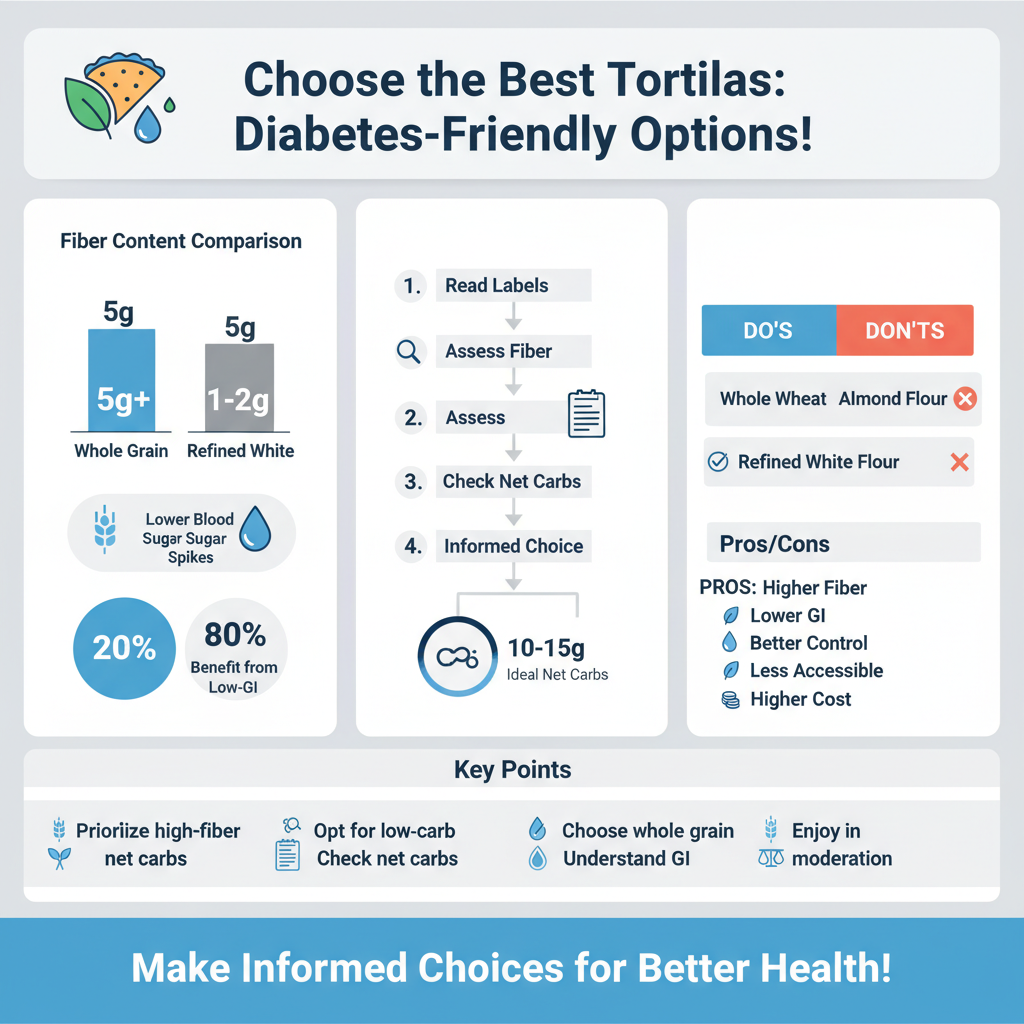
For diabetics seeking the best tortillas, prioritizing options that are high in fiber and low in net carbohydrates is essential for effective blood sugar management. Whole wheat, low-carb tortillas made from alternative flours like almond or coconut, and small corn tortillas (in moderation) are generally your top choices. The key is to carefully read nutrition labels and understand how different ingredients impact your glucose levels, ensuring you can still enjoy your favorite meals without compromising your health.
Understanding Tortillas and Blood Sugar

Navigating food choices with diabetes can sometimes feel like a puzzle, and tortillas are no exception. The good news is that with a little knowledge, you can absolutely enjoy them as part of a balanced diet. It all comes down to understanding how different types of tortillas interact with your body, particularly your blood sugar levels.
* Glycemic Index (GI) Awareness: The Glycemic Index is a system that ranks carbohydrate-containing foods based on how quickly they raise blood glucose levels after eating. Foods with a high GI, like white bread or refined white flour tortillas, are rapidly digested and absorbed, leading to a quick and often significant spike in blood sugar. On the other hand, foods with a low GI are digested more slowly, resulting in a gradual and more stable rise in blood glucose. For people managing diabetes, choosing low GI foods is a cornerstone of blood sugar control, helping to prevent those undesirable peaks and valleys throughout the day. When it comes to tortillas, this means opting for options that release their sugars more slowly into your bloodstream.
* Carbohydrate Counting: Carbohydrate counting is a vital tool for many people with diabetes. It involves tracking the amount of carbohydrates you eat to help manage your blood sugar levels and coordinate with medication, such as insulin. For tortillas, you’ll want to pay close attention to the “Total Carbohydrates” listed on the nutrition label. However, an even more helpful metric for diabetics is “net carbs.” Net carbs are calculated by subtracting the fiber and sugar alcohols (if present) from the total carbohydrates. Fiber, unlike other carbs, isn’t digested and absorbed in a way that raises blood sugar, making it less impactful on your glucose levels. Understanding and monitoring both total and net carbs empowers you to make informed decisions about how tortillas fit into your daily carb allowance.
* Fiber’s Role: Fiber is a superstar nutrient for anyone, but especially for individuals managing diabetes. This indigestible part of plant foods plays a critical role in slowing down the absorption of sugar into the bloodstream. When you eat fiber-rich foods, they create a gel-like substance in your digestive tract that acts as a natural speed bump, preventing rapid blood sugar spikes. This steady release of glucose helps maintain more stable blood sugar levels, reducing the strain on your pancreas and improving overall glycemic control. Beyond blood sugar benefits, fiber also promotes satiety, helping you feel fuller for longer, which can be beneficial for weight management – another important aspect of diabetes care.
Top Tortilla Types for Diabetics
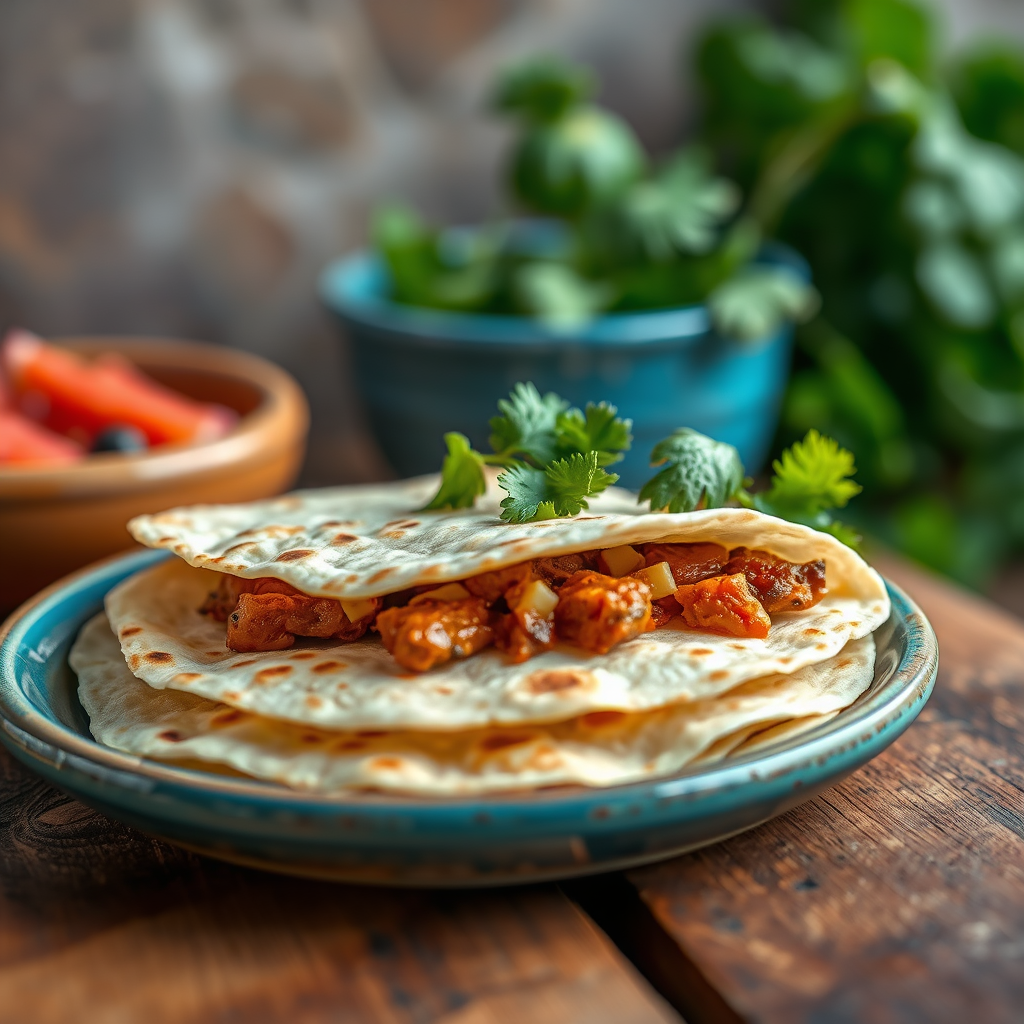
Not all tortillas are created equal, especially when you’re focusing on healthy choices for diabetes management. Here are the top contenders that can be a delicious and safe addition to your meal plans.
* Whole Wheat Tortillas: When it comes to traditional flour tortillas, going whole wheat is a significant upgrade. Unlike refined white flour tortillas, which are stripped of their bran and germ (where most of the fiber and nutrients reside), whole wheat tortillas retain these valuable components. This means they are higher in dietary fiber and complex carbohydrates. The fiber helps slow down the digestion process, leading to a more gradual rise in blood sugar compared to their white flour counterparts. When shopping, always look for “100% whole wheat” on the label to ensure you’re getting the full benefits and not a blend with refined flour. While they are a better choice, remember that portion control is still important, as they do contain carbohydrates.
* Low-Carb/Keto Tortillas: These tortillas have surged in popularity and are often specifically designed with blood sugar management in mind. They are typically made from alternative flours that are naturally lower in carbohydrates and higher in fiber and/or protein, such as almond flour, coconut flour, vital wheat gluten, or a combination. Almond flour is rich in healthy fats and fiber, coconut flour is highly fibrous, and vital wheat gluten provides a protein boost and structure without many carbs. These ingredients result in tortillas with significantly fewer net carbs, making them an excellent choice for individuals following low-carb or ketogenic diets to manage their blood sugar. Many brands now offer delicious options that mimic the texture and versatility of traditional tortillas, allowing you to enjoy your favorite wraps and tacos with minimal impact on glucose levels.
* Corn Tortillas (in Moderation): Traditional corn tortillas can be a good option for diabetics, especially when compared to large, refined flour tortillas, but they come with a caveat: moderation is key. Corn tortillas are typically smaller in size, which naturally helps with portion control, and they are generally lower in calories and fat than many flour tortillas. They also offer a distinct, earthy flavor that many love. However, they do contain carbohydrates, and their glycemic impact can vary depending on how they are made (e.g., stone-ground vs. masa harina). Choosing smaller, street-taco-sized corn tortillas is a smart strategy. Always monitor how they affect your personal blood sugar levels and ensure they fit within your daily carbohydrate goals. They are also naturally gluten-free, which can be a bonus for those with sensitivities.
* Sprouted Grain Tortillas: Sprouted grain tortillas are another fantastic option that goes a step beyond regular whole grains. Sprouting is a process where whole grains (like wheat, barley, or millet) are allowed to germinate. This process breaks down starches, making them easier to digest and potentially increasing the bioavailability of nutrients. Some research suggests that sprouted grains may have a lower glycemic index compared to their unsprouted counterparts, leading to an even more stable blood sugar response. Brands like Ezekiel 4:9 offer sprouted grain tortillas that are high in fiber and protein, providing a nutrient-dense and diabetes-friendly base for your meals. They tend to have a heartier texture and a slightly nutty flavor that works wonderfully in various dishes.
Key Nutritional Factors to Look For
Becoming a savvy label reader is one of the most powerful tools in your diabetes management arsenal. When picking out tortillas, focusing on a few key nutritional factors will guide you toward the healthiest choices.
* High Fiber Content: As we’ve discussed, fiber is your friend when it comes to blood sugar control. It slows down glucose absorption, helping to prevent those unwanted spikes. When you’re scanning the nutrition label of tortillas, aim for options that offer at least 3-5 grams of fiber per serving. The higher the fiber content, the better, as it contributes to better glycemic control and can also help you feel fuller and more satisfied after your meal, potentially aiding in weight management. Don’t be shy about comparing brands – you’ll often find significant differences in fiber content.
* Low Net Carbs: While total carbohydrates are important, for many people with diabetes, “net carbs” provide a more accurate picture of a food’s impact on blood sugar. Net carbs are calculated by subtracting the fiber and sugar alcohols (if listed) from the total carbohydrate count. This is because fiber and most sugar alcohols do not significantly affect blood glucose levels. Look for tortillas that have a low net carb count, ideally under 5-10 grams per serving, depending on your individual dietary goals and how strictly you manage your carbohydrate intake. This metric is especially valuable when evaluating “low-carb” or “keto” labeled tortillas, as it truly reflects the digestible carbohydrate content.
* Simple Ingredient List: A good rule of thumb for any healthy eating plan, including a diabetic diet, is to choose foods with a simple, recognizable ingredient list. When it comes to tortillas, this means prioritizing options made with whole, unprocessed ingredients. Look for items like “100% whole wheat flour,” “almond flour,” “coconut flour,” “water,” and natural leavening agents. Conversely, try to avoid tortillas that list added sugars (like corn syrup, dextrose, or maltodextrose), artificial preservatives, hydrogenated oils, or a long list of unpronounceable chemicals. A shorter, cleaner ingredient list generally signifies a less processed product, which is always a healthier choice for overall well-being and blood sugar management.
What to Avoid or Limit
Just as important as knowing what to look for, is understanding what kinds of tortillas can be detrimental to blood sugar control and should be avoided or severely limited in a diabetic diet. Making conscious choices to steer clear of these options will greatly support your health goals.
* Refined White Flour Tortillas: These are perhaps the biggest culprits when it comes to blood sugar spikes. Refined white flour is made by stripping the wheat kernel of its bran and germ, which are the fiber-rich, nutrient-dense parts. What’s left is primarily the starchy endosperm, which is rapidly converted to glucose in your digestive system. This means white flour tortillas are high in simple carbohydrates, very low in fiber, and offer minimal nutritional value. Eating them can lead to a quick and significant rise in blood sugar levels, making them a poor choice for diabetes management and potentially increasing the risk of complications over time. They are best avoided entirely.
* Large-Sized Tortillas: Even when you choose a healthier tortilla option, portion control remains paramount. Many store-bought tortillas, especially those marketed for burritos or wraps, can be enormous – sometimes containing two or three times the carbohydrates of a standard serving. A “healthy” whole wheat tortilla can quickly become an unhealthy choice if you consume a super-sized version that pushes your carbohydrate intake far beyond your daily limit. Be mindful of the size of the tortilla you choose. Opt for smaller, “street taco” or “fajita” sized tortillas, or consider cutting larger ones in half to manage your carbohydrate load more effectively. It’s not just about *what* you eat, but *how much*.
* Tortillas with Added Sugars: It might seem counterintuitive for a savory item like a tortilla, but many processed foods, including some tortillas, contain hidden added sugars. Manufacturers might add sugar in various forms (e.g., high-fructose corn syrup, dextrose, maltodextrin, cane sugar) to improve flavor, texture, or shelf life. These added sugars directly contribute to your carbohydrate count and can cause undesirable blood sugar spikes, negating any potential benefits of otherwise healthier flours. Always, always check the ingredient list. Look out for any ingredient ending in “-ose” or recognizable sugar terms. Choosing tortillas with a clean, sugar-free ingredient list is crucial for effective blood sugar management.
Incorporating Tortillas into Your Diabetic Diet
Now that you know how to choose the best tortillas, let’s talk about how to make them a delicious and healthy part of your diabetic meal plan. It’s all about smart pairings and mindful eating habits!
* Pair with Protein and Healthy Fats: This is a golden rule for managing blood sugar with any carbohydrate-containing food. When you combine your tortilla with lean protein (like chicken, fish, beans, or tofu) and healthy fats (such as avocado, olive oil, nuts, or seeds), you create a meal that helps slow down carbohydrate absorption. Protein and fats take longer to digest, which means the glucose from your tortilla enters your bloodstream more gradually, leading to a much more stable blood sugar response. For instance, a small corn tortilla filled with grilled fish, avocado, and salsa will have a far different impact than a plain tortilla by itself.
* Mindful Portion Control: Even with the healthiest, lowest-carb tortillas, portion control remains a cornerstone of diabetes management. It’s easy to overdo it, especially if you’re accustomed to larger portion sizes. Always stick to the recommended serving size listed on the nutrition label – this usually refers to one small tortilla. Consider using a food scale to be precise, or simply choose the smallest tortillas available (e.g., street taco size). Remember, even a small amount of extra carbohydrates can add up and impact your blood sugar, so being mindful of how much you’re consuming is key to success.
* Monitor Blood Sugar: Everyone’s body responds differently to food. What works perfectly for one person with diabetes might have a slightly different effect on another. The best way to understand how specific tortillas impact *your* blood sugar is to monitor your levels. Check your blood glucose before eating and then again 1-2 hours after your meal. Keep a food diary to note down what type and quantity of tortilla you ate, along with your blood sugar readings. This personalized feedback will empower you to fine-tune your choices and truly understand which tortillas are best suited for your individual needs.
* Creative Meal Ideas: Don’t let diabetes limit your culinary creativity! Healthy tortillas are incredibly versatile and can be the foundation for a multitude of delicious, blood-sugar-friendly meals:
* Balanced Tacos: Fill small whole wheat or low-carb tortillas with lean ground turkey, grilled chicken, or black beans, topped with plenty of fresh salsa, shredded lettuce, a dollop of Greek yogurt (instead of sour cream), and a sprinkle of low-fat cheese.
* Nutrient-Packed Wraps: Use a large low-carb tortilla as a wrap for hummus, slices of lean turkey or chicken breast, and a generous amount of spinach, bell peppers, and cucumbers.
* Healthy Quesadillas: Create a cheesy delight using whole wheat or low-carb tortillas, a modest amount of low-fat cheese, and diced veggies like bell peppers and onions. Add some grilled chicken for extra protein.
* Mini Pizzas: Turn a small, healthy tortilla into a personal pizza crust! Top with a thin layer of sugar-free tomato sauce, lean protein (like turkey pepperoni or crumbled lean sausage), and lots of colorful vegetables, then bake until crispy.
* Breakfast Burritos: A great way to start the day! Scramble some eggs with spinach and mushrooms, add a spoonful of black beans and a sprinkle of low-fat cheese, then wrap it all up in a whole wheat or low-carb tortilla.
Choosing the best tortillas for managing diabetes means focusing on fiber-rich, low-net-carb options and exercising portion control. By carefully reading nutrition labels, understanding ingredient impact, and making informed choices, you can continue to enjoy versatile and delicious meals while effectively maintaining your blood sugar levels. Always consult with a healthcare professional or registered dietitian for personalized dietary advice tailored to your specific needs.
Frequently Asked Questions
What are the key nutritional factors to look for in diabetic-friendly tortillas?
When choosing tortillas for diabetes management, prioritize options with a low net carbohydrate count, typically under 6-8g per serving, as these have less impact on blood sugar. High fiber content is crucial because fiber slows sugar absorption and improves glycemic control, so look for at least 3-5g of fiber per tortilla. Additionally, ensure the ingredient list features whole grains, like 100% whole wheat or corn, over refined flours, and check for minimal to no added sugars.
How do low-carb tortillas benefit people with diabetes compared to traditional options?
Low-carb tortillas are specifically formulated to have significantly fewer digestible carbohydrates, which directly translates to a smaller impact on blood glucose levels after eating. By reducing the carbohydrate load, they help prevent rapid blood sugar spikes that traditional white flour tortillas often cause, making it easier for individuals with diabetes to maintain stable glucose readings. This allows for greater dietary flexibility and enjoyment of meals while still managing blood sugar effectively.
Are whole wheat tortillas a good choice for diabetics, and what should I verify on the label?
Whole wheat tortillas can be a better option for diabetics than refined white flour varieties, but it’s essential to verify the label carefully. Look for “100% whole wheat” or “whole grain” as the first ingredient to ensure you’re getting complex carbohydrates and fiber, not just partially whole or refined flours. Always check the net carb and fiber content, as some whole wheat options can still be high in carbs, and be mindful of any added sugars that might negate the whole grain benefits.
Which popular brands offer the best low-carb tortillas suitable for a diabetic diet?
Several popular brands offer excellent low-carb tortilla options that are suitable for a diabetic diet, focusing on reduced net carbs and increased fiber. Mission Carb Balance tortillas are a widely available and highly recommended choice, known for their various sizes and good taste with significantly fewer net carbs. Other great alternatives include La Banderita Carb Counter tortillas and Tumaro’s Low-Carb Wraps, all designed to help manage blood sugar while enjoying your favorite meals.
Why is fiber content important when selecting tortillas for diabetes management?
Fiber content is exceptionally important when selecting tortillas for diabetes management because it plays a critical role in blood sugar control. Dietary fiber slows down the digestion and absorption of carbohydrates, leading to a more gradual rise in blood glucose levels rather than sharp spikes. Additionally, high-fiber foods contribute to increased satiety, helping control portion sizes and preventing overeating, which is beneficial for overall weight management—a key factor in diabetes care.
References
- https://www.diabetes.org/healthy-living/recipes-nutrition/eating-well/foods-we-eat-carbohydrates
- Healthy Living with Diabetes – NIDDK
- https://extension.sdstate.edu/foods-and-nutrition-diabetes
- https://www.ucsfhealth.org/education/healthy-eating-with-diabetes
- Glycemic index
- Whole grain
- Diabetes diet: Create your healthy-eating plan – Mayo Clinic
- Carbohydrates • The Nutrition Source
