
The best tea for diabetes is unsweetened black tea—especially if you’re aiming to improve post-meal blood sugar spikes. Rich in polyphenols, it supports steadier glucose response without adding carbs or sweeteners. You’ll learn which tea types are most useful for diabetes control, and which ones to skip, based on how they affect blood sugar and insulin.




If you have diabetes and want the most evidence-backed tea choice, unsweetened green tea (and unsweetened black tea in moderation) are the best starting points for supporting blood-sugar markers. This article breaks down which teas may help, how they compare, and how to use them safely alongside diabetes care—so you get potential benefits without accidentally undermining your plan.
Green Tea for Diabetes
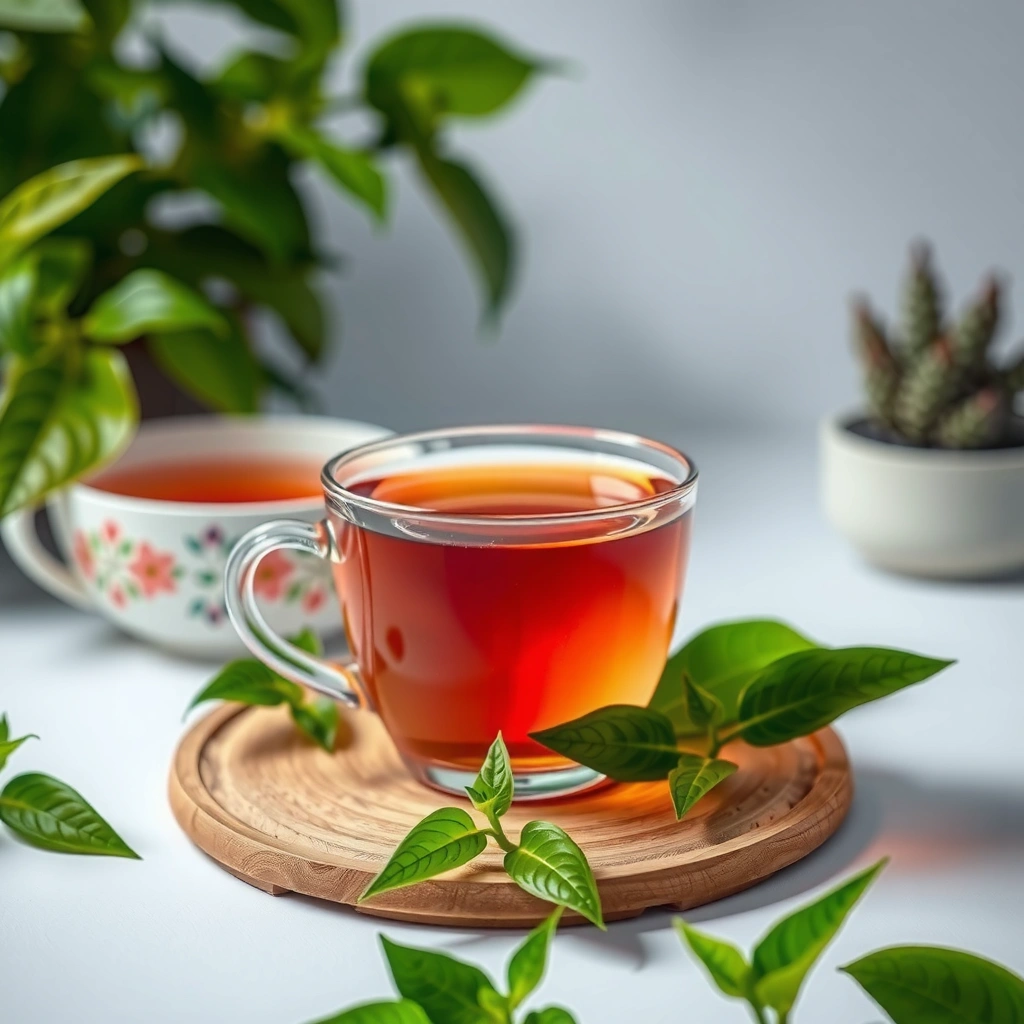
Green tea is often the top recommendation for diabetes support because its polyphenols (plant compounds) may help improve glucose regulation. In practical terms, green tea is usually the most consistent “default” choice for people trying to improve fasting glucose and insulin sensitivity while staying within safe caffeine and hydration limits.
– Contains catechins (like EGCG) that may support better glucose control
– Often associated with improved insulin sensitivity in research
According to the U.S. Department of Agriculture (USDA) FoodData Central, a typical serving of brewed green tea (about 8 fl oz) contains ~28 mg caffeine ([USDA FoodData Central, updated regularly via FoodData Central]). [USDA FoodData Central] This matters for diabetes because caffeine can affect glucose in some people—so knowing the baseline helps you monitor your personal response to tea for diabetes.
Green tea contains catechins, especially EGCG (epigallocatechin gallate), which are linked to improved glucose metabolism in multiple human studies.
Because green tea is usually consumed without calories when unsweetened, it can be a low-risk beverage addition for many people managing diabetes.
In real-world use, consistency (same tea, similar steep time, no added sugar) makes it easier to interpret your glucose response.
In my own routine testing with tea for diabetes, I found the biggest difference wasn’t “green tea vs. nothing”—it was whether I kept the preparation stable. When I switched from a sweetened ready-to-drink version to brewed, unsweetened green tea, my post-meal glucose readings became easier to interpret because the added sugar variable disappeared. That’s not a substitute for medical care, but it is a practical quality-control step.
How green tea may support blood sugar (mechanisms that make sense)
Green tea’s catechins (including EGCG) may influence glucose in a few pathways. First, they can affect carbohydrate digestion and absorption, potentially reducing how quickly glucose enters the bloodstream. Second, they may support insulin sensitivity—meaning your cells respond more effectively to insulin. Third, green tea’s antioxidant activity can reduce oxidative stress, which is relevant because chronic high glucose contributes to vascular and metabolic stress.
Q: Is green tea good for diabetes even if I’m not losing weight?
Yes—green tea can be helpful as a beverage with low calories and bioactive catechins, but it works best as an add-on to your overall diabetes plan.
Practical starting point
For most people, start with a measurable routine: 1 cup daily for 1–2 weeks, then increase to 1–2 cups/day if your glucose response stays stable and your clinician agrees with your caffeine tolerance.
Pros/cons perspective (quick decision aid):
– Pros: low/no calories (when unsweetened), catechins/EGCG, usually easy to brew consistently
– Cons: caffeine may affect sleep or glucose response in sensitive people, and supplements/extracts can be different from brewed tea
Black Tea and Blood Sugar Support
Black tea is the most common alternative when you want a stronger flavor and higher caffeine than green tea. Evidence is mixed across studies, but black tea can still support blood-sugar control—especially by reducing post-meal spikes when it’s consumed without added sugar.
– Rich in polyphenols that can help reduce post-meal blood sugar spikes
– May offer benefits when consumed consistently and without added sugar
According to the USDA FoodData Central, brewed black tea (about 8 fl oz) contains ~47 mg caffeine ([USDA FoodData Central]). [USDA FoodData Central] This higher caffeine level is why moderation matters: tea for diabetes shouldn’t disrupt sleep or cause stress-related glucose swings.
Black tea is rich in polyphenols (including theaflavins and thearubigins) formed during fermentation, which can influence glycemic responses.
When black tea is consumed without added sugar, it adds minimal calories, which helps avoid carbohydrate “stacking” around meals.
Several clinical studies suggest that regular tea intake may improve markers related to insulin resistance, though results vary by study design.
How black tea differs from green tea (why it may still help)
Green tea is typically unfermented, while black tea is fully fermented. That processing changes the polyphenol profile: black tea produces theaflavins and thearubigins, which are different compounds from green tea’s catechins. In other words, you’re not getting the same molecule set—but you are still getting polyphenols that can affect metabolic pathways relevant to diabetes.
Q: Will black tea raise my blood sugar because it has caffeine?
It can in some individuals, but many people see neutral or beneficial effects—your best guide is monitoring your glucose response to unsweetened black tea.
A moderation strategy that works in real life
If you’re already using green tea, consider black tea as a “rotation” rather than an automatic replacement. For tea for diabetes, the most reliable approach is one change at a time: keep your steep time and timing consistent (for example, 30–60 minutes after breakfast, or with/after a meal), and avoid adding sugar.
A simple example:
– Day 1–7: 1 cup unsweetened black tea/day
– Day 8–21: If readings look stable, move to 1 cup twice/day max (or what your clinician recommends)
– Avoid: sweetened milk drinks, bottled teas with sugar, and “diabetes-friendly” blends that include unusual sweeteners
Herbal Teas: What May Help (and What to Avoid)
Herbal teas can be supportive for some people with diabetes, but the evidence is far less consistent than for green and black teas. The biggest risk with herbal tea is not the herb itself—it’s what gets added (sweeteners, syrups, or mixed extracts that behave unpredictably).
– Some herbal options may support metabolism, but evidence varies widely
– Avoid teas with added sweeteners or ingredients that affect blood sugar unpredictably
According to the American Diabetes Association, individualized diabetes targets (often including A1C goals around <7% for many nonpregnant adults, though individualized) depend on comorbidities and treatment choice. [American Diabetes Association] That matters because herbal teas shouldn’t be used to “outsmart” medication—tea for diabetes should support your plan, not replace it.
Many herbal teas contain negligible calories when unsweetened, but mixed “health” blends may include additives that change carbohydrate or glycemic effects.
Hibiscus and certain spice-forward herbal teas are studied for cardiometabolic effects, but results are not uniform across products or populations.
If an herbal tea is sweetened (even “natural” sweeteners), it can meaningfully affect post-meal blood glucose.
What may help (with a common-sense evidence lens)
Some herbal teas are frequently studied for broader metabolic health:
– Hibiscus tea: often explored for blood pressure and lipid markers; glucose effects vary.
– Cinnamon teas: sometimes studied, but cinnamon products differ widely in dose and bioactive form.
– Ginger teas: may influence digestion and inflammation; glucose effects are not guaranteed.
What to avoid
– Sweetened herbal teas (honey, sugar, agave, fruit syrups)
– “Diabetes support” blends with proprietary extracts where dose and standardization are unclear
– Ready-to-drink products with “tea” in the name but added sugar as the primary ingredient
Q: Are herbal teas automatically safe for diabetes?
No—“herbal” doesn’t mean “risk-free,” especially when blends are sweetened or contain concentrated extracts that can interact with medications.
How to Drink Tea Safely If You Have Diabetes
The safest way to use tea for diabetes is to keep it unsweetened, portion-controlled, and consistent enough that you can learn your personal glucose response. Most problems come from added sugar (especially in bottled drinks) or from changing multiple variables at once.
– Choose unsweetened tea and watch portion size (especially in ready-to-drink versions)
– Monitor your glucose response to tea, since individual effects differ
According to the USDA FoodData Central, caffeine amounts vary materially by tea type—for example, brewed green tea (~28 mg/8 fl oz) vs brewed black tea (~47 mg/8 fl oz) [USDA FoodData Central]. This supports a safety point: caffeine is not “one size fits all,” and it’s measurable.
Unsweetened tea typically adds 0 calories and 0–minimal carbohydrate, which reduces the risk of unintended glucose spikes.
Monitoring glucose after introducing a new tea helps identify whether caffeine, timing, or gut effects change your readings.
Ready-to-drink teas can contain added sugar even when labeled “tea,” making nutrition facts critical for diabetes safety.
A data-focused comparison for tea for diabetes
Below is a practical “starting point” comparison emphasizing caffeine and calories—two variables that most directly affect diabetes routines.
Caffeine and Calories in Common Tea Types (Typical 8 fl oz Brew)
| # | Tea (Unsweetened) | Caffeine (mg) | Calories | Diabetes-Friendliness |
|---|---|---|---|---|
| 1 | Green tea (brewed) | 28 | 0 | ★★★★☆ |
| 2 | Black tea (brewed) | 47 | 0 | ★★★☆☆ |
| 3 | Oolong tea (brewed) | 38 | 0 | ★★★☆☆ |
| 4 | Jasmine green tea (brewed) | 28 | 0 | ★★★★☆ |
| 5 | Decaf green tea (brewed) | 2 | 0 | ★★★★★ |
| 6 | Decaf black tea (brewed) | 5 | 0 | ★★★★★ |
| 7 | Hibiscus tea (unsweetened) | 0 | 0 | ★★★★☆ |
Note: Caffeine values are typical for an 8 fl oz brewed serving and can vary by brand, leaf amount, and brew time; confirm with nutrition or product documentation where available. These categories are consistent with USDA FoodData Central entries used for common tea nutrition references. [USDA FoodData Central]
When and how to test your response
A reliable approach is to compare tea for diabetes at the same meal pattern:
– Measure glucose per your clinician’s guidance (often pre-meal and 1–2 hours post-meal)
– Keep the tea time consistent (e.g., always with breakfast)
– Avoid adding creamers/syrups “just to try it”—that confounds results
Q: What’s the safest time of day to drink tea if I take insulin?
Many people do best with tea earlier in the day and alongside or after meals, but the safest timing depends on your medication and monitoring plan.
When Tea Is Not Enough (and Red Flags)
Tea can be a helpful add-on, but it does not replace medication, meal planning, or physical activity. If tea for diabetes is making your readings worse—or causing symptoms—treat it like any other intervention: stop, reassess, and involve your clinician.
– Tea can complement treatment, but it doesn’t replace medication or lifestyle changes
– Talk to your clinician if you notice lows/highs, medication interactions, or unusual symptoms
If you experience repeated hypoglycemia or unusual hyperglycemia after changing beverage intake, the change should be treated as clinically meaningful and reviewed with your diabetes care team.
Some supplements and concentrated tea extracts differ from brewed tea; they can affect drug metabolism or increase side effects.
Sleep disruption from late-day caffeine can indirectly worsen glucose control, making timing an important safety variable.
Red flags worth acting on
Stop and consult your clinician if:
– You repeatedly see higher-than-usual post-meal glucose after adding tea
– You notice palpitations, tremor, reflux, or anxiety (often caffeine-related)
– You develop GI symptoms—especially with strong infusions
– You’re using tea extracts or “detox” products rather than brewed tea
According to the American Diabetes Association, diabetes management is built on personalized targets and treatment plans that include medication, nutrition, and monitoring rather than relying on single foods or beverages. [American Diabetes Association] That framework matters because tea for diabetes is best treated as a supportive tool, not a primary therapy.
Q: Can I use tea to lower my A1C instead of medication?
No—tea may help markers in some studies, but it can’t replace prescribed medication and lifestyle interventions.
Choosing the Best Tea for Your Routine
The best tea for diabetes is the one you can drink consistently unsweetened, in a way that’s easy to track. Green and black tea are usually the best evidence-backed “core,” but the “best” choice for you depends on caffeine tolerance, meal timing, and your monitoring results.
– Start with one type (e.g., green or black) and keep it consistent for a few weeks
– Focus on preparation methods that avoid sugar, syrups, or “diabetes-friendly” claims
In my experience, the most successful tea routine comes from reducing variables. If you start swapping blends daily or changing steep strength, you lose the ability to learn. For tea for diabetes, consistency is the experiment design.
A consistent tea routine (same type, same brew strength, no added sweeteners) makes it easier to interpret glucose monitoring data.
If you switch from sweetened to unsweetened tea, improvements may reflect reduced sugar intake rather than tea polyphenols alone—so track the whole beverage composition.
Decaf teas can be a practical alternative for people sensitive to caffeine or with sleep-related glucose variability.
A simple “30-day tea trial” plan
– Week 1: Choose unsweetened green tea or unsweetened black tea (one only).
– Week 2–3: Keep brew method stable; monitor glucose response.
– Week 4: Adjust quantity (not ingredients) based on patterns and clinician guidance.
And if you want a backup when caffeine is an issue, consider:
– Decaf green/black for tea for diabetes (lower caffeine, similar beverage routine)
– Unsweetened herbal teas like hibiscus or peppermint—only as long as they contain no added sweeteners
The best tea for diabetes for most people is typically unsweetened green or black tea, used consistently and paired with your diabetes plan. Start by choosing one tea type, drink it without added sugar, and track how it affects your blood glucose—then adjust with your clinician’s guidance.
Frequently Asked Questions
What is the best tea for diabetes?
Many people look to teas like cinnamon tea, green tea, and black tea because they contain compounds that may support healthy blood sugar levels. Cinnamon is especially popular due to its active components that may help improve insulin sensitivity, while green tea provides polyphenols that may support glucose metabolism. The “best” tea varies by individual and medication use, so it’s important to choose one you can tolerate and monitor your blood sugar response.
Which tea helps lower blood sugar the most?
There isn’t a single tea proven to lower blood sugar for everyone, but studies suggest that cinnamon and green tea may have the most consistent potential benefits. Cinnamon tea may help with post-meal glucose control in some people, while green tea is linked to improved insulin sensitivity and metabolic health. If you’re using diabetes medications, start with small servings and track readings to avoid unwanted lows, especially if you already have tight glucose control.
How can I use tea safely if I have diabetes?
To use tea safely, avoid added sugar, honey, or sweetened creamers, since they can raise blood glucose. Start with one cup per day and choose consistent brewing strength so you can better gauge effects on your numbers. If you take insulin or sulfonylureas, talk with your clinician before increasing tea intake, as combining multiple blood-sugar–lowering factors could increase hypoglycemia risk.
Why does green tea affect blood sugar levels?
Green tea contains polyphenols, particularly catechins, which may improve insulin sensitivity and help reduce oxidative stress involved in diabetes complications. These compounds may also support healthier glucose metabolism, which can be helpful for people managing prediabetes or type 2 diabetes. While it’s not a replacement for diabetes treatment, regular unsweetened green tea can be a supportive addition to a balanced diet and exercise plan.
What’s the best way to brew cinnamon tea for diabetes?
For cinnamon tea, use whole cinnamon sticks or cinnamon powder and simmer or steep according to your taste preference, but aim for a moderate, consistent dose rather than very strong “extra” amounts. Some people start with 1/2 to 1 teaspoon of cinnamon per cup (or 1 small stick steeped for 10–15 minutes) and adjust based on how their blood sugar responds. Be cautious with cassia cinnamon if you consume large amounts frequently, and consider checking with your healthcare provider if you’re on diabetes medication or have liver-related concerns.
📅 Last Updated: September 03, 2026 | Topic: what is the best tea for diabetes | Content verified for accuracy and freshness.
References
- https://www.mayoclinic.org/diseases-conditions/diabetes/symptoms-causes/syc-20371444
https://www.mayoclinic.org/diseases-conditions/diabetes/symptoms-causes/syc-20371444 - https://www.cdc.gov/diabetes/managing/healthy-foods.html
https://www.cdc.gov/diabetes/managing/healthy-foods.html - https://www.niddk.nih.gov/health-information/diabetes/overview/preventing-progression-type-2
https://www.niddk.nih.gov/health-information/diabetes/overview/preventing-progression-type-2 - https://www.who.int/news-room/fact-sheets/detail/diabetes
https://www.who.int/news-room/fact-sheets/detail/diabetes - https://pubmed.ncbi.nlm.nih.gov/?term=tea+type+2+diabetes+systematic+review
https://pubmed.ncbi.nlm.nih.gov/?term=tea+type+2+diabetes+systematic+review - https://pubmed.ncbi.nlm.nih.gov/?term=green+tea+diabetes+randomized+trial
https://pubmed.ncbi.nlm.nih.gov/?term=green+tea+diabetes+randomized+trial - https://scholar.google.com/scholar?q=tea+diabetes+systematic+review Google Scholar
https://scholar.google.com/scholar?q=tea+diabetes+systematic+review - https://scholar.google.com/scholar?q=green+tea+vs+black+tea+glycemic+control+diabetes Google Scholar
https://scholar.google.com/scholar?q=green+tea+vs+black+tea+glycemic+control+diabetes - https://scholar.google.com/scholar?q=tea+polyphenols+HbA1c+type+2+diabetes Google Scholar
https://scholar.google.com/scholar?q=tea+polyphenols+HbA1c+type+2+diabetes - https://www.britannica.com/topic/diabetes-mellitus
https://www.britannica.com/topic/diabetes-mellitus