
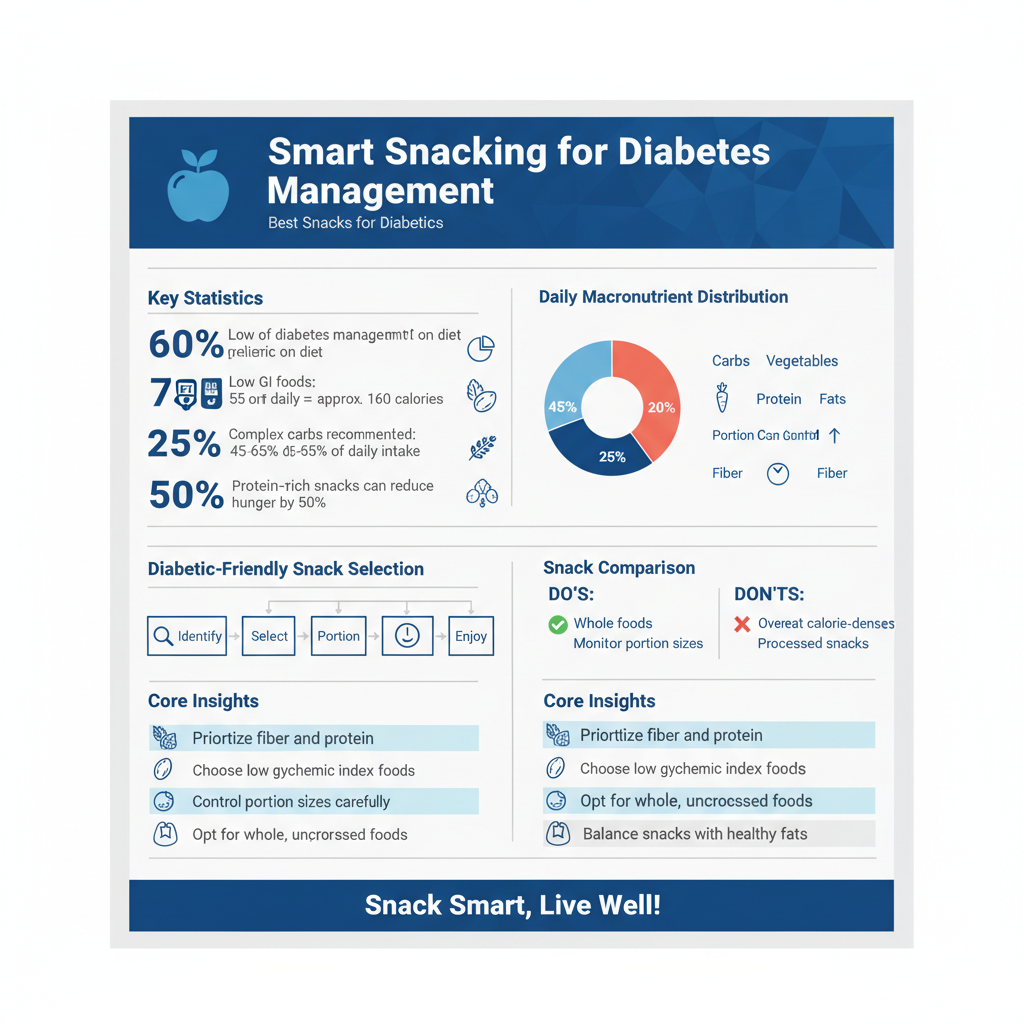
For individuals managing diabetes, smart snacking is a powerful tool to maintain stable blood sugar levels, manage weight, and prevent hunger between meals. The best snacks for diabetics are typically those rich in fiber, protein, and healthy fats, with a low glycemic index, providing sustained energy without causing rapid spikes in blood glucose. Prioritizing whole, unprocessed foods like vegetables, lean proteins, and nuts can make a significant positive impact on overall health and blood sugar control.
Understanding Diabetic-Friendly Snacking
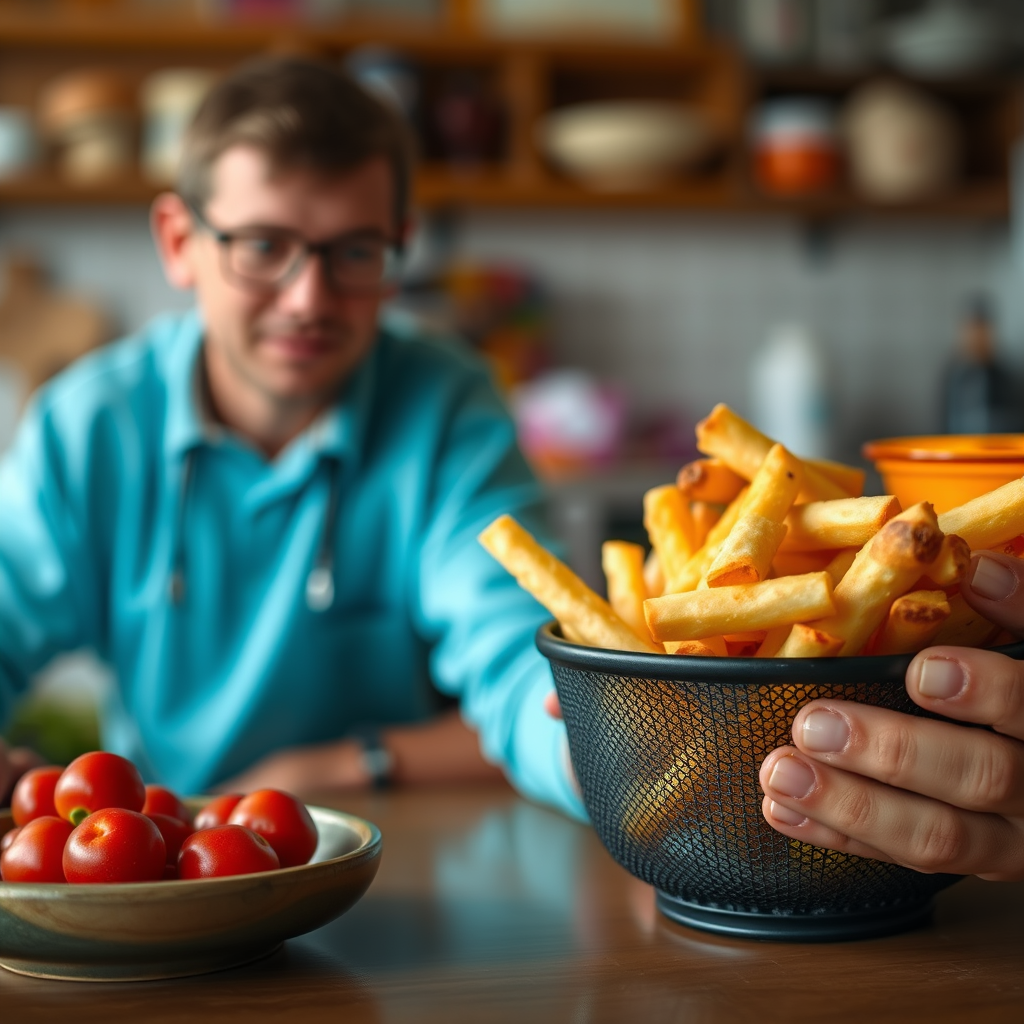
Navigating the world of snacks when you have diabetes might seem daunting, but it’s entirely manageable with the right knowledge. The core principle is to choose snacks that provide steady energy without causing your blood sugar to yo-yo.
* Prioritize complex carbohydrates, fiber, protein, and healthy fats to manage blood sugar effectively. These macronutrients work together to create a balanced snack that supports stable glucose levels. Complex carbohydrates, found in whole grains and vegetables, are digested slowly, preventing rapid sugar surges. Fiber, abundant in plant foods, further slows digestion and absorption of sugars, contributing to satiety. Protein not only helps build and repair tissues but also promotes a feeling of fullness, reducing the likelihood of overeating. Healthy fats, like those found in avocados and nuts, provide sustained energy and help absorb fat-soluble vitamins, all while having minimal impact on blood sugar directly. By combining these elements, you create a powerful snack that keeps you feeling satisfied and your blood sugar in check.
* Focus on snacks with a low glycemic index to prevent rapid spikes and crashes. The glycemic index (GI) is a value used to measure how quickly specific foods raise blood sugar levels. Foods with a low GI are digested and absorbed more slowly, leading to a gradual rise in blood sugar, which is ideal for diabetes management. Conversely, high GI foods cause quick, sharp spikes, followed by potential crashes, leading to fatigue and hunger. Opting for low GI options like most non-starchy vegetables, lean proteins, and certain fruits helps maintain steadier energy levels throughout the day and reduces strain on your body’s insulin response.
* Portion control is crucial to avoid excess calorie and carbohydrate intake, even with healthy choices. Even the healthiest foods contain calories and carbohydrates, and eating too much of them can still impact blood sugar and weight. For instance, while nuts are incredibly healthy, they are also calorie-dense; a large handful can quickly add up. Learning appropriate portion sizes is vital for effective diabetes management. This might involve using measuring cups, scales, or simply being mindful of recommended serving sizes. By controlling portions, you ensure that your snacks contribute positively to your diet without inadvertently leading to unwanted blood sugar fluctuations or weight gain.
Vegetable and Fruit Power Snacks
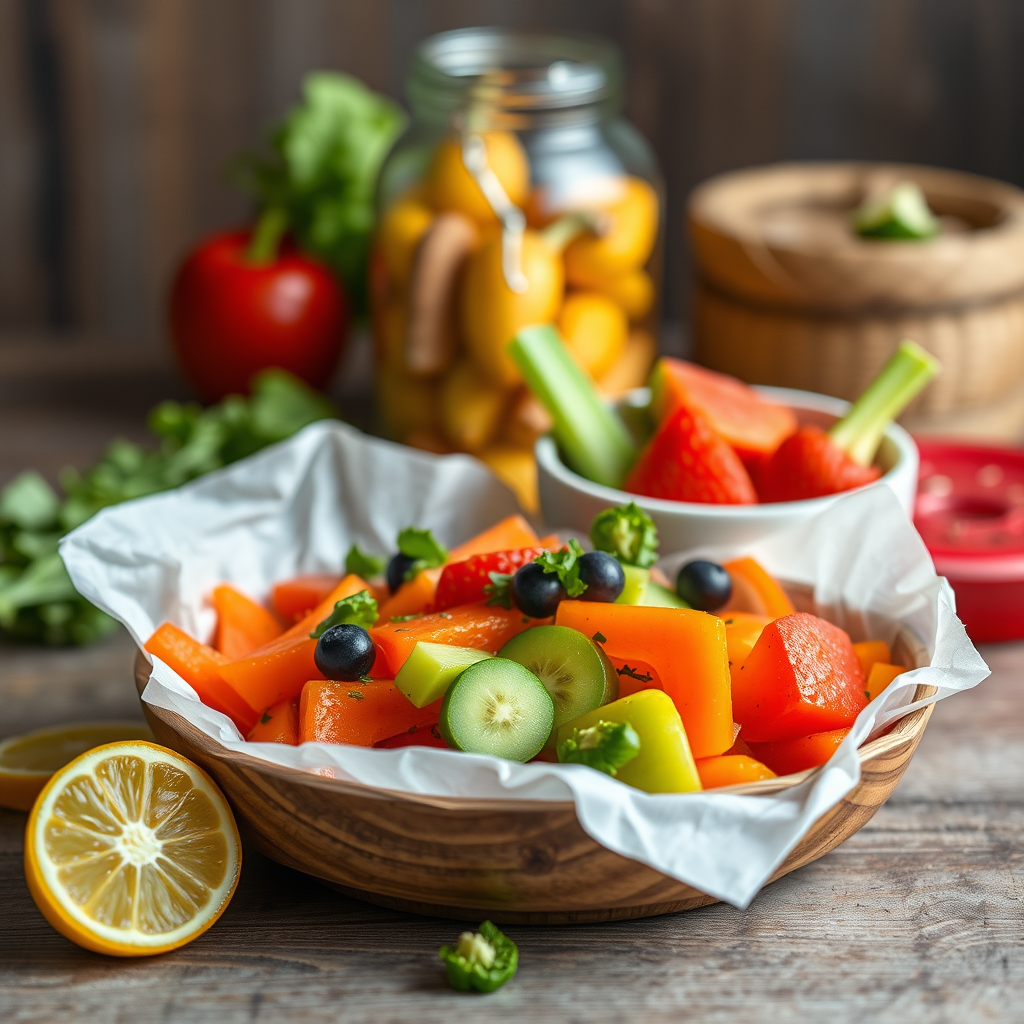
Nature provides an abundance of vibrant, nutrient-dense options perfect for diabetic snacking. These choices are packed with vitamins, minerals, and crucial fiber.
* Non-starchy vegetables like celery, bell peppers, cucumbers, and carrots are excellent low-carb, nutrient-dense options. These superstars are incredibly versatile and can be enjoyed in various ways. Beyond the examples, think broccoli florets, cherry tomatoes, radishes, or slices of zucchini. They are rich in vitamins, minerals, and antioxidants, and their high water and fiber content means they fill you up without significantly impacting your blood sugar. Dip them in a small serving of hummus, a light salad dressing, or enjoy them crunchy and raw. They’re perfect for satisfying that urge to munch.
* Low-sugar fruits such as berries, apples, and oranges offer natural sweetness with beneficial fiber and antioxidants. While fruit contains natural sugars, low-sugar varieties can be a healthy part of a diabetic meal plan when consumed in moderation. Berries (strawberries, blueberries, raspberries) are particularly fantastic, boasting high fiber content and powerful antioxidants that fight inflammation. A small apple or orange also provides valuable fiber and vitamin C. The fiber in these fruits helps to slow down the absorption of their natural sugars, making them a much better choice than fruit juice or dried fruit, which can be concentrated sources of sugar.
* Always pair fruit or starchy vegetables with protein or healthy fat for sustained energy and better blood sugar control. This is a golden rule for diabetic snacking! Eating a piece of fruit on its own might cause a quicker blood sugar rise in some individuals. However, by pairing it with a source of protein or healthy fat, you slow down digestion and glucose absorption, leading to a more gradual and sustained energy release. For example, enjoy apple slices with a tablespoon of natural peanut butter, or carrots with a small dollop of Greek yogurt dip. This combination helps to keep you feeling fuller for longer and provides more stable blood sugar levels.
Protein-Packed Snacks
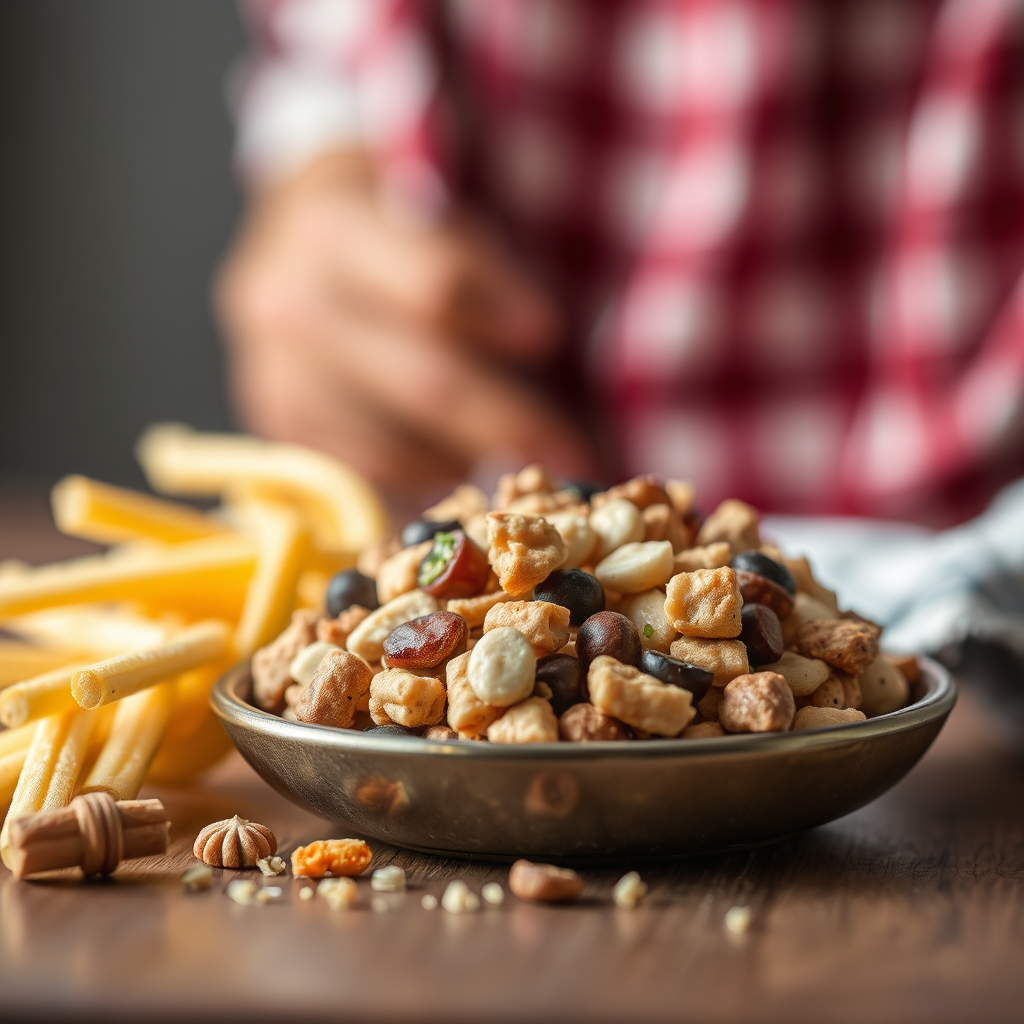
Protein is a powerhouse nutrient for anyone managing diabetes. It helps slow down carbohydrate absorption, stabilizes blood sugar, and keeps hunger at bay.
* Hard-boiled eggs, plain Greek yogurt, and cottage cheese are excellent sources of protein that promote satiety and muscle health. These dairy and egg options are not only convenient but also incredibly effective. Hard-boiled eggs are a complete protein source, offering all essential amino acids, and are easy to prepare in advance for quick grab-and-go snacks. Plain Greek yogurt is a probiotic-rich option with significantly more protein than regular yogurt, making it superb for gut health and muscle maintenance; just be sure to choose plain and unsweetened varieties. Cottage cheese is another high-protein dairy product, packed with casein protein (a slow-digesting protein) and calcium, making it a satisfying and bone-healthy snack. You can enhance these with a sprinkle of cinnamon or a few berries.
* Lean deli meats (like turkey or chicken) or a small piece of cheese offer quick, convenient protein. When you’re short on time, these options can be lifesavers. Opt for low-sodium, lean deli meats, rolling them up with a slice of cucumber or bell pepper for added crunch and nutrients. A small piece of natural cheese (like cheddar, mozzarella, or provolone) provides protein and calcium along with healthy fats, which contribute to satiety. Be mindful of portion sizes for cheese, as it can be high in calories and saturated fat. These quick bites are perfect for bridging the gap between meals without much fuss.
* A small handful of nuts (almonds, walnuts, pecans) and seeds (chia, flax, pumpkin) provide both protein and healthy fats. Nuts and seeds are nutritional marvels, offering a potent combination of plant-based protein, healthy monounsaturated and polyunsaturated fats, fiber, and an array of vitamins and minerals. Almonds are great for magnesium, walnuts for omega-3s, and pumpkin seeds for zinc. Chia and flax seeds are rich in fiber and omega-3 fatty acids, excellent for heart health. The healthy fats and fiber in nuts and seeds contribute significantly to satiety and help to slow down sugar absorption, making them an excellent choice for blood sugar management. Remember, a small handful (about 1/4 cup) is usually an appropriate portion size due to their calorie density.
Healthy Fat and Fiber Snacks
Healthy fats and fiber are two crucial components of a diabetic-friendly diet, working in tandem to keep you full, satisfied, and your blood sugar stable.
* Avocado slices on a whole-grain cracker or rice cake offer healthy monounsaturated fats and beneficial fiber. Avocado is a superstar when it comes to healthy fats, primarily monounsaturated fats, which are excellent for heart health and help improve insulin sensitivity. It’s also packed with fiber and potassium. Pairing avocado slices with a high-fiber, whole-grain cracker or a plain rice cake adds texture and a source of complex carbohydrates, ensuring a balanced snack that delivers sustained energy. Look for crackers with at least 3 grams of fiber per serving and minimal added sugars. This combination is incredibly satisfying and nutritious.
* Olives can provide satisfying healthy fats and flavor without adding significant carbohydrates. These small, flavorful fruits (yes, olives are fruits!) are packed with healthy monounsaturated fats and antioxidants. They are naturally low in carbohydrates, making them an excellent choice for a diabetic snack. A small serving of green or black olives can provide a burst of savory flavor and help curb hunger due to their fat content. Just be mindful of their sodium content, especially if you’re watching your blood pressure. Enjoy them on their own or alongside some non-starchy vegetables.
* Natural nut butters (peanut, almond) paired with celery sticks or apple slices are a balanced and filling choice. Nut butters are a fantastic source of protein, healthy fats, and fiber, but it’s crucial to choose “natural” varieties that have no added sugars, hydrogenated oils, or excessive sodium. The ingredient list should ideally only contain nuts and maybe a pinch of salt. Pairing a tablespoon or two of natural peanut or almond butter with crunchy celery sticks provides a satisfying crunch and fiber, while pairing it with apple slices adds natural sweetness and more fiber. This combination is incredibly effective at promoting satiety and stabilizing blood sugar levels, making it a go-to snack for many.
Convenient Store-Bought Options
Life gets busy, and sometimes you need quick, pre-packaged options that align with your diabetic meal plan. The good news is that there are many healthy choices available in your local grocery store.
* Pre-portioned cheese sticks, string cheese, or single-serving unsalted nuts are grab-and-go friendly and blood sugar supportive. These items are designed for convenience and are excellent for managing portion sizes. Cheese sticks offer protein and calcium, making them a satisfying and easy snack. Single-serving packs of unsalted nuts, like almonds or walnuts, provide healthy fats, protein, and fiber without the risk of overeating from a larger bag. Always opt for unsalted varieties to manage sodium intake, and check the label to ensure no hidden sugars or unnecessary additives. They’re perfect for your desk drawer, car, or gym bag.
* Edamame (shelled or in pods) offers a complete protein and fiber, making it a satisfying snack. Edamame, young soybeans, is a nutritional powerhouse. It’s one of the few plant-based foods that provide a complete protein, meaning it contains all essential amino acids. It’s also rich in fiber, vitamins, and minerals. You can find it in the frozen section, often already shelled for convenience, or in pods for a more interactive snack. Simply steam or microwave a serving, sprinkle with a little salt (or skip it for lower sodium), and enjoy. It’s warm, comforting, and incredibly filling.
* Sugar-free gelatin or light, plain yogurt can satisfy sweet cravings with minimal impact on blood glucose. Sometimes you just need something sweet, and that’s okay! Sugar-free gelatin can be a great option for a low-calorie, low-carb treat to curb that craving. For something more substantial, light, plain yogurt (Greek or regular) can be a good base. Remember to choose plain to avoid added sugars and flavorings. You can then enhance it yourself with a few berries, a sprinkle of cinnamon, or a tiny amount of a natural sugar substitute if desired. These options provide a refreshing break without derailing your blood sugar management.
Snacks to Limit or Avoid
Just as important as knowing what to eat is understanding what to limit or steer clear of to effectively manage your diabetes. Avoiding certain foods can prevent rapid blood sugar spikes and promote overall health.
* Steer clear of sugary drinks, candy, cookies, pastries, and other highly processed sweets that cause rapid blood sugar spikes. These items are notorious for their high content of refined sugars and often lack beneficial fiber, protein, or healthy fats. They cause immediate and significant spikes in blood glucose levels, making diabetes management challenging and potentially leading to long-term complications. Sugary sodas, fruit juices (even 100% juice can be problematic due to concentrated natural sugars without the pulp and fiber), energy drinks, and desserts like cakes and donuts should be avoided. These foods offer little nutritional value beyond empty calories.
* Minimize refined carbohydrates like white bread, chips, pretzels, and highly processed snack crackers. Refined carbohydrates, often made from white flour, have had most of their fiber and nutrients stripped away during processing. As a result, they are quickly digested and absorbed, acting much like sugar in your body and causing rapid blood sugar increases. Chips and pretzels are typically high in sodium and unhealthy fats as well, contributing to other health concerns. Opt instead for whole-grain versions of bread and crackers, ensuring they have a good amount of fiber listed on the nutrition label, or stick to the non-starchy vegetables previously mentioned.
* Be mindful of hidden sugars and large portion sizes in seemingly healthy options like granola bars or fruit juices. Many products marketed as “healthy” can be deceptive. Granola bars, for instance, often contain significant amounts of added sugar, corn syrup, or honey, and can be high in calories. Similarly, bottled fruit smoothies or even “all-natural” fruit juices, while made from fruit, concentrate the sugars and remove the beneficial fiber, leading to a quick sugar load. Always read food labels carefully, looking beyond the front-of-package claims. Pay attention to the “Added Sugars” line, total carbohydrate count, and serving size. Even healthy fats like nuts can lead to excess calorie intake if portion sizes are ignored. Diligence in label reading is a powerful tool for smart snacking.
Tips for Smart Snacking
Successful diabetes management isn’t just about what you eat, but also how you approach your eating habits. A few strategic tips can make a big difference in your snacking routine.
* Always read food labels carefully to check carbohydrate, sugar, and fiber content, even for “healthy” products. This is perhaps the most critical habit you can develop. Food labels provide a wealth of information that empowers you to make informed choices. Pay close attention to:
* Serving Size: All other values are based on this. Be realistic about how much you’re actually eating.
* Total Carbohydrates: This is key for blood sugar management.
* Dietary Fiber: Higher fiber content is generally better, as it slows sugar absorption.
* Sugars (especially “Added Sugars”): Aim for minimal or no added sugars.
* Protein and Healthy Fats: These contribute to satiety and blood sugar stability.
* Sodium: Important for blood pressure management.
Learning to decipher these labels will help you avoid hidden pitfalls and choose truly diabetic-friendly options.
* Plan your snacks in advance and prepare them to avoid impulsive, less healthy choices when hunger strikes. When hunger hits hard, it’s easy to reach for the quickest, often least healthy, option available. By planning your snacks, you eliminate this risk. Dedicate some time each week to prep: portion out nuts, hard-boil a batch of eggs, wash and cut vegetables, or prepare small containers of Greek yogurt. Keep these healthy options easily accessible at home, at work, and even in your car. This proactive approach ensures you always have a smart snack ready to go, making healthy eating the easy choice.
* Pay attention to your body’s hunger cues; snack when you are truly hungry, and stop when satisfied, not overly full. Mindful eating is a powerful tool for diabetes management and overall well-being. Before you reach for a snack, take a moment to assess your hunger. Are you genuinely hungry, or are you bored, stressed, thirsty, or just craving something? If you are truly hungry, choose a balanced snack. As you eat, pay attention to the signals your body sends. Eat slowly, savoring the flavors and textures. Stop when you feel comfortably satisfied, not stuffed. This practice helps you develop a healthier relationship with food, prevents unnecessary calorie intake, and supports stable blood sugar by aligning your eating with your body’s actual needs.
Incorporating smart, balanced snacks into your daily routine is a key strategy for effective diabetes management, helping to stabilize blood sugar, control hunger, and boost nutrient intake. By focusing on whole foods rich in fiber, protein, and healthy fats, you can enjoy delicious and satisfying snacks that support your health goals. Remember to consult with your healthcare provider or a registered dietitian for personalized advice tailored to your specific dietary needs and diabetes management plan.
Frequently Asked Questions
What are the best types of snacks for diabetics to manage blood sugar?
The best snacks for diabetics prioritize a balance of protein, fiber, and healthy fats, which help stabilize blood sugar levels and promote satiety. Opt for whole foods over processed options to ensure you’re getting essential nutrients without excess sugars or unhealthy additives. These nutrient-dense snacks contribute to better glucose control and overall well-being.
How can I choose a healthy, store-bought snack when living with diabetes?
When selecting store-bought snacks, always prioritize reading nutrition labels carefully. Look for options low in added sugars, refined carbohydrates, and unhealthy fats, while being high in fiber and protein. Pay close attention to serving sizes to ensure proper portion control and avoid unintended blood sugar spikes, making smart choices for your diabetic snack needs.
Why are snacks rich in protein and fiber particularly beneficial for diabetics?
Snacks high in protein and fiber are crucial for diabetics because they slow down glucose absorption, preventing rapid blood sugar spikes after eating. Protein promotes satiety, helping to manage hunger and reduce the likelihood of overeating, while fiber aids digestion and further contributes to stable blood glucose. This combination makes them excellent choices for effective diabetes management.
Which low-carb snack options are ideal for diabetics looking to prevent blood sugar spikes?
Ideal low-carb snack options for diabetics include nuts (like almonds or walnuts), seeds (chia, flax, pumpkin), hard-boiled eggs, and cheese sticks. Non-starchy vegetables such as cucumber slices, bell pepper strips, or celery sticks paired with hummus or guacamole also make excellent choices. These snacks are naturally lower in carbohydrates and rich in beneficial fats and protein, supporting steady blood sugar levels.
What quick and easy homemade snack ideas can a diabetic prepare for better glucose control?
For quick and easy homemade diabetic snacks, consider Greek yogurt topped with a few berries and a sprinkle of nuts for a protein and fiber boost. Another great option is apple slices with a tablespoon of natural peanut butter, combining healthy fats, fiber, and protein. Hard-boiled eggs or a small handful of trail mix (without added candy) are also convenient choices that support blood sugar stability.
References
- https://www.diabetes.org/healthy-living/recipes-nutrition/eating-well/healthy-snack-ideas
- https://www.mayoclinic.org/diseases-conditions/diabetes/in-depth/diabetes-friendly-snacks/art-20455855
- https://www.health.harvard.edu/diseases-and-conditions/the-best-snacks-for-people-with-diabetes
- https://www.cdc.gov/diabetes/managing/eat-well/index.html
- Healthy Living with Diabetes – NIDDK
- https://www.diabetes.org/healthy-living/recipes-nutrition/eating-well/meal-planning
