
For individuals managing diabetes, prioritizing lean, unprocessed protein sources is key to stable blood sugar levels, improved satiety, and overall health. The “best” protein for diabetics isn’t a single food, but rather a diverse range of options including lean meats, fish, eggs, a variety of plant-based proteins, and certain dairy products, all chosen for their low carbohydrate content and beneficial nutritional profiles. Incorporating these into your diet can significantly aid in blood sugar control and weight management, helping you feel your best every day.
The Vital Role of Protein in Diabetes Management

Protein isn’t just a building block for muscles; it’s a powerful ally in your diabetes management journey. Understanding its multifaceted benefits can empower you to make smarter dietary choices that support your health goals.
* Blood Sugar Stability: One of protein’s most celebrated benefits for people with diabetes is its minimal direct impact on blood glucose. Unlike carbohydrates, which break down into sugar quickly, protein is digested more slowly. When paired with carbohydrates, protein helps to slow down the absorption of sugars into your bloodstream, preventing those unwelcome post-meal spikes that can be challenging to manage. This steady release of energy helps keep your blood sugar levels smoother and more predictable throughout the day.
* Enhanced Satiety and Weight Control: Feeling hungry shortly after a meal can lead to overeating and difficulty with weight management, which is a crucial aspect of diabetes care. Protein is renowned for its ability to keep you feeling fuller for longer. It triggers the release of satiety hormones that tell your brain you’re satisfied, reducing cravings and the urge to snack unnecessarily. By promoting a sense of fullness, protein can be a fantastic tool for managing your appetite and supporting healthy weight loss or maintenance, directly impacting insulin sensitivity and overall diabetes control.
* Muscle Maintenance and Repair: Muscles are not just for lifting weights; they play a vital role in metabolic health. Muscle tissue is more metabolically active than fat tissue, meaning it burns more calories even at rest. Adequate protein intake is absolutely essential for preserving and building muscle mass, especially as we age. For individuals with diabetes, maintaining strong muscles helps improve insulin sensitivity, meaning your body’s cells can more effectively use insulin to take up glucose from the blood. This contributes to better long-term blood sugar control and a healthier metabolism.
Top Lean Animal Protein Choices
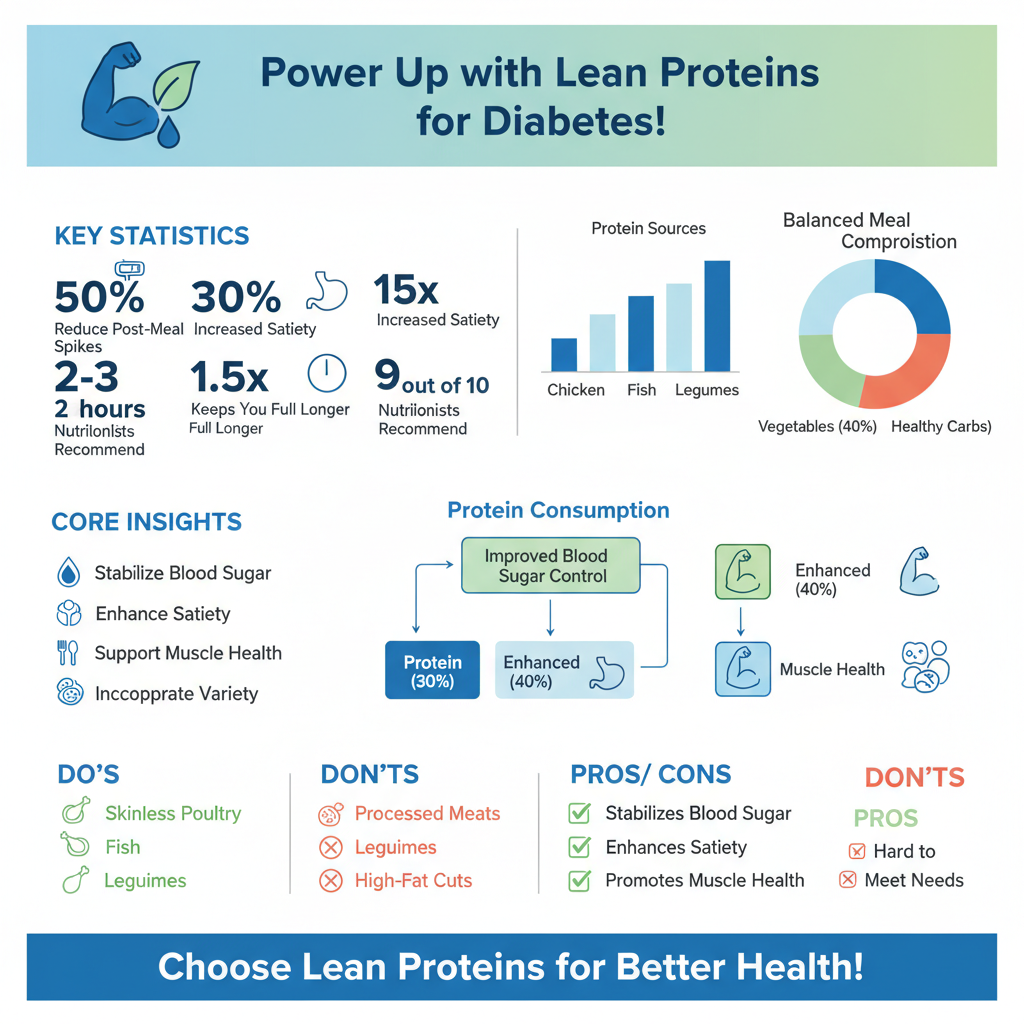

When it comes to animal proteins, focusing on lean cuts is paramount to minimize saturated fat intake, which can be detrimental to heart health, especially for those managing diabetes. These options provide high-quality protein without excessive calories or unhealthy fats.
* Skinless Poultry (Chicken & Turkey Breast): Chicken and turkey breast, especially without the skin, are superstars in the lean protein world. They are incredibly versatile, allowing for a wide range of cooking methods and flavor profiles – from grilling and baking to stir-frying. They provide a significant amount of high-quality protein per serving with very little saturated fat, making them an excellent foundation for many healthy diabetic-friendly meals. Think baked chicken with roasted vegetables or a lean turkey salad.
* Fish & Seafood (Salmon, Tuna, Cod, Shrimp): Fish and seafood offer a fantastic array of protein options. Many types, like salmon, mackerel, and sardines, are not only protein-rich but also packed with beneficial omega-3 fatty acids. These healthy fats are crucial for heart health, reducing inflammation, and may even improve insulin sensitivity – all vital benefits for individuals with diabetes. Leaner white fish like cod, tilapia, and haddock, as well as shrimp, mussels, and scallops, offer excellent protein with minimal fat. Aim to include fatty fish at least twice a week.
* Eggs: Often called nature’s perfect food, eggs are a complete protein source, meaning they contain all nine essential amino acids your body needs. With virtually no carbohydrates and a good amount of healthy fats, they are incredibly versatile and can be enjoyed scrambled, boiled, poached, or as part of an omelet with vegetables. Don’t be afraid of the yolk; it contains most of the vitamins and nutrients. Eggs are a convenient and affordable way to boost your protein intake at any meal.
* Lean Red Meats (Sirloin, Tenderloin, Extra Lean Ground Beef): While red meat often gets a bad rap, lean cuts can certainly fit into a diabetic-friendly diet in moderation. Cuts like sirloin, tenderloin, flank steak, and extra-lean ground beef offer high-quality protein, iron, and B vitamins. The key is to choose cuts labeled “lean” or “extra lean,” trim any visible fat before cooking, and keep portion sizes in check. Grilling, baking, or broiling are preferred cooking methods to avoid adding unnecessary fats.
Excellent Plant-Based Protein Sources

Plant-based proteins are a fantastic choice for everyone, but especially for those with diabetes, as they often come bundled with fiber, vitamins, and minerals that support overall health and blood sugar control.
* Legumes (Beans, Lentils, Chickpeas): This powerhouse group includes kidney beans, black beans, pinto beans, lentils, and chickpeas. Legumes are an absolute gem for diabetes management, offering a winning combination of both protein and abundant soluble fiber. This fiber helps slow down glucose absorption, contributes to stable blood sugar levels, and promotes digestive health. They are incredibly versatile in dishes like soups, stews, salads, and as a base for vegetarian burgers. Just be mindful of portion sizes as they do contain complex carbohydrates.
* Tofu, Tempeh, & Edamame: These soy-based proteins are complete proteins, meaning they provide all essential amino acids, making them excellent meat alternatives. Tofu is celebrated for its ability to absorb flavors, tempeh offers a firmer, nuttier texture, and edamame (young soybeans) makes a delicious snack. They are naturally low in carbohydrates and saturated fat, making them incredibly adaptable for stir-fries, curries, salads, and more.
* Nuts and Seeds (Almonds, Walnuts, Chia Seeds, Flaxseeds): Nuts and seeds are tiny nutritional powerhouses, offering a blend of plant-based protein, healthy monounsaturated and polyunsaturated fats (including omega-3s in walnuts, chia, and flax), and fiber. They can help with satiety and provide sustained energy. Enjoy them as snacks, sprinkled over salads, or blended into smoothies. Due to their calorie density, portion control is important; a small handful (about a quarter cup) is typically a good serving size.
* Quinoa: While technically a seed, quinoa is often treated as a grain and is unique because it’s one of the few plant foods considered a complete protein. It’s also gluten-free and a good source of fiber, magnesium, and iron. Quinoa makes an excellent base for salads, a nutritious side dish, or even a hearty breakfast porridge, providing sustained energy and contributing to stable blood sugar.
Dairy and Whey Protein Considerations
Dairy products and their derivatives can be excellent sources of protein, but it’s crucial to select the right kinds, focusing on low-sugar options to avoid unnecessary carbohydrate intake.
* Plain Greek Yogurt & Cottage Cheese: These are stellar choices for those managing diabetes. Plain Greek yogurt is particularly high in protein, often containing twice as much as regular yogurt, helping you feel full and satisfied. Cottage cheese is another protein-packed option, and both are low in carbohydrates, especially when chosen unsweetened. They also provide calcium and beneficial probiotics for gut health. Always opt for plain, unsweetened versions and add your own fresh berries or a sprinkle of nuts for flavor.
* Whey Protein Powder: For individuals who struggle to meet their protein needs through whole foods, or for a convenient post-workout recovery aid, whey protein powder can be a useful supplement. It’s a complete protein and can be very low in carbohydrates. However, it is absolutely essential to read nutrition labels carefully. Many commercial protein powders are loaded with added sugars, artificial sweeteners, or other fillers that are counterproductive for diabetes management. Look for isolates or concentrates with minimal ingredients and no added sugars.
* Unsweetened Plant-Based Milks (Almond, Soy): While cow’s milk contains natural sugars (lactose), unsweetened plant-based milks can be fantastic alternatives for protein and calcium without the added sugars or the higher carbohydrate content of traditional milk. Unsweetened soy milk typically offers a protein content similar to cow’s milk, while unsweetened almond or cashew milk are generally lower in calories and carbs, making them great for smoothies, cereal, or coffee. Again, check labels to ensure they are truly unsweetened and fortified with calcium and vitamin D.
Proteins to Approach with Caution or Limit
Just as there are beneficial protein choices, there are also some that can hinder your diabetes management goals. Being aware of these can help you make healthier swaps and protect your long-term well-being.
* Processed Meats (Bacon, Sausage, Deli Meats): While convenient, processed meats are typically high in sodium, unhealthy saturated fats, and often contain nitrates and other preservatives. Regular consumption of these can contribute to high blood pressure, increased risk of heart disease (a common complication of diabetes), and may even impact insulin resistance. It’s best to limit these and opt for fresh, unprocessed lean protein sources instead.
* Fried or High-Fat Protein Sources: Foods like fried chicken, deep-fried fish, or protein sources cooked in excessive amounts of butter or unhealthy oils contribute a significant amount of saturated and trans fats to your diet. These fats can worsen insulin resistance, raise “bad” LDL cholesterol levels, and increase your risk of cardiovascular issues, which are already elevated for people with diabetes. Whenever possible, choose baking, grilling, roasting, or steaming over frying.
* Sugary Protein Bars and Drinks: The market is flooded with protein bars, shakes, and drinks that promise health benefits. However, many of these commercial products are simply candy bars in disguise, packed with significant amounts of added sugars, high-fructose corn syrup, or artificial sweeteners that can negatively impact blood sugar control and gut health. Always scrutinize nutrition labels; look for options with minimal added sugars, higher fiber content, and a clean ingredient list. It’s often healthier and more satisfying to get your protein from whole food sources.
Integrating Protein Effectively into Your Diabetic Meal Plan
Making protein a cornerstone of your diet doesn’t have to be complicated. With a little planning and conscious effort, you can seamlessly weave these beneficial foods into your daily routine and truly feel the difference.
* Prioritize Protein at Every Meal: Instead of just thinking about protein for dinner, aim to include a lean protein source with breakfast, lunch, and dinner. Starting your day with protein (like eggs, Greek yogurt, or a protein smoothie) can help stabilize blood sugar right from the start and keep you feeling full until lunch. Similarly, including protein at lunch and dinner will help manage post-meal glucose spikes and extend satiety, reducing the likelihood of unhealthy snacking.
* Focus on Whole, Unprocessed Foods: This is a golden rule for diabetes management and overall health. Opt for fresh meats, fish, eggs, and whole plant-based options like beans, lentils, and nuts over highly processed alternatives. Whole foods retain more of their natural nutrients, fiber, and beneficial compounds, supporting your body’s functions far better than processed substitutes.
* Read Nutrition Labels Carefully: Becoming a label detective is a crucial skill for anyone managing diabetes. Always check for carbohydrate content, especially “added sugars,” sodium levels, and saturated fat in packaged protein sources, dairy, and protein supplements. Don’t let clever marketing fool you; the nutrition facts panel tells the real story. Choose products with minimal added sugars and lower sodium to support both blood sugar and heart health.
* Consult a Healthcare Professional: While these guidelines provide excellent general advice, everyone’s body is unique, and individual needs can vary significantly. Working with a registered dietitian or your doctor is invaluable. They can help you create a personalized dietary plan tailored to your specific health goals, medication regimen, activity level, and food preferences. A professional can provide guidance on portion sizes, meal timing, and how to effectively integrate protein to optimize your diabetes management.
Choosing the right protein is a powerful tool in managing diabetes effectively. By focusing on a variety of lean, unprocessed animal and plant-based proteins, you can support stable blood sugar, maintain a healthy weight, and enhance overall well-being. Remember that incorporating diverse protein sources throughout your day, from eggs at breakfast to lentils at dinner, will provide a steady supply of nutrients and help control hunger. Start incorporating these beneficial protein sources into your daily meals today, and always remember to consult with your healthcare provider or a dietitian to create a personalized meal plan that best suits your individual health journey. Your health is your greatest asset, and making smart protein choices is a fantastic step towards a healthier, happier you!
Frequently Asked Questions
What types of protein are generally recommended for diabetics?
For individuals managing diabetes, lean protein sources are highly recommended due to their minimal impact on blood sugar levels and high satiety. Excellent choices include lean meats like chicken breast and turkey, fish high in omega-3 fatty acids such as salmon and mackerel, eggs, and a wide variety of plant-based proteins like lentils, beans, tofu, edamame, and nuts. Dairy products such as Greek yogurt and cottage cheese (low-fat, unsweetened) also offer beneficial protein without excessive carbohydrates.
How much protein should a diabetic consume daily for optimal blood sugar management?
While individual needs vary based on age, activity level, and kidney function, a general recommendation for diabetics is to aim for around 0.8 to 1.2 grams of protein per kilogram of body weight daily. Spreading this protein intake evenly throughout the day can help stabilize blood sugar and promote fullness. It’s crucial for individuals with diabetes to consult with a registered dietitian or doctor to determine their personalized protein requirements.
Why is choosing the right protein source crucial for managing diabetes and overall health?
Selecting appropriate protein sources is vital for diabetics because protein helps slow down the digestion and absorption of carbohydrates, leading to a more gradual rise in blood sugar after meals. Furthermore, protein promotes satiety, which can aid in weight management and reduce the likelihood of overeating, both beneficial for diabetes control. High-quality protein also supports muscle maintenance, which is important for metabolism and overall strength, especially as one ages.
Which protein powders are safe and effective for individuals with diabetes?
When choosing protein powders, diabetics should look for options that are low in carbohydrates, sugar, and artificial sweeteners to prevent blood sugar spikes. Whey protein isolate, casein protein, and plant-based proteins like pea or soy protein are generally good choices, provided they meet these criteria. Always check the nutrition label carefully for hidden sugars, excessive carbs, and unnecessary additives, opting for unflavored or naturally sweetened versions when possible.
Are there any protein sources diabetics should limit or avoid due to their impact on blood sugar or overall health?
Diabetics should limit or avoid processed meats like bacon, sausage, and deli meats, as these often contain high levels of sodium, unhealthy fats, and sometimes hidden sugars which can negatively impact cardiovascular health and blood sugar. Similarly, protein bars or shakes with high added sugar content or excessive carbohydrates should be avoided. Prioritizing lean, unprocessed protein sources helps maintain stable blood glucose and promotes better long-term health outcomes.
References
- Best Protein-Rich Foods for Diabetes | American Diabetes Association
- Diabetes diet: Create your healthy-eating plan – Mayo Clinic
- Healthy Living with Diabetes – NIDDK
- https://www.cdc.gov/diabetes/managing/eat-well/index.html
- https://www.health.harvard.edu/diseases-and-conditions/a-healthy-diet-for-type-2-diabetes
- https://health.clevelandclinic.org/what-to-eat-when-you-have-diabetes/
- https://en.wikipedia.org/wiki/Diabetes_mellitus_diet
- https://www.diabetes.org.uk/guide-to-diabetes/managing-your-diabetes/eating-well/food-facts/protein-and-diabetes
