
For individuals managing diabetes, navigating dietary choices can be complex, but the good news is that potatoes can absolutely be part of a healthy diet. The key lies in selecting the right types and preparing them in smart ways to minimize their impact on blood sugar. Focus on varieties like sweet potatoes, red potatoes, and new potatoes, especially when boiled or baked with the skin on and eaten in controlled portions, as these offer more fiber and a potentially lower glycemic impact compared to some other options. With a little knowledge and mindful preparation, you can enjoy this versatile vegetable without compromising your health goals.
Understanding Potatoes and Blood Sugar

Potatoes have a bit of a tricky reputation, often seen as a no-go for people managing diabetes. However, understanding their nutritional profile and how they interact with your body is the first step to including them wisely. At their core, potatoes are a primary source of carbohydrates, which are vital for energy but directly influence blood glucose levels. When you eat carbohydrates, your digestive system breaks them down into glucose (sugar), which then enters your bloodstream. Your body then releases insulin to help transport this glucose into your cells for energy. For individuals with diabetes, this process can be less efficient, leading to higher or more erratic blood sugar spikes if carbohydrate intake isn’t carefully managed. It’s not about avoiding carbs entirely, but rather choosing the right types and amounts.
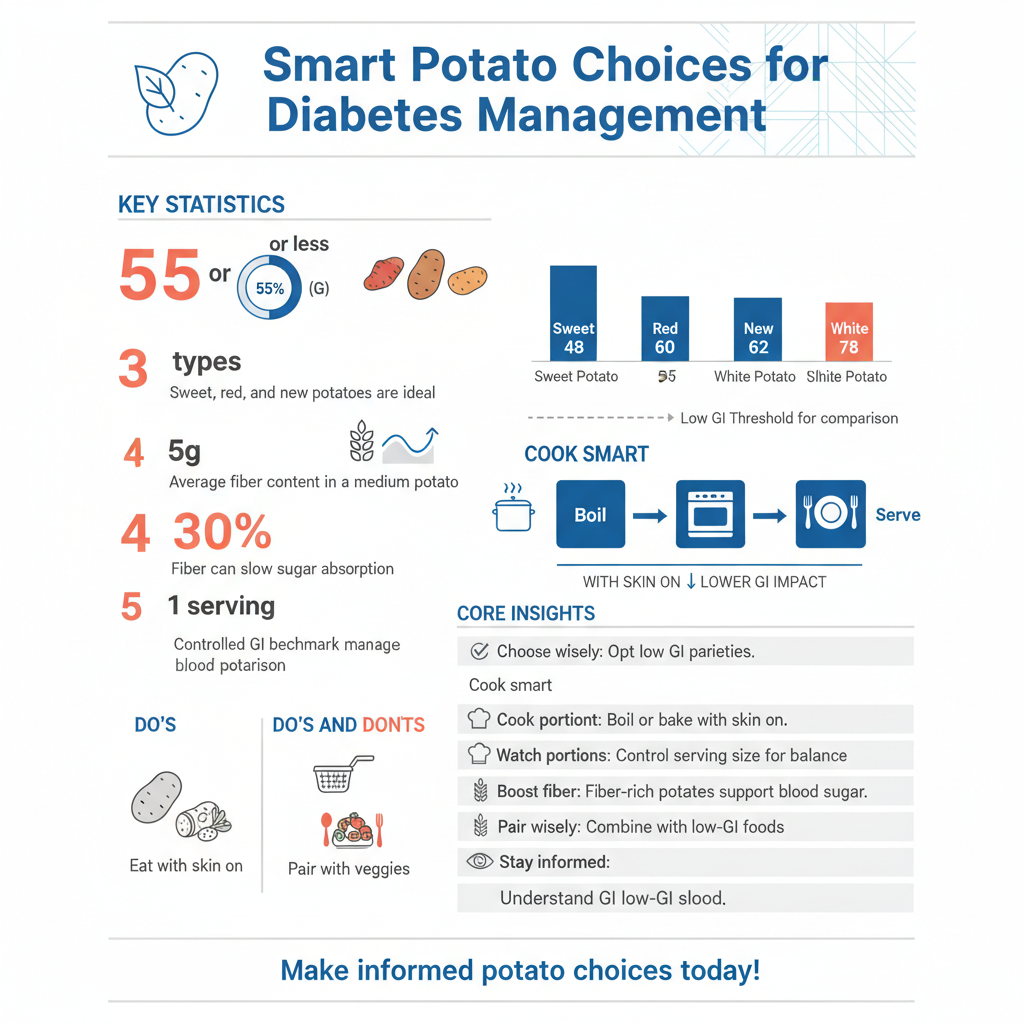
The Glycemic Index (GI) is a tool that ranks carbohydrate foods based on how quickly they raise blood sugar after consumption, with lower GI options being preferable for steady blood sugar management. Foods are ranked on a scale of 0 to 100, where glucose is 100. Lower GI foods (typically 55 or less) cause a slower, more gradual rise in blood sugar, while high GI foods (70 or more) lead to a rapid spike. While potatoes vary in their GI scores depending on the type and preparation, understanding this concept empowers you to make smarter choices. Factors like how a potato is cooked, whether it’s eaten hot or cold, and what other foods it’s paired with can all influence its ultimate GI impact, making it a dynamic tool rather than a rigid rule.
Crucially, the fiber content in potatoes plays a significant role, helping to slow down sugar absorption and contributing to better blood sugar management. Fiber is a type of carbohydrate that your body can’t digest, meaning it doesn’t break down into glucose. Instead, it moves through your digestive system, adding bulk and slowing down the absorption of other carbohydrates. This means that even if a potato has a moderate amount of carbohydrates, if it’s rich in fiber, that fiber acts as a buffer, preventing a rapid surge in blood sugar. Fiber also promotes a feeling of fullness, which can help with weight management – another important aspect of diabetes care. So, when choosing potatoes, looking for those with higher fiber content is always a winning strategy for maintaining more stable glucose levels.
Best Potato Varieties for Diabetics

When it comes to picking your spuds, some varieties are indeed friendlier to blood sugar management than others. Making informed choices about which potato lands on your plate can make a real difference.
Sweet Potatoes: These vibrant orange root vegetables are often at the top of the list for diabetics, and for good reason! Sweet potatoes are generally recommended due to their higher fiber content and typically lower glycemic index (GI) compared to many traditional white potato varieties. While they are still a source of carbohydrates, their robust fiber helps to slow down the digestion and absorption of sugars, leading to a steadier, more gradual energy release rather than a sharp blood sugar spike. Beyond blood sugar benefits, sweet potatoes are nutritional powerhouses, packed with essential vitamins like A and C, antioxidants, and minerals such as potassium and manganese. Their naturally sweet flavor also means you might need less added sugar or butter to enjoy them, making them a delicious and healthy choice.
Red Potatoes & New Potatoes: Don’t count out all white potatoes just yet! Red potatoes and new potatoes, when prepared correctly, can be excellent options. These varieties, often characterized by their thinner skins and waxy texture, tend to have a lower GI than their starchier counterparts like russet potatoes. The key here is boiling or steaming them with their skin on. The skin itself is a fantastic source of dietary fiber, which, as we’ve discussed, is invaluable for moderating blood sugar responses. Their waxy texture means they hold their shape well after cooking, making them perfect for healthful potato salads or simply as a boiled side dish. This gentle cooking method and retaining the fiber-rich skin help to keep their glycemic impact lower, offering a satisfying and nutritious alternative to more processed or higher-GI potato preparations.
Purple Potatoes: If you’re looking to add some color and extra health benefits to your plate, purple potatoes are a fantastic choice. These visually striking potatoes are rich in powerful antioxidants called anthocyanins – the same compounds that give blueberries and red cabbage their vibrant hues. Beyond their eye-catching appearance, research suggests that the anthocyanins in purple potatoes may offer beneficial effects on blood sugar regulation, potentially by improving insulin sensitivity and reducing inflammation. They also tend to have a moderate GI, similar to or even lower than some other potato varieties, and provide a good amount of fiber. Incorporating purple potatoes into your diet not only adds a unique aesthetic but also a significant boost of health-promoting compounds that can support overall health and potentially aid in diabetes management.
Smart Preparation Methods for Blood Sugar Control
How you prepare your potatoes is just as important as the variety you choose when it comes to managing blood sugar. Smart cooking methods can significantly impact the glycemic response of your meal.
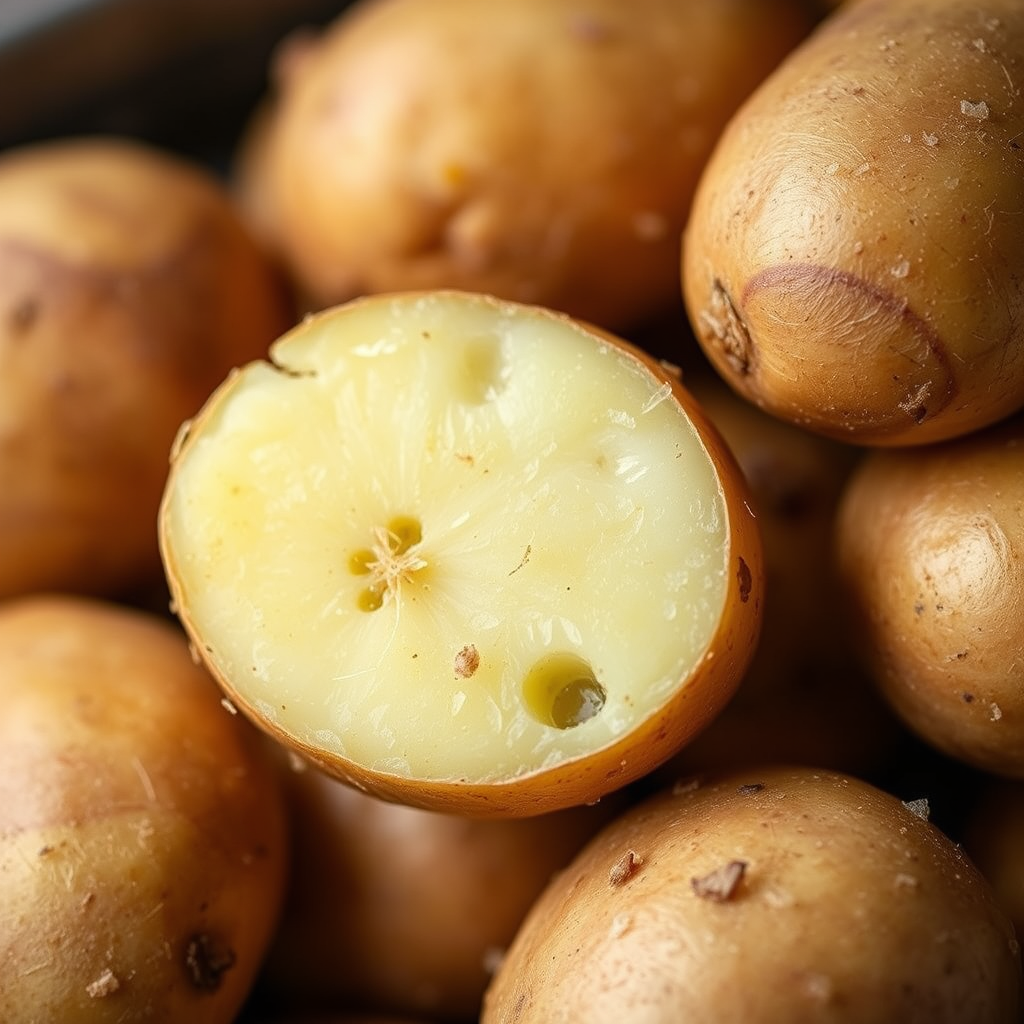
Boil or Steam: When it comes to cooking potatoes, opting for boiling or steaming over frying is a critical step towards better blood sugar control. Frying potatoes, whether in deep oil for french fries or in shallow oil for home fries, loads them with unhealthy fats and significantly increases their caloric content. These added fats can contribute to weight gain and may even interfere with insulin sensitivity over time, making blood sugar management more challenging. Boiling or steaming, on the other hand, allows the potato to cook thoroughly without adding unnecessary fats. These methods also help preserve more of the potato’s natural nutrients, including water-soluble vitamins that can be lost in other cooking processes. Cooking potatoes until they are just tender, rather than mushy, can also help maintain their structural integrity, which plays a role in how quickly their starches are broken down and absorbed.
Leave the Skin On: This is a simple yet incredibly effective trick for improving the diabetic-friendliness of your potatoes. The skin of a potato is packed with beneficial fiber, along with a host of vitamins and minerals. As we’ve explored, fiber is your ally in blood sugar management because it slows down the digestion and absorption of carbohydrates, leading to a more gradual and sustained release of glucose into the bloodstream. When you peel a potato, you’re essentially discarding a significant portion of its fiber content, making the remaining starchy interior much quicker to digest and more likely to cause a blood sugar spike. So, whether you’re boiling, baking, or roasting, always aim to leave that nutritious skin on! Just make sure to give your potatoes a good scrub before cooking to remove any dirt or residues.
Cool After Cooking: Here’s a fascinating scientific tip that can make your potatoes even better for blood sugar control: cooling cooked potatoes after preparation can increase their resistant starch content. Resistant starch is a type of carbohydrate that, as its name suggests, “resists” digestion in the small intestine. Instead, it acts much like dietary fiber, fermenting in the large intestine and promoting gut health. When potatoes (and other starchy foods like rice or pasta) are cooked and then cooled, some of their digestible starches convert into resistant starch through a process called retrogradation. This resistant starch causes a lower and slower rise in blood sugar compared to eating the same potato hot. This makes chilled potato dishes, like a healthy potato salad (made with a vinaigrette instead of creamy dressing), or even leftover baked potatoes that have been cooled and then gently reheated, potentially more beneficial for blood sugar management.
Portion Control and Balanced Meal Integration
Even with the best potato choices and smart preparation methods, enjoying them as part of a diabetic-friendly diet still hinges on careful portion control and how you integrate them into your overall meal.
Mindful Portions: This cannot be stressed enough: even the healthiest potato varieties, prepared perfectly, still contain carbohydrates. Therefore, mindful portion sizing is paramount to effectively manage your overall carbohydrate intake. A general guideline is that a small to medium potato (roughly the size of a computer mouse or a deck of cards) is typically considered one serving of carbohydrates, which can contain around 15-20 grams of carbs. However, individual needs vary, so it’s essential to understand your personal carbohydrate budget. Avoid the temptation to fill a large plate with potatoes, even if they’re healthy; instead, think of them as a component of your meal, not the main event. Using measuring cups or a kitchen scale initially can help you become familiar with appropriate portion sizes without having to constantly measure everything.
Pair with Protein & Fiber: The company your potato keeps on your plate is just as important as the potato itself. Always combine potatoes with lean protein sources and plenty of non-starchy vegetables to create a truly balanced meal that helps stabilize blood sugar. Protein digests more slowly and has little direct impact on blood sugar, while fiber-rich non-starchy vegetables further slow down the absorption of carbohydrates. This powerful trio (protein, healthy carbs from potatoes, and non-starchy veggies) works synergistically to create a more gradual and sustained rise in blood sugar, preventing sharp spikes. Think of a baked sweet potato alongside grilled salmon and a large serving of steamed broccoli, or a side of red potato salad (with a vinaigrette) accompanying a lean chicken breast and a mixed green salad. This approach leverages the “plate method,” aiming for half your plate to be non-starchy vegetables, a quarter lean protein, and a quarter starchy carbohydrates like your healthy potato choice.
Consider Overall Carb Budget: Integrating potatoes thoughtfully means considering them within your daily carbohydrate budget. Diabetics often work with a healthcare professional or a registered dietitian to establish a personalized carbohydrate target for each meal and for the entire day. When you decide to include potatoes, remember that their carbohydrate content will contribute to that budget. This means you might need to adjust other carb sources in that meal or throughout the day to stay within your targets. For example, if you’re having potatoes, you might reduce the portion of bread, rice, or pasta in another part of your meal or day. Thinking about your total carb intake for the day helps you enjoy a variety of foods, including potatoes, without exceeding your glucose management goals.
Potato Preparations to Limit
While we’ve focused on how to enjoy potatoes healthily, it’s equally important to be aware of preparations that are best limited or avoided, as they can significantly undermine your blood sugar management efforts.
Deep-Fried Potatoes: This category is probably the biggest offender for individuals managing diabetes. Deep-fried potatoes, including popular items like french fries, potato chips, and hash browns, are notorious for their detrimental impact on blood sugar and overall health. They are typically peeled, stripping away valuable fiber, and then submerged in large amounts of unhealthy fats, often trans fats or saturated fats. This combination creates a food that is not only high in calories but also leads to rapid blood sugar spikes due to the lack of fiber and the highly processed nature of the starch. Additionally, the high heat used in deep-frying can produce advanced glycation end products (AGEs), compounds that can contribute to inflammation and accelerate complications related to diabetes. These preparations offer very little nutritional benefit and a high risk for blood sugar dysregulation, so it’s best to steer clear.
Creamy or Buttery Mashed Potatoes: While undeniably a comfort food for many, traditional creamy or buttery mashed potatoes are another preparation to limit. The primary issue stems from how they’re made: potatoes are typically peeled (losing fiber), boiled until very soft, and then vigorously mashed, which breaks down the starch molecules, making them more rapidly digestible. To achieve that classic creamy texture, significant amounts of full-fat butter, heavy cream, or whole milk are often added. These additions contribute excessive saturated fats and calories, and while fats can slow digestion, the overall carbohydrate load and the rapid breakdown of starches can still lead to undesirable blood sugar responses. For a healthier alternative, try mashing boiled red or new potatoes with their skins on, using vegetable broth or unsweetened plant-based milk, and flavoring with herbs and spices instead of heavy dairy.
Highly Processed Potato Products: Beyond deep-fried and creamy options, many highly processed potato products are also best limited. This includes items like instant mashed potatoes, frozen potato tots, pre-made potato salads (often loaded with unhealthy fats and sugars in the dressing), and certain flavored potato snacks. These products often have much of their natural fiber removed during processing and may contain a long list of undesirable additives such as excessive sodium, unhealthy oils, artificial flavors, and even added sugars. These ingredients do not contribute positively to diabetic management and can lead to unpredictable blood sugar responses, increased inflammation, and other negative health outcomes. Prioritizing whole, minimally processed foods is a golden rule for managing diabetes effectively, and potatoes are no exception. Always make sure to read food labels carefully to identify hidden culprits in pre-packaged potato dishes.
Navigating potato consumption with diabetes is entirely manageable by making informed choices about variety, preparation, and portion sizes. By favoring fiber-rich options like sweet, red, or new potatoes, preparing them healthily (boiled, baked, skin-on), and pairing them with balanced meals, you can enjoy this versatile vegetable without compromising your health goals. Remember, the goal isn’t necessarily to eliminate potatoes entirely, but to transform them into a diabetic-friendly component of your diet through smart choices. Always remember to consult with your doctor or a registered dietitian for personalized dietary advice tailored to your specific health needs and to help you integrate all foods, including potatoes, safely and enjoyably into your meal plan.
Frequently Asked Questions
Which types of potatoes are generally considered best for diabetics to manage blood sugar effectively?
For individuals with diabetes, potatoes with a lower glycemic index (GI) are generally preferable as they cause a slower, more gradual rise in blood sugar. Varieties like Red Bliss, new potatoes, and particularly purple potatoes tend to have a lower GI compared to Russet or white potatoes. These choices can help in better blood sugar management when consumed in appropriate portions.
Are sweet potatoes a better choice than white potatoes for people with diabetes?
Sweet potatoes are often considered a marginally better choice for diabetics due to their slightly lower glycemic index and higher fiber content, especially when boiled or steamed with the skin on. They also offer more vitamins (like Vitamin A) and antioxidants. However, portion control remains crucial for both sweet and white potatoes, as both contain carbohydrates that impact blood sugar levels.
How can cooking methods influence the glycemic impact of potatoes for diabetics?
Cooking methods significantly impact a potato’s glycemic index. Boiled or steamed potatoes, especially when cooled before eating (which creates resistant starch), typically have a lower GI than baked or fried potatoes. Frying potatoes can increase their fat content, which can also affect blood sugar response and overall health, making boiling or steaming the healthiest preparation for managing diabetes.
What is a recommended portion size for potatoes when managing diabetes?
A recommended portion size for potatoes for diabetics is typically around one-half to one cup (about the size of a computer mouse or a small baked potato), depending on individual carbohydrate goals and activity levels. It’s vital to pair potatoes with lean protein and non-starchy vegetables to slow digestion and mitigate blood sugar spikes, making it part of a balanced meal.
Why is the glycemic index (GI) important when choosing potatoes for a diabetic diet?
The glycemic index (GI) is important because it indicates how quickly a carbohydrate-containing food raises blood glucose levels after eating. Choosing lower-GI potatoes helps prevent rapid blood sugar spikes, which is crucial for managing diabetes and reducing the risk of complications. Understanding and utilizing the GI can empower diabetics to make more informed dietary choices for better glucose control.
References
- https://diabetes.org/food-nutrition/food-choices/carbohydrate-counting
- https://diabetes.org/food-nutrition/what-i-can-eat/making-healthy-food-choices/glycemic-index-and-diabetes
- https://www.hsph.harvard.edu/nutritionsource/carbohydrates/glycemic-index-and-glycemic-load/
- https://www.mayoclinic.org/diseases-conditions/diabetes/expert-answers/diabetes/faq-20058288
- A good guide to good carbs: The glycemic index – Harvard Health
- Are Potatoes Healthy? • The Nutrition Source
