
For individuals managing diabetes, choosing the right peanut butter can be a smart dietary move, as long as you know what to look for. The best peanut butter for diabetics is typically a natural, unsweetened variety with minimal ingredients, primarily just peanuts, and possibly a touch of salt. This type offers a powerhouse of healthy fats, quality protein, and beneficial fiber that can significantly help stabilize blood sugar levels and promote a feeling of fullness, making it an excellent and versatile addition to a balanced meal plan when consumed in moderation. Let’s dive into how to pick the perfect jar!
What Makes Peanut Butter a Good Choice for Diabetics?
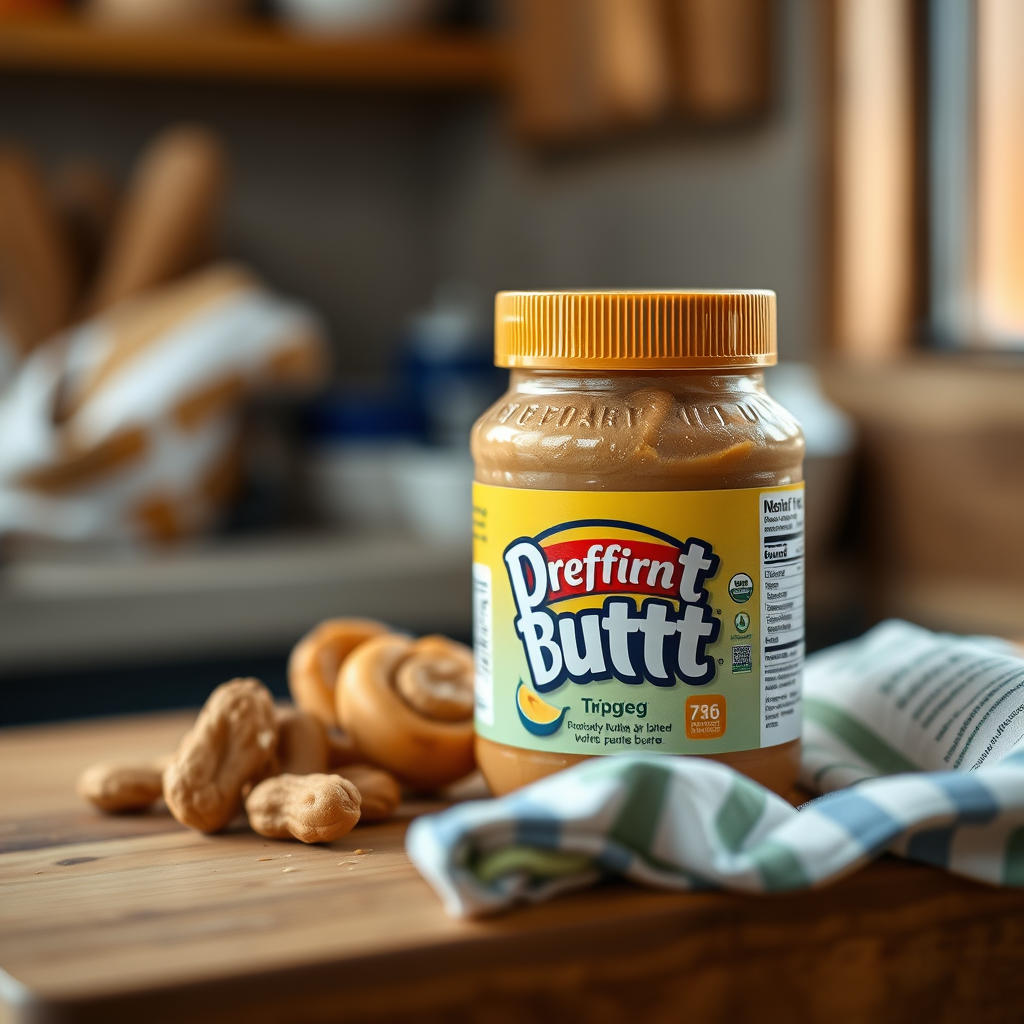
Peanut butter, when chosen wisely, isn’t just a delicious spread; it’s a nutritional ally for blood sugar management. Its unique composition offers several key benefits that make it an excellent fit for a diabetes-friendly diet.
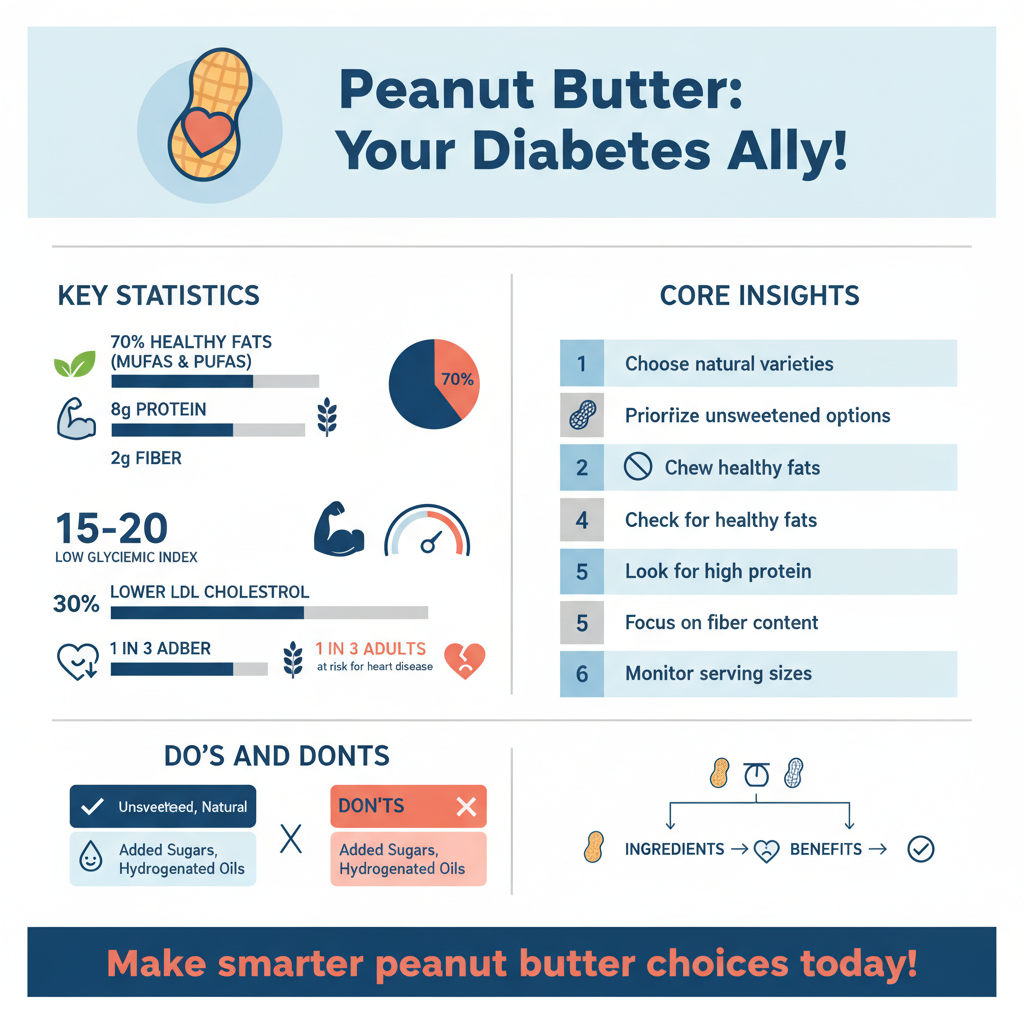
* Rich in healthy fats: Peanut butter is brimming with monounsaturated (MUFAs) and polyunsaturated fats (PUFAs), often referred to as “good fats.” These heart-healthy fats play a crucial role in supporting cardiovascular health, which is particularly important for individuals with diabetes who face a higher risk of heart disease. MUFAs and PUFAs can help lower bad cholesterol (LDL) levels and may even improve insulin sensitivity, meaning your body’s cells become more responsive to insulin, leading to better glucose utilization.
* Provides a significant source of protein and dietary fiber: Each serving of natural peanut butter packs a punch of plant-based protein and dietary fiber. Protein is vital for slowing down digestion and promoting satiety, helping you feel fuller for longer and potentially reducing overall calorie intake, which can aid in weight management. Fiber, on the other hand, is a superstar for blood sugar control; it physically slows down the absorption of glucose into the bloodstream, preventing those undesirable sharp spikes after meals. Both protein and fiber work synergistically to provide a steady release of energy and keep your blood sugar levels more stable.
* When unsweetened, peanut butter has a relatively low glycemic index: The Glycemic Index (GI) measures how quickly a food raises blood glucose levels. Unsweetened peanut butter typically has a low GI, meaning it causes a slower, more gradual rise in blood sugar compared to many other carbohydrate-rich foods. This slow and steady glucose release helps avoid sudden highs and subsequent crashes, supporting more consistent energy levels throughout the day and helping to prevent insulin resistance over time. It makes a satisfying snack that won’t send your blood sugar on a roller coaster ride.
Key Ingredients to Prioritize (and Avoid)
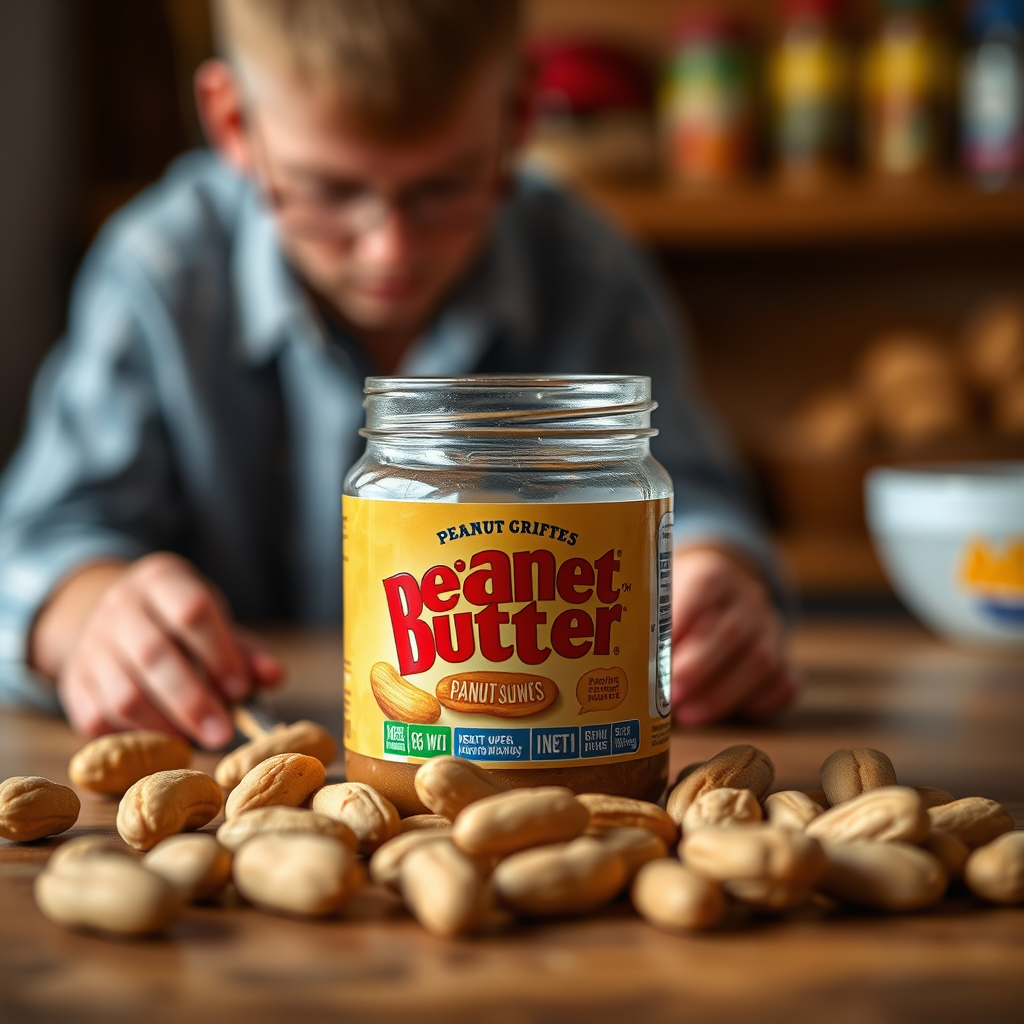
The ingredient list on your peanut butter jar is your most important guide. Think of it as a treasure map leading you to healthy choices and away from potential pitfalls. Keeping it short and sweet is almost always the best strategy.
* Look for: Peanut butter with a very short ingredient list, ideally just “peanuts” or “peanuts and salt.” This simplicity is a strong indicator that you’re getting a product that’s minimally processed and free from unnecessary additives. When you see just peanuts and maybe a touch of salt, it means the natural goodness of the peanuts is preserved, and you’re avoiding hidden sugars and unhealthy fats that can undermine your diabetes management efforts. Don’t be surprised if these natural varieties have a layer of oil on top – that’s a perfectly normal sign of pure peanut butter and just requires a good stir!
* Avoid: Any mention of added sugars is a red flag. Be vigilant for terms like corn syrup, high-fructose corn syrup, molasses, dextrose, cane sugar, honey, agave nectar, or even “organic cane sugar” – these are all forms of added sugar that will directly raise blood glucose levels and add empty calories. Beyond sugars, also steer clear of hydrogenated oils, whether partially or fully hydrogenated. These are unhealthy trans fats that can negatively impact cardiovascular health by increasing bad cholesterol (LDL) and decreasing good cholesterol (HDL), which is a significant concern for individuals managing diabetes.
* Why: Added sugars counteract virtually all the benefits of peanut butter for diabetics by causing blood sugar spikes and contributing to insulin resistance over time. They turn a healthy snack into a sugary treat. Meanwhile, unhealthy hydrogenated oils, often used to prevent oil separation and create a smoother, more shelf-stable product, pose a serious threat to heart health. Given that heart disease is a common complication of diabetes, it’s crucial to eliminate these harmful fats from your diet. Opting for clean ingredients ensures your peanut butter remains a truly beneficial addition to your diabetic meal plan.
Deciphering the Nutrition Label for Diabetics
Navigating the nutrition label might seem daunting at first, but with a few key points in mind, you’ll become a pro at identifying diabetic-friendly peanut butter. It’s all about knowing where to focus your attention.
* Focus on Added Sugars: This is arguably the most critical metric for diabetics. Thanks to updated food labeling regulations, “Added Sugars” now has its own dedicated line under “Total Sugars.” Your goal is to aim for peanut butter with 0-2 grams of “Added Sugars” per serving. Even small amounts can add up, especially if you enjoy peanut butter frequently. Remember, “Total Sugars” includes naturally occurring sugars (like in fruit), but for peanut butter, any sugar present beyond a trace amount in the peanuts themselves is likely added, so zero added sugars is truly the gold standard.
* Evaluate Carbohydrates and Fiber: While total carbohydrates are important for managing your daily intake, it’s essential to look at them in conjunction with fiber. Fiber acts as a buffer, mitigating the impact of carbohydrates on your blood sugar. You can often estimate the “net carbs” (total carbs minus fiber) to get a better idea of how a food might affect you, though this isn’t an exact science. Prioritize options with a higher fiber content – typically 2-3 grams or more per serving is excellent for peanut butter, as it helps slow glucose absorption and promotes satiety.
* Monitor Sodium: Especially if you’re managing high blood pressure (hypertension) alongside diabetes, keeping an eye on sodium intake is vital. High sodium can exacerbate blood pressure issues, which further increases the risk of heart disease and kidney complications, both of which are common concerns for diabetics. Look for peanut butters labeled “low sodium” or “no salt added.” Generally, aiming for less than 150 mg of sodium per serving is a smart choice. Many natural brands offer unsalted versions, allowing you to control any added salt yourself.
Top Peanut Butter Types and Brands to Consider
The good news is that the market is increasingly offering excellent choices for those looking for healthier, diabetes-friendly peanut butter. Knowing which types and brands to look for can simplify your shopping experience and help you make confident choices.
* Natural, Unsweetened Varieties: These are your best bet. Characterized by their simple ingredient lists (often just peanuts, or peanuts and salt) and a natural tendency for oil separation on top, these varieties indicate minimal processing and no unwanted additives. The oil separation is a sign that no hydrogenated oils or stabilizers have been added, which is exactly what you want. Popular and highly recommended brands include Smucker’s Natural (Creamy/Crunchy), which is widely available and famously has just two ingredients (peanuts and salt). Other excellent options are Santa Cruz Organic, Teddie All Natural, Crazy Richard’s 100% Peanuts, and many store brands like Whole Foods 365 or Trader Joe’s Organic Peanut Butter, provided you check their ingredient lists carefully for “added sugars.”
* Organic Options: While “organic” doesn’t automatically mean “sugar-free,” many organic peanut butters adhere to stricter ingredient standards, making them more likely to be unsweetened and free from unhealthy additives. Organic certification often ensures that the peanuts are grown without synthetic pesticides and fertilizers, which is an added health benefit. Always double-check the nutrition label for “added sugars” even with organic brands, but you’ll often find that organic offerings from brands like Santa Cruz, Once Again, or store-brand organics are great choices for their purity and ingredient transparency.
* Homemade Peanut Butter: For ultimate control and freshness, making your own peanut butter at home is a fantastic option. All you need are roasted or raw peanuts (you can roast them yourself for a deeper flavor) and a food processor. Simply blend the peanuts until they become creamy, adding a tiny pinch of salt if desired. This method ensures that absolutely nothing but peanuts goes into your butter, guaranteeing it’s free from all added sugars, unhealthy oils, and preservatives. It’s also often more cost-effective in the long run and allows you to customize the texture to your liking, from extra chunky to super smooth.
Smart Ways to Enjoy Peanut Butter in Your Diabetic Diet
Even with the best, most natural peanut butter, moderation and mindful pairing are key to maximizing its benefits for blood sugar control. Peanut butter is nutrient-dense, so a little goes a long way!
* Portion Control is Essential: Despite its health benefits, peanut butter is calorie-dense and contains carbohydrates, even in its unsweetened form. Sticking to the recommended serving size, typically 2 tablespoons, is crucial for managing your calorie intake and keeping your carbohydrate count in check. Two tablespoons usually provide around 180-200 calories, about 6-8 grams of net carbs, and a good dose of protein and healthy fats. To ensure accuracy, use a measuring spoon rather than simply eyeballing it or spooning directly from the jar, which can easily lead to overconsumption.
* Pair with Low-Carb Foods: To further stabilize blood sugar and enhance satiety, always pair your peanut butter with low-carb, high-fiber foods. This creates a balanced snack that helps slow digestion and prevent spikes. Think beyond the classic bread! Excellent pairings include crisp celery sticks, refreshing cucumber slices, or vibrant bell pepper strips. For a slightly higher-carb but still healthy option, spread it on a few apple slices (in moderation), or use it with a handful of berries. You could also spread it on a low-carb flax or almond cracker.
* Integrate into Meals: Peanut butter’s versatility extends far beyond just snacking. It can be a fantastic addition to various meals, boosting their protein and healthy fat content. Try stirring a dollop into unsweetened Greek yogurt for a creamy, protein-packed breakfast, or blend it into a low-carb smoothie with unsweetened almond milk, a scoop of protein powder, and a handful of spinach for a satisfying meal replacement. You can also get creative by using a small amount in savory sauces for lean protein like chicken or tofu stir-fries (just be mindful of other high-sugar ingredients in the sauce). Even a spoonful melted into warm, unsweetened steel-cut oats can add richness and satiety.
Choosing the best peanut butter for diabetes management boils down to vigilance over ingredients and portion sizes. By prioritizing natural, unsweetened varieties with minimal ingredients and carefully reading nutrition labels, you can confidently include this nutritious and versatile spread in your diet. It offers a wealth of healthy fats, protein, and fiber that supports stable blood sugar and overall well-being. Always remember, for personalized dietary advice tailored to your specific health needs and medication regimen, it’s best to consult with your doctor or a registered dietitian.
Frequently Asked Questions
What key ingredients should diabetics prioritize or avoid when choosing peanut butter?
Diabetics should prioritize peanut butter with minimal ingredients, ideally just roasted peanuts and a touch of salt. It’s crucial to avoid varieties with added sugars (like high-fructose corn syrup, cane sugar, molasses, or dextrose), hydrogenated oils (trans fats), and excessive sodium. Look for labels that explicitly state “unsweetened” or “no added sugar” to help manage blood glucose levels effectively.
Which specific brands of natural peanut butter are generally recommended as diabetic-friendly options?
Several brands offer excellent diabetic-friendly options, primarily those that are 100% natural and unsweetened. Look for brands like Smucker’s Natural Peanut Butter, Teddie All Natural Peanut Butter, MaraNatha Organic Peanut Butter, or 365 Whole Foods Market Organic Peanut Butter. Always double-check the ingredient list to ensure it contains only peanuts and possibly salt, with no added sugars or oils.
How much peanut butter can a person with diabetes safely consume daily?
While peanut butter offers healthy fats and protein, portion control is essential for diabetics due to its calorie density and carbohydrate content. A typical serving size of 1-2 tablespoons is generally recommended. It’s important to monitor your blood sugar response and factor the carbohydrates, fats, and calories into your daily meal plan, consulting with a healthcare professional or registered dietitian for personalized advice.
Why is choosing natural, unsweetened peanut butter so important for managing diabetes?
Choosing natural, unsweetened peanut butter is vital for diabetes management because added sugars found in many conventional brands can rapidly spike blood glucose levels. Furthermore, many commercial peanut butters contain unhealthy hydrogenated oils, which are trans fats detrimental to cardiovascular health, a significant concern for individuals with diabetes. Natural peanut butter, rich in monounsaturated fats, protein, and fiber, helps with satiety and can have a more stable impact on blood sugar.
Are there any hidden sugars or less obvious unhealthy additives diabetics should look out for in peanut butter labels?
Yes, beyond obvious sugars like cane sugar, diabetics should watch out for hidden sugars such as maltodextrin, corn syrup solids, and fruit juice concentrate, which can all raise blood glucose. Additionally, be wary of “reduced fat” versions, as they often replace fat with extra sugar or artificial sweeteners. Always scrutinize the full ingredient list for any unfamiliar additives or oils beyond peanuts and salt.
References
- https://diabetes.org/food-nutrition/what-can-i-eat/foods-you-can-eat/nuts-seeds
- https://www.health.harvard.edu/diseases-and-conditions/choosing-a-healthy-peanut-butter
- https://pubmed.ncbi.nlm.nih.gov/34215286/
- https://www.mdanderson.org/publications/focused-on-health/eating-for-a-healthy-heart.h18-1592395.html
- https://www.diabetes.ca/managing-my-diabetes/tools—resources/food-and-nutrition/healthy-fats
- GI Search – Glycemic Index
- https://www.nhs.uk/conditions/type-2-diabetes/food-and-diet/
- https://www.nytimes.com/guides/well/the-best-nuts-for-you
