
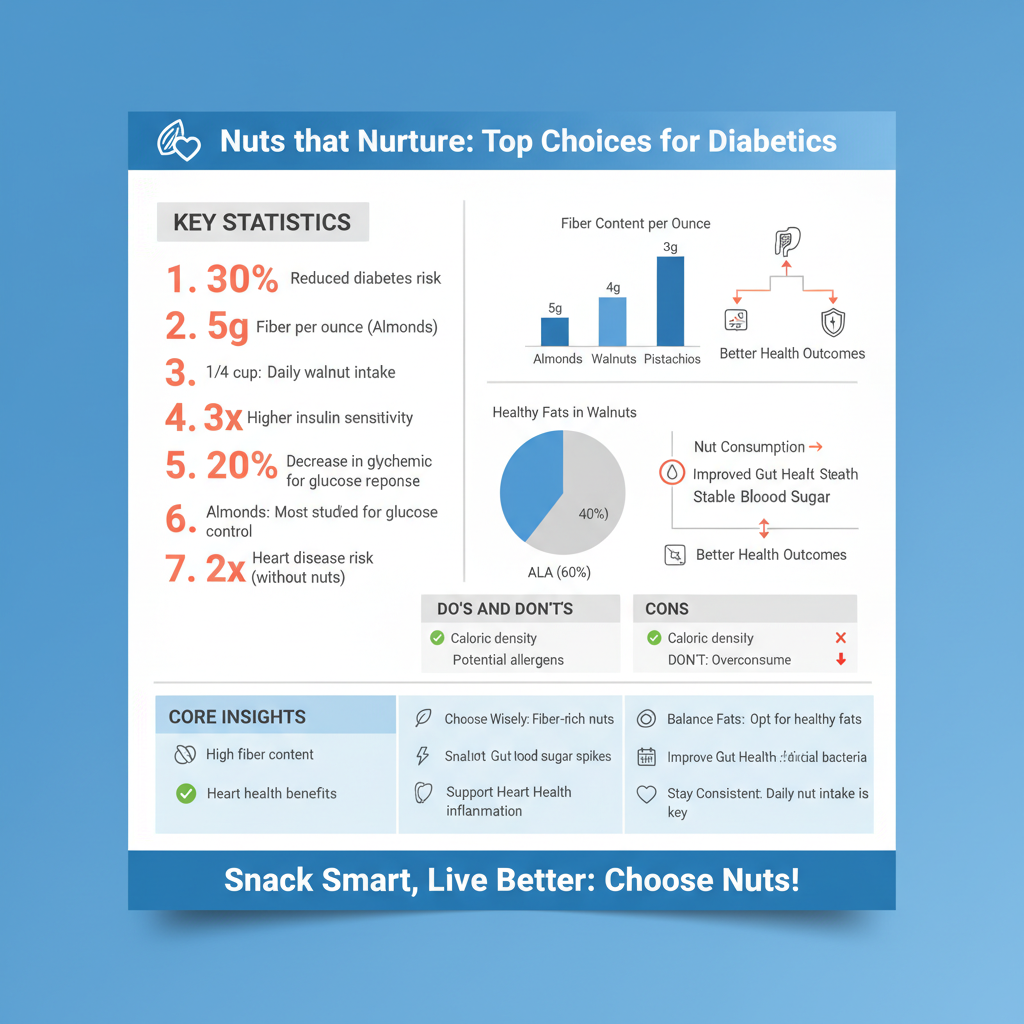
Walnuts, almonds, and pistachios are the best nuts for diabetics due to their high fiber content, healthy fats, and low glycemic index. These nuts help manage blood sugar levels, improve insulin sensitivity, and support heart health when eaten in moderation. Below, we explore specifically how these and other nut varieties fit into a diabetes-friendly diet. For individuals managing diabetes, diet is not merely about restriction; it is about strategic inclusion. Nuts represent a unique dietary component that offers a “trifecta” of benefits: they are low in carbohydrates, high in healthy fats, and rich in vegetable protein. This macronutrient profile ensures that energy is released slowly into the bloodstream, preventing the dangerous spikes and crashes associated with processed snacks. By understanding the specific nutritional profiles of different nuts, patients and health-conscious individuals can tailor their dietary intake to optimize glucose control and cardiovascular protection.
Walnuts: The Heart-Healthy Choice

Walnuts are frequently cited by nutritionists and endocrinologists as a powerhouse for metabolic health, primarily due to their unique lipid profile. Unlike most other nuts, which are predominantly monounsaturated fat, walnuts are comprised largely of polyunsaturated fats.
– High in Alpha-Lipoic Acid (ALA), a plant-based omega-3 fatty acid that reduces inflammation.
Chronic, low-grade inflammation is a known driver of insulin resistance, the hallmark of type 2 diabetes. Walnuts are the only tree nut that provides an excellent source of Alpha-Linolenic Acid (ALA), the plant-based form of omega-3. Clinical research indicates that omega-3 fatty acids help improve endothelial function—the health of the lining of the blood vessels. Since diabetes significantly increases the risk of cardiovascular disease, the anti-inflammatory properties of walnuts provide dual protection: improving metabolic function while guarding arterial health.
– Studies suggest daily walnut consumption may lower the risk of developing type 2 diabetes.
Large-scale epidemiological studies have consistently shown an inverse association between nut consumption and diabetes risk. Regular consumption of walnuts has been linked to improved gut health, which is increasingly recognized as a factor in blood sugar regulation. The fiber and polyphenols in walnuts act as prebiotics, feeding beneficial gut bacteria. These bacteria produce short-chain fatty acids that can improve insulin sensitivity. Furthermore, including walnuts in a meal has been shown to blunt the glycemic response, meaning that the blood sugar rise after eating is less steep compared to meals without healthy fats.
Almonds for Blood Sugar Regulation
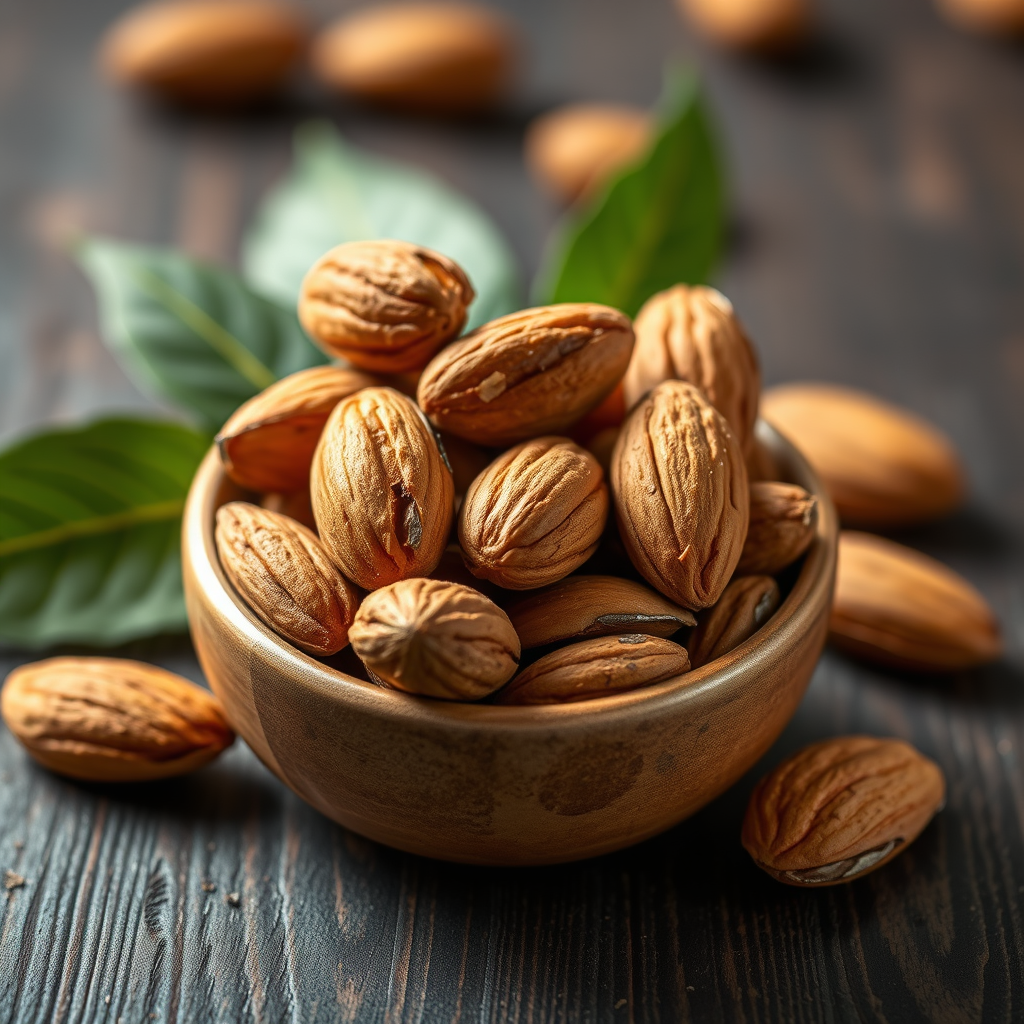
Almonds are perhaps the most researched nut regarding glucose management. They are a staple in diabetic diets not only for their versatility but for their specific micronutrient density.
– Rich in magnesium, a mineral that many people with diabetes are deficient in, which helps regulate blood sugar.
Magnesium plays a critical role in over 300 enzymatic reactions in the body, including the body’s use of glucose and insulin secretion. Unfortunately, individuals with diabetes are prone to magnesium deficiency due to increased urinary excretion. Almonds are one of the best food sources of magnesium. Correcting a magnesium deficiency can significantly improve insulin sensitivity. When intracellular magnesium levels are optimal, the body’s tyrosine kinase receptors function more efficiently, allowing insulin to unlock cells for glucose absorption more effectively.
– Eating almonds alongside high-carbohydrate foods can help dampen post-meal blood sugar spikes.
This phenomenon is often referred to as mitigating the “glycemic excursion.” When almonds are consumed with a carbohydrate-rich meal—such as white bread or pasta—the fat, fiber, and protein in the almonds slow down the rate of gastric emptying. This results in a slower, more sustained release of sugar into the bloodstream rather than a rapid spike. Clinical trials have demonstrated that consuming approximately two ounces of almonds daily can lead to lower fasting glucose and insulin levels over time. Incorporating almonds as a mid-morning snack or a salad topper is a strategic move to maintain glycemic stability throughout the day.
Pistachios: Nutrient-Dense and Satisfying

Pistachios offer a unique combination of visual cues and biochemical benefits that make them ideal for weight management and blood sugar control.
– Contains beneficial antioxidants like lutein and zeaxanthin that support eye health, a common concern for diabetics.
Diabetes acts as a systemic stressor that increases oxidative damage throughout the body. One of the most severe complications of unmanaged diabetes is diabetic retinopathy, which can lead to vision loss. Pistachios are rich in carotenoids, specifically lutein and zeaxanthin, which accumulate in the retina and protect the eye from oxidative stress and high-energy light waves. By choosing foods high in these specific antioxidants, individuals with diabetes can take proactive nutritional steps to protect their vision.
– Buying pistachios in the shell encourages slower eating and better portion control.
Behavioral modification is a key component of diabetes management. Pistachios sold in the shell utilize the “Pistachio Principle.” The act of shelling the nuts slows down consumption, allowing the body’s satiety signals (hormones like leptin) to reach the brain before overeating occurs. Additionally, the pile of empty shells serves as a visual cue of how much has been eaten, which studies show can reduce calorie intake by up to 41% compared to consuming shelled nuts. For those managing weight alongside blood sugar, this built-in portion control mechanism is invaluable.
Peanuts: An Affordable Low-GI Option
While often grouped with tree nuts, peanuts are botanically legumes. However, their nutritional profile mimics that of tree nuts, offering a cost-effective strategy for glucose management.
– While technically legumes, peanuts have a very low glycemic index and provide a cost-effective source of protein.
The Glycemic Index (GI) measures how quickly a food raises blood sugar. Peanuts have a GI of just 13, one of the lowest of all foods. This makes them an exceptionally safe snack for preventing hyperglycemia. Furthermore, peanuts are higher in protein than most tree nuts (providing about 7 grams per ounce). This protein is essential for tissue repair and muscle maintenance. Because peanuts are generally more affordable than almonds or walnuts, they make a sustainable, long-term dietary staple for those managing diabetes on a budget.
– Helps control hunger hormones, keeping you full longer and preventing overeating of sugary snacks.
Peanut consumption stimulates the release of peptide YY, a hormone that promotes a feeling of fullness. This high satiety factor is crucial for preventing the cravings that often lead to poor food choices later in the day. A modest serving of peanuts or natural peanut butter can stabilize energy levels for hours. It is vital, however, to differentiate between natural peanut products and highly processed versions containing added sugars and hydrogenated oils, which would negate the metabolic benefits.
Cashews: Benefits and Precautions
Cashews are creamy, delicious, and nutrient-dense, but they require a slightly more nuanced approach for individuals with diabetes compared to almonds or walnuts.
– Excellent source of healthy monounsaturated fats that can improve cholesterol levels.
Like olive oil, cashews are rich in oleic acid, a monounsaturated fat that promotes cardiovascular health. For diabetics, dyslipidemia (abnormal cholesterol levels) is a common comorbidity. The fats found in cashews can help lower LDL (bad) cholesterol and triglycerides while maintaining or boosting HDL (good) cholesterol. This lipid-balancing effect is essential for reducing the risk of heart attacks and strokes, which are statistically higher in diabetic populations.
– Slightly higher in carbohydrates than other nuts, so strict portion control is essential.
While cashews are healthy, they contain more carbohydrates per ounce (approx. 9 grams) compared to pecans or walnuts (approx. 4 grams). While these are complex carbohydrates, they can still impact blood sugar if consumed in large quantities. Therefore, cashews should be weighed or measured carefully. They are best consumed mixed with lower-carb nuts or as a garnish rather than a primary snack to ensure the glycemic load remains low. Awareness of this distinction allows for enjoyment without compromising glucose targets.
How to Choose and Portion Nuts Properly
To maximize the benefits of nuts for diabetes management, how you shop and how you eat are just as important as what you eat.
– Always opt for raw or dry-roasted nuts without added oils, sugar, or excessive salt.
Processing can turn a health food into a hazard. Many commercial nut mixes are roasted in unhealthy vegetable oils (adding inflammatory omega-6s) or coated in sugar, honey, or chocolate. Even “savory” flavors often contain hidden sugars or maltodextrin. Furthermore, excessive sodium can exacerbate hypertension, a condition often co-occurring with diabetes. The gold standard is raw or dry-roasted nuts. If you prefer roasted flavor, roasting them at home allows you to control the temperature and ensure no unwanted additives are introduced.
– Limit serving sizes to a small handful (approx. 1 ounce) to manage calorie intake while reaping the benefits.
Nuts are energy-dense, meaning they pack a high amount of calories into a small volume. A typical serving is one ounce, which equates to roughly 23 almonds, 14 walnut halves, or 49 pistachios. While the fats are healthy, excess calorie intake can lead to weight gain, which increases insulin resistance. Using a food scale or small single-serving containers can prevent “portion creep.” The goal is to utilize nuts as a functional food for blood sugar control, not to consume them in quantities that disrupt caloric balance.
Incorporating nuts into your daily routine is a simple, delicious way to stabilize blood sugar and protect heart health. By choosing unsalted varieties like walnuts, almonds, and pistachios and sticking to proper portion sizes, you can enjoy a satisfying snack that supports your diabetes management goals. Start swapping processed snacks for a handful of nuts today to see the difference in your energy and glucose levels.
Frequently Asked Questions
What are the best low-carb nuts for managing blood sugar levels?
Walnuts, almonds, and macadamia nuts are widely considered the best nuts for diabetics because they are low in carbohydrates but high in healthy fats, fiber, and protein. Walnuts specifically contain high levels of Omega-3 fatty acids, which can improve insulin resistance, while almonds have been shown to help manage post-meal glucose spikes. Including these low-glycemic foods in your diet can provide sustained energy without drastically impacting blood sugar.
How many nuts should a diabetic eat per day to avoid weight gain?
While nuts are nutritious, they are calorie-dense, so experts typically recommend limiting portions to about one ounce (approx. 28 grams) or a small handful per day. Sticking to this portion size allows you to benefit from the heart-healthy fats and magnesium without exceeding your daily calorie limits, which is crucial for weight management in type 2 diabetes. Measuring your portions is the most effective way to enjoy nuts as a safe, satisfying snack.
Are peanuts and peanut butter safe for people with diabetes?
Yes, peanuts are an excellent choice for diabetics because they have a very low glycemic load and are packed with protein and fiber that help stabilize blood sugar levels. However, when choosing peanut butter, it is essential to read labels and select natural varieties that contain only peanuts and salt, avoiding brands with added sugars or hydrogenated oils.
Which nuts should diabetics avoid or limit due to carbohydrate content?
Diabetics should be mindful of cashews, as they contain higher carbohydrate levels compared to other nuts like pecans or brazil nuts, meaning they can impact blood sugar faster if over-consumed. Additionally, you should strictly avoid chocolate-covered, honey-roasted, or yogurt-dipped nuts, as these processed coatings add significant amounts of sugar and simple carbs that negate the health benefits of the nut itself.
Is it better to eat raw or roasted nuts for a diabetic diet?
Raw, unsalted nuts are generally the healthiest option because they are free from added sodium and unhealthy oils often used during the roasting process. High sodium intake can contribute to high blood pressure—a common comorbidity with diabetes—so if you prefer the taste of roasted nuts, look for “dry-roasted” varieties with no added salt or sugar.
References
- Nuts for the Heart • The Nutrition Source
- https://www.diabetes.org.uk/guide-to-diabetes/enjoy-food/eating-with-diabetes/food-groups/nuts-and-diabetes
- Nuts and your heart: Eating nuts for heart health – Mayo Clinic
- https://www.ncbi.nlm.nih.gov/pmc/articles/PMC4549665/
- https://health.clevelandclinic.org/best-nuts-for-health
- Not Found | American Heart Association | American Heart Association
- Nuts and seeds | Better Health Channel
