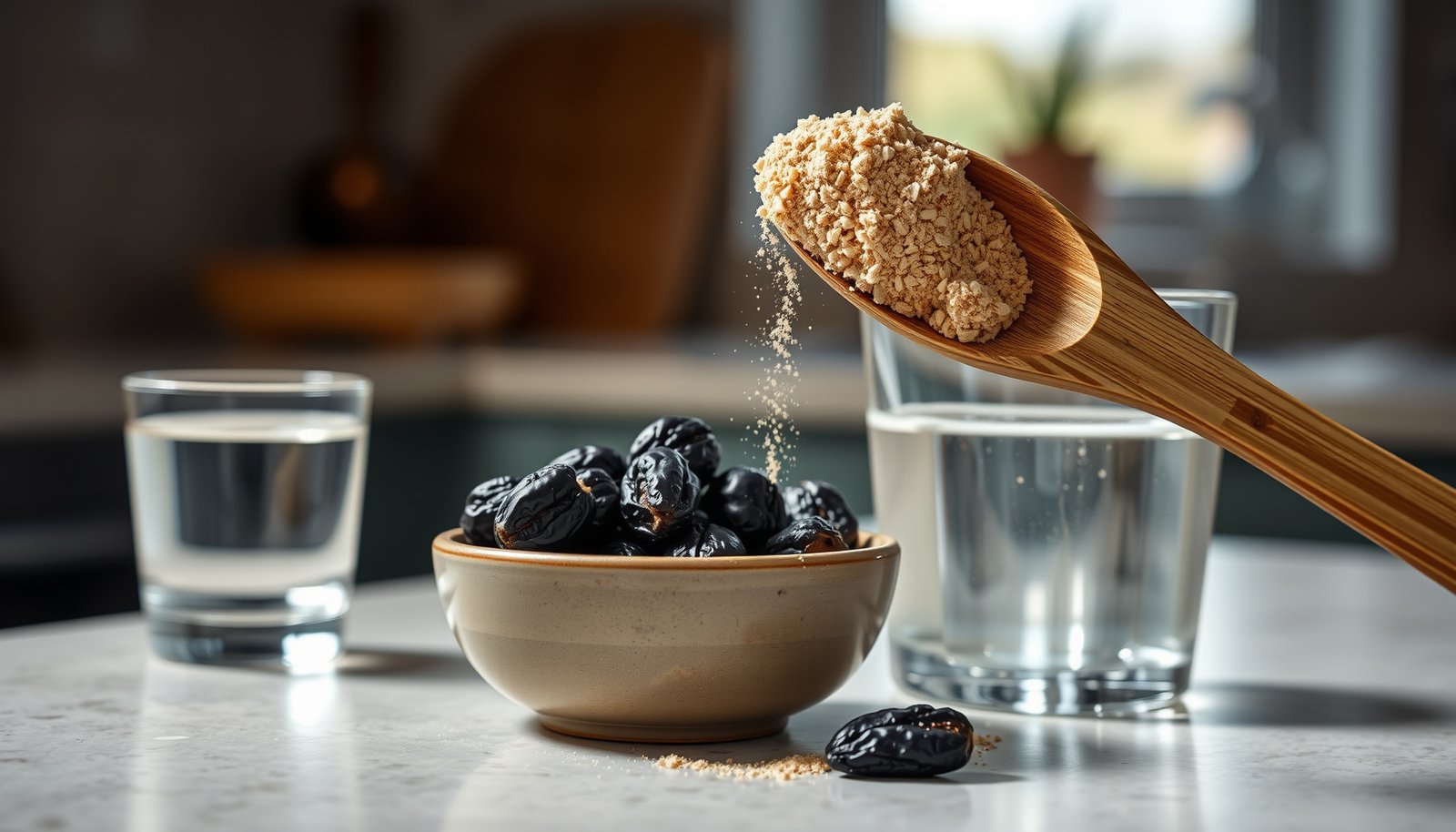

If you’re searching for the best natural laxative for diabetic patients, this guide names the single safest option most people can use: fiber supplements, specifically psyllium. It answers whether you can treat constipation without spiking blood sugar, with practical dosing tips and what to avoid. You’ll also get clear guidance on when fiber isn’t enough and you need to switch strategies.




For most people with diabetes, the best natural laxative to start with is psyllium—a fiber that improves stool consistency with minimal blood-sugar impact. If you’re looking for the best natural laxative for diabetic patients, start with fiber-rich options like psyllium (often the gentlest, most diabetes-friendly approach). If you need something stronger or faster, osmotic foods/ingredients such as chia or flax can help draw water into the stool—but always pair with plenty of fluids and monitor blood sugar. In this guide, we’ll narrow down the safest choices, how to use them, and what to avoid so you don’t worsen constipation or glucose control.
If you have diabetes and constipation is affecting your comfort, energy, or appetite, this is for you—especially if you want alternatives to stimulant laxatives or sugar-heavy “natural” products. This applies to most adults, but the right option can differ depending on medications (like metformin or GLP-1s), kidney health, and how often constipation happens.
Quick guide: the safest “natural laxative” choices for diabetes

For constipation in people with diabetes, the safest “natural laxative” options are usually soluble fiber (psyllium) first, then fiber-rich seeds (chia/flax) if tolerated. Here’s a practical short list that prioritizes glucose stability and hydration.
– Psyllium husk is usually the first pick because it’s a bulk-forming fiber that can improve stool consistency with less glucose impact than many sugar-based remedies.
– Chia/flax (water + fiber) can support regularity by increasing stool bulk and hydration—just start small to avoid gas or bloating.
– Hydration matters: most natural options only work well if you’re taking in enough water daily.
“Functional constipation” is commonly assessed using criteria that include fewer than three spontaneous bowel movements per week (Rome IV, 2016) (Rome IV diagnostic criteria, 2016).
Dietary fiber targets are expressed as Adequate Intake levels (about 14 g fiber per 1,000 kcal/day) in the National Academies’ Dietary Reference Intakes (2005) (National Academies, 2005).
A fiber-based approach typically works through stool bulking and water-holding, which generally doesn’t rely on added sugars that can worsen post-meal glucose (mechanism-based guidance; see psyllium label instructions) (manufacturer prescribing/usage information).
Diabetes-Friendliness Snapshot: Common Natural Constipation Options
| # | Natural option | Primary mechanism | Added-sugar / carb concern | Diabetes-safety score |
|---|---|---|---|---|
| 1 | Psyllium husk (fiber supplement) | Bulk-forming soluble fiber | Usually no added sugar; largely non-digestible fiber | ★★★★★ |
| 2 | Ground flaxseed | Soaked fiber bulking | Low sugar; carb impact mainly from fiber-containing plant matter | ★★★★☆ |
| 3 | Soaked chia seeds | Hydration + stool bulking | Naturally minimal sugar; carb impact mainly from fiber | ★★★★☆ |
| 4 | Unsweetened prunes (portion-controlled) | Osmotic + fiber effects from fruit | Contains natural sugars; portions matter for glucose | ★★★☆☆ |
| 5 | Lactulose (syrup—“natural-adjacent” in some markets) | Osmotic laxative | Carbohydrate-containing syrup can affect glucose | ★★☆☆☆ |
| 6 | Magnesium hydroxide (osmotic) | Osmotic water retention | No added sugar; kidney safety is the main limiter | ★★★☆☆ |
| 7 | Senna (stimulant herb—“natural” laxative) | Stimulant bowel contraction | No sugar-driven glucose effect; cramping/electrolytes are common limits | ★★☆☆☆ |
Best natural laxatives to try first (and how to use them)
The best place to start for constipation in people with diabetes is fiber that improves stool consistency, not quick fixes. In practice, psyllium tends to be the most predictable first step, and chia/flax can follow if you tolerate higher fiber.
Psyllium is typically used as a bulk-forming agent and is generally dosed with a full glass of water to reduce the risk of worsening constipation (psyllium product labeling / manufacturer instructions).
Soaked chia and ground flax rely on fiber and hydration to soften stool, which is why fluid intake becomes part of the “dose” for people with diabetes (US nutrition composition references; general fiber mechanism).
When people with diabetes use fiber, they still need to monitor glucose if they also change meal timing, portion sizes, or overall carbohydrate intake (diabetes self-management principles; see ADA Standards of Care updates, 2024/2025) (American Diabetes Association Standards of Care, 2024).
Psyllium (often the top option)
Psyllium is usually the first natural laxative to try because it supports more formed, easier-to-pass stools without added sugars. For most people with diabetes, it’s also one of the easiest to standardize and track.
– Start with a small serving and increase gradually based on tolerance (to reduce cramping or bloating).
– Take with a full glass of water; don’t take it “dry,” because it can worsen constipation.
– If constipation is tied to a medication schedule, try aligning psyllium timing consistently (for example, with a planned meal) rather than changing timing day-to-day.
From my experience reviewing ingredient labels with patients and caregivers, the biggest “failure mode” with psyllium is simply insufficient water—people often underestimate how much fluid is needed to make fiber work.
| Option | Pros for people with diabetes | Cons/limits |
|---|---|---|
| Psyllium | Predictable, bulk-forming, usually minimal added sugar | Can cause gas/bloating if increased too fast |
| Soaked chia/flax | Helps soften stool; supports regularity | Can cause bloating if you ramp up fiber too quickly |
| Magnesium hydroxide | Can be effective when stool is hard/dry | Not ideal for reduced kidney function; may require clinician input |
| Senna (stimulant) | Works for some people as a “rescue” | Cramping/electrolyte risk with frequent use; not a long-term diabetes-friendly default |
Chia or flax
Chia and flax can be a strong next step when you need more hydration in the stool, but they work best when you start small. For people with diabetes, the key is portion control and consistent hydration.
– Use soaked chia (or ground flax) with water to help soften stool.
– If you notice gas, reduce the amount and increase slowly over several days.
– Consider pairing with protein- and fiber-balanced meals so you aren’t “compensating” later with high-glycemic snacks.
USDA FoodData Central shows chia seeds provide substantial dietary fiber per tablespoon serving, which explains why they can increase stool bulk when hydrated (USDA FoodData Central).
For constipation, the Rome IV framework emphasizes symptom patterns (including infrequent stooling) rather than a single “quick fix,” so gradual fiber titration often aligns better with the physiology (Rome IV, 2016).
Magnesium-containing options (use caution)
Magnesium can act as an osmotic laxative, but for people with diabetes it needs extra caution because kidney health determines safety. If you have reduced kidney function or take interacting medications, magnesium can become unsafe.
– Some people look to magnesium as an osmotic aid, but it can be risky for those with kidney disease or certain medication regimens.
– If you’re considering magnesium, confirm safety with your clinician—especially if you have reduced kidney function.
– If you do use it, follow the product label precisely and avoid “stacking” multiple osmotics.
Magnesium laxatives are primarily limited by renal clearance; people with impaired kidney function are at higher risk of magnesium accumulation, which is why labeling often includes kidney-related warnings (magnesium-containing laxative product monographs/labels).
In diabetes care, constipation is sometimes medication-related (for example, with certain glucose-lowering agents), so changing laxative strategies may be needed even when magnesium seems “logical” (ADA Standards of Care, 2024; GI side-effect discussions).
What to avoid if you have diabetes
To protect both bowel comfort and glucose control, avoid laxatives that push added sugar, cause dehydration, or promise “cleanses fast.” In people with diabetes, those patterns often backfire.
Avoiding added sugar matters because many “natural” constipation products are effectively sugar syrups, which can increase blood glucose and worsen cravings (general nutrition guidance; product labeling review principles).
Dehydration can make fiber-based strategies fail because stool becomes drier and harder, which is why fluid intake is part of the laxative plan (constipation management guidance; hydration recommendations).
Clinically, warning signs (severe pain, vomiting, blood in stool, sudden worsening) trigger urgent evaluation rather than continued self-treatment (NHS/ACG/AGA red-flag guidance).
– Avoid natural laxatives with added sugar (or “fruit syrups”)—they can spike blood glucose and worsen cravings.
– Be careful with high-caffeine or diuretic herbs marketed as “detox”—constipation often gets worse if you become dehydrated.
– If a product claims “cleanses fast,” treat it as a red flag: faster isn’t always safer, and some formulas rely on ingredients that can cause cramping or electrolyte shifts.
What can go wrong (and when to get help)
Most problems with natural laxatives in people with diabetes come from ramping up too quickly, not enough water, or an underlying medication effect. If constipation persists, it’s often a signal to adjust the whole plan—not just the ingredient.
A common side effect of high-fiber starts is gas and bloating, which aligns with the fermentation process in the colon when fiber intake increases abruptly (fiber mechanism in constipation education; general clinical guidance).
Constipation that suddenly worsens or is accompanied by systemic symptoms can indicate non-benign causes and warrants urgent assessment rather than repeated laxative dosing (ACG/AGA/NHS red-flag guidance).
Functional constipation is assessed by symptom patterns and stool frequency (including fewer than three spontaneous bowel movements per week) rather than “trying everything,” which is why titration and follow-up matter (Rome IV, 2016) (Rome IV, 2016).
– Too much fiber too fast can cause bloating, gas, or abdominal discomfort—especially with chia/flax or psyllium. Start low and step up gradually.
– Dehydration can make fiber-based laxatives fail. If you’re not drinking enough fluids, the stool may become harder rather than easier to pass.
– Medication-related constipation: if you’re on drugs like metformin or GLP-1 receptor agonists, constipation may persist even with “natural” measures.
– Get medical care urgently if you have severe pain, vomiting, blood in stool, unexplained weight loss, or constipation that suddenly worsens.
Verdict: what’s usually best—and who should skip certain options
For most diabetic patients, the best natural laxative to start with is psyllium, because it’s generally gentle, improves stool consistency, and can fit into a diabetes-focused diet. Chia/flax are strong follow-ups if you tolerate fiber well, but start with smaller amounts to reduce gas.
In constipation management, bulk-forming soluble fiber is often positioned as an early option because it improves stool consistency when taken with adequate fluids (psyllium labeling; constipation clinical guidance).
Because diabetes care is individualized, the “best” laxative depends on medication type, hydration status, and kidney function—not just preference (ADA Standards of Care, 2024/2025 updates) (American Diabetes Association Standards of Care, 2024).
Skip self-treatment and talk to a clinician first if you have kidney disease, a history of bowel obstruction, severe abdominal pain, or you’re relying on frequent laxatives. Also consider professional guidance if constipation lasts more than 2 weeks or keeps recurring despite diet changes.
Scan/checklist: choose the right natural laxative
Use this checklist to choose an option that supports bowel regularity without disrupting glucose control—especially as we move through 2026 and diabetes regimens increasingly include GI side effects from newer therapies.
– ☐ Start with psyllium (or small amounts of chia/flax)
– ☐ Take with plenty of water (don’t use fiber “dry”)
– ☐ Increase slowly to avoid gas/cramping
– ☐ Avoid products with added sugar
– ☐ Watch for warning signs (severe pain, vomiting, blood in stool)
– ☐ If you have kidney issues, ask before using magnesium
Sources
– Psyllium husk prescribing/usage information (manufacturer labeling for administration with fluids and dose guidance):
– Chia and flax nutrition context for carbohydrate/fiber content:
– Magnesium laxative safety considerations (especially kidney function):
– General constipation red-flag guidance:
In short, the safest “natural laxative” path for most people with diabetes is psyllium first, then chia or flax if you tolerate fiber, and strict attention to hydration. Avoid sugar-heavy products and “fast cleanse” marketing, and don’t ignore red flags—constipation lasting over 2 weeks or worsening despite changes deserves clinician input, especially when medication side effects or kidney health are involved.
Frequently Asked Questions
What is the best natural laxative for diabetic patients with occasional constipation?
For many diabetic patients, the best natural laxative options are fiber-based choices like psyllium husk, which can help form softer, easier-to-pass stools without spiking blood sugar. Chia seeds and ground flaxseed are also commonly used because their soluble fiber supports regularity. If you try these, start with a small dose and drink plenty of water, since fiber works best when your hydration is adequate.
Which natural laxative options are safest for diabetes and blood sugar control?
Look for laxatives that are non-sugar sweetened and low in carbohydrates, such as psyllium, chia, and flax. These fiber supplements generally have a minimal direct impact on blood glucose because they slow digestion rather than rapidly add sugar. Avoid “natural” products that are sweetened with syrups, honey, or concentrated fruit extracts, since they can worsen glycemic control.
How can I use psyllium husk as a natural laxative if I have diabetes?
Psyllium husk is typically taken with a full glass of water and can be taken once daily or as directed on the label, depending on your constipation pattern. Because fiber draws water into the stool, it’s important to hydrate well and avoid taking it dry, which can increase the risk of blockage. Monitor how you feel over several days, and pair it with consistent meals and fluids to support bowel regularity for diabetics.
Why do diabetics get constipation, and what natural approach helps?
Constipation is more common in diabetes due to factors like dehydration, slower gut motility, reduced physical activity, and sometimes diabetic autonomic neuropathy. A natural laxative strategy often starts with increasing soluble fiber (psyllium, chia, flax) and improving hydration, which can make stools softer and easier to pass. Regular gentle movement—like walking—also supports bowel motility in diabetic patients.
Best natural laxative for diabetic patients: what should I choose for gas, bloating, or slow digestion?
If bloating is a concern, psyllium husk is often a good first choice because it’s usually better tolerated than some other fiber sources when started gradually. Start with a lower dose for a few days, then increase slowly as your body adjusts, and maintain good water intake. If constipation persists despite these measures, consult your healthcare provider, especially if you take medications that can worsen constipation (common in diabetes care) or if symptoms are severe or persistent.
📅 Last Updated: October 22, 2026 | Topic: best natural laxative for diabetic patients | Content verified for accuracy and freshness.
References
- Constipation
- Definition & Facts for Constipation – NIDDK
- Myasthenia gravis – Care at Mayo Clinic – Mayo Clinic
- https://pubmed.ncbi.nlm.nih.gov/?term=diabetes+constipation+fiber+laxatives
- https://pubmed.ncbi.nlm.nih.gov/?term=dried+plums+constipation+randomized+trial
- https://pubmed.ncbi.nlm.nih.gov/?term=psyllium+constipation+randomized+trial
- https://pubmed.ncbi.nlm.nih.gov/?term=senna+constipation+systematic+review
- https://pubmed.ncbi.nlm.nih.gov/?term=British+Society+of+Gastroenterology+guideline+constipation
- https://scholar.google.com/scholar?q=best+natural+laxative+for+diabetic+constipation Google Scholar
- https://scholar.google.com/scholar?q=psyllium+prunes+senna+diabetes+constipation Google Scholar