
Managing diabetes effectively hinges significantly on making smart food choices, and the best meals for diabetics are those that are balanced, prioritize whole foods, control carbohydrate intake, and are rich in fiber, lean protein, and healthy fats. By focusing on a plate filled with non-starchy vegetables, a source of lean protein, and a controlled portion of complex carbohydrates, individuals with diabetes can maintain stable blood sugar levels, manage weight, and reduce the risk of complications, setting a strong foundation for overall well-being.
Understanding Diabetic Meal Principles
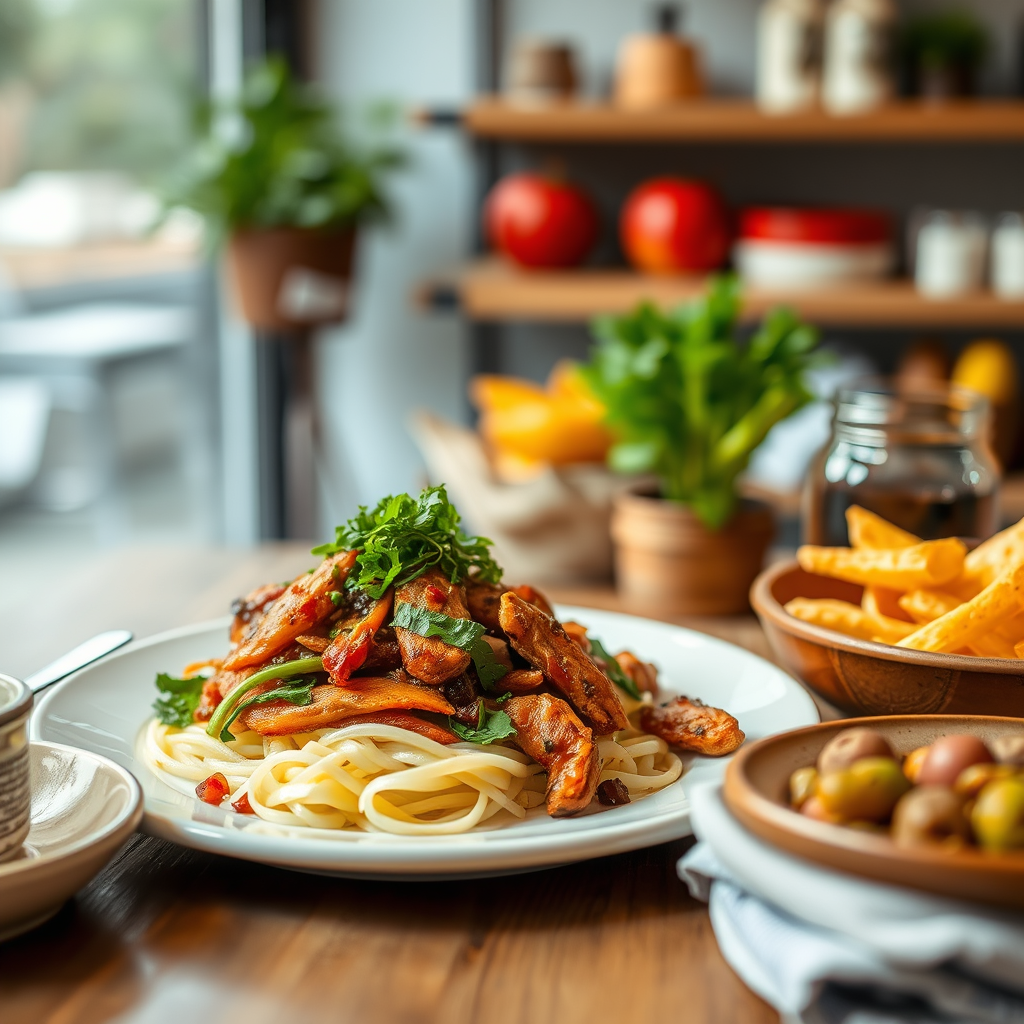
Navigating the world of food with diabetes might seem daunting at first, but it truly boils down to understanding a few core principles. These aren’t restrictive rules but rather smart guidelines that empower you to make delicious and health-conscious decisions for every meal, helping you keep your blood sugar in check and feel your best.
* Balance Your Plate: This is arguably the most fundamental principle for diabetic eating, often visualized with the “plate method.” The idea is to fill half of your plate with vibrant, non-starchy vegetables like leafy greens, broccoli, bell peppers, or green beans. These are packed with vitamins, minerals, and fiber, but low in carbohydrates, meaning they have minimal impact on blood sugar. Dedicate a quarter of your plate to a lean protein source such as grilled chicken, fish, tofu, or lean ground turkey, which helps with satiety and muscle maintenance. The remaining quarter should be reserved for complex carbohydrates like quinoa, brown rice, whole-wheat pasta, or a small baked sweet potato. This balance ensures you get essential nutrients, feel full, and manage your carbohydrate intake effectively, preventing blood sugar spikes.
* Focus on Whole Foods: In our busy world, it’s easy to reach for processed snacks and convenience foods, but for diabetes management, whole foods are your best friends. Prioritize unprocessed ingredients that come straight from nature. Think fresh fruits and vegetables, which offer natural sweetness and fiber without added sugars. Opt for whole grains over refined ones, as their fiber content slows down sugar absorption. Lean meats, fish, eggs, legumes (like beans and lentils), and nuts are fantastic sources of protein and healthy fats, providing sustained energy and essential nutrients. Minimizing processed foods means avoiding hidden sugars, unhealthy fats, and excessive sodium, all of which can negatively impact blood sugar and overall health.
* Carbohydrate Counting and Portion Control: Carbohydrates are the primary nutrient that impacts blood sugar levels, making carb awareness a cornerstone of diabetic meal planning. Understanding how different types of carbohydrates—simple (sugars) versus complex (starches, fiber)—affect your blood sugar is crucial. Simple carbs cause quick spikes, while complex carbs, especially those rich in fiber, lead to a more gradual rise. Learning to count carbohydrates, or at least understanding approximate portion sizes for various carb-containing foods, allows you to better manage your insulin needs or medication. Portion control goes hand-in-hand with carb counting; even healthy carbs can elevate blood sugar if consumed in excess. Using measuring cups, a food scale, or even just your hand as a guide can help you master portion control and keep your blood sugar levels stable.
Breakfast Ideas for Stable Blood Sugar
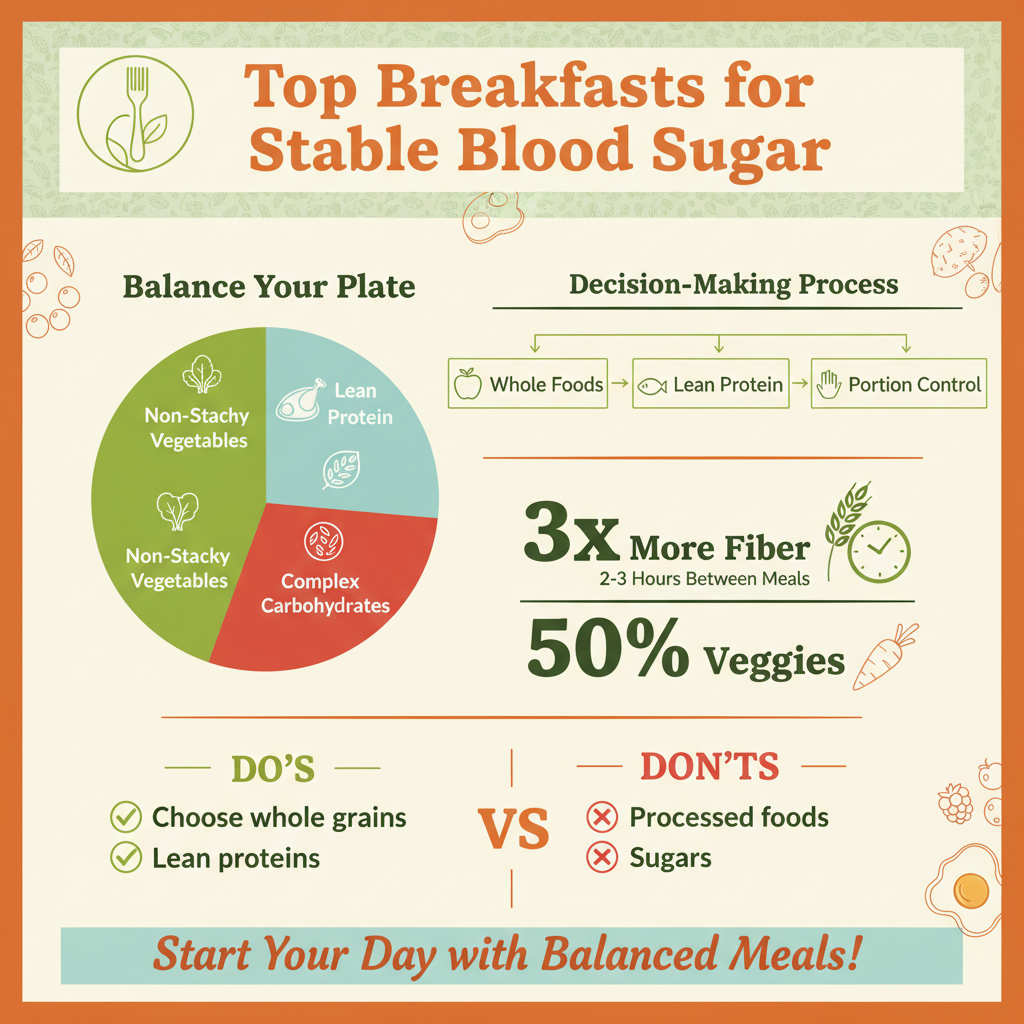

Starting your day with a balanced and nutritious breakfast is key to managing blood sugar throughout the morning and setting a positive tone for the rest of your day. These ideas focus on a good mix of fiber, protein, and complex carbs to provide sustained energy without drastic blood sugar fluctuations.
* Oatmeal Power Bowl: Say goodbye to sugary breakfast cereals! A power bowl made with steel-cut or rolled oats (always unsweetened) is a fantastic choice. Oats are a complex carbohydrate packed with soluble fiber, which helps slow down glucose absorption. Enhance your bowl by topping it with a small handful of fresh or frozen berries for natural sweetness and antioxidants, a sprinkle of chia seeds for extra fiber and omega-3s, and a few almonds or walnuts for healthy fats and a satisfying crunch. Cook your oats with water or unsweetened almond milk for the best blood sugar control.
* Scrambled Eggs with Veggies: Eggs are a protein powerhouse and a superb option for a diabetic-friendly breakfast. Scramble a couple of eggs (or egg whites for lower cholesterol) with a generous amount of non-starchy vegetables like fresh spinach, diced mushrooms, bell peppers, or onions. This adds volume, fiber, and nutrients without excess carbs. For a complete meal, pair it with a single slice of 100% whole-wheat toast (ensure it’s truly whole grain, not just “wheat” bread) or a quarter of an avocado for healthy monounsaturated fats, which further aids satiety and blood sugar regulation.
* Greek Yogurt Parfait: When you’re looking for something quick, creamy, and satisfying, a Greek yogurt parfait can be a real winner. Choose plain, unsweetened Greek yogurt, as it’s much higher in protein and lower in sugar than regular or flavored yogurts. Layer it with a small amount of low-glycemic fruit like blueberries, raspberries, or sliced strawberries. To add texture and healthy fats, sprinkle with a tablespoon of pumpkin seeds, sunflower seeds, or a tiny amount of crushed walnuts. This combination provides protein, probiotics, and fiber, making it a great option for a morning boost.
Lunch Options for Energy and Control
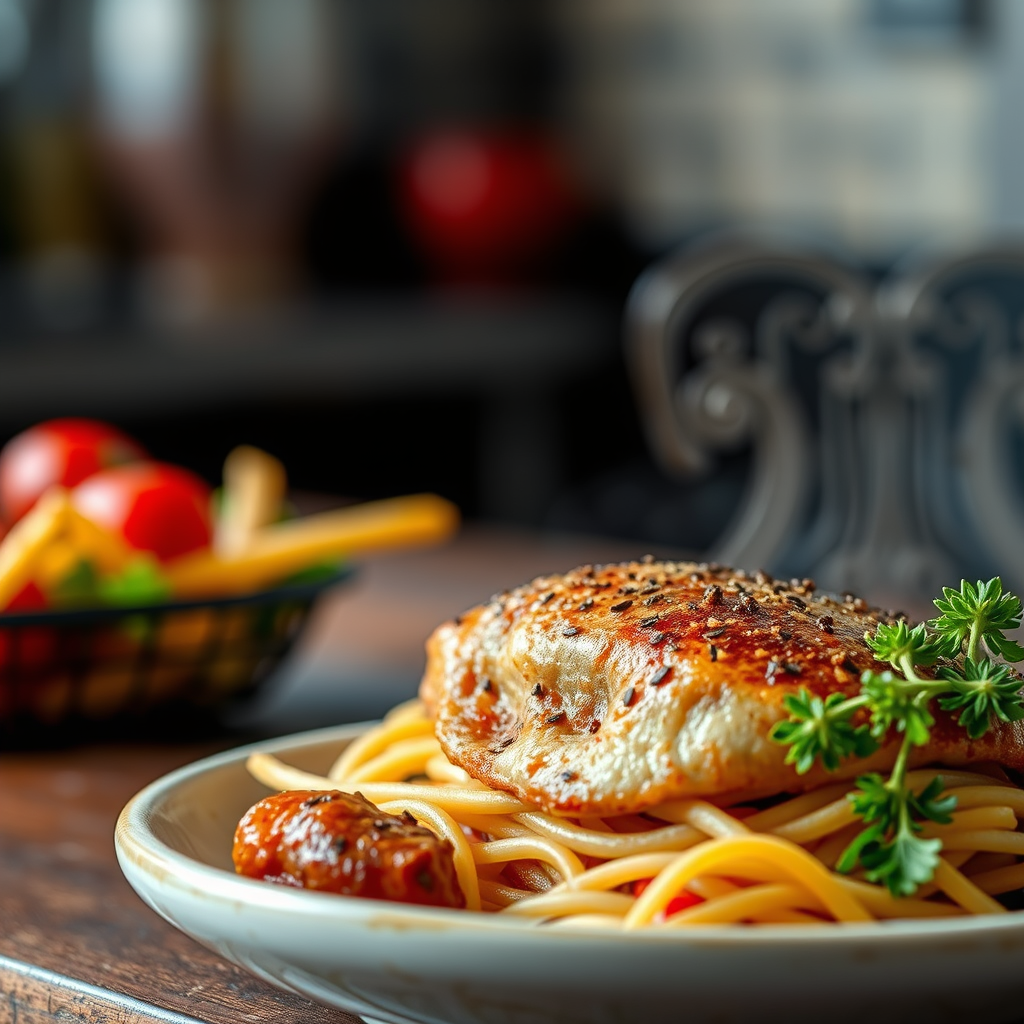
Lunch provides the fuel you need to power through your afternoon without experiencing a blood sugar crash. The goal is to choose meals that are satisfying, nutrient-dense, and keep your energy levels steady, preventing that post-lunch slump.
* Hearty Salad with Lean Protein: Forget sad, meager salads! A truly hearty salad can be a fantastic and versatile lunch. Start with a large bed of dark leafy greens like mixed greens, spinach, or romaine. Load it up with a variety of non-starchy vegetables such as cucumber, cherry tomatoes, bell peppers, shredded carrots, and broccoli florets. Add a generous serving of lean protein – grilled chicken breast, baked salmon, hard-boiled eggs, or chickpeas are all excellent choices. Finish with a light, oil-and-vinegar-based dressing, avoiding creamy, sugary options, to keep it flavorful and diabetic-friendly.
* Whole-Grain Wrap: For a quick, on-the-go option that’s much healthier than a sandwich on white bread, a whole-wheat wrap is perfect. Select a truly whole-wheat tortilla (check labels for fiber content and minimal added sugars). Fill it with lean turkey breast, slices of roasted chicken, or a generous spread of hummus for plant-based protein. Then, pack it full of crisp lettuce, juicy tomatoes, cool cucumbers, and crunchy bell peppers. The fiber from the whole grain and the vegetables, combined with the protein, will keep you feeling full and prevent blood sugar spikes, making it a convenient and nutritious choice.
* Lentil or Bean Soup: A warm, comforting bowl of homemade lentil or black bean soup is not only incredibly delicious but also packed with fiber and plant-based protein, making it excellent for blood sugar management. Lentils and beans are complex carbohydrates that release glucose slowly, preventing sudden spikes. Making your own soup allows you to control the sodium content and avoid added sugars often found in canned varieties. Serve your savory soup with a small, palm-sized piece of 100% whole-grain bread for dipping, or add extra vegetables directly into the soup for even more nutrients.
Dinner Recipes for a Healthy Evening
Dinner is a time to enjoy a satisfying meal that won’t disrupt your sleep or send your blood sugar soaring overnight. These recipes are designed to be flavorful, nutritious, and perfectly balanced for individuals managing diabetes, ensuring a restful night and stable morning readings.
* Baked Salmon with Roasted Vegetables: This classic combination is a winner for several reasons. Salmon is rich in omega-3 fatty acids, which are fantastic for heart health and reducing inflammation, important considerations for diabetics. Baking or grilling is a healthy cooking method that avoids excessive fats. Pair your salmon with a generous serving of roasted non-starchy vegetables like broccoli, asparagus, Brussels sprouts, or cauliflower. Roasting brings out their natural sweetness and flavor, making them incredibly appetizing. A drizzle of olive oil, a squeeze of lemon, and some herbs are all you need for a delicious and balanced meal.
* Chicken Stir-Fry: A vibrant chicken stir-fry is a quick, customizable, and incredibly healthy dinner option. Use lean chicken breast, cut into bite-sized pieces, as your protein. Then, get creative with a colorful array of non-starchy vegetables: bell peppers, snap peas, bok choy, carrots, and mushrooms work beautifully. Stir-fry them quickly in a small amount of healthy oil (like avocado or sesame oil) with garlic and ginger for flavor. Be mindful of your sauce; opt for low-sodium soy sauce or tamari, a splash of rice vinegar, and a touch of chili flakes, avoiding sugary pre-made sauces. Serve this over a small, controlled portion of brown rice or quinoa for a complex carbohydrate.
* Lean Ground Turkey Chili: Nothing beats a hearty bowl of chili, and making it with lean ground turkey is a fantastic way to enjoy this comfort food while keeping it diabetic-friendly. Use plenty of kidney beans, black beans, or pinto beans, which are rich in fiber and protein, helping to stabilize blood sugar. Load it up with diced tomatoes, onions, bell peppers, and your favorite chili spices like cumin, chili powder, and oregano. This dish is great for meal prepping too! For an extra creamy touch without the dairy fat, top your chili with a dollop of plain Greek yogurt instead of sour cream.
Snack Smart: Healthy Bites Between Meals
Snacking strategically can be a powerful tool in diabetes management, helping to prevent extreme hunger that might lead to overeating at meals, and keeping blood sugar levels steady between meals. The key is to choose snacks that combine fiber, protein, and healthy fats to provide sustained energy.
* Vegetable Sticks with Hummus: This is a refreshing and incredibly satisfying snack. Cut up a variety of non-starchy vegetables like carrot sticks, crisp cucumber slices, vibrant bell pepper strips, celery sticks, or even broccoli florets. Pair them with a serving of hummus, which provides plant-based protein and fiber from chickpeas, along with healthy fats from tahini and olive oil. This combination offers a satisfying crunch and a good balance of nutrients, helping you feel full without a major impact on blood sugar.
* Nuts and Seeds: A small handful of nuts or seeds is an excellent choice for a quick, convenient, and nutrient-dense snack. Almonds, walnuts, pistachios, pumpkin seeds, or sunflower seeds are all fantastic. They are packed with healthy monounsaturated and polyunsaturated fats, fiber, and protein, all of which contribute to satiety and have a minimal effect on blood sugar levels. Portion control is essential here, as nuts are calorie-dense; typically, a quarter-cup or about 15-20 almonds is a good serving size.
* Fruit and Protein Combo: While fruit contains natural sugars, pairing it with a protein source can help slow down the absorption of those sugars and prevent blood sugar spikes. Try a small apple (with the skin on for extra fiber!) with a tablespoon of natural peanut butter or almond butter. Ensure your nut butter is natural, meaning the ingredients list only includes nuts and maybe a little salt, without added sugars or oils. Another great option is a small pear or a handful of berries with a small piece of low-fat cheese or a few slices of turkey breast.
Meal Planning and Preparation Tips
Successful diabetes management isn’t just about knowing what to eat, but also about how you approach your meals. Strategic planning and preparation can make healthy eating effortless, consistent, and sustainable, taking the stress out of daily food choices.
* Weekly Meal Prep: Dedicating some time each week to plan your meals and prep ingredients can be a game-changer for maintaining a diabetic-friendly diet. On a specific day, perhaps Sunday, brainstorm your meals for the upcoming week. Then, grocery shop accordingly. You can pre-chop vegetables, cook a batch of lean protein (like grilled chicken or roasted fish), or prepare a whole grain (like quinoa or brown rice) to have on hand. Having healthy components ready to assemble significantly reduces the temptation to grab less healthy, convenient options during busy weekdays, ensuring you stick to your goals.
* Read Food Labels: Becoming a savvy label reader is one of the most powerful tools in your diabetic management toolkit. Don’t just glance at the front of the package; dive into the nutrition facts panel. Pay close attention to serving sizes (and adjust your calculations if you eat more than one serving), total carbohydrates, and especially the “added sugars” content. Also, look for fiber content—the higher, the better! Monitor sodium levels, as processed foods can be surprisingly high, and keep an eye on saturated and trans fats. Understanding these numbers empowers you to make informed decisions about packaged foods and choose the healthiest options available.
* Cook at Home More Often: Eating out can be a real challenge when managing diabetes, as restaurant meals often contain hidden sugars, excessive sodium, unhealthy fats, and notoriously large portion sizes. By preparing your own meals at home, you gain complete control over every ingredient. You can choose fresh, whole ingredients, use healthy cooking methods (baking, grilling, steaming), control portion sizes, and flavor your food with herbs and spices instead of relying on high-calorie sauces. Cooking at home doesn’t have to be complicated; even simple, quick recipes can be incredibly delicious and beneficial for your health.
Adopting these eating strategies for diabetes is a powerful step towards better health, blood sugar management, and a more vibrant life. Remember, small, consistent changes in your diet can lead to significant improvements in your well-being. By focusing on whole, unprocessed foods, balancing your plate with plenty of non-starchy vegetables, lean proteins, and controlled portions of complex carbohydrates, and practicing smart snacking and meal planning, you’re building a sustainable foundation for long-term health. Always consult with your doctor or a registered dietitian to tailor these recommendations to your specific health needs and ensure they align with your overall treatment plan, as individualized advice is always best. Start experimenting with these delicious and nutritious meal ideas today – your body will thank you!
Frequently Asked Questions
What are the best types of meals for someone with diabetes to help manage blood sugar?
The best meals for diabetics are balanced, focusing on a combination of non-starchy vegetables, lean proteins, and complex carbohydrates. Prioritize foods low in glycemic index to help stabilize blood sugar levels throughout the day. Building your plate with half non-starchy veggies, a quarter lean protein, and a quarter whole grains is an excellent strategy for diabetes management.
How can I easily plan diabetic-friendly meals for a busy week?
Simplify diabetic meal planning by batch cooking proteins and whole grains at the start of the week, and prepping vegetables in advance. Utilize simple, healthy recipes that don’t require many ingredients or complex steps, focusing on nutrient-dense options. Creating a weekly meal schedule helps ensure you have delicious, blood sugar-friendly meals readily available and reduces the temptation for unhealthy choices.
Why are non-starchy vegetables so crucial in meals for managing diabetes?
Non-starchy vegetables are incredibly important for diabetics because they are low in carbohydrates, high in fiber, and packed with essential vitamins and minerals. Their high fiber content helps slow down glucose absorption, preventing rapid blood sugar spikes, and promotes a feeling of fullness. Including plenty of options like leafy greens, broccoli, peppers, and green beans makes your diabetic meals more nutritious and satisfying without significantly impacting blood sugar.
Which breakfast options are ideal for diabetics to maintain stable blood sugar levels throughout the morning?
Ideal breakfast options for diabetics prioritize protein and fiber to promote satiety and prevent blood sugar spikes. Excellent choices include steel-cut oatmeal with berries and a sprinkle of nuts, scrambled eggs with spinach and whole-wheat toast, or Greek yogurt topped with chia seeds and a small portion of fruit. Avoid sugary cereals, pastries, and fruit juices that can cause a rapid rise in blood glucose.
What strategies can help make dining out a diabetic-friendly experience?
When dining out as a diabetic, strategic choices can significantly help manage blood sugar. Review the menu online beforehand to identify healthier options like grilled or baked dishes over fried, and ask for sauces and dressings on the side. Prioritize non-starchy vegetable sides, watch your portion sizes, and don’t hesitate to ask for modifications to make your meal more suitable for your diabetes management plan.
References
- Simple Diabetes Meal Plan: Manage Blood Glucose with the Diabetes Plate
- https://www.cdc.gov/diabetes/managing/healthy-eating.html
- Healthy Living with Diabetes – NIDDK
- Diabetes diet: Create your healthy-eating plan – Mayo Clinic
- Healthy Eating for Type 2 Diabetes – Harvard Health
- https://www.nhs.uk/conditions/type-2-diabetes/diet-exercise-and-lifestyle/
- https://www.ucsfhealth.org/education/eating-for-a-healthy-heart-and-blood-sugar
- Not Found | American Heart Association | American Heart Association
- https://www.dietitians.ca/Dietitians-Views/Diabetes/Eating-for-Healthy-Blood-Sugars.aspx
