
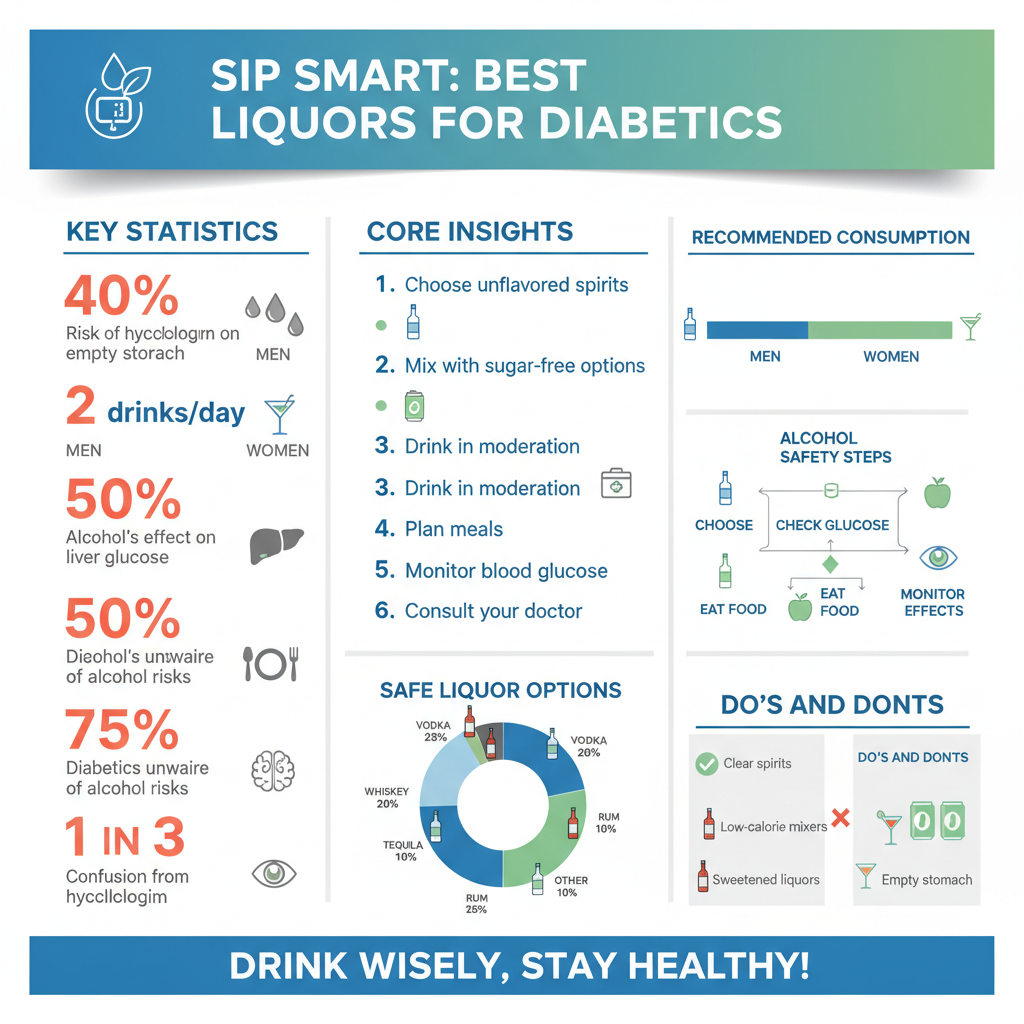
For individuals managing diabetes, navigating alcoholic beverages requires careful consideration to maintain stable blood sugar levels. The best liquor options are generally unflavored, unsweetened spirits consumed in moderation, combined with sugar-free mixers. This guide will help you understand which choices are safest, what to avoid, and essential practices for enjoying a drink responsibly while living with diabetes. Making informed decisions about alcohol is a key part of managing diabetes effectively. By choosing unflavored spirits with sugar-free mixers and practicing moderation, you can enjoy social occasions responsibly, but always prioritize your health and consult with your doctor.
Understanding Alcohol and Diabetes
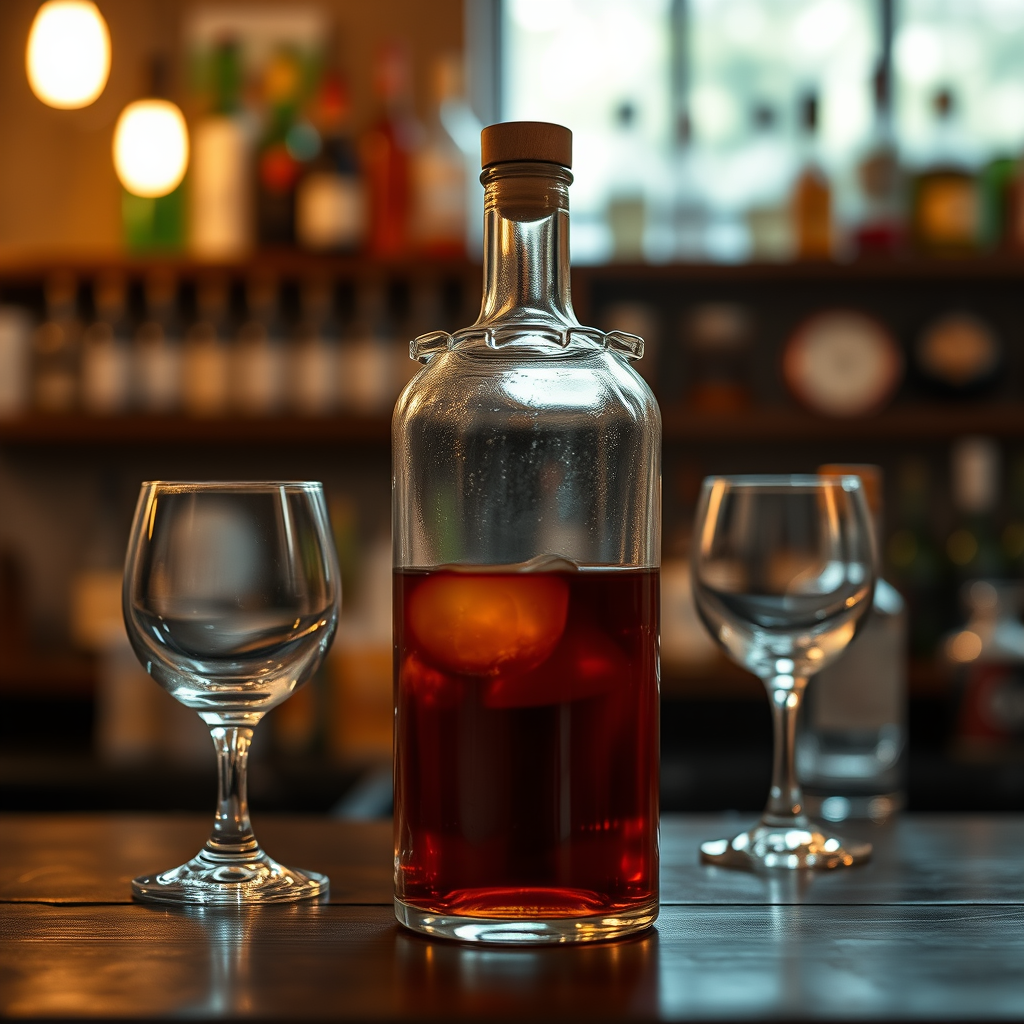
Navigating the world of alcoholic beverages when you have diabetes can feel a bit like walking a tightrope. It’s not just about what you drink, but also how your body reacts to it. The relationship between alcohol and blood sugar is complex, and understanding it is the first step toward making safe choices.
– Alcohol can initially lower blood sugar levels, increasing the risk of hypoglycemia (low blood sugar), especially if consumed on an empty stomach. This is a critical point that many people aren’t aware of. When you consume alcohol, your liver, which usually works to produce and release glucose into your bloodstream to keep levels stable, gets busy processing the alcohol instead. This shift in priority means less glucose is released, potentially leading to a dangerous drop in blood sugar. This effect can be particularly pronounced if you haven’t eaten, or if you’re taking certain diabetes medications that already lower blood glucose. The symptoms of hypoglycemia can also sometimes be mistaken for drunkenness, making it even more dangerous if friends or family aren’t aware of your condition.
– The liver prioritizes processing alcohol over producing glucose, which can further contribute to blood sugar drops. To elaborate on the liver’s role: one of its vital functions is gluconeogenesis, the creation of new glucose. When alcohol enters your system, your liver sees it as a toxin and diverts its resources to detoxifying and metabolizing the alcohol. This effectively puts a pause on its glucose-producing capabilities. For someone with diabetes, especially those on insulin or sulfonylureas, this can mean a significant and sometimes rapid decrease in blood sugar that might not be immediately obvious.
– Moderate consumption and careful planning are crucial for managing blood glucose effectively when drinking. This isn’t just a suggestion; it’s a golden rule. “Moderation” typically means up to one drink per day for women and up to two drinks per day for men. However, these are general guidelines, and your personal limit might be different based on your specific health profile. Careful planning involves everything from choosing the right drink and mixer to ensuring you’ve eaten a balanced meal, monitoring your blood sugar closely, and having a plan for managing potential lows. It’s about being proactive, not reactive, when it comes to enjoying a drink.
Top Liquor Choices for Diabetics
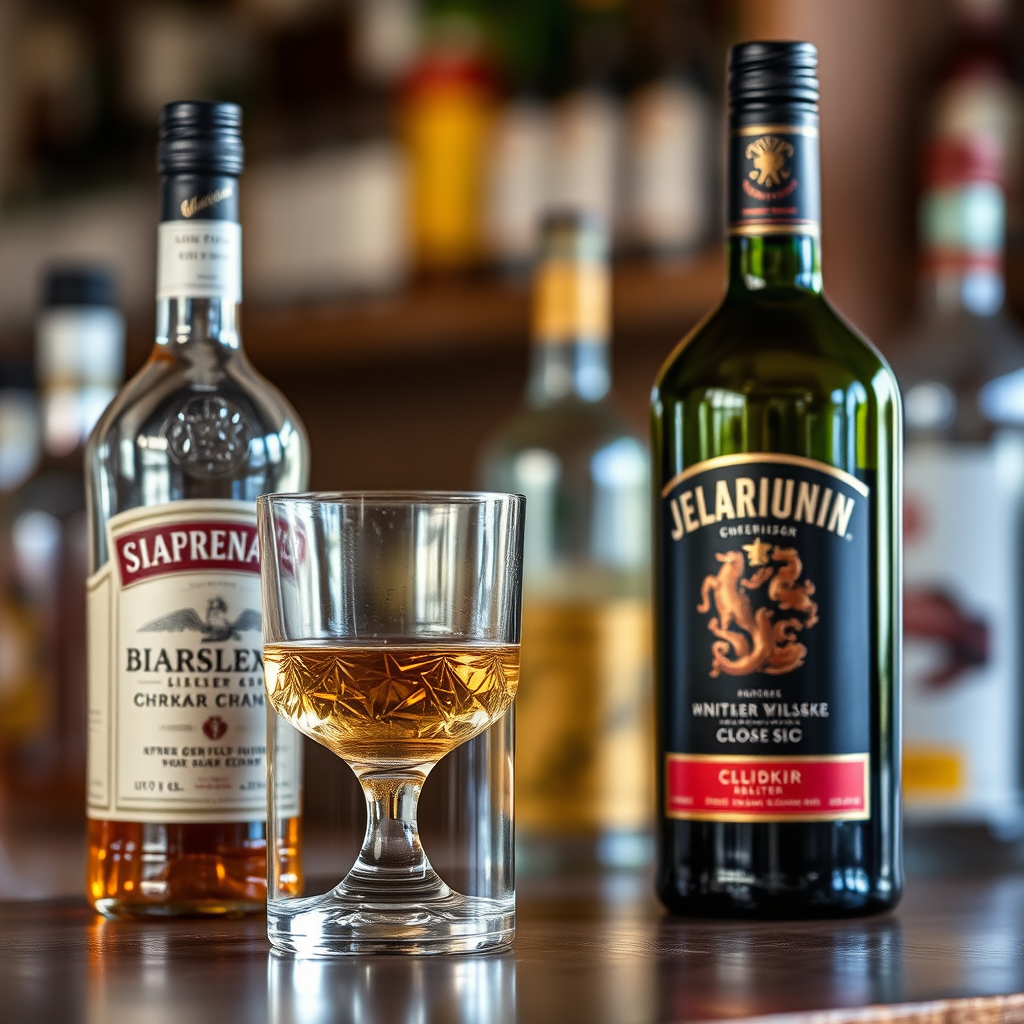
When you’re managing diabetes, selecting the right alcoholic beverage is primarily about minimizing hidden sugars and carbohydrates. The good news is, you don’t have to miss out entirely! Several types of hard liquor can be part of a diabetes-friendly lifestyle when consumed responsibly.
– Unflavored, unsweetened hard liquors like vodka, gin, rum (light/white), tequila, whiskey, and brandy are typically the best options. Why these? Because in their purest, unflavored forms, they contain virtually no carbohydrates or sugars. This means they won’t directly cause a blood sugar spike from sugar content, though they still carry the risk of lowering blood sugar due to the liver’s processing of alcohol. Think of a crisp gin, a smooth whiskey, or a clean vodka – these can be excellent bases for a low-carb cocktail. For rum, lighter varieties are generally preferred as some darker rums can have added sugars. Tequila, in its unflavored form (like blanco or reposado), is another great choice. Brandy, too, can be a suitable option. The key here is “unflavored” and “unsweetened.”
– These spirits contain minimal to no carbohydrates or sugars per standard serving (e.g., 1.5 ounces). A standard shot (1.5 ounces, or about 45ml) of these plain spirits contains roughly 0 grams of carbohydrates and sugars. Their caloric content comes almost entirely from the alcohol itself. This makes them much friendlier to your blood sugar management compared to many other alcoholic drinks. For instance, a shot of unflavored vodka might have around 97 calories, all from alcohol, whereas a sugary mixed drink could easily top 300 calories with a significant sugar load.
– Always opt for plain versions, avoiding flavored or sweetened varieties which can contain added sugars. This point cannot be stressed enough! While a plain vodka is carb-free, a “raspberry vodka” or “caramel whiskey” can be loaded with sugars, artificial sweeteners, or even fruit purees that will absolutely impact your blood glucose levels. Always read labels carefully, as manufacturers don’t always make the sugar content obvious. If it tastes sweet without a sugar-free label, it almost certainly has added sugar. Stick to the classic, unadulterated versions and add your own sugar-free flavorings with mixers.
Liquors to Limit or Avoid
Just as there are safer choices, there are also alcoholic beverages that can be particularly problematic for individuals with diabetes due to their high sugar and carbohydrate content. Being aware of these is crucial for maintaining stable blood glucose.
– Steer clear of sugary liqueurs, dessert wines (like port or sherry), and most pre-mixed cocktails or cocktail bases, which are often packed with sugar. This category is a major red flag. Liqueurs, such as Kahlua, Amaretto, Schnapps, or Irish cream, are inherently sweet and are essentially sugary syrups with alcohol. Just a small serving can contain as much sugar as a candy bar. Dessert wines like Port, Sherry, and Muscatel are specifically designed to be sweet and are made from grapes with higher sugar content, or have sugar added during production. Pre-mixed cocktails, bottled margaritas, daiquiris, or even many common bar mixers for drinks like a whiskey sour, are notorious sugar bombs. They offer convenience but at a significant cost to your blood sugar control, often containing multiple teaspoons of added sugar per serving. Always check the nutrition information if available, or simply avoid them to be safe.
– Regular beer is high in carbohydrates and can significantly impact blood sugar; light beer is a better alternative but still requires caution. A standard 12-ounce can of regular beer can contain anywhere from 10-20 grams of carbohydrates, sometimes more. This carb load can lead to rapid blood sugar spikes, followed by potential lows as your liver processes the alcohol. If you enjoy beer, switching to a light beer is a much better option, typically containing 3-6 grams of carbohydrates per serving. However, even light beer isn’t carb-free, so moderation and careful monitoring are still essential. Think of it as a treat that needs to be factored into your daily carb count.
– Sweet wines, such as Moscato or some rosés, can cause rapid blood sugar spikes due to their higher sugar content. While dry red or white wines (like a dry Cabernet Sauvignon or Pinot Grigio) can be consumed in moderation by some diabetics, sweet wines are a different story. Varietals like Moscato, some Rieslings, and many blush or rosé wines are known for their sweet profile, which comes directly from higher residual sugar levels. Even a small glass can introduce a significant amount of sugar into your system, leading to quick and undesirable blood sugar spikes. If you prefer wine, always opt for dry varieties and check for “dry” or “brut” labels, and remember that even these contain some carbohydrates, typically 2-4 grams per 5-ounce serving.
The Importance of Mixers
When it comes to crafting a diabetes-friendly alcoholic drink, the mixer you choose is arguably just as important, if not more important, than the liquor itself. A healthy spirit can quickly become a blood sugar disaster if paired with the wrong mixer.
– The choice of mixer is as critical as the liquor itself when managing diabetes. Imagine pairing a perfectly carb-free vodka with regular soda or a fruit juice – you’ve just added a huge dose of sugar! Many popular mixers are loaded with added sugars, artificial flavors, and calories that can quickly derail your blood sugar management efforts. This is where careful selection really pays off and makes all the difference in turning a potentially problematic drink into a safer one. It’s not just about avoiding sugar, but also about avoiding empty calories that don’t provide nutritional value.
– Opt for sugar-free mixers such as diet soda, club soda, sparkling water, or diet tonic water. These are your best friends in the world of diabetes-friendly cocktails!
* Diet soda: Available in various flavors, diet sodas provide that familiar fizzy sweetness without the sugar. Just be mindful of artificial sweeteners if you have sensitivities, and check labels for specific ingredients.
* Club soda: This is a fantastic, zero-calorie, zero-sugar base. It’s essentially carbonated water with some added minerals for a slightly distinct taste. It provides fizz and can dilute spirits without adding anything undesirable.
* Sparkling water: Similar to club soda but often without the added minerals, sparkling water (like seltzer) is another excellent, pure option. You can find it flavored naturally (e.g., lime, berry) without added sugars, providing a refreshing twist.
* Diet tonic water: For those who enjoy a gin and tonic, diet tonic water is the sugar-free alternative to regular tonic, which is surprisingly high in sugar. Always make sure it explicitly says “diet” or “sugar-free.”
– Fresh lemon or lime wedges can add flavor without any added sugar, making for a refreshing drink. Don’t underestimate the power of natural flavorings! A squeeze of fresh lemon or lime juice in your vodka soda or tequila and sparkling water can elevate the taste significantly without impacting your blood sugar. You can also experiment with other sugar-free natural additions like cucumber slices, a few mint leaves, or a splash of sugar-free bitters. These natural garnishes provide zest and aroma, turning a simple drink into a more sophisticated and enjoyable experience. Always be creative, but keep it sugar-free!
Safe Drinking Practices for Diabetics
Enjoying an alcoholic beverage responsibly when you have diabetes goes beyond just choosing the right drink; it involves implementing crucial safety practices. These tips are designed to help you minimize risks and manage your blood sugar effectively before, during, and after drinking.
– Never consume alcohol on an empty stomach; always have a meal or snack beforehand to help stabilize blood sugar. This is perhaps one of the most important rules. Drinking alcohol on an empty stomach can dramatically increase the risk of hypoglycemia. Without food, your liver’s glucose reserves are already lower, and when it switches to processing alcohol, it has even fewer resources to maintain stable blood sugar. A balanced meal or snack containing carbohydrates and protein before you drink will provide a steady supply of glucose, helping to buffer the alcohol’s effect and giving your liver some “backup” while it’s busy. Think about a meal like chicken with brown rice and vegetables, or a substantial snack like whole-grain crackers with cheese.
– Monitor your blood glucose levels more frequently before, during, and after drinking to catch any significant fluctuations. Regular blood sugar checks are your best defense. Alcohol’s effects can be unpredictable and can linger for several hours, sometimes even causing delayed hypoglycemia up to 24 hours later. Check your levels before you start drinking, periodically while you’re drinking (especially if you’re out for an extended period), and definitely before you go to bed. It’s also wise to check your blood sugar again the next morning. If your blood sugar is low, consume a fast-acting carbohydrate source immediately. Keeping your monitoring equipment and a quick sugar source (like glucose tablets or juice) handy is non-negotiable.
– Inform friends or family about your condition and the signs of hypoglycemia, so they can assist if needed. This is a vital safety net. Hypoglycemia symptoms (confusion, slurred speech, clumsiness, disorientation) can be mistaken for being intoxicated. If your friends or family know you have diabetes and what to look for, they can recognize a true low blood sugar event and act appropriately, whether that means getting you some juice or calling for medical help. It’s also a good idea to wear a medical alert bracelet or carry an ID card that states you have diabetes.
– Stay hydrated by alternating alcoholic drinks with water. Alcohol is a diuretic, meaning it makes you lose fluids, which can contribute to dehydration. Dehydration can also make it harder for your body to manage blood sugar and can exacerbate the effects of alcohol. For every alcoholic drink, have a glass of water. This not only keeps you hydrated but can also help you pace yourself and reduce overall alcohol consumption.
– Be mindful of alcohol’s impact on your judgment and self-control. Alcohol can lower inhibitions and impair judgment, potentially leading to poor food choices (like sugary late-night snacks) or forgetting to check blood sugar or take medication. Planning ahead and sticking to your limits can help mitigate these risks.
Consulting Your Healthcare Provider
While blog posts and guides can offer general advice, there’s no substitute for personalized medical guidance. When it comes to managing diabetes and considering alcohol consumption, your healthcare provider is your most valuable resource.
– It is vital to discuss alcohol consumption with your doctor or a registered dietitian. Before you even think about having a drink, schedule a conversation with your healthcare team. They are familiar with your specific medical history, the type of diabetes you have (Type 1 or Type 2), the medications you’re taking, and any other health conditions that might influence how alcohol affects you. What might be safe for one person with diabetes could be risky for another. This personalized advice is crucial for your safety and well-being. Don’t be afraid to ask detailed questions and be honest about your habits.
– They can provide personalized advice based on your specific type of diabetes, medications, and overall health status. For instance, certain medications for diabetes, such as sulfonylureas or insulin, significantly increase the risk of hypoglycemia when combined with alcohol. Your doctor can help you understand these interactions and might suggest adjusting your medication dosage on days you plan to drink (never do this without medical advice!). They can also advise on how alcohol might affect other health conditions you have, such as liver disease, neuropathy, or high blood pressure, which could be worsened by alcohol. A registered dietitian can also help you understand how to integrate alcoholic beverages into your meal plan without compromising your blood sugar goals or overall nutrition.
– Your healthcare team can help you understand safe limits and potential interactions with your diabetes management plan. Beyond just “yes” or “no,” your doctor can help you define what “moderation” truly means for *you*. They can also guide you on how to adjust your food intake, exercise, and medication schedule on days when you plan to drink. They might recommend specific types of monitoring or suggest strategies to prevent delayed hypoglycemia. This proactive discussion ensures that any decision you make about consuming alcohol is informed, safe, and fully integrated into your comprehensive diabetes management plan, empowering you to make choices that support your health while still enjoying life’s pleasures.
Making informed decisions about alcohol is a key part of managing diabetes effectively. By choosing unflavored spirits with sugar-free mixers and practicing moderation, you can enjoy social occasions responsibly. Always remember the critical steps: eat before you drink, monitor your blood sugar frequently, and make sure your friends and family are aware of your condition. However, always prioritize your health and consult with your doctor or a registered dietitian to ensure that any alcohol consumption aligns safely with your individual diabetes management plan. Your healthcare team is your best partner in navigating these choices safely and confidently, helping you to live a full and healthy life.
Frequently Asked Questions
What types of liquor are generally considered the best options for diabetics?
For diabetics, the best liquor options are typically clear, unsweetened distilled spirits, as they contain virtually no carbohydrates or sugar. This includes spirits like vodka, gin, tequila, rum, and whiskey, provided they are consumed neat or mixed with sugar-free alternatives. Always prioritize checking labels for any added sugars or flavorings, which can significantly increase carb content and impact blood glucose levels.
How does alcohol consumption specifically affect blood sugar levels for individuals with diabetes?
Alcohol can have a complex and sometimes unpredictable effect on blood sugar. Initially, some alcoholic beverages might cause a slight rise in blood sugar dueates to residual sugars, but the liver prioritizes processing alcohol, which can inhibit its ability to produce glucose. This can lead to a significant and delayed drop in blood sugar (hypoglycemia) several hours after drinking, posing a serious risk for diabetics, especially when consuming alcohol on an empty stomach or in excess.
Why is it crucial for diabetics to choose low-carb or sugar-free mixers when drinking alcohol?
Choosing low-carb or sugar-free mixers is crucial because traditional mixers like regular soda, tonic water, fruit juices, and sweetened syrups are packed with sugars and carbohydrates. These sugary additions can quickly spike blood glucose levels, counteracting any potential benefits of choosing a low-carb spirit. Opting for diet soda, sparkling water, or a splash of fresh lemon/lime juice helps maintain better blood sugar control and makes alcoholic beverages more diabetic-friendly.
Which alcoholic beverages should diabetics absolutely avoid due to their high sugar content?
Diabetics should generally avoid alcoholic beverages known for their high sugar content, as these can cause rapid and dangerous blood sugar spikes. This includes sweet liqueurs (e.g., Kahlúa, amaretto), dessert wines (e.g., port, sherry), pre-made cocktail mixes, most regular beer (due to carbs), and any mixed drinks that use sugary syrups, sodas, or fruit juices as primary ingredients. Always scrutinize ingredient lists and nutritional information to identify hidden sugars.
What key precautions should diabetics take if they choose to consume alcohol?
Diabetics choosing to drink alcohol should always do so in moderation and never on an empty stomach, as eating food can help slow alcohol absorption and reduce hypoglycemia risk. It’s vital to monitor blood sugar levels before, during, and several hours after drinking, as alcohol’s effects can be delayed. Inform friends or family about your condition and the risk of hypoglycemia, and ensure you stay hydrated with water to mitigate dehydration.
References
- Alcohol and Diabetes | ADA
- Coffee calories: Sabotaging your weight loss? – Mayo Clinic
- https://www.health.harvard.edu/diseases-and-conditions/alcohol-and-diabetes-what-to-know
- https://health.clevelandclinic.org/is-drinking-alcohol-safe-if-you-have-diabetes
- https://www.cdc.gov/diabetes/managing/eat-well/alcohol.html
- https://www.diabetes.org.uk/guide-to-diabetes/enjoy-food/alcohol-and-diabetes
