
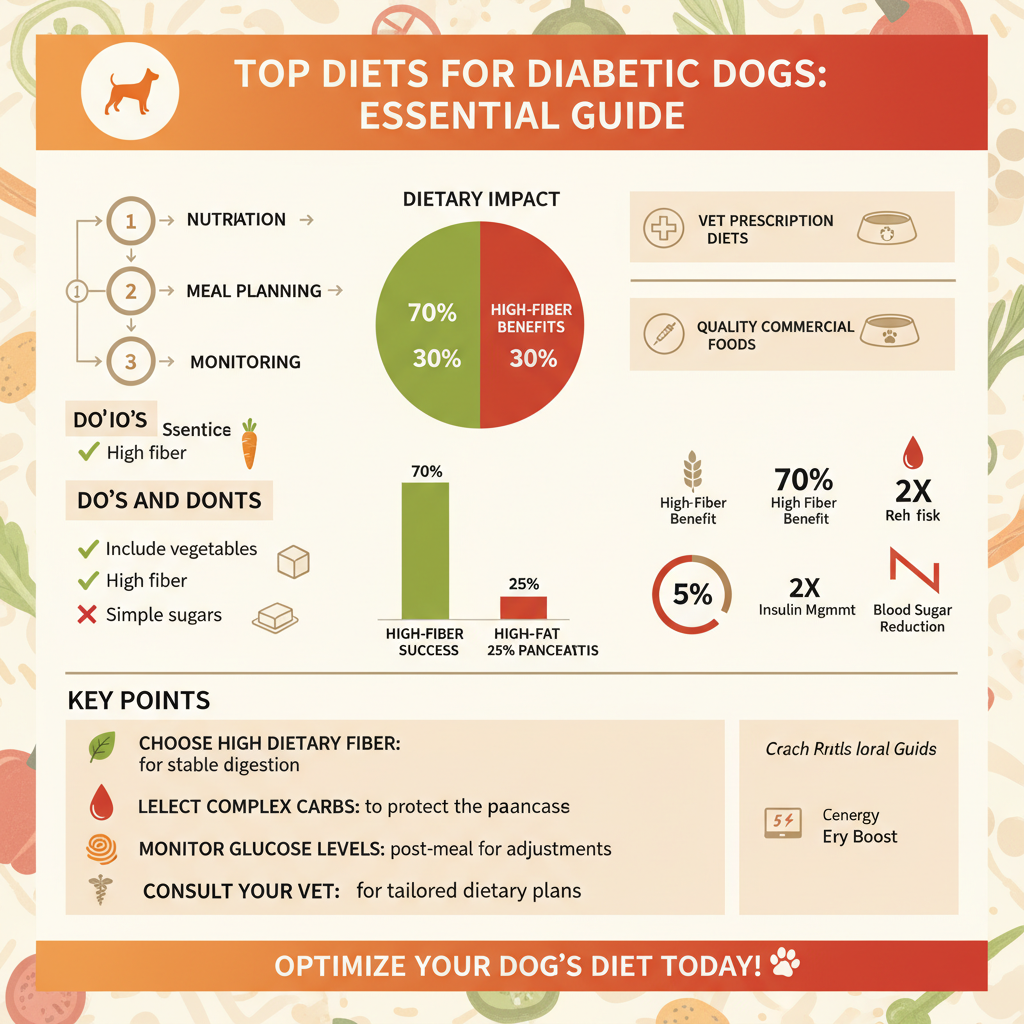
The best food for a diabetic dog is a diet high in fiber and low in fat and simple carbohydrates, designed to slow glucose absorption and regulate blood sugar levels. Veterinary-prescribed formulas like Hill’s Prescription Diet w/d or Royal Canin Glycobalance are the gold standard, but high-quality commercial foods rich in lean protein and low-glycemic vegetables are also excellent options. When you first receive a diabetes diagnosis for your furry friend, it can feel incredibly overwhelming. You have to learn about insulin injections, blood glucose curves, and rigid schedules. However, nutrition is the most powerful tool you have in your arsenal. This article breaks down the specific nutritional requirements and top brand recommendations to help manage your dog’s diabetes effectively, ensuring they live a happy, energetic life by your side.
Nutritional Requirements for Diabetic Dogs
When managing canine diabetes, food isn’t just fuel—it is a critical part of the medical treatment plan. The goal of a diabetic diet is to prevent the “rollercoaster” effect of blood sugar spiking too high after a meal and dropping too low later on. To achieve this stability, there are three main pillars of nutrition you need to look for.
Importance of high dietary fiber to slow digestion and prevent blood sugar spikes
Fiber is arguably the most important component of a diabetic dog’s diet. Think of fiber as the braking system for your dog’s digestion. When a dog eats a meal rich in insoluble fiber (like cellulose or beet pulp), the food moves through the digestive tract at a more measured pace. This slows down the absorption of glucose into the bloodstream. Instead of a sudden sugar rush immediately after eating, the glucose enters the system slowly and steadily, which makes the insulin you administer much more effective.
Why low-fat content is crucial to prevent pancreatitis and insulin resistance
There is a strong link between high fat intake and pancreatitis (inflammation of the pancreas). Since your dog’s pancreas is already compromised, stressing it with high-fat foods can be dangerous and even life-threatening. Furthermore, high levels of circulating blood fats (triglycerides) can interfere with how insulin works, leading to insulin resistance. By keeping the diet low in fat, you protect the pancreas and ensure that the insulin dosage your vet prescribed works as intended.
The need for complex carbohydrates rather than simple sugars or corn syrup
Not all carbohydrates are created equal. Simple carbs—like sugars and highly processed grains—digest rapidly, causing dangerous spikes in blood sugar. However, diabetic dogs still need energy. The solution is complex carbohydrates. Ingredients like barley, sorghum, and whole oats take much longer for the body to break down. This results in a slow, sustained release of energy rather than a sharp spike, helping to keep your dog’s glucose curve as flat as possible throughout the day.
Top Veterinary Prescription Diets
If your veterinarian recommends a prescription diet, it is usually the safest and most effective route to take, especially in the early stages of diagnosis. These foods undergo rigorous testing to ensure they produce consistent results, which takes a lot of the guesswork out of regulating your dog’s insulin levels.
Overview of Hill’s Prescription Diet w/d Multi-Benefit and its glucose-management properties
Hill’s Prescription Diet w/d is often considered the “classic” choice for diabetic dogs. It is famously high in fiber, which helps create that crucial slow-release of energy. What makes w/d particularly effective is that it is also formulated to help with weight management and digestive health. Since many diabetic dogs are overweight at the time of diagnosis, this formula tackles two problems at once: it stabilizes glucose through high fiber and helps shed the pounds that contribute to insulin resistance.
Benefits of Royal Canin Veterinary Diet Glycobalance for maintaining stable energy levels
Royal Canin has developed Glycobalance specifically to minimize post-prandial (after-meal) blood sugar fluctuations. This formula utilizes a blend of cereals with a low glycemic index and high levels of protein to help maintain muscle mass. Owners often report that dogs on Glycobalance maintain very steady energy levels throughout the day, avoiding the lethargy that can come when blood sugar runs too high or the weakness associated with lows.
Why Purina Pro Plan Veterinary Diets OM (Overweight Management) is often recommended
While labeled for “Overweight Management,” Purina OM is a favorite among vets for diabetic patients. Obesity is a primary driver of diabetes; fat tissue actually secretes hormones that fight against insulin. Purina OM is high in protein-to-calorie ratio and very low in fat. It helps dogs lose weight without losing muscle mass, and its high fiber content makes it highly effective for glucose control, even if weight loss isn’t the only goal.
Best Over-the-Counter Commercial Dog Foods

Not every dog owner can opt for prescription diets, whether due to budget constraints or a picky dog that refuses to eat the veterinary formulas. Fortunately, there are high-quality commercial options available at pet stores that can work wonders, provided you know what to look for.
Selecting high-protein, grain-free dry kibble options like Wellness CORE Reduced Fat
Wellness CORE Reduced Fat is a fantastic over-the-counter option because it mimics many of the benefits of prescription diets. It is grain-free (removing cheap fillers) and focuses on high protein content from turkey and chicken. The “Reduced Fat” label is key here; it ensures the caloric density is low enough to prevent weight gain while maintaining the lean muscle mass your dog needs. The carbohydrate sources used are low-glycemic, making it a safe choice for maintaining stability.
Choosing canned foods with low glycemic indices, such as Orijen or Acana
If your dog prefers wet food, or you want to use it as a topper, brands like Orijen and Acana are industry leaders in “biologically appropriate” diets. These foods focus on whole-prey ingredients—meat, organs, and cartilage—and limit carbohydrates significantly. When they do use carbs, they use lentils or fresh greens rather than high-glycemic grains. Wet food also has the added benefit of higher moisture content, which supports kidney function—a vital consideration for diabetic pets.
How to read labels to ensure “crude fiber” levels are adequate
When shopping commercial, you have to become a label detective. Turn the bag over and look at the “Guaranteed Analysis.” You are specifically looking for the “Crude Fiber” percentage. Standard dog foods often have fiber contents around 2-4%. For a diabetic dog, you generally want to see crude fiber levels higher than that—often in the 10-15% range for dry food, though this can vary based on the rest of the formulation. Also, scan the ingredient list for hidden sugars like molasses, caramel color, or corn syrup, and put the bag back if you see them.
Homemade Diet Considerations
Some owners prefer to take total control over their dog’s nutrition by cooking at home. While this allows you to select the freshest ingredients, it is the most challenging route to take with a diabetic dog because consistency is non-negotiable.
Using lean proteins like boiled chicken breast, turkey, or white fish
The foundation of a homemade diabetic diet should be high-quality, lean protein. Boiled chicken breast (skin removed), lean turkey, or white fish like cod are excellent choices. These provide the essential amino acids your dog needs without the excess fat found in beef or pork, which could trigger pancreatitis. Avoid fatty cuts or dark meat, as the higher fat content can disrupt insulin absorption.
Including safe, high-fiber vegetables like steamed green beans, broccoli, or pumpkin
To replicate the high fiber content of prescription kibble, you must include fibrous vegetables. Steamed green beans are a favorite because they are low in calories but very filling. Broccoli and cauliflower are also good options. Pure canned pumpkin (not pie filling!) is a “superfood” for diabetic dogs, providing excellent soluble fiber that helps regulate digestion and sugar absorption.
The absolute necessity of consulting a veterinary nutritionist to balance vitamins and minerals
This cannot be stressed enough: do not guess when home-cooking for a diabetic dog. A diet of just chicken and green beans is nutritionally incomplete and will lead to severe vitamin deficiencies and calcium/phosphorus imbalances over time. You must consult a Board Certified Veterinary Nutritionist to get a formulated recipe that includes the exact supplements your dog needs. Diabetic dogs are medically fragile; an unbalanced diet can cause complications faster than in a healthy dog.
Foods and Treats to Avoid Completely
Just as important as knowing what to feed is knowing what to forbid. Even small slips can ruin a well-managed glucose curve.
The dangers of semi-moist dog foods and pouches, which often use sugar as a preservative
Those burger-shaped treats or semi-moist kibbles that come in pouches are often disastrous for diabetic dogs. To keep the food soft and chewy without molding, manufacturers often use humectants like propylene glycol, sucrose, or corn syrup. These are essentially sugar bombs that will send your dog’s blood glucose skyrocketing immediately after eating.
Avoiding fatty table scraps and treats that use molasses or fructose
It is difficult to resist those puppy dog eyes during dinner, but you must be strong. Table scraps, particularly holiday foods like turkey skin, gravy, or ham fat, are major triggers for pancreatitis. additionally, check your dog treat labels. Many “healthy” looking biscuits use molasses or fructose to make them palatable. These sugars absorb instantly and can render your insulin shot ineffective.
Why rice and white bread should be limited due to their rapid conversion to glucose
While rice is often recommended for upset stomachs, white rice is a simple carbohydrate that acts very much like sugar in the body. The same goes for white bread or pasta. These foods have a high glycemic index, meaning they convert to glucose rapidly. If you must feed grains, stick to the complex ones mentioned earlier (barley, oats) and steer clear of the white, starchy varieties.
Establishing a Strict Feeding Schedule
In the world of canine diabetes, consistency is king. The best food in the world won’t work if it isn’t fed at the right time and in the right amount.
The critical importance of timing meals to coincide exactly with insulin injections
Most diabetic dogs require insulin injections twice daily, roughly 12 hours apart. The “golden rule” is usually: eat, then shoot. You should feed your dog their meal, ensure they have eaten it, and then administer the insulin. This ensures that the insulin is peaking in the bloodstream at the exact same time the glucose from the food is entering the system. If you give insulin without food, your dog risks hypoglycemia (dangerously low blood sugar), which is an emergency.
Measuring portions precisely to prevent weight gain, which complicates diabetes management
“Eyeballing” the scoop is a habit you have to break. Use a standard measuring cup or, better yet, a kitchen scale to weigh the food. If your dog gains weight, their body requires more insulin. If they lose weight, they need less. By keeping the portion size exactly the same every single day, you remove a major variable, making it easier for your vet to determine the correct insulin dosage.
Tips for monitoring your dog’s appetite and water intake as indicators of health
Your dog’s eating and drinking habits are your early warning system. If your dog suddenly refuses food, do not force them and do not give insulin without consulting your vet. Conversely, if your dog is insatiably hungry (polyphagia) or drinking excessive amounts of water (polydipsia), it is a sign that their diabetes is not currently well-regulated. Keeping a journal of their appetite and water intake can help your vet adjust their diet or medication before a crisis occurs.
Managing canine diabetes requires consistency, but with the right diet, your pet can live a normal, healthy life. Focus on high-fiber, low-fat ingredients and choose either a reputable prescription diet or a high-quality commercial alternative approved by your vet. Always consult your veterinarian before making any changes to your dog’s food, as diet adjustments directly impact insulin dosages. With patience, love, and the right nutrition, you and your dog can navigate this condition successfully together.
Frequently Asked Questions
What nutritional qualities should I look for in the best dog food for diabetes?
The best food for a diabetic dog typically features a low-fat, high-fiber, and moderate-protein nutritional profile designed to stabilize blood glucose levels. You should look for complex carbohydrates with a low glycemic index, such as barley or sorghum, rather than simple sugars or refined grains that cause dangerous insulin spikes. Many veterinarians recommend diets where crude fiber makes up a significant portion of the formula to slow digestion and regulate sugar absorption effectively.
Can I feed my diabetic dog a homemade diet instead of prescription kibble?
Yes, a homemade diet can be an effective option for diabetic dogs, provided it is strictly balanced under the supervision of a veterinary nutritionist to ensure it meets all caloric and nutrient needs. Home-cooked meals allow you to control ingredients, focusing on lean proteins like chicken or turkey and safe fiber sources, but inconsistent portioning can cause dangerous fluctuations in blood sugar. Always consult your vet before switching from prescription diabetic kibble to a home-cooked regimen to ensure the diet aligns with your dog’s insulin dosage.
How does high-fiber dog food help manage canine diabetes?
High-fiber dog food helps manage canine diabetes by slowing down the digestion process and gastric emptying, which prevents rapid spikes in blood glucose immediately after eating. Soluble and insoluble fibers work together to create a steady release of glucose into the bloodstream, making insulin injections more effective and easier to time. Additionally, fiber increases satiety, helping your dog feel full longer, which aids in weight management—a crucial factor since obesity can worsen insulin resistance.
Which vegetables are safe to add to a diabetic dog’s food as toppers or treats?
Low-starch vegetables like green beans, broccoli, cauliflower, and leafy greens are among the best additions to a diabetic dog’s diet because they are low in calories and carbohydrates but high in beneficial fiber. These vegetables serve as excellent low-glycemic treats or meal toppers that help your dog feel full without impacting their glucose regulation. Conversely, you should limit or avoid starchy vegetables like potatoes, corn, and peas, as these contain higher sugar levels that can disrupt diabetes management.
What ingredients should be strictly avoided when selecting food for a diabetic dog?
You must strictly avoid foods containing simple sugars, corn syrup, molasses, or propylene glycol, which are often found in semi-moist dog foods and low-quality treats. These ingredients cause rapid glucose surges that make diabetes difficult to control and can lead to health complications. Furthermore, it is important to avoid high-fat diets, as diabetic dogs are significantly more prone to pancreatitis, a painful condition that can become life-threatening if not managed through a low-fat diet.
References
- Nutrition | Cummings School of Veterinary Medicine
- https://www.avma.org/resources/pet-owners/petcare/diabetes-pets
- https://www.vet.cornell.edu/departments-centers-and-institutes/riney-canine-health-center/canine-health-information/diabetes
- https://www.akc.org/expert-advice/health/dogs-diabetes-diet-prevention/
- https://kb.rspca.org.au/knowledge-base/my-dog-has-diabetes-how-should-i-manage-their-diet-and-exercise/
- Diabetes in dogs – PDSA
- https://www.vetmed.wsu.edu/outreach/Pet-Health-Topics/categories/diseases/diabetes-mellitus
