
While there isn’t one single ‘best’ exercise for diabetes, a well-rounded routine combining regular aerobic activity and strength training is overwhelmingly recommended by experts to effectively manage blood sugar, improve insulin sensitivity, and boost overall health. This comprehensive approach offers a powerful strategy for individuals living with diabetes, providing a multitude of benefits beyond just glucose control and enhancing overall well-being, helping you feel your best every day.
Understanding the Power of Exercise for Diabetes Management

It’s truly incredible how much of an impact regular physical activity can have on managing diabetes. Think of exercise as one of your most potent tools in your diabetes toolkit, working tirelessly behind the scenes to help your body function more efficiently. Let’s dive into some of the key ways it makes a difference:
* Exercise improves insulin sensitivity, helping your body use insulin more effectively to lower blood sugar. Insulin is like a key that unlocks your cells to let glucose (sugar) in for energy. When you have diabetes, especially type 2, your cells can become resistant to this key. Regular exercise is fantastic because it helps “resensitize” your cells, meaning they respond better to insulin. This allows more glucose to move from your bloodstream into your cells, where it belongs, leading to lower blood sugar levels naturally. It’s like giving your body a tune-up so your own insulin can work smarter, not harder!
* Regular physical activity helps muscles absorb glucose from the blood for energy, leading to lower blood glucose levels. Whenever you move, your muscles get to work, and they need fuel! Guess what their preferred fuel source is? Glucose! During exercise, your muscles actively pull glucose out of your bloodstream to power your movements, even without the need for insulin. This direct action provides an immediate reduction in blood glucose during and after your workout. Plus, the more active and stronger your muscles are, the more efficiently they can store and use glucose over time, becoming your body’s natural “sugar sponges.”
* Contributes significantly to weight management, which is a key factor in improving diabetes control and reducing complications. We all know that maintaining a healthy weight is beneficial, but for diabetes management, it’s absolutely crucial. Exercise burns calories and helps build lean muscle mass, both of which are vital for weight loss and maintenance. Losing even a small amount of weight can have a profound positive impact on insulin resistance, making it easier to control blood sugar levels. Furthermore, a healthier weight reduces the risk of many diabetes-related complications, such as heart disease, stroke, and certain types of nerve damage, empowering you to live a fuller, healthier life.
Aerobic Exercise: The Foundation of Blood Sugar Control
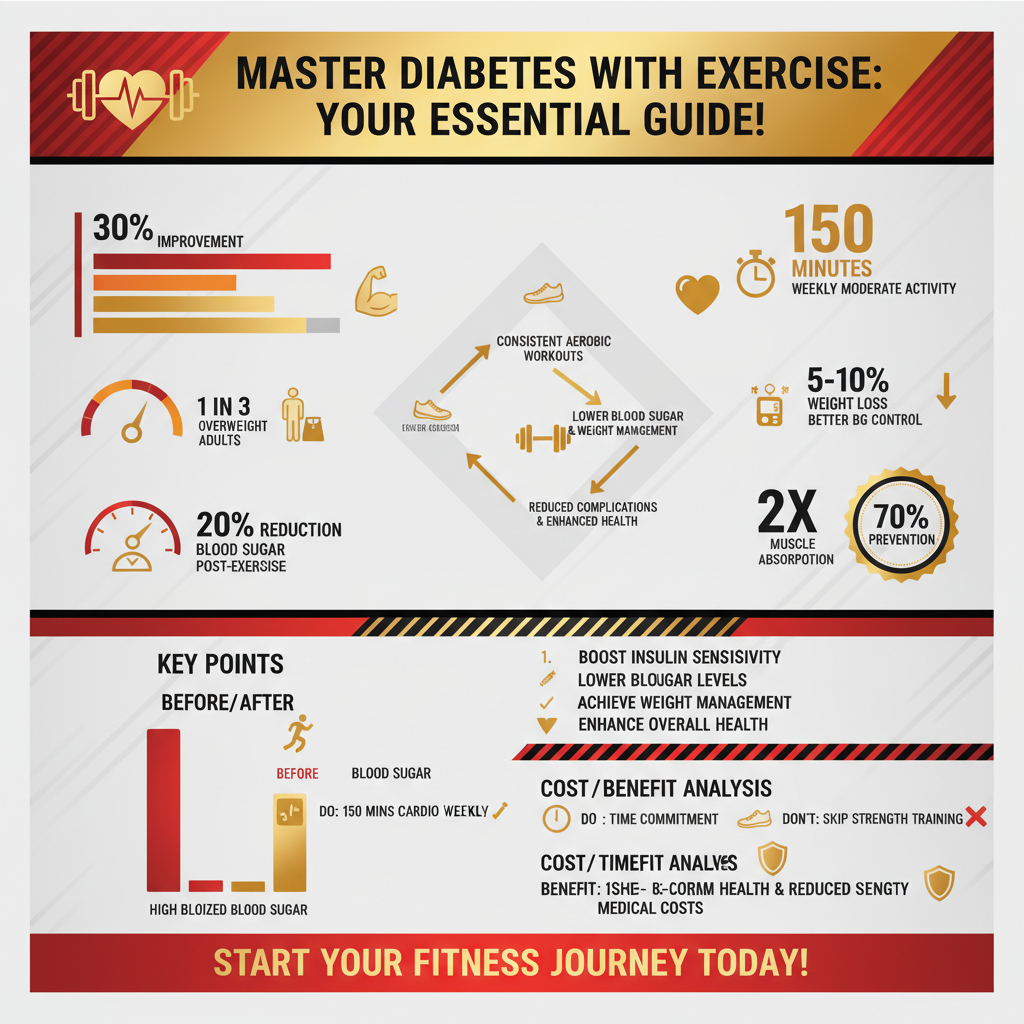

Aerobic exercise, often called cardio, is where most people begin their fitness journey, and for good reason! It’s excellent for your heart and directly impacts your blood sugar. It’s about getting your heart rate up and keeping it there for a sustained period, making your body work harder and more efficiently.
* Examples: The beauty of aerobic exercise is its variety and accessibility. You could enjoy a brisk walk around your neighborhood, which is incredibly effective and requires no special equipment. If you’re looking for something more vigorous, jogging or running can significantly boost your cardiovascular health. Cycling, whether outdoors on a bike trail or indoors on a stationary bike, is a fantastic low-impact option. Swimming is another excellent choice, especially for those with joint issues, as the water supports your body. And don’t forget dancing – it’s a fun, social way to get your heart pumping! Even using an elliptical machine at the gym provides a great full-body workout. The key is to find something you enjoy and can stick with.
* Recommendations: To reap the most benefits, aim for at least 150 minutes of moderate-intensity aerobic exercise per week. What does moderate intensity feel like? You should be able to talk, but not sing. You should feel slightly out of breath but not gasping for air. Try to spread these minutes across most days of the week, perhaps 30 minutes for five days, or even shorter, more frequent bursts if that fits your schedule better. Consistency is more important than intensity when you’re starting out. Building a regular habit is your first and most important goal.
* Benefits: The advantages of aerobic exercise for diabetes management are vast. It significantly boosts cardiovascular health, strengthening your heart and improving blood circulation – vital for preventing common diabetes complications. It helps burn calories, supporting your weight management goals. Most directly, it lowers blood glucose levels both during and immediately after the activity. This immediate effect means that even a short walk after a meal can help curb post-meal blood sugar spikes, making it a very practical tool in your daily diabetes care.
Strength Training: Building Muscle for Better Glucose Uptake

While cardio is excellent for immediate blood sugar control and heart health, strength training offers unique, long-term benefits for diabetes management, primarily by building and maintaining muscle mass. Think of your muscles as your body’s glucose-burning furnaces. The more muscle you have, the more efficient your body becomes at handling sugar.
* Examples: Strength training doesn’t necessarily mean becoming a bodybuilder; it simply means working your muscles against resistance. You can lift weights, using dumbbells, barbells, or even common household items. Resistance bands are a portable and versatile option, offering various levels of challenge. Bodyweight exercises are incredibly effective and can be done anywhere, anytime – think squats, lunges, push-ups (even modified on your knees or against a wall), planks, and crunches. Functional movements, which mimic everyday activities like lifting groceries or getting up from a chair, are also excellent for building practical strength. The goal is to challenge your muscles to grow stronger.
* Recommendations: Incorporate strength training sessions 2-3 times per week. It’s important to allow a day of rest between sessions for muscle recovery and growth. For instance, you might do strength training on Monday, Wednesday, and Friday. Aim for 8-12 repetitions of each exercise for 1-3 sets, choosing a weight or resistance level that makes the last few repetitions challenging but still allows you to maintain good form. If you’re new to strength training, consider working with a certified trainer for a few sessions to learn proper technique and prevent injuries.
* Benefits: The main benefit of strength training for individuals with diabetes is its ability to increase muscle mass. Muscle tissue is more metabolically active than fat tissue, meaning it burns more calories even at rest. More importantly, muscle cells are prime sites for glucose uptake. By building muscle, you essentially create more “storage space” for glucose, helping to clear it from your bloodstream and improving insulin sensitivity over the long term. This means your body becomes better at managing blood sugar all day, every day, not just during your workout. Stronger muscles also improve bone density, balance, and overall functional strength, making daily tasks easier and reducing the risk of falls.
Flexibility and Balance Exercises: Supporting Overall Mobility
Often overlooked, flexibility and balance exercises are crucial components of a well-rounded fitness routine, especially for individuals managing diabetes. While they may not directly impact blood sugar levels in the same way as aerobic or strength training, they play a vital supporting role in keeping you active, agile, and safe.
* Examples: Stretching is the most common form of flexibility exercise, targeting major muscle groups to improve their range of motion. Yoga combines physical postures, breathing techniques, and meditation, not only enhancing flexibility and strength but also promoting relaxation, which can indirectly help with stress-related blood sugar fluctuations. Pilates focuses on core strength, flexibility, and body awareness. Tai Chi, an ancient Chinese martial art, involves slow, flowing movements and deep breathing, making it exceptional for improving balance, coordination, and mental focus. Even simple balance exercises, like standing on one leg or walking heel-to-toe, can make a big difference.
* Recommendations: Flexibility exercises can be performed daily or after your workouts when your muscles are warm and more pliable. Hold each stretch for 15-30 seconds, breathing deeply. Integrate balance exercises several times a week, perhaps for 5-10 minutes. Consistency is key here; regular practice will yield the best results. Listen to your body and never stretch to the point of pain.
* Benefits: Enhancing joint mobility is a major perk, reducing stiffness and making everyday movements feel smoother and more comfortable. Improved flexibility can also help prevent injuries during other forms of exercise. Balance exercises are incredibly important as they lower the risk of falls, a particular concern for older adults with diabetes who may be prone to neuropathy or vision problems. Good balance provides a greater sense of confidence and independence. Furthermore, practices like yoga and Tai Chi offer significant stress reduction benefits. Managing stress is important for diabetes, as stress hormones can cause blood sugar levels to rise. So, these exercises contribute to your overall well-being in multiple valuable ways!
Important Considerations Before Starting Any Exercise Program
Embarking on a new exercise journey is exciting, but for individuals with diabetes, a few important considerations need to be kept in mind to ensure your safety and maximize effectiveness. Prioritizing these steps will help you create a secure and successful routine.
* Consult Your Doctor: This is perhaps the most crucial first step. Always speak with your healthcare provider before beginning a new exercise regimen. This is especially vital if you have existing complications from diabetes (like neuropathy, retinopathy, or kidney disease), heart conditions, or if you’re new to exercise altogether. Your doctor can assess your current health, identify any potential risks, and help you tailor an exercise plan that is safe and appropriate for your individual needs. They might recommend specific types of exercises to avoid or particular precautions to take, ensuring your journey is both effective and risk-free.
* Monitor Blood Sugar: Exercise can have a significant and sometimes unpredictable impact on blood glucose levels. Therefore, it’s essential to check your blood glucose before, during, and after exercise.
* Before exercise: Know your starting point. If your blood sugar is too low (e.g., below 100 mg/dL), you might need a small snack before you begin. If it’s too high (e.g., above 250-300 mg/dL), your doctor might advise against intense exercise until it comes down, as it could potentially rise further in some cases.
* During exercise: For longer or more intense workouts, periodic checks can help you understand how your body is responding and prevent hypoglycemia.
* After exercise: Blood sugar can continue to drop for several hours post-workout. Monitoring helps you understand this delayed effect and adjust medication or food intake as needed to prevent overnight lows. Understanding these patterns is key to safe and effective diabetes management.
* Stay Hydrated & Prepare: Proper preparation is key to a comfortable and safe workout. Drink plenty of water before, during, and after exercise, especially if you’re sweating a lot, as dehydration can affect blood sugar and overall performance. Wear appropriate footwear designed for your activity (e.g., supportive walking shoes for a brisk walk) to protect your feet, which is especially important if you have neuropathy. Always carry a quick source of glucose, such as glucose tablets, fruit juice, or hard candy, in case your blood sugar drops too low during or after your activity. It’s better to be over-prepared!
Creating Your Personalized and Sustainable Exercise Plan
The best exercise plan is one you can stick with for the long haul. Sustainability comes from personalization and making smart choices that align with your lifestyle and preferences. It’s about building habits that last, not just chasing quick fixes.
* Start Gradually: When embarking on any new fitness journey, the temptation can be to do too much too soon. Resist this urge! Begin with manageable durations and intensities, slowly increasing as your fitness improves. For example, if your goal is 30 minutes of brisk walking, start with 10-15 minutes, three times a week. After a week or two, gradually add more time or increase the pace. This progressive approach helps your body adapt, prevents injury, and dramatically reduces the risk of burnout, keeping you motivated and on track. Small victories build momentum!
* Choose Enjoyable Activities: This cannot be stressed enough – if you don’t enjoy it, you won’t do it consistently. There are countless ways to be active, so experiment! Try different types of aerobic exercise, explore various forms of strength training, or dip your toes into yoga or Tai Chi. Perhaps you love dancing, gardening, or hiking in nature. Find activities that genuinely bring you joy. When exercise feels less like a chore and more like a treat, adherence skyrockets, and it becomes a natural, anticipated part of your week.
* Listen to Your Body: Your body is constantly sending you signals; learning to interpret them is crucial for a sustainable exercise routine. Pay attention to how you feel. If you experience sharp pain, discomfort that doesn’t subside, or excessive fatigue, it’s a sign to rest or modify your activity. Don’t be afraid to take rest days when needed – they are just as important as your active days for muscle recovery and preventing overexertion or injury. Adjust your routine based on your energy levels, blood sugar readings, and overall well-being. This intuitive approach fosters a healthier relationship with exercise and ensures you’re moving in a way that truly benefits you.
In summary, effectively managing diabetes through exercise doesn’t rely on a single magic bullet but rather a balanced and consistent approach. Integrating regular aerobic exercise, strength training, and flexibility into your routine provides a powerful combination for better blood sugar control, improved insulin sensitivity, and enhanced quality of life. Remember to always consult your healthcare provider before starting any new exercise program to ensure it’s safe and tailored to your individual needs, paying close attention to blood sugar monitoring and proper preparation. Taking these proactive steps will empower you to create a sustainable and enjoyable fitness plan, leading to a healthier, more active you today, and a brighter, more energetic tomorrow!
Frequently Asked Questions
What is the most effective type of exercise for managing diabetes?
The most effective approach for managing diabetes typically combines both aerobic and strength training exercises. Aerobic activities like brisk walking, swimming, or cycling help improve insulin sensitivity and lower blood sugar, while strength training builds muscle mass, which also helps the body use glucose more efficiently. Aim for a balanced routine that incorporates both for optimal blood sugar control and overall health benefits.
How does regular exercise specifically help lower blood sugar levels?
Regular exercise significantly helps lower blood sugar levels by increasing insulin sensitivity, allowing your cells to take up more glucose from the bloodstream for energy, even without insulin. During and after physical activity, your muscles directly use glucose, which reduces its concentration in your blood. This process helps your body manage blood glucose more effectively, often reducing the need for diabetes medication.
Why is consistent physical activity crucial for individuals with Type 2 Diabetes?
Consistent physical activity is crucial for individuals with Type 2 Diabetes because it directly combats insulin resistance, a hallmark of the condition. Exercise improves how your body uses insulin, leading to better blood sugar control and potentially reducing reliance on medication. Furthermore, regular activity aids in weight management, lowers cardiovascular risk, and improves overall well-being, all vital aspects of comprehensive diabetes care.
What are some safe exercise options for someone with diabetes who is new to working out?
For someone with diabetes new to working out, safe and effective options include brisk walking, swimming, cycling at a moderate pace, or chair exercises. Start slowly with 10-15 minute sessions and gradually increase duration and intensity as your fitness improves. Always consult your doctor or a healthcare professional before beginning a new exercise regimen, especially if you have any pre-existing complications.
Are there any types of exercise people with diabetes should avoid or be cautious with?
While exercise is generally beneficial, individuals with diabetes, especially those with complications, should approach certain activities with caution. Avoid high-impact exercises if you have neuropathy or foot ulcers, as they can cause injury. Similarly, strenuous weightlifting or activities that significantly raise blood pressure should be discussed with a doctor if you have retinopathy (eye disease) or kidney disease, as they might pose risks.
References
- Get Active! | Exercise & Diabetes | ADA
- https://www.cdc.gov/diabetes/managing/active.html
- Healthy Living with Diabetes – NIDDK
- Diabetes and exercise: When to monitor your blood sugar – Mayo Clinic
- https://www.health.harvard.edu/diseases-and-conditions/the-best-exercise-for-diabetes
- https://my.clevelandclinic.org/health/articles/11181-diabetes-exercise–activity
- https://www.diabetes.org/healthy-living/fitness/exercise-and-blood-glucose
