
The best electrolyte drinks for diabetics are fundamentally sugar-free or very low in carbohydrates, prioritizing essential electrolyte replenishment without impacting blood glucose levels. When choosing, focus on products that explicitly state “no added sugar” or are specifically formulated for diabetic needs, containing balanced amounts of sodium, potassium, and magnesium, all while helping you stay hydrated safely and effectively. Navigating the world of hydration can be tricky when you’re managing diabetes, as many popular options are loaded with sugars that can send blood glucose soaring. But don’t worry, staying properly hydrated and ensuring you have the right electrolyte balance is crucial for your overall health, and there are plenty of excellent, diabetic-friendly choices available.
Why Diabetics Need Electrolytes

Electrolytes are minerals that carry an electric charge when dissolved in water, playing a critical role in almost every bodily function. For individuals managing diabetes, maintaining this delicate balance is even more paramount due to several unique factors:
* Managing blood sugar can lead to fluid and electrolyte imbalances, especially during illness or intense activity. When blood sugar levels are high (hyperglycemia), your kidneys work harder to excrete the excess glucose through urine. This process, known as osmotic diuresis, pulls extra water from your body, leading to increased urination and a higher risk of dehydration. Along with water, essential electrolytes like sodium and potassium can also be flushed out, creating an imbalance. Similarly, engaging in intense physical activity, particularly in hot weather, causes significant fluid and electrolyte loss through sweat, which can quickly lead to imbalances if not properly managed, potentially affecting blood sugar control.
* Certain diabetes medications may increase urination and the loss of essential electrolytes. A notable example includes SGLT2 inhibitors (like Farxiga or Jardiance), a class of diabetes medications that help the kidneys remove glucose from the body via urine. While highly effective for blood sugar control, this mechanism also increases fluid output and can lead to the loss of sodium, potassium, and magnesium, making adequate electrolyte intake even more critical for those on these medications. Other diuretics, if prescribed for conditions like hypertension (common in diabetics), can also contribute to electrolyte depletion.
* Electrolytes are vital for maintaining proper hydration, nerve function, muscle contractions, and heart health. Each electrolyte plays a specific, indispensable role. Sodium and potassium are crucial for maintaining fluid balance, blood pressure, and nerve impulse transmission, which impacts everything from muscle contractions to brain function. Magnesium is involved in over 300 enzyme reactions, supporting nerve and muscle function, bone health, blood sugar control, and a steady heart rhythm. Calcium is essential for strong bones, muscle contraction, and nerve signaling. An imbalance in any of these can lead to symptoms ranging from muscle cramps and fatigue to more severe issues like heart palpitations and confusion, all of which can be particularly concerning for individuals with diabetes.
Key Considerations for Diabetic-Friendly Electrolytes
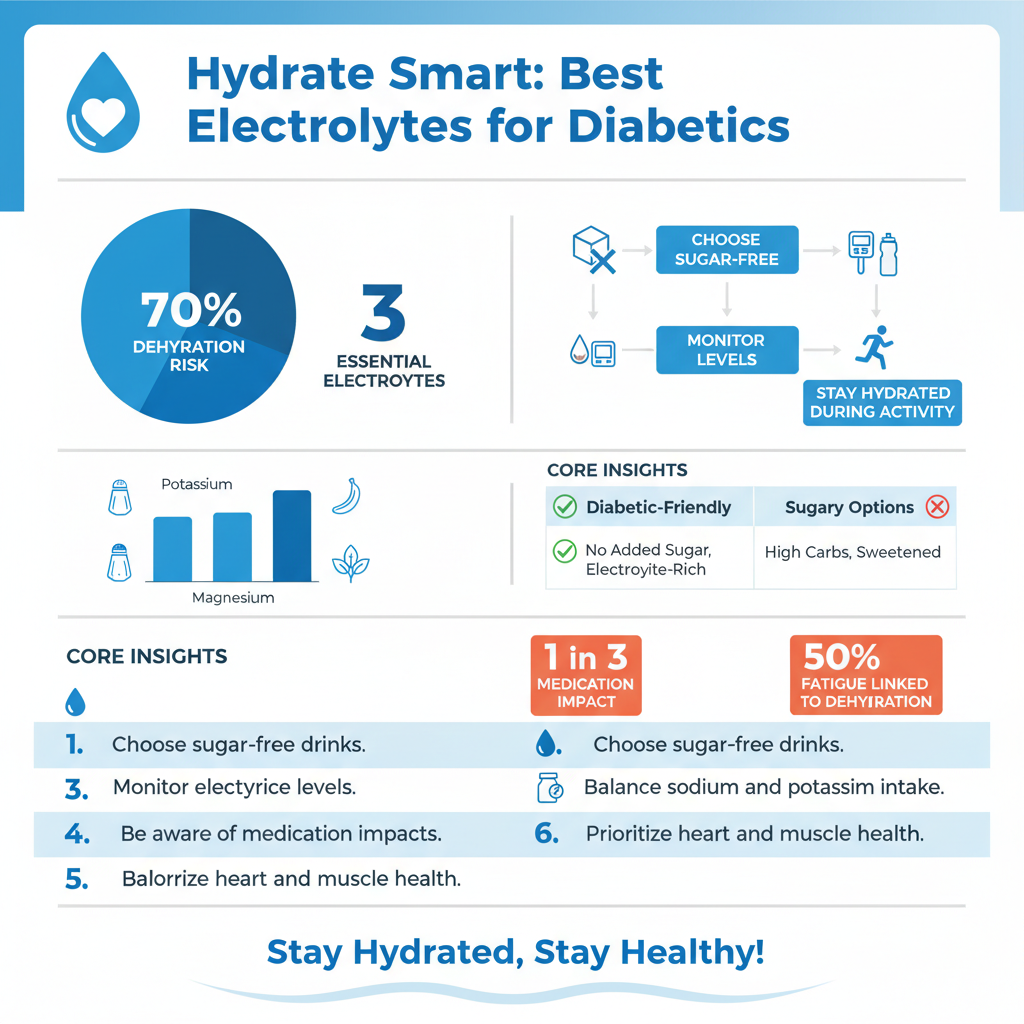

When you’re a diabetic searching for the perfect electrolyte solution, it’s not just about what’s in the drink, but crucially, what’s not in it. Here are the non-negotiables:
* Sugar-Free or Low-Carb: This is paramount; aim for drinks with less than 5g of net carbohydrates per serving to prevent blood sugar spikes. The number one rule for diabetics choosing an electrolyte drink is to avoid sugar in all its forms. This includes glucose, fructose, sucrose, high-fructose corn syrup, and even “natural” sweeteners like honey or agave nectar, which can still significantly raise blood glucose. Look for labels that explicitly state “sugar-free” or “zero sugar.” If you see any carbohydrates listed, ensure they are minimal—ideally 0-2 grams of net carbs per serving, and definitely under 5 grams. Many diabetic-friendly electrolyte products achieve sweetness using non-caloric sweeteners like stevia, monk fruit, erythritol, or sucralose, which generally do not impact blood sugar levels. Always check the nutrition facts panel carefully and be wary of hidden sugars in ingredients lists.
* Balanced Electrolyte Profile: Look for adequate amounts of sodium, potassium, magnesium, and calcium, which are critical for body functions. A good electrolyte drink for diabetics won’t just contain a little bit of salt. It will offer a balanced profile of essential minerals, as each plays a distinct role in hydration and bodily function. Aim for a product that provides a meaningful amount of sodium (e.g., 200-500mg), potassium (e.g., 100-300mg), and magnesium (e.g., 50-100mg) per serving. Sodium and potassium work synergistically to maintain fluid balance and nerve impulses, while magnesium is often overlooked but vital for muscle and nerve function, and even helps with blood sugar regulation. Some products may also include a small amount of calcium. The goal is to replenish what your body loses, so a comprehensive blend is always preferable to a single-electrolyte solution.
* Avoid Artificial Additives: Opt for products with minimal or no artificial sweeteners, colors, or flavors where possible. While artificial sweeteners are generally considered safe for diabetics as they don’t raise blood sugar, many people prefer to minimize their intake of artificial ingredients. Some individuals may experience digestive upset or have sensitivities to certain artificial colors or flavors. Where possible, choose products that use natural flavorings (like fruit extracts) and colors (like beet juice or spirulina extract), or simply opt for unflavored varieties. Reading the ingredient list beyond just the nutrition facts can help you make a “cleaner” choice, aligning with a more natural approach to your health.
Recommended Diabetic-Friendly Electrolyte Options
Fortunately, the market has expanded to offer excellent hydration solutions tailored for individuals with diabetes. You don’t have to sacrifice taste or effectiveness to stay healthy.
* Sugar-Free Electrolyte Powders or Tablets: Many reputable brands offer convenient formulations that dissolve in water without added sugars. This category is often the best go-to for diabetics because of its precise control over ingredients. Brands like LMNT, Nuun, or Hydration Spark, among many others, provide effervescent tablets or powder sachets that you simply mix with water. They are typically zero-carb, sugar-free, and come in various natural or artificial flavors. These options are incredibly portable, making them perfect for carrying in your gym bag, purse, or while traveling. Always double-check the labels for carb content and the type of sweeteners used to ensure they align with your dietary preferences and blood sugar management plan. They offer a customizable way to replenish lost electrolytes without any hidden surprises.
* Unsweetened Coconut Water (in moderation): A natural source of potassium, but always check labels for sugar content and manage portion sizes carefully. Coconut water is often lauded as nature’s sports drink due to its natural content of potassium and other electrolytes. It can be a good option for diabetics, but with significant caveats. Critically, you *must* choose unsweetened varieties, as many flavored coconut waters are loaded with added sugar. Even unsweetened coconut water contains natural sugars (fructose, glucose), so it’s not carb-free. A standard 8-ounce serving might contain around 9-12 grams of carbohydrates, mostly from natural sugars. Therefore, it should be consumed in moderation, and its carbohydrate content must be factored into your daily meal plan to prevent blood sugar spikes. Consider diluting it with plain water to reduce the sugar concentration while still getting some natural electrolytes.
* Specialized Diabetic Hydration Solutions: Some brands specifically cater to the needs of individuals managing diabetes with tailored, sugar-free formulations. Beyond general sugar-free options, a growing number of companies are developing hydration solutions specifically with diabetics in mind. These products are often formulated in consultation with dietitians or endocrinologists, ensuring they provide an optimal balance of electrolytes without any ingredients that could negatively impact blood sugar. You might find these in the pharmacy section of larger stores or specialized health food stores. These options often provide peace of mind, knowing they have been designed for your specific health needs and are a reliable choice when you need to rehydrate quickly and safely.
Electrolyte Drinks to Avoid
Just as important as knowing what to choose is knowing what to absolutely steer clear of. Many popular beverages, while marketed for hydration or energy, are sugar bombs for anyone managing diabetes.
* Traditional Sports Drinks: Products like Gatorade or Powerade are typically very high in sugar and will significantly elevate blood glucose levels. These iconic sports drinks were designed for intense athletes who need to rapidly replenish glycogen stores and electrolytes. However, for a diabetic, their high sugar content (a standard 20-ounce bottle of Gatorade can contain around 36 grams of sugar) is a recipe for a rapid and dangerous blood sugar spike. They offer little to no nutritional benefit beyond quick, simple carbohydrates, making them entirely unsuitable for diabetic hydration. Always bypass these in favor of sugar-free alternatives.
* Fruit Juices and Nectars: Despite being “natural,” these drinks contain high levels of fructose and other sugars that are unsuitable for diabetics. While 100% fruit juice might sound healthy, it’s essentially fruit without the beneficial fiber. This means the sugars (fructose, glucose, sucrose) are rapidly absorbed into the bloodstream, leading to significant blood sugar spikes, much like regular soda. Fruit nectars are even worse, often containing added sugars and artificial ingredients in addition to natural fruit sugars. It’s always better to eat whole fruit, which provides fiber to slow sugar absorption, or choose water-based, sugar-free options for hydration.
* Sweetened Beverages with High Fructose Corn Syrup: Many common soft drinks and sweetened teas contain these blood-sugar-raising ingredients. This broad category includes most regular sodas, many sweetened iced teas, lemonades, energy drinks, and fruit-flavored drinks. High Fructose Corn Syrup (HFCS) and other forms of added sugar are pervasive in these beverages, making them among the worst offenders for diabetic blood sugar control. They provide empty calories and a massive surge of sugar, contributing to weight gain and poor glycemic management. Always read ingredient labels meticulously to identify and avoid these sugar-laden products.
When to Consider Electrolyte Supplementation
Knowing when to reach for an electrolyte drink is almost as important as knowing which one to choose. It’s not always necessary, but there are key situations where it can be highly beneficial for diabetics.
* During intense or prolonged physical activity, especially in hot weather. Exercise is fantastic for managing diabetes, but it also means you’ll be sweating more and losing fluids and electrolytes. If you’re engaging in moderate to intense exercise for more than an hour, or exercising in hot and humid conditions, your body will deplete its electrolyte stores. Symptoms like muscle cramps, unusual fatigue, lightheadedness, or excessive thirst during or after exercise can signal a need for electrolyte replenishment. For diabetics, maintaining hydration during exercise is also critical for stable blood sugar, as dehydration can sometimes impact insulin sensitivity.
* Periods of illness involving fever, vomiting, or diarrhea, which can lead to rapid fluid and electrolyte loss. When you’re sick, especially with gastrointestinal issues like vomiting or diarrhea, your body loses fluids and electrolytes at an accelerated rate. A fever can also increase fluid loss through sweating. For diabetics, illness can complicate blood sugar management, sometimes leading to higher or more unpredictable glucose levels. In these situations, replenishing lost electrolytes with a sugar-free solution is vital to prevent dehydration and further complications. Always consult your doctor if symptoms are severe or persistent, as they may recommend specific medical hydration solutions.
* If advised by a healthcare professional due to medication side effects or specific health conditions. Your doctor or a registered dietitian might specifically recommend electrolyte supplementation based on your individual health profile. As mentioned earlier, certain diabetes medications, particularly SGLT2 inhibitors, can increase electrolyte excretion. Other medical conditions, such as kidney disease (where electrolyte balance is delicate) or heart conditions, might also necessitate careful electrolyte management under medical supervision. Never start electrolyte supplementation without consulting your healthcare provider, especially if you have pre-existing conditions or are on medications that affect kidney function or fluid balance.
DIY Homemade Electrolyte Solution
For those who prefer a natural approach, want complete control over ingredients, or are looking for a budget-friendly option, making your own diabetic-friendly electrolyte drink at home is a fantastic solution.
* Combine 1 liter of water with a pinch of sea salt (for sodium) and a squeeze of lemon or lime juice (for potassium and flavor). This simple recipe forms the base of an effective homemade electrolyte solution. For precision, aim for about 1/4 to 1/2 teaspoon of good quality sea salt or pink Himalayan salt per liter (about 34 ounces) of water. These salts provide not just sodium, but also trace minerals. Adding the juice of half a lemon or lime provides a natural source of potassium, a refreshing flavor, and a touch of vitamin C. The citrus also helps mask the saltiness, making the drink more palatable. This combination works wonders for rehydration and basic electrolyte replenishment.
* You can optionally add a small amount of a natural, non-caloric sweetener like stevia, or a tiny amount of pure fruit juice, accounting for its carb content. If you prefer a sweeter taste, natural, non-caloric sweeteners like a few drops of liquid stevia, monk fruit extract, or a tablespoon of erythritol can be added without impacting blood sugar. If you choose to add pure fruit juice for flavor and a minor nutrient boost, be extremely mindful of the quantity. Even a tiny splash (e.g., 1-2 tablespoons) of juice from berries (which are lower in carbs) or a touch of unsweetened cranberry juice should be counted towards your daily carbohydrate intake. The goal is flavor without significant sugar.
* This method allows for complete control over ingredients and avoids unwanted additives. The biggest advantage of making your own electrolyte solution is the absolute transparency and control you gain. You know exactly what’s going into your body—no hidden sugars, no artificial colors, no preservatives, and no unwanted fillers. This is especially beneficial for those with food sensitivities, allergies, or who simply prefer a “cleaner” diet. It’s a customizable, healthy, and cost-effective way to ensure you’re getting the hydration and electrolyte support you need without compromising your diabetes management.
Selecting the right electrolyte drink as a diabetic is crucial for maintaining hydration and electrolyte balance without compromising blood sugar control. Always prioritize sugar-free or low-carb options, check labels meticulously for hidden sugars and artificial additives, and consider homemade solutions for ultimate control. Remember that while commercial options offer convenience, a simple DIY solution can be just as effective and much more transparent. Staying well-hydrated with the right electrolyte balance supports your overall health, energy levels, and vital bodily functions, helping you manage your diabetes more effectively. Consult with your doctor or a registered dietitian to determine the best hydration strategy for your individual needs, activity level, and specific medications, ensuring your choices always support your well-being.
Frequently Asked Questions
What is the best electrolyte drink for diabetics, and what key ingredients should I look for?
The best electrolyte drink for diabetics is typically one with no added sugar or very low carbohydrate content, specifically designed not to spike blood glucose levels. Look for options clearly labeled “sugar-free,” “zero sugar,” or “keto-friendly,” which often use non-caloric sweeteners like stevia, erythritol, or sucralose. Essential electrolytes to seek include sodium, potassium, and magnesium, as these are crucial for hydration and nerve and muscle function without impacting blood sugar. Always review the nutrition label to confirm sugar content and carb count before purchasing.
Why are electrolytes particularly important for individuals managing diabetes?
Individuals with diabetes, especially those with high blood sugar levels, are at an increased risk of dehydration due to increased urination (polyuria), which can lead to significant electrolyte loss. Maintaining proper electrolyte balance is crucial for regulating nerve and muscle function, maintaining fluid balance, and supporting overall cellular processes. Replenishing these vital minerals helps prevent complications like muscle cramps, fatigue, and even more serious cardiac issues that can arise from severe electrolyte imbalance.
How can I choose a sugar-free or low-carb electrolyte drink without relying on artificial sweeteners?
To choose a sugar-free or low-carb electrolyte drink without artificial sweeteners, meticulously check the ingredients list for natural, non-caloric alternatives like stevia extract or monk fruit extract, although even these should be consumed in moderation. Many brands are now offering unsweetened electrolyte powders or drops that allow you to control the flavoring. Alternatively, you can create a homemade electrolyte solution using water, a pinch of sea salt, a squeeze of lemon or lime juice, and a small amount of a natural sweetener if desired.
Are there specific commercial electrolyte drink brands recommended for diabetics, or can I make my own at home?
Several commercial brands offer “zero sugar” or “sugar-free” electrolyte options that are suitable for diabetics, such as Propel Zero, Gatorade Zero, Liquid I.V. Sugar-Free, and LMNT, but always verify the ingredients and carb counts on their specific products. While convenient, making your own electrolyte solution at home provides complete control over ingredients, allowing you to avoid all artificial additives and tailor the electrolyte balance to your needs. A simple homemade recipe includes water, a small amount of salt, and a potassium source like cream of tartar, often flavored with a splash of unsweetened fruit juice or lemon.
What harmful ingredients should diabetics explicitly avoid in electrolyte drinks to prevent blood sugar spikes?
Diabetics should explicitly avoid electrolyte drinks containing added sugars like high-fructose corn syrup, sucrose, glucose, dextrose, and maltodextrin, as these can rapidly elevate blood sugar levels. Many regular sports drinks are loaded with these fast-acting carbohydrates. Also, be wary of drinks that primarily use fruit juices as a sweetener, as these can also contribute significant amounts of natural sugars that impact glycemic control. Always prioritize products with transparent labels listing “zero added sugar” to safeguard against unexpected blood sugar spikes.
References
- https://www.diabetes.org/healthy-living/foods-nutrition/what-can-i-drink
- https://www.cdc.gov/diabetes/managing/eat-well/drinks.html
- https://www.mayoclinic.org/diseases-conditions/diabetes/in-depth/diabetes-and-exercise/art-20045615
- https://www.niddk.nih.gov/health-information/diabetes/overview/preventing-problems/diabetic-ketoacidosis
- https://www.uchealth.org/en/well-being/diet-nutrition/diabetes-friendly-drinks
- https://www.diabetes.org/healthy-living/fitness/staying-active-diabetes
