
For individuals managing diabetes, the “best” diet soda often comes down to personal preference and how one reacts to different artificial sweeteners, as popular options like Coke Zero Sugar, Diet Coke, Pepsi Zero Sugar, and Zevia are generally safe due to their zero carbohydrate content and lack of impact on blood glucose levels. These beverages offer a satisfying alternative to sugary drinks, allowing you to enjoy a sweet treat without compromising your blood sugar management. This guide will walk you through the various sweeteners, highlight top-rated brands, explain what to look for on labels, and discuss how to incorporate diet sodas mindfully into a diabetic-friendly lifestyle, alongside promoting even healthier hydration choices.
Understanding Diet Sodas and Diabetes
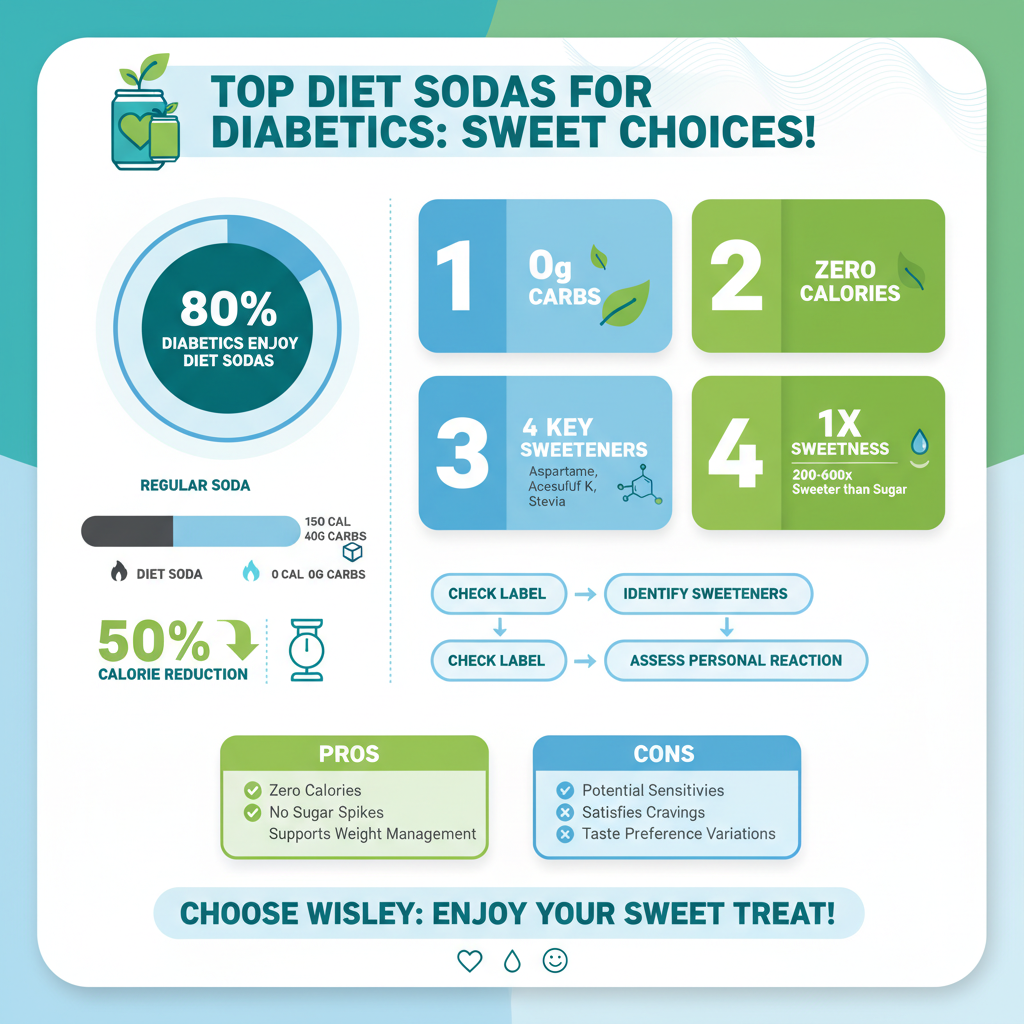
Navigating your drink choices when you have diabetes can feel like a minefield, but diet sodas are designed specifically to be a friendly option in this landscape. The core principle behind diet sodas is simple yet effective: they are formulated to have zero or very low calories and carbohydrates. This makes them exceptionally suitable for blood sugar management because, unlike their sugar-laden counterparts, they do not cause a spike in glucose levels.
How do they achieve this sweetness without the sugar? They utilize a variety of artificial sweeteners or natural sugar substitutes. These clever compounds are many times sweeter than sugar, meaning only tiny amounts are needed to achieve the desired taste, and critically, they are not metabolized by the body in the same way as sugar. This means your body doesn’t absorb them as glucose, thus preventing any impact on your blood glucose levels.
For many people living with diabetes, these beverages can be a real lifesaver. They help satisfy those persistent cravings for sweet drinks without consuming added sugars that directly impact diabetes control. Imagine being able to enjoy the refreshing fizz and sweet taste of a soda without the guilt or the worry of a blood sugar rollercoaster! Beyond just satisfying cravings, incorporating diet sodas can also aid in weight management, which is often a critical component of type 2 diabetes care. By choosing a zero-calorie drink over a caloric one, you’re reducing your overall calorie intake without sacrificing flavor or enjoyment. It’s a smart strategy for maintaining a balanced and enjoyable diet while keeping your health goals on track.
Key Artificial Sweeteners to Know
When you pick up a can of diet soda, you’ll often see a list of unfamiliar names under the “sweeteners” section. Understanding these key artificial sweeteners and natural sugar alternatives can help you make informed choices based on your preferences and any potential sensitivities. All FDA-approved sweeteners have undergone extensive safety testing and are generally considered safe for consumption in moderation.
* Aspartame: This is one of the most widely recognized artificial sweeteners, commonly found in iconic brands like Diet Coke and Diet Pepsi. Aspartame is a low-calorie sweetener made from two amino acids, aspartic acid and phenylalanine. It’s about 200 times sweeter than sugar, so only a tiny amount is needed. It’s been extensively studied for decades, and regulatory bodies worldwide, including the FDA, have consistently affirmed its safety for general consumption. It does not raise blood sugar, making it a reliable choice for people with diabetes. While some misconceptions about aspartame exist, scientific consensus strongly supports its safety within acceptable daily intake levels.
* Sucralose: You’ll often find sucralose in products like Coke Zero Sugar and Pepsi Zero Sugar. Sucralose, perhaps best known by the brand name Splenda, is a zero-calorie artificial sweetener that is about 600 times sweeter than sugar. It’s derived from sugar through a multi-step process that modifies its chemical structure, making it non-caloric and not recognized by the body as a carbohydrate. A significant advantage of sucralose is its heat stability, making it suitable for a wide range of food and beverage applications. Like aspartame, sucralose does not affect blood glucose levels, making it a popular choice for diabetic-friendly products. It’s often combined with other sweeteners to create a more balanced flavor profile.
* Stevia & Erythritol: These are gaining immense popularity as “natural” sugar alternatives, and they are the star sweeteners in brands like Zevia.
* Stevia is a natural sweetener extracted from the leaves of the _Stevia rebaudiana_ plant. Steviol glycosides, the sweet compounds in stevia, are 200-400 times sweeter than sugar, yet they contain no calories and do not impact blood glucose. It has a slightly different taste profile than sugar, which some people describe as having a licorice-like aftertaste, though formulations have improved significantly to reduce this.
* Erythritol is a sugar alcohol found naturally in some fruits and fermented foods. It’s about 70% as sweet as sugar but contains virtually no calories (about 0.2 calories per gram, compared to sugar’s 4 calories per gram). Crucially for diabetics, erythritol is not metabolized by the body and is largely excreted unchanged, meaning it does not raise blood sugar or insulin levels. It also has a very clean taste and provides bulk, making it a great partner for stevia to create a more sugar-like texture and taste in beverages. Together, stevia and erythritol offer a compelling option for those looking to avoid artificial sweeteners while still enjoying a sweet, sugar-free drink.
Other sweeteners like saccharin (Sweet’N Low) and acesulfame potassium (Ace-K) are also used, often in blends, to achieve a rounded taste profile. The key takeaway is that when consumed within recommended guidelines, all these approved sweeteners provide sweetness without interfering with your blood sugar management, making diet sodas a viable option for a diabetic diet.
Top Diet Soda Choices for Diabetics
With a growing variety of sugar-free options on the market, choosing a “best” diet soda often boils down to personal taste preference. However, some brands consistently rank high for their flavor profiles and reliability for those managing diabetes. Here are some of the top picks:
* Coke Zero Sugar: This option has quickly become a favorite for many precisely because it aims to taste “like Coca-Cola, but with zero sugar.” Unlike the distinct, lighter flavor of Diet Coke, Coke Zero Sugar is formulated to mimic the taste of regular Coca-Cola more closely. Its sweetness comes primarily from a blend of aspartame and sucralose, which together create a robust, full-bodied cola experience without the carbohydrates or calories. For those who love the classic Coke taste but need to avoid sugar, Coke Zero Sugar is an excellent, satisfying choice that reliably keeps blood sugar levels stable.
* Diet Coke / Diet Pepsi: These are the OGs of the diet soda world and remain incredibly popular for a reason. Both Diet Coke and Diet Pepsi offer classic cola flavor profiles, but with their own unique twists. They are primarily sweetened with aspartame, giving them a distinct taste that many diet soda enthusiasts prefer – often described as lighter and less syrupy than their “Zero Sugar” counterparts.
* Diet Coke is known for its crisp, refreshing, and slightly less sweet taste compared to regular Coke. It has a loyal following who appreciate its distinct flavor.
* Diet Pepsi offers a similar classic diet cola experience, often perceived as having a slightly sweeter and smoother finish than Diet Coke, but still maintaining that unmistakable “diet” soda character. Both are dependable choices for diabetics looking for a sugar-free cola that won’t impact blood glucose.
* Zevia: Standing out in the crowd, Zevia is a brand that has carved a niche for itself by exclusively using stevia leaf extract and erythritol as its sweeteners. This makes it an appealing option for individuals who prefer natural sugar alternatives and wish to avoid artificial sweeteners. Zevia offers an impressive range of naturally flavored sodas, including classic cola, ginger ale, root beer, cream soda, and various fruity flavors. While the taste of stevia can be a point of debate – some people detect a slight aftertaste, while others find it perfectly pleasant – Zevia’s commitment to natural ingredients and zero-calorie, zero-sugar formulation makes it a fantastic choice for diabetics. It provides a wide variety of options that are blood-sugar-friendly and align with a desire for more natural food choices.
Other notable mentions include Diet Dr. Pepper, which offers its unique 23-flavor blend without sugar, and various store-brand diet sodas that use similar sweetener profiles. The key is to experiment and find what tastes best to you, knowing that these top picks provide safe, sugar-free refreshment.
Reading Labels: What Matters Most
Being a savvy label reader is one of the most powerful tools in your diabetes management toolkit, especially when it comes to beverages like diet sodas. While these drinks are generally designed to be diabetes-friendly, a quick glance at the label ensures you’re making the best choice for your health.
* Carbohydrates and Sugars: This is your absolute first stop. For a diet soda to be truly suitable for managing diabetes, it must contain 0g of total carbohydrates and 0g of added sugars per serving. These numbers are non-negotiable. Even small amounts of carbohydrates can accumulate if you consume multiple servings throughout the day, potentially affecting your blood glucose levels. Look for the “Nutrition Facts” panel and specifically check the lines for “Total Carbohydrates” and “Added Sugars.” If either of these numbers is anything other than zero, the beverage is not a true diet soda and should be avoided or consumed with extreme caution if you have diabetes. This ensures that the drink won’t cause the blood sugar spikes you’re trying to prevent.
* Sweetener Type: Once you’ve confirmed zero carbs and sugars, you might want to identify which artificial sweeteners are used. As discussed, aspartame, sucralose, stevia, and erythritol are the most common. While all FDA-approved sweeteners are deemed safe for general consumption, some individuals report personal sensitivities to specific types. For instance, a very small percentage of people might experience mild digestive upset or headaches from certain sweeteners. Knowing the sweetener type allows you to identify any personal sensitivities or preferences you might develop. If you find one type doesn’t agree with you, you can simply choose a diet soda sweetened with a different alternative. It’s about personal comfort and optimizing your experience.
* Other Ingredients: While the main focus for diabetes management is carbohydrates and sugars, reviewing the full ingredient list can provide a more complete picture of what you’re consuming. Most diet sodas also contain artificial colors (like caramel color), flavors, and preservatives (such as potassium benzoate). While generally recognized as safe by regulatory bodies, some individuals prefer to limit their intake of artificial additives for various personal or health reasons. For example, phosphoric acid, found in many colas, has been a topic of discussion regarding bone health with *very* excessive consumption, though regular diet soda intake is unlikely to pose a significant risk. If you’re someone who prefers a “cleaner” label with fewer artificial components, brands like Zevia, which use natural colors and flavors, might be a better fit for you. Being aware empowers you to align your beverage choices with your broader health philosophy.
Moderation and Individual Responses
While diet sodas offer a fantastic sugar-free option for individuals managing diabetes, it’s important to approach their consumption with a sense of balance and awareness. They are a tool for enjoyment and craving satisfaction, not a free pass for unlimited intake.
* While diet sodas don’t raise blood sugar, excessive consumption might not be ideal for overall health. The “zero calories” label doesn’t automatically mean “drink limitlessly.” Many diet sodas are acidic, and frequent, high consumption can potentially contribute to dental erosion over time, similar to sugary sodas, although the sugar is the primary culprit in tooth decay. There’s also ongoing, though not yet conclusive, research into whether artificial sweeteners could impact gut microbiome health or potentially influence metabolic pathways in ways that aren’t fully understood. While current scientific consensus supports their safety, a mindful approach is always recommended.
* Some individuals may report increased cravings for sweet foods after consuming artificial sweeteners; monitor your personal response. This is a fascinating area of research and anecdotal experience. The hypothesis is that the intensely sweet taste of diet sodas, without the accompanying caloric intake, might “confuse” the brain or body, leading to a lingering desire for actual sugar or other sweet, calorie-dense foods. Not everyone experiences this, but it’s crucial to pay attention to your own body’s signals. If you notice that drinking diet soda triggers a strong urge to eat sugary snacks, it might be beneficial to reduce your intake or explore other beverage options. Self-observation is key to understanding your unique physiological and psychological responses.
* Always consult your healthcare provider or a registered dietitian for personalized advice on dietary choices, including diet sodas. This cannot be stressed enough. While this blog post provides general, evidence-based information, your diabetes management plan is highly individual. Factors like your specific type of diabetes, other health conditions, medications, lifestyle, and overall dietary pattern all play a role. Your doctor or dietitian can offer tailored guidance, help you integrate diet sodas appropriately into your meal plan, and address any personal concerns you might have. They can provide the most accurate and safe recommendations based on your unique health profile.
Beyond Diet Sodas: Healthier Hydration
While diet sodas can be a helpful and enjoyable part of a diabetic-friendly diet, it’s essential to remember that they are still a processed beverage. Prioritizing truly healthy hydration sources is paramount for everyone, especially for those managing diabetes. Making water your primary drink, supplemented by other unsweetened options, will provide the most significant health benefits.
* Water: Plain water remains the best and most essential beverage for hydration for everyone, including diabetics. It’s calorie-free, carbohydrate-free, and vital for nearly every bodily function, from regulating body temperature and lubricating joints to transporting nutrients and flushing out waste products. Staying well-hydrated with water is crucial for blood sugar control, as dehydration can concentrate blood glucose levels. If plain water feels boring, try infusing it with natural flavors like slices of lemon, lime, cucumber, mint leaves, or berries. Keep a reusable water bottle handy to encourage consistent sips throughout the day.
* Unsweetened Tea or Coffee: Black coffee, green tea, herbal teas, or black tea without any added sugar are excellent, calorie-free options that can offer additional health benefits.
* Coffee (black, unsweetened) can be a great pick-me-up. Studies have even linked moderate coffee consumption to a reduced risk of type 2 diabetes in some populations.
* Green tea is packed with antioxidants and has been associated with various health benefits, including improved metabolism.
* Herbal teas (like peppermint, chamomile, or ginger tea) are naturally caffeine-free and come in a vast array of flavors, offering warmth and comfort without any sugar. Just be sure to always check labels for “unsweetened” varieties, as many flavored or bottled teas can contain significant amounts of added sugar.
* Plain Sparkling Water: For those who crave the refreshing fizz of soda but want to avoid both sugar and artificial sweeteners, plain sparkling water is a fantastic alternative. It satisfies the desire for carbonation without any calories, sugar, or additives. You can elevate its taste by adding a squeeze of fresh lemon, lime, orange, or a few muddled berries. This provides a natural flavor boost and a more sophisticated drink experience than a typical soda. Be careful to choose plain sparkling water and not “flavored” sparkling waters that might contain artificial sweeteners or even hidden sugars; always read the ingredient list to be sure.
Ultimately, selecting the “best” diet soda for diabetes involves understanding artificial sweeteners, checking labels for zero carbohydrates and sugars, and noting your personal response to different options. While choices like Coke Zero Sugar, Diet Coke, Pepsi Zero Sugar, and Zevia offer satisfying, sugar-free alternatives that don’t raise blood sugar, remember that moderation is key. Always prioritize water and other unsweetened beverages as your primary hydration sources, and consult your healthcare provider or a registered dietitian to ensure your beverage choices align perfectly with your individual health plan. Enjoy your drinks responsibly and deliciously!
Frequently Asked Questions
Are diet sodas truly a safe and recommended choice for people with diabetes?
While diet sodas typically contain no sugar and therefore do not directly raise blood sugar levels, making them a “safer” alternative to regular sugary sodas for diabetics, it’s important to consume them in moderation. Experts advise against heavy consumption due to ongoing research into the long-term effects of artificial sweeteners on gut health, insulin sensitivity, and overall metabolic health, even if they don’t cause immediate glucose spikes. Always consult your healthcare provider to discuss how diet soda fits into your personalized diabetes management plan.
Which specific diet soda brands are generally considered the “best” or safest options for diabetics?
For diabetics seeking a sugar-free carbonated drink, common options like Diet Coke, Coke Zero Sugar, Diet Pepsi, and Pepsi Zero Sugar are widely available and do not contain carbohydrates or sugar, making them acceptable in moderation. The “best diet soda for diabetics” often comes down to personal preference for taste, as their impact on blood sugar is negligible. Always check the nutrition label to confirm that the beverage is truly sugar-free and calorie-free before consuming.
How do artificial sweeteners in diet sodas affect blood sugar levels for individuals with diabetes?
Artificial sweeteners used in diet sodas, such as aspartame, sucralose, and stevia, generally do not raise blood sugar levels or require insulin production in the same way as sugar. This is why they are often recommended as a sugar-free alternative for diabetics. However, some research suggests a potential, indirect impact on gut microbiome or metabolic responses, so while they don’t cause immediate blood glucose spikes, moderation is still advised.
What are the potential downsides or risks of regularly consuming diet soda if you have diabetes?
Regular consumption of diet soda, even for diabetics, may come with potential downsides beyond blood sugar control. Some studies suggest a link between frequent diet soda intake and an increased craving for sweet foods, which could inadvertently lead to poor dietary choices. Furthermore, emerging research points to possible negative effects on gut microbiome diversity and composition, which could indirectly impact metabolic health over time.
What are some healthier alternatives to diet soda for diabetics looking for a bubbly or flavorful drink?
For diabetics seeking flavorful, sugar-free alternatives to diet soda, there are several healthier options. Unsweetened sparkling water with a splash of lemon, lime, or other fruit can provide refreshing fizziness without artificial sweeteners. Infused waters with cucumber, mint, or berries, unsweetened iced tea, or even homemade unsweetened sparkling beverages with natural flavors are excellent choices to stay hydrated and satisfy cravings without added sugar or artificial ingredients.
References
- https://diabetes.org/healthy-living/recipes-nutrition/sweeteners-sugar-substitutes
- https://www.mayoclinic.org/diseases-conditions/diabetes/expert-answers/artificial-sweeteners/faq-20058028
- https://www.health.harvard.edu/blog/sugar-substitutes-healthy-or-not-202307122956
- https://www.fda.gov/food/food-additives-petitions/artificial-sweeteners-and-sugar-substitutes
- https://www.ncbi.nlm.nih.gov/pmc/articles/PMC8941743/
- https://www.diabetes.org/blog/are-artificial-sweeteners-bad-you
- https://www.bbc.com/future/article/20210202-are-diet-drinks-really-better-for-you
