
For dogs with diabetes, the ‘best’ food is typically a veterinary-prescribed diet formulated to help regulate blood glucose, featuring high protein, moderate fat, controlled complex carbohydrates, and high fiber. Brands like Royal Canin Veterinary Diet Glycobalance, Purina Pro Plan Veterinary Diets DM Diabetic Management, and Hill’s Prescription Diet w/d are frequently recommended by veterinarians due to their specific nutritional profiles designed to manage this condition effectively. This guide will delve into these top choices and key factors to consider when selecting the ideal diet for your diabetic canine companion.
Understanding Canine Diabetes & Diet’s Role

Receiving a diabetes diagnosis for your beloved dog can feel overwhelming, but understanding the condition is the first step towards effective management. Canine diabetes mellitus, much like in humans, is a metabolic disease characterized by the body’s inability to produce or properly respond to insulin, a hormone essential for converting glucose (sugar) from food into energy. Without adequate insulin, glucose accumulates in the bloodstream, leading to high blood sugar levels (hyperglycemia) which can cause a range of serious health issues if not controlled. This impacts every aspect of their metabolism, from energy production to organ function.
The good news is that dietary choices play an incredibly significant and direct role in managing this condition. What your dog eats directly influences how quickly glucose enters their bloodstream, how efficiently their body (or administered insulin) can process it, and ultimately, how stable their blood sugar levels remain throughout the day. The wrong diet can cause dangerous spikes and crashes, making insulin therapy less effective and potentially leading to complications. Conversely, a carefully selected diet can significantly stabilize blood sugar, reduce the stress on the pancreas, and improve insulin effectiveness, making your dog feel much better and live a healthier life.
Therefore, the primary goal of nutrition for a diabetic dog is to achieve consistent energy release and optimal glucose control. This means designing a diet that delivers nutrients in a way that avoids rapid blood sugar fluctuations, provides a steady source of energy, and helps your dog maintain a healthy weight. It’s all about creating a harmonious balance that supports their metabolism, making their daily insulin routine more predictable and effective, and ultimately enhancing their overall quality of life.
Essential Nutrients for Diabetic Dog Food
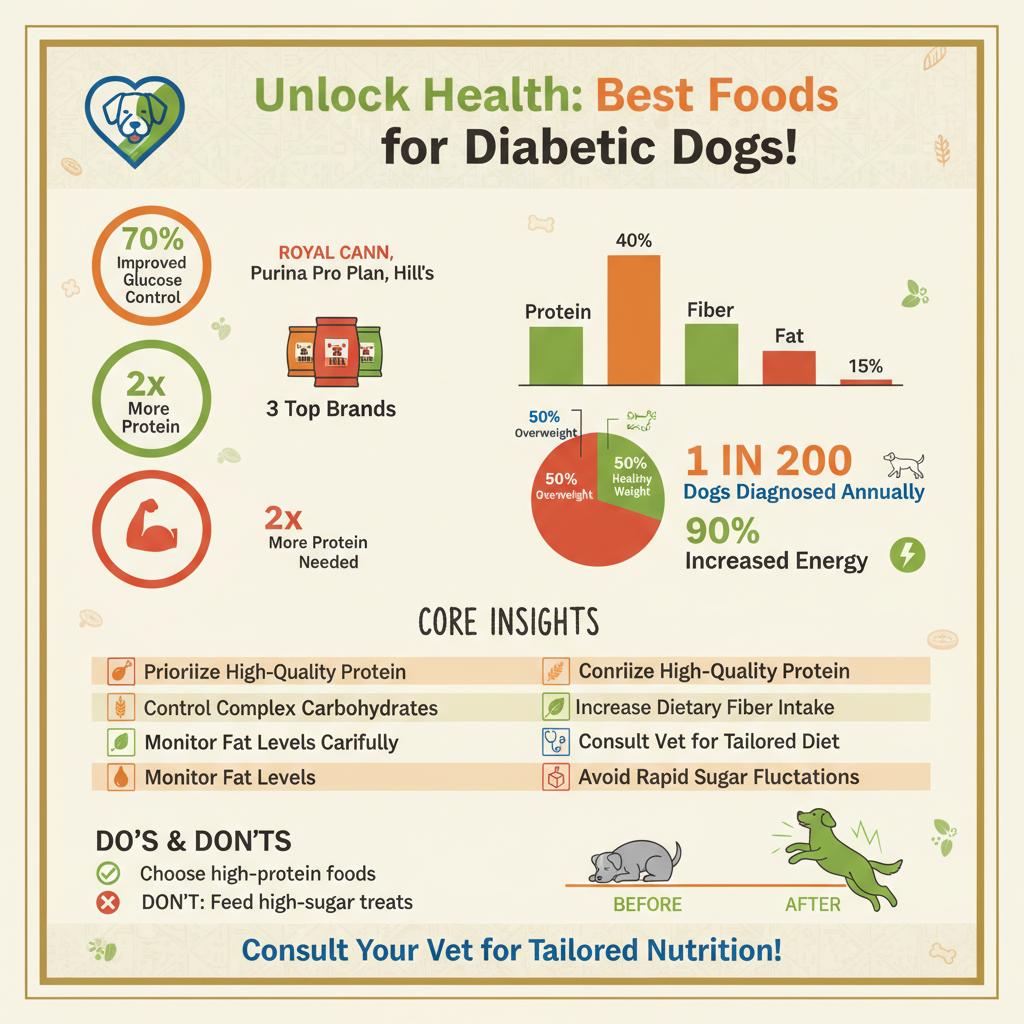

When it comes to feeding a dog with diabetes, not all nutrients are created equal. The right balance of macronutrients – protein, carbohydrates, and fat – is absolutely critical for managing blood glucose levels effectively. Here’s a closer look at the key nutritional components you should prioritize:
* High-Quality Protein: Protein is incredibly crucial for diabetic dogs. It helps maintain lean muscle mass, which can sometimes be lost in diabetic pets, especially if the condition is not well-controlled. More importantly, protein provides energy without causing the rapid blood sugar spikes that carbohydrates can. High-quality protein sources, such as chicken, turkey, beef, or fish, are easily digestible and provide essential amino acids. Furthermore, protein promotes satiety, helping your dog feel full and satisfied, which is particularly beneficial for weight management – a common challenge and an important aspect of diabetes control. Look for foods where a named meat source is among the first few ingredients, indicating a significant protein content.
* Controlled Complex Carbohydrates: While it might seem counterintuitive, carbohydrates aren’t entirely off-limits for diabetic dogs. The key is to choose the *right kind* of carbohydrates and in controlled amounts. Complex carbohydrates, like whole grains (e.g., barley, oats, brown rice) and certain vegetables (e.g., peas, lentils, sweet potatoes), are digested slowly. This slow digestion means they provide a gradual and sustained release of glucose into the bloodstream, preventing those sudden, dangerous blood sugar surges. Avoid simple sugars, corn syrup, white flour, and other highly processed grains, as these break down quickly and can wreak havoc on blood glucose stability. The goal is a steady drip of energy, not a gush.
* High Fiber Content: Fiber is a superstar nutrient for diabetic dogs, and often one of the most emphasized components in specialized diabetic diets. There are two main types of fiber – soluble and insoluble – and both play vital roles. Insoluble fiber adds bulk to the stool, promoting healthy digestion and regular bowel movements, which can be helpful as diabetic dogs sometimes experience digestive upset. Soluble fiber, on the other hand, forms a gel-like substance in the digestive tract. This gel slows down the absorption of glucose into the bloodstream, helping to blunt post-meal blood sugar spikes. It also contributes to a feeling of fullness, which can assist with weight management. Ingredients like beet pulp, psyllium, and certain vegetables are excellent sources of fiber. A diet rich in fiber helps create a more stable internal environment, making insulin more effective and reducing the workload on your dog’s pancreas.
Top-Rated Commercial Diabetic Dog Food Options

When your dog is diagnosed with diabetes, your veterinarian will almost certainly recommend a specialized therapeutic diet. These aren’t just “better” foods; they are scientifically formulated, extensively tested, and precisely balanced to meet the unique nutritional needs of diabetic canines. They are specifically designed to help manage blood glucose levels, maintain a healthy weight, and support overall health.
* Veterinary Prescription Diets: The leading names in pet nutrition, such as Royal Canin, Purina, and Hill’s, offer excellent veterinary prescription diets specifically formulated for diabetic management. These brands have dedicated research teams and extensive clinical trials behind their products, ensuring they meet the stringent requirements for managing complex conditions like diabetes.
* Royal Canin Veterinary Diet Glycobalance: This diet is well-regarded for its precise blend of high protein, controlled carbohydrates, and a unique blend of soluble and insoluble fibers. Its formula is designed to help maintain stable post-prandial (after eating) blood glucose levels, promote satiety, and support a healthy weight. Many vets recommend it for its proven efficacy in helping dogs with diabetes achieve better glycemic control.
* Purina Pro Plan Veterinary Diets DM Diabetic Management: Purina DM offers both wet and dry formulas, providing flexibility for different preferences. It features a high protein content to support lean muscle mass and low carbohydrates to minimize blood glucose fluctuations. It also contains a specific blend of fibers to help manage glucose absorption and promote digestive health. The high palatability is often a plus for picky eaters.
* Hill’s Prescription Diet w/d: While often used for weight management, Hill’s w/d is also a popular choice for diabetic dogs, particularly those who might also need to lose weight or maintain a healthy weight. It’s formulated with high fiber to help regulate blood sugar levels and promote a feeling of fullness, alongside appropriate protein and fat levels. Hill’s also offers a specific ‘m/d’ diet that’s even lower in carbohydrates for some diabetic cases.
* Highlight specific features or unique benefits: Beyond the general principles, these prescription diets often include additional beneficial features. For instance, some may incorporate L-carnitine to help metabolize fat and support ideal body weight, or antioxidants to help combat oxidative stress often seen in diabetic pets. They typically have a carefully controlled caloric density to aid in weight management, as obesity can exacerbate diabetes. The precise balance of micronutrients, like vitamins and minerals, is also optimized to support overall health and address any nutritional deficiencies that might arise from the metabolic stress of diabetes.
* Emphasize the necessity of a veterinarian’s prescription and guidance: It is absolutely crucial to understand that these are not over-the-counter foods. They are specialized medical diets that require a veterinarian’s prescription. Your vet will assess your dog’s specific condition, severity of diabetes, current weight, activity level, and any co-existing health issues before recommending the most appropriate diet. They will also guide you on portion sizes and feeding schedules, which are equally important for successful diabetes management. Never attempt to put your diabetic dog on a prescription diet without consulting your vet first; it could be detrimental to their health.
How to Choose the Right Food for Your Diabetic Dog
Choosing the right food for your diabetic dog is one of the most impactful decisions you’ll make in managing their condition. It’s not a one-size-fits-all situation, and what works wonderfully for one dog might not be ideal for another. Here’s how to navigate this important choice:
* Vet Consultation is Paramount: This cannot be stressed enough. Your veterinarian is your best resource and partner in managing your dog’s diabetes. They will perform comprehensive diagnostics, monitor your dog’s blood glucose levels, and understand their complete medical history. Based on this personalized information, they will provide individualized dietary recommendations tailored to your dog’s specific needs. Factors such as the severity of their diabetes, whether they are overweight or underweight, their activity level, and any co-existing conditions (like pancreatitis or kidney issues) will all influence the best food choice. Don’t be afraid to ask questions, discuss different options, and express any concerns you might have. Your vet might even recommend trying a specific diet for a period and then reassessing its effectiveness.
* Ingredient Analysis: Once your vet has given you some recommendations, it’s still a good idea to learn how to scrutinize ingredient lists. Look for whole, high-quality ingredients, particularly for protein sources. A named meat source (e.g., “chicken meal,” not just “meat meal”) should be among the first few ingredients. For carbohydrates, prioritize complex sources like barley, oats, brown rice, or lentils over simple sugars or refined grains like corn or wheat, which can cause rapid blood sugar spikes. Avoid foods with excessive fillers (like corn gluten meal, which can be less digestible), artificial colors, flavors, or preservatives. A shorter, more recognizable ingredient list is generally a good sign. Remember, the goal is consistent nutrient delivery without unnecessary additives that could interfere with blood sugar regulation.
* Guaranteed Analysis: Understanding the “Guaranteed Analysis” on pet food labels is key to ensuring the food meets diabetic dietary requirements. This section tells you the minimum percentages of crude protein and crude fat, and the maximum percentages of crude fiber and moisture. For diabetic dogs, you’ll generally be looking for:
* High Crude Protein: Aim for foods with a higher percentage, typically above 30%, to support muscle mass and satiety without impacting blood sugar.
* Moderate Crude Fat: While fat provides energy, excessively high-fat diets can contribute to weight gain and potentially pancreatitis in some diabetic dogs. A moderate fat content, often around 10-20% for dry food, is usually appropriate.
* High Crude Fiber: Look for a higher fiber content, often 5% or more, to help regulate glucose absorption and promote fullness.
It’s important to convert these percentages to a “dry matter basis” if comparing wet and dry foods, as moisture content can skew the numbers. Your vet can help you with this calculation to ensure you’re making an accurate comparison.
Feeding Strategies & Monitoring for Diabetic Dogs
Beyond selecting the right food, how you feed your diabetic dog and how closely you monitor their response are equally vital to successful diabetes management. Consistency and vigilance are your best friends here!
* Consistent Meal Times & Portions: This is perhaps one of the most critical aspects of managing canine diabetes. Diabetic dogs require a routine that works in sync with their insulin administration. Your vet will likely recommend feeding your dog two meals a day, usually 10-12 hours apart, and timing these meals around their insulin injections. For most dogs, insulin is given immediately after a meal to correspond with the rise in blood glucose. Consistent meal times ensure a predictable pattern of glucose availability, making insulin more effective and preventing dangerous highs and lows. Using a precise measuring cup or a digital scale to ensure exact portion sizes at every meal is also essential. Even small variations can affect blood sugar levels, so consistency is key to maintaining stable blood glucose throughout the day.
* Appropriate Treats: We all love to spoil our furry friends, but for diabetic dogs, treats need careful consideration. High-calorie, high-sugar, or fatty treats can quickly derail blood sugar control. Instead, opt for low-calorie, low-sugar, and fiber-rich options. Excellent choices include small pieces of plain cooked chicken breast, green beans, carrots, broccoli florets, or specialized diabetic treats formulated to be low in carbohydrates and sugars. Always introduce new treats slowly and in small amounts, observing how your dog’s blood sugar responds. Remember, even appropriate treats contribute to their daily caloric intake, so adjust main meal portions slightly if you’re giving treats regularly, and always discuss treat options with your veterinarian. Training and positive reinforcement can still happen without unhealthy snacks!
* Regular Veterinary Check-ups: Diabetes is a dynamic condition, and your dog’s needs can change over time. Regular veterinary check-ups are absolutely essential for consistent monitoring of blood glucose levels, weight, and overall health. Your vet will likely recommend periodic glucose curves (a series of blood glucose measurements taken over several hours) to assess how well your dog’s current insulin dose and diet are working. They will also monitor for potential complications of diabetes and ensure your dog is maintaining a healthy weight. Based on these assessments, your veterinarian may make necessary dietary adjustments, modify insulin doses, or recommend other supportive treatments. These ongoing check-ups empower you and your vet to tailor the management plan to your dog’s evolving needs, ensuring they continue to thrive despite their condition.
Selecting the best diabetic dog food is a critical step in managing your pet’s condition and ensuring their long-term health and well-being. By prioritizing veterinary-prescribed diets and understanding the key nutritional components, you can make an informed choice that supports stable blood sugar and optimal health. Always consult your veterinarian to tailor the perfect dietary plan, as individual needs vary, and regular monitoring is essential for successful diabetes management.
Frequently Asked Questions
What are the most important nutritional factors to consider when choosing the best diabetic dog food?
When selecting the best diabetic dog food, prioritize formulas designed to stabilize blood glucose levels. Key nutritional factors include a high fiber content, which helps slow sugar absorption, and complex carbohydrates with a low glycemic index to prevent blood sugar spikes. It’s also crucial to ensure moderate, high-quality protein for muscle maintenance and controlled fat levels to manage weight and prevent pancreatitis, a common concern for diabetic dogs.
Why is a high-fiber, low-fat diet often recommended for dogs with diabetes?
A high-fiber diet is highly recommended for diabetic dogs because fiber helps regulate the absorption of glucose into the bloodstream, leading to more stable blood sugar levels throughout the day. Furthermore, fiber promotes satiety, which is beneficial for weight management, a critical aspect of canine diabetes care. A low-fat diet helps minimize the risk of pancreatitis, a condition that diabetic dogs are more prone to and which can complicate diabetes management significantly.
How does specialized diabetic dog food help manage my dog’s blood sugar levels and overall health?
Specialized diabetic dog food is formulated with specific macronutrient ratios designed to help stabilize your dog’s blood glucose levels. By incorporating ingredients like complex carbohydrates and high fiber, these foods minimize post-meal sugar spikes and provide a steady energy release. This consistent glucose control, alongside appropriate insulin therapy, significantly improves overall health, helps prevent diabetes-related complications, and supports a better quality of life for your diabetic canine companion.
What specific ingredients should I look for, and which should I avoid, when selecting a commercial diabetic dog food?
When choosing a commercial diabetic dog food, look for whole, complex carbohydrates like peas, lentils, or barley, and high-quality lean protein sources such as chicken or turkey meal. Ingredients rich in soluble and insoluble fiber, like beet pulp or psyllium, are also highly beneficial for blood sugar management. Conversely, strictly avoid foods with high amounts of simple sugars, corn syrup, fruit purees, or excessive fat, as these can destabilize blood glucose and contribute to weight gain.
Beyond diet, what other lifestyle considerations are crucial for managing canine diabetes alongside specialized food?
While a specialized diabetic dog food is foundational, comprehensive management of canine diabetes also requires consistent daily routines. Regular, moderate exercise is vital for improving insulin sensitivity and helping maintain a healthy weight. Close collaboration with your veterinarian for regular blood glucose monitoring, insulin dosage adjustments, and overall health check-ups is absolutely essential. Consistency in feeding times, insulin administration, and activity levels will greatly contribute to successful diabetes management and your dog’s well-being.
References
- https://www.vet.cornell.edu/departments-centers-and-institutes/cornell-university-hospital-animals/pet-owners/diabetes-mellitus-dogs-and-cats
- Canine Diabetes: What To Know | Pet Talk | VMBS News
- Veterinary Partner – VIN
- https://www.aaha.org/your-pet/pet-health-library/dog-health/diabetes-in-dogs/
- https://vetmed.osu.edu/vmc/companion/our-services/internal-medicine/diabetes-mellitus-dogs
- https://en.wikipedia.org/wiki/Diabetes_mellitus_in_animals
- Diabetes in Dogs: Symptoms, Causes, Diagnosis, & Treatment
