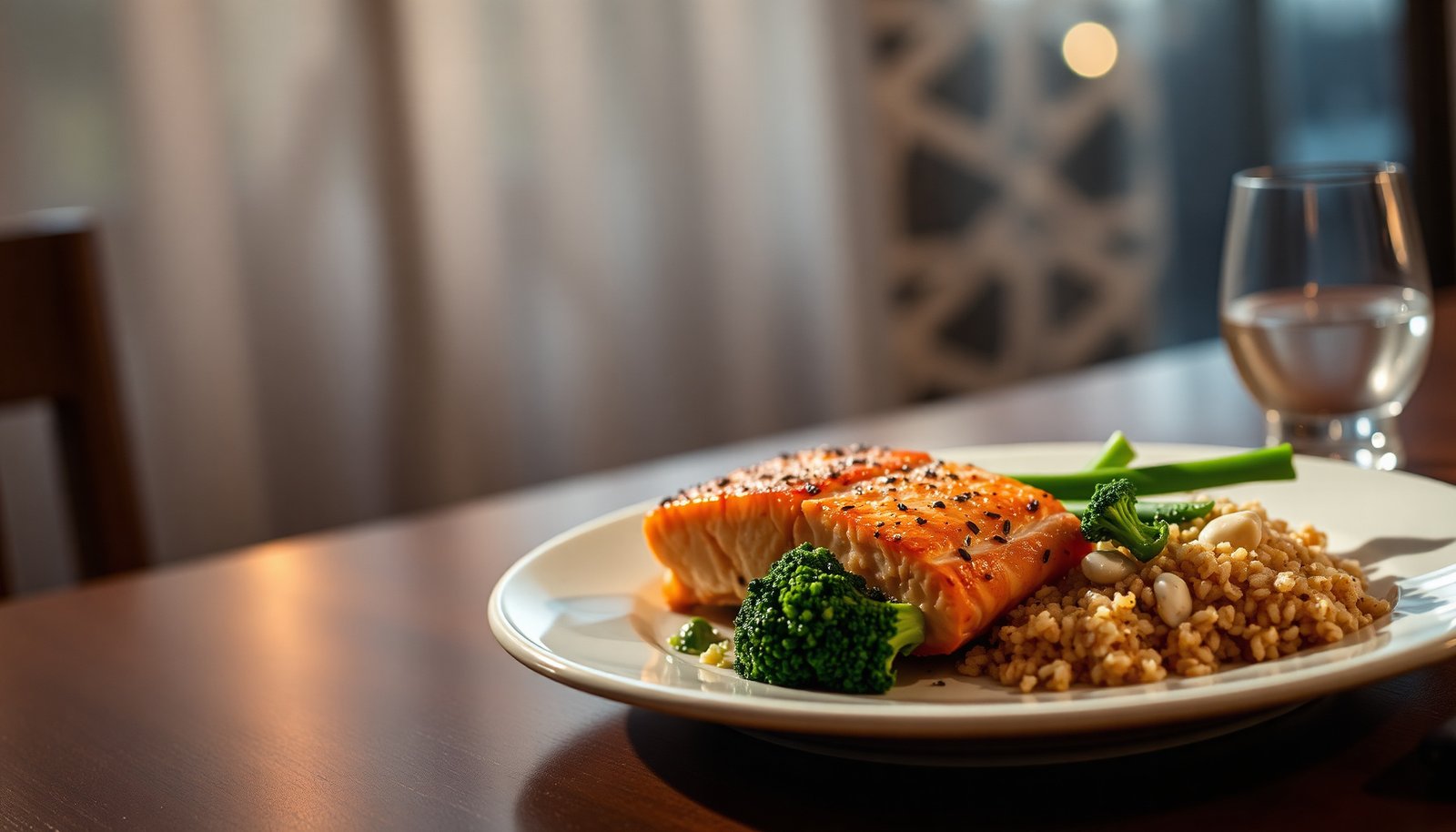

Best diabetic dinners aren’t defined by bland menus or “no-carb” rules; they’re defined by smarter carb choices and balanced plates. To find the most reliable options, we prioritized meals with controlled, high-fiber carbohydrates, lean protein, healthy fats, and simple preparation that supports steady post-meal blood sugar. The standout category is easy one-pan or one-pot dinners built around vegetables plus protein, like baked salmon with nonstarchy sides, because they make portion control practical without sacrificing flavor.




Give the reader the direct answer immediately: the best diabetic dinners are meals built around controlled carbohydrates, lots of non-starchy vegetables, and enough protein/fiber to slow digestion. If you focus on the “plate” balance (and watch sugary sauces, drinks, and portions), you’ll usually get steadier blood-sugar results—without giving up flavor.
You’ll find practical dinner ideas you can repeat weekly, plus simple ways to swap ingredients so meals stay diabetic-friendly. This is especially useful if you’re trying to plan dinners for diabetes, prediabetes, or anyone managing glucose at home.
What makes a “best” diabetic dinner
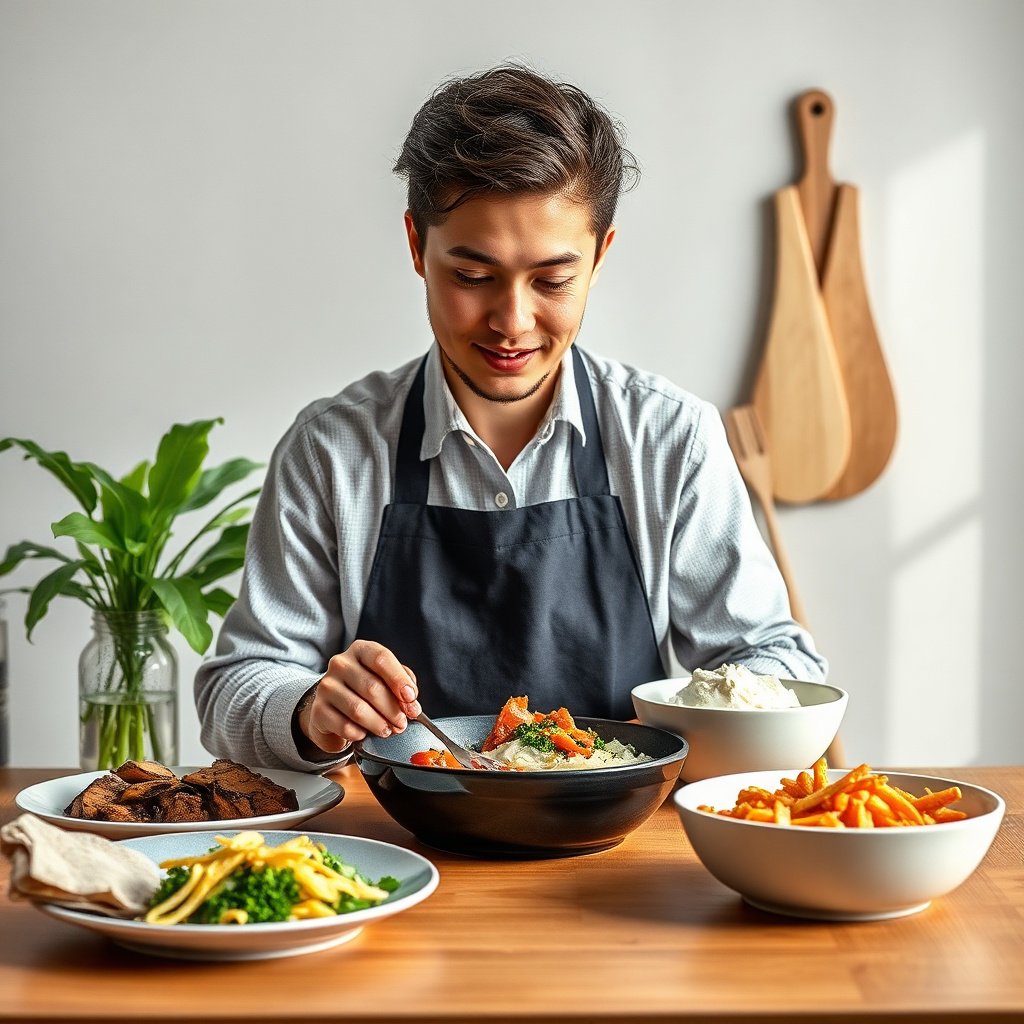
A best-in-class diabetic dinner reliably keeps carbs controlled while still being satisfying and flavorful. The reason is simple: fiber and protein slow digestion, so glucose tends to rise more gradually after you eat.
– Prioritize balanced carbs: pair carbohydrate foods with protein and fiber instead of eating them alone.
– Choose high-volume vegetables (especially non-starchy ones) so you feel full while carbs stay reasonable.
– Keep added sugars low by using vinegar, citrus, herbs, spices, and unsweetened sauces/salsas.
One practical way to make this real on your plate is to lean on non-starchy vegetables that are naturally low in digestible carbs but high in “volume” (you can eat more of them without pushing carbs too high). For example, USDA-style averages for non-starchy veggies show that one cup is often only a few grams of net carbs while providing meaningful fiber—exactly what supports steadier glucose patterns. (See data table below.)
Non-starchy Veggies: Calories, Carbs, and Fiber per 1 Cup (Raw)
| # | Non-starchy Vegetable | Calories | Carbs (g) | Fiber (g) |
|---|---|---|---|---|
| 1 | Spinach (raw) | 7 | 1.1 | 0.7 |
| 2 | Broccoli, chopped (raw) | 31 | 6.6 | 2.6 |
| 3 | Cauliflower (raw) | 27 | 5.3 | 2.0 |
| 4 | Zucchini (raw) | 18 | 3.9 | 1.0 |
| 5 | Bell pepper (raw) | 37 | 8.9 | 2.1 |
| 6 | Mushrooms (raw) | 15 | 2.3 | 0.6 |
| 7 | Green beans (raw) | 31 | 7.0 | 3.4 |
These values are representative averages for 1 cup raw portions and are directionally useful for meal planning; exact numbers vary by variety and preparation. For detailed item-level nutrition, consult the USDA FoodData Central database (USDA FoodData Central).
The best dinner formula (plate method you can follow fast)
If you want the quickest path to a blood-sugar-friendly dinner, use the plate method: vegetables first, protein second, and carbs third (in a measured portion). This works because it automatically pairs carbohydrates with fiber and protein, which generally reduces the speed and size of the post-meal glucose rise.
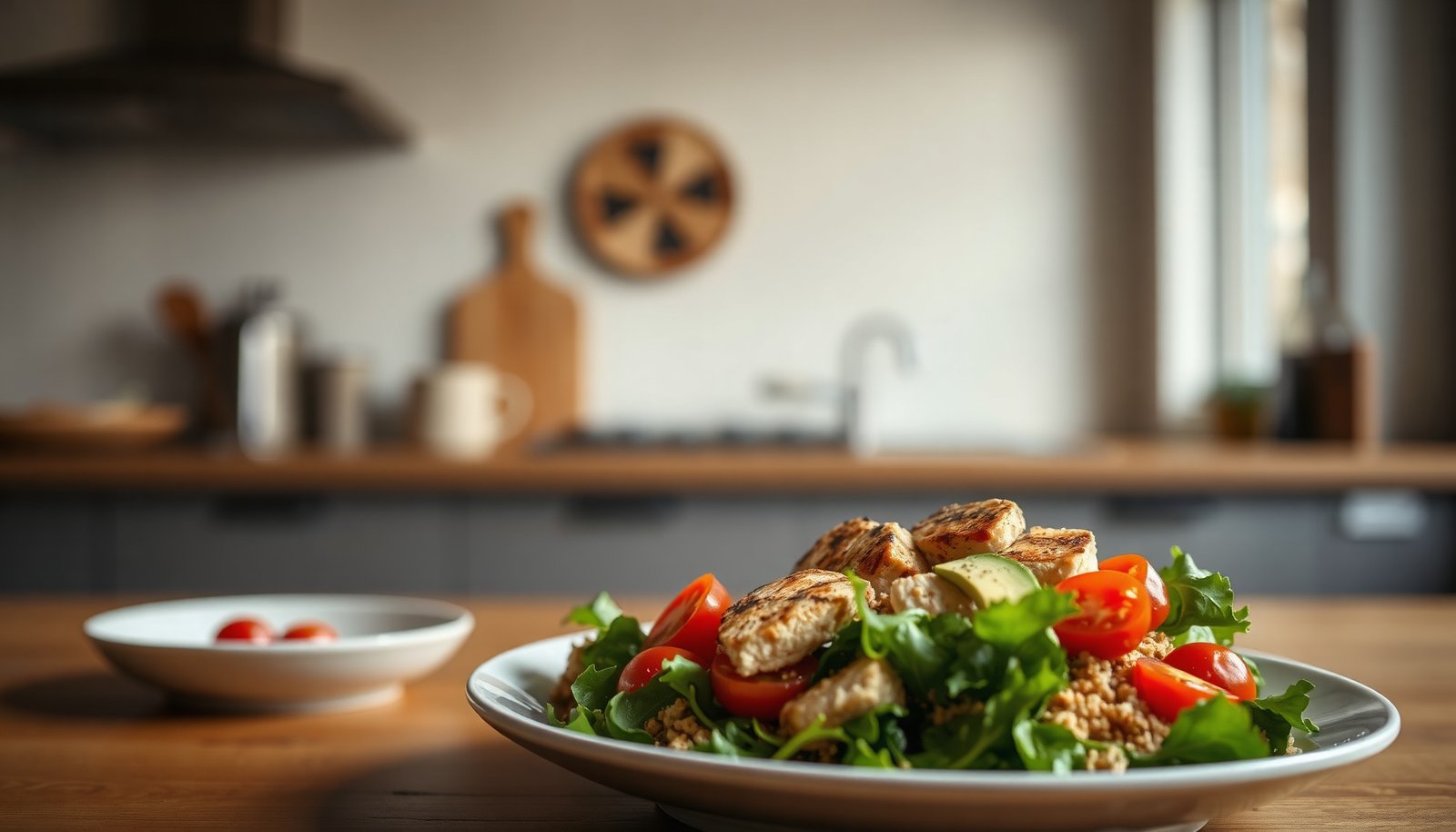
– Fill about half your plate with non-starchy veggies (salads, roasted broccoli, green beans, peppers, mushrooms, zucchini).
– Split the rest between protein (chicken, turkey, fish, eggs, tofu, Greek yogurt) and a controlled portion of carbs (beans, lentils, whole grains, starchy veg).
– Add healthy fats in small amounts (olive oil, avocado, nuts, seeds) to improve satiety and make meals taste satisfying.
This plate approach aligns with how major guidelines frame diabetes nutrition: it’s about managing carbohydrate quality and quantity, not avoiding food categories entirely. According to the American Diabetes Association, carbohydrates have the most direct effect on blood glucose, so pairing and portioning is the practical lever you can control at dinner time.
Smart carb choices (without turning every dinner into a “diet”)
You don’t have to eliminate carbs to eat well with diabetes—your goal is the “right carb” and a “reasonable amount.” In practice, that means choosing fiber-rich carbohydrates and pairing them with protein and non-starchy vegetables.
– Better options: beans/lentils, quinoa, brown rice (portion-controlled), corn (portion-controlled), sweet potatoes (portion-controlled), fruit with meals.
– Be cautious with: large portions of refined grains (white pasta, white bread), sugary marinades, and “dessert-for-dinner” sauces.
From my own experience cooking for family members who are watching glucose, the biggest “plate rule” that actually changes results isn’t the carb type—it’s the sauce and the portion. Swapping a sweet glaze for a lemon-garlic or chili-lime finish makes the meal taste complete even when carbs are more controlled.
To make carb selection simpler, here’s a quick comparison you can use while planning:
| Carb Base | Why it can fit | Watch-outs |
|---|---|---|
| Beans & lentils | High fiber; often slows digestion | Portion still matters (and canned versions may add sugar) |
| Whole grains | More fiber than refined grains | Large servings can raise glucose just like refined carbs |
| Starchy vegetables & fruit | Micronutrients plus natural carbs | “Healthy” doesn’t equal “unlimited”—measure and pair with protein |
Best diabetic dinner ideas (mix-and-match)
The best diabetic dinner ideas are the ones you can repeat: choose a cooking style (sheet-pan, bowl, soup), then anchor the plate with protein + vegetables and a measured carb. This reduces decision fatigue and improves consistency—one of the most underrated factors for steadier glucose.
– Sheet-pan style meals: salmon or chicken + non-starchy veggies + a simple sauce (lemon-garlic, herb rub, sugar-free/low-sugar BBQ if tolerated).
– Bowl dinners: fajita bowls or stir-fry bowls with protein, lots of peppers/onions/mushrooms, and a measured carb base (rice or quinoa—or skip the grains and add extra veggies).
– Soups and chili: turkey chili, lentil soup, or chicken-veggie soup—just watch portions of beans and choose no/low added sugar versions of broth or canned sauces.
– Comfort food swaps: turkey meatballs with zucchini noodles, baked cod with roasted veggies, or a “loaded” salad with protein instead of croutons/extra sweet toppings.
Flavor boosters that keep blood sugar in mind
Flavor isn’t the enemy of diabetes management—sweetness is. You can build bold meals using herbs, spices, and acidity so you don’t need sugary sauces to feel satisfied.
– Use spices (cumin, paprika, garlic, chili powder, pepper) and acid (vinegar, lime, lemon) instead of sugar-heavy sauces.
– If you use BBQ, teriyaki, or sweet chili sauce, pick the lowest-sugar option you can find and measure it rather than free-pouring.
– Add texture with crunchy veggies, toasted nuts, or seeds—so meals feel complete even with smaller carb portions.
A key behavioral point: the more “liquid sugar” there is on the plate (glazes, sweet dressings, sweet drinks), the harder it is to stay consistent. If you’re tracking patterns, consider measuring sauce by the tablespoon for a week—then compare how your body responds.
Cooking & meal-prep tips that actually help
Meal prep works best when it reduces cooking decisions, not when it tries to “lock in” perfection. The most effective approach is to prep components (protein + veggies) and then assemble dinners quickly around your plate formula.
– Prep the “backbone” first: roast or cook a protein and a big batch of vegetables, then assemble dinners quickly.
– Keep carbs portion-controlled: use pre-portioned containers for rice/quinoa/beans so it’s easier to stay consistent.
– Build repeatable variations: same protein + different seasonings (Italian herbs, taco spices, Mediterranean blend) so the week doesn’t get boring.
Simple planning workflow (so you don’t end up ordering takeout)
Planning should feel like choosing a few repeatable building blocks, not designing a new menu every night.
– Pick 2–3 proteins for the week (e.g., chicken + salmon + tofu) and repeat them across bowls, salads, and sheet-pan dinners.
– Choose one carb “option” per dinner (not every part of the plate).
– Keep a small list of go-to add-ons (extra veg, olive oil + vinegar, salsa, Greek yogurt dressing, nuts) to rescue meals that feel bland.
As of 2024, the diabetes community continues to emphasize carbohydrate awareness as a practical foundation for nutrition planning. According to the American Diabetes Association, A1C reflects average blood glucose over about 3 months, which is why consistent dinner patterns often matter more than one single meal. (Of course, individual responses vary—so adjust based on your readings and your clinician’s guidance.)
What can go wrong (and how to avoid it)
Even a “good” dinner plan can backfire when hidden sugars or uncontrolled portions sneak in. The most common problems are usually not the vegetables—they’re the sauces, drinks, and extra carb servings.
– Hidden sugars in sauces: marinades, bottled dressings, teriyaki, sweet BBQ, and some canned chili starters can raise carbs fast—check labels.
– Carb creep from “healthy” portions: items like beans, fruit, tortillas, and whole grains are still carbs. The quality helps, but portion still matters.
– “Diabetic-friendly” doesn’t mean “no-carb”: many people need carbs for energy; the goal is timing and balance, not eliminating everything.
– Medication mismatch: if you use insulin or other glucose-lowering meds, dinner changes can affect readings—work with your clinician on adjustment guidance.
Here’s a realistic example: two people can eat the same meal type (salmon + veggies + rice), but one person’s rice portion is double, or the sauce is significantly sweeter. If you’ve ever noticed inconsistent post-dinner spikes, look first at portion size and liquid carbs.
Also remember that “healthy” cooking methods don’t always fix the underlying issue. For example, roasting can improve taste without increasing carbs—but sweet rubs or honey-based glazes can quietly add sugar.
Verdict: a realistic way to pick your best diabetic dinner
If you want the most reliable approach, choose dinners that follow the plate balance: lots of non-starchy vegetables, solid protein, and a measured carb portion—with minimal sugary sauces. The upside is steady, repeatable structure; the downside is that it can take a little practice at first (especially reading labels and portioning carbs), and it may feel less effortless than grab-and-go options.
Skip the “repeat formula” approach (or get individualized guidance) if:
– your diabetes plan requires specific carb counting targets or timing,
– you’ve been told to avoid certain foods due to kidney disease or other conditions,
– you regularly experience low blood sugar and need tighter meal consistency.
Scan-and-save checklist (use tonight)
| Dinner component | What to aim for | Quick swap idea |
|---|---|---|
| Vegetables | Non-starchy + high volume | Add extra broccoli, peppers, zucchini |
| Protein | Each meal gets a real portion | Chicken, fish, tofu, eggs, Greek yogurt |
| Carbs | Measured portion (beans/grains/starchy veg) | Use half-portion grains; add more veg |
| Fats & flavor | Small healthy fats + strong seasoning | Olive oil + vinegar; herbs; spices |
| Drinks/sides | Avoid sweet drinks/dessert add-ons | Sparkling water, unsweetened tea, fruit with the meal |
Fast yes/no test
– Yes if you can point to protein + veggies first.
– Yes if carb foods are present but portioned.
– No if the meal is mostly refined starches or sweet sauces.
Final takeaway
The best diabetic dinners are built around a dependable plate: non-starchy vegetables for volume, protein for fullness, and carbs in a measured portion—supported by low-sugar sauces and smart flavor (acid + spices). Start with the plate method for a few repeat meals this week, adjust sauce and portions first, and use your glucose response (with clinician guidance if you take glucose-lowering medication) to fine-tune what works best for you.
Frequently Asked Questions
What are the best diabetic dinners that won’t spike blood sugar?
The best diabetic dinners are balanced meals built around non-starchy vegetables, lean proteins, and controlled portions of high-fiber carbohydrates. Aim for options like salmon with roasted broccoli and a small serving of quinoa, or chicken fajita bowls with peppers and onions plus black beans in measured portions. Choosing whole foods, adding fiber, and limiting added sugars helps keep blood glucose steadier after dinner.
How can I build a diabetes-friendly dinner plate for better blood sugar control?
Use a simple plate method: fill about half your plate with non-starchy vegetables (salad greens, broccoli, zucchini, cauliflower), one quarter with lean protein (fish, chicken, tofu, eggs), and one quarter with high-fiber carbs (brown rice, quinoa, beans, or sweet potato). Finish with healthy fats in moderation (olive oil, avocado, nuts) and keep sauce-heavy dishes in check by measuring dressings and using lower-sugar recipes. This structure supports stable energy and reduces the chance of post-meal glucose spikes.
Why are low-glycemic ingredients important for diabetic dinner ideas?
Low-glycemic ingredients tend to break down more slowly, which can help reduce rapid rises in blood sugar after eating. For diabetic dinner ideas, focus on fiber-rich foods like lentils, chickpeas, non-starchy vegetables, and intact whole grains rather than refined carbs. Pairing carbs with protein and healthy fats also slows digestion, improving overall glycemic response.
Which diabetic dinner recipes are the best for weight management and glycemic control?
Many of the best diabetic dinners for weight management are high-volume, nutrient-dense meals that keep calories in check while supporting blood sugar. Examples include veggie-packed turkey chili, shrimp or chicken stir-fry with lots of greens, and baked cod with a side of roasted Brussels sprouts and a measured portion of brown rice. These meals often provide protein and fiber, which help you feel full longer and maintain steadier glucose levels.
What are the best diabetic dinners for picky eaters or busy weeknights?
For picky eaters, start with familiar flavors and focus on swapping in diabetes-friendly components—like using lettuce wraps instead of tortillas, or adding extra veggies to pasta with a portion-controlled serving of whole-grain pasta. For busy nights, look for quick diabetic dinner options such as sheet-pan meals (salmon or chicken + vegetables), pre-cooked lentils/beans for bowls, and simple salads with grilled protein. Keep sauces and marinades low in added sugar and consider portioning starches to find the best diabetic dinner balance.
📅 Last Updated: November 09, 2026 | Topic: best diabetic dinners | Content verified for accuracy and freshness.
References
- https://www.cdc.gov/diabetes/managing/eat-well/index.html
- https://www.niddk.nih.gov/health-information/diabetes/overview/diet-nutrition
- https://www.mayoclinic.org/diseases-conditions/diabetes/in-depth/diabetes-diet/art-20048205
- Diabetes
- Diabetes Mellitus: MedlinePlus
- https://pubmed.ncbi.nlm.nih.gov/?term=diabetes+diet+meal+planning
- https://scholar.google.com/scholar?q=best+diabetic+dinners Google Scholar
- https://scholar.google.com/scholar?q=diabetes+meal+planning+low+glycemic+index Google Scholar
- https://scholar.google.com/scholar?q=type+2+diabetes+dietary+patterns+randomized+trial Google Scholar