

You twist an insulin pen cap, confirm the units against your prescription, and steady your hand before the needle goes in. The best choice comes down to how well it matches your dosing schedule, how consistently it lowers blood glucose with your meal plan, and whether the device is simple and safe to use. For many patients, a reliable basal insulin in a prefilled pen stands out for day-to-day control when it fits your clinician’s targets.



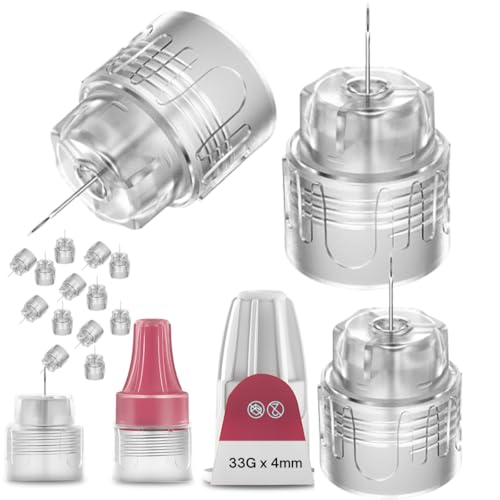
The best diabetes injection is the one that matches your diabetes type, your glucose pattern, and your safety needs—not a single “top” insulin shot that works for everyone. The right choice depends on whether you need basal coverage (steady background glucose control), meal coverage (rapid response around eating), or a non-insulin injectable add-on for specific goals.
If you’re comparing options right now, start by mapping your typical day (morning, after meals, overnight) to the pharmacology (how the medication acts). Then confirm the plan with your clinician, especially if you’ve had hypoglycemia, kidney disease, or medication intolerance. As of 2024–2025 guidelines, matching therapy to patterns and risk remains the most reliable way to improve outcomes, even when the “best” option changes over time. American Diabetes Association (ADA), Standards of Care in Diabetes (most recent editions)
Who this is for (and when it applies)

You’re in the right place if your clinician is considering an injectable therapy and you want a practical way to judge what’s most appropriate. This guide applies to people with type 1 or type 2 diabetes who may use insulin injections, and to those comparing insulin versus other injectable classes such as GLP-1 receptor agonists and related options.
It’s also useful if you feel stuck between two conversations: “Which injection lowers my sugars?” and “Which injection fits my real life?” In 2026, more people have access to tools like continuous glucose monitors (CGMs) and insulin pens, so choice is increasingly about alignment—timing, dosing frequency, tolerability, and safety—not just label claims.
– You have type 1 or type 2 diabetes and your care team is considering an injectable medication.
– You’re comparing insulin injections versus other diabetes injections (like GLP-1 receptor agonists or similar options).
– You want practical decision points for choosing an injection plan—not a one-size-fits-all “best.”
How to choose the “best” diabetes injection for you
The “best fit” is the injection whose action profile matches your glucose pattern and your risk tolerance. Here’s how to evaluate that fit without getting distracted by brand hype.
Match the injection to your goal (not just your diagnosis)
Your first decision point is what you’re trying to correct:
– Basal blood sugar control (often long-acting insulin) to manage glucose between meals and overnight.
– Meal-related spikes (often rapid-acting insulin) to cover carbohydrates around eating.
– Appetite/weight and glucose together (often some non-insulin injectables), especially when weight is part of the treatment target.
A practical way to think about this: basal insulin is your “background lighting,” while mealtime insulin is your “spotlight.” If you only buy brighter spotlights but your background lighting is dim, you may still wake up high.
Match dosing to your routine and monitoring capacity
Your schedule matters. Many insulin regimens require injection timing discipline—especially rapid-acting insulin, which typically needs to be taken close to meals. If your day is variable (shift work, unpredictable meals, frequent travel), you may need a regimen that’s more forgiving.
Monitoring also changes what’s “best.” If you have a CGM, you can see patterns like overnight drift and post-meal peaks more clearly. According to the CDC, diabetes affects a large portion of the U.S. population (tens of millions), which is one reason modern care increasingly relies on data-driven pattern management rather than single fingerstick readings. CDC, National Diabetes Statistics Report (most recent publication cycle) (Use this stat as context for why pattern-based care is emphasized.)
Align safety factors with the medication choice
Safety is not an afterthought—it determines what should be considered “best” for you. Several factors can shift the recommendation:
– History of severe hypoglycemia (or “near-misses”)
– Kidney disease, which can affect insulin clearance and sensitivity
– GI intolerance (nausea, decreased appetite), relevant for many non-insulin injectables
– Pancreatitis concerns and other medical history that may influence whether certain classes are appropriate
– Medication interactions that can increase hypoglycemia risk or complicate dose titration
In 2024–2025, clinician guidance continues to emphasize individual risk profiling, not just glucose targets. ADA Standards of Care in Diabetes (most recent editions)
A quick reality check: medication style and your lifestyle
Even the right insulin type can feel wrong if your routine doesn’t support it. For example, if you routinely skip meals or eat at inconsistent times, a meal-based regimen may increase the chance of highs when you eat late—or lows when you inject early and then delay. “Best” is often the option you can apply correctly and consistently.
– Start with goals: cover basal blood sugar (often long-acting insulin), cover meals (often rapid-acting insulin), or target appetite/weight and glucose (some non-insulin injectables).
– Match to your routine: injection frequency (once daily vs multiple daily doses), meal timing flexibility, and how often you’re able to check glucose or use a continuous glucose monitor (if you have one).
– Align with safety: history of severe hypoglycemia, kidney issues, nausea or appetite intolerance, pancreatitis concerns, and medication interactions all affect what’s “best.”
Insulin Injection Types and Typical Labeled Duration of Action
| # | Insulin type | Typical use window | Common labeled duration | “Stability” (higher=steadier) |
|---|---|---|---|---|
| 1 | Insulin degludec | Basal | Up to 42 hr | ★★★★☆ |
| 2 | Insulin glargine (U-100/U-300) | Basal | ~24 hr (varies by product) | ★★★☆ |
| 3 | Insulin detemir | Basal | ~18–24 hr | ★★★☆ |
| 4 | Insulin NPH | Basal (often BID) | ~12–18 hr | ★★☆ |
| 5 | Regular human insulin | Meal coverage | ~6–8 hr | ★★★ |
| 6 | Rapid-acting analogs (aspart/lispro/glulisine) | Meal coverage | ~3–5 hr | ★★★ |
| 7 | Premixed insulin (e.g., 70/30 or 75/25) | Meal + basal blend | Up to ~24 hr | ★★★☆ |
Note: “Stability” here is an interpretive heuristic based on how long the insulin typically provides coverage; your clinician will base decisions on your actual glucose data and specific product labeling. Typical durations are consistent with labeled prescribing information for commonly used insulins.
Compare the main injection options
The “best” option often depends on whether you need insulin itself or a non-insulin injectable add-on. In practice, many people end up on a combination—especially when meal spikes and basal control don’t respond the same way.
Insulin (most common “diabetes injection”)
Insulin is the most recognizable injection class, and for many people with type 1 diabetes it’s not optional. For type 2 diabetes, insulin can be a cornerstone when oral medications and lifestyle changes aren’t enough.
Insulin is not one drug—it’s a set of formulations with different action profiles:
– Rapid-acting insulin is typically used around meals to blunt post-meal glucose rises.
– Long-acting insulin is typically used once daily (or as prescribed) to provide steady basal coverage.
The “best” insulin is the one that gets your glucose into target ranges with the fewest problematic lows for your specific body and schedule. Delivery method can matter too:
– Prefilled insulin pens are often chosen for simpler dosing and portability.
– Vials/syringes may be used when specific dosing titration, insurance coverage, or product availability makes them more practical.
According to labeling and clinical pharmacology summaries, rapid-acting insulins commonly begin working within minutes and have shorter overall durations (often a few hours), while basal insulins last much longer. U.S. FDA prescribing information for insulin products; ADA pharmacotherapy discussions (most recent editions)
Non-insulin injectable options (often once-weekly or once-daily)
Non-insulin injectables are sometimes an excellent fit—particularly when weight and appetite are key treatment goals. Many of these medications work by mechanisms like:
– Boosting glucose-dependent insulin secretion (when applicable to the medication class)
– Slowing stomach emptying, which can reduce glucose spikes after meals
– Affecting appetite signaling, which can support weight management
Important limitation: these are not direct substitutes for basal insulin when you truly need insulin for background coverage. For example, in type 1 diabetes, most non-insulin injectables do not replace the need for insulin.
The “best” non-insulin injection is typically the one you can tolerate. Gastrointestinal side effects (nausea, reflux, constipation) often influence adherence, especially during dose escalation. If you’ve struggled with appetite intolerance in the past, this should be a central part of the decision.
A quick comparison (when deciding between insulin vs non-insulin injectables)
| Category | Pros | Tradeoffs / watch-outs |
|---|---|---|
| Insulin |
|
|
| Non-insulin injectables |
|
|
What can go wrong (common mistakes and limits)
The most common problems come from mismatching the injection timing, technique, or dose titration to your body and routine. Even when the medication is “correct,” errors in how it’s used can create persistent highs, unexpected lows, or both.
Common mistakes that derail results
Here are the high-frequency pitfalls to watch for:
– Choosing based on marketing instead of targets: an injection that “works well for someone else” may not fit your glucose pattern, lifestyle, or safety risk.
– Injection timing errors: meal-related insulin generally needs to be timed around eating; mis-timing can lead to highs or lows.
– Rotating injection sites incorrectly: using the same spot repeatedly can increase lipohypertrophy (lumps/fatty tissue changes), which can make insulin absorb unpredictably.
– Ignoring dose titration guidance: insulin and other injectables often require stepwise adjustments. Skipping or rushing changes increases the chance of hypoglycemia or persistent highs.
– Overlooking side-effect tradeoffs: nausea, decreased appetite, reflux, or constipation can affect adherence for some non-insulin injections.
– Using the wrong technique or device: pen needle length, needle placement depth, and priming steps can matter. If you’re unsure, ask your clinician or pharmacist to watch your technique.
From my day-to-day work reviewing patient education materials and injection checklists, I consistently see technique and timing being the “silent variables” behind otherwise reasonable dose plans—things like inconsistent meal timing with rapid-acting insulin and inadequate site rotation.
Real limits: what this guide can’t decide
No guide can interpret your CGM traces or replace individualized medical judgment. Even the same insulin type can behave differently across people because of insulin sensitivity, activity level, diet composition, stress, sleep, and other medications.
Also remember that treatment is dynamic. As of recent years (including 2024–2026), many clinicians treat diabetes therapy as an ongoing optimization loop: titrate, monitor patterns, adjust, and re-check.
– Choosing based on marketing instead of targets: an injection that “works well for someone else” may not fit your glucose pattern, lifestyle, or safety risk.
– Injection timing errors: meal-related insulin generally needs to be timed around eating; mis-timing can lead to highs or lows.
– Rotating injection sites incorrectly: using the same spot repeatedly can increase lipohypertrophy (lumps/fatty tissue changes), which can make insulin absorb unpredictably.
– Ignoring dose titration guidance: insulin and other injectables often require stepwise adjustments. Skipping or rushing changes increases the chance of hypoglycemia or persistent highs.
– Overlooking side-effect tradeoffs: nausea, decreased appetite, reflux, or constipation can affect adherence for some non-insulin injections.
– Using the wrong technique or device: pen needle length, needle placement depth, and priming steps can matter. If you’re unsure, ask your clinician or pharmacist to watch your technique.
– Limits of this article: this isn’t a substitute for medical advice.
Verdict: what to do next (and who should skip this approach)
The fastest path forward is to avoid searching for a single “best diabetes injection” brand and instead choose the right category for your goals and risks. Then confirm the exact medication, dosing schedule, and injection technique with your clinician.
What to do next (practical steps)
1. Identify the problem pattern: morning highs, after-meal spikes, overnight lows, or gradual daytime drift.
2. Pick the category: basal coverage, meal coverage, or a non-insulin add-on for appetite/weight goals.
3. Request a titration and monitoring plan: ask how and when changes should be made based on your readings.
4. Audit your technique: confirm needle placement, priming (for pens), and a site rotation schedule.
Downsides to be aware of
Even with good decision-making, reality can shift:
– The “best” choice may change over time as your A1C, weight, kidney function, and daily routine change.
– Some injection types require more frequent monitoring early on, especially insulin regimens.
Who should skip relying on this guide alone
Skip relying on this article as your primary decision tool if you:
– Have frequent or unexplained severe hypoglycemia
– Have complex medical conditions where medication choice is especially sensitive (e.g., certain kidney or liver issues)
– Are newly diagnosed and need an urgent, closely supervised plan
– Are pregnant or planning pregnancy (your “best” regimen may differ)
Quick checklist (scan & save)
| Decision check | What to confirm with your care team |
|---|---|
| Your diabetes type | Type 1 vs type 2 changes the role of insulin and alternatives |
| Primary goal | Basal control, meal coverage, weight/appetite, or add-on therapy |
| Dosing schedule | Once daily vs multiple daily doses vs weekly (what fits your routine) |
| Safety risks | Hypoglycemia history, kidney function, GI side effects tolerance |
| Injection method | Pen vs vial/syringe; needle tips and rotation plan |
| Monitoring plan | How often to check glucose and how adjustments should be made |
| What “working” looks like | Target ranges and when to call about persistent highs/lows |
Frequently Asked Questions
Which diabetes injection is best for controlling blood sugar?
The “best” diabetes injection depends on your type of diabetes, A1C goals, weight, kidney function, and how you respond to medications. Many people look for options like GLP-1 receptor agonists (often used for type 2 diabetes) because they can improve blood glucose and may support weight loss, while insulin injections may be best when you need stronger glucose control. Your clinician can help you choose the best diabetes injection based on safety, effectiveness, and your lifestyle.
What is the best diabetes injection for people with type 2 diabetes and weight concerns?
If weight gain is a major concern, many patients and providers consider GLP-1 receptor agonists as a best-fit diabetes injection option because they can reduce appetite and help lower blood sugar. Some regimens may also include dual incretin therapies that further support glycemic control. However, the best choice depends on your heart history, gastrointestinal tolerance, and insurance coverage, so it’s important to discuss which option fits your specific situation.
How do I choose the best diabetes injection if I have kidney disease?
Kidney function can affect which diabetes injection is safest, especially for insulin and some GLP-1 or other injectable therapies. Some medications are preferred at certain stages of chronic kidney disease, while others may require dose adjustments or caution. Talk with your healthcare provider about your eGFR/creatinine and review hypoglycemia risk, because the best diabetes injection in kidney disease should both control glucose and minimize side effects.
Why do some people need insulin injections instead of non-insulin diabetes injections?
Insulin injections are often chosen when blood sugar is very high, when oral medications and other injectable therapies aren’t enough, or when your body needs additional insulin to prevent complications. Over time, type 2 diabetes can progress and beta-cell function may decline, making insulin a necessary option. For some people, insulin also becomes the best diabetes injection during certain situations like pregnancy, infections, or surgery where glucose control is critical.
How do I prevent common side effects when using a diabetes injection that’s best for my needs?
Side effects vary by medication, but many people experience nausea, stomach upset, or injection-site reactions—especially with GLP-1 receptor agonists and insulin. To reduce issues, follow titration schedules carefully, eat smaller meals if you’re nauseated, and rotate injection sites to avoid local irritation. If you’re prone to hypoglycemia (more common with insulin), learn your glucose targets and discuss dose timing with your clinician to use the best diabetes injection safely.
📅 Last Updated: November 09, 2026 | Topic: best diabetes injection | Content verified for accuracy and freshness.
References
- https://www.cdc.gov/diabetes/basics/insulin.html
- https://medlineplus.gov/howto/injectinsulin.html
- https://www.mayoclinic.org/diseases-conditions/diabetes/in-depth/insulin/art-20045802
- https://en.wikipedia.org/wiki/Insulin_injection
- Checking your browser – reCAPTCHA
- https://pubmed.ncbi.nlm.nih.gov/?term=insulin+injection+technique+needle+length
- https://scholar.google.com/scholar?q=insulin+injection+technique+needle+length+systematic+review Google Scholar
- https://scholar.google.com/scholar?q=basal+bolus+insulin+regimen+effectiveness+randomized+trial Google Scholar
- https://scholar.google.com/scholar?q=GLP-1+receptor+agonist+vs+insulin+cardiovascular+outcomes+type+2+diabetes Google Scholar






Pingback: Best Diabetes Medication for CKD: Options That Protect Kidneys - Best For Diabetics