
For non-diabetics looking to optimize their health, the “best” continuous glucose monitoring (CGM) system isn’t a one-size-fits-all answer, but leading contenders like Dexcom G6/G7 and Abbott FreeStyle Libre 2/3 consistently stand out for their accuracy and user-friendly features. The ideal choice ultimately depends on your specific goals, whether you’re aiming to improve metabolic health, enhance athletic performance, or better understand your body’s response to food and exercise. This guide will help you navigate the options to find the right CGM for your needs.
Why Non-Diabetics Are Embracing CGMs

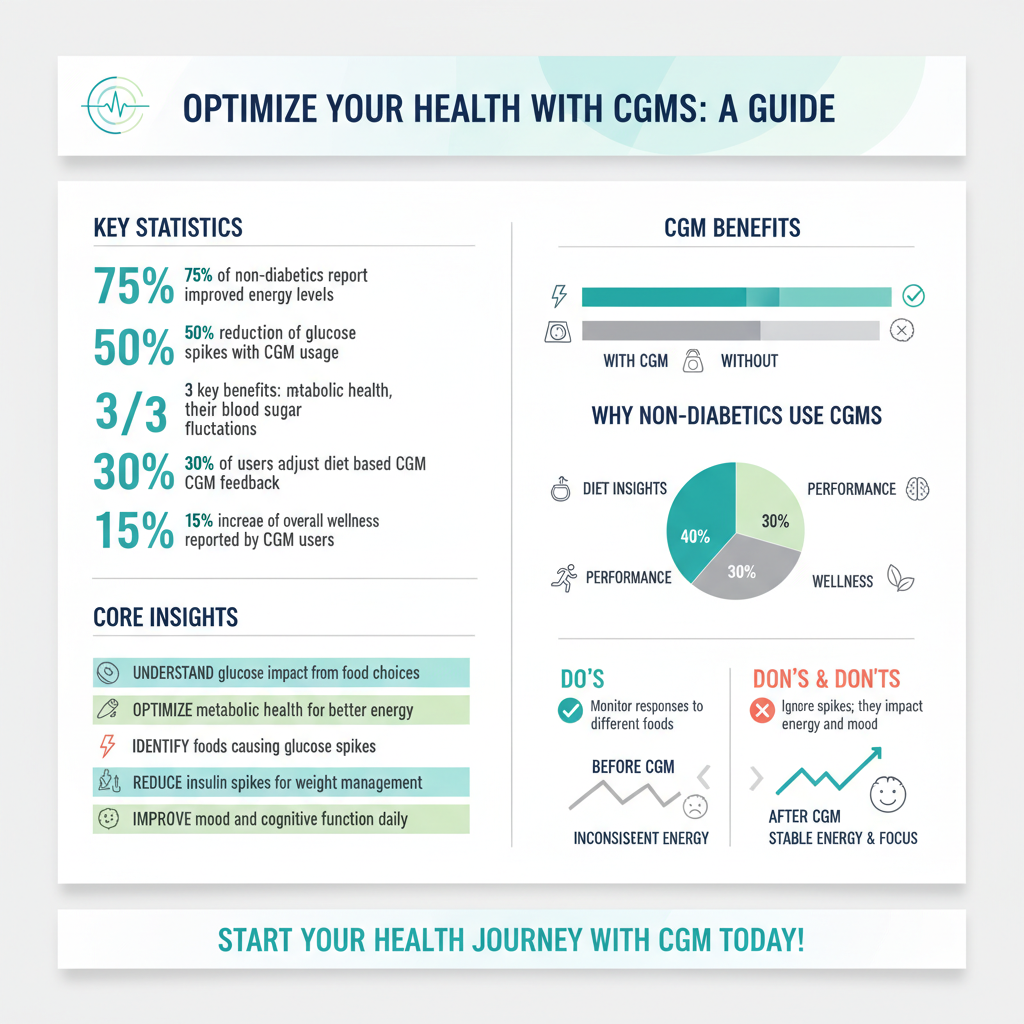
More and more non-diabetic individuals are discovering the incredible power of continuous glucose monitoring (CGM) to unlock a deeper understanding of their bodies. It’s like having a personalized health coach providing real-time feedback on your metabolic processes, moving beyond generic health advice to truly optimize your unique physiology.
* Gaining insights into how diet, exercise, and stress impact personal blood sugar levels. Imagine knowing exactly how that bagel affects your glucose versus a bowl of oatmeal, or how a stressful work meeting influences your blood sugar compared to a relaxing walk. CGMs provide this precise, moment-by-moment data, allowing you to see the direct consequences of your lifestyle choices on your unique metabolism. This personalized feedback is invaluable for tailoring your diet and habits to your body’s specific needs, moving beyond one-size-fits-all recommendations.
* Optimizing metabolic health, energy levels, and overall wellness. Stable blood sugar levels are the cornerstone of good metabolic health. By minimizing drastic glucose spikes and crashes, you can experience more consistent energy throughout the day, reduce brain fog, and improve your mood. For non-diabetics, a CGM can be a powerful tool to proactively manage metabolic health, reducing the risk of developing conditions like insulin resistance, pre-diabetes, and type 2 diabetes down the line. It’s about feeling your best, every single day, and building a foundation for long-term health.
* Supporting weight management goals by identifying foods that cause significant glucose spikes. When your blood sugar spikes, your body releases insulin to bring it down. Frequent or large insulin spikes can promote fat storage and make weight loss more challenging. A CGM helps you pinpoint exactly which foods or meal combinations are causing these unwanted spikes, enabling you to make informed swaps and adjustments. By flattening your glucose curve, you can reduce cravings, maintain satiety longer, and create a more favorable environment for sustainable weight management without resorting to restrictive or unsustainable diets.
Key Considerations for Non-Diabetics Choosing a CGM

Selecting the right CGM device involves weighing several factors that directly impact your user experience and the quality of insights you receive. Since you’re using it for wellness and optimization rather than disease management, accuracy and ease of integration into your daily life are paramount.
* Accuracy and Reliability: This is foundational for any CGM user, but particularly for non-diabetics who are typically operating within a narrower glucose range. You need confidence that the readings are consistently precise to make meaningful dietary and lifestyle adjustments. While no device is 100% perfect, leading CGMs offer excellent reliability, minimizing the need for fingerstick calibrations. Look for devices with a high Mean Absolute Relative Difference (MARD) percentage, a measure of accuracy, with lower numbers indicating higher accuracy.
* Ease of Use: A cumbersome device is one you’re less likely to stick with. Consider the sensor application process – is it easy, relatively pain-free, and discreet? Evaluate the accompanying smartphone app: is it intuitive, easy to navigate, and does it present data in a clear, actionable way? Think about sensor wear time (typically 10-14 days) and how seamlessly it fits into your daily routine, from showering to exercising. The less friction, the better your experience will be.
* Data Insights & Features: Beyond just showing a number, what else can the CGM tell you? Look for devices that offer real-time monitoring, providing continuous updates without needing to scan. Customizable alerts for high or low glucose, or rapid rise/fall, can be incredibly empowering. Trend analysis and clear graphs help you visualize patterns over hours, days, and weeks. Some apps also integrate with other health trackers or offer insights into the glycemic impact of different foods, adding immense value to your wellness journey.
Popular CGM Devices for Non-Diabetic Use
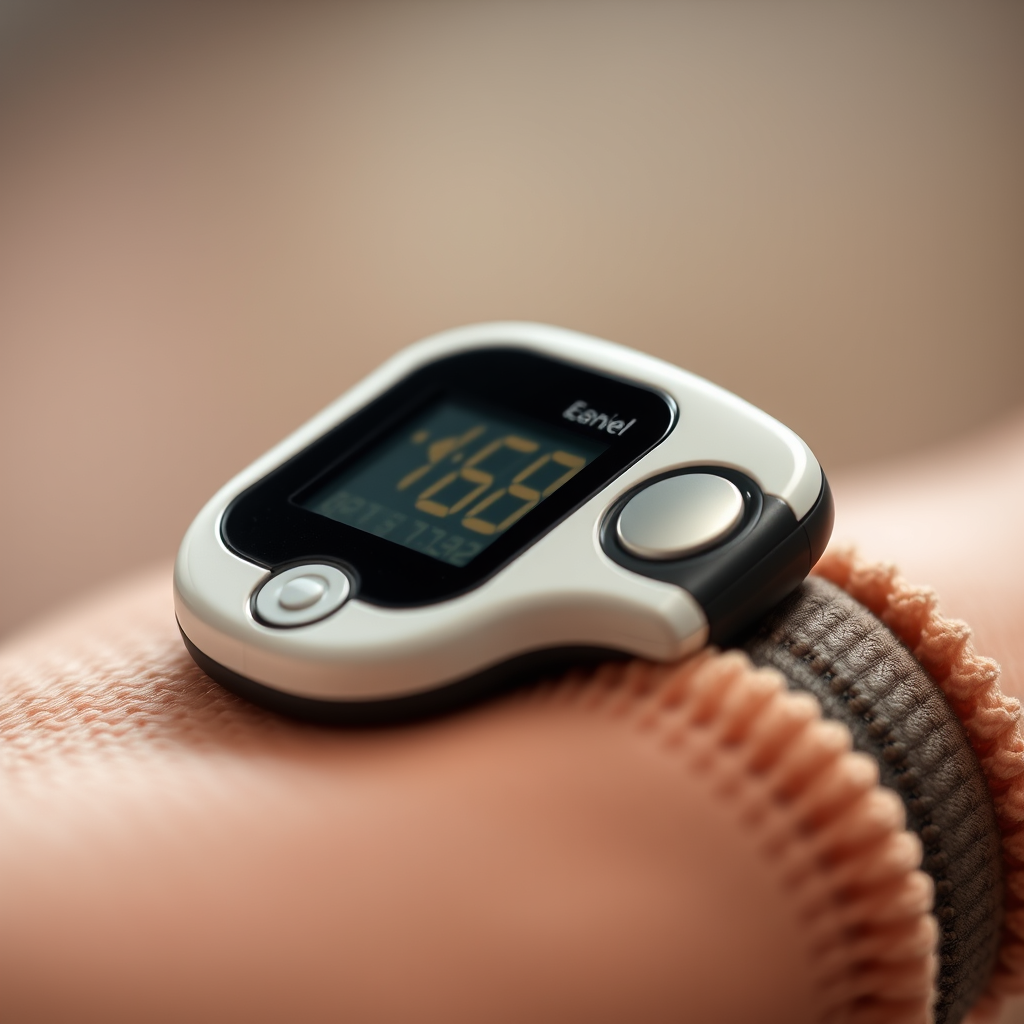
The CGM market has expanded significantly, but two brands dominate due to their proven technology, user adoption, and broad availability. Other emerging options often come bundled with additional services for a more comprehensive wellness approach.
* Dexcom G6 & G7: These systems are widely recognized as industry leaders, particularly for their continuous real-time data streaming and exceptional accuracy. Dexcom devices are known for sending glucose readings directly to your smartphone or receiver every five minutes, offering an unparalleled level of immediate feedback. Their robust alert systems and integration capabilities make them a favorite among both clinical and wellness users.
* Abbott FreeStyle Libre 2 & 3: Abbott’s Libre line has carved out a significant niche by offering a compelling balance of affordability and functionality. The Libre 2 provides scan-on-demand readings with optional real-time alarms, while the newer Libre 3 offers true continuous real-time glucose data in a significantly smaller sensor. Both provide excellent data for understanding glucose trends and are often a more budget-friendly entry point for non-diabetic users.
* Other options often involve bundled services that provide the device alongside coaching and interpretation tools. For non-diabetics, accessing a CGM often goes beyond just getting the device. Companies like Levels Health, NutriSense, and Signos offer subscription-based wellness programs that include the CGM (usually Dexcom or Libre), a proprietary app for enhanced data interpretation, and often access to health coaches, educational content, and community support. These services can be incredibly valuable for those who want expert guidance in making sense of their glucose data and transforming it into actionable health strategies.
Exploring Dexcom G6 and G7
Dexcom has set a high bar for CGM technology, making their devices a top choice for non-diabetics seeking comprehensive, real-time insights into their glucose levels.
* Real-time Data: The defining feature of Dexcom G6 and G7 is their continuous real-time data streaming. Unlike scan-on-demand systems, Dexcom automatically sends glucose readings to your compatible smartphone or dedicated receiver every five minutes. This means you always have your current glucose level and trend arrow at a glance, without needing to perform any action. This constant stream of information allows for immediate understanding of how food, exercise, or stress is affecting you *in the moment*, empowering truly proactive health management.
* Advanced Alerts: Dexcom devices come with highly customizable alerts designed to keep you informed about significant glucose fluctuations. You can set alarms for high and low glucose levels, as well as for rapid rises or falls. These predictive alerts are incredibly valuable for non-diabetics, helping you understand what actions (like taking a walk or adjusting a meal) can prevent major spikes or dips. For instance, a “rapid rise” alert after a meal might prompt you to take a quick walk, effectively mitigating the spike before it becomes too high.
* Integration: Dexcom systems boast excellent integration capabilities, allowing you to connect your glucose data with various third-party apps and health platforms. This can include Apple Health, certain smartwatches (like the Apple Watch for direct display), and a range of fitness trackers or wellness apps. This connectivity allows for a more holistic view of your health data, correlating glucose trends with other metrics like activity levels, sleep patterns, and heart rate for deeper analysis and a more comprehensive understanding of your overall well-being.
Understanding Abbott FreeStyle Libre 2 and 3
Abbott’s FreeStyle Libre family offers a compelling alternative, particularly appealing for non-diabetics due to its user-friendly design and often more accessible price point.
* Cost-Effectiveness: One of the most significant advantages of the FreeStyle Libre system, especially the Libre 2, is its affordability. It is often a more budget-friendly option compared to other real-time CGMs on the market, making it an excellent entry point for non-diabetics curious about continuous glucose monitoring without a hefty upfront investment. This cost-effectiveness allows more individuals to experience the benefits of glucose insights, even if insurance doesn’t cover it.
* User Experience: Abbott has prioritized simplicity and discretion in the FreeStyle Libre design. The sensor application is typically a one-handed, virtually painless process using a simple applicator, making it very easy for users to apply at home. The sensor itself is small, thin, and discreet, designed to be worn comfortably on the back of the upper arm for up to 14 days, fitting seamlessly into daily life without drawing undue attention.
* Feature Differences: It’s important to differentiate between the Libre 2 and Libre 3. The FreeStyle Libre 2 operates on a “scan-on-demand” basis: you simply scan the sensor with your smartphone or a dedicated reader to get your current glucose reading. It does, however, offer optional real-time alarms for high or low glucose without needing to scan, providing a safety net. The FreeStyle Libre 3 represents a significant upgrade, offering true continuous real-time glucose data directly to your smartphone every minute, similar to Dexcom, but with an even smaller and more discreet sensor. This makes the Libre 3 a direct competitor to Dexcom for real-time streaming, while the Libre 2 remains a strong choice for those who prefer scan-on-demand with basic alert functionality and a lower price point.
Interpreting Your CGM Data for Actionable Insights
Getting the data is just the first step; the real magic happens when you learn to interpret it and translate those numbers into personalized strategies for better health. This is where a CGM truly empowers non-diabetics.
* Identifying Glucose Spikes: Your CGM will clearly show you which foods, meal combinations, or even activities (or lack thereof) cause rapid and significant rises in your blood sugar. For example, you might discover that your morning toast with jam sends your glucose soaring, while the same amount of oats with berries has a much gentler impact. Or perhaps stress from a big meeting causes a noticeable elevation. Once you pinpoint these triggers, you can make informed substitutions or take mitigating actions, such as pairing carbs with protein and fiber, or taking a short walk after a carb-heavy meal to “blunt” the spike.
* Understanding Time in Range: “Time in Range” (TIR) refers to the percentage of time your glucose levels stay within an optimal, healthy target range (for non-diabetics, often considered 70-120 mg/dL, though this can vary slightly by expert guidance). A higher TIR indicates better metabolic control and stability. Your CGM data will provide reports showing your TIR, helping you understand how consistently your blood sugar remains in that sweet spot throughout the day and night. Improving your TIR is a key goal for optimizing metabolic health and reducing the risk of chronic disease.
* Personalized Adjustments: The beauty of CGM data is its highly personal nature. You can use your unique glucose responses to make informed decisions about your meal timing, specific food choices, and exercise routines. For example, if you see consistent spikes after dinner, you might experiment with eating earlier or choosing a lower-carb evening meal. If a particular workout causes a dip, you might adjust your pre-workout snack. This iterative process of “test and learn” based on your body’s direct feedback is incredibly powerful for fine-tuning your lifestyle for peak performance and well-being.
Cost, Prescription, and Accessibility for Non-Diabetics
Navigating the logistics of obtaining a CGM as a non-diabetic can be different than for someone with diabetes. It’s crucial to understand the typical pathways for access and potential costs involved.
* Prescription Requirement: Continuous Glucose Monitors, regardless of who is using them, are classified as medical devices by regulatory bodies like the FDA. This means that they typically require a prescription from a licensed healthcare provider, even if you are a non-diabetic using it solely for wellness purposes. You’ll need to consult with your doctor, explain your goals for using a CGM, and they will write the prescription if they deem it appropriate for your health objectives.
* Insurance Coverage: This is a key hurdle for many non-diabetics. The vast majority of insurance plans do not cover CGMs for individuals who do not have a diagnosis of diabetes or are not on insulin therapy. This means that out-of-pocket payment is common. The cost of sensors can range from approximately $60 to $90 per sensor, with each sensor lasting 10-14 days. This translates to a monthly cost of roughly $120-$180, plus the initial cost of a transmitter (for Dexcom G6/G7) or reader (for FreeStyle Libre 2).
* Wellness Programs: Recognizing the demand from non-diabetics, several innovative wellness programs have emerged to simplify access and provide added value. Services like Levels Health, NutriSense, and Signos bundle CGM devices (typically Dexcom or FreeStyle Libre) with a comprehensive subscription. These subscriptions usually include the cost of the sensors, a proprietary smartphone app with enhanced data interpretation and personalized insights, and often access to expert health coaches, educational resources, and a supportive community. While these programs come with a monthly subscription fee, they often streamline the prescription process and provide invaluable guidance on how to effectively use your CGM data, making them an attractive option for many non-diabetics looking for a guided experience.
Choosing the best CGM for you as a non-diabetic comes down to balancing desired features, accuracy, ease of use, and budget. While there’s no single “best” device, both Dexcom and Abbott FreeStyle Libre offer powerful tools to help you gain unprecedented insight into your metabolic health. By understanding how your body responds to food, exercise, and stress, you can make personalized, proactive adjustments that lead to greater energy, improved weight management, and enhanced long-term wellness. We encourage you to consult with a healthcare professional to discuss your personal health goals and determine which CGM system, or wellness program incorporating a CGM, is the right fit for your journey toward better health.
Frequently Asked Questions
Why are non-diabetics increasingly using continuous glucose monitors (CGMs)?
Non-diabetics are turning to continuous glucose monitors (CGMs) primarily for health optimization and proactive wellness. These devices offer a unique window into how diet, exercise, stress, and sleep patterns specifically impact their individual blood sugar levels throughout the day. This personalized data empowers users to make informed lifestyle adjustments, aiming to improve energy levels, support weight management, and gain a deeper understanding of their body’s metabolic responses.
Which continuous glucose monitors (CGMs) are best suited for non-diabetics focused on health optimization?
For non-diabetics focused on health optimization, the Abbott FreeStyle Libre series (e.g., Libre 2, Libre 3) and the Dexcom G6 or G7 are generally considered the top choices. The FreeStyle Libre systems are often favored for their affordability and ease of use, typically requiring a scan with a smartphone to view current glucose data. Dexcom CGMs offer real-time, continuous data streaming directly to your phone, providing instant alerts and more granular insights, which can be highly valuable for those meticulously tracking blood sugar responses.
How can a non-diabetic obtain a continuous glucose monitor (CGM) without a medical prescription?
Non-diabetics can typically obtain a continuous glucose monitor (CGM) through various wellness programs, telehealth platforms, or direct-to-consumer services that partner with prescribing physicians. These services often involve an online health questionnaire and a brief virtual consultation with a doctor who can then issue a prescription specifically for wellness-related CGM use. This allows individuals interested in personal health insights to access these valuable devices without a formal diabetes diagnosis.
What specific health insights can non-diabetics gain from using a CGM?
Non-diabetics can gain invaluable health insights from using a CGM, including identifying specific foods or meals that cause significant blood sugar spikes, understanding the impact of different types of exercise on glucose levels, and optimizing meal timing for stable energy. This data helps in personalizing dietary choices, improving workout routines, optimizing sleep, and proactively managing energy fluctuations, leading to better overall metabolic health. It also reveals patterns that might indicate pre-diabetic tendencies or other metabolic imbalances.
What key features should non-diabetics look for when choosing a CGM?
When choosing a CGM for non-diabetic use, key features to consider include accuracy, ease of application, and the type of data delivery. Look for devices known for their reliability in glucose readings, a simple and comfortable sensor insertion process, and whether it provides real-time streaming data or requires scanning for readings. Additionally, evaluate the accompanying smartphone app’s functionality, focusing on features like intuitive data visualization, trend analysis, and the ability to log food or activity to correlate with glucose responses.
References
- Continuous glucose monitor
- https://www.mayoclinic.org/diseases-conditions/diabetes/in-depth/cgm-for-non-diabetics/art-20537042
- https://www.ncbi.nlm.nih.gov/pmc/articles/PMC8900010/
- https://www.ncbi.nlm.nih.gov/pmc/articles/PMC9314488/
- https://www.nytimes.com/2023/10/21/well/live/continuous-glucose-monitor-non-diabetics.html
- https://www.bbc.com/news/health-61159336
- https://www.health.harvard.edu/blog/continuous-glucose-monitors-for-people-without-diabetes-202302222888
