
For individuals managing diabetes and high cholesterol, enjoying cheese is absolutely possible by making informed choices focused on lower saturated fat and sodium content. The best cheese options generally include part-skim mozzarella, cottage cheese, ricotta, goat cheese, and Swiss, all of which offer flavor and nutritional benefits without excessively impacting blood sugar or cholesterol levels when consumed in appropriate portions. This guide will help you navigate the dairy aisle to make delicious and heart-healthy selections, proving that you don’t have to give up your favorite cheesy delights entirely – it’s all about making smarter swaps!
Why Cheese Can Be Tricky for Diabetics & High Cholesterol
While cheese is undeniably delicious and a good source of protein and calcium, certain types can present challenges if you’re managing diabetes, high cholesterol, or both. Understanding these potential pitfalls is the first step toward making more conscious choices that support your health goals without sacrificing flavor entirely.
* Many cheeses are high in saturated fat, which can raise LDL (bad) cholesterol. Saturated fat is a key concern for heart health, as it can directly contribute to an increase in low-density lipoprotein (LDL) cholesterol, often referred to as “bad” cholesterol. Elevated LDL cholesterol is a significant risk factor for plaque buildup in arteries, leading to atherosclerosis, heart disease, and stroke. Many popular cheeses, especially the full-fat, harder varieties like cheddar, Colby, and Monterey Jack, are packed with saturated fat, meaning a seemingly small portion could quickly put you over your recommended daily limit. For someone aiming to lower cholesterol, monitoring and significantly reducing saturated fat intake is paramount, making cheese a tricky food to navigate without careful selection.
* Some varieties contain significant amounts of sodium, a concern for blood pressure management. Beyond fat, sodium content is another critical factor. Many cheeses, particularly processed types or those preserved with salt, can be very high in sodium. Excessive sodium intake is directly linked to high blood pressure (hypertension), which is a major risk factor for heart disease, stroke, and kidney disease. Individuals with diabetes are already at an increased risk for heart and kidney complications, so managing blood pressure through dietary sodium control becomes even more vital. Varieties like feta, blue cheese, and many American-style processed cheeses often have surprisingly high sodium levels, making label reading essential.
* While generally low in carbohydrates, portion sizes are crucial to manage overall caloric intake. Most natural cheeses are relatively low in carbohydrates, meaning they typically won’t cause a rapid spike in blood sugar, which is great news for diabetics. However, this doesn’t give us a free pass to indulge endlessly! Cheese is often calorie-dense, and even healthy varieties can contribute significantly to your daily caloric intake if portions aren’t carefully managed. Consuming too many calories, regardless of their source, can lead to weight gain, which can worsen insulin resistance in diabetics and negatively impact cholesterol levels. So, while a small amount of cheese won’t likely upset your blood sugar, overdoing it can undermine weight management efforts crucial for both diabetes and high cholesterol control.
Top Cheese Choices for a Healthier Diet
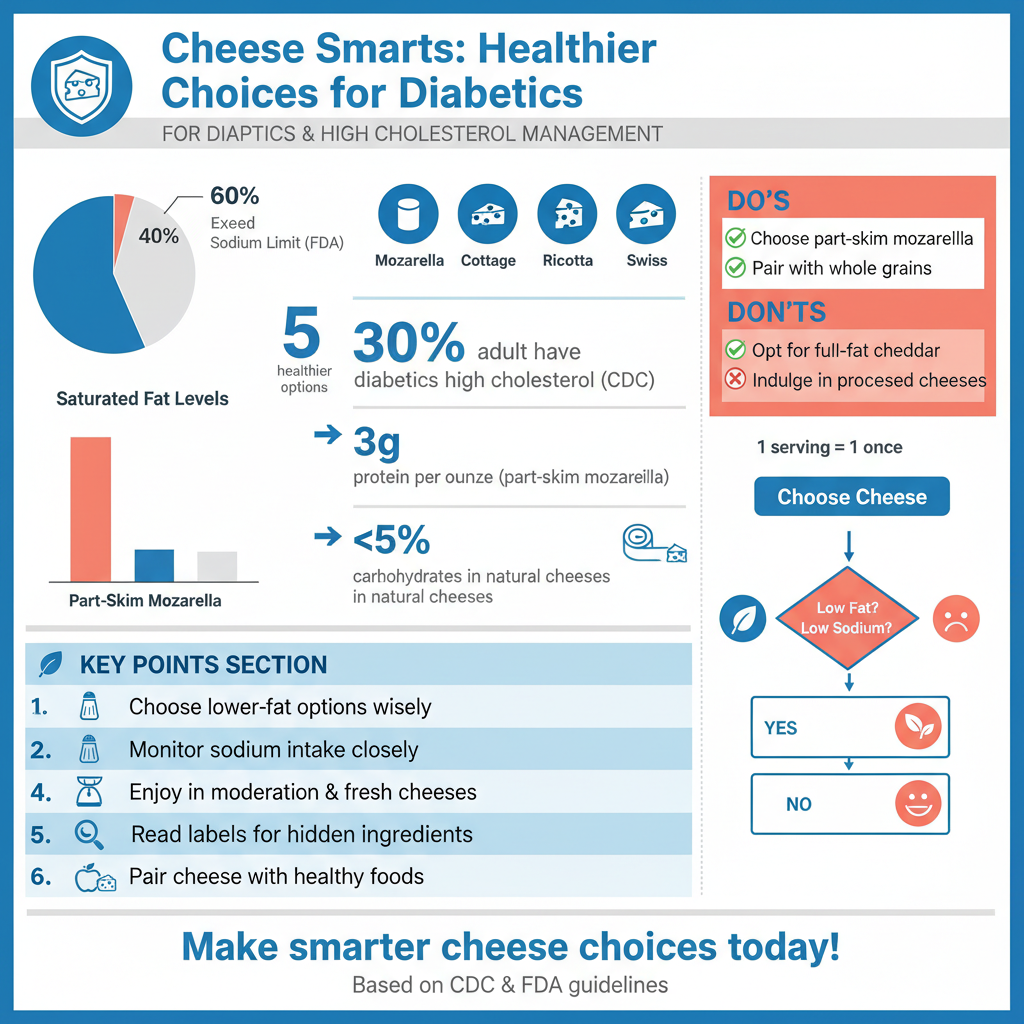

Navigating the dairy aisle doesn’t have to feel like a minefield! There are plenty of delicious and versatile cheese options that fit perfectly into a heart-healthy and diabetes-friendly eating plan. The key is to look for varieties that are naturally lower in saturated fat and sodium, while still delivering great flavor and nutritional benefits.
* Part-Skim Mozzarella: This classic Italian cheese is a true superhero for healthier eating. Made from partially skimmed milk, it boasts significantly less saturated fat than its whole-milk counterpart, making it a fantastic choice for managing cholesterol. It’s also relatively lower in sodium compared to many other cheeses, which is a win for blood pressure. Part-skim mozzarella is incredibly versatile, melting beautifully on homemade pizzas, lasagna, or baked chicken dishes. You can also enjoy it cold, shredded over salads, paired with cherry tomatoes and basil for a caprese snack, or as a tasty string cheese option for a quick protein boost. Its mild flavor makes it a crowd-pleaser and an easy swap in many recipes.
* Cottage Cheese (Low-Fat/Non-Fat): Often overlooked, cottage cheese is a powerhouse of nutrition, especially the low-fat or non-fat varieties. It’s renowned for being exceptionally high in protein, which helps you feel full and satisfied, aiding in weight management and stable blood sugar levels. This protein also makes it an excellent choice for muscle maintenance and repair. Beyond protein, cottage cheese is a good source of calcium for strong bones and B vitamins. Its creamy texture and mild flavor make it incredibly versatile: enjoy it plain with fresh fruit, use it as a base for savory spreads with herbs and vegetables, or even blend it into smoothies for an extra protein punch. Just be sure to check the sodium content, as it can vary between brands, opting for “no salt added” or lower sodium versions when possible.
* Ricotta (Part-Skim): Similar to cottage cheese in its production, part-skim ricotta offers a wonderfully creamy texture with a favorable nutritional profile. It’s a fresh, soft cheese with a delicate flavor that’s lower in saturated fat than many other types, thanks to being made with skimmed or part-skimmed milk. Ricotta is another excellent source of protein, making it satisfying and helpful for blood sugar control. It also provides a good dose of calcium. Use part-skim ricotta in Italian dishes like lasagna or stuffed shells, spread it on whole-wheat toast with a sprinkle of cinnamon for a quick breakfast, or even incorporate it into healthier dessert recipes like fruit parfaits to add creaminess and protein without excess fat.
* Goat Cheese (Chèvre): For those seeking a cheese with a distinct personality, goat cheese, or chèvre, is a fantastic option. Often naturally lower in fat and sodium than cheeses made from cow’s milk, goat cheese can be a flavorful addition to your diet. It also contains different types of fats (medium-chain triglycerides) that some research suggests are metabolized differently and may be easier to digest for some individuals. Goat cheese comes in various forms, from fresh, soft logs to aged, firmer varieties. Its tangy, earthy flavor pairs beautifully with salads, roasted vegetables, whole-grain crackers, or even fruit. A little bit of goat cheese goes a long way in terms of flavor impact, so you can use it sparingly to add a gourmet touch to your meals without overdoing it on fat or calories.
* Swiss Cheese: Known for its iconic holes and nutty, mild flavor, Swiss cheese is a great choice for sandwiches and snacks because it stands out as one of the lowest-sodium and lower-fat hard cheeses available. While many hard cheeses can be high in both, Swiss often offers a more favorable balance. It’s a good source of protein and calcium, and its distinct taste means you don’t need a large amount to get a satisfying flavor. Look for natural Swiss cheese varieties rather than processed Swiss-style products to ensure you’re getting the best nutritional benefits. It melts well and adds a lovely depth to omelets, casseroles, or simply enjoyed in a thin slice with an apple.
Cheeses to Enjoy in Moderation (or Avoid)
Just as there are smart choices, there are also cheeses that, while delicious, might not be the best fit for frequent consumption if you’re managing diabetes and high cholesterol. It’s not about outright banning foods, but understanding why certain options require a more cautious approach and making informed decisions.
* High-Fat & Processed Cheeses: This category includes many popular household favorites that are unfortunately high in the very components you’re trying to limit.
* Full-fat cheddar, Monterey Jack, Colby, and similar varieties are often loaded with saturated fat. While they offer a rich flavor, their impact on LDL cholesterol levels can be significant. If you love these cheeses, aim for very small portions, treat them as an occasional indulgence, or seek out their reduced-fat versions (though always check the sodium in reduced-fat options, as it can sometimes be higher).
* American cheese and other processed cheese slices are notorious for their high sodium content, which can be detrimental to blood pressure. They also often contain unhealthy additives, artificial colors, and less actual cheese, making them a less nutritious choice overall.
* Cream cheese is incredibly high in saturated fat and offers minimal protein, making it less satisfying and more impactful on cholesterol levels. Opt for Greek yogurt-based spreads or part-skim ricotta as healthier alternatives for creaminess.
* Blue cheese, while wonderfully pungent and flavorful, is typically high in both saturated fat and sodium. Its strong flavor means you usually use a small amount, which helps, but it’s still best reserved for occasional use.
* Harder Cheeses (Full-Fat): Cheeses like Parmesan, Pecorino Romano, and aged Provolone are celebrated for their intense, complex flavors. However, because they are so concentrated, they are also very high in saturated fat and sodium per serving. While a sprinkle of Parmesan on your pasta can certainly elevate a dish, using it as a main component or in generous portions can quickly exceed recommended limits. Think of these as a condiment or a garnish rather than a primary food item. Their strong flavor means you typically need less to make an impact, which is a natural form of portion control if used mindfully.
* Watch for Added Ingredients: The dairy aisle is full of tempting options, but it’s crucial to be a savvy shopper, especially when it comes to cheese spreads, cheese sauces, and flavored cheeses. These products often contain hidden pitfalls:
* Added sugars: Some flavored cream cheeses or cheese spreads might include sweeteners, which add unnecessary carbohydrates and calories for diabetics.
* Unhealthy fats: Beyond saturated fat, processed cheese products can sometimes contain trans fats (partially hydrogenated oils) or other unhealthy vegetable oils, which are detrimental to heart health.
* Excessive sodium and artificial additives: Many convenient cheese products are packed with sodium for preservation and flavor enhancement, along with artificial colors and preservatives that offer no nutritional value. Always flip over the package and read the ingredient list carefully. If you see a long list of unfamiliar ingredients or high amounts of sugar and sodium, it’s best to put it back on the shelf and opt for a simpler, natural cheese alternative.
Understanding Nutritional Labels for Smart Choices
Becoming a pro at reading nutritional labels is one of the most powerful tools you have for making informed, heart-healthy, and diabetes-friendly food choices. Don’t let the small print intimidate you; once you know what to look for, it becomes second nature!
* Saturated Fat: This is your primary concern when managing high cholesterol. On a nutritional label, you’ll find “Saturated Fat” listed under “Total Fat.” Your goal is to aim for cheeses with 3 grams or less of saturated fat per serving. Why is this number important? Saturated fat directly impacts your LDL (“bad”) cholesterol levels, and minimizing it is key to protecting your heart health. Be sure to look at the serving size listed on the label, as it can be surprisingly small. If a cheese has 5 grams of saturated fat per serving, and you eat two servings, you’ve just consumed 10 grams, which can quickly add up and exceed daily recommendations for a heart-healthy diet. Opting for part-skim or low-fat varieties will naturally lead you to cheeses with lower saturated fat counts.
* Sodium Content: Sodium is crucial for blood pressure management, particularly for those with diabetes who are already at increased risk for cardiovascular issues. Look for the “Sodium” line on the label. A good target for cheese is under 200mg per serving. Ideally, for truly “low sodium” options, you’d be aiming for 140mg or less per serving. You’ll also see terms like “reduced sodium” – this means the product has at least 25% less sodium than the original version, which is a step in the right direction but doesn’t necessarily mean it’s “low sodium.” Always compare the specific milligrams. Keep in mind that a single serving of some popular cheeses can contain over 300-400mg of sodium, so being mindful here can make a significant difference in your overall daily intake.
* Protein & Calcium: While focusing on what to limit, don’t forget the great nutrients cheese can provide! “Protein” and “Calcium” are beneficial nutrients found in cheese, helping with satiety and bone health.
* Protein: Cheese is an excellent source of protein, which is vital for building and repairing tissues, maintaining muscle mass, and most importantly for diabetics, helping to stabilize blood sugar levels and keep you feeling full. This satiety can prevent overeating and snacking on less healthy options. Look for cheeses that offer a good protein punch, such as cottage cheese, ricotta, and mozzarella, which can contribute significantly to your daily protein goals.
* Calcium: Most cheeses are rich in calcium, a mineral essential for strong bones and teeth, nerve function, and muscle contraction. Including calcium-rich foods in your diet is important for overall health. Even lower-fat cheese options typically retain their calcium content, so you can still reap these benefits without the added saturated fat. Check the % Daily Value for calcium on the label to see how much a serving contributes to your daily needs.
Beyond the Cheese: Portion Control & Healthy Pairings
Even when choosing the best, most diabetes and heart-healthy cheeses, how you eat them matters just as much as which ones you pick. Mindful consumption and strategic pairings can amplify the benefits and ensure cheese remains a delightful, guilt-free part of your diet.
* Mindful Portions: This is perhaps the most critical rule for enjoying cheese while managing diabetes and high cholesterol. Even healthy cheese options require strict portion control; a serving size is typically 1-1.5 ounces (about the size of your thumb or two dice). It’s easy to overestimate a serving, especially when snacking directly from the block or bag. Take the time to measure out your cheese, at least initially, until you have a good visual understanding of what a true serving looks like. Remember that calories, fat (even healthy fat), and sodium can quickly add up, even with “good” cheeses. Thinking of cheese as a garnish or flavor accent rather than a main component can help you stay within appropriate limits.
* Pair with Vegetables & Whole Grains: The foods you combine with cheese can significantly impact its overall health effect. Instead of pairing cheese with high-calorie, refined crackers or sugary fruits, combine it with nutrient-dense foods like salads, whole-wheat crackers, or vegetable sticks.
* Vegetables: Pairing cheese with non-starchy vegetables (like cucumber slices, bell pepper strips, celery sticks, or cherry tomatoes) adds fiber, which helps slow down sugar absorption, benefiting blood sugar control. It also adds volume and nutrients without many calories.
* Whole Grains: If you’re using crackers, choose 100% whole-wheat or high-fiber varieties. The fiber in whole grains can help mitigate any potential glycemic impact and contributes to overall digestive health.
* Salads: A light sprinkle of low-fat cheese can add a wonderful flavor and protein boost to a large, vibrant salad packed with greens and other colorful veggies, making it a more satisfying meal.
* Flavor, Not Filler: Shift your perspective on how you use cheese. Instead of relying on it as a substantial part of your meal, think of cheese as a flavor enhancer. A small amount of a richly flavored cheese (even one you use in moderation) can impart a lot of taste without adding excessive calories or saturated fat. Grate a tiny bit of Parmesan over a whole-wheat pasta dish with plenty of vegetables, crumble a small amount of goat cheese onto a colorful salad, or add a thin slice of Swiss to a turkey sandwich packed with lettuce and tomato. This approach allows you to savor the taste of cheese while ensuring your plate is primarily filled with fiber-rich vegetables, lean proteins, and complex carbohydrates, which are the cornerstones of a balanced, heart-healthy, and diabetes-friendly diet.
Navigating the world of cheese with diabetes and high cholesterol doesn’t mean sacrificing enjoyment. By prioritizing lower-fat, lower-sodium varieties, diligently reading nutritional labels, and practicing mindful portion control, you can safely incorporate cheese into a balanced diet. Remember that every small, informed choice contributes to your overall health and well-being. So go ahead, enjoy your cheese – wisely! Always consult with a healthcare professional or registered dietitian for personalized dietary advice tailored to your specific health needs and goals.
Frequently Asked Questions
What are the best cheese options for individuals with diabetes and high cholesterol?
For individuals managing diabetes and high cholesterol, the best cheese choices are generally low-fat or fat-free varieties that are also lower in sodium. Options like part-skim mozzarella, low-fat cottage cheese, Swiss cheese, and certain types of fresh goat cheese can be good selections. These provide beneficial protein and calcium while minimizing saturated fat and sodium intake, which are crucial for heart health and blood sugar management.
Why is it important for diabetics with high cholesterol to choose specific types of cheese?
It’s crucial because high-fat and high-sodium cheeses can negatively impact both conditions. Cheeses high in saturated fat can raise LDL (bad) cholesterol, increasing cardiovascular risk, which is already elevated in diabetics. High sodium content contributes to high blood pressure, another significant concern for heart health. Therefore, selecting cheeses lower in saturated fat and sodium helps support stable blood glucose levels and prevents heart complications.
Which cheeses should be limited or avoided if you have diabetes and high cholesterol?
Individuals with diabetes and high cholesterol should limit or avoid cheeses high in saturated fat and sodium. This includes many full-fat varieties like cheddar, Colby, American cheese, cream cheese, and highly processed cheese products. Additionally, some full-fat soft cheeses such as Brie or feta can be high in both fat and sodium. Prioritizing lower-fat and lower-sodium alternatives is key to managing both conditions effectively.
How can I enjoy cheese safely and healthily as part of a diabetic and heart-healthy diet?
To enjoy cheese safely, focus on strict portion control and always choose low-fat, low-sodium varieties. Incorporate small amounts of cheese as a flavor enhancer rather than the main component of a meal, perhaps pairing it with fiber-rich vegetables, whole-grain crackers, or fruit. Always read nutrition labels carefully to compare saturated fat, sodium, and carbohydrate content, ensuring your cheese choice aligns with your dietary goals for diabetes and high cholesterol management.
Is cottage cheese a good choice for managing diabetes and high cholesterol, and what about other fresh cheeses?
Yes, low-fat or fat-free cottage cheese can be an excellent choice for individuals with diabetes and high cholesterol due to its high protein content and typically lower fat. However, it’s vital to check the sodium content, as some brands can be high. Similarly, other fresh cheeses like part-skim ricotta or farmer’s cheese can also be good options, offering versatility and nutrients while being lower in saturated fat, provided you choose their reduced-fat and lower-sodium versions.
References
- https://www.diabetes.org/food-and-fitness/food-choices/what-can-i-eat/making-healthy-food-choices/dairy-and-diabetes
- Not Found | American Heart Association | American Heart Association
- Diabetes diet: Create your healthy-eating plan – Mayo Clinic
- https://www.mayoclinic.org/diseases-conditions/high-blood-cholesterol/in-depth/high-cholesterol-diet/art-20046922
- https://health.clevelandclinic.org/is-cheese-healthy
- Dairy • The Nutrition Source
- Diabetic Diet | MedlinePlus
- https://medlineplus.gov/eatingforhealthyheart.html
