
The best cereal for diabetics is one that is high in fiber (at least 3 grams per serving), low in added sugar (under 6 grams), and made primarily from whole grains like whole oats, bran, or shredded wheat. Top choices generally include steel-cut oats, bran flakes, and specific low-carb brands like Magic Spoon or Catalina Crunch, as these help prevent glucose spikes and maintain steady energy levels throughout the morning. Breakfast is often termed the most important meal of the day, but for individuals managing diabetes, it can also be the most challenging due to the “dawn phenomenon”—a natural rise in blood sugar that occurs in the early morning hours. Consequently, selecting a breakfast cereal requires more than just grabbing a convenient box; it necessitates a strategic approach to macronutrients. By focusing on nutrient density and glycemic control, you can transform a traditional carbohydrate-heavy meal into a tool for metabolic stability.
Nutritional Criteria for Diabetic-Friendly Cereal
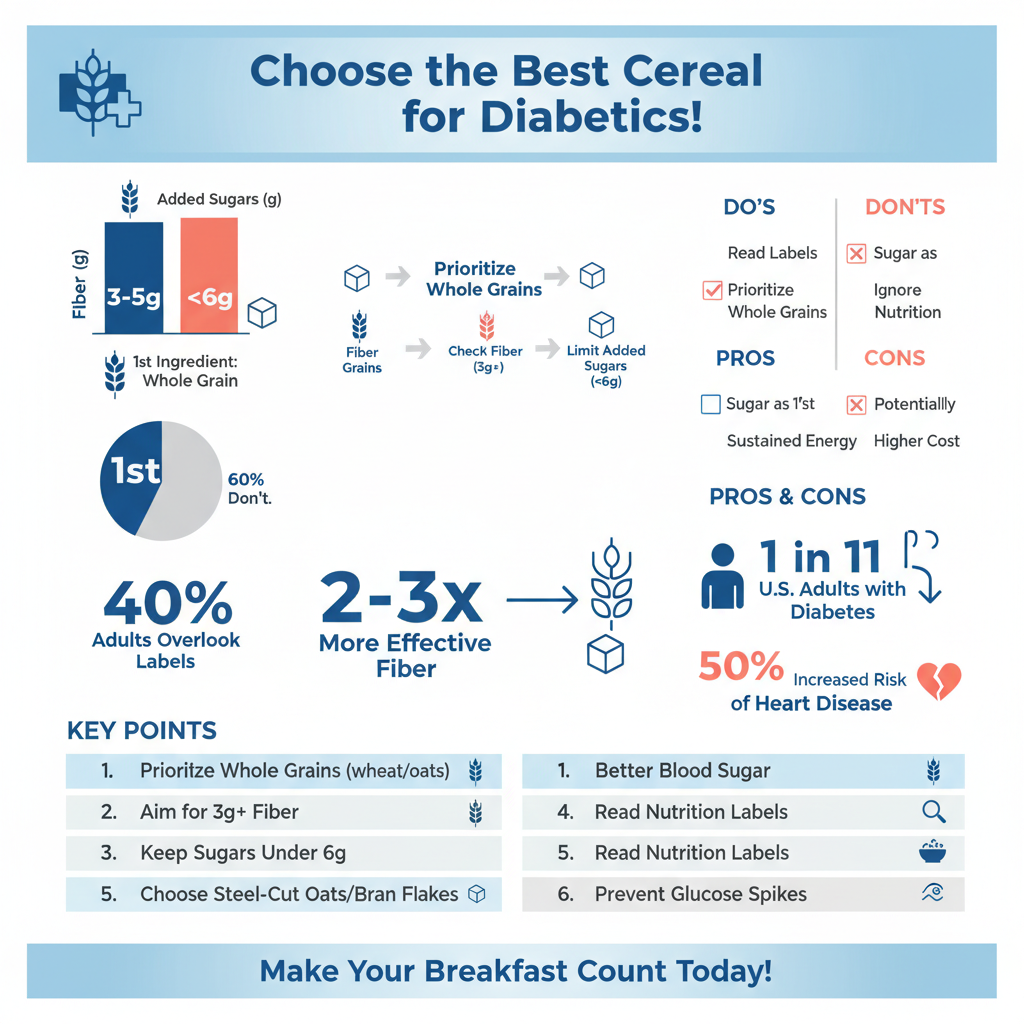
Navigating the cereal aisle can be overwhelming due to deceptive marketing claims such as “all-natural” or “multigrain.” To ensure a product supports blood glucose management, one must look past the front-of-box advertising and rigorously analyze the nutrition facts label and ingredient list.
* Look for cereals that list a whole grain as the very first ingredient on the label.
The ingredient list is ordered by weight, meaning the first item listed comprises the majority of the product. If “sugar,” “corn flour,” or “white rice” appears first, the cereal will likely digest rapidly, causing a spike in insulin. Instead, prioritize whole wheat, whole oats, or sorghum. Whole grains retain the bran and germ, which contain vital nutrients and fiber that refined grains lack.
* Aim for at least 3 to 5 grams of fiber per serving to slow down digestion and sugar absorption.
Fiber is the diabetic diet’s greatest ally. It acts as a physical barrier in the digestive system, slowing the rate at which the stomach empties and reducing the speed at which glucose enters the bloodstream. Soluble fiber, found in oats and barley, is particularly effective at improving insulin sensitivity. A cereal with less than 3 grams of fiber typically functions like a simple sugar in the body.
* Ensure the cereal contains less than 6 grams of added sugar per serving to keep the glycemic load low.
It is crucial to distinguish between total sugars (which may include natural sugars from grains or freeze-dried fruit) and added sugars (cane sugar, honey, syrups). The American Heart Association and diabetes organizations recommend strictly limiting added sugars. A cereal with high added sugar triggers a rapid glycemic response, often followed by a hypoglycemic crash that leaves you hungry and lethargic mid-morning.
Top Cold Cereal Recommendations
For those who prefer the convenience of a cold bowl of cereal, the market offers several excellent options that align with diabetic dietary needs. The goal is to find products that provide the crunch and satisfaction of traditional cereals without the heavy carbohydrate load.
* Choose bran-based cereals like Fiber One or All-Bran, which offer exceptionally high fiber content.
Bran cereals are among the most effective options for blood sugar control because they are derived from the hard outer layer of the grain. Some of these products contain upwards of 10 to 14 grams of fiber per serving—roughly half of the daily recommended intake. This density effectively lowers the net carb count (total carbs minus fiber) and keeps satiety levels high for hours.
* Opt for plain shredded wheat or whole-grain oat cereals like Cheerios that have minimal added sweeteners.
Classic options like spoon-sized shredded wheat typically contain only one ingredient: whole wheat. Without added sugar or sodium, these biscuits provide a neutral base that is safe for blood glucose levels. Similarly, plain oat rings made from whole grain oats contain a distinct type of fiber called beta-glucan, which has been clinically shown to improve heart health and glycemic regulation.
* Consider newer keto-friendly or high-protein cereals specifically designed to have low net carbs.
The food industry has responded to the demand for low-glycemic options with “keto” cereals. Brands utilize alternative sweeteners like erythritol, monk fruit, or allulose, and replace grain flours with almond flour or milk protein isolate. While these options are often more expensive, they provide a distinct advantage: they mimic the taste and texture of sugary childhood cereals while having a negligible impact on blood sugar.
Best Hot Cereals for Blood Sugar Control
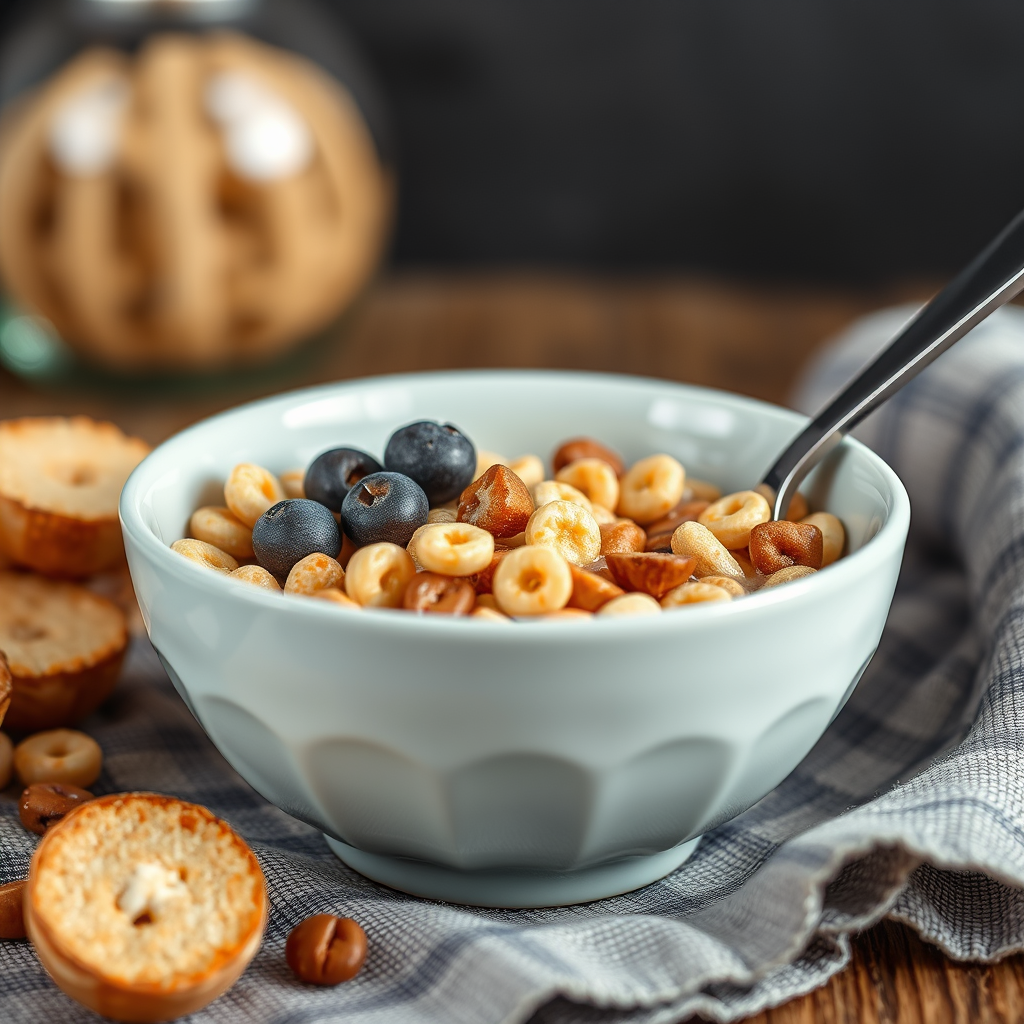
Hot cereals are a comfort food staple, but their impact on diabetes depends heavily on the processing level of the grain. The more intact the grain, the better the blood sugar response.
* Prioritize steel-cut or rolled oats over instant oatmeal packets, which often contain hidden sugars and digest too quickly.
Instant oatmeal is pre-cooked and rolled very thin to allow for rapid hydration. Unfortunately, this processing allows the body to break down the starch into glucose almost immediately. Steel-cut oats, conversely, are simply whole oat groats chopped into pieces. They require more chewing and take longer to digest, resulting in a much flatter glucose curve.
* Try alternative hot grains like quinoa or buckwheat for variety and complex carbohydrates.
Oats are not the only option for a hot breakfast. Quinoa is a complete protein, meaning it contains all nine essential amino acids, which aids in blood sugar stabilization. Buckwheat, despite its name, is a gluten-free fruit seed unrelated to wheat. It has a robust, nutty flavor and a low glycemic index, making it an excellent base for a diabetic-friendly porridge.
* Prepare hot cereals with water or unsweetened almond milk to keep the total carbohydrate count lower.
Using cow’s milk adds lactose—a naturally occurring milk sugar—which increases the total carbohydrate count of the meal. By preparing your grains with water or unsweetened almond, soy, or flax milk, you reserve your carbohydrate allowance for the grains themselves. This substitution can save anywhere from 12 to 20 grams of carbohydrates per bowl.
Ingredients and Additives to Avoid
A “healthy” looking box does not always contain healthy contents. Marketing terms often obscure ingredients that can be detrimental to metabolic health. Being vigilant about additives is just as important as checking macronutrients.
* Stay away from cereals containing high fructose corn syrup (HFCS), which can cause rapid spikes in blood glucose.
HFCS is a highly processed sweetener that is metabolized differently than glucose, putting significant strain on the liver and contributing to insulin resistance over time. It is often found in granola clusters and flavored cereals. If HFCS is listed, the product is generally unsuitable for a diabetic diet.
* Avoid cereals with dried fruit coated in sugar, as these significantly increase the total carb count.
While fruit is healthy, dried fruit in cereal is essentially concentrated sugar. A raisin or dried cranberry has had its water removed, leaving a dense carbohydrate source. Furthermore, cereal manufacturers often roll dried fruit in granulated sugar to prevent clumping. It is far better to buy plain cereal and add a small portion of fresh berries, which have higher water content and volume.
* Watch out for “hydrogenated oils” or artificial colors often found in highly processed breakfast options.
Partially hydrogenated oils are a source of trans fats, which increase inflammation and the risk of heart disease—a condition for which diabetics are already at higher risk. Artificial dyes and preservatives indicate a high level of processing, suggesting that the nutritional integrity of the grain has likely been stripped away.
How to Balance Your Bowl with Protein and Fats
Eating carbohydrates alone (“naked carbs”) is rarely the best strategy for diabetes management. Pairing carbohydrates with proteins and healthy fats changes the digestive chemistry, reducing the glycemic load of the entire meal.
* Pair your cereal with a source of protein, such as Greek yogurt or a side of eggs, to further blunt the blood sugar response.
Protein takes significant energy and time to digest. When you consume protein alongside cereal, the stomach empties more slowly. A side of hard-boiled eggs or mixing the cereal into high-protein Greek yogurt instead of milk can significantly dampen the post-meal glucose spike compared to eating the cereal alone.
* Add healthy fats like chopped walnuts, almonds, or chia seeds to increase satiety and slow digestion.
Fat is the macronutrient with the least impact on blood sugar. Adding walnuts or chia seeds adds crunch and flavor while providing Omega-3 fatty acids. The fat coats the carbohydrate molecules in the stomach, further delaying gastric emptying. This “clothing your carbs” technique is a fundamental strategy for stabilizing energy levels.
* Use milk alternatives like soy or flax milk if you need to reduce the lactose (milk sugar) content of your meal.
For those who are particularly sensitive to carbohydrates, the 12 grams of sugar found in a cup of dairy milk can be problematic. Unsweetened soy milk offers a high-protein profile similar to cow’s milk but with a fraction of the carbs. Flax milk offers healthy fats with almost zero carbohydrates, making it an ideal liquid base for keeping glucose levels flat.
Portion Control and Serving Sizes
Even the healthiest cereal can cause high blood sugar if consumed in excess. Portion distortion is common with cereal, where a standard bowl in a kitchen cabinet often holds two to three times the recommended serving size.
* Always use a measuring cup rather than pouring freely to ensure you stick to the recommended serving size.
Most cereal serving sizes are surprisingly small—often between 3/4 cup to 1 cup. Pouring directly from the box into the bowl almost invariably results in overeating. By physically measuring the cereal, you ensure that the carbohydrate count matches your calculations.
* Check the carbohydrate count per serving and factor it into your daily meal plan or insulin calculations.
Diabetes management relies on data. Whether you are counting carbs for a sliding scale insulin dosage or managing type 2 diabetes through diet alone, accurate tracking is essential. Be aware that dense cereals (like granola) have much smaller serving sizes by volume than lighter cereals (like puffed wheat).
* Use a smaller bowl to make the portion look more satisfying psychologically without overeating.
This is a psychological tactic known as the Delboeuf illusion. A standard serving of cereal looks meager in a large soup bowl, leading to feelings of deprivation. The same amount in a smaller bowl looks generous and filling. This simple visual cue can increase satisfaction without requiring additional calories or carbohydrates.
Choosing the right cereal doesn’t mean sacrificing flavor; it simply requires reading labels carefully to find high-fiber, low-sugar options that support your health goals. By selecting whole grains and pairing them with healthy fats and proteins, you can enjoy a convenient breakfast without compromising your blood sugar levels. Next time you visit the grocery store, use this guide to swap out sugary boxes for heart-healthy alternatives that keep you feeling your best. Small changes in your morning routine, from the type of milk you pour to the size of the bowl you use, can yield significant improvements in your long-term metabolic health.
Frequently Asked Questions
What nutritional criteria should I look for when choosing a cereal for diabetes?
When selecting a diabetes-friendly cereal, prioritize options that contain at least 3 to 5 grams of fiber and 5 or more grams of protein per serving, as these nutrients help slow the absorption of glucose into the bloodstream. It is crucial to look for cereals with less than 6 grams of added sugar and to check that “whole grain” is listed as the very first ingredient. Always examine the total carbohydrate count rather than just sugar content, aiming for a portion that fits within your specific carb allowance per meal.
Are popular options like Cheerios or oatmeal considered safe for a diabetic diet?
Yes, specific varieties of these cereals can be healthy choices; for instance, plain Cheerios made from whole grain oats are low in sugar and contain heart-healthy soluble fiber. Similarly, steel-cut or rolled oats are excellent for diabetes management because they have a lower glycemic index compared to instant oatmeal packets, which are often loaded with added sugars and processed ingredients. To keep blood sugar stable, enjoy these cereals plain and add your own toppings like nuts, seeds, or berries for extra texture and nutrition.
Why is dietary fiber so important in a breakfast cereal for diabetics?
Dietary fiber is essential for diabetics because it acts as a natural brake on digestion, preventing rapid spikes in blood sugar and insulin levels after eating. High-fiber cereals, such as bran flakes or shredded wheat, also promote satiety, helping you feel full longer which can prevent overeating and aid in weight management. A general rule of thumb is to choose cereals where the fiber content helps offset the total carbohydrates, resulting in a lower “net carb” impact on your body.
Which specific cereal brands are frequently recommended for blood sugar control?
Nutritionists often recommend classic options like Wheaties, Fiber One, and Kellogg’s All-Bran because they are low in sugar and high in fiber, making them reliable staples for glucose control. Additionally, newer low-carb “keto” cereals like Magic Spoon or Catalina Crunch are excellent modern alternatives that use sweeteners like stevia or monk fruit to eliminate sugar spikes while providing high protein. Always verify the nutrition label, as formulations can change, to ensure the brand meets your specific dietary goals.
How can I make my bowl of cereal more diabetic-friendly to prevent glucose spikes?
You can minimize glucose spikes by pairing your cereal with a source of healthy fat or extra protein, such as chopped walnuts, chia seeds, or a side of hard-boiled eggs. Using unsweetened almond milk or high-protein Greek yogurt instead of traditional cow’s milk can also lower the overall carbohydrate count of the meal. Finally, strictly adhering to the recommended serving size—typically 1/2 to 1 cup—is vital, as even healthy cereals can raise blood sugar if consumed in large quantities.
References
- Asthma: Types, causes, and diagnosis
- https://health.clevelandclinic.org/what-should-you-eat-for-breakfast-if-you-have-diabetes
- https://www.diabetes.org.uk/guide-to-diabetes/enjoy-food/eating-with-diabetes/healthy-swaps/breakfast-swaps
- Healthy Living with Diabetes – NIDDK
- Whole Grains • The Nutrition Source
- Diabetes diet: Create your healthy-eating plan – Mayo Clinic
- Healthy Eating | Diabetes | CDC
