
The best cereal for diabetes type 2 is one that is high in fiber (at least 3 grams per serving), low in added sugar, and made primarily from whole grains. Top choices include steel-cut oats, bran flakes, and shredded wheat, as these complex carbohydrates digest slowly and help maintain stable blood sugar levels. This guide breaks down exactly what to look for on the nutrition label and which specific types of cereal are safe to eat. Navigating the cereal aisle can often feel like walking through a minefield of sugar bombs and misleading health claims. However, living with diabetes doesn’t mean you have to say goodbye to a quick, convenient breakfast. By understanding a few key principles and ignoring the flashy marketing on the front of the box, you can curate a breakfast bowl that fuels your morning without spiking your glucose.
Key Nutritional Criteria for Diabetes-Friendly Cereal
When you flip the box over to read the Nutrition Facts label, it can sometimes look like a confusing math problem. However, for someone managing type 2 diabetes, there are really only three main numbers you need to zero in on to determine if a cereal is a safe bet.
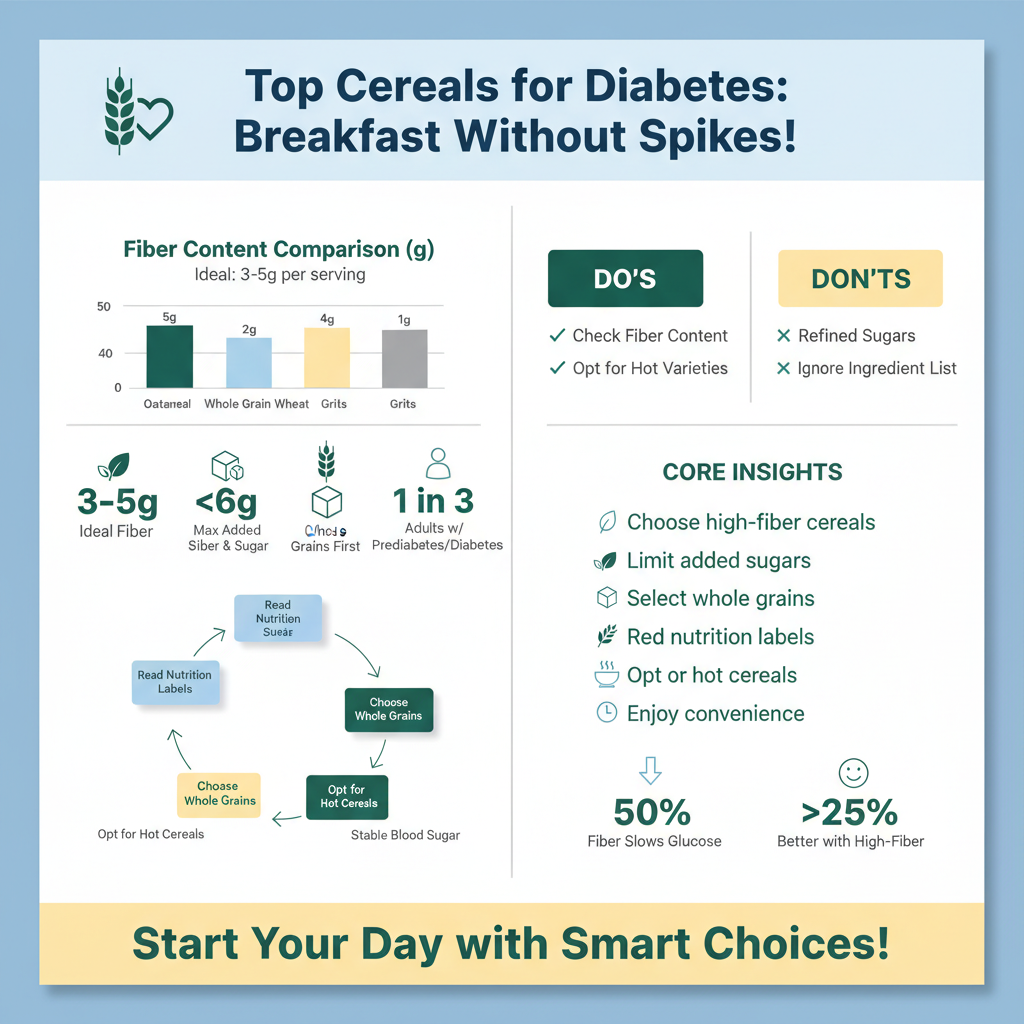
First and foremost, look for cereals with at least 3 to 5 grams of fiber per serving to slow glucose absorption. Fiber is your best friend when it comes to blood sugar management. It acts as a buffer during digestion, preventing your body from breaking down carbohydrates into sugar too quickly. Soluble fiber, specifically found in oats and barley, forms a gel-like substance in your gut that slows digestion. If a cereal has less than 3 grams of fiber, it will likely spike your blood sugar much faster than you’d like.
Secondly, ensure the total carbohydrate count fits your meal plan, usually aiming for under 6 grams of added sugar. It is crucial to distinguish between total carbohydrates and added sugars. While grains naturally contain carbs, added sugars are the processed sweeteners put in to improve taste. These are the “fast-acting” carbs that cause spikes. A general rule of thumb for a diabetes-friendly cereal is to keep the added sugar as close to zero as possible, but definitely under 6 grams per serving.
Finally, prioritize “whole grain” as the very first ingredient listed on the package. Ingredients are listed by weight, meaning the first item is what the cereal is mostly made of. You want to see “whole grain wheat,” “whole oats,” or “whole grain corn.” If the list starts with “refined flour,” “milled corn,” or sugar, put it back on the shelf. Whole grains contain the bran and the germ, which hold the essential nutrients and fiber that refined grains are stripped of.
Best Hot Cereals for Blood Sugar Control

There is something incredibly comforting about a warm bowl of cereal, especially during cooler months. Hot cereals are often less processed than their cold counterparts, making them excellent candidates for blood sugar management.
Steel-cut oats and rolled oats offer a lower glycemic index compared to instant oatmeal packets. While all oatmeal comes from groats, the processing makes a massive difference in how your body handles it. Instant oats are pre-cooked, dried, and rolled very thin, meaning they digest rapidly—almost as fast as sugar. Steel-cut oats, on the other hand, are just chopped whole oat groats. They are dense, chewy, and take longer for the body to break down, resulting in a gentle rise in blood sugar rather than a sharp spike. Rolled oats (old-fashioned) are a good middle ground if you are short on time.
For a change of pace, quinoa porridge provides a high-protein, gluten-free alternative that keeps you full longer. While we usually think of quinoa as a savory side dish for dinner, it makes a fantastic breakfast porridge. It is a complete protein, meaning it contains all nine essential amino acids. This protein punch, combined with its high fiber content, promotes satiety and stable energy levels throughout the morning.
If you are worried about plain oats or quinoa tasting bland, use tips for flavoring hot cereal naturally using cinnamon, nuts, or berries instead of brown sugar. Cinnamon is a powerhouse spice that may actually improve insulin sensitivity. Fresh berries add volume and natural sweetness with a low glycemic load, while walnuts or almonds add crunch and healthy fats. Avoid the temptation of maple syrup or honey; instead, try a drop of vanilla extract or a sprinkle of nutmeg to trick your palate into perceiving sweetness.
Top Cold Cereal Options to Buy
Sometimes you just need the convenience of pouring from a box. While the cold cereal aisle is notorious for high sugar, there are several “heritage” brands and newer health-conscious options that are perfectly safe for a diabetic diet.
Bran-based cereals (like bran flakes or buds) provide the highest density of fiber. Bran is the hard outer layer of the grain kernel, and it is packed with insoluble fiber. Some bran cereals offer up to 13 grams of fiber in a small serving—that is half the daily recommended intake for many adults! This massive dose of fiber dramatically reduces the net carb impact of the meal. Just be sure to check the label for high fructose corn syrup, as some brands add sweeteners to mask the earthy taste of the bran.
Plain shredded wheat is an excellent choice as it typically contains zero added sugar or sodium. It is rare to find a processed food with only one ingredient, but plain shredded wheat fits the bill. It is simply whole wheat formed into biscuits. Because it has a larger surface area and volume, it can feel very filling. Since it has no sugar, it is a blank canvas for your own toppings, like strawberries or chia seeds.
Whole-grain oat squares offer a crunchy texture without the high sugar content of children’s cereals. If you crave that satisfying “crunch” that bran flakes sometimes lack, look for toasted oat squares. These are often fortified with vitamins and minerals and provide soluble fiber from the oats. They hold up well in milk and don’t get soggy immediately. However, always double-check the label, as some “honey nut” varieties of oat squares can contain significantly more sugar than the plain versions.
Ingredients to Avoid in Breakfast Cereals
Knowing what to avoid is just as important as knowing what to buy. Marketing terms like “Natural,” “Light,” or “Multigrain” are not regulated strictly and can be deceptive. You have to be a detective regarding the ingredient list.
Watch out for “hidden” sugars listed as high fructose corn syrup, dextrose, or cane crystals. Manufacturers use dozens of different names for sugar. If you see agave nectar, barley malt, cane juice, caramel, corn syrup, dextrin, dextrose, maltose, or sucrose, treat them all as sugar. Sometimes a label will list three or four different types of sugar. While each one might be small in quantity (keeping them lower on the ingredient list), when you add them up, the cereal is essentially a dessert.
Avoid cereals containing dried fruits like raisins or cranberries, which are often coated in sugar and calorie-dense. You might think, “Fruit is healthy, right?” Whole fruit is, but dried fruit in cereal is tricky. First, the drying process concentrates the natural sugars. Second, to keep the fruit from clumping together in the box, manufacturers often coat raisins and cranberries in extra sugar or oil. You are much better off buying plain cereal and adding your own fresh blueberries or sliced strawberries, which have more water content and volume.
Steer clear of refined grains and “puffed” rice or corn options that digest too quickly. Puffed cereals (like puffed rice or corn puffs) are made by subjecting grains to high pressure and heat. This process breaks down the cellular structure of the grain, making it incredibly easy to digest. While they are low in calories, they have a very high glycemic index. Eating them is essentially shooting glucose straight into your bloodstream.
How to Balance Your Cereal Bowl
Even the healthiest cereal is still primarily a carbohydrate source. To make it a truly diabetes-friendly meal, you need to alter the “macro” balance of the bowl. You want to slow down digestion as much as possible.
Pair your cereal with a source of protein, such as Greek yogurt or a side of eggs, to prevent blood sugar spikes. Protein is the anchor of your meal. It takes significant energy for your body to break down. If you eat a bowl of cereal with milk, you might get 8 grams of protein. If you reduce the cereal portion and eat it alongside a hard-boiled egg or mix the cereal into plain Greek yogurt, you could double or triple that protein intake. This blunts the glucose response significantly.
Add healthy fats like walnuts, chia seeds, or flaxseeds to further slow down digestion. Fat, like protein, delays gastric emptying. Adding a tablespoon of chia seeds or ground flaxseeds not only boosts the fiber count but adds Omega-3 fatty acids. Chopped pecans or walnuts add a rich, savory note that complements grain flavors perfectly. Just be mindful of calories, as nuts are energy-dense.
Measure your portion sizes carefully, as even healthy cereal can raise blood sugar if over-consumed. This is the most common pitfall. A “serving size” on a cereal box is often 3/4 cup or 1 cup. Most standard kitchen bowls hold 2 to 3 cups. If you fill the bowl, you are eating three servings—which means three times the carbs and three times the sugar. Use a measuring cup for the first week until you can visually recognize what a proper portion looks like.
Milk and Milk Alternatives
The liquid you pour over your cereal contributes to the total carbohydrate load of the meal, so it shouldn’t be an afterthought.
Unsweetened almond milk or soy milk are lower-carb options compared to regular cow’s milk. Unsweetened almond milk typically contains less than 1 gram of carbohydrates per cup, making it a “free” food in terms of glucose impact. Soy milk is also a great option because it is comparable to cow’s milk in protein content but generally lower in carbs if you buy the unsweetened variety.
If drinking cow’s milk, consider the carbohydrate count (lactose) when calculating your total meal intake. Cow’s milk is a nutritious food, packed with calcium and protein, but it contains lactose, which is a milk sugar. One cup of skim milk contains about 12 grams of carbohydrates. If your cereal has 25 grams of carbs and you add a cup of milk, your breakfast is now 37 grams of carbs. This is fine if it fits your plan, but you must account for it.
Avoid sweetened oat milks or rice milks, which can be surprisingly high in sugar. Oat milk is very trendy, but because it is made from grains, it is naturally higher in carbohydrates than nut milks. Furthermore, “Barista blends” or standard oat milks often have added oils and sugars to improve texture. Rice milk is generally the least diabetes-friendly option, as it is high in starch and low in protein, often resulting in a quick glucose spike.
Finding the best cereal for diabetes type 2 is about ignoring marketing claims and focusing strictly on the nutrition facts label for high fiber and low sugar. By choosing whole grains like oats or bran and pairing them with healthy proteins, you can enjoy a convenient breakfast without compromising your glucose levels. Start your next grocery trip by checking the fiber content first to ensure you are making a heart-healthy choice. With the right balance of ingredients and portion control, cereal can absolutely remain a delicious part of your morning routine.
Frequently Asked Questions
What specific ingredients should I look for in a diabetes-friendly cereal?
When selecting a cereal for Type 2 diabetes, always look for whole grains like whole wheat, bran, oats, or buckwheat listed as the very first ingredient. It is crucial to prioritize high fiber content and protein, as these nutrients slow down digestion and help prevent rapid blood sugar spikes. Additionally, check the ingredient list for hidden sweeteners and aim for products that use natural alternatives like stevia or monk fruit rather than high-fructose corn syrup or cane sugar.
How much fiber and sugar should I aim for when choosing a cereal for diabetes?
A good rule of thumb for diabetic-friendly cereal is to find options containing at least 3 to 5 grams of dietary fiber and less than 6 grams of added sugar per serving. High fiber intake is essential for glycemic control because it lowers the net carb count and reduces the speed at which sugar enters your bloodstream. Always compare the total carbohydrate count against the serving size to ensure it fits within your specific meal plan goals.
Is oatmeal a safe breakfast option for people with Type 2 diabetes?
Yes, oatmeal can be a powerful superfood for diabetes, provided you choose steel-cut or rolled oats rather than highly processed instant oatmeal packets, which often contain added sugars and digest too quickly. Steel-cut oats have a lower glycemic index and contain beta-glucan, a soluble fiber that improves insulin sensitivity and heart health. To further stabilize blood sugar, consider adding healthy fats or protein, such as walnuts, chia seeds, or a scoop of protein powder.
Which cold cereals are considered the best choices for managing Type 2 diabetes?
The best cold cereals for blood sugar management are typically unsweetened bran flakes, shredded wheat, or specialized high-protein, low-carb “keto” cereals. These options are generally low in glycemic impact and high in fiber, helping you feel full longer without causing a glucose crash later in the morning. Avoid cereals marketed as “healthy” that contain dried fruits like raisins or cranberries, as these are dense in sugar and can surprisingly raise carb counts.
Why should diabetics avoid highly processed cereals like Corn Flakes or puffed rice?
Highly processed cereals like corn flakes or puffed rice are made from refined grains that have been stripped of their natural fiber and nutrients, resulting in a very high glycemic index. Even if they don’t taste sweet, your body digests these simple carbohydrates rapidly, converting them into glucose almost immediately. This rapid digestion causes severe blood sugar spikes, making them a poor choice for anyone trying to manage insulin resistance or Type 2 diabetes.
References
- https://health.clevelandclinic.org/best-cereal-for-diabetics
- Breakfasts for diabetes | Diabetes UK
- Breakfast cereals ranked best to worst – BHF
- https://www.health.harvard.edu/nutrition/a-diabetes-friendly-breakfast
- Healthy Living with Diabetes – NIDDK
- Page Not Found | Utah State University
- https://www.umassmed.edu/dcoe/diabetes-education/nutrition/breakfast-ideas/
