
When experiencing a diabetic emergency due to low blood sugar (hypoglycemia), the best candy choices are those that provide a rapid source of simple carbohydrates to quickly elevate blood glucose levels without significant fat or protein content. Therefore, fast-acting, non-chocolate candies like jelly beans, hard candies (e.g., Skittles, Smarties, Lifesavers), and fruit chews are your top options for a swift response. These readily available items can be crucial for managing a sudden drop in blood sugar, offering a convenient and often palatable way to get your glucose levels back on track quickly and safely.
Understanding Hypoglycemia and Its Urgency

Dealing with diabetes means being prepared for various scenarios, and one of the most critical is hypoglycemia. It’s a situation that requires immediate attention, and understanding it is the first step towards effective management.
* What is Hypoglycemia? Simply put, hypoglycemia is a condition where your blood glucose (sugar) levels drop dangerously low, typically falling below 70 mg/dL (3.9 mmol/L). This can happen for several reasons, such as taking too much insulin or other glucose-lowering medication, skipping meals, exercising more than usual, or even consuming alcohol. Your body relies on glucose for energy, especially your brain, so when levels get too low, things can go wrong very quickly. It’s not just a minor inconvenience; it’s a genuine emergency for anyone with diabetes.
* Common Symptoms: Your body often sends out warning signals when blood sugar is plummeting. Recognizing these signs early is absolutely vital. Common indicators include feeling shaky or trembling, breaking out in a cold sweat, experiencing dizziness or lightheadedness, and sometimes even confusion or difficulty concentrating. You might also feel an intense hunger, become unusually irritable, or notice your vision blurring. In more severe cases, symptoms can escalate to slurred speech, clumsiness, disorientation, and even seizures. These symptoms can vary from person to person, so knowing *your* personal warning signs is key.
* Why Fast Action is Critical: The brain needs a constant supply of glucose to function properly. When blood sugar levels remain low for too long, brain function can be impaired, leading to a cascade of serious complications. Untreated hypoglycemia can rapidly progress from mild discomfort to severe issues like seizures, loss of consciousness, and, in extreme cases, even coma. This is why immediate intake of glucose is non-negotiable. The quicker you can raise your blood sugar back to a safe range, the less likely you are to experience these severe, potentially life-threatening consequences. Having fast-acting carbs readily available isn’t just convenient; it’s a lifesaver.
Ideal Candy Characteristics for Rapid Response


Not all candies are created equal when it comes to tackling low blood sugar. When you’re in a hurry to raise your glucose levels, you need specific characteristics from your carbohydrate source.
* High in Simple Sugars: The primary goal during a hypoglycemic episode is to get sugar into your bloodstream as quickly as possible. This means reaching for candies primarily made of simple sugars like glucose, dextrose, or sucrose (table sugar). These sugars are easily broken down and absorbed by your digestive system, leading to a swift rise in blood glucose. In contrast, complex carbohydrates (found in bread or pasta) take longer to digest and convert into glucose, making them less suitable for an immediate emergency. Always look for candies where sugar, corn syrup, or dextrose are high on the ingredient list.
* Low in Fat and Protein: This is a crucial distinction. While chocolate might seem like a quick sugar fix, its high fat content significantly slows down the absorption of sugar into your bloodstream. Similarly, protein also delays gastric emptying and sugar absorption. For a rapid response, you want the sugar to hit your system without any roadblocks. Therefore, it’s essential to avoid chocolate bars, candies with nuts (like peanut butter cups), or any sugary treat that also contains a significant amount of fat or protein. Think pure sugar, pure speed.
* Easy to Chew and Swallow: When blood sugar is low, individuals can become disoriented, shaky, or even have difficulty coordinating movements. In such a state, trying to chew something hard or sticky can be challenging and even pose a choking hazard. Candies that dissolve quickly in the mouth, are easily chewed, or have a soft, chewy texture are ideal. This ensures that the glucose can be consumed safely and effectively, even when someone is feeling unwell or confused. Hard candies that can be sucked on slowly are also excellent choices as they provide a steady, rapid release of sugar.
Top Candy Choices for Diabetic Emergencies
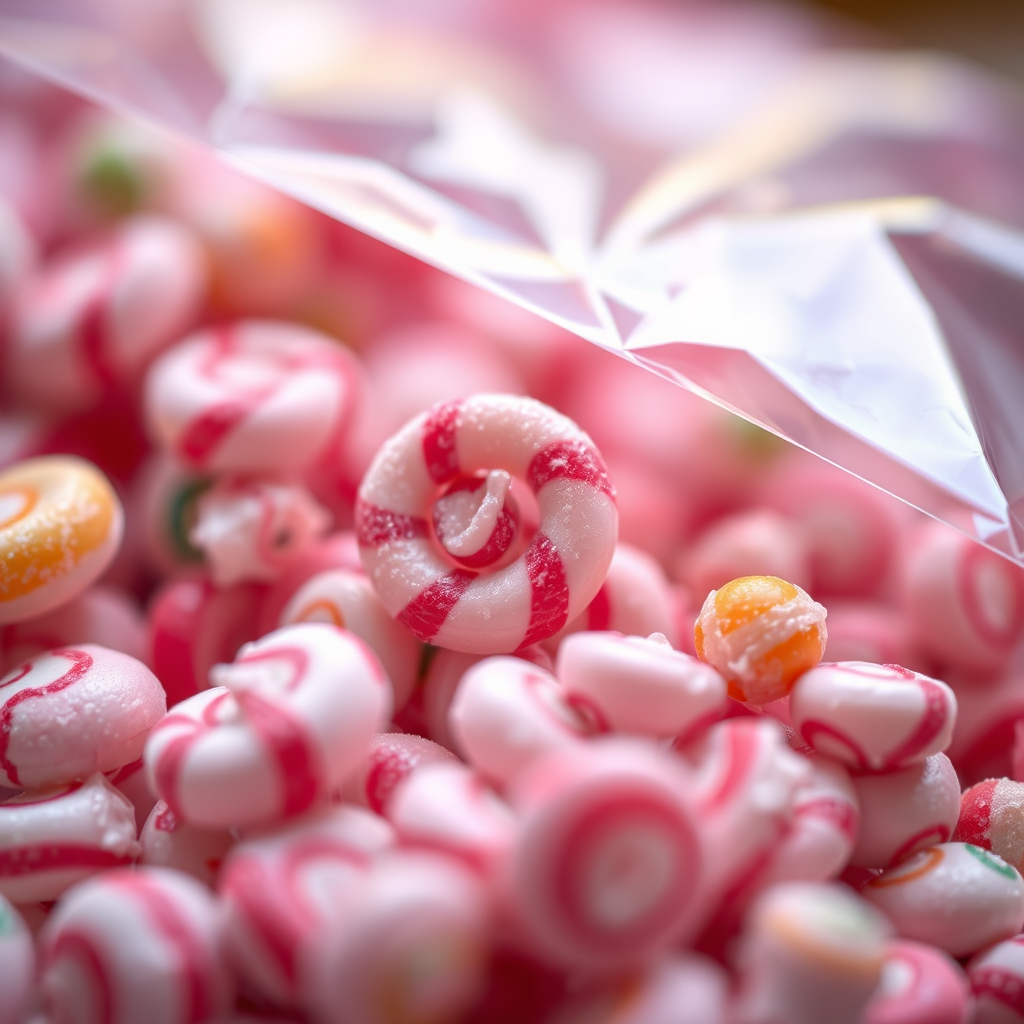
When seconds count, knowing exactly which candies to grab can make all the difference. These options are popular because they hit the sweet spot of being fast-acting, easily accessible, and effective.
* Jelly Beans: These colorful, chewy treats are often hailed as a go-to for hypoglycemia. Why? They are almost pure simple sugar and contain virtually no fat or protein. Typically, each jelly bean contains about 3-5 grams of carbohydrates. This makes them easy to portion accurately – a handful (approximately 4-5 beans) provides around 15-20 grams of fast-acting carbs, which is usually the recommended amount to treat mild-to-moderate hypoglycemia. Plus, they’re easy to chew and swallow, and generally well-liked!
* Hard Candies (Non-Chocolate): Think classic hard candies like Skittles, Smarties (the American kind), Lifesavers, or even peppermints. These are excellent choices because they are composed almost entirely of simple sugars and, crucially, contain no fat or protein. Each piece usually contains 3-4 grams of carbohydrates. They can be dissolved in the mouth, allowing for quick absorption, and are easy to carry in a purse, pocket, or emergency kit. Just remember to avoid any hard candies that might have a creamy filling or a chocolate coating.
* Fruit Chews: Chewable fruit candies, such as Starburst or Mike and Ikes, are another fantastic option. They offer concentrated sugar in a compact, easy-to-carry form. Like jelly beans, they are generally low in fat and protein, ensuring rapid sugar absorption. Always check the nutrition label, but a few pieces of most fruit chews will typically provide the necessary 15 grams of carbohydrates to treat a low. Their pleasant taste can also make them more appealing during a stressful situation.
* Important Note: It’s absolutely critical to always check the nutrition label of any candy you plan to use for an emergency. Carbohydrate counts can vary between brands and products. More importantly, ensure that the candy is not sugar-free. Sugar-free candies contain sugar alcohols (like xylitol, sorbitol, or maltitol) which do not effectively raise blood sugar and can actually cause digestive upset, making a bad situation even worse. Always opt for the “regular” sugary version!
Candies to Avoid (And Why)
Just as important as knowing what to use, is knowing what not to use. Certain candies, despite their sugary appeal, are counterproductive during a diabetic emergency.
* Chocolate Candies: This is perhaps the most common mistake. While chocolate bars and chocolate candies contain sugar, their significant fat content is the problem. Fat slows down gastric emptying and, consequently, the absorption of sugar into your bloodstream. This means that while you’re waiting for that chocolate to raise your blood sugar, your levels could continue to drop, prolonging the emergency and potentially leading to more severe symptoms. For rapid treatment, chocolate is simply too slow and ineffective.
* Candies with Nuts or Protein: Any candy containing nuts, peanut butter, or other protein sources should also be avoided for the same reason as chocolate. Protein, like fat, takes longer to digest and slows down the absorption of simple carbohydrates. So, while a candy bar with nuts might be a tasty snack, it won’t give you the immediate glucose boost you need when your blood sugar is dangerously low. Think pure sugar, not a complex snack.
* Sugar-Free Candies: This is a big no-no. Sugar-free candies are designed to be low in carbohydrates or to use sugar substitutes that have minimal impact on blood glucose levels. They contain sugar alcohols (e.g., xylitol, sorbitol, erythritol, maltitol) which do not raise blood sugar effectively enough for an emergency. Furthermore, consuming large amounts of sugar alcohols can lead to unpleasant gastrointestinal side effects like bloating, gas, and diarrhea, which are the last things you need when feeling unwell during hypoglycemia. Always double-check labels to ensure you’re not mistakenly grabbing a sugar-free option.
The 15-15 Rule: How Much to Administer
The “15-15 Rule” is a widely recognized and highly effective strategy for treating mild-to-moderate hypoglycemia. It helps you raise blood sugar safely and avoid overtreating.
* Consume 15 Grams of Carbs: When your blood sugar is low (typically below 70 mg/dL), the first step is to consume 15 grams of fast-acting carbohydrates. This precise amount is usually sufficient to bring your blood sugar back into a safe range without causing an overshoot into hyperglycemia (high blood sugar). For practical purposes, this might look like:
4-5 jelly beans
4-5 small hard candies (like Skittles or Lifesavers)
One tube of glucose gel (check label, usually 15g)
1/2 cup (4 ounces) of fruit juice or regular soda
The key is to measure accurately rather than just guessing, especially with candies.
* Wait 15 Minutes: After consuming the carbohydrates, it’s crucial to be patient and wait. Give your body approximately 15 minutes to absorb the sugar and for your blood glucose levels to respond. During this time, resist the urge to eat more, even if you still feel symptoms. Overtreating by eating too much too quickly can lead to a rapid spike in blood sugar, making it harder to manage your levels later.
* Repeat if Necessary: After 15 minutes, recheck your blood sugar level using your glucose meter. If your blood sugar is still below 70 mg/dL, consume *another* 15 grams of fast-acting carbohydrates. Then, wait another 15 minutes and recheck again. You can repeat this cycle up to 2-3 times. If, after 2-3 cycles of the 15-15 rule, your blood sugar levels do not rise or your symptoms persist or worsen, it’s time to contact medical help immediately. Don’t hesitate to call your healthcare provider or emergency services.
Beyond Candy: Other Fast-Acting Glucose Sources
While candy is a convenient and often effective choice, there are other excellent sources of fast-acting glucose specifically designed for or well-suited to treating hypoglycemia.
* Glucose Tablets or Gel: These are truly the gold standard for treating hypoglycemia. They are specifically formulated to deliver a precise amount of glucose (usually 15 grams per serving), ensuring the fastest and most accurate response. Glucose tablets are easy to chew and dissolve quickly, while glucose gels are swallowed directly. They are compact, easy to carry, and have a long shelf life, making them ideal for carrying in your emergency kit, purse, or car. Many people with diabetes prefer these over candy because they eliminate guesswork and are less likely to cause an over-treatment.
* Fruit Juice: A quick and readily available option, 4 ounces (or about half a cup) of orange, apple, or grape juice typically provides around 15 grams of carbohydrates. Juice is absorbed very quickly due to its liquid form and high sugar content. Small juice boxes or pouches are excellent to keep on hand as they offer a pre-portioned amount. Just make sure it’s 100% fruit juice and not a “light” or “no sugar added” variety.
* Regular Soda: Similar to fruit juice, 4 ounces (half a cup) of a non-diet soda (like Coca-Cola, Sprite, or Pepsi) can also provide about 15 grams of carbohydrates. Again, the liquid form ensures quick absorption. It’s crucial to specify “regular” soda; diet sodas contain artificial sweeteners that do not raise blood sugar and are useless in a hypoglycemic emergency.
* Honey or Syrup: If other options aren’t available, one tablespoon of honey or any regular syrup (like corn syrup or maple syrup) can provide a quick sugar boost, typically around 15 grams of carbohydrates. While effective, these can be sticky and a bit messier to administer, especially if someone is disoriented. If using honey, you can place it under the tongue or rub it on the inside of the cheek for absorption if swallowing is difficult, though this method is less consistent than swallowing.
When to Seek Medical Help
While managing hypoglycemia at home is often possible, there are specific situations where professional medical intervention is absolutely essential. Knowing when to call for help can save a life.
* Unconsciousness or Inability to Swallow: If the person experiencing hypoglycemia becomes unconscious, is having a seizure, or is unable to safely chew and swallow any oral glucose (candy, juice, tablets), do not attempt to force food or liquid into their mouth. This could lead to choking. In this critical situation, if prescribed, administer emergency glucagon immediately. Glucagon is an injectable hormone that tells the liver to release stored glucose. After administering glucagon, or if glucagon is not available or prescribed, call 911 (or your local emergency number) immediately. Stay with the person until medical help arrives.
* Persistent Low Blood Sugar: If, after following the 15-15 rule for 2-3 cycles, your blood sugar levels still do not rise above 70 mg/dL, or your symptoms do not improve, it’s time to seek medical attention. There might be an underlying issue preventing the glucose from being absorbed effectively, or the initial drop might have been more severe than anticipated. Your healthcare provider can assess the situation and provide appropriate treatment.
* Severe or Worsening Symptoms: Sometimes, even if the blood sugar number starts to creep up slightly, the symptoms can worsen. If you or the person experiencing hypoglycemia feels increasingly confused, disoriented, or experiences a severe headache, blurred vision, or weakness despite treatment, don’t wait for the numbers. Trust your instincts and call for medical help. Symptoms are your body’s way of telling you something is wrong.
* Always Inform Others: Living with diabetes means being prepared, but it also means empowering those around you to help. Wear a medical ID bracelet or necklace that clearly states you have diabetes. Educate your family members, friends, and colleagues about the signs of hypoglycemia and what to do in an emergency, including how to administer fast-acting carbs and when to call for emergency services or administer glucagon. Having a clear action plan shared with your support network is invaluable.
Navigating a diabetic emergency requires quick, informed action, and choosing the right candy can make all the difference. Always be prepared by carrying a reliable source of fast-acting carbohydrates like jelly beans, glucose tablets, or a small juice box. Remember that prevention is always best, so consistent blood sugar monitoring, careful meal planning, and adherence to your medication schedule are paramount. Most importantly, discuss your personal hypoglycemia management plan thoroughly with your healthcare provider to ensure you’re equipped for any situation and that you know exactly what steps to take to manage low blood sugar safely and effectively. Staying prepared helps you stay healthy and in control.
Frequently Asked Questions
What is the best candy to treat low blood sugar quickly during a diabetic emergency?
The best candy for a diabetic emergency is one that contains simple, fast-acting carbohydrates, ideally in the form of pure glucose. Glucose tablets are highly recommended as they provide a precise dose of glucose, but hard candies like Smarties, Skittles, or Life Savers (non-chocolate) are also excellent choices because their sugar is absorbed rapidly into the bloodstream. These options quickly elevate dangerously low blood sugar levels, mitigating the immediate risks of hypoglycemia.
Why are fast-acting carbohydrates essential for a diabetic emergency?
Fast-acting carbohydrates are crucial during a diabetic emergency because they provide an immediate source of glucose that the body can quickly absorb into the bloodstream. When blood sugar levels drop dangerously low (hypoglycemia), the brain and other vital organs are deprived of essential energy, leading to symptoms like confusion, dizziness, or even loss of consciousness. Rapidly consumed simple sugars help to quickly stabilize blood glucose, averting a more severe health crisis and restoring normal function.
How much candy should someone eat to raise blood sugar safely during hypoglycemia?
For treating hypoglycemia, the common guideline is the “Rule of 15”: consume 15 grams of fast-acting carbohydrates, wait 15 minutes, then recheck blood sugar levels. For many candies, 15 grams of carbohydrates typically translates to 4-5 glucose tablets, about 15-20 Skittles, or 5-6 Life Savers. It’s vital not to over-treat initially, as this can lead to dangerously high blood sugar later; always retest and repeat the 15/15 rule if blood sugar is still too low.
Which types of candy or sugary foods should be avoided during a hypoglycemic event?
During a diabetic emergency, it’s crucial to avoid candies or sugary foods that contain high amounts of fat, such as chocolate bars, pastries, cookies, or ice cream. While these items contain sugar, their fat content significantly slows down the absorption of glucose into the bloodstream, making them ineffective for a rapid blood sugar correction. Stick to pure, simple sugars for the fastest and most reliable response to dangerously low blood sugar levels.
Besides candy, what other quick-fix options are effective for a diabetic low?
In addition to fast-acting candies, other highly effective quick-fix options for a diabetic low include glucose gels or tablets, which are specifically formulated for this purpose and offer precise carbohydrate dosing. Small servings of fruit juice (like apple or orange juice), regular non-diet soda, or a tablespoon of honey can also rapidly raise blood sugar. Always aim for about 15 grams of readily absorbed carbohydrates for immediate treatment of hypoglycemia.
References
- Hypoglycemia – Symptoms and causes – Mayo Clinic
- https://diabetes.org/health-wellness/blood-sugar-management/treating-low-blood-sugar
- https://www.cdc.gov/diabetes/managing/low-blood-sugar.html
- https://www.niddk.nih.gov/health-information/diabetes/managing-diabetes/low-blood-glucose-hypoglycemia
- https://www.health.harvard.edu/diseases-and-conditions/what-to-do-about-low-blood-sugar-hypoglycemia
- Low blood sugar (hypoglycaemia) – NHS
